Créé par Romane, le 17 nov. 2026
Votre guide Ryo
Toulon, France
The Historic Naval City
Parcours audioguidé pour visiter Toulon en 1 jour
This tour of Toulon draws you into a setting where one of Europe’s most beautiful natural harbors meets the charming character of its old town. Let yourself be carried along by the vibrant atmosphere of the famous Cours Lafayette Market, before pausing along the port to take in the city’s powerful maritime heritage. Between the Haussmann-style façades of the Arts district and the maze of medieval streets, Toulon reveals a proud identity shaped by naval history and Mediterranean sunshine. It’s a walk filled with sea spray and the scents of Provence, offering a vivid way to experience a city that lives in rhythm with the sea.
Quand partir à Toulon ?
Jan.
13°
6
Feb.
14°
5
March
16°
5
April
19°
7
May
23°
6
June
27°
3
July
30°
1
Aug.
30°
2
Sept.
26°
6
Oct.
21°
9
Nov.
16°
9
Dec.
14°
7
Toulon enjoys a Mediterranean climate marked by exceptional sunshine, offering hot, dry summers where temperatures often reach 29°C and mild winters with daytime averages around 13°C. To enjoy the roadstead and the Mourillon beaches without enduring the intense summer heat, the ideal periods are spring (May and June) and early autumn (September and October), offering water that is still suitable for swimming and more breathable air. The month of May is particularly pleasant for taking the cable car up Mount Faron to admire the panorama under a clear sky, while the late season allows you to discover the bustle of the harbor and Provençal markets in a more serene atmosphere.
Départ conseillé
No need to worry about where to begin! Our tours are designed as a loop, so you can jump in wherever you are. The navigation system and audio-guide will automatically adjust to your location. However, if you happen to be nearby, we do have a preferred starting point: Place de la Liberté
Parking à proximité
Parking Q-Park Place d’Armes Le Port : avenue Général Magnan
If you prefer to park on the street in Toulon, make sure to check the colour-coded parking zones carefully—some are time-limited, more expensive than others, or reserved for local residents. Don’t forget to pay at a parking meter or use the PaybyPhone app. Alternatively, you can choose a paid car park in the city centre or try to find a free spot outside the downtown area.
À savoir
The tour passes through Alexandre I Garden, which is free to enter but has set opening hours. Be sure to check the schedule before your visit—or simply take Rue Chalucet to go around it and rejoin the route.
Découvrez 20 lieux d'intérêt pour visiter Toulon






What to see in Toulon on your 1h50 tour?
This 4.6 km loop takes about 1 h 50 and links 19 sights in Toulon. From Place de la Liberté, the walk crosses the old town past the Opera, Place Puget and the cathedral, follows the market along Cours Lafayette to the Porte d'Italie, then reaches the harbour before climbing back through Rue des Arts and Place de l'Équerre, ending at the Alexandre I garden. With the Ryo app in your ears, every façade tells the maritime and artistic story of the town.
Information checked in November 2026 and subject to change.
1 - Place de la Liberté
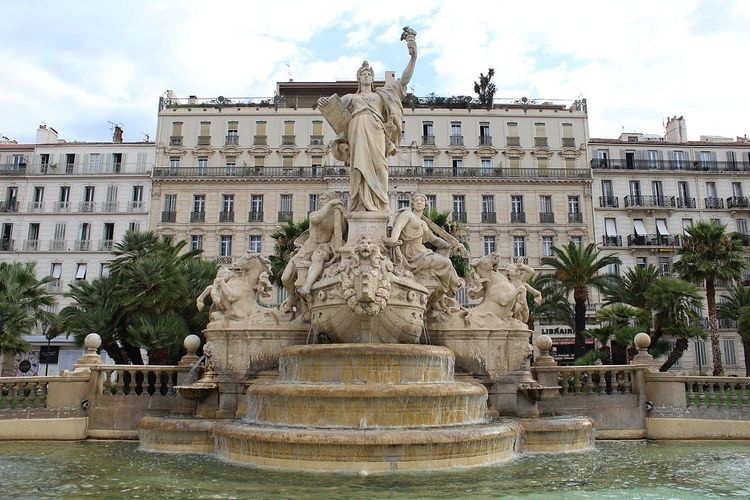
Laid out in 1852 by two architect brothers, this square remains arguably the busiest in town. Its central fountain, unveiled in 1890 in the presence of the French president, bears white limestone statues representing France and two cardinal virtues. Badly damaged during the Second World War, along with some surrounding buildings, it has since regained its former glory. The façades around it, some rebuilt and some original, tell two very different stories side by side.
Free entry
2 - Opéra
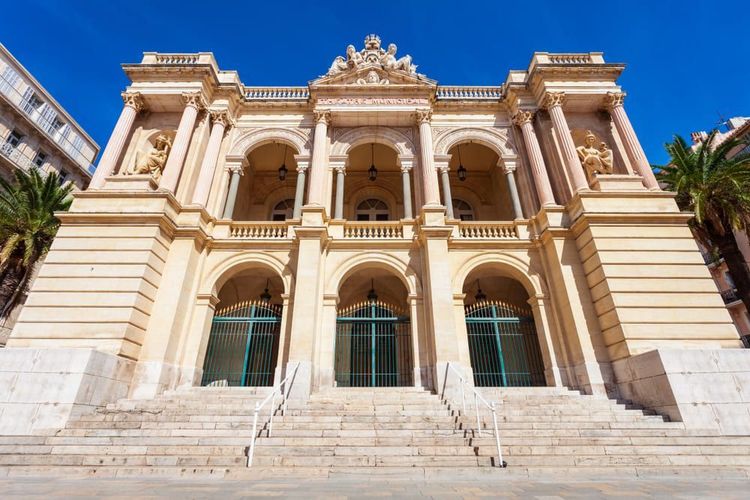
Built in 1862 in a neoclassical style, this building could once seat almost as many spectators as its famous Parisian counterpart of the same era. Designed specifically for opera, it owes its creation to an architect whose first production opened two years after work began. Its current auditorium, now holding a little over a thousand seats, ranks among the steepest in France, a slope that improves sightlines and is said to give it an exceptional acoustic.
Free to see from outside
3 - Place Puget
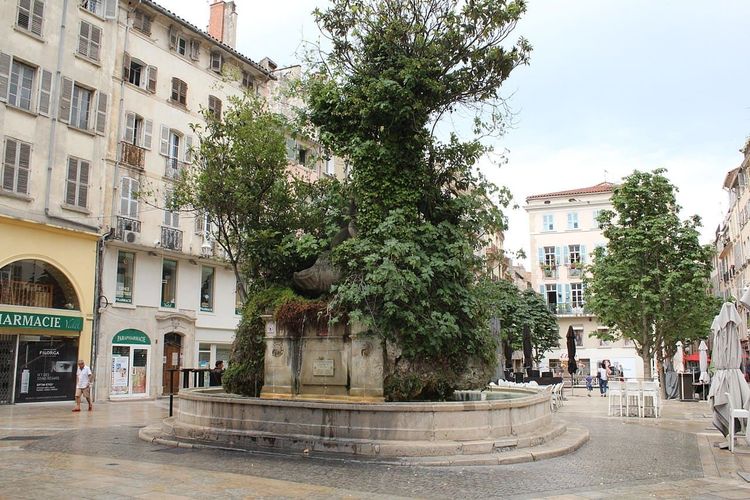
Warm and welcoming, lined with terraces, this typically Provençal square owes its charm to a fountain installed in 1780 to water animals. Over time, vegetation has taken over its structure, giving it its distinctive leafy look. Three dolphins with intertwined tails decorate its stone basin. It remains one of the locals' favourite spots for a drink in the sun.
Free entry
4 - Sainte-Marie-de-la-Seds Cathedral
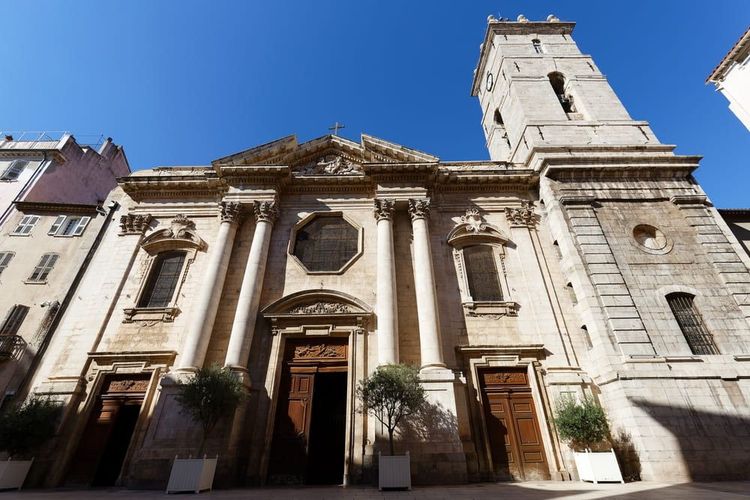
The oldest building in town, this cathedral traces its origins to a first sanctuary from the 5th century, before being rebuilt from the 11th century onward and then enlarged over the following centuries to keep pace with the growing population. Its Romanesque architecture pairs with a classical southern façade flanked by columns. Its stained glass, damaged during the Second World War, was replaced afterwards. It has housed the diocese's seat since the mid-20th century.
Free entry
5 - Cours Lafayette
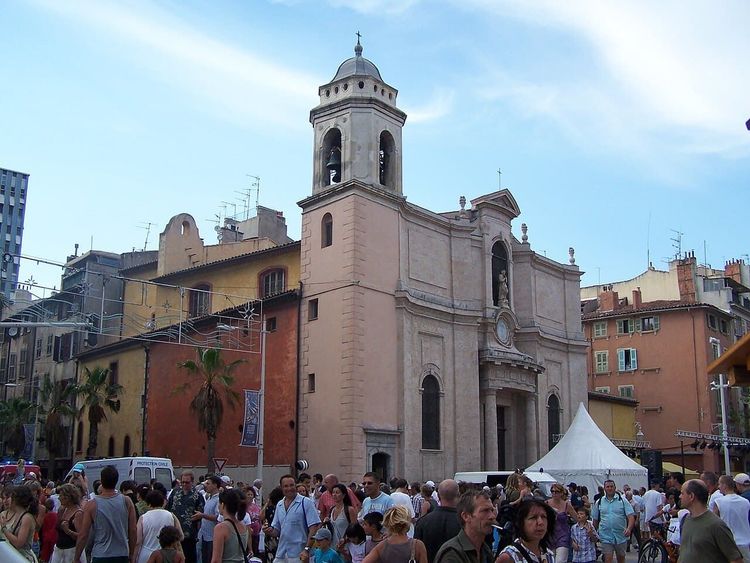
Shops line both sides of this lively avenue, just steps from the sea, home to one of the town's most popular markets. A singer and pianist born in Toulon drew inspiration from it for a famous song about Provençal markets. Traders and producers are always happy to introduce visitors to the best local produce, in a warm, convivial atmosphere typical of the south. To get in the mood, try the local chickpea flatbread first.
Free entry · Best in the morning
6 - Le Boulet (The Cannonball)
On the second floor of a house along this side of the street sits a curiosity that has puzzled passers-by since the 18th century. Legend has it that it came from an English ship firing on the town during a siege, and that the house survived unharmed, the cannonball simply lodging itself in the wall. No one truly knows the real story behind it, but the tale, however unlikely, still amuses those who look up.
Free entry
7 - Porte d’Italie
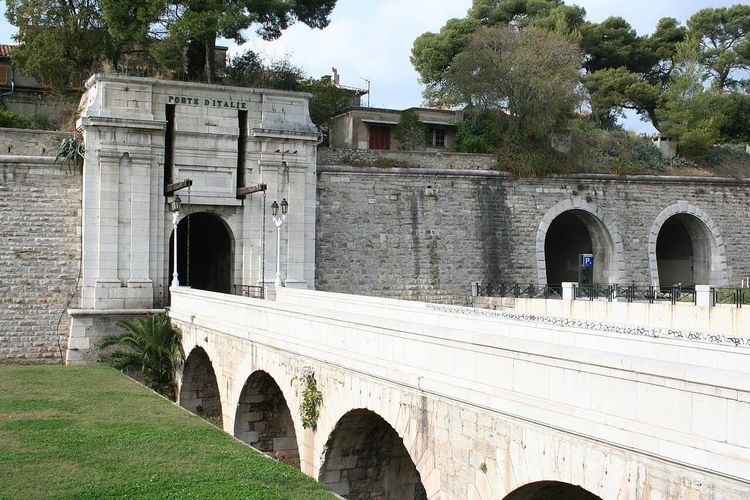
Built from the 18th century onward to plans by a famous military engineer, this monumental gate was once part of the fortifications that ringed the town, back when it stood close to a foreign border. It allowed goods entering the town to be checked and foreign products to be taxed. Napoleon Bonaparte is said to have marched through it with his troops before heading off to fight in northern Italy. Its far side, far more ornate, is worth crossing over to see.
Free entry
8 - Mayol Stadium
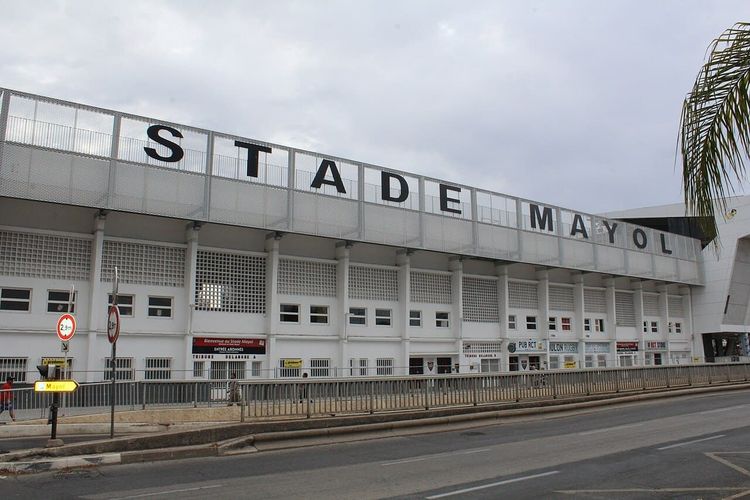
Built in 1919 thanks to a local singer passionate about the sport, who gave the land to the club, this stadium has become a powerful symbol of the town. His portrait still hangs on the wall near the entrance, wearing the sprig of lily of the valley that became the club's emblem because of him. Bombed during the war and later rebuilt, it has also hosted major singing stars in concert. Unusually for a stadium, it stands right downtown, just moments from the waterfront.
Free to see from outside
9 - Saint-François-de-Paule Church
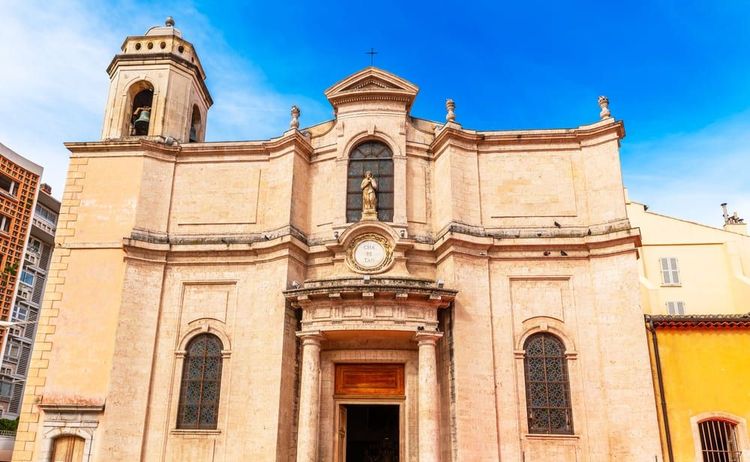
Built in the 18th century on the site of an older chapel, this church shows off a Baroque style with Italian influences, recognisable by its curved porch. Badly hit by the bombing that struck the whole town during the Second World War, it lost part of its original painted decor. Carefully restored in the years that followed, it regained its religious purpose at the end of the 1960s and remains an essential stop near the harbour.
Free entry
10 - Toulon Harbour
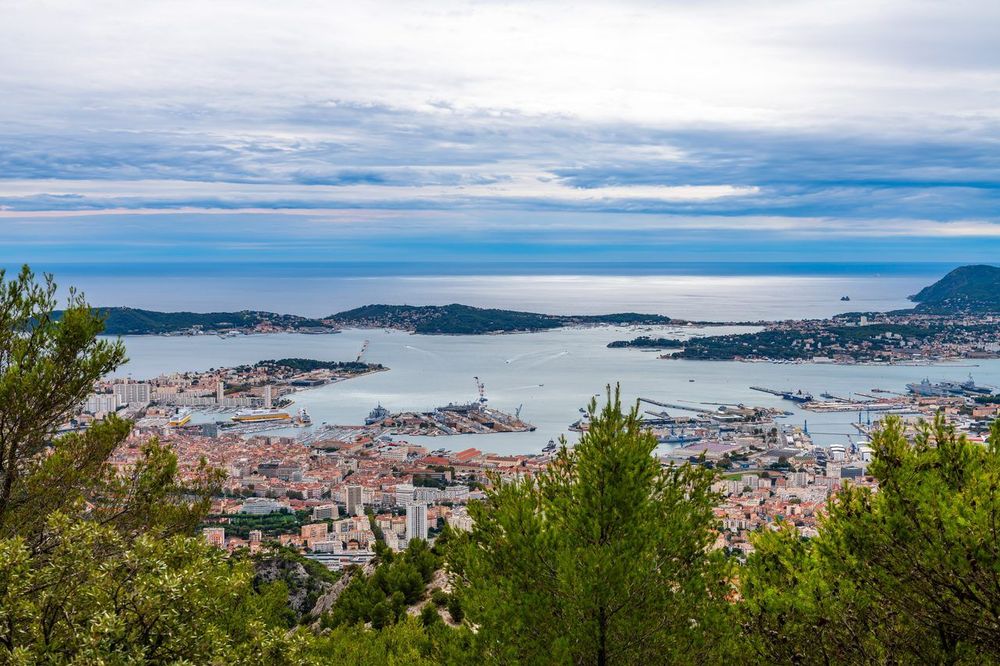
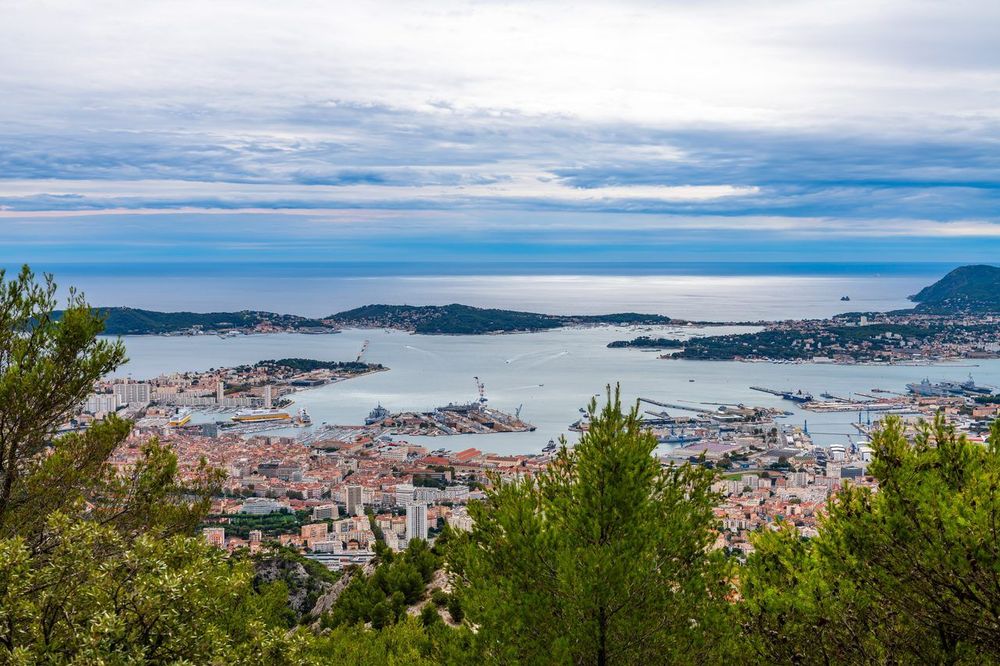
The harbour bordering this bay is the country's leading naval base, set within a dockyard dating back to the 15th century and spreading over several hundred hectares. A 17th-century military engineer once called it the finest bay in Europe. It splits into two parts: a smaller bay with wild coves and fishing harbours, and a larger one holding beaches and inlets perfect for a walk. Greeks and Romans were already mooring their ships here in ancient times.
Free entry
11 - Spirit of Navigation
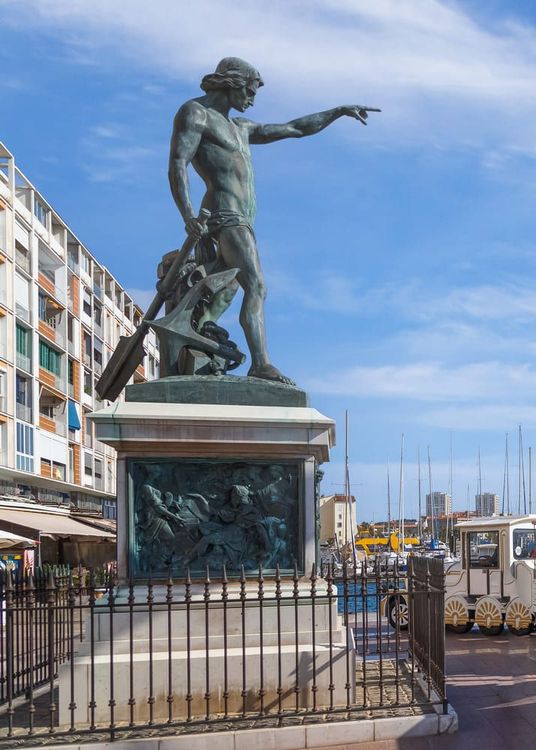
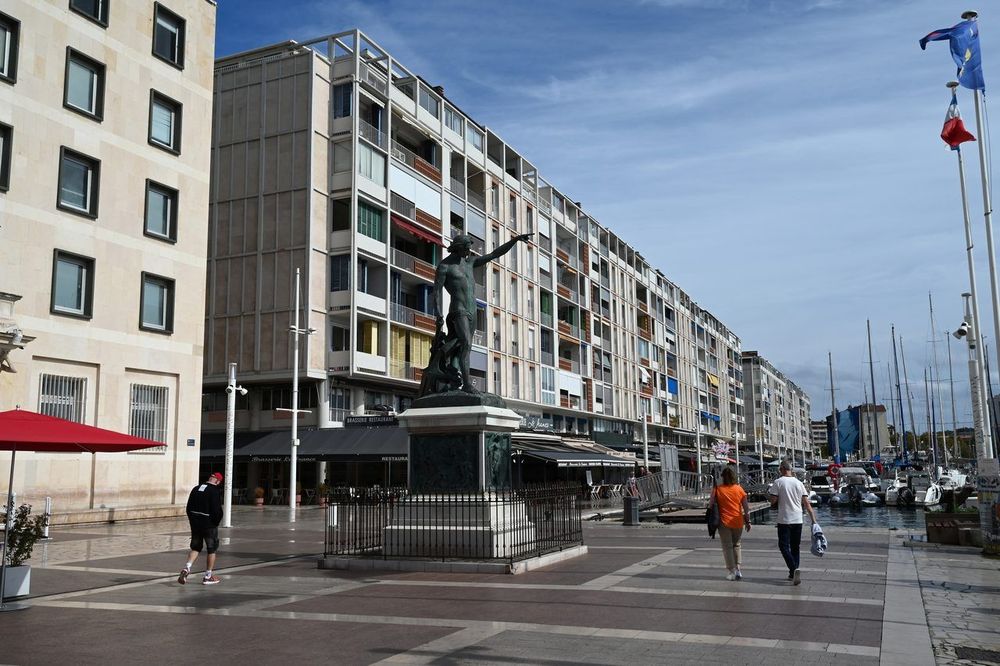
Facing the harbour, finger pointing out to sea, this sculpture embodies the spirit of conquest and exploration of great sailors. Created in 1847 by a sculptor from Toulon, it was first displayed in a Parisian museum before taking its current place. Locals affectionately nickname it after a former commander of the Mediterranean fleet, though others claim the name actually refers, more playfully, to the statue's back being turned toward the town. Either way, the nickname has stuck in local memory.
Free entry
12 - La Partie de Cartes (The Card Game)
This life-size statue brings to life two iconic characters from a 20th-century Provençal theatrical trilogy, frozen mid-game in their famous card match. Set in the middle of a square named after the actor who played them on screen, it never fails to raise a smile among passers-by. Two empty chairs facing them invite visitors to sit down and join the game, taking home an unusually original photo from the visit.
Free entry
13 - Rue des Arts
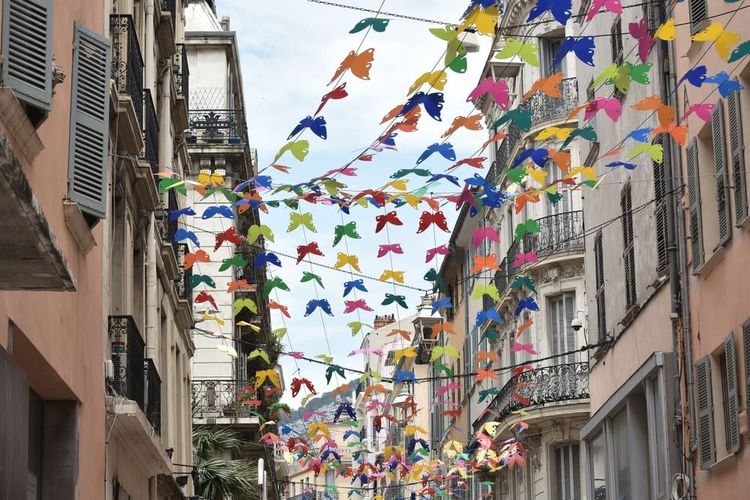
Galleries, workshops and boutiques line this street, created on the initiative of a former mayor to breathe new life into the historic centre. The bet paid off: artists, shopkeepers, bars and restaurants now coexist here in harmony, offering locals and visitors alike a pleasant break in this district sometimes nicknamed the old military town. A place where both the local culture and its culinary specialities can be savoured.
Free entry
14 - Place de l’Équerre
Surrounded by cafés and restaurants, this square shows off architecture typical of the south of France and ranks among the most popular spots in the shopping district. Concerts, open-air film screenings and all kinds of events fill its calendar throughout the year, making it an essential stop for feeling the local spirit. A must for anyone wanting to take the town's pulse.
Free entry
15 - Saint-Louis Church
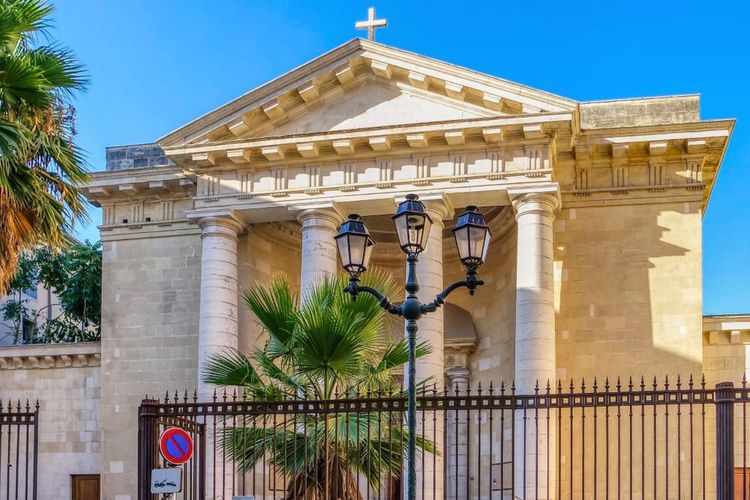
Finished in 1788, only months ahead of the revolutionary upheaval, this neoclassical church inspired by Greco-Roman architecture has not always served a religious purpose: it first housed a temple dedicated to reason, then a barracks used to store ammunition. Worship only resumed there in the early 19th century, after the revolutionary wars. Restored after the Second World War, it was listed as a historic monument in the mid-1940s.
Free entry
16 - Ship Sculpture

On one of the walls of this small square shaded by palm trees stands an impressive sculpture created in 1995, depicting the bow of a frigate once moored in the harbour during the 18th century. The Roman god of the seas proudly decorates this reconstructed prow. Through its scale and subject, the work reminds every passer-by of the town's rich maritime past.
Free entry
17 - Hôtel des Arts
There's no missing this brightly coloured building, standing along a busy boulevard and instantly catching visitors' eyes. Once a government office built in the early 20th century, it now houses an art centre showing exhibitions by internationally recognised artists. A cultural venue as striking for its façade as for its ever-changing programme, and a favourite photo stop along the walk.
Free entry
18 - Art Museum
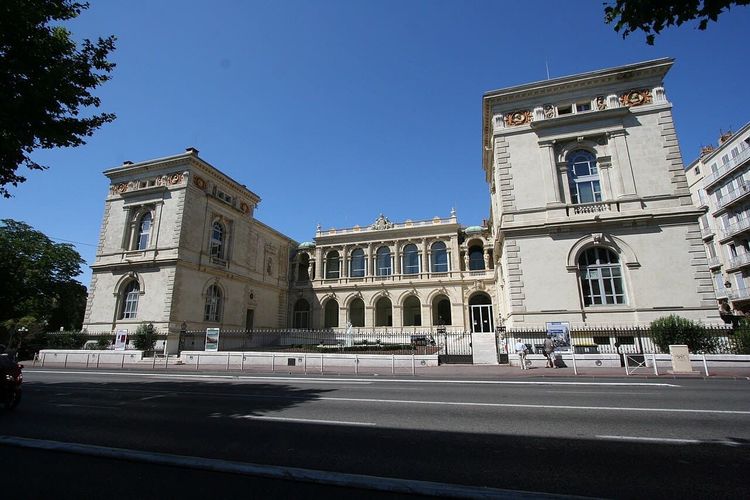
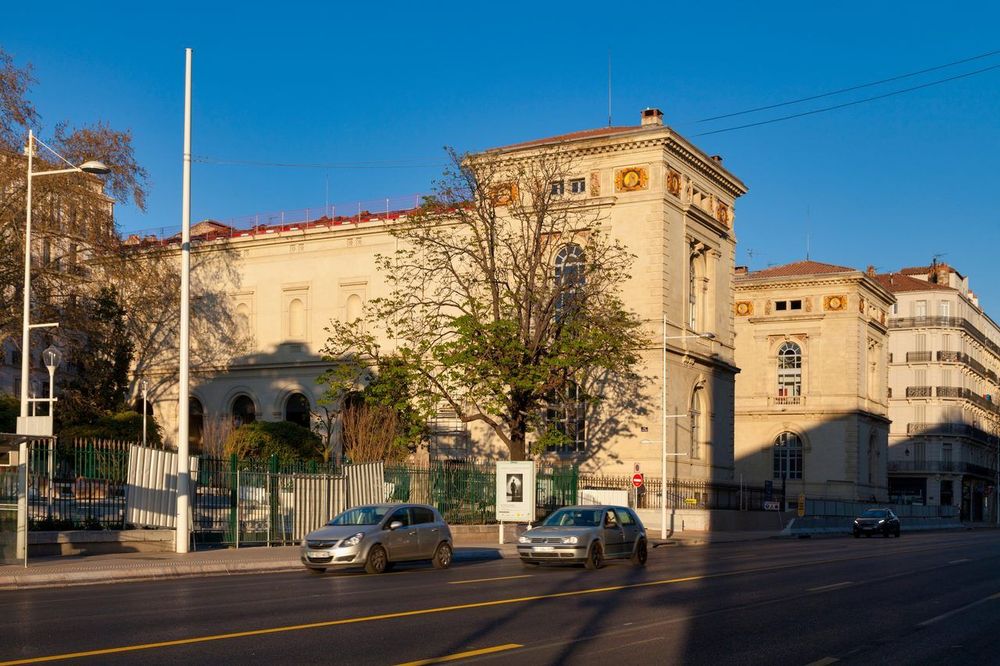
Built in a U shape in 1888 in a neo-Renaissance style, this building holds several thousand works, from local archaeological finds to contemporary creations, including paintings spanning several centuries. Two loggias and richly carved decoration, featuring allegorical figures of knowledge and the arts, complete this imposing ensemble. A prime stop for art history enthusiasts.
Free entry
19 - Alexandre I Garden
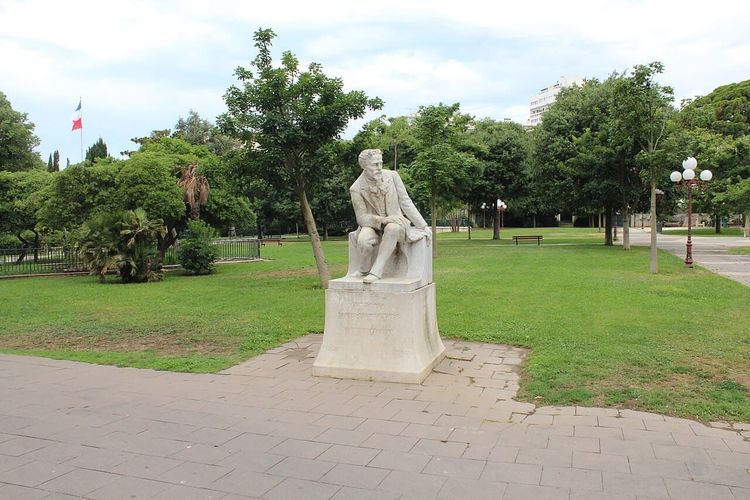
This small park, once run by the French Navy, which grew plants brought back by crews returning from their voyages, became in the 19th century a favourite promenade for local high society. Some remarkable trees planted back in its botanical garden days have survived to this day. Visitors still like to wander past the bandstand, the fish pond or the children's play area, for a quiet break just steps from the town centre.
Free entry
Which neighbourhoods does the tour cross?
The route stays entirely within Toulon's historic centre, yet it shifts mood almost street by street, from the revamped old town to the harbour, as our guide to Toulon's neighbourhoods explains.
From Place de la Liberté, the walk enters the old town past the Opera and Place Puget, skirts Sainte-Marie-de-la-Seds Cathedral and the Provençal market on Cours Lafayette, on to Porte d'Italie and Mayol Stadium (stops 2 to 8).
The route then drops back down to the harbour past Saint-François-de-Paule Church and the roadstead, before climbing again via Rue des Arts and Place de l'Équerre, the heart of the shopping district, to finish at the Alexandre I garden (stops 9 to 19).
How much does it cost to visit Toulon?
None of the walk's 19 stops require a ticket. Seventeen are freely open, from Place de la Liberté to the Alexandre I garden, and the other two are only seen from the street:
- the Opera, whose façade alone can be seen from Place Victor Hugo;
- Mayol Stadium, home of the Toulon rugby club, admired from the street.
To stretch the day without spending anything, our guide to free activities in Toulon lists more ideas.
Information checked in November 2026 and subject to change.
Where to stop for a bite along the tour?
The route follows the old town's great food street: Cours Lafayette (stop 5), where the morning Provençal market lines up fishmongers, greengrocers and flower stalls under the plane trees.
Two specialities are worth tasting: daube de canonnier, beef slow-cooked in rosé with carrots, anchovies and potatoes, mostly eaten in winter, and fig biscuits from Solliès, nicknamed “la violette”, crisp outside and soft around the fruit. Other local favourites appear in this tour of Toulon's culinary specialties.
What to do in Toulon with children?
Toulon gives families two big breaths of fresh air close to the centre: Mont Faron and the sea.
The Mont Faron cable car drops passengers at a zoo home to white tigers and lemurs; its paths climb and descend on fairly steep ground. From the Old Port, boats reach the Hyères Islands in 45 minutes. For the trails and forts on the summit, see our guide to the Mont Faron escape.
What should you know before visiting Toulon?
Three points are worth knowing before setting off.
The Alexandre I garden (stop 19), which closes the loop, is free but keeps opening hours; if it's shut, skirt round it via Rue Chalucet.
Since 2023, the Opera (stop 2) has been under renovation: only its façade, seen from Place Victor Hugo, can be admired for now, with reopening announced for 2028. The Hôtel des Arts (stop 17), meanwhile, is free to visit Tuesday to Saturday, 11 am to 6 pm, but stays closed on Sundays, Mondays and public holidays.
What to see around Toulon?
Toulon also makes a good base for trips further out, between the summit overlooking the roadstead and the neighbouring towns of Provence.
The Mont Faron cable car climbs above the city for an adult return ticket of €9, and our escape to Mont Faron covers its marked trails and forts. Further afield, a car-free island protected by a national park and limestone gorges are among the outings around Toulon.
A few neighbouring towns round out the trip: 16 km away, Hyères charms with lanes climbing to its old castle and views over the Golden Isles; 35 km away, Aubagne follows in the footsteps of Marcel Pagnol among sun-bleached hills and craft workshops; 49 km away, Marseille opens onto twenty-six centuries of history between its harbour and the Calanques.
What's on in Toulon right now?
This time of year, Toulon piles on the Christmas events, from the historic centre down to the harbour.
- from 27 November to 30 December, Place de la Liberté (stop 1) hosts evening concerts, choirs and brass bands for the festive season;
- on several dates between 2 and 30 December, Place d'Armes runs free craft workshops where kids make shortbread, Christmas baubles and candles;
- on the Saturdays of 5, 12 and 19 December, costumed parades cross the town centre at 3 pm and again at 5 pm;
- on 5 December, a flea market takes over the Mourillon district, from 7 am to 4 pm;
- on 24 December, Father Christmas arrives at Carré du Port, from 3 pm to 4 pm;
- on 31 December, a show, “Noces de rouille, les débuts de l'embrouille”, is staged in the town centre for New Year's Eve.
Information checked in November 2026 and subject to change.
Le plein d'inspirations
Explorez le monde en totale liberté, à pied au cœur des villes ou au fil des routes. Nos guides audios transforment chaque destination en une découverte culturelle immersive et unique.










FAQ for visiting Toulon
When is the best time to visit Toulon?
The ideal time to discover Toulon runs from May to June and from September to October. During these months, you'll enjoy a perfect Mediterranean climate with pleasant temperatures around 20-25°C, ideal for strolling through the old town and exploring the harbour without suffering the summer heat. Spring brings nature in bloom and bright days, while autumn lets you make the most of a sea still warm enough for a swim at the Mourillon beaches. These periods also guarantee fewer tourist crowds, quieter terraces and a more authentic atmosphere in which to appreciate the Provençal charm of this town in the Var.
How many days do you need to visit Toulon?
Two to three days make the ideal length of time to properly discover Toulon. A first day will let you explore the historic heart, wander the Cours Lafayette market and roam the medieval alleyways down to the harbour. On the second day, devote your morning to climbing Mont Faron for the panoramic view over the roadstead, then relax in the afternoon on the Mourillon beaches. If you have an extra day, take advantage of it for a boat trip around the harbour or to delve deeper into the museums and naval heritage. The Ryo audioguide accompanies you on this exploration with a narrated route that optimises your time by connecting the city's major points of interest.
How do you get to the top of Mont Faron?
Mont Faron, which rises to nearly 600 metres, is mainly reached by Toulon's iconic cable car. This red cabin carries you in a few minutes from the departure station in the Super Toulon district up to the summit, offering spectacular views over the roadstead even during the ascent. For the more sporty, several hiking trails also allow you to climb the mountain on foot, notably from the Faron district or from the Corniche du Mont Faron. By car, a winding road also leads to the summit, but watch out for the sharp bends. Once at the top, you'll discover an exceptional panorama, historic fortifications and even a zoo.
What days is the Cours Lafayette market open?
The famous Provençal market on the Cours Lafayette brings the heart of Toulon to life every morning except Monday. From Tuesday to Sunday, from the first hours of the day and generally until early afternoon, the colourful stalls set up beneath the century-old plane trees. There you'll find the very essence of Provence, with its sun-drenched fruit and vegetables, its olives, flowers, spices and local produce. At the weekend, the crowds are larger but the atmosphere is all the livelier for it. Locals will advise you to go early to enjoy the best produce and the authentic atmosphere, where lilting accents mingle with Mediterranean scents.
Can you visit the aircraft carrier Charles de Gaulle?
The aircraft carrier Charles de Gaulle, the flagship of the French Navy, is unfortunately not open to regular tourist visits for obvious reasons of security and military operations. Based in Toulon when it's not on a mission, this giant of the seas remains visible from certain points of the harbour during its stopovers. To discover Toulon's naval world, you can turn to the National Maritime Museum, which presents the city's maritime history and impressive models. Occasional visits to military ships are sometimes organised during special events such as Heritage Days, but they remain rare and highly supervised.
How do you get around Toulon and its surroundings?
Toulon has an efficient public transport network run by the Mistral network, comprising buses and bus-boats that even link the two shores of the harbour. The historic centre is best explored on foot, its narrow streets and pedestrian squares inviting you to stroll. To reach the Mourillon beaches or the Mont Faron cable car, the bus lines are convenient and regular. Self-service bikes also let you follow the coastline. To explore the surroundings, such as the calanques or the hilltop villages of the Var, renting a car remains the most flexible solution. Parking in the town centre often requires using the underground car parks, as surface spaces are limited.
What are Toulon's culinary specialities?
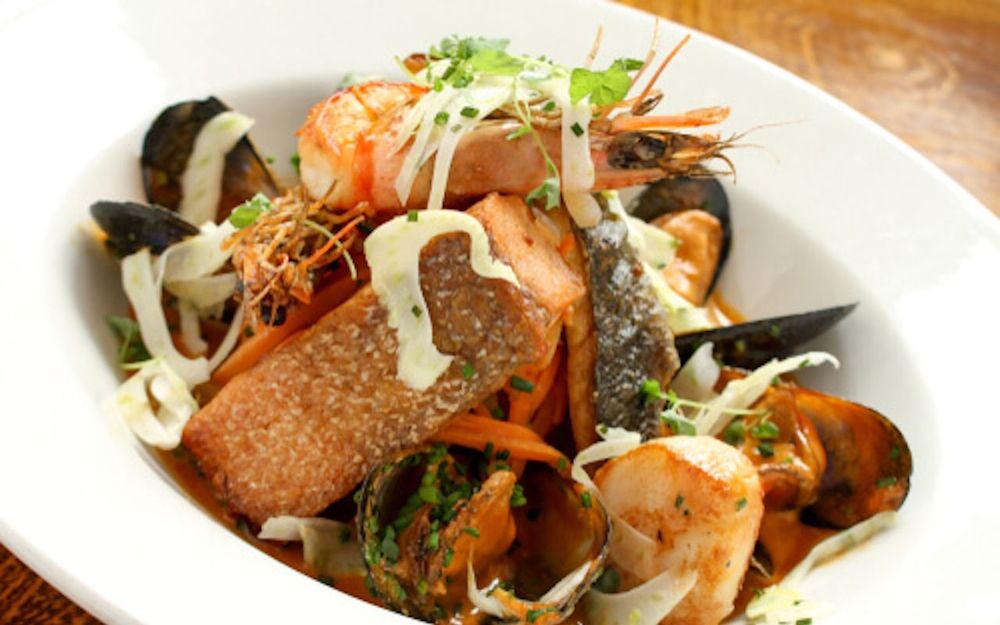
Toulon's cuisine reflects its maritime and Provençal identity. The cade, a chickpea-flour flatbread baked over a wood fire, is the town's culinary emblem, to be eaten hot at the market. Seafood and fish freshly caught in the harbour feature in the bourride or the fish soup served with its rouille. The chichi frégi, an elongated doughnut dusted with sugar, delights food lovers at the port. As for wines, the rosés of Bandol and the wines of the Coteaux Varois pair perfectly with these Mediterranean flavours. Don't forget to try the olives of Provence, the aïoli and the petits farcis, sun-drenched vegetables stuffed with a filling fragrant with herbs.
Where are the finest beaches in Toulon?
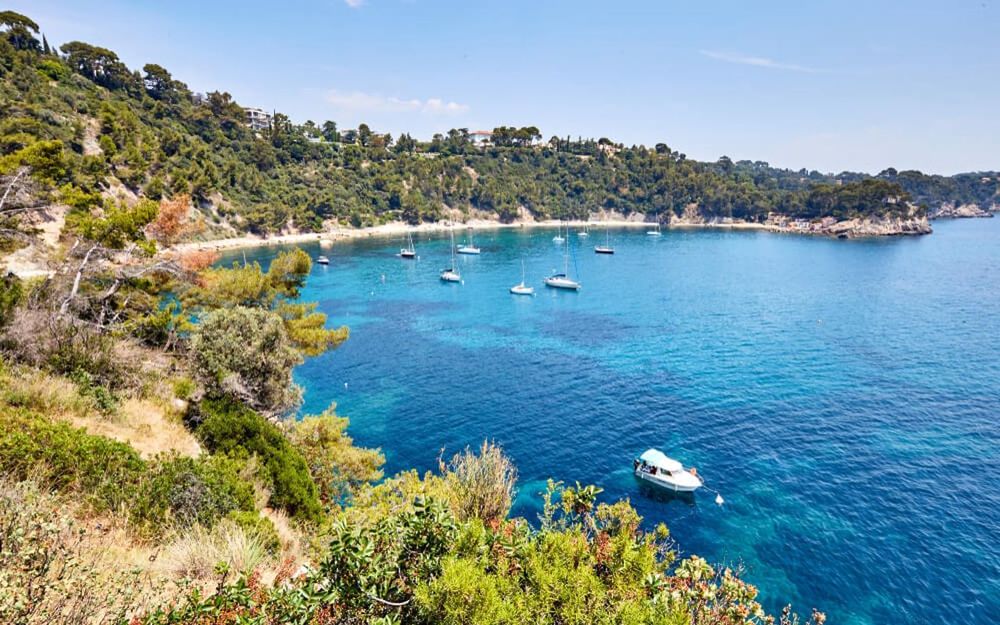
The Mourillon beaches are Toulon's main seaside spot, easily accessible from the town centre. This series of four landscaped coves offers fine sand, clear waters and all the amenities needed for a family day out. More intimate, the small coves of the Corniche Frédéric Mistral appeal to those seeking greater tranquillity. La Mitre beach, nestled among the rocks, remains a small preserved gem. For wilder landscapes, head to the Anse Méjean or the Anse Magaud, reachable after a short walk. In summer, these beaches are supervised and offer various water activities, while the beachfront restaurants let you enjoy a bouillabaisse with your feet in the sand.
What is there to discover in Toulon's old town?
Long overlooked, Toulon's old town has been rediscovering itself in recent years. You go in from the Cours Lafayette or from the quays and then lose yourself in a tangle of narrow lanes dotted with shaded squares and fountains: Place Puget with its Trois Dauphins fountain swallowed up by moss and greenery, Place de l'Amiral Sénès, the Sainte-Marie-de-la-Seds cathedral with its Romanesque and Baroque layers, and the atlantes carved by Pierre Puget framing a doorway of the town hall.
The Rue des Arts and the streets around it have been taken over by galleries, craft workshops and painted murals, while the covered market brings together local producers and small eating places. The district is easily covered on foot, in a morning or at the end of the day once the heat drops. The Ryo audio guide offers a dedicated Toulon route stringing these stops together and recounting the city's maritime and military past.
How can you explore Toulon's harbour from the water?
The rade is Toulon's finest setting, and seeing it from the water changes the perspective entirely. Water buses run daily between Toulon's port and La Seyne-sur-Mer or Saint-Mandrier: the crossing is short, part of the local transport network, and already offers a superb view of the city backed by Mont Faron.
To go further, small boats run commentated tours of the harbour, passing alongside the arsenal, the French Navy's vessels and the forts guarding the entrance. What you see depends on which ships are berthed that day, and it quickly becomes clear why this natural anchorage, one of the largest in Europe, shaped the city's history. Bring a windproof layer even in fine weather: the mistral often picks up in the afternoon.
Which beach bars are best for lunch with your feet in the sand around Toulon?
Five beach bars stand out around Toulon. On Mourillon beach, Le Lido de Toulon focuses on seafood with a lounge atmosphere and DJs at weekends, while L'Oasis, run by the same family for over 35 years, serves paella and grilled fish all year round. In La Seyne-sur-Mer, La Paillote Fabregas keeps a family spirit in a wild cove and Carré Plage offers seasonal cooking at Les Sablettes. In Saint-Mandrier, Paillote Giol, open from June to September, showcases the shellfish of Tamaris.
Compare addresses and opening hours in our guide to the best beach bars around Toulon.
What is there to do once you reach Mont Faron?
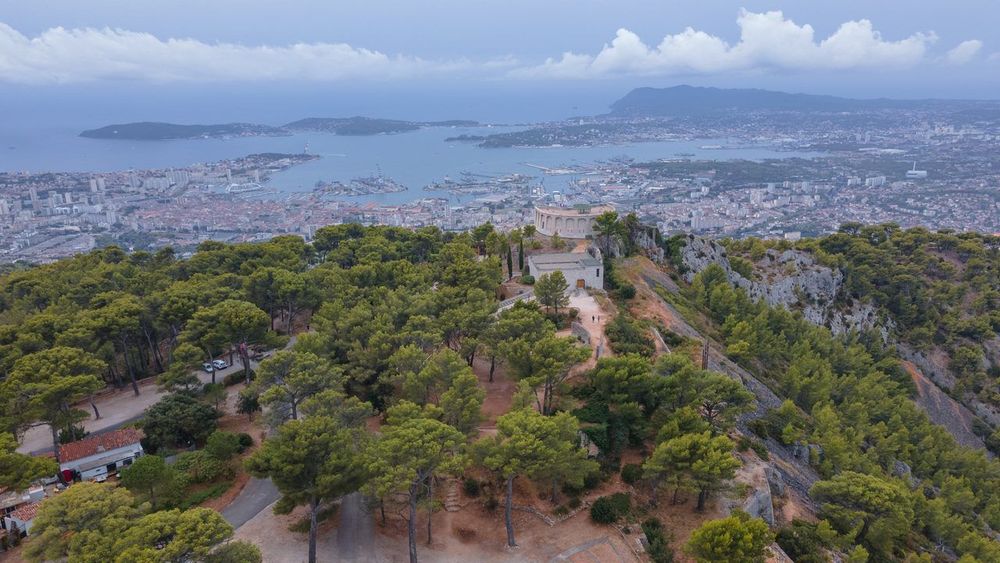
Mont Faron towers over Toulon and its harbour, considered one of the most beautiful in Europe. Its waymarked trails can be explored on foot or by mountain bike, and its rock faces suit climbers of every level. At the top, the Provence Landing Memorial, housed in the Tour Beaumont, honours those who fought on 15 August 1944, and the big cat centre, Europe's first breeding centre for wild cats, is home to wolves, lynx, jaguars and pumas. For lunch, picnic with a sea view or sit down at Le Panoramique or Le Drap d'Or under the pines.
Plan your outing with our guide to a nature escape on Mont Faron.
Which Provençal dishes should you taste in Toulon, from daube de canonnier to cade?
Toulon's cooking draws on Provençal and Mediterranean tradition. For mains, try daube de canonnier, beef slowly simmered in rosé with carrots and anchovies, bouillabaisse, artichokes à la barigoule or tomatoes à la provençale. Cade, a thin chickpea-flour flatbread, is served as a side or on its own, and anchoïade is spread on toast with an aperitif. For something sweet, look out for Solliès fig biscuits, white nougat, lemon-scented oreillettes and brousse, a ewe's milk cheese that locals happily mix with jam.
Discover every recipe in our top 10 culinary specialities of Toulon.
Which sights should you prioritise on a first trip to Toulon?
On a first visit, five activities stand out. Fort Saint-Louis, built in 1692 on Vauban's orders at the entrance to the harbour, can be visited with a guide. Mont Faron is reached by cable car for hiking and sweeping views; it is also home to the big cat centre, which breeds endangered felines, and to the Provence Landing Memorial, devoted to 15 August 1944. Finally, the Mourillon district charms with its colourful façades, little squares and beaches, perfect for a relaxing day.
Get the practical details in our top 5 things to do in Toulon.
What can you do for free in Toulon?
Toulon offers seventeen activities that cost nothing. In the morning, the Cours Lafayette market spreads its fish, olive and flower stalls over nearly 400 metres, before you lose yourself in the lanes of the old town around Rue d'Alger. Sainte-Marie-Majeure Cathedral, whose origins date back to the 11th century, can be visited freely outside services. On Quai Cronstadt, look out for the two atlantes carved by Pierre Puget while you take in the harbour. You can also climb Mont Faron on a footpath rather than paying for the cable car.
All the ideas are gathered in our list of free things to do in Toulon.
Which Toulon neighbourhood should you choose to stay in or explore?
Each of Toulon's neighbourhoods has its own character. Le Mourillon, a former fishing district of colourful houses, lines up eight beaches over almost two kilometres and comes alive in the evening around its beach bars, with the Tour Royale at its tip. The historic centre has been changing since the 2010s: Place de la Liberté has regained its terraces, and the old town's lanes lead to the cathedral and the Cours Lafayette market, although some streets near Porte d'Italie remain run-down. Cap Brun, residential and quiet, offers fine views from its corniche.
Compare the areas in our complete guide to Toulon's neighbourhoods.
What can you do in Toulon on a rainy day?
When it rains, Toulon has plenty of indoor options. The National Navy Museum, open all year except Tuesdays, traces three centuries of naval history, and a combined ticket lets you board the Espadon submarine moored on the quay. The Toulon Art Museum, free to enter, holds nearly 3,000 works, from Provençal painting to contemporary art. To burn off energy, head for the 24 lanes of Bowling de Provence in La Garde, LaserStar83 laser tag from age 7, or the Space Gravity Trampoline Park in La Valette-du-Var.
Find all fourteen ideas in our guide to Toulon when it rains.
Which museums are worth visiting in Toulon beyond naval history?
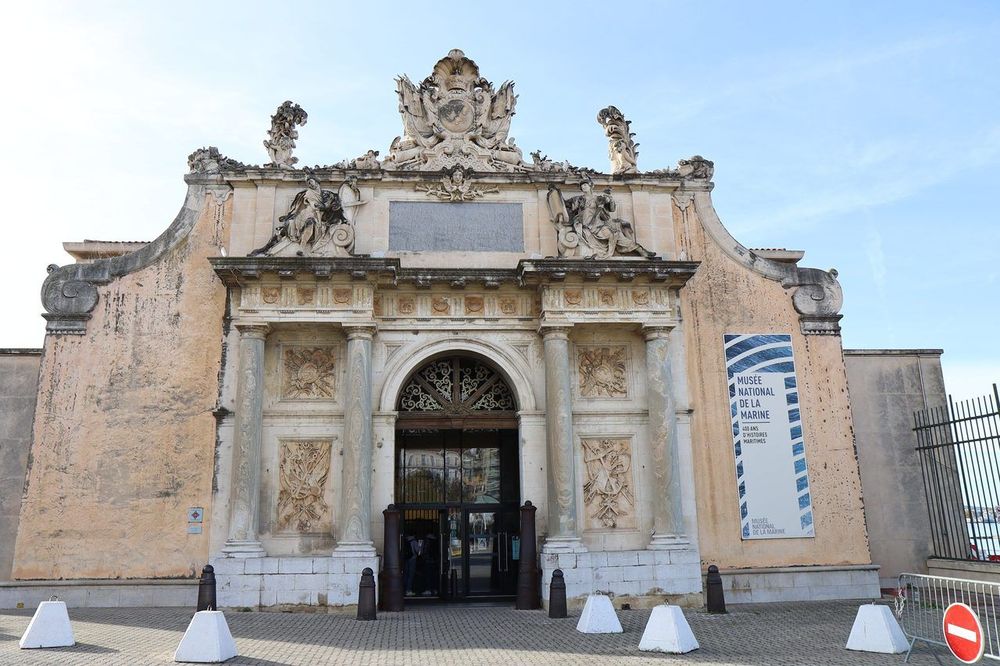
Toulon has a wider range of museums than you might expect. The National Navy Museum occupies the former gate of the arsenal and displays a model of a Barracuda submarine, the Neptune figurehead and the Clemenceau's control panel. The Art Museum, reopened in 2021, devotes its ground floor to landscape and marine painting and its upper floor to contemporary art. In Le Mourillon, the Asian Arts Museum is housed in the villa where Jules Verne's son lived. The guide also covers the House of Photography and the Jean Aicard - Paulin Bertrand Museum.
Plan your visits with our complete guide to Toulon's museums.
What are the best things to do in Toulon as a couple on a romantic getaway?
Start with the Provençal market on Cours Lafayette and a taste of cade, then wander the lanes of Toulon's old town to Place Puget and the harbour. Next, rise above the city on the Mont Faron cable car (584 metres), then book a sunset catamaran trip from Six-Fours or a boat ride around the bay.
For downtime, head to the beaches and coves of Le Mourillon, then dine at a beachside paillote facing the sea. To go beyond the usual sights, the article also suggests escape games, couples' massages and wine-tasting classes.
To plan your weekend for two, read our complete guide to visiting Toulon as a couple.
How can I plan three days in Toulon, day by day?
Find the full breakdown, nearby excursions and practical tips in our complete 3-day itinerary for visiting Toulon.
Vos commentaires, idées et suggestions
Aucun avis pour le moment