© Shutterstock
 Votre guide Ryo
Visit Toulon in 3 Days: The Complete Itinerary for 2026
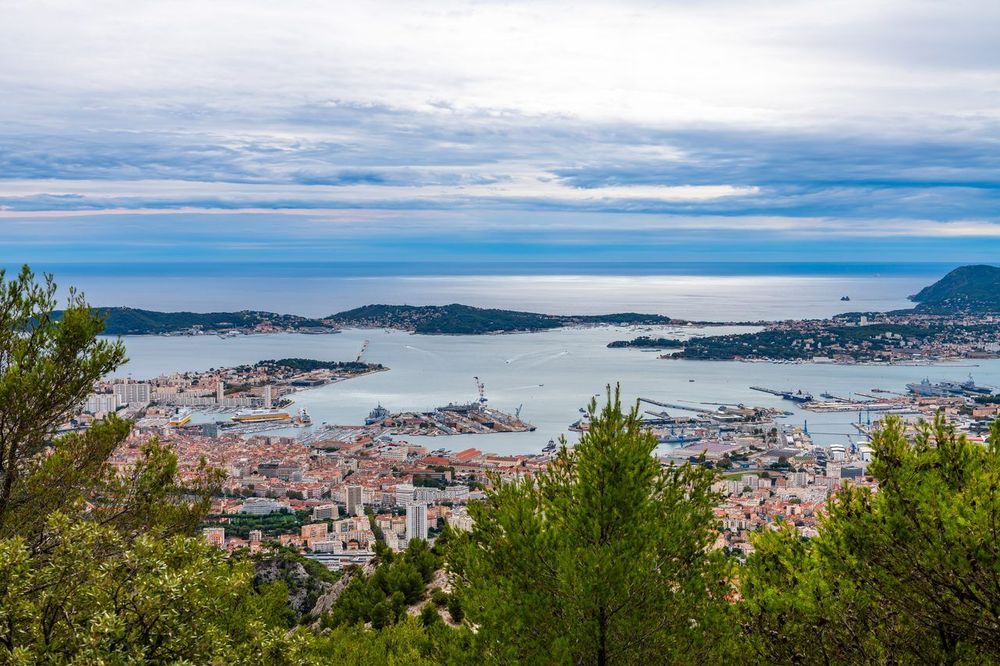
In Toulon, the first thing you notice isn't a monument but a smell: salt mingled with coffee on the Cours Lafayette, from 8 a.m. To visit Toulon in 3 days without rushing anything, you have to accept one simple fact: the city reveals itself in layers, from the military port to the summit of Mont Faron, by way of museums that recount more than three centuries of maritime history. It is unlike any other city on the Côte d'Azur. Here, frigates rub shoulders with fish stalls, and the alleys of the old town lead straight to one of the most beautiful natural harbors in Europe. The Ryo audio-guided tour of Toulon covers the heart of this itinerary in 19 audio stops, enough to pace your days without pulling out the map every ten minutes.
In three days, you will have time to get lost in the alleys around place Puget, ride the cable car that climbs 584 meters above the harbor, and understand why a good part of the waterfront was rebuilt after the bombings of 1944. You also come across details that escape hurried visitors: the bus-boats that locals use to cross the harbor for the price of a bus ticket, the 16th-century Tour Royale standing at the end of Mourillon, or that curiosity, the second-largest opera house in France after Garnier, set in a city more often associated with the navy than with bel canto. This guide details a day-by-day itinerary, then the surroundings, practical information and the questions people ask before booking.
Day 1: The Harbor, the Port and the Historic Heart
Start with the city center: it is the only day when you will truly alternate between walking and time on the water, and it's best to get going early, before the heat settles on the cobblestones.
The Old Town: Place Puget, Sainte-Marie Cathedral and Rue des Arts
The place Puget opens the ball with its Three Dolphins fountain, inaugurated in 1782 and now so overgrown with vegetation that you can barely make out the entwined dolphin tails sculpted by Jean-Pancrace Chastel. All around, café terraces fill with locals reading the local paper without hurrying.
Two minutes away on foot, the Sainte-Marie Cathedral de la Seds blends an 11th-century Romanesque choir with a nave enlarged in the 17th, a collision of styles that tells the story of the city without a word of explanation. The interior, cool even in midsummer, houses Provençal school paintings that people rarely take the time to look at.
On your way out, head into the rue des Arts: galleries, craftsmen's workshops and ceramicists' windows follow one another over a few dozen meters, a concentrate of creative life that contrasts with the city's military image. You can continue to the Opéra de Toulon, the second-largest opera house in France after the Palais Garnier, inaugurated in 1862, thirteen years before its Parisian rival. Its roughly 1,800 seats spread over five levels always surprise those who didn't expect it around the corner of a shopping street.
Carry on to the bandstands, those small metal pavilions scattered across the squares of the center, relics of an era when every neighborhood had its brass band. The last stop of the morning leads to Saint-Louis Church, whose monumental columns and neoclassical façade are more imposing than the building's actual size would suggest.
The historic center remains pedestrian and dense: allow a good morning for it all without rushing. The Ryo audio-guided tour links these places in order, from place Puget to the cathedral and then the port, which saves you from re-planning the route at every intersection.
The Port and a Boat Trip on the Harbor
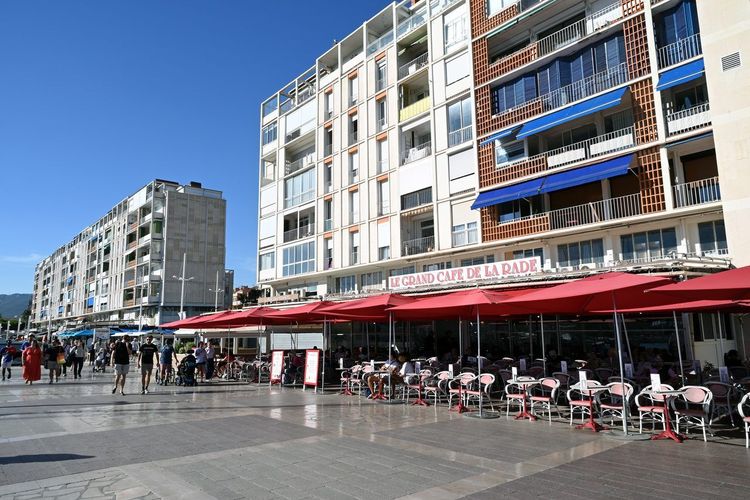
The afternoon shifts toward the water. The port and the quai Cronstadt (Quai Cronstadt, 83000 Toulon, rated 4.5/5 on Google from 3.4K reviews) make up Toulon's most reproduced postcard, with its post-war rebuilt buildings and its line of fishing boats moored in front of the terraces.
This is where the boats leave for a guided cruise on the harbor, the best way to understand why the Navy chose this anchorage more than three centuries ago. Les Bateliers de la Rade board at the quai de la Sinse, at the bottom of the Cours Lafayette, for an hour of sailing (around €16 per adult and €12 per child). The boat runs along the naval base, the first in France, and offers a unique angle on the frigates and sometimes on the aircraft carrier Charles-de-Gaulle when it is in port. The commentary also recalls the siege of 1793, when a young artillery captain named Bonaparte made his name, and the scuttling of the fleet in 1942.
A little local tip: if you simply want to feel the harbor without commentary, the bus-boats of the Mistral network link the port to La Seyne-sur-Mer, Tamaris and Saint-Mandrier with a simple bus ticket. It's a crossing of about twenty minutes, among residents heading home from work, with a sunset over the harbor as a bonus if you take the late-day one.
Day 2: Mont Faron and the Mourillon Beaches
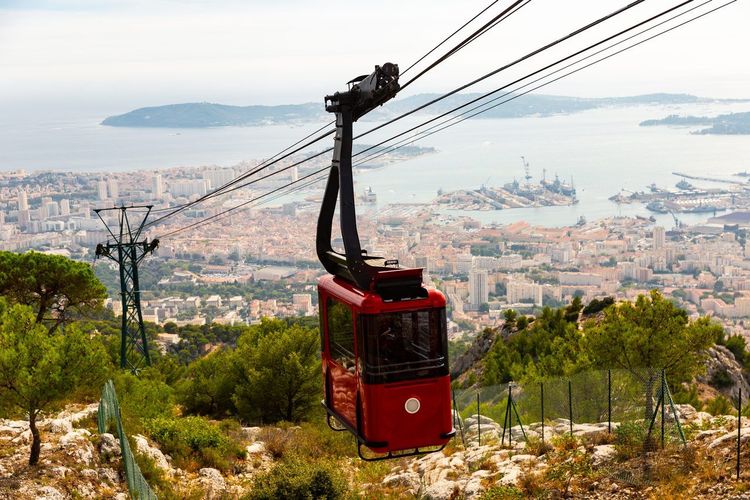
Second day, second atmosphere: we leave the cobblestones for altitude, then sand. It is the most physical day of the stay, but also the airiest.
Mont Faron and Its Panoramic View over the Harbor
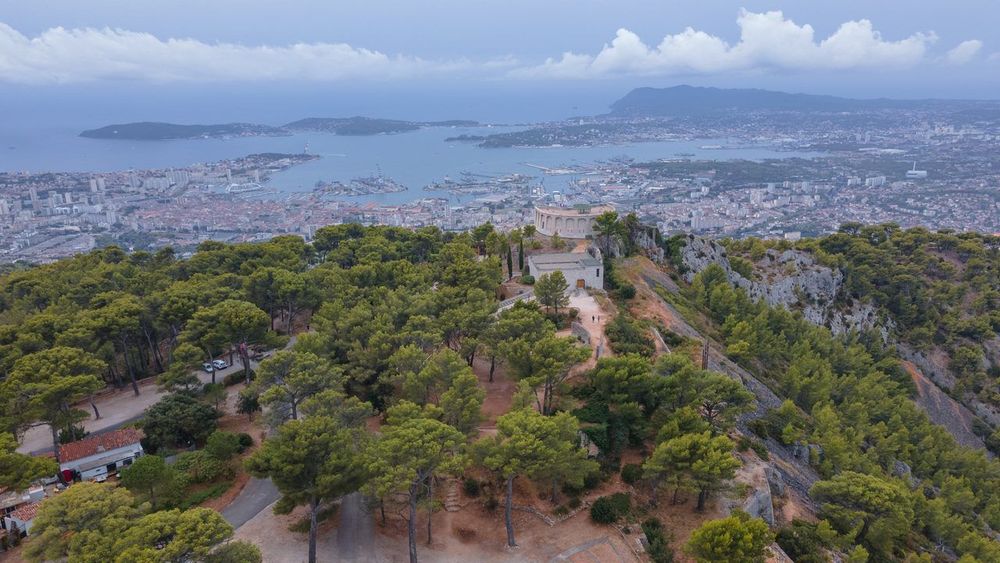
The Mont Faron (Boulevard Sainte-Anne, 83200 Toulon, rated 4.4/5 on Google from 4,825 reviews) towers over Toulon at 584 meters. The cable car leaves from boulevard Amiral Vence, at the foot of the hill, and climbs in a few minutes in a small cabin that already offers a plunging view of the rooftops and the whole harbor. In 2026 it runs from early February to late November (round trip around €9 for an adult), but stops when the mistral blows too hard: check the operator's website before crossing the city. Otherwise, the Faron road, narrow and one-way for part of it, can be driven or cycled by the most courageous.
At the top, an animal park occupies the north slope: it is undergoing a complete overhaul, as the city has announced the departure of the big cats by 2027 in favor of a more educational project. Several viewpoint indicators help you identify the islands in the distance, as far as the silhouette of Porquerolles on a clear day. Many visitors underestimate the time needed up there: allow a good two hours if you want to walk the trails along the ridge rather than limiting yourself to the main viewpoint.
Saving the center for later? The 19 audio stops of the Ryo audio-guided tour fit into 1h50 over 4.6 km: a good program for late morning, between the descent from Faron and lunch at the port.
The Beaches and the Mourillon District
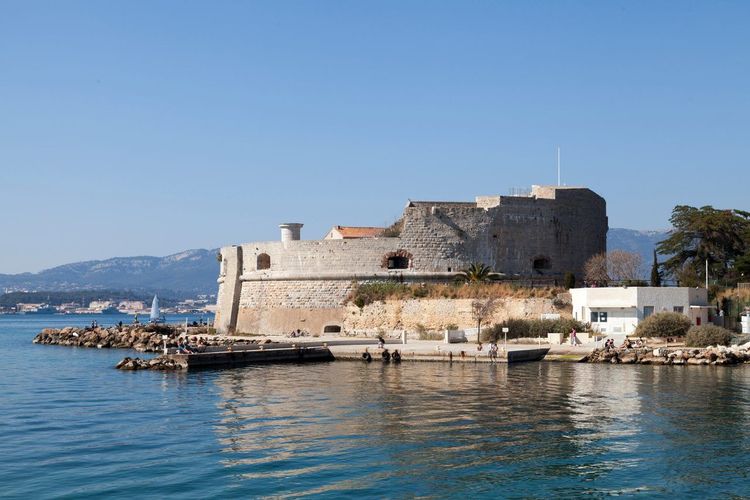
Then head down to the Mourillon district, Toulon's seaside face, organized around a promenade lined with umbrella pines. Two defensive structures frame the shoreline: the Tour Royale, built in the 16th century to protect the entrance to the small harbor, and Fort Saint-Louis, built in 1692 on Vauban's orders, whose little fishing port makes for one of the most photogenic views in the district.
The Mourillon beaches are divided into five sandy coves (the Lido, the Mistral, the Pins, the Source and the Anse Tabarly), protected by breakwaters that keep the water calm and shallow. A detail that matters if you have young children. They are large enough to find space even in August, provided you arrive before 11 a.m. Late in the afternoon, the beach shacks along the sand serve grilled fish and chilled rosé, the kind of break you never regret after a morning at altitude.
Day 3: Toulon's Museums and the Provence Landing Memorial
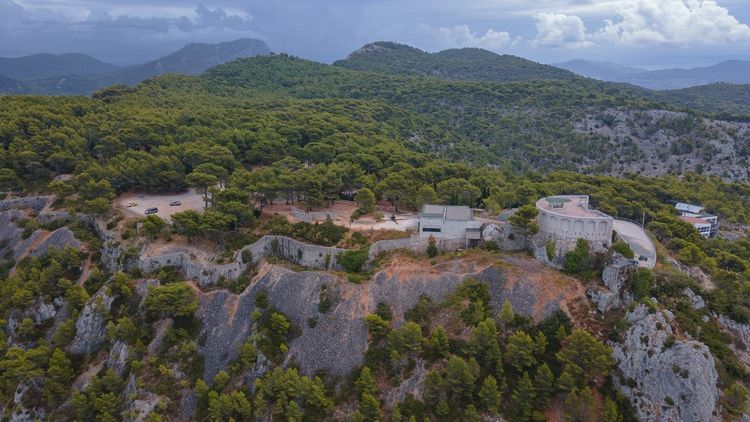
Last day, last register: that of history, told this time in galleries rather than in the street. It's a calmer day, ideal if the previous two have tired you out.
The Must-See Museums: Navy, History and Art
The Musée national de la Marine, housed behind the arsenal's old monumental gate, traces the history of Toulon shipbuilding with impressive ship models and carved figureheads that once adorned the royal vessels.
A few streets away, the Musée d'histoire de Toulon et de sa région revisits lesser-known episodes: the siege of 1793, the scuttling of 1942, the working-class history of the shipyards. You often walk in with no particular expectation and walk out with a completely different reading of the city center you crossed on the first day.
The Musée d'art de Toulon (MAT) completes the morning. Inaugurated in 1888 on boulevard Leclerc, it presents a collection ranging from Provençal painting to contemporary photography, and opens in the afternoon, Tuesday to Sunday. Grouping the three museums into a single day works well: they are close together on foot and their collections complement more than they repeat each other. Our article on Toulon's museums details the other addresses in case it rains.
The Provence Landing Memorial
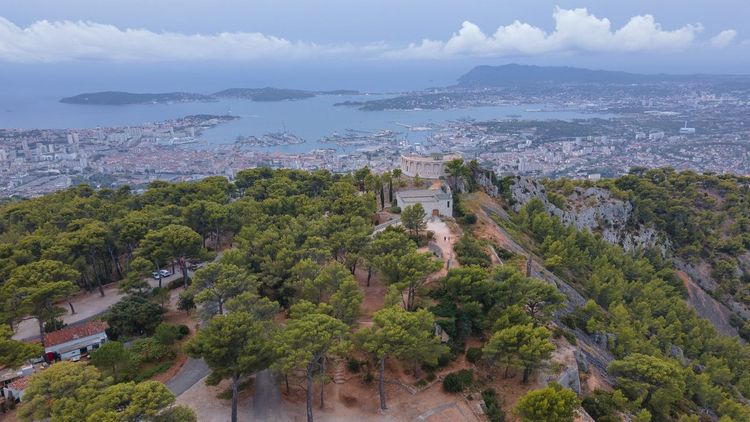
Go back up to the summit of Mont Faron, already seen on Day 2, for the Provence Landing Memorial, housed in the Beaumont tower. Renovated and reopened in 2017, it looks back at the landing of August 15, 1944, less well known than Normandy's but decisive for the liberation of southern France. Films, archives, objects and testimonies bring depth to events often reduced to a date in school textbooks. A combined ticket with the cable car (around €14 for an adult) saves you from paying twice.
At the end of the day, back in the city center, two options are open to you. Sports fans will walk past the Mayol stadium (Avenue du Colonel Picot, 83000 Toulon, rated 4.6/5 on Google from 5,218 reviews), home of the Rugby Club Toulonnais and one of the loudest venues in France on match nights. Others will prefer a cultural event or a concert in the evening: in summer, the squares of the center regularly host open-air stages, and the tourist office publishes the week's program.
Before or after the museums, several stops on the Ryo audio-guided tour tell the military and maritime history right in front of the buildings concerned: a way to place each collection within a broader story.
Around Toulon: What to See Beyond the 3 Days
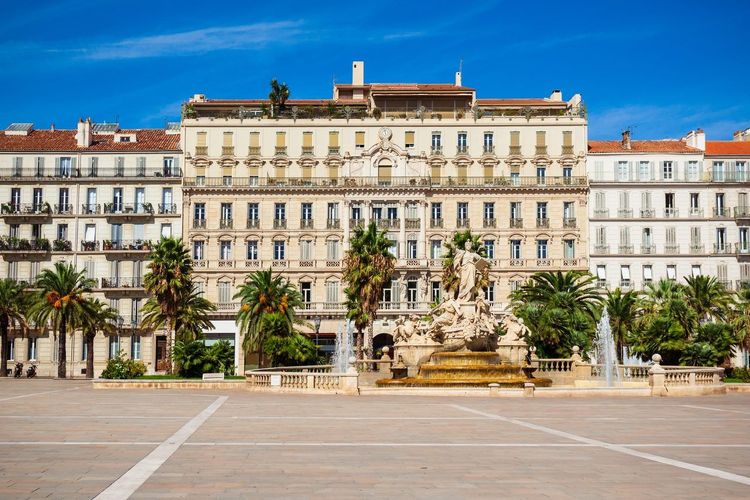
If your stay goes beyond the short format, or if you come back a second time, the surroundings of Toulon deserve whole days.
The Îles d'Or: Porquerolles and the Giens Peninsula
From the port of the Tour Fondue, on the Giens peninsula, shuttles reach Porquerolles in about twenty minutes. The island, the largest of the three Îles d'Or along with Port-Cros and Levant, is best explored by bike on shaded tracks, between vineyards and turquoise coves like Notre-Dame beach. A direct service also runs from the port of Toulon, from March to November, with a crossing of about 1h15 along the Var coast. The Giens peninsula, for its part, is worth the detour for its double tombolo, the two strips of sand linking it to the mainland on either side of the salt pans.
The Coastal Villages: Bandol, Sanary-sur-Mer and Le Revest-les-Eaux
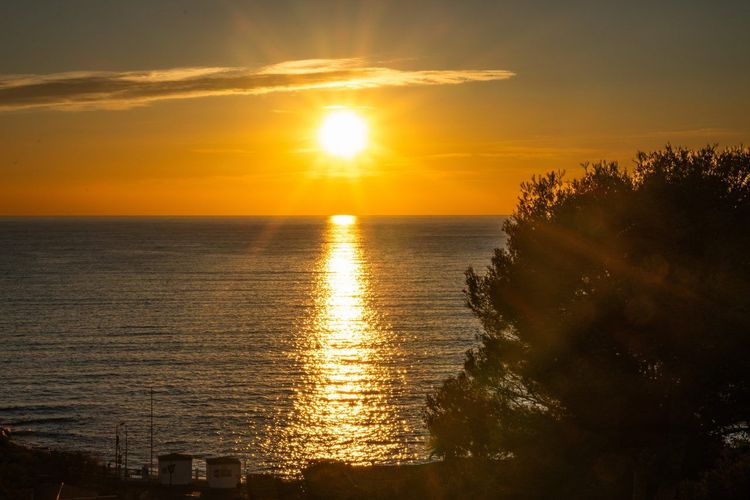
About thirty minutes away by car, Bandol cultivates a seaside resort atmosphere, known for its wines and its promenade facing the island of Bendor. Sanary-sur-Mer, right next door, has kept its port with colorful boats, the pointus, and deserves a stop at the Crapa de la Vernette, a coastal path overlooking the bay that is easy to miss if you aren't looking for it. In the other direction, inland, Le Revest-les-Eaux offers a total contrast with the coast: a village perched at the foot of Mont Caume, above a reservoir lake, about twenty minutes from the center and yet already in another era.
Farther Trips: Cassis, Saint-Tropez and the Verdon
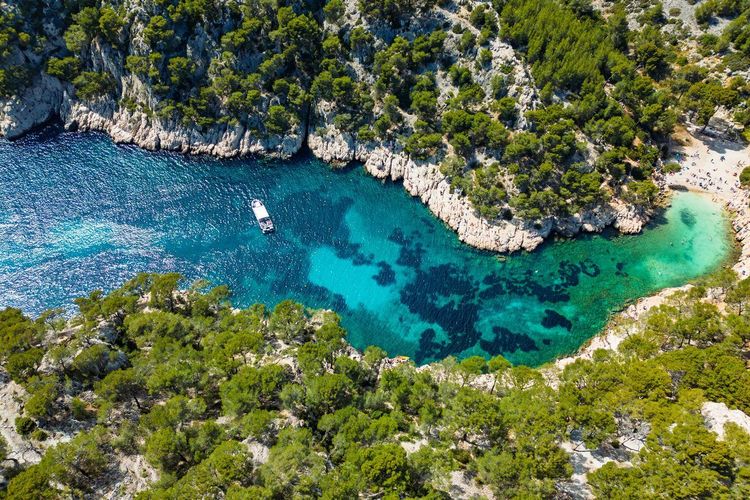
For a full day, Cassis and its calanques are reached in less than an hour to the west: limestone cliffs plunging into water of a blue that looks retouched. To the east, Saint-Tropez calls for some planning around summer traffic, but remains a must for anyone who has never been, between the old port and the citadel. More ambitious, the Verdon Regional Natural Park is reached in a little under two hours and rewards the drive with spectacular gorges. Finally, Hyères, twenty minutes from Toulon, deserves half a day for its perched old town and its gardens, often overshadowed by its big neighbor although it has a very distinct charm. For more ideas, our article on what to do around Toulon gathers the day excursions.
The Cours Lafayette Market and Toulon's Food
The Cours Lafayette market (Cours Lafayette, 83000 Toulon, rated 4.1/5 on Google from 2,743 reviews) sets up every morning except Monday, with fruit stalls, fishmongers and olive sellers. It is probably the best way to start a day in Toulon, coffee in hand, watching locals haggle over the price of the day's fish.
As for specialties, try the cade, a chickpea flour flatbread baked in a wood-fired oven and served hot in slices cut on the counter: it's the true Toulon signature, cousin of the Niçoise socca. The chichis frégis, long doughnuts dusted with sugar that are also associated with Marseille's L'Estaque, are sold at the market and along the beach. In winter, sea urchins from the Var coast appear on the stalls, to be enjoyed on the spot with a glass of white wine.
The Ryo audio guide passes a stone's throw from the Cours Lafayette: slip the market stop in between two stalls, earphones in, to understand this neighborhood before tasting it. To go further, our article on Toulon's culinary specialties details a dozen dishes and addresses.
How to Get to Toulon
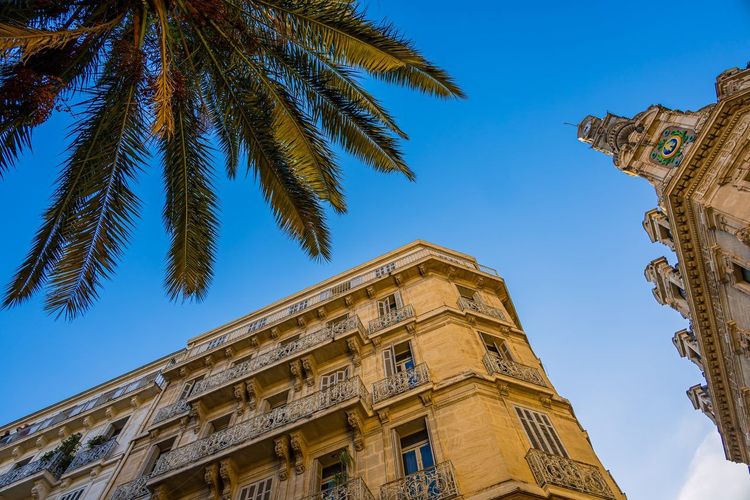
Toulon is easy to reach from major French cities, with three main options.
The train is often the most practical: Toulon station is served by direct TGVs from Paris (about 4 hours) and by frequent TER trains from Marseille (about 45 minutes to 1 hour) or Nice (about 2 hours). By plane, Toulon-Hyères airport is about twenty minutes by road from the center, with regular flights from Paris and a few seasonal connections. For those coming by car, Toulon lies at the end of the A50 from Marseille, while the A57 connects it eastward to the A8 and Nice. Crossing the city through the tunnel makes passage easier, but parking in the center remains paid and quickly full.
Once there, you don't need a vehicle for the three days: the center, the port and Mourillon can be covered on foot, by bus or by bus-boat on the Mistral network. A car becomes useful only for the surroundings.
Where to Stay in Toulon: Neighborhoods and Tips
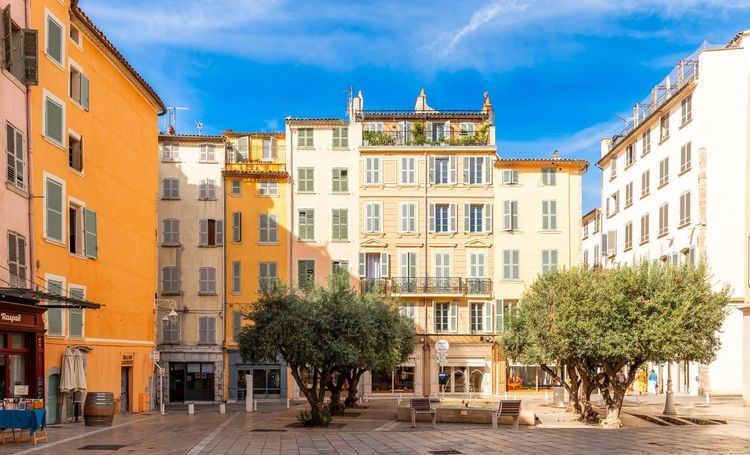
Choosing a neighborhood depends mostly on the kind of stay you are looking for.
City Center and Port, to Be in the Heart of the Action
Staying near the port and the old town puts everything within walking distance: restaurants, museums, the morning market. It's the logical choice for a short stay packed with visits, even if some streets stay lively late into the evening in summer. Hotels near the train station often offer better value for money, ten minutes' walk from the port.
Mourillon, for the Beach and Calm
Conversely, staying in Mourillon suits those who want to end their days with their feet in the sand. The district remains residential, with often more family-oriented lodgings, and the city center is only about fifteen minutes away by bus. To refine your choice, our article on Toulon's neighborhoods details the atmosphere of each area.
When to Go to Toulon: Climate and Best Time
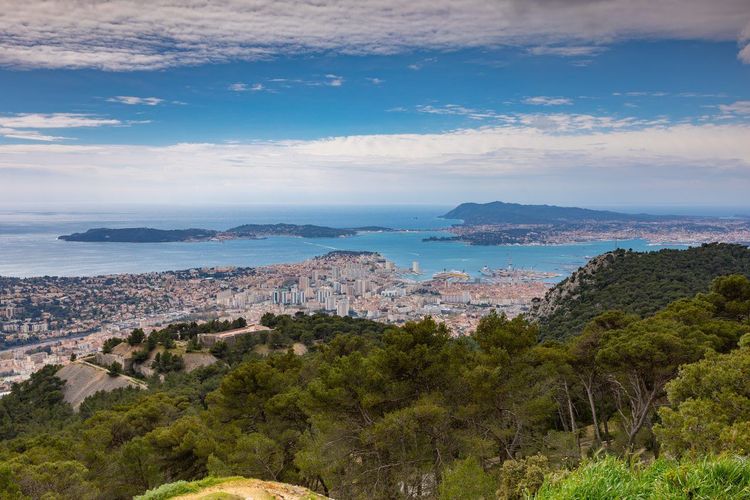
Toulon enjoys a Mediterranean climate among the sunniest in France, with more than 2,800 hours of sunshine a year. Spring, from April to June, and the shoulder season, from September to October, remain the most comfortable periods: pleasant temperatures, moderate crowds, and the sea still swimmable in September.
Summer combines sometimes intense heat, heavy crowds and a mistral that can blow hard over the harbor. Winter remains workable, with mild days most of the time, but the Faron cable car closes from December to early February and shuttles to the islands reduce their frequency. If your 3-day stay can be scheduled at any time, aiming for May or September remains the safest compromise.
Another useful reference point: the big dates on the calendar. On match nights at Mayol stadium, generally on weekends between September and June, the center fills with supporters and nearby hotels fill up faster. In mid-August, the commemorations of the Provence landing draw crowds to Mont Faron and the waterfront. If you're aiming for these dates, book your accommodation several weeks in advance; conversely, a stay in November or March will leave you the old town's alleys almost to yourself, with a low-angle light ideal for photographing the harbor.
How Many Days to Plan for Visiting Toulon
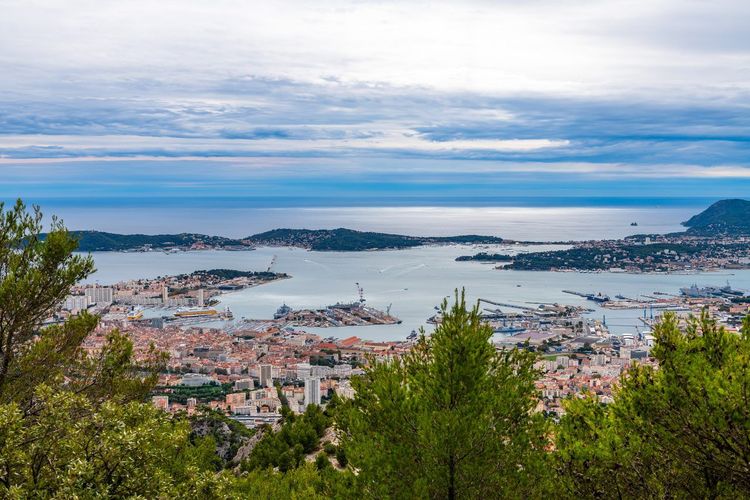
Three days let you cover the heart of the city without rushing: historic center, Mont Faron, beaches and museums, in the order presented above.
With four or five days, add a day for Porquerolles or the Giens peninsula, and another for Bandol and Sanary-sur-Mer. Conversely, two days are enough for an express format that would sacrifice either the museums or the beaches: better to choose between history and lazing about than to skim everything. And if you only have half a day between two trains, the 1h50 Ryo audio-guided tour condenses the essentials of the center on foot.
Toulon with Kids: Activities and Tips
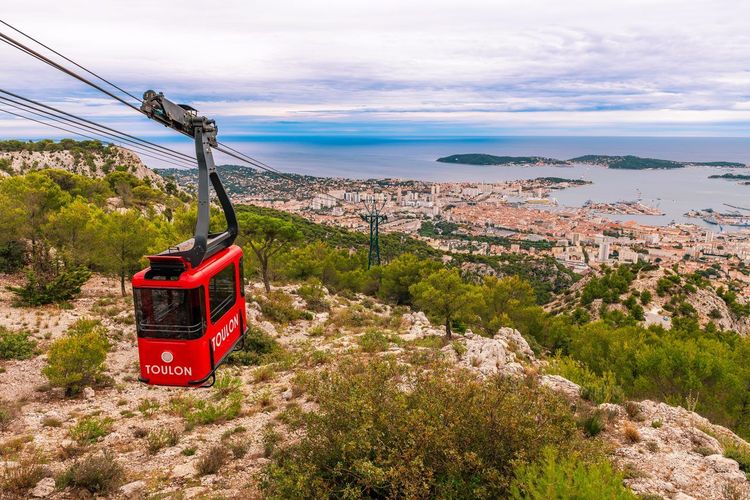
Toulon suits families well, as long as you balance cultural visits and fun moments. The boat trip on the harbor almost always appeals to children, as does the Mont Faron cable car. The coves of Mourillon offer calm, shallow water, handy for keeping an eye on young children.
As for museums, the Musée national de la Marine holds the attention of the youngest thanks to its ship models, more than the art collections. To organize a stay built around children, our article on Toulon with family offers an adapted itinerary, with more frequent breaks and activities alternating between beach and discovery.
A few habits make life easier on site: bring a lightweight stroller rather than an all-terrain model, as the alleys of the center are narrow and often cobbled, and save the museums for early afternoon, when the sun is too strong for the beach. The cable car is free for toddlers, and the bus-boat to Saint-Mandrier makes a mini-cruise at the price of a bus ticket, which children love.
Offbeat Visits and the Best Viewpoints over the Harbor
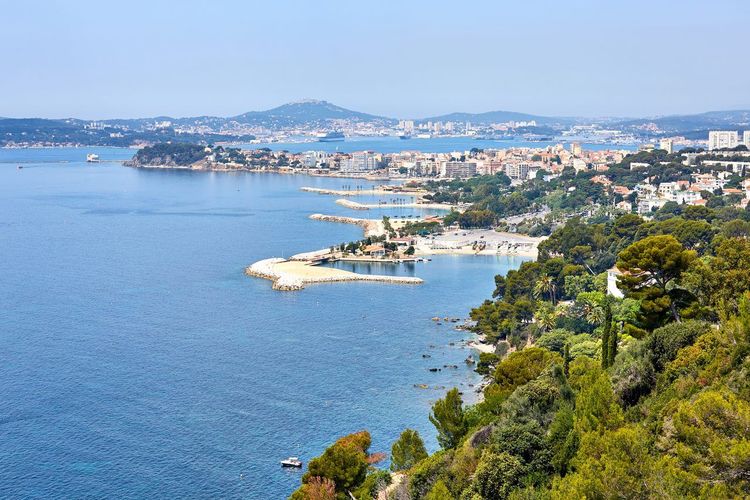
Beyond the must-sees, a few experiences step outside the classic program. The naval base sometimes opens its doors on special days announced by the Navy, a rare chance to see up close ships that are usually inaccessible. Viewpoints over the harbor are plentiful too: besides Mont Faron, Fort Saint-Louis in Mourillon and the heights of Cap Brun offer equally spectacular angles, without the crowd of the main viewpoint.
In December, the Christmas lights transform the city center and a Christmas market sets up in the shopping streets, an atmosphere quite different from summer Toulon. On July 14, the fireworks fired over the harbor are among the most watched in the region, visible from nearly all of the city's high points and from the quai Cronstadt.



FAQ
What are the must-see sights in Toulon?
The essential trio is the old town with Sainte-Marie Cathedral, Mont Faron for its view over the harbor, and a boat trip around the port. The Naval Museum and the history museum round out this core if you have more than two days.
Is Toulon worth a 3-day stay?
Yes: the city combines military heritage, museums, accessible beaches and quick access to the Îles d'Or or the Var hinterland, which makes it a solid base for three full days.
What is the nicest neighborhood in Toulon?
It depends on your profile. The city center and the port concentrate the activity and the restaurants, while Mourillon appeals for its calmer seaside atmosphere and the small harbor of Fort Saint-Louis.
What are the offbeat things to do in Toulon?
The naval base open days, crossing the harbor on a bus-boat, the viewpoints from Cap Brun and the Christmas lights are among the most unexpected experiences.
How many days should you plan to visit Toulon?
Three days cover the essentials of the city. Four to five days let you add the Îles d'Or or coastal villages such as Bandol and Sanary-sur-Mer.
How do you get to the Îles d'Or from Toulon?
Shuttles mostly leave from the Tour Fondue, on the Giens peninsula, and reach Porquerolles in about twenty minutes. A seasonal direct service also leaves from the port of Toulon, taking about 1h15.
Is Toulon suitable for families?
Yes, thanks to the possible mix of Mourillon beaches, boat rides, the cable car and very visual museums like the Naval Museum.
At the end of these three days, Toulon leaves a rare impression on the Côte d'Azur: that of a city that has never tried to please at all costs, and is more authentic for it. Between the harbor, museums and beaches, each day keeps its own rhythm. To keep your bearings on site, the Ryo audio-guided tour of Toulon goes with you at your own pace, with no data connection needed once the stops are downloaded.