






Créé par Camille, le 4 oct. 2026
Votre guide Ryo
Riga, Latvia
The Little Paris of the Baltics
Parcours audioguidé pour visiter Riga en 1 jour
This tour of Riga invites you to discover an elegant capital full of character, set among cobblestone streets, Art Nouveau facades, and lively squares. Along the way, let yourself be surprised by the city's rich history, its Baltic influences, and its vibrant atmosphere on the shores of the Baltic Sea. A simple and immersive way to explore Riga at your own pace.
Quand partir à Riga ?
Jan.
-3°
15
Feb.
-3°
11
March
1°
10
April
7°
10
May
12°
9
June
16°
11
July
18°
12
Aug.
17°
13
Sept.
12°
12
Oct.
7°
14
Nov.
2°
14
Dec.
-1°
15
Riga has a humid continental climate, with cold winters where temperatures often fall below 0°C between December and February, and mild to pleasantly warm summers with temperatures usually ranging from 18 to 25°C between June and August; spring and early autumn offer great conditions for visiting, with fewer crowds and temperatures often between 10 and 20°C, making May, June and September some of the best times to explore the city comfortably.
Départ conseillé
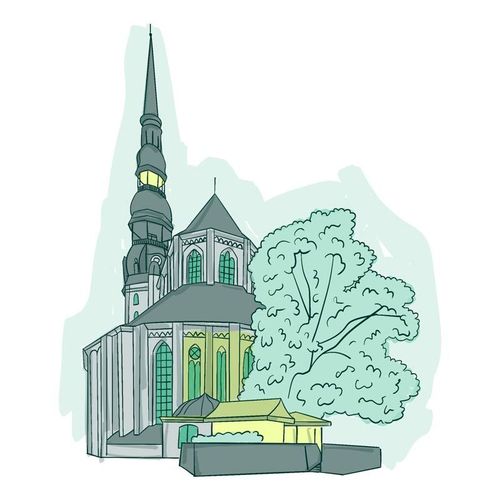
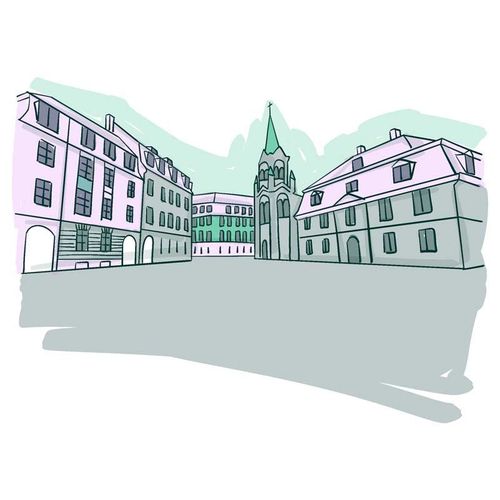
Our tours are designed as loops, so you can start your visit from whichever point is closest to you, and the guidance will adjust automatically. If you're nearby, we recommend an ideal starting point right in front of Saint Peter's Church.
Parking à proximité
Europcar Underground Parking Area : Kalpaka bulvāris, Centra rajons
In Riga, you’ll find several parking options depending on your needs, starting with the Europcar Underground Parking Area, a central and secure underground car park that’s convenient for leaving your vehicle and heading into the Old Town on foot; you can also use outdoor car parks known as autostāvvieta, such as VEC Parking, which are often a bit cheaper and well located near the city centre and the riverfront; finally, on-street parking is available but strictly regulated, with different zones, time limits and pricing, so it’s important to check the local rules to avoid getting a fine.
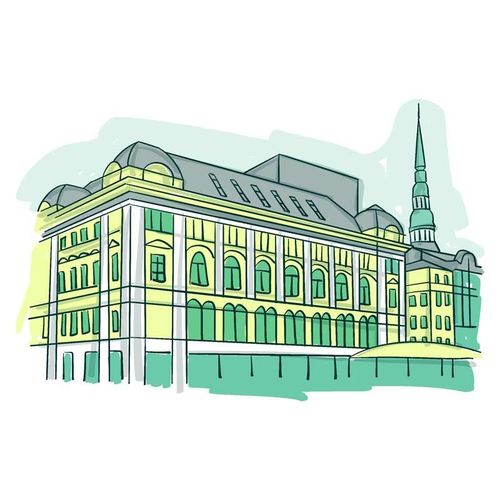
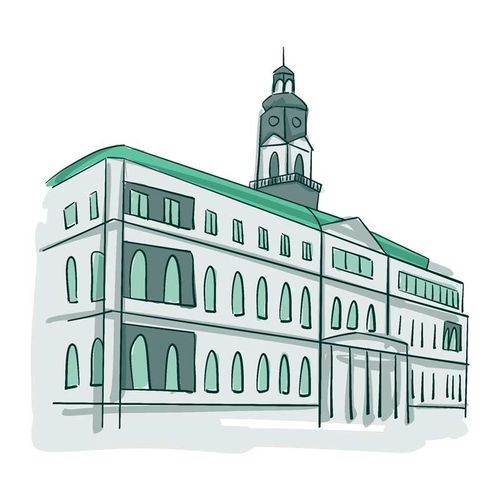
Découvrez 28 lieux d'intérêt pour visiter Riga




Le plein d'inspirations
Explorez le monde en totale liberté, à pied au cœur des villes ou au fil des routes. Nos guides audios transforment chaque destination en une découverte culturelle immersive et unique.
FAQ for visiting Riga
When is the best time to visit Riga?
The ideal time to discover Riga runs from May to September, when the weather is at its mildest. The months of May, June and September are particularly recommended, with pleasant temperatures between 10 and 20°C and fewer crowds. Summer, from June to August, offers long, sunny days with mild temperatures between 18 and 25°C, perfect for strolling through the old town. Winters are cold, with temperatures often below zero, but the city then takes on a special charm under the snow, notably during the Christmas markets. Spring and autumn remain pleasant in-between seasons for those who prefer to avoid the summer crowds.
How many days do you need to visit Riga?
Two to three days are generally enough to discover the essentials of Riga and soak up its unique atmosphere. In two days, you can comfortably explore the historic centre, admire the Art Nouveau architecture and visit the main monuments. With three days, you will have time to delve deeper into your discovery by visiting a few museums, strolling through the parks and making the most of the atmosphere of the local cafés and restaurants. For a complete immersion including the surrounding area, such as Jurmala, the neighbouring seaside resort, allow four to five days. The Ryo audioguide lets you optimise your time by following a well-thought-out route that covers the city's must-sees at your own pace.
How do you get from the airport to the centre of Riga?
Riga International Airport is about 10 kilometres from the city centre, and you have several options for reaching your accommodation. Public bus number 22 is the most economical option and links the airport to the centre in around thirty minutes. Taxis are readily available at the terminal exit, but make sure you use official companies or the ride-hailing apps popular in the region. An airport express shuttle also runs regularly between the airport and the central station. For more comfort, you can book a private transfer in advance. The journey usually takes between 15 and 30 minutes depending on the mode of transport chosen and traffic conditions.
Which neighbourhoods are a must-see in Riga?
The historic heart of Riga, listed as a UNESCO World Heritage Site, is naturally a must with its medieval cobbled lanes and lively squares. The Art Nouveau district, around Alberta iela, fascinates visitors with its ornate façades that have made the city famous. The Centrs district offers a more modern atmosphere with its shops, trendy cafés and dynamic nightlife. Don't miss the central market either, housed in former zeppelin hangars, a real immersion into local life. The Ryo audioguide route cleverly guides you through these different neighbourhoods, revealing their stories and secrets. Finally, the Kipsala district on the left bank of the Daugava offers magnificent views over the skyline of the old town.
What is there to do in Riga when it rains?
Rainy days in Riga are the perfect opportunity to explore the city's many museums. The Latvian National Museum of Art houses an impressive collection of Baltic art, while the Museum of the Occupation retraces the country's turbulent history. The covered central market is an authentic experience where you can taste local specialities while staying dry. The covered passages and shopping arcades of the city centre let you continue your shopping without getting wet. Take the chance too to settle into one of the city's many historic cafés, such as the famous Black Magic Bar, to savour a hot chocolate or a Riga Black Balsam. Monumental churches such as the Dome Cathedral also offer an enriching cultural refuge.
Where can you see Art Nouveau architecture in Riga?
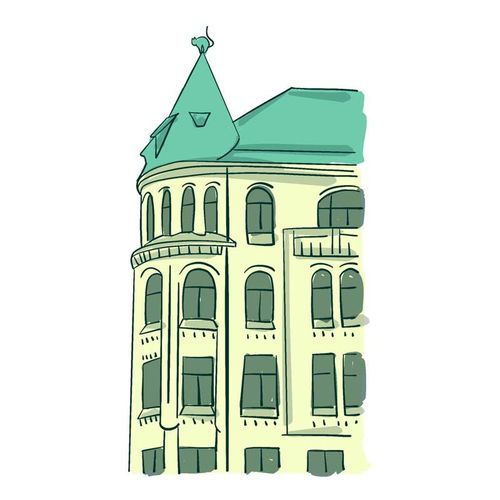
Riga boasts one of the richest concentrations of Art Nouveau architecture in the world, mainly in the district around Alberta iela and Elizabetes iela. Alberta iela is without doubt the most spectacular street, where almost every building displays façades adorned with sculptures, masks and floral motifs. Don't miss the works of Mikhail Eisenstein, father of the famous filmmaker, notably at numbers 2a, 4 and 13. Strēlnieku iela and Brīvības iela are also full of Art Nouveau gems. The Art Nouveau Museum, set in a period apartment, lets you discover the interior of these bourgeois residences. The Ryo audioguide offers a dedicated tour that reveals the architectural details and the fascinating history of this artistic movement in Riga, allowing you to fully appreciate this heritage wealth.
What Latvian culinary specialities should you try?
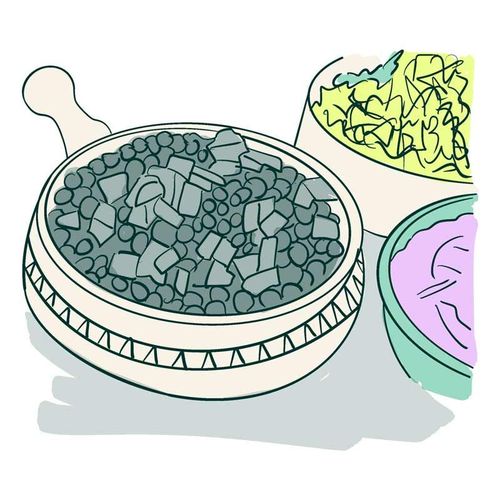
Latvian cuisine, rustic and comforting, absolutely deserves to be discovered during your stay. Black rye bread, a true national institution, accompanies almost every meal. Try the pīrāgi, small pastries filled with bacon and onions, perfect for a tasty break. The national dish, grey peas with bacon, may surprise you but is an integral part of the local culinary culture. In summer, don't miss the cold beetroot soup, refreshing and colourful. Fish lovers will appreciate the smoked sprats of Riga, exported all over the world. For dessert, try the rupjmaizes kārtojums, a delicious layered dessert made with rye bread, whipped cream and cranberry jam. Accompany your meals with the famous Riga Black Balsam, the city's emblematic herbal liqueur.
Which monuments should you see in Riga's old town?
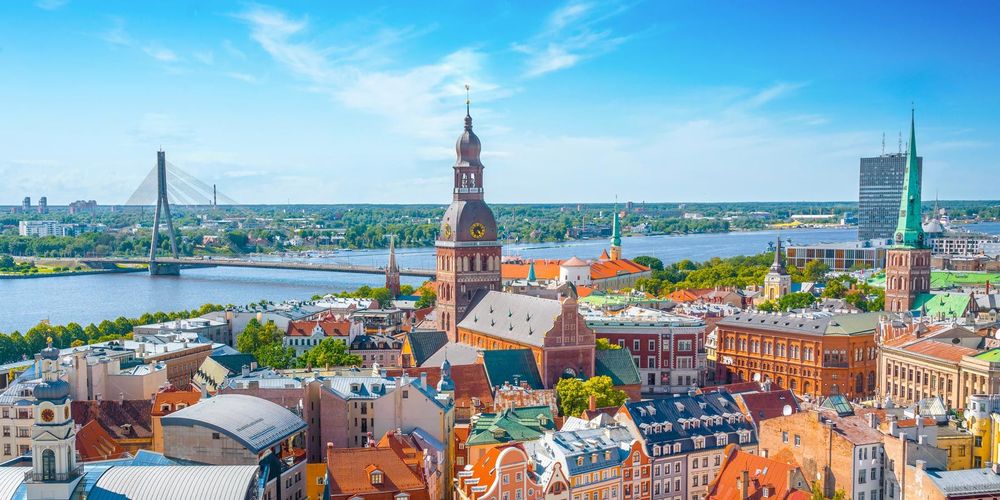
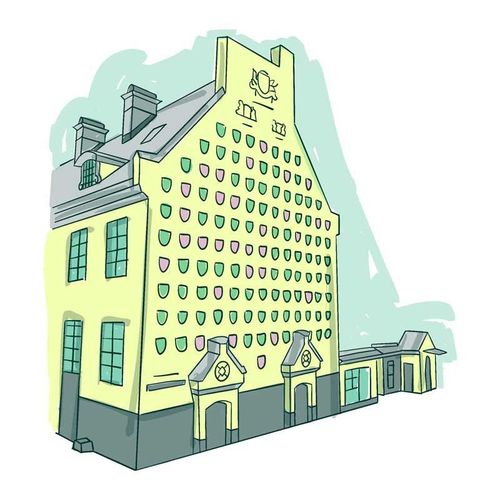
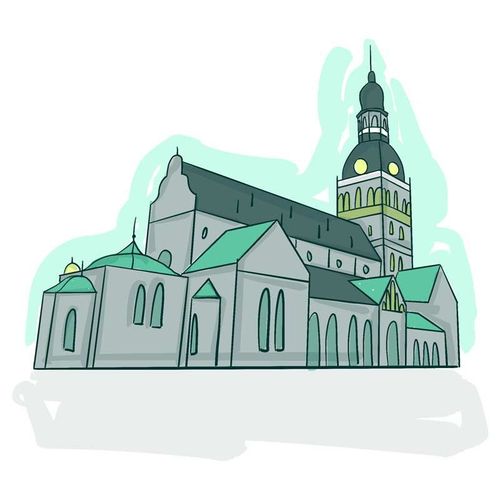
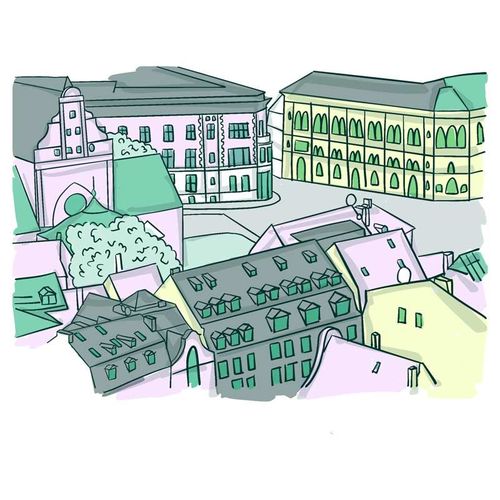
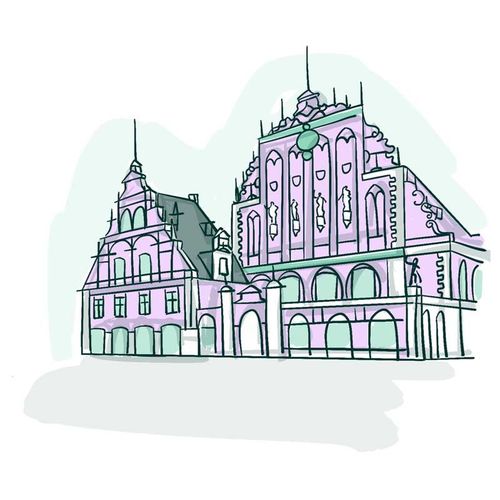
Vecrīga, the World Heritage old town, can be walked in a few hours but deserves a slower pace. The House of the Blackheads, with its richly ornamented façade rebuilt after the war, dominates the town hall square. Nearby, St Peter's church and its tall spire give the best view over the red roofs and the Daugava from their viewing platform, while the Dome Cathedral houses a celebrated organ.
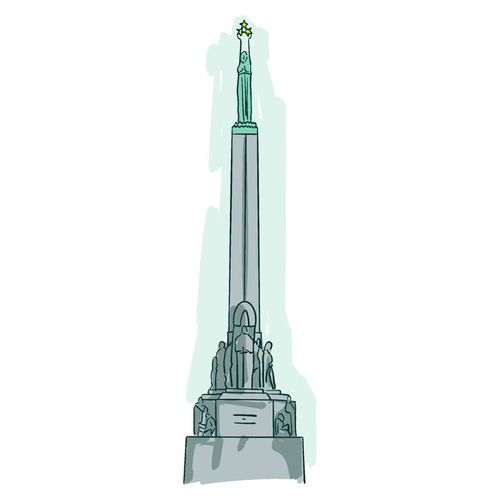
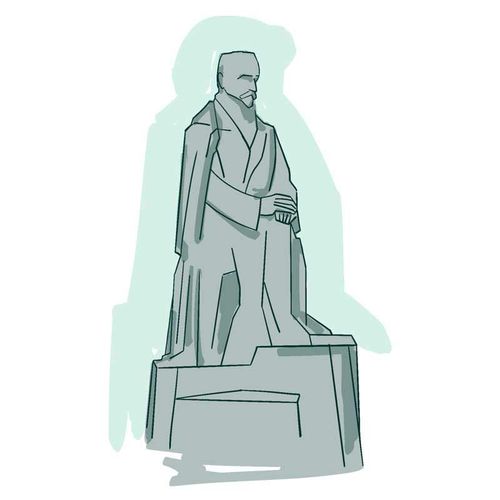
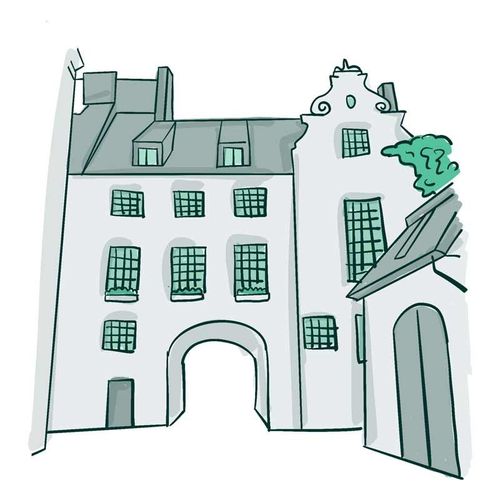
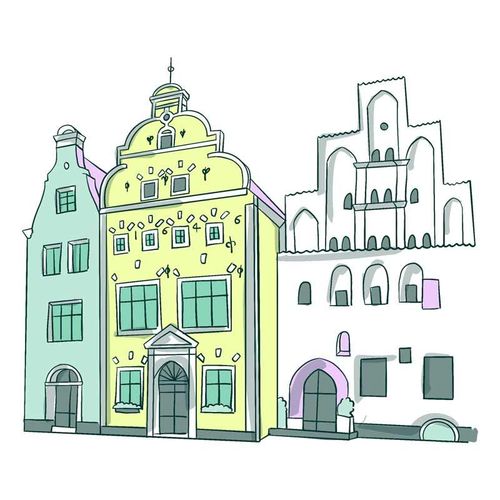
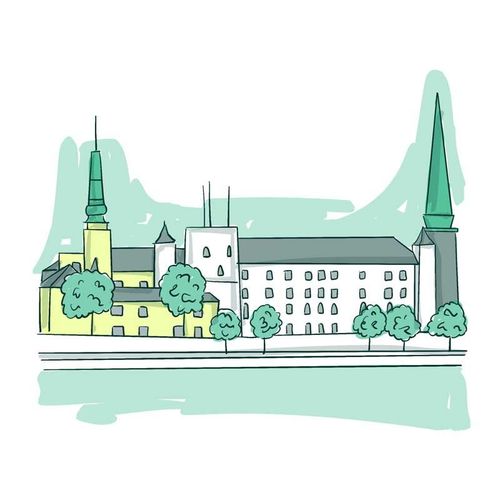
The Three Brothers, a row of the oldest dwelling houses in the city, the Swedish Gate, the last remnant of the ramparts, the Powder Tower and Riga Castle complete the walk. The Freedom Monument, slightly outside the lanes, still carries strong symbolic weight for Latvians. The Ryo audio guide offers a dedicated Riga route that links these monuments and tells their story.
What can you discover at Riga's central market?
Housed in five vast halls built from former zeppelin hangars, the central market is one of the largest in Europe and stands a few minutes from the old town. Each pavilion has its speciality: smoked Baltic fish, meat and charcuterie, dairy produce, dark rye breads, fruit and vegetables in season, with stalls spilling well beyond the buildings.
It is the ideal place to taste Latvian produce without ceremony, from a jar of honey to forest berries, caraway cheese or a filled pastry. Small food counters serve simple dishes at any hour. For an even more local atmosphere, the Āgenskalns market on the other bank occupies a handsome restored brick hall and draws mainly people from the neighbourhood.
How do you get around Riga?
Walking is the first means of transport: the old town is largely pedestrian and the Art Nouveau district around Alberta and Elizabetes streets is about ten minutes on foot from the former ramparts. Distances stay modest across the centre, and the canal park makes a pleasant route between the two.
To go further, the network of trams, trolleybuses and buses covers the city well, with tickets bought at kiosks or on board, usually on less favourable terms in the latter case. Public bikes and scooters run for a good part of the year, outside the freezing months. Suburban trains from the central station serve the coast and the surrounding area.
Vos commentaires, idées et suggestions
Aucun avis pour le moment
