
Créé par Romane, le 4 oct. 2026
Votre guide Ryo
Tokyo, Japan
The Phoenix City
Parcours audioguidé pour visiter Tokyo en 1 jour
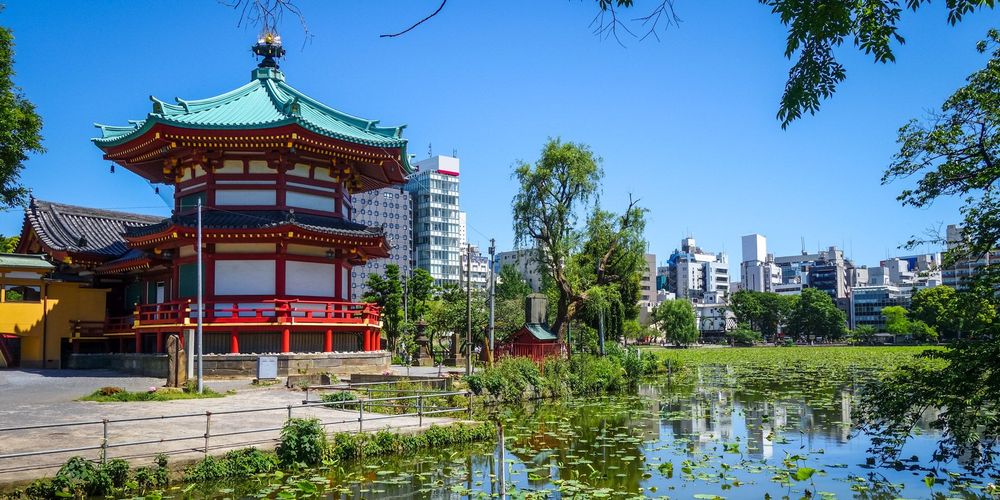
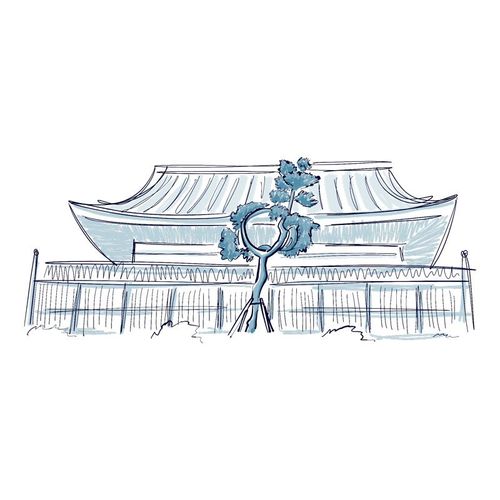
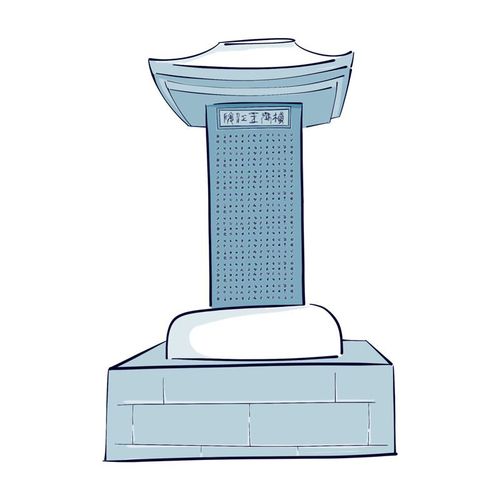
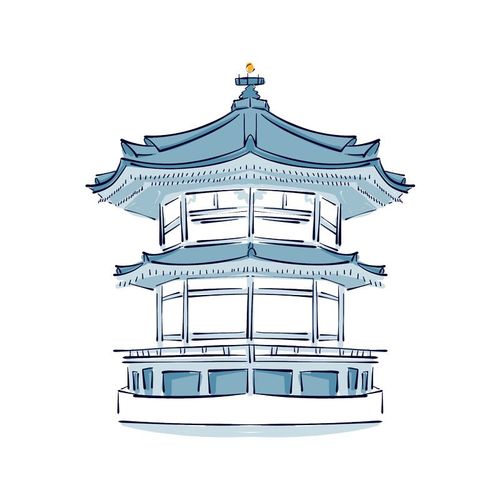
The bustling capital of Japan, Tokyo impresses with its energy and its unique blend of tradition and modernity. Beyond its intense pace, the city reveals more peaceful spaces, where temples, parks, and cultural heritage offer a different perspective. As you explore its districts such as Ueno, you discover a rich and contrasting atmosphere at the heart of Japanese identity.
Quand partir à Tokyo ?
Jan.
6°
8
Feb.
6°
7
March
10°
10
April
16°
11
May
20°
11
June
23°
15
July
27°
10
Aug.
29°
10
Sept.
25°
12
Oct.
19°
10
Nov.
14°
9
Dec.
9°
8
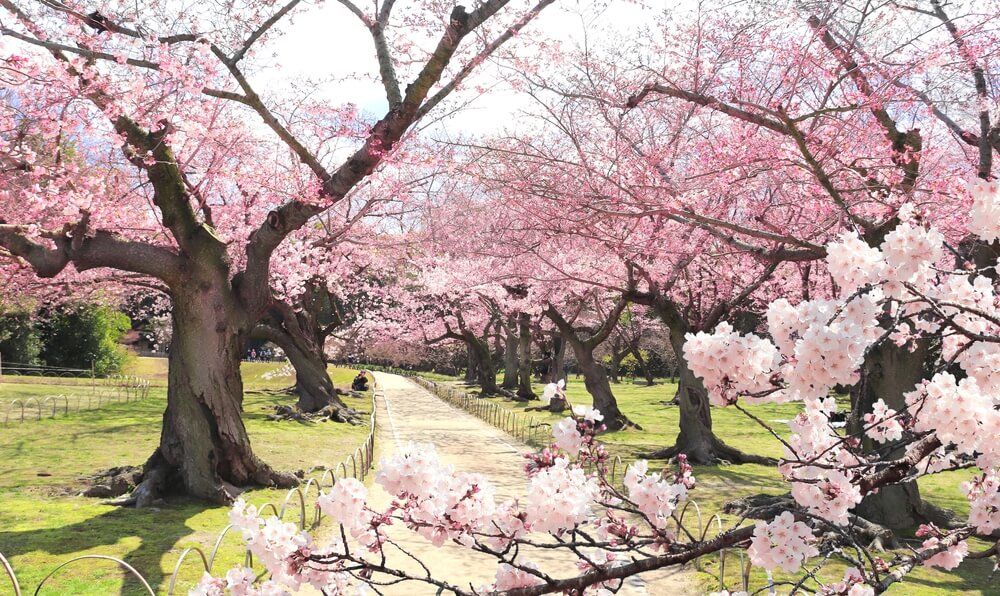
The best time to visit Tokyo is between April and November. However, if you want to catch the stunning cherry blossoms in full bloom, you’ll need to be there around late March to early April. The hottest months are July and August, with temperatures ranging from 23°C to 31°C (73°F to 88°F), while January is the coldest month, with temperatures between 2°C and 10°C (36°F to 50°F). Rainfall tends to be slightly higher in June, September, and October, but it’s generally moderate and shouldn’t affect your travel plans too much.
Départ conseillé
No need to worry about where to begin! Our tours are designed as a loop, so you can jump in wherever you are. The navigation system and audio-guide will automatically adjust to your location. However, if you happen to be nearby, we do have a preferred starting point: in the Ueno park.
Parking à proximité
Parking Keisei Ueno Station : 1-12 Uenokoen, Taito City
Tokyo is best explored using public transportation. Traffic can get pretty bad sometimes. Street parking is strongly discouraged due to strict regulations. If you don’t follow the rules to the letter, you’ll likely get fined.
The best option is to leave your car at your accommodation or use an underground parking lot. It’s worth checking the rates in advance, as they can be quite pricey. All in all, Tokyo’s public transit system is incredibly efficient and will take you just about anywhere—quickly, easily, and without the hassle.
À savoir
A quick heads-up, many temples, museums, and tourist attractions tend to close fairly early—often around 5PM, like most shops. Be sure to check opening hours in advance so you don’t miss out on the places you’re hoping to visit!
Découvrez 20 lieux d'intérêt pour visiter Tokyo










Le plein d'inspirations
Explorez le monde en totale liberté, à pied au cœur des villes ou au fil des routes. Nos guides audios transforment chaque destination en une découverte culturelle immersive et unique.



FAQ for visiting Tokyo
When is the best time to visit Tokyo?
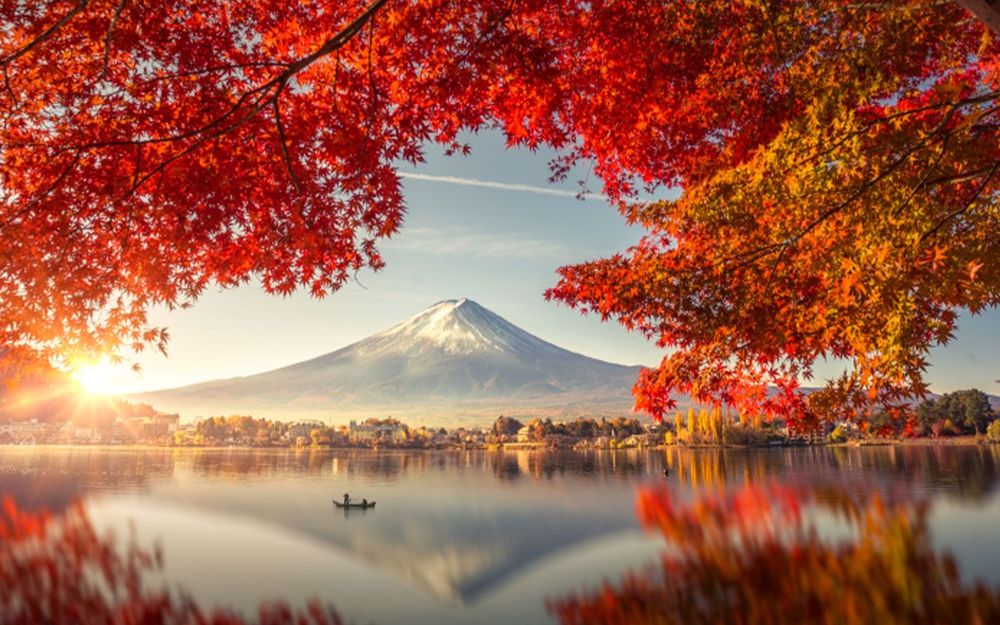
The ideal time to visit Tokyo runs from April to November, when temperatures are pleasant and weather conditions are favourable. If you dream of admiring the famous cherry blossoms, plan your trip between late March and early April to witness this fleeting spectacle. The summer months, July and August, can be very hot with temperatures sometimes reaching 31°C, while winter stays mild compared with other destinations. June, September and October see some rainfall, but nothing that will spoil your stay. Autumn offers magnificent colours in the parks, and spring remains the favourite season to discover Tokyo in all its splendour.
How many days do you need to visit Tokyo?
For a first discovery of Tokyo, plan for ideally 4 to 5 days. This gives you time to explore the iconic districts without rushing and to soak up the unique atmosphere of each district. In three days, you can see the highlights, but you risk missing some of the city's more authentic aspects. With a full week, you will have the luxury of combining the major sites with more in-depth exploration, day trips to the surrounding area and moments of relaxation in the many parks. Tokyo is a huge metropolis that deserves to be discovered at a leisurely pace, between frenetic modernity and traditional havens of peace.
How can you get around Tokyo easily?
The subway and JR trains are the most efficient way to explore Tokyo. The network is extremely dense and punctual, serving practically every district of interest. Get a rechargeable Suica or Pasmo card as soon as you arrive to simplify your travel. The stations are generally well signposted in English, and many mobile apps help you plan your journeys. For short distances, walking remains pleasant and lets you discover hidden alleyways. Taxis are available but more expensive, best kept for late journeys or when you have luggage. Avoid rush hours, generally between 7am-9am and 5pm-7pm, when the carriages can be packed.
Which districts are must-sees in Tokyo?
Tokyo is discovered through its districts, each with a distinct personality. Shibuya immerses you in urban buzz with its famous crossing, while Asakusa preserves the traditional soul with the Senso-ji temple. Shinjuku fascinates with its skyscrapers and lively nightlife. For a more peaceful atmosphere, Ueno offers prestigious museums and a magnificent park. Harajuku and Omotesando appeal to fans of fashion and trends. Ginza represents Japanese-style luxury with its high-end boutiques. Each district tells a different facet of Tokyo. The Ryo audioguide accompanies you on this exploration with narrated routes that reveal the secrets and history of these iconic places.
Where should you eat in Tokyo and which specialities should you try?
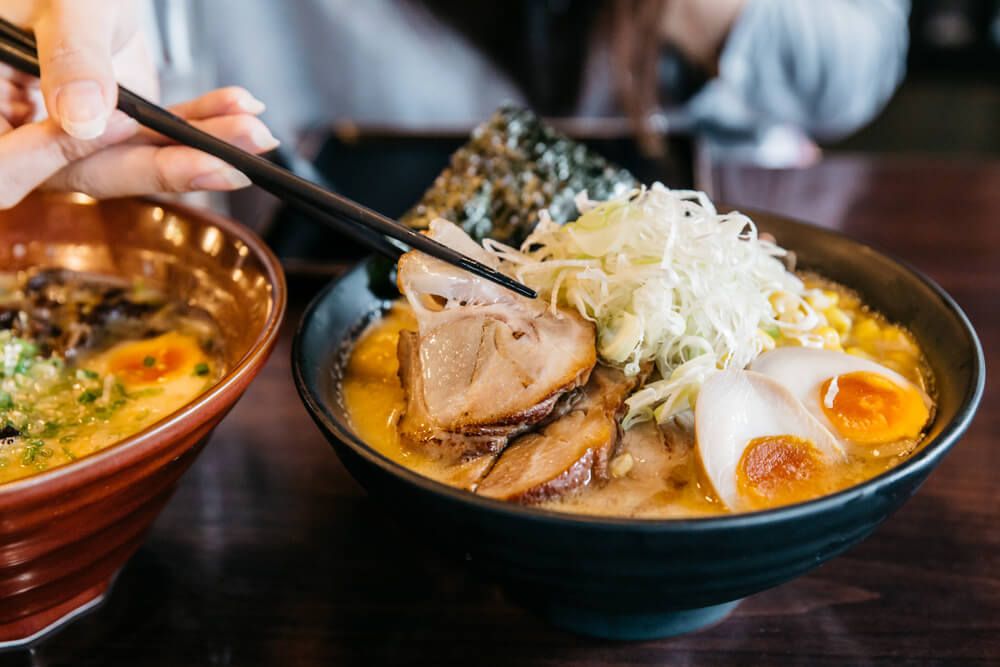
Tokyo is a gastronomic paradise where every meal becomes an experience. The izakayas, those convivial Japanese pubs, offer an authentic atmosphere for enjoying a variety of dishes. Do not miss the ramen in the small specialised eateries, the fresh sushi at the Tsukiji market, or the crispy tempura. The yakitori restaurants under the railway tracks serve tasty skewers in a typical atmosphere. For a unique experience, try an okonomiyaki restaurant where you cook your own Japanese pancake on a hot plate. The konbini, those convenience stores open day and night, offer snacks of surprising quality. Do not hesitate to explore the basements of the department stores, which often house excellent food halls.
Is Tokyo a safe destination for travellers?
Tokyo is among the safest major cities in the world. Crime there is remarkably low, and you can walk around with peace of mind even late at night in most districts. Japanese people are generally helpful and will not hesitate to assist you if you seem lost, despite the language barrier. Lost items are often handed in at police boxes or at the lost-and-found offices in the stations. Nonetheless, stay alert in the very touristy areas and on crowded transport, where occasional pickpockets may operate. Respecting local rules and Japanese etiquette will ensure a trouble-free stay. Women travelling alone feel particularly safe in this considerate city.
Which temples and shrines should you visit in Tokyo?
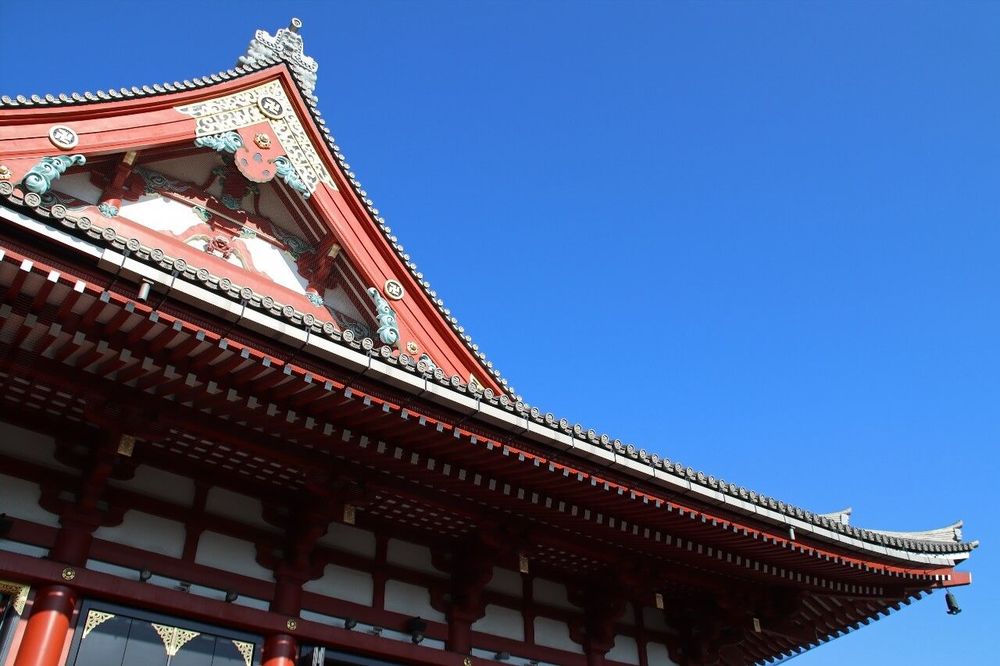
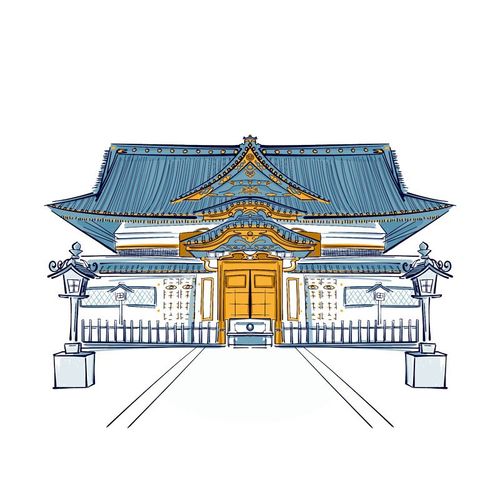
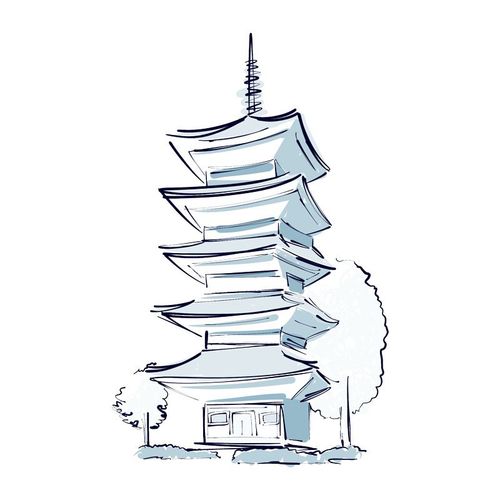
The busiest is Sensō-ji in Asakusa: you reach it through the Thunder Gate with its red lantern, then along a long avenue of small shops leading to the main hall and its pagoda. At the other end of town, Meiji Shrine occupies a vast planted forest beside Harajuku, where tall wooden gateways lead to an esplanade that is surprisingly peaceful for the city.
Many others are worth the detour, such as Zōjō-ji, whose silhouette stands out in front of Tokyo Tower, or small neighbourhood shrines with their rows of vermilion gateways. Entry is generally free; you rinse your hands at the fountain before approaching, and take off your hat as a mark of respect. The Ryo audio guide offers a dedicated Tokyo route linking several of these places on foot.
Where can you enjoy the best views over Tokyo?
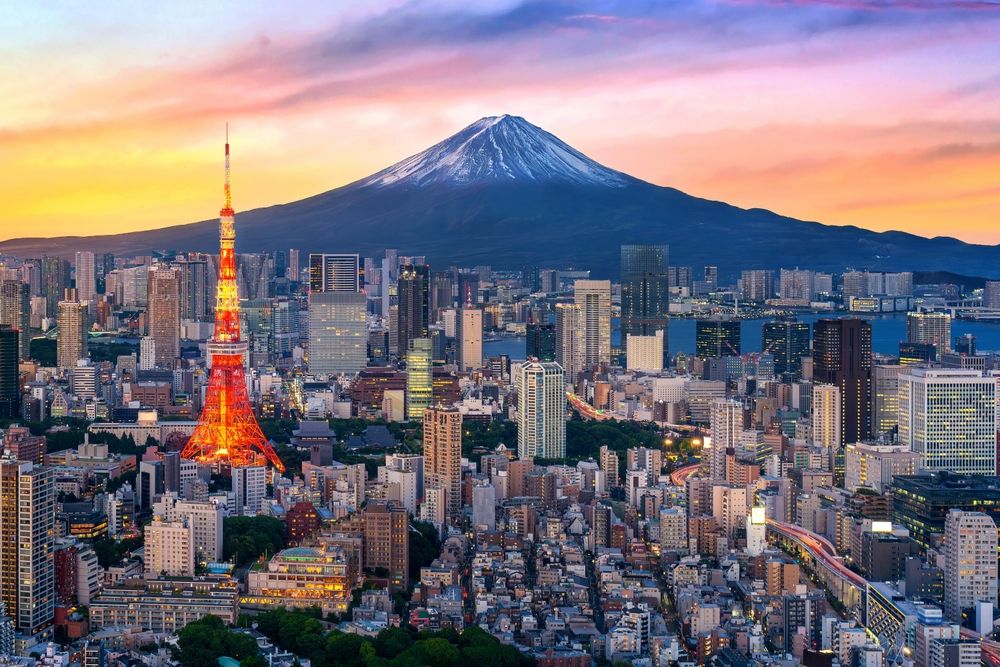
The city makes far more sense from above, so endlessly does it stretch out. The great broadcasting tower in Sumida offers the highest panorama, Tokyo Tower a more classic viewpoint in the middle of the business districts, and the rooftop terraces of Shibuya or Roppongi let you look down on the famous crossing and the ocean of buildings.
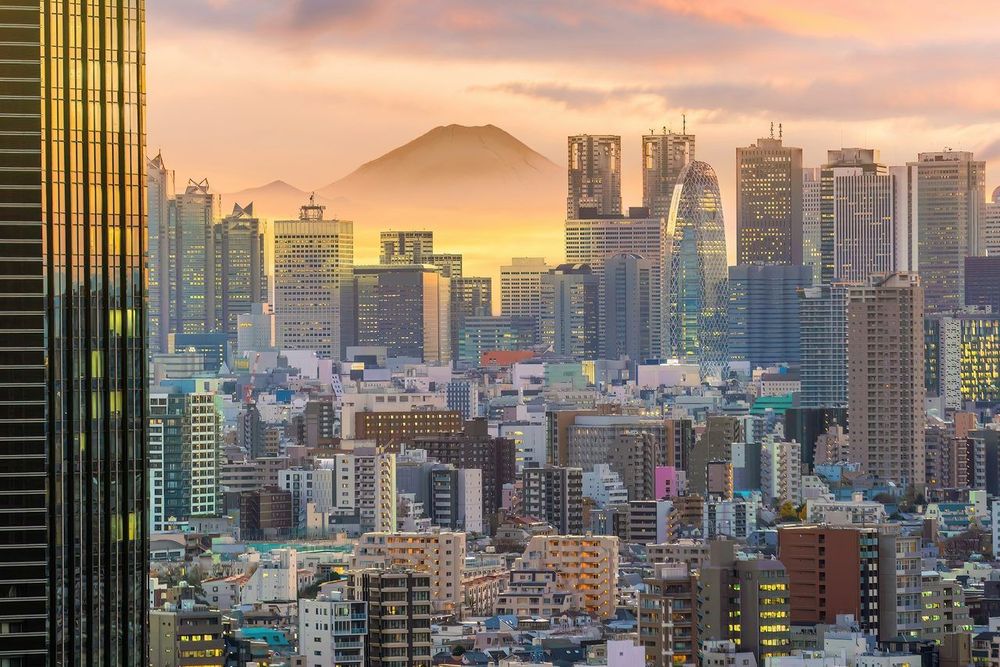
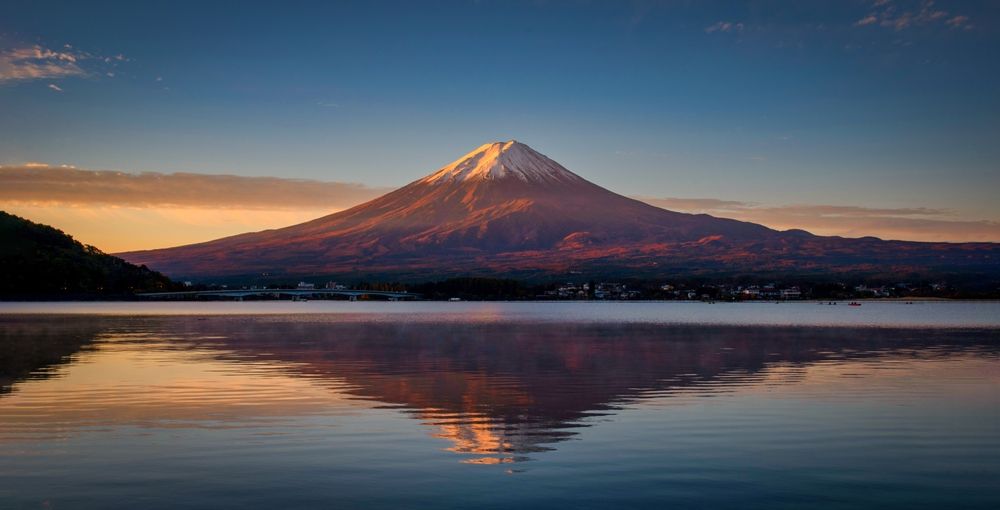
There are quieter options too: the observation decks at the top of the metropolitan government building in Shinjuku are open to the public free of charge, and many hotels or department stores have a glazed top floor. On a clear day, especially in winter, the outline of Mount Fuji appears on the horizon; late afternoon remains the best moment, as the lights come on one by one.
What can you do in Tokyo in the evening?
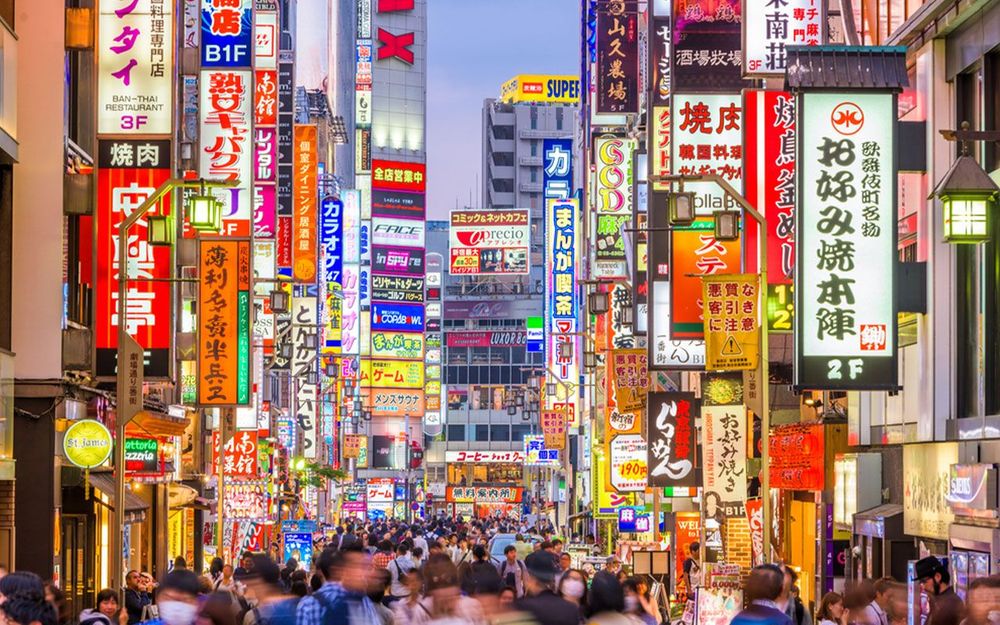
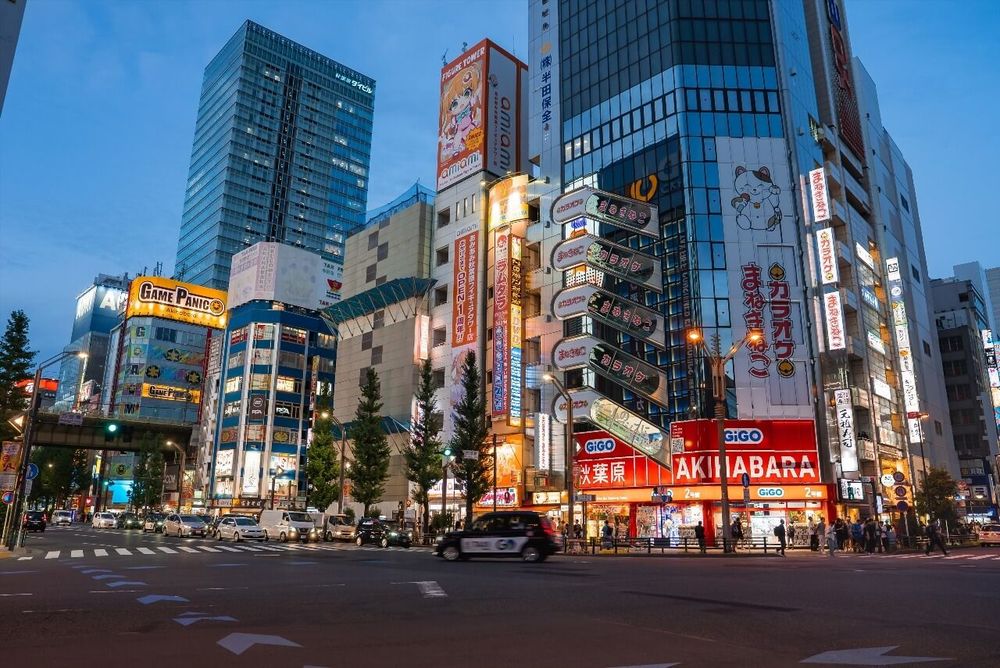
Once night falls, the city turns into a lit-up stage set. The Shibuya crossing, swept by crowds beneath giant screens, is worth watching at length from the footbridges or the cafés above; Shinjuku lines up its signs and narrow lanes edged with tiny bars and skewer counters, while Akihabara unrolls façades saturated with neon.
For dinner, izakaya, the Japanese pubs where small dishes are shared, remain the friendliest experience, often in the passages tucked under the railway tracks. After that, everyone picks their own mood: karaoke with friends, a waterside stroll in Odaiba facing the illuminated bridge, or simply wandering the shopping streets, which stay lively and perfectly safe late into the evening.
Can you visit Tokyo without speaking Japanese?
Yes, without any real difficulty. Railway stations, metro stops and the main tourist sites display signs in Latin characters, lines are identified by colours and numbers, and ticket machines offer an English interface. A rechargeable travel card also saves you from having to pick a fare for every journey.
In restaurants, many places show illustrated menus or display replicas of their dishes in the window, and it is often enough to point at what you would like. Translation apps, including those that photograph a text, make the rest very straightforward. Learning a few polite phrases is appreciated, and local people, even when they speak little English, are remarkably helpful if you look lost.
Vos commentaires, idées et suggestions
Aucun avis pour le moment