Walk
The Echo of the Temples in the Ancient Capital
Kyoto, Japan
Walk
The Echo of the Temples in the Ancient Capital
Kyoto, Japan
5.4 km
Distance
2h15
Durée
25
Audios
Loop
Parcours
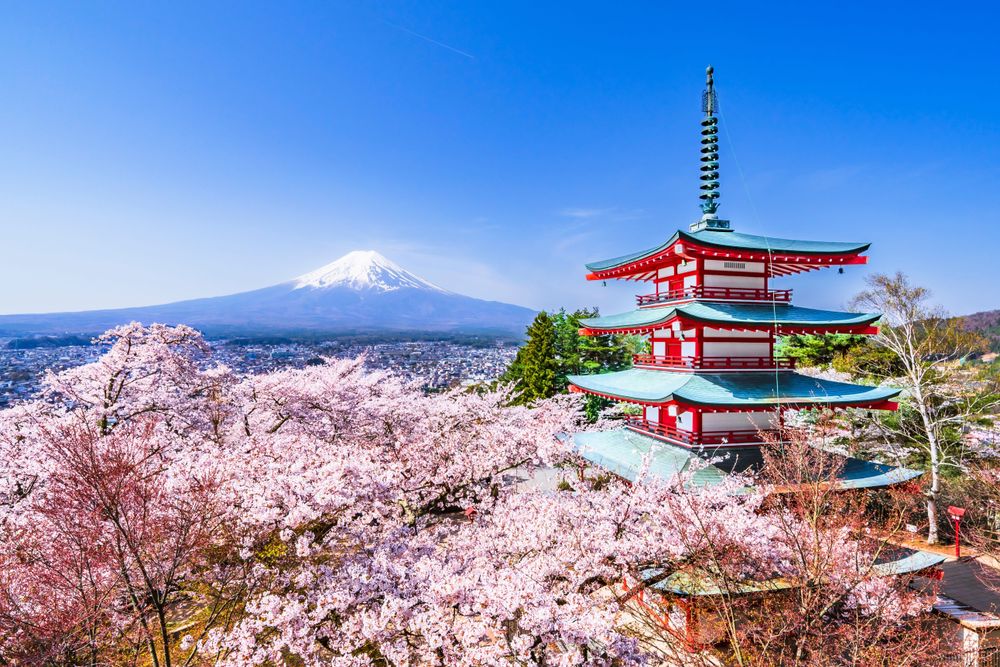
Japan unfolds like a score played at many tempos: the dizzying heights of illuminated metropolises, the hushed silence of moss gardens, the steam rising from hot springs deep in the mountains. Visiting Japan means embracing the unexpected at every turn, where ancient, unbroken traditions meet a modernity overflowing with creativity. To support this in-depth exploration, Ryo offers immersive audio-guided tours in Tokyo, Kyoto and Osaka, three cities that together capture the multifaceted soul of the Land of the Rising Sun.
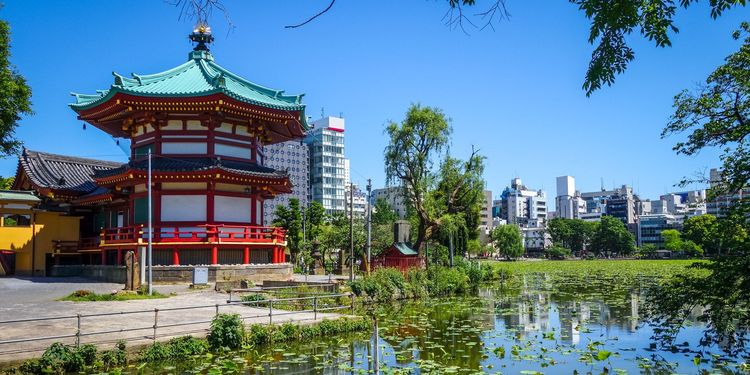
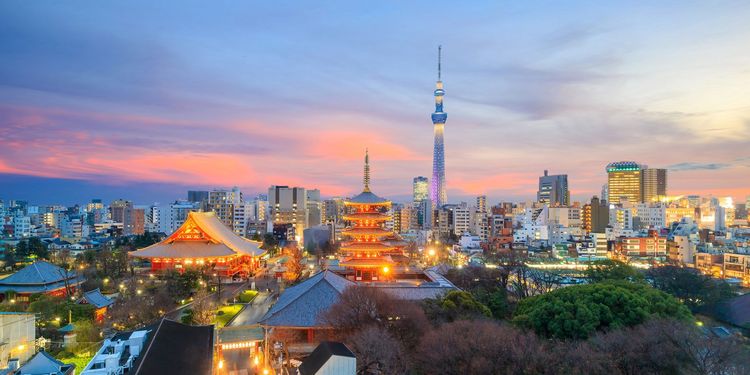
Across its ever-changing neighbourhoods, Tokyo reveals itself far beyond the expected images. The city has weathered catastrophes only to rise again, each time denser and more inventive. With two Ryo audio-guided tours, travellers can immerse themselves in both its ancient alleyways and its ultra-modern arteries, letting the sonic narrative weave a thread between past and present. Discreet temples nestled between skyscrapers, neighbourhood markets buzzing from dawn, imperial gardens where time slows to a halt: Tokyo is best savoured layer by layer.
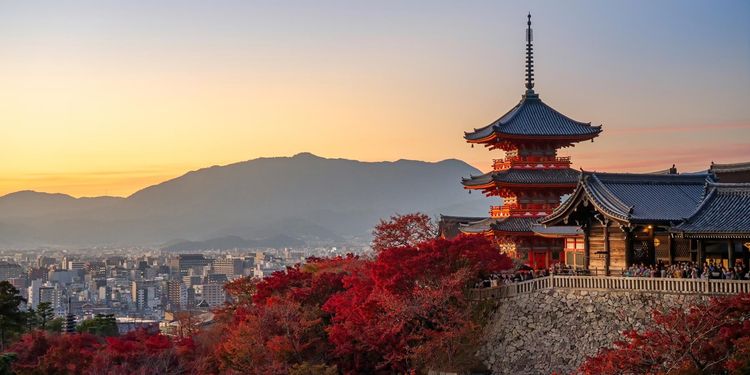
The imperial capital for more than a thousand years, Kyoto holds a living memory you can feel with every step on its cobblestones. The Ryo audio-guided tour leads travellers to the heart of Shinto shrines, bamboo groves, and zen gardens that seem suspended outside of time. This is where traditional Japan speaks most powerfully — in the rustle of a kimono, the chime of a temple bell, or the scent of incense mingling with the morning air.
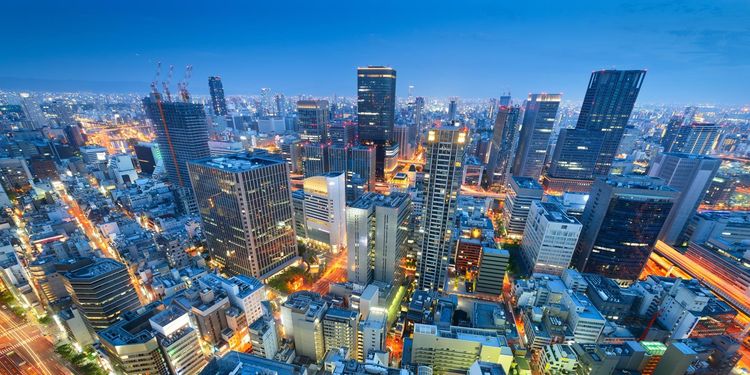
Osaka vibrates on a different frequency. A city of merchants and cooks, it wears its love of good food and celebration proudly. The Ryo audio-guided tour plunges into a bustling urban scene, weaving through the neon-lit alleyways of Dotonbori, markets where the aromas of takoyaki and okonomiyaki mingle in the air, and working-class neighbourhoods where Japanese hospitality is lived without ceremony. Osaka is the city that reconciles travellers with the idea that Japan can also be spontaneous and warmly welcoming.
Beyond the great metropolises, Japan unfolds a geography of rare richness. The Kumano Kodo pilgrimage trails wind through ancient forests, linking shrine to shrine in an almost sacred silence. Mount Fuji, its conical silhouette unmistakable, watches over the Chubu region and can be admired from the shores of the surrounding lakes. Further west, Hiroshima carries the memory of the twentieth century with dignity through its Peace Memorial Park. The island of Hokkaido, in the north, offers landscapes of raw nature — caldera lakes and vast wilderness far removed from the bustle of the cities. And everywhere, from late March onwards, hanami transforms parks and avenues into impressionist tableaux of cherry blossoms, where the Japanese gather to celebrate the ephemeral.
Japan has four well-defined seasons, each offering a distinct experience. Spring, with the cherry blossom season, draws many travellers in search of the hanami spectacle. Autumn reveals a palette of reds and golds in gardens and forests, particularly striking around Kyoto. Summer is hot and humid, enlivened by traditional festivals. Winter, depending on the region, offers snow-covered landscapes and access to thermal hot springs. Japanese public holidays, particularly the Golden Week at the start of May, can generate heavy crowds at must-see sites.
Japan's rail network is one of the most efficient and punctual in the world. High-speed trains — the shinkansen — connect major cities such as Tokyo, Kyoto, and Osaka in just a few hours. In the metropolises, metro and bus networks cover most of the neighbourhoods worth exploring. For more rural regions or excursions off the main routes, car rental or long-distance buses are good alternatives. An unlimited transport pass, generally available to foreign travellers, allows for free movement from city to city over a set period.
Spring, generally from late March to early May, and autumn, from mid-October to early December, are the most popular periods among travellers. Spring offers the magic of hanami, while autumn drapes temples and gardens in blazing colours. Outside these peak seasons, winter allows you to enjoy the sites with fewer crowds, and summer lets you dive into local festivals despite the heat.
A stay of one to two weeks is enough to cover the highlights of the Tokyo–Kyoto–Osaka triangle while still leaving time to wander and soak up the atmosphere of each city. To venture into less-explored regions, such as Hokkaido, the Kii Peninsula, or the southern islands, a longer stay is recommended. Japan is a country that rewards travellers who take the time to slow down.
The shinkansen remains the fastest and most comfortable way to travel between major cities. For travellers wishing to cover multiple destinations, a national rail pass offers great freedom of movement. Within cities, the metro is the most practical option; in historic neighbourhoods such as those of Kyoto, walking or cycling allows you to discover the alleyways at your own pace — just as an audio-guided tour naturally encourages.
The list is long, but a few experiences stand out: wandering through Tokyo's contrasting neighbourhoods, contemplating Kyoto's gilded temples and zen gardens, letting yourself be carried along by Osaka's culinary energy, watching the sunrise over Mount Fuji, hiking the Kumano Kodo pilgrimage trails, and experiencing hanami in the heart of a park in spring. Each of these experiences reveals a different facet of Japanese identity.
Japanese gastronomy is wonderfully varied, and every region has its own specialities. In Osaka, takoyaki (grilled octopus balls) and okonomiyaki (a savoury pancake loaded with toppings of your choice) are essential. In Kyoto, kaiseki cuisine — refined and seasonal — illustrates the art of the meal elevated to ceremony. Tokyo concentrates a staggering culinary diversity, from steaming ramen to exceptional sushi. Everywhere, the journey through Japan is felt just as intensely through the palate as through the eyes.
Japan is generally considered one of the safest and best-organised destinations for independent travel. Transport is punctual and well-signposted, bilingual signs are common in major cities, and locals are renowned for their welcoming spirit. Tools such as Ryo's audio-guided tours allow travellers to explore Tokyo, Kyoto, or Osaka at their own pace, without depending on a group, stopping wherever they feel the urge to linger.