






Créé par Romane, le 4 oct. 2026
Votre guide Ryo
Kyoto, Japan
The Echo of the Temples in the Ancient Capital
Parcours audioguidé pour visiter Kyoto en 1 jour
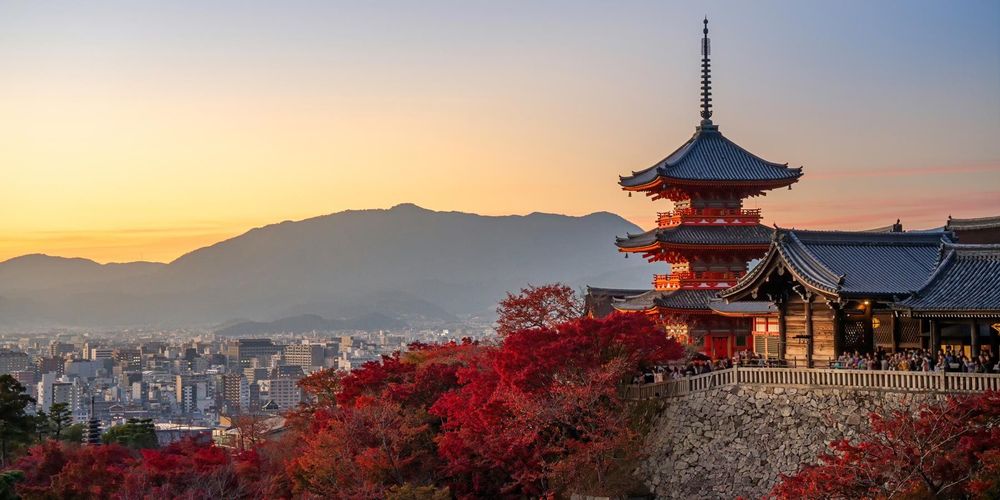
This tour of Kyoto invites you to discover Japan’s ancient imperial capital, nestled between ancestral temples, traditional alleys, and districts steeped in history. Throughout the journey, explore cultural legacies, peaceful shrines, and places that tell the story of Japan’s past and present. A simple and immersive way to explore Kyoto at your own pace.
Quand partir à Kyoto ?
Jan.
5°
9
Feb.
6°
8
March
10°
11
April
15°
10
May
20°
9
June
24°
13
July
28°
15
Aug.
29°
12
Sept.
25°
12
Oct.
19°
9
Nov.
13°
8
Dec.
8°
9
Kyoto has a temperate climate with four distinct seasons. Spring, from March to May, is particularly appreciated for cherry blossoms (sakura) and mild temperatures, ideal for walking and visiting temples and gardens. Summer, from June to August, can be hot and humid, with the rainy season in June, but it also offers the opportunity to attend traditional festivals. Autumn, from September to November, is another favored period thanks to the red and golden foliage (koyo) and pleasant weather. Winter, from December to February, is cool but generally dry, providing a quieter atmosphere to explore the city and sometimes enjoy snowy landscapes, especially around temples and shrines. To make the most of Kyoto, spring and autumn remain the most recommended seasons, both for comfortable weather and the beauty of the scenery.
Départ conseillé
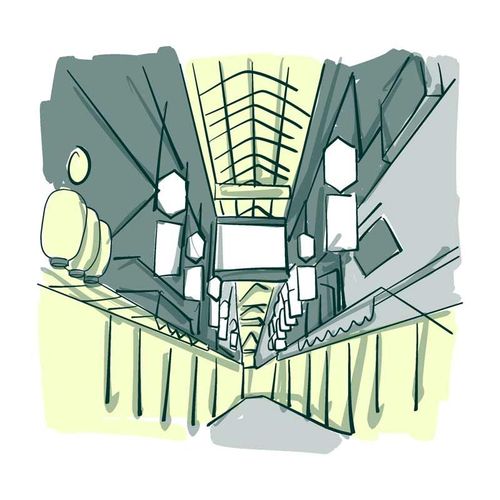
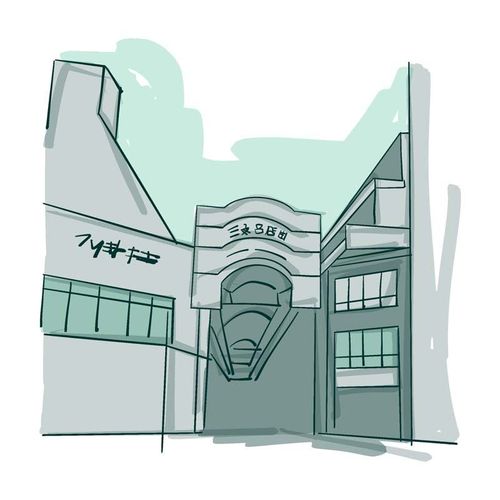
No need to worry about where to begin! Our tours are designed as a loop, so you can jump in wherever you are. The navigation system and audioguide will automatically adjust to your location. However, if you happen to be nearby, we do have a preferred starting point: in Nishiki Market
Parking à proximité
Koto Parking Parking Lot : Nakagyo Ward, 512
In Kyoto, parking options vary depending on whether you prioritize convenience, cost, or proximity to major attractions. The city has numerous public paid parking lots throughout the center, usually operated by automated machines and charged by the hour, which is convenient for short visits. Most hotels offer private parking or valet services, sometimes included in the room rate, making this a good option if you are staying several nights. For visitors who prefer to explore the historic center without worrying about parking, park-and-ride facilities combined with public transportation provide a practical alternative: you can leave your car on the outskirts and reach the center by subway, bus, or train. In addition, major train stations and shopping centers offer large parking garages, often available for full-day use at a slightly higher rate, but secure and covered, which can be suitable for longer visits. It is advisable to reserve in advance or arrive early during peak season, as parking near popular areas such as Gion or Nishiki Market fills up quickly.
À savoir
In Kyoto, it is strictly forbidden to photograph or film geiko and maiko without their consent, to touch their kimono, block their path, enter their private property, or follow them through narrow streets. The use of selfie sticks in these areas is also prohibited. Since 2019, multilingual warning signs have clearly displayed these rules, and since October 2023, behavior considered photographic harassment may result in a fine of up to 10,000 yen, approximately 70 euros, and complaints can be filed with the police.
Découvrez 25 lieux d'intérêt pour visiter Kyoto



Le plein d'inspirations
Explorez le monde en totale liberté, à pied au cœur des villes ou au fil des routes. Nos guides audios transforment chaque destination en une découverte culturelle immersive et unique.





FAQ for visiting Kyoto
When is the best time to visit Kyoto?
Spring and autumn are the most popular seasons to discover Kyoto. Between March and May, you can enjoy the famous cherry blossoms that turn the city into a pink and white canvas, with mild temperatures ideal for exploring temples and gardens. Autumn, from September to November, offers an equally striking spectacle as the maples take on shades of red and gold. Summer can be stifling with its humidity, but it lets you attend traditional festivals. Winter remains an appealing option for those seeking peace and quiet and who appreciate the serene atmosphere of temples under the snow.
How many days do you need to visit Kyoto?
For a first discovery of Kyoto, ideally plan for three to four full days. This will give you time to explore the main historic districts, visit several iconic temples and soak up the unique atmosphere of the former capital. With two days, you can see the highlights but only at a brisk pace. If you have five days or more, you will have the luxury of wandering through traditional alleyways, discovering lesser-known temples and perhaps even taking a day trip to the surrounding area, such as Nara or Mount Kurama.
How do you get around Kyoto?
Kyoto has an excellent public transport network combining subway, bus and trains. The subway has two lines that serve the main districts, while the bus network is particularly dense and convenient for reaching outlying temples. For a full day of exploring, day passes are often an economical option. Cycling is also very popular, as the city is relatively flat. Many temples and tourist sites are within walking distance of one another, especially in the Higashiyama and Arashiyama districts. Taxis are available but can become expensive for long distances.
Which temples are must-sees?
Kyoto is home to more than a thousand temples, but some stand out in particular. Kinkaku-ji, the Golden Pavilion, fascinates with its gilded facades reflected in the pond. Fushimi Inari, with its thousands of vermilion torii forming tunnels up the mountain, offers a unique experience. Kiyomizu-dera impresses with its wooden terrace overlooking the city. The zen garden of Ryoan-ji invites contemplation, while Ginkaku-ji, the Silver Pavilion, charms with its elegant simplicity. The Ryo audioguide accompanies you as you discover these wonders with commentary that reveals the history and secrets of each place.
How can you avoid the crowds at the tourist sites?
To enjoy Kyoto's sites in peace, adopt an early-morning rhythm by arriving as soon as they open, generally between 8am and 9am. The temples are then bathed in soft light and the atmosphere stays peaceful. Avoid weekends and Japanese public holidays, when the crowds double. Also favour lesser-known but equally remarkable temples, such as Nanzen-ji or Shoren-in. In late afternoon, when the organised groups leave, some sites recover their tranquillity. The sakura and koyo seasons remain magnificent but very busy, so plan your visits on weekdays if possible during these seasons.
What budget should you plan for a stay in Kyoto?
The budget for Kyoto varies considerably depending on your accommodation and dining choices. Accommodation options range from budget capsule hotels to pricier traditional ryokans. For meals, you can enjoy excellent dishes at local izakayas or street stalls at moderate prices, while kaiseki cuisine represents a more expensive gastronomic experience. Temple admission generally ranges from a few hundred yen to a thousand. Transport remains affordable, especially with day passes. Plan a flexible daily budget according to your travel style, keeping in mind that Kyoto offers experiences for every wallet.
How can you see geishas in the Gion district?
Gion remains the traditional district where you have the best chance of catching sight of geishas and maikos. In the late afternoon and early evening, they head to their appointments in the ochaya, or tea houses. Absolutely respect their privacy: do not chase them, do not block their path and avoid intrusive photos. Hanami-koji and the adjacent alleyways are the best places to observe them discreetly. Be wary of tourists dressed in kimono, who can be confusing. For an authentic encounter, some establishments offer traditional dance performances or dinners with a show, but book well in advance.
What special dishes should you eat in Kyoto?
Kyoto cuisine, known as kyo-ryori, stands out for its refinement and its respect for the seasons. Be sure to try Kyoto tofu, particularly flavourful thanks to the region's pure water, notably yudofu served hot in a delicate broth. Kaiseki, the multi-course gastronomic meals, represent Kyoto's culinary art at its peak. Do not miss the wagashi, traditional pastries often served with matcha tea. The Nishiki Market district is full of local specialities such as tsukemono, the typical pickled vegetables. For a more relaxed experience, kyo-yasai, the local Kyoto vegetables, can be enjoyed in many vegetarian restaurants near the temples.
What is there to do in the Arashiyama district?
West of the city, Arashiyama is arranged around the Togetsukyō bridge and the Katsura river, in a landscape of wooded hills that already appealed to the aristocracy of the Heian period. People come first for the bamboo grove, whose towering stems filter the light, and for Tenryū-ji temple, whose 14th-century garden was designed to borrow the surrounding relief.
The district then lends itself to wandering: the villa and gardens of a former actor perched above the valley, a small temple surrounded by hundreds of carved statues, tea houses along the river and, on the far bank, a park where macaques roam freely with an open view over Kyoto. The Ryo audio guide offers a dedicated Kyoto route that sets these stops back into the history of the old capital.
How should you behave in Kyoto's temples and shrines?
Kyoto mixes Buddhist temples, recognisable by their monumental gate, with Shinto shrines, marked by a torii. At a shrine, you purify your hands and mouth at the water basin set by the entrance, walk to the side of the central path, traditionally reserved for the deities, then bow before the altar after dropping in a coin.
In temples, you often have to take off your shoes before entering the buildings and the rooms opening onto the gardens: bring shoes that slip off easily, and socks. Keep your voice down, check the signs before taking photographs, especially indoors, and stay on the marked paths in moss gardens. These places remain active places of worship used by the faithful, even at the busiest hours.
Vos commentaires, idées et suggestions
Aucun avis pour le moment
