






Créé par Romane, le 4 oct. 2026
Votre guide Ryo
Osaka, Japan
Japan’s lively and food-loving scene
Parcours audioguidé pour visiter Osaka en 1 jour
This discovery of Osaka takes you into the heart of a vibrant and warm city, nestled between bustling districts, discreet temples, and streets full of life. Throughout the journey, let yourself be carried away by the city’s unique energy, its traditions, its popular culture, and the places that tell its story.
Quand partir à Osaka ?
Jan.
6°
7
Feb.
7°
7
March
10°
10
April
15°
10
May
20°
9
June
24°
12
July
28°
13
Aug.
30°
9
Sept.
26°
11
Oct.
20°
9
Nov.
14°
7
Dec.
9°
6
Osaka has a temperate climate with four clearly defined seasons. Summers, from June to August, are hot and humid, with temperatures often above 30 °C and frequent rain, especially during the rainy season in June. Winters, from December to February, are relatively mild but can feel chilly, with little snowfall. The best times to visit are spring, from March to May, when the cherry blossoms bloom and temperatures are pleasant, and autumn, from September to November, when the weather is stable and the foliage turns beautiful shades of red and yellow.
Départ conseillé
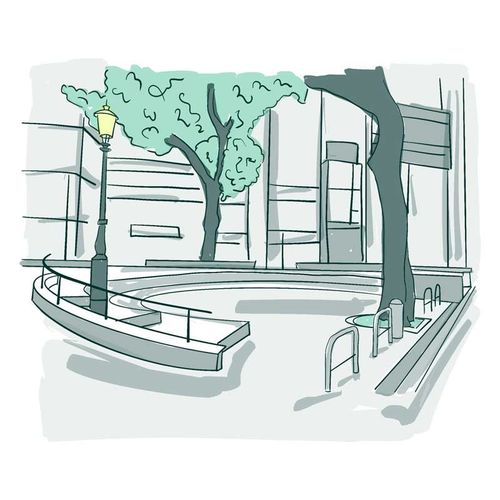
No need to worry about where to begin! Our tours are designed as a loop, so you can jump in wherever you are. The navigation system and audioguide will automatically adjust to your location. However, if you happen to be nearby, we do have a preferred starting point: in Sankaku Park, in Amerikamura district
Parking à proximité
GS Park Dotonbori Bldg. Parking Lot : Nishi Ward, Minamihorie, 1 Chome−4−14 Ginsen Dotonbori Building, 2
Getting around central Osaka by car can quickly become complicated, as the streets are narrow, very busy, and parking is limited and often expensive. To visit the district that includes the shopping areas, lively alleys, and the canal, several options are available: you can use the private parking lots and covered garages located nearby, such as those around Namba, Dotonbori, or Shinsaibashi, which allow you to leave your car for a few hours or for the day. However, prices can be high and spaces often fill up quickly. A more practical option is to park slightly outside the central area, for example near a subway station or in a parking facility on the outskirts, and then reach the heart of the city on foot or by public transportation. To fully enjoy the visit and avoid the stress of traffic and parking, it is generally recommended to leave the car outside the center and continue on foot or by metro, which also makes it easier to experience Osaka’s lively and pedestrian-friendly atmosphere.
À savoir
To explore the heart of the city — shopping districts, creative streets, and the canal walkways — public transportation is very convenient. You can travel freely on the subway and municipal buses with a one-day or multi-day pass, combine unlimited transport with access to certain tourist attractions, or use rechargeable prepaid cards that make moving around the city easier.
For those planning excursions outside the city, regional passes covering several cities across the Kansai region can also be useful.
Découvrez 19 lieux d'intérêt pour visiter Osaka



Le plein d'inspirations
Explorez le monde en totale liberté, à pied au cœur des villes ou au fil des routes. Nos guides audios transforment chaque destination en une découverte culturelle immersive et unique.


FAQ for visiting Osaka
How many days do you need to visit Osaka?
To discover the essentials of Osaka, ideally allow three to four days. Two days are enough to explore the emblematic districts such as Dotonbori and Shinsekai, visit Osaka Castle and taste the local specialities. With three days, you can add more peaceful visits such as the temples of Tennoji or the historic district of Sumiyoshi. A four-day stay will let you take your time, soak up the city's unique atmosphere and perhaps take an excursion to Nara. The Ryo audioguide accompanies you to make the most of your time with tailored tours that cover the city's must-sees according to the length of your stay.
What is the best season to visit Osaka?
Spring and autumn are the ideal times to visit Osaka. From March to May, you will enjoy mild temperatures and be able to admire the cherry blossoms, notably at Osaka Castle and in the city's parks. Autumn, from September to November, offers a stable and pleasant climate with magnificent autumn colours. Summer can be trying, with humid heat often exceeding thirty degrees and frequent rain, particularly in June. Winter stays relatively mild, but the days are short and cool. Each season nonetheless has its charm and will let you discover different facets of this dynamic city.
How do you get around in Osaka?
Osaka has an excellent public transport network that makes getting around easy and efficient. The metro is the most practical means, with its many lines serving all the tourist districts. The JR trains perfectly complement the network for reaching the outlying areas. Get yourself a rechargeable ICOCA card to simplify your journeys and avoid buying tickets each time. The buses are useful for certain specific destinations but less practical for tourists. Cycling is a pleasant option for exploring the quieter neighbourhoods. Taxis remain available but are generally more expensive. Most of the main attractions are well served by the metro.
What are the must-try dishes in Osaka?
Osaka is considered the culinary capital of Japan, and you absolutely must taste its emblematic specialities. Takoyaki, those grilled octopus balls, are the symbol of the local street food. Okonomiyaki, a kind of savoury pancake topped to your taste, is another must to enjoy in specialised restaurants. Don't miss the kushikatsu, breaded and fried skewers served with a unique sauce. Osaka's ramen have their own style, richer and more flavourful. The Dotonbori district is packed with stalls and restaurants where you can savour all these delights. The culinary experience is an integral part of your discovery of the city and of its warm, popular culture.
Where should you stay in Osaka and in which district?
The choice of district depends on your preferences and your budget. Namba is ideal to stay in, being central, lively and close to Dotonbori with its restaurants and shops. Umeda suits you perfectly if you are looking for a modern district with large hotels and easy access to transport. Shinsaibashi offers an excellent compromise between shopping, dining and nightlife. For a more traditional and economical experience, Shinsekai offers authentic options. Tennoji is practical for families with its green spaces and its calmer atmosphere. Accommodation ranges from budget capsule hotels to traditional ryokans, by way of the very practical business hotels. Book in advance, especially during busy periods.
How do you get to Osaka from Tokyo, Kyoto or Kansai Airport?
From Tokyo, the shinkansen is the quickest and most comfortable means, with a journey of about two and a half hours to Shin-Osaka. Night buses are an economical alternative but much longer. From Kyoto, count on only about thirty minutes by JR rapid train or by private Hankyu/Keihan train, depending on your final destination in Osaka. From Kansai International Airport, the Haruka express train takes you directly to Shin-Osaka or Tennoji in under an hour. The Nankai Rapid Express efficiently serves Namba. Limousine buses also connect the airport to the main districts. The JR Pass can be very worthwhile if you combine several journeys during your stay in Japan.
What are the sites and monuments to see without fail in Osaka?
Osaka is brimming with fascinating sites that blend history, modernity and popular culture. Osaka Castle, the majestic symbol of the city, offers a dive into Japanese history with its magnificent gardens. Dotonbori captivates with its overflowing energy, its colourful neon lights and its unique festive atmosphere. The Shinsekai district, with the Tsutenkaku tower, transports you into the popular and authentic Osaka. The Shitennoji and Sumiyoshi Taisha temples reveal the city's spirituality. The Kaiyukan aquarium impresses with its size and its marine diversity. The Ryo audioguide accompanies you in discovering these emblematic places with enriching commentary that will let you understand their cultural and historical importance while making the most of your walking route.
Is Osaka safe for tourists?
Osaka is an extremely safe city for tourists, like most major Japanese cities. You can stroll with peace of mind by day and by night, even in the lively districts. Pickpockets are rare and violent crime almost non-existent. The Japanese are generally helpful and will not hesitate to assist you if you are lost. Nevertheless, stay alert in very busy areas and avoid displaying valuables. Some nightlife districts may have insistent touts, but they generally remain harmless. Women travelling alone will feel safe. Simply keep the basic precautions you would take in any large city and make the most of your stay.
Which neighbourhoods should you explore in Osaka?
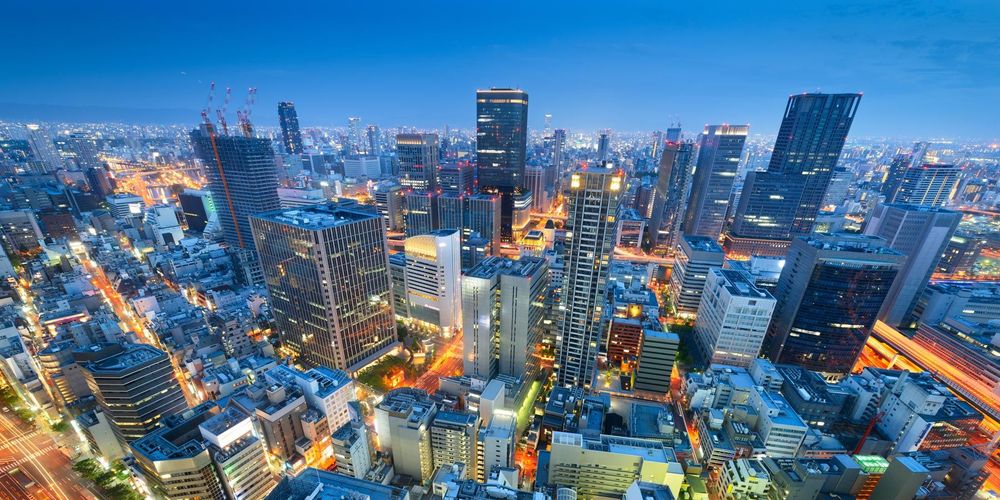
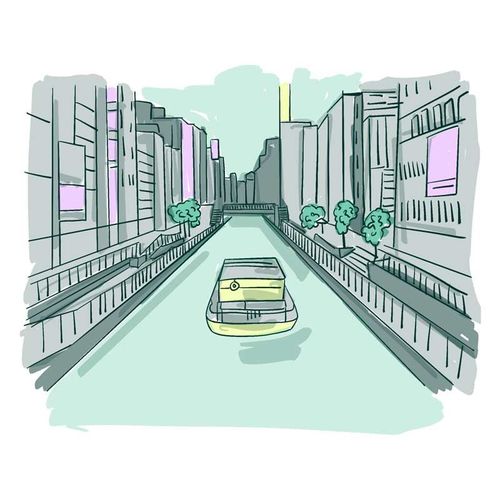
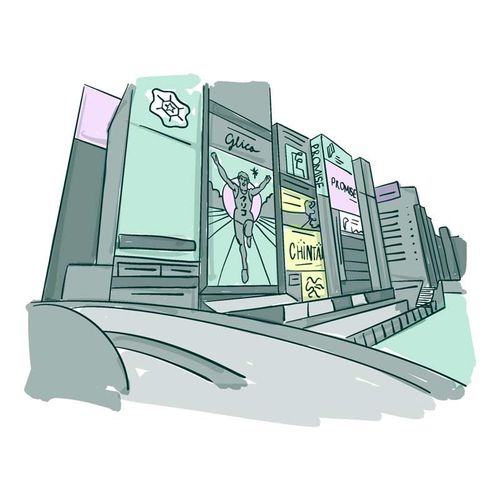
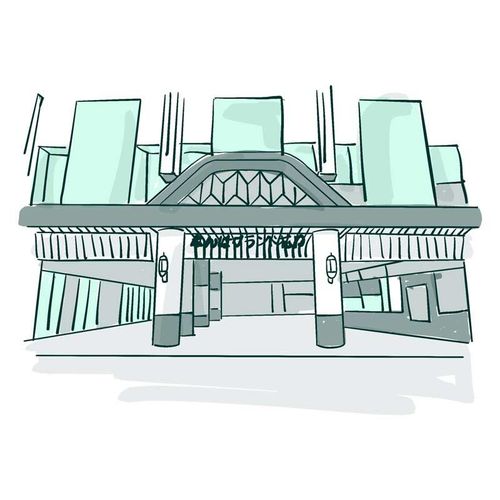
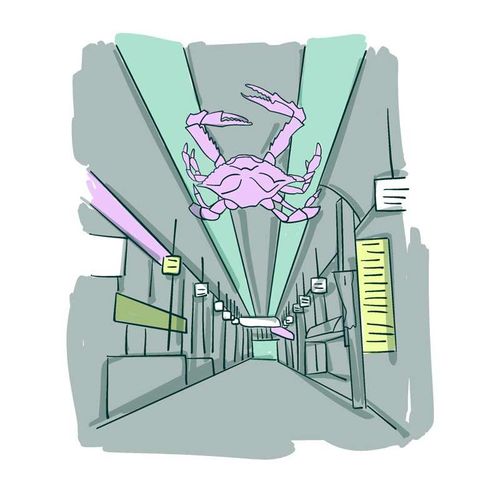
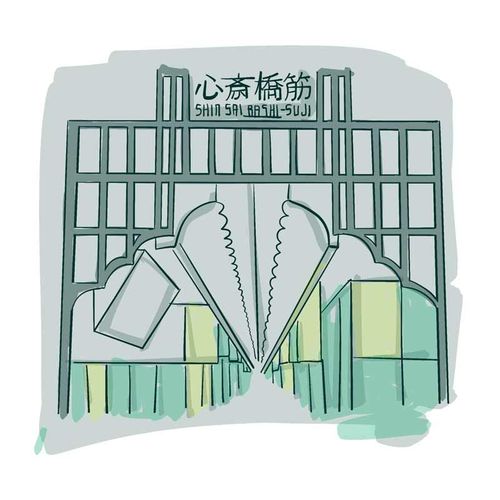
Osaka reveals itself district by district, each with its own character. To the north, Umeda concentrates skyscrapers, monumental stations and department stores, with observatories looking out over the city. To the south, around Namba, Dotonbori unfurls its giant illuminated signs along the canal and comes alive above all after dark; the covered Shinsaibashi arcade and the far younger shops of Amerikamura stretch out right beside it.
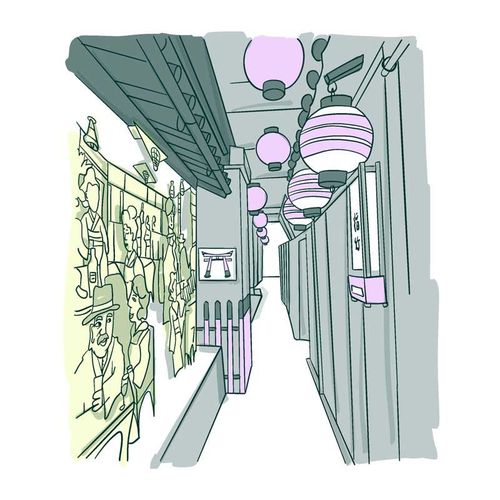
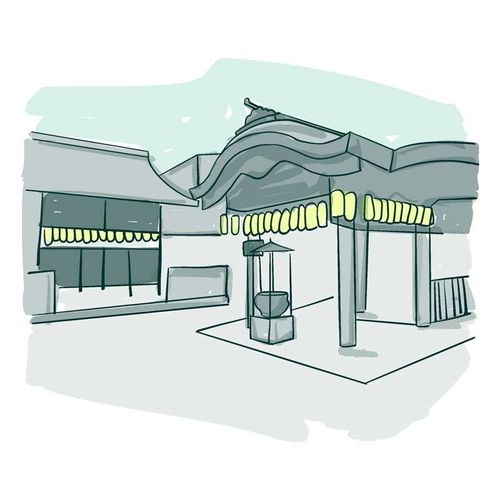
Shinsekai and its Tsutenkaku tower keep the working-class atmosphere of a post-war district, with its tightly packed counters and lanterns, while the quieter south holds the Sumiyoshi Taisha shrine and its arched bridge. To the east, the castle park provides a breathing space between two dense areas. The Ryo audio guide offers a dedicated Osaka route linking these contrasting moods on foot.
What can you do in Osaka with children?
Osaka is one of the easiest Japanese cities to tackle as a family. The Kaiyukan aquarium, on the Tempozan waterfront, is built around a huge central tank that you follow as you descend floor by floor, and comes with a big wheel and a shopping centre next door. Right beside it, Universal Studios Japan appeals to older children with its branded attractions, and it is best to set aside a full day for it.
The castle park, very extensive, lets children run between moats, ramparts and cherry trees, while the museums devoted to old housing and everyday life make for quieter, often hands-on stops. Public transport is simple to use, restaurants nearly always serve suitable portions and distances stay reasonable. Do plan regular breaks though, as the summer is hot and humid.
Vos commentaires, idées et suggestions
Aucun avis pour le moment
