© Shutterstock
 Votre guide Ryo
A Weekend in Osaka: 2026 Itinerary for Castle, Street Food and Neon Nights
A weekend in Osaka is rarely enough time, and most guides respond by stuffing the castle, Dotonbori and a theme park into forty eight hours and calling it a plan. The city rewards a looser approach instead, grazing between a sixteenth century fortress and a neon-lit canal without much of a schedule, which is exactly the gap Ryo's audio-guided tour of Osaka is built to fill, narrating the history as you walk so you are not standing in front of a plaque squinting at small print in the heat.
Over two days you can climb a castle that was rebuilt in concrete in 1931 and still manages to feel moving, eat octopus batter balls in the city that invented them in 1935, ride a roller coaster that physically leaves the theme park grounds and comes back, and watch the sun drop behind an observation deck shaped like two glass towers pinched together forty storeys up. Add a half-day detour to Kyoto's vermilion gates or Nara's bowing deer, and the itinerary below also covers where to stay in Osaka, how to get in from Kansai Airport, what to eat beyond takoyaki, a five-minute history of the city, and the point at which a simple weekend in Osaka quietly turns into four days.
Day 1 in Osaka: Castle, Kuromon Market and Dotonbori at Night
Osaka Castle in the Morning, Then Lunch at Kuromon Ichiba Market
Get moving before 9am. Osaka Castle) draws school groups and tour buses by mid-morning, and the park surrounding it, nearly two kilometers around on its outer moat, is worth walking slowly before that happens.
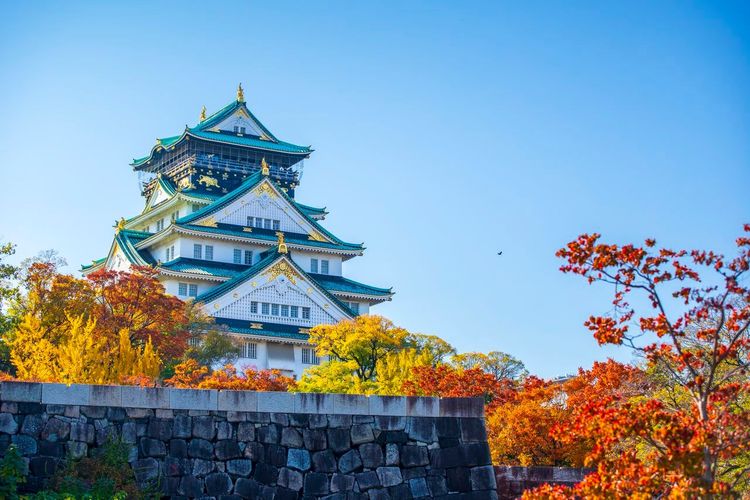
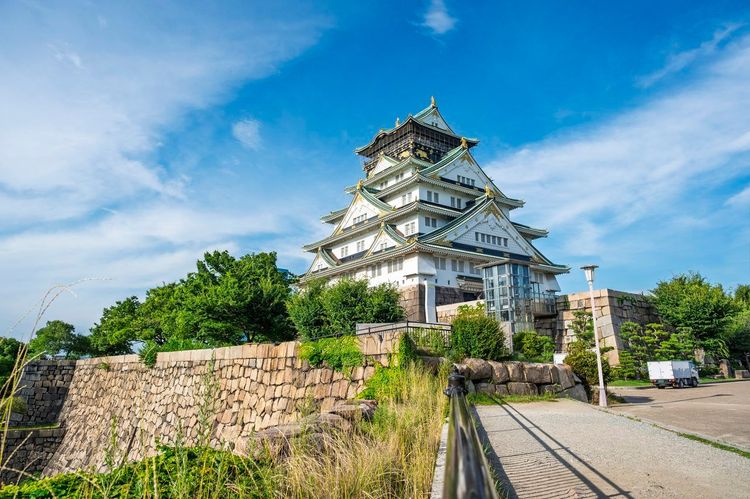
The tower you see today is not the one Toyotomi Hideyoshi began building in 1583. That castle burned during the siege of 1615, its Tokugawa rebuild was struck by lightning in 1665, and the current structure is a 1931 concrete reconstruction, given a major renovation in 1997. None of that makes it less striking from the base of the moat, gold trim catching the light against white and green tiers, with Mount Ikoma sitting hazy in the background on a clear morning.
Inside, the castle functions as a museum. An elevator runs to the 5th floor and stairs take you the rest of the way to an 8th-floor observation deck with the best 360-degree view of the city you will get all weekend. Adult entry has cost 1,200 yen since the price doubled in April 2025 (high-school and university students pay 600 yen, younger children enter free), and if you only have one morning, skip the museum displays on the middle floors and spend that time outside instead. The plum grove and the stone walls built from boulders ferried in by feuding lords are more memorable than most of the exhibits.
The tower opens at 9am and the last entry is at 4:30pm. If you're visiting during cherry blossom season (late March into April), buy your ticket online instead of queueing, the line for walk-ins can stretch past forty minutes once the blossoms along the moat open.
By 11:30, take the subway south to Kuromon Ichiba Market), a covered arcade that has supplied Osaka's restaurants with fresh seafood for roughly two centuries and now doubles as the city's best grazing lunch.
Skip the idea of a sit-down meal here. The point is to walk the length of the arcade picking up one or two pieces at a time: a grilled scallop from one stall, a skewer of wagyu from the next, a single oyster shucked to order, a scoop of uni if the price doesn't make you flinch. Vendors keep small plastic stools out front for eating on the spot, and most stalls post prices per piece in English, so you rarely order blind.
Bring cash. A good number of stalls still don't take cards, and the ATMs inside the arcade charge a withdrawal fee that's easy to avoid by getting yen at the airport instead. Vegetarians should look for the tamagoyaki stalls and fruit stands tucked between the seafood counters, there's more non-seafood choice here than the market's reputation suggests.
If you'd rather have the history narrated while you walk instead of toggling between a map app and a guidebook, this is one of the mornings where the Ryo audio guide earns its keep. Ryo's Osaka audio tour links the castle grounds and the market lanes with commentary timed to each stop, which matters when you're trying not to double back under a lunchtime crowd.
Shinsaibashi and Namba in the Afternoon
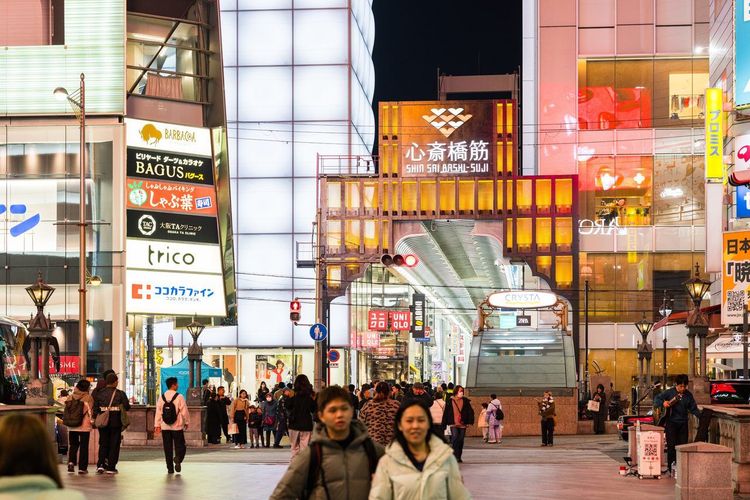
From Kuromon, a ten-minute walk west takes you to Doguyasuji, a narrow covered lane of kitchenware shops selling the same takoyaki pans and okonomiyaki spatulas used by the restaurants you'll eat at tonight, worth a look if you cook. Keep heading north and you reach Shinsaibashi Shopping Arcade), a shopping street that has run through the center of the city since the Edo period and now stretches close to 600 meters under a glass roof.
It's less a sightseeing stop than a current of foot traffic: cosmetics chains, sneaker shops, drugstores selling the same skincare brands at better prices than anywhere else in the city. Give it twenty minutes rather than an hour unless shopping is the actual point of your afternoon.
If you have an extra half hour, duck into America-mura just west of the arcade, a few blocks of secondhand clothing stores and streetwear shops that read as distinctly more teenage than the rest of central Osaka, with graffiti-covered walls that double as an unofficial photo backdrop.
Then loop back south past Namba Station to Namba Yasaka Shrine), about ten minutes on foot, easy to miss because its most famous feature, a lion-head stage built in 1974 with a mouth wide enough to swallow bad luck, looks more like a parade float than a shrine from a distance.
Locals still come to clap and pray at the lion's base before exams or job interviews, and it costs nothing to step inside for five minutes before you head back up toward Dotonbori (Dotonbori, Chuo Ward, Osaka 542-0071, rated 4.4/5 on Google (87 202 avis)) for the evening.
Dotonbori After Dark
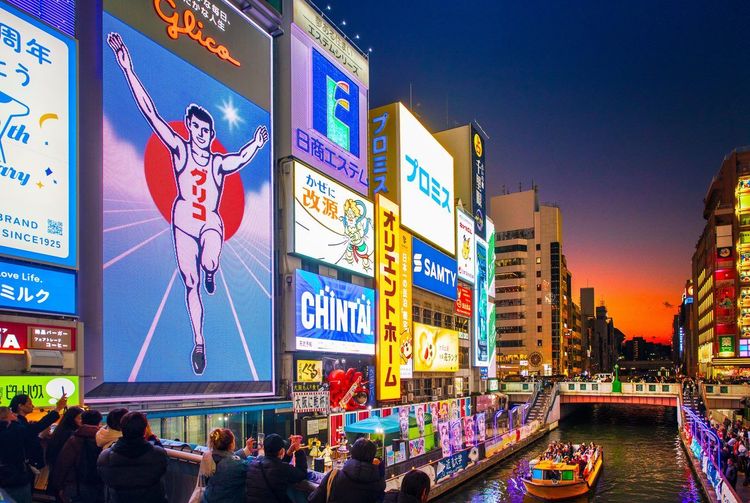
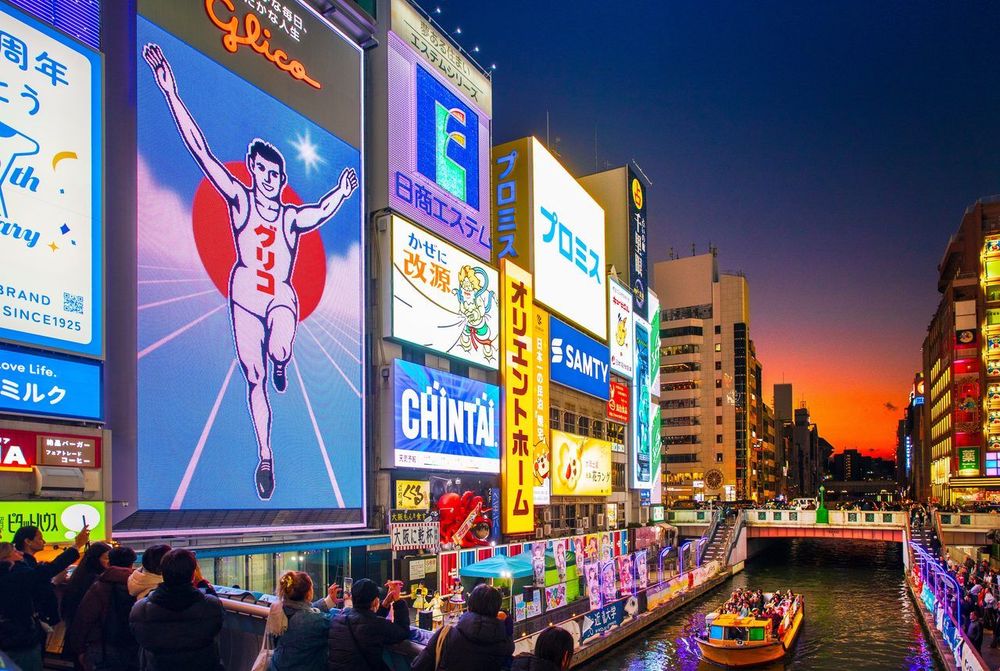
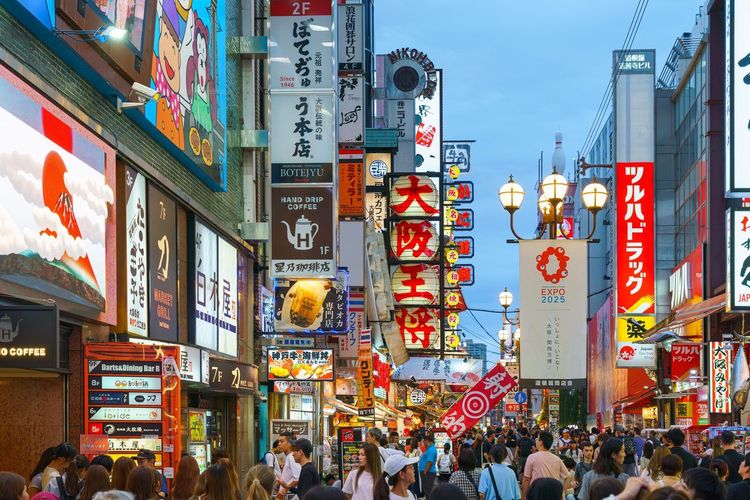
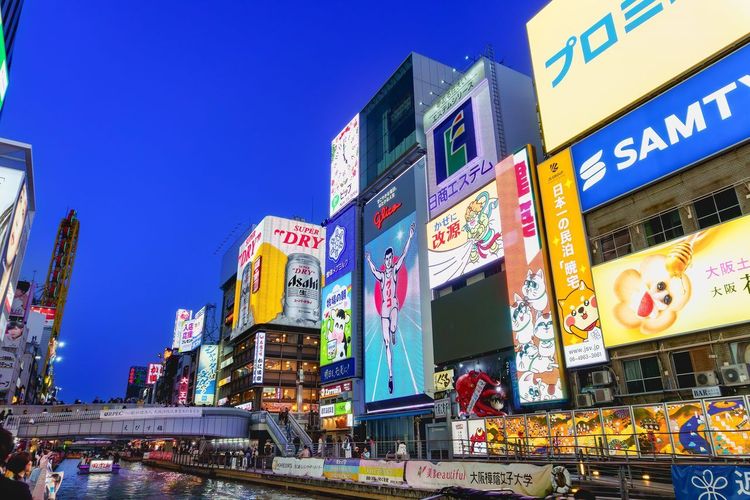
Everyone's first photo of Osaka looks roughly the same: a canal, a wall of neon three storeys tall, and a mechanical crab waving its legs over a restaurant entrance. Dotonbori earns that reputation after sunset, when the signage reflects off the water and the crowd thickens into something between a street festival and a food court.
Find the Glico Running Man sign, the unofficial symbol of the city since 1935 and the default spot for a selfie with the canal behind you, then wander either bank rather than planning a straight line. The Tombori River Cruise runs from a dock near Tazaemonbashi bridge if you want the view from the water instead, about twenty minutes for roughly 2,000 yen, or free if you're carrying the Osaka Amazing Pass.
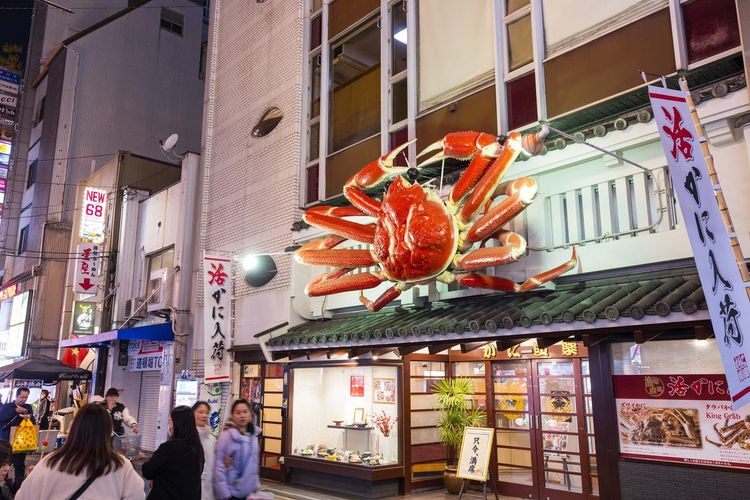
Two restaurant signs compete with the Glico man for most photographed: a mechanical crab outside Kani Doraku and a giant golden dragon above Kinryu Ramen, both landmarks in their own right even if you don't eat there. Keep a hand on your bag along the canal railing after dark, it's the one spot in Osaka where pickpocketing complaints actually show up with any regularity.
Dinner here should be grazing again, not a single sit-down restaurant: a plate of okonomiyaki at a counter where you watch the griddle, a skewer of kushikatsu dipped once in the shared sauce (dipping twice is the one rule locals will actually correct you on), and takoyaki from whichever stall has the longer local line rather than the biggest sign. Keep walking past 9pm and the crowd thins just enough to actually see the architecture above the billboards.
Day 2 in Osaka: Theme Parks or Temples, Shinsekai and Sunset at Umeda Sky
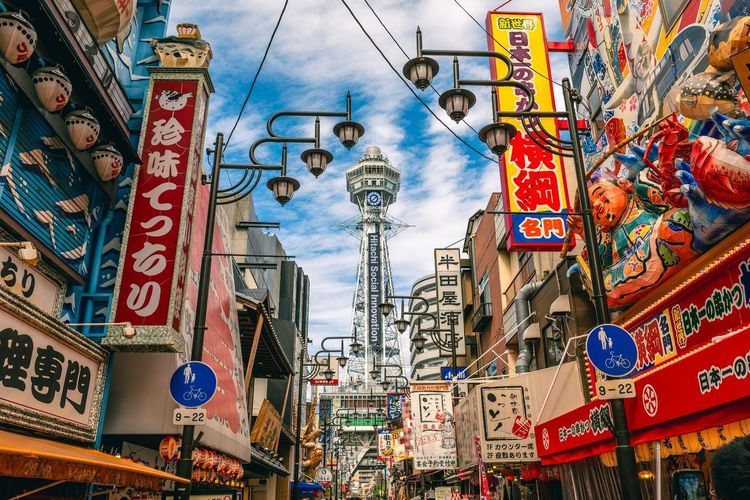
Day two splits into two mornings. Pick one depending on whether you're traveling with kids chasing a roller coaster or you'd rather spend the morning somewhere quieter, both options funnel into the same afternoon in Shinsekai).
Morning Option A: Universal Studios Japan and Super Nintendo World
Universal Studios Japan) opens early, and the queue at the gate forms a solid thirty minutes before opening on a weekend, which, since this itinerary already is one, you probably are visiting on.
Super Nintendo World, the area most people are actually here for, opened in 2021 and often requires a separate timed-entry slip even with a valid park ticket. Grab it through the official app the moment you're through the gates, slots fill fast by mid-morning. The headline ride, Mario Kart: Koopa's Challenge, sits inside Bowser's Castle, and the Donkey Kong Country expansion added in 2024 brought a mine-cart coaster that draws its own queue. The wearable Power-Up Band, sold separately, turns the whole area into a light scavenger hunt if you've got kids who'll stay interested in that kind of thing for more than ten minutes.
Budget a solid four to five hours here minimum, and plan to leave before the lunchtime crowd peaks if you want any shot at reaching Shinsekai by early afternoon. Lockers near the entrance are worth the coin if you're carrying anything bulky, the rides move fast enough that bags become a real nuisance.
Morning Option B: Shitenno-ji Temple and the Osaka Museum of History
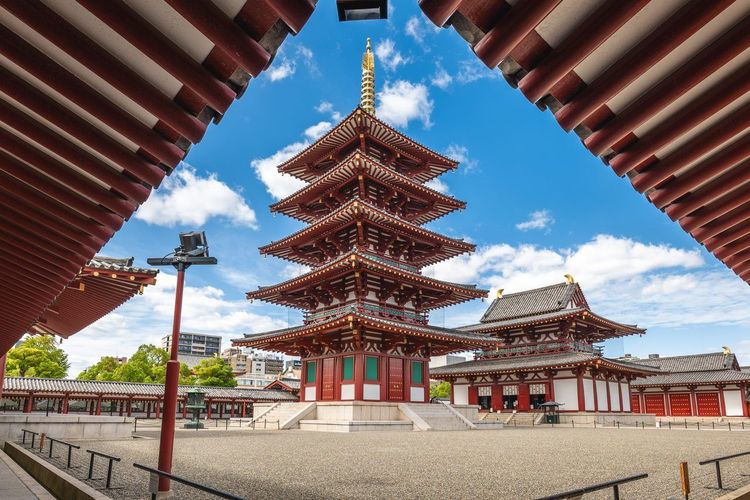
Shitenno-ji Temple), founded in 593, is often cited as one of the oldest officially commissioned temples in Japan, though fire and war have forced its reconstruction many times over. A five-story pagoda anchors the main compound, and a quiet turtle pond off to one side is the kind of corner most visitors walk straight past.
If you skipped the castle museum yesterday, ride the Tanimachi line a few stops north to the Osaka Museum of History), which stacks its exhibits on the upper floors of a tower beside Osaka Castle Park. One gallery looks straight down over the excavated grounds of the old Naniwa Palace, and the basement shows remains of the seventh century warehouses found during construction.
This option moves at a fraction of the pace of the theme park, and you can comfortably cover both sites in under three hours, leaving a proper lunch break before riding back south to Shinsekai, which sits a short walk from Shitenno-ji.
Shinsekai and Tsutenkaku Tower in the Afternoon
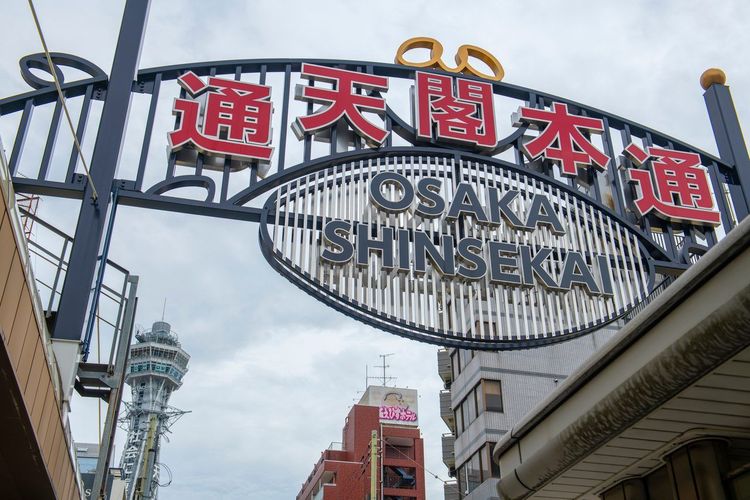
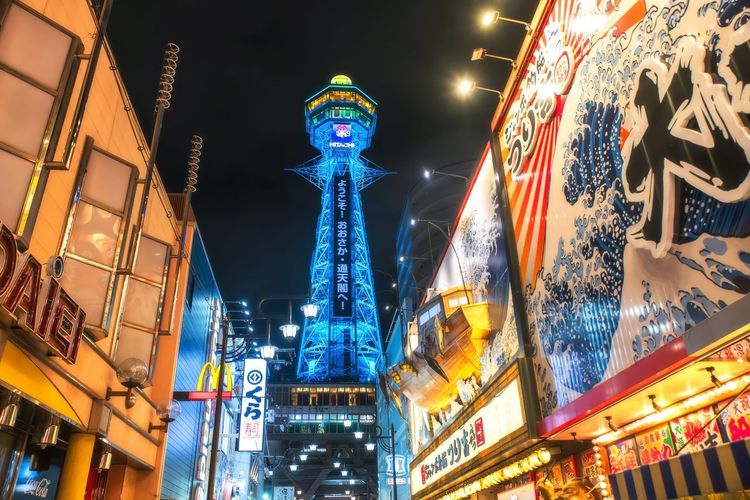
Whichever morning you picked, head to Shinsekai by early afternoon, a neighborhood built in 1912 around the idea of New York and Paris and now frozen somewhere around 1960, all low-rise arcades, retro signage, kushikatsu restaurants with plastic food models in the window.
Tsutenkaku Tower) rises at the center, a 103-meter tower rebuilt in 1956 after the original 1912 version was dismantled for scrap metal during the war. The observation deck inside houses Billiken, a grinning lucky statue whose foot soles are worn smooth from decades of visitors rubbing them for luck.
Shinsekai still carries a rough-edge reputation from decades past that doesn't really hold up anymore. Wander Jan Jan Yokocho, a covered alley of cheap standing bars and shogi parlors, and you'll mostly find older locals rather than anything resembling danger. If you've still got the Ryo audio guide loaded from yesterday morning, switch it back on here: hearing how this was once Osaka's showpiece amusement district, complete with a cable car linking the original tower to the Luna Park next door, changes the way the faded arcades read.
Sunset From the Umeda Sky Building's Floating Garden Observatory
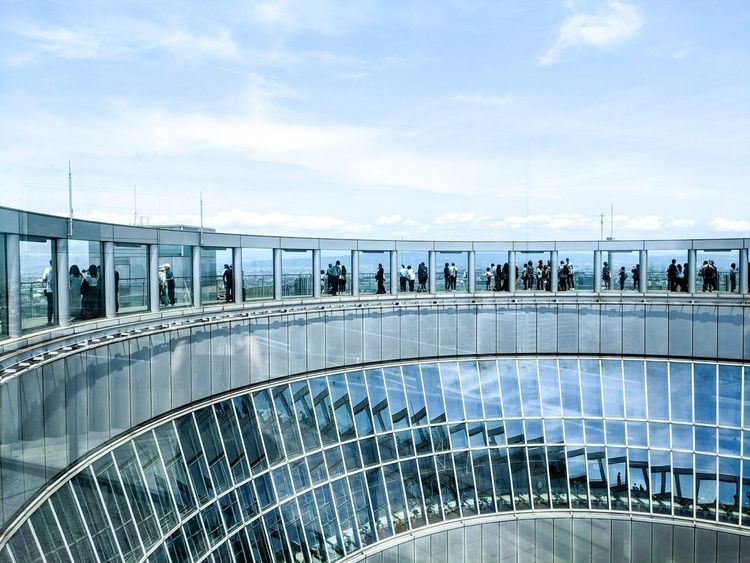
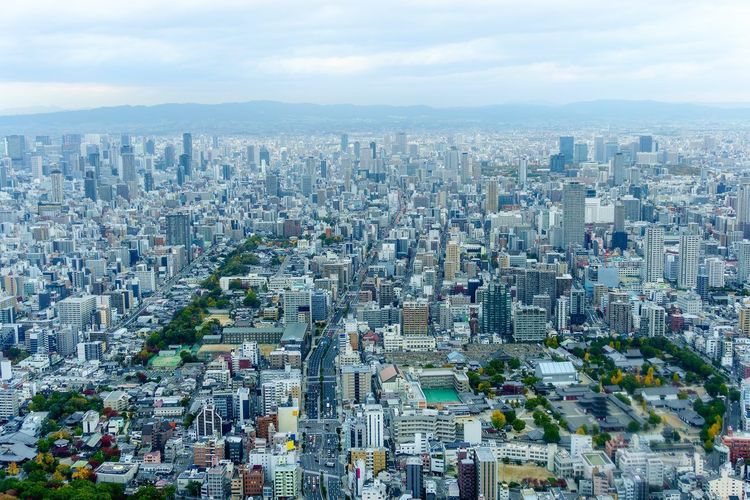
Ride the subway north to Umeda for the last stop of the day. The Umeda Sky Building (1-1-88 Oyodonaka, Kita Ward, Osaka 531-0076, rated 4.4/5 on Google (44 370 avis)) is actually two 40-story towers, connected at the very top by a ring-shaped bridge that houses the open-air Floating Garden Observatory.
Time your arrival thirty to forty minutes before sunset. The glass elevator and the escalators that cross the void between the two towers are half the experience, and once you're up top, the 360-degree view stretches over the Yodo River on one side and the dense grid of the city on the other. Watch the sky shift from orange to a deep blue-grey as the office towers and the distant Ferris wheel switch their lights on below, a quieter closing note than Dotonbori but arguably the better photo of the two days.
Osaka in Five Minutes: The History Behind Your Weekend
Knowing three or four dates makes the sights on this itinerary hang together, and it takes less time than the train ride in from the airport.
From Imperial Capital to Hideyoshi's Fortress
Long before the castle, this was Naniwa, a port on Osaka Bay where envoys from China and Korea landed. In the seventh century the imperial court set up its palace here, the same Naniwa Palace whose foundations you can look down on from the Museum of History. Shitenno-ji dates from that era too, founded by Prince Shotoku as Buddhism took root in Japan. The capital moved on, but the port stayed, and in 1583 Toyotomi Hideyoshi chose the site for the largest castle of his time, the base from which he unified the country.
The Nation's Kitchen and the Merchant City
After the Tokugawa took the castle in 1615 and moved power to Edo, Osaka reinvented itself as a merchant city. Rice from every domain was shipped here to be sold, and the Dojima Rice Exchange, licensed in 1730, is often described as the world's first organized futures market. That trade is where the nickname tenka no daidokoro, the nation's kitchen, comes from, and it explains why the city still measures itself by how well it eats. Merchants also bankrolled kabuki and bunraku puppet theater along Dotonbori, which is why the canal became an entertainment street in the first place.
Expos, Neon and a City That Rebuilt Itself
Heavy bombing in 1945 flattened much of the center, and the Osaka you walk today is largely postwar, from the rebuilt Tsutenkaku to the shrine stage at Namba Yasaka. The 1970 World Expo in Suita put the city on the global map, and Expo 2025 on the artificial island of Yumeshima did it again half a century later. It's a useful lens for your weekend: almost nothing here is preserved under glass, and that restless, rebuilt energy is exactly what makes the neon feel alive rather than staged.
Worth the Extra Day: Side Trips to Kyoto and Nara
Osaka sits close enough to both Kyoto and Nara, each under an hour away by train, that calling this a strict two-day trip is a little dishonest. Most visitors who make it this far end up adding at least one extra day. Before you go, it's worth pulling up Ryo's Osaka audio guide one more time if you haven't finished the Dotonbori stretch from day one, since the stops you skipped will still be there when you come back in the evening.
Half a Day in Kyoto: Fushimi Inari and Gion
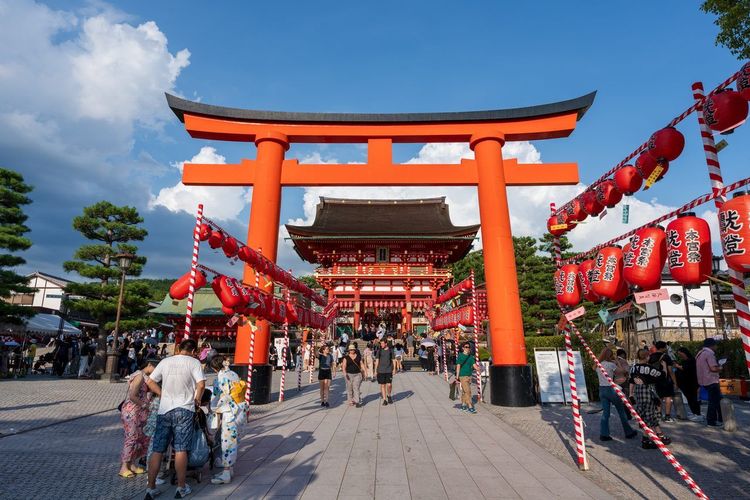
Fushimi Inari Taisha), the shrine with thousands of vermilion torii gates climbing the slopes of Mount Inari, is free to enter and best visited before 8am, well ahead of the tour buses. The full loop to the summit takes two to three hours, but you can turn back at the Yotsutsuji viewpoint, roughly halfway up, and still feel like you got the photo everyone comes for.
From there, the Keihan line runs direct to Gion) in about fifteen minutes, Kyoto's historic geisha district of wooden teahouses along Hanamikoji street. An evening sighting of a maiko hurrying between appointments is possible but not guaranteed, and the private lanes off Hanamikoji have been closed to tourists since 2024, with signs warning of fines for photographing on private property, so keep the camera lowered unless you've asked.
From Osaka, the JR or Keihan lines reach Fushimi Inari in roughly 35 to 45 minutes, so this whole loop, torii gates and Gion included, fits into half a day without feeling rushed.
A Full Day in Nara: The Deer Park and Todai-ji Temple
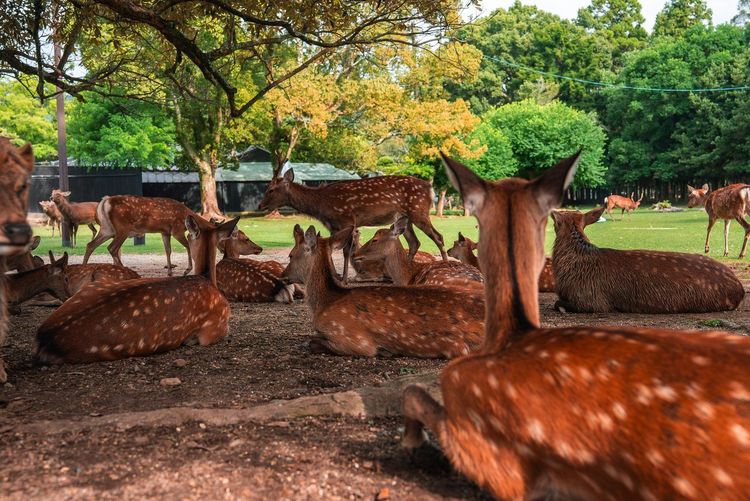
Nara Park) is home to more than 1,200 wild sika deer, long considered sacred messengers in Shinto belief, and they've learned to bow their heads for the shika senbei crackers sold by vendors throughout the park. Hold the cracker up and most will bow before you hand it over, a small ritual that gets photographed constantly for good reason.
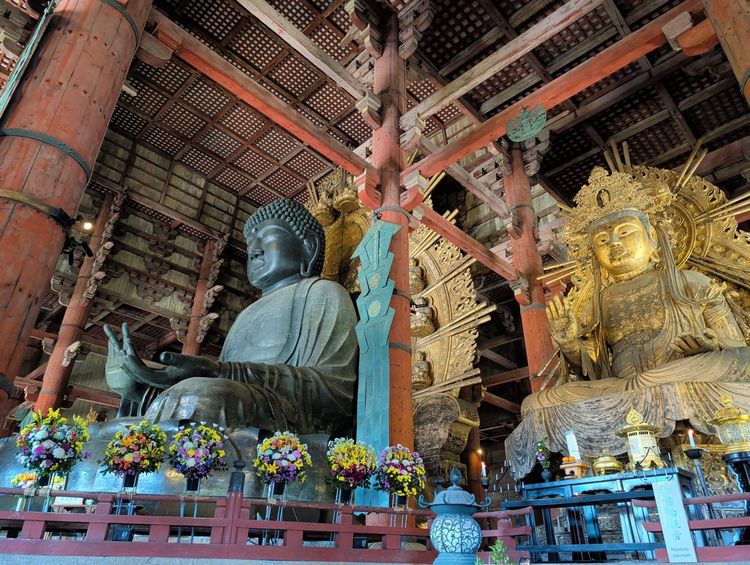
Walk deeper into the park to reach Todai-ji Temple (406-1 Zoshicho, Nara 630-8211, rated 4.7/5 on Google (32 630 avis)), home to a bronze Buddha statue dedicated in 752 that stands about 15 meters tall inside the Daibutsuden, one of the largest wooden buildings on earth. One supporting pillar near the back has a hole worn through its base, said to grant enlightenment to anyone small enough to crawl through it, and a line of giggling kids usually confirms the tradition is alive and well.
The JR Yamatoji line runs from Osaka Station to Nara in about 50 minutes, or take the Kintetsu line from Namba for a 35 to 40 minute express ride that drops you closer to the park. If you're short on time, Kyoto's gates pack more visual punch per hour, pick Nara instead if you're traveling with children who'd rather feed deer than read shrine plaques. Doing both properly in a single extra day is possible but tight, and most people regret trying.
Stretching Your Weekend: 3, 4, 5 and 7-Day Osaka Itineraries
The two-day plan above is the core. If your flights allow more, here is how the extra days stack without turning the trip into a relay race.
Three or Four Days: Add Kyoto, Nara or a Slow Day
With three days, follow the weekend plan and give day three to Kyoto, going beyond Fushimi Inari and Gion to Kiyomizu-dera and the Arashiyama bamboo grove. Four days lets you add Nara as well, or keep one day loose in Osaka itself for the Kaiyukan aquarium near the bay, the Tempozan Ferris wheel next door, and an afternoon in Nakanoshima's riverside museums. Keep the same hotel throughout, both side trips are easy returns.
Five to Seven Days: Kobe, Himeji and Beyond
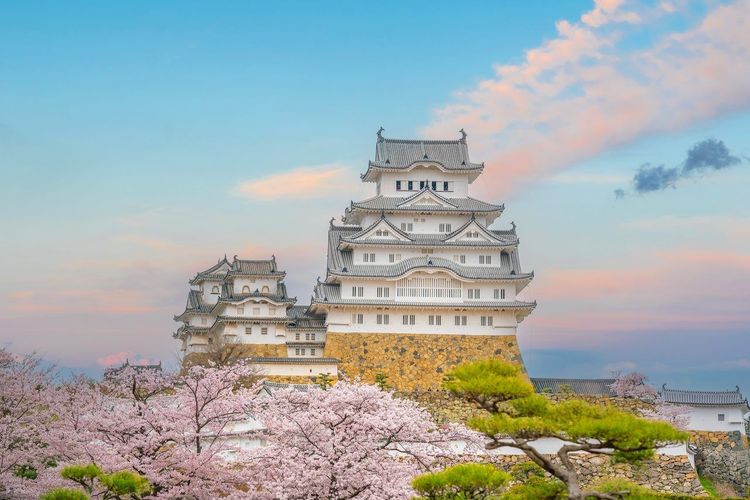
Five days opens up Kobe, around 20 to 25 minutes from Osaka Station on the JR special rapid, for the harborfront, Kitano's old foreign residences and a proper Kobe beef lunch. Push on to Himeji Castle, Japan's best-preserved original castle and a UNESCO World Heritage Site since 1993, roughly an hour from Osaka by JR or under 30 minutes by shinkansen from Shin-Osaka. A full week makes room for an overnight at a temple lodging on Mount Koya, reached by Nankai train from Namba in about two hours, or a long day trip to Hiroshima and Miyajima, about 1h30 away by bullet train.
Osaka for Couples: Evenings Worth Slowing Down For
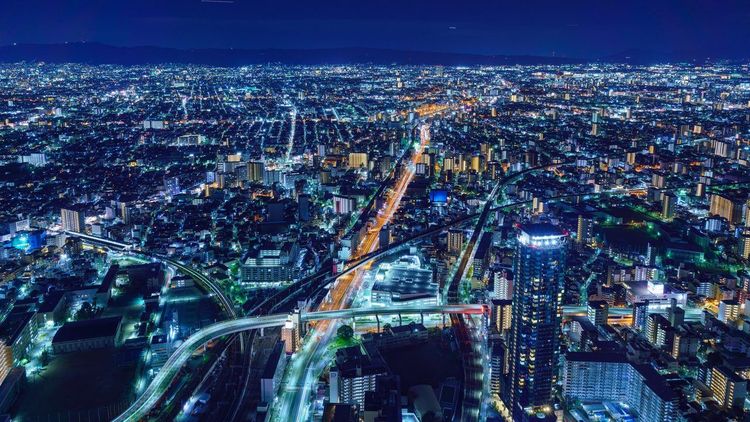
If you're planning a romantic weekend in Osaka, the trick is to swap one grazing stop for something that lets you actually talk. A few ideas fit around the main itinerary without adding travel time.
Night Views and Riverside Walks
The red HEP Five Ferris wheel sits on top of a shopping building in Umeda, a five-minute walk from the Sky Building, and a fifteen-minute loop after sunset makes an easy follow-up to the observatory. On the opposite side of town, the Tempozan Giant Ferris Wheel by the bay is taller and quieter. For a free option, walk Nakanoshima, the island between the Dojima and Tosabori rivers, where the brick Central Public Hall and the rose garden are softly lit at night.
Dinner for Two Away From the Crowds
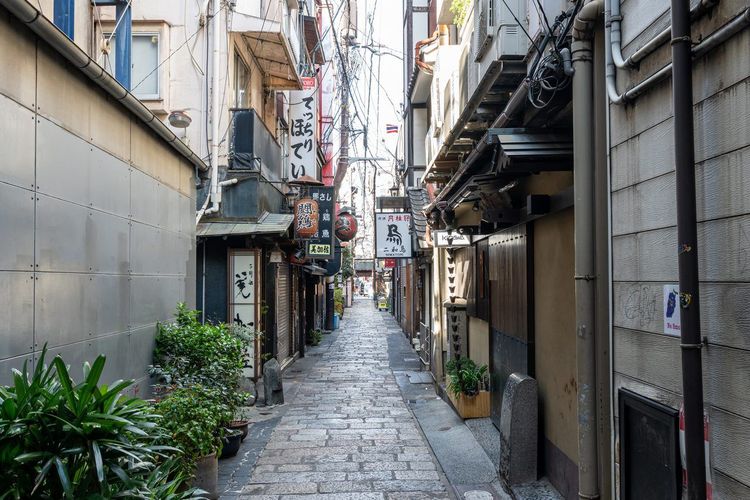
Couples looking for a quieter dinner than a street-food crawl tend to gravitate toward the counter-seat sushi and kappo restaurants tucked along the smaller lanes behind Shinsaibashi, reservations recommended for anything with fewer than ten seats. Hozenji Yokocho, a stone-paved alley just south of the Dotonbori canal, is the other classic: lantern-lit, barely wide enough for two, and lined with small restaurants around a moss-covered Fudo Myoo statue that locals splash with water for luck.
Where to Stay in Osaka for a Weekend
Best Neighborhoods: Namba/Dotonbori vs Umeda vs Shin-Osaka
Namba and Dotonbori put you inside the day one itinerary, walkable to the market and the canal, loud at night and genuinely convenient for a first visit. You'll also have the Nankai Rapi:t from Kansai Airport arriving right under your feet. Umeda, also called Kita, trades some of that immersion for calmer streets and the best rail connections in the city, including the JR Haruka from the airport, which has stopped at Osaka Station since 2023, a sensible base if you're also day-tripping to Kyoto or Kobe. Shin-Osaka exists mostly as a transit hub for the shinkansen, short on charm but useful if you're continuing onward by bullet train right after the weekend.
Hotel Picks by Budget
Budget travelers can find clean capsule hotels and compact business hotels near Namba Station from around 6,000 yen a night, perfectly comfortable for a weekend where you're barely in the room. Mid-range options in Umeda or Shinsaibashi run roughly 15,000 to 25,000 yen and usually buy a few extra square meters and a proper bathtub. For a splurge, a handful of riverside or castle-view hotels in Chuo and Kita wards sit north of 40,000 yen, worth it if the view from your window matters as much as the view from the castle tower. Book early for cherry blossom weekends and early November, when prices across the city can jump by half.
Getting Around Osaka: Passes, Transit and Payment
Osaka Amazing Pass, IC Cards and the Subway
The subway and JR loop line cover nearly everything in this itinerary, and an IC card (ICOCA locally, though any Suica or Pasmo works too) handles fares across subway, bus and most trains without you touching a ticket machine. The Osaka Amazing Pass, 3,500 yen for one day or 5,000 yen for two, bundles unlimited Osaka Metro and city bus rides with free entry to around forty attractions, including the castle tower, the Umeda Sky observatory and the Tombori cruise. Run the math before you buy: it pays off when you hit three or more paid sights in a day, otherwise a standard IC card is simpler. Note that the pass doesn't cover JR lines or the trains to Kyoto and Nara.
Kansai Airport (KIX) to Osaka: Trains, Buses and Private Transfers
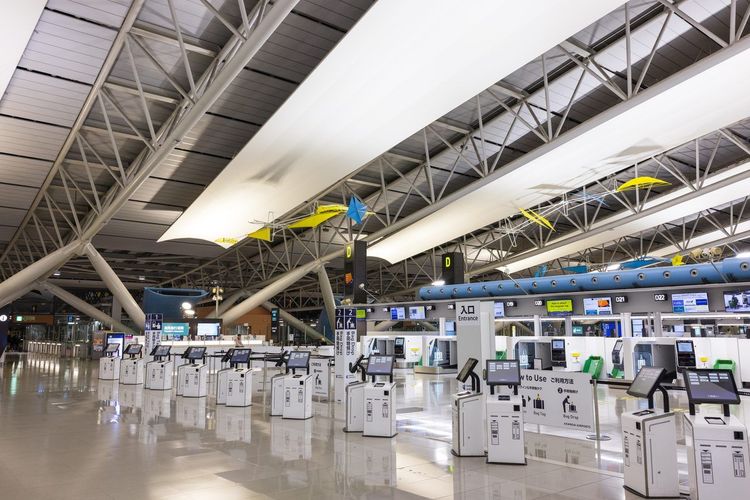
From Kansai Airport, the JR Haruka limited express reaches Tennoji in about 35 minutes and Shin-Osaka in about 50, while the Nankai Rapi:t runs directly into Namba in roughly 38 minutes, handy if you're staying in that neighborhood anyway. Airport limousine buses drop closer to specific hotels but take longer in traffic, and a private transfer or taxi runs upward of 20,000 yen, really only worth it with heavy luggage or a very late landing.
Cash, Cards and Payment Tips
Osaka has gotten noticeably more card-friendly in recent years, but markets, small izakayas and plenty of Dotonbori street stalls still only take cash. Keep a few thousand yen in small bills on hand at all times. Convenience store ATMs (7-Eleven and Lawson in particular) accept most foreign cards reliably and charge lower fees than hotel exchange counters, and your IC card doubles as a payment method at most convenience stores and vending machines.
What to Eat in Osaka: Street Food and Local Favorites
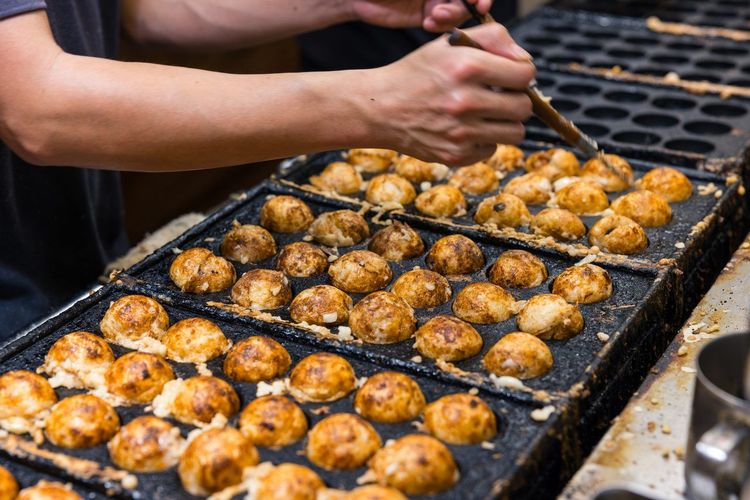
Street Food Must-Tries: Takoyaki, Okonomiyaki and Kushikatsu
Osaka calls itself tenka no daidokoro, the nation's kitchen, and three dishes do most of the work defending that title. Takoyaki, octopus batter balls griddled in a cast-iron pan and brushed with a sweet-savory sauce, are sold on nearly every corner, and locals judge a stall by how molten the center stays rather than how crisp the outside is. Okonomiyaki, a savory cabbage pancake folded with pork or seafood and finished with bonito flakes and mayonnaise, rewards a counter seat where you can watch the cook work the griddle. Kushikatsu, breaded and deep-fried skewers of meat, vegetables and seafood, come with one hard rule: you dip once into the shared sauce bucket and never again.
If some of these stops sound familiar, it's because several sit along the route the Ryo app narrates between Dotonbori and Kuromon, with context on why a dish became an Osaka specialty rather than just a recommendation to try it.
Where Locals Eat Beyond Dotonbori and Kuromon
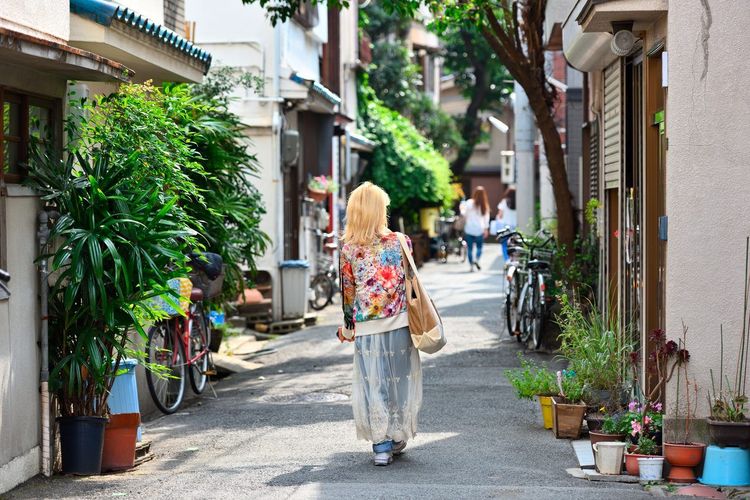
For a meal away from the tourist crush, head toward Nakazakicho near Umeda, a pocket of converted old houses now holding cafes and small restaurants that skew toward a younger, local crowd rather than visitors. Horie, just south of Shinsaibashi, has a denser concentration of izakayas per block than almost anywhere else in the city center, good for an evening of small plates and local sake without the Dotonbori wait times. And if you only try one more dish, make it kitsune udon, noodles topped with sweet fried tofu, a dish Osaka claims as its own.
Planning Tips Before You Go: Timing, Budget and What to Skip
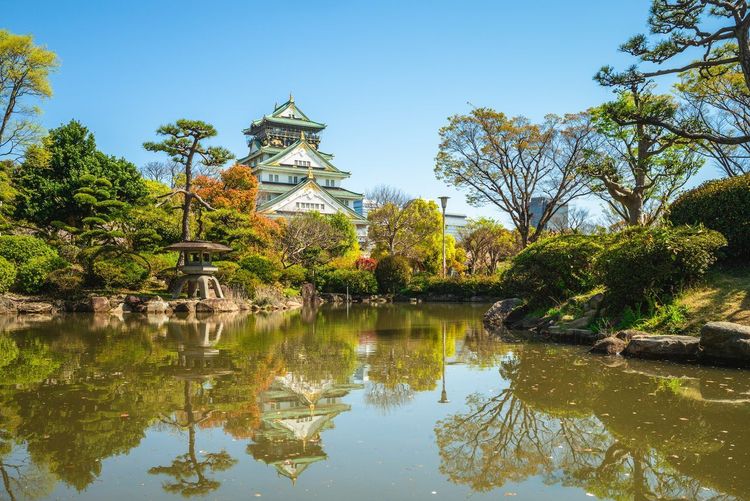
Best Time to Visit and What to Pack
Late March through April brings cherry blossoms and heavy crowds in equal measure, while October and November offer similar mild weather with noticeably thinner lines at the castle and Universal Studios. Summer runs hot and humid enough that a handheld fan and a refillable water bottle earn their space in your bag, and winter, while cold, rarely drops below freezing and keeps most attractions comfortably uncrowded.
Pack comfortable walking shoes above almost everything else, this itinerary covers a lot of ground on foot between subway stops, along with a portable phone charger for navigating between stations and a small cash wallet for the market stalls that won't take cards.
Budget, Travel Insurance and What to Skip
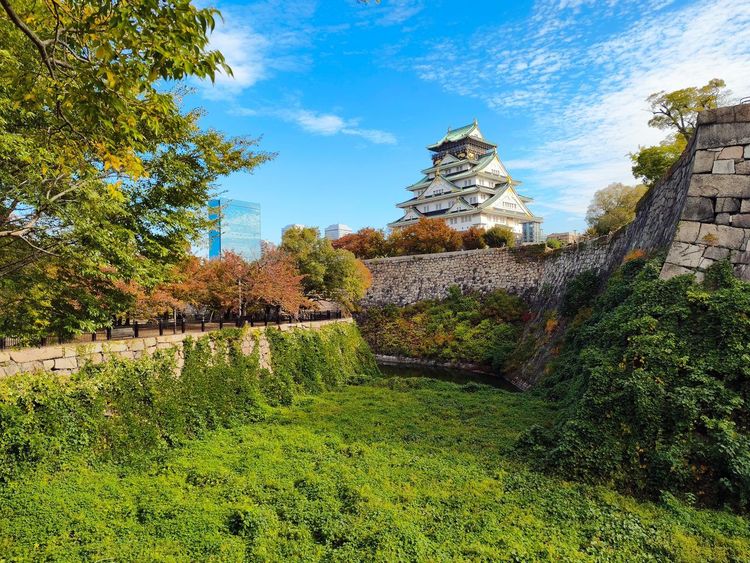
A realistic daily budget for food, transit and one paid attraction runs somewhere between 8,000 and 15,000 yen per person, excluding lodging, more if Universal Studios is on the list. Travel insurance is worth the modest cost given how packed the itinerary is, a missed connection or a twisted ankle climbing the castle stairs is a different problem with coverage than without it.
What to skip if time runs short: don't force both Kyoto and Nara into the same single extra day, and don't plan a full sit-down dinner in Dotonbori when grazing between three stalls gets you more variety in the same hour. Shin-Osaka itself has little to see beyond the station, pass through it rather than lingering there.


FAQ
Is a weekend really enough time to visit Osaka?
Yes, for the essentials. Two days comfortably covers the castle, Kuromon Market, Dotonbori, one theme-park-or-temple morning, Shinsekai and Umeda Sky. Add Kyoto or Nara and you're realistically looking at three days rather than two.
How many days do you need in Osaka?
Two days covers the core city sights listed above. Three to four days lets you add a Kyoto or Nara side trip without rushing, and five to seven opens the door to Kobe or Himeji as well.
What is the best area to stay in Osaka for a short trip?
Namba or Dotonbori for first-timers who want everything within walking distance. Umeda works better if you're also day-tripping toward Kyoto or Kobe, since the airport express and most JR lines connect there directly.
Can you do a day trip to Kyoto or Nara from Osaka in one day?
Yes, both sit under an hour away by train. Doing a half day of each in the same single day is possible but rushed, most visitors get more out of picking one and giving it proper time.
How do you get from Kansai Airport (KIX) to central Osaka?
The JR Haruka limited express reaches Tennoji in about 35 minutes and Shin-Osaka in about 50, the Nankai Rapi:t reaches Namba in roughly 38 minutes, and airport buses or a private transfer cover hotels directly at a higher cost and a longer travel time.
What food is Osaka famous for?
Takoyaki, okonomiyaki and kushikatsu lead the list, which is why the city calls itself tenka no daidokoro, the nation's kitchen. Kuromon Ichiba Market and Dotonbori are the two easiest places to try all three in one sitting.
Do you need a car to get around Osaka?
No. The subway and JR loop line reach nearly every stop in this itinerary, and central neighborhoods like Namba, Shinsaibashi and Dotonbori are compact enough to cover mostly on foot.
Two days is enough to leave Osaka with a genuine sense of the city rather than a checklist of photos, and that's really the test a good weekend trip has to pass. Load Ryo's audio-guided tour of Osaka before you land, keep the itinerary above loose enough to wander off it when a side street or a food stall catches your attention, and save a little energy for Kyoto or Nara if the extra day turns out to be worth it once you're there.