
Créé par Romane, le 4 oct. 2026
Votre guide Ryo
Gjirokastër, Albania
Between Ancient Shadows and Hilltop Views
Parcours audioguidé pour visiter Gjirokastër en 1 jour
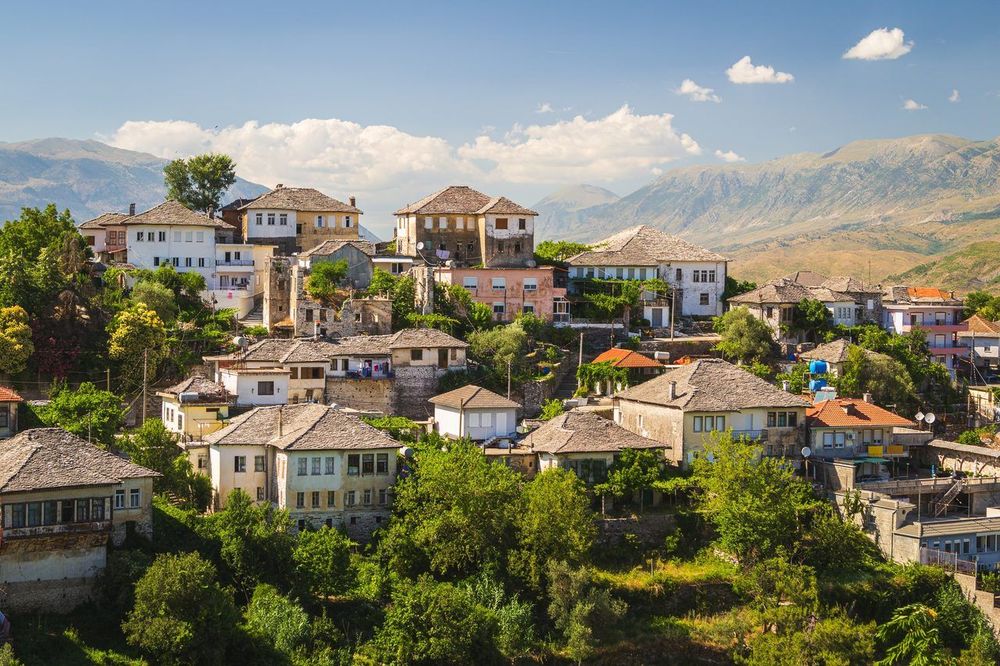
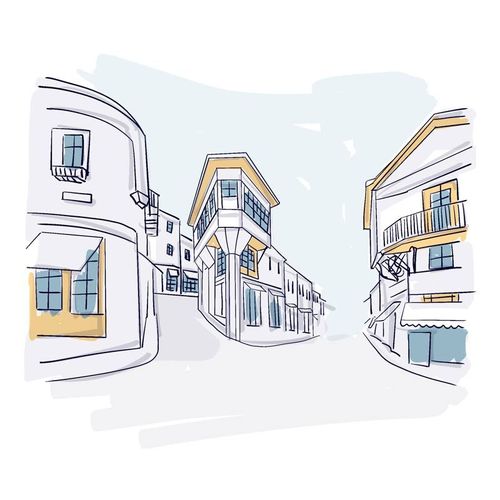
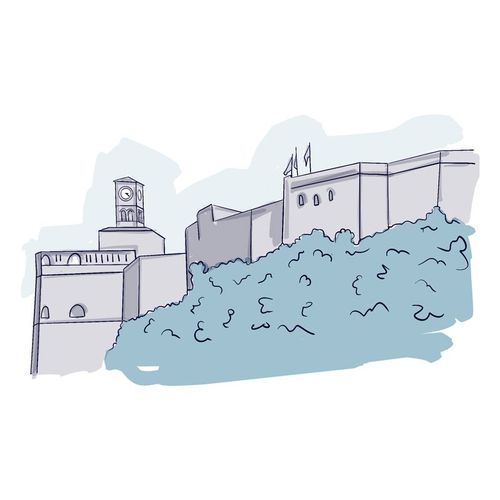
This visit to Gjirokastër invites you on a journey back in time to the heart of a stone city perched on the mountainside. Between its steep, cobbled streets, its fortified houses with unique Ottoman architecture, and its imposing citadel overlooking the valley, the city tells the story of centuries of history and tradition. An authentic and contemplative exploration to capture the eternal soul of Gjirokastër, at your own pace.
Quand partir à Gjirokastër ?
Jan.
5°
11
Feb.
6°
12
March
9°
12
April
12°
12
May
15°
14
June
20°
11
July
23°
6
Aug.
24°
5
Sept.
20°
9
Oct.
15°
8
Nov.
11°
11
Dec.
7°
11
The best times to visit Gjirokastër are spring, from April to June, and autumn, in September and October, when temperatures are pleasant and the city is easy to explore on foot without the intense summer heat. Summer remains very busy and often very hot, especially in the stone-paved streets, while winter is quieter but can be cool and damp, with reduced tourist activity.
Départ conseillé
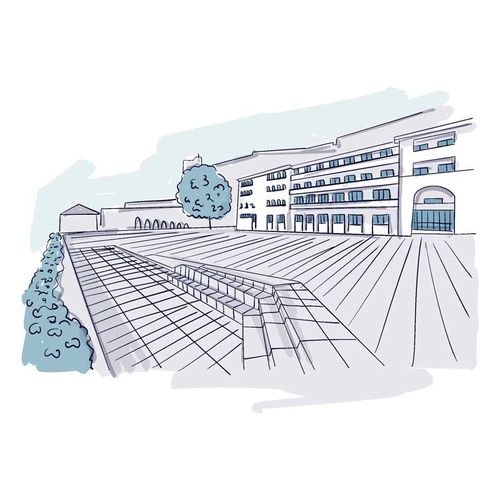
No need to worry about where to begin! Our tours are designed as a loop, so you can jump in wherever you are. The navigation system and audio-guide will automatically adjust to your location. However, if you happen to be nearby, we do have a preferred starting point: on Çerçiz Topulli Square.
Parking à proximité
Sheshi Çerçiz Topulli Parking : Sheshi Çerçiz Topulli.
To visit Gjirokastër, it is recommended to park below or on the edge of the old town, as the historic streets are narrow and not well suited to cars. Several public and private car parks are located near the bazaar and the access points to the historic centre. Some are paid and conveniently located, while others are free but slightly farther away, requiring a short uphill walk. It is also possible to park near your accommodation when it offers a dedicated parking space, and then continue the visit entirely on foot.
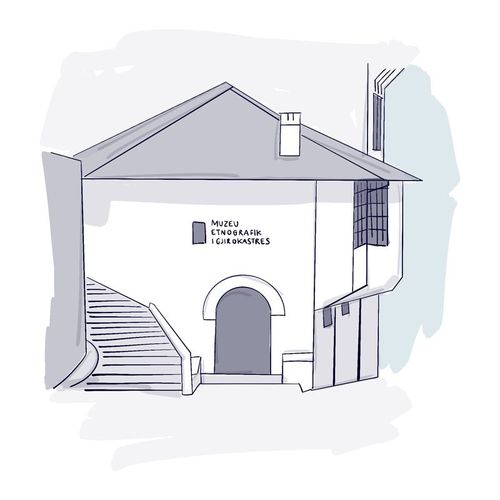
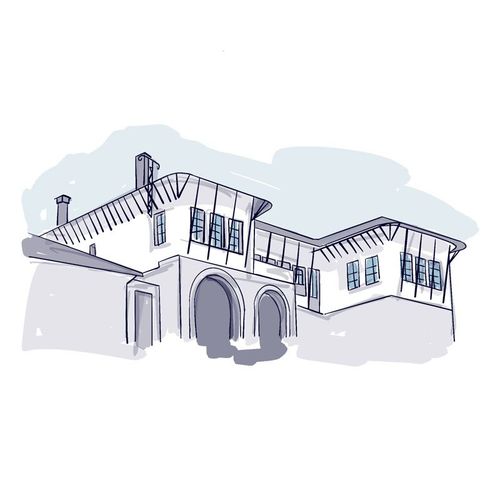
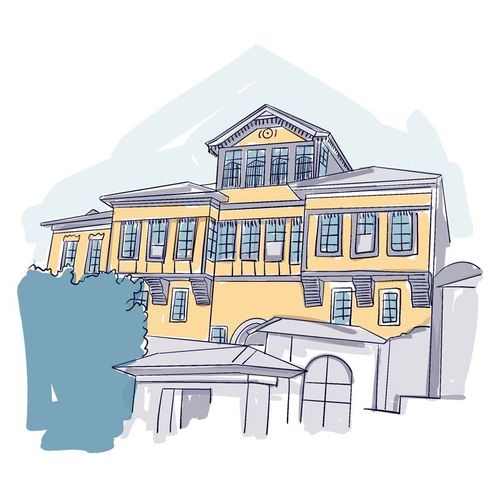
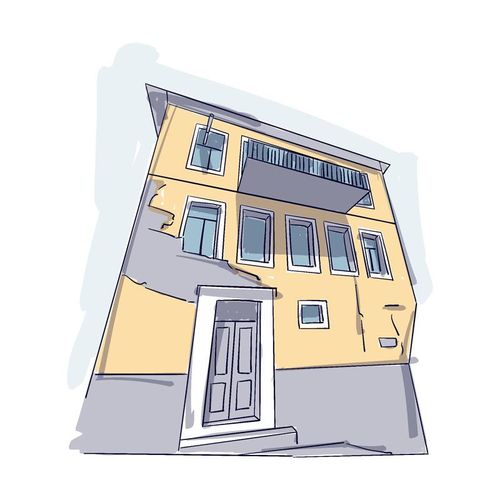
Découvrez 21 lieux d'intérêt pour visiter Gjirokastër

Le plein d'inspirations
Explorez le monde en totale liberté, à pied au cœur des villes ou au fil des routes. Nos guides audios transforment chaque destination en une découverte culturelle immersive et unique.
FAQ for visiting Gjirokastër
When is the best time to visit Gjirokastër?
Spring, from April to June, and autumn, in September and October, are ideal for discovering Gjirokastër. During these periods, temperatures stay pleasant for exploring the town's steep, cobbled lanes on foot. Summer draws many visitors, but the heat can be intense, especially in the stone passageways that store up the warmth. Winter offers a quieter, more authentic atmosphere, but the weather can be cool and damp, with some establishments closed. Spring and autumn temperatures let you fully enjoy the panoramas from the citadel and stroll comfortably among the Ottoman houses.
How many days do you need to visit Gjirokastër?
Two full days let you comfortably discover Gjirokastër and soak up its unique atmosphere. One day can be enough to see the main sites such as the citadel and the old quarter, but you risk missing the richness of this museum town. With two days, you'll have time to explore the lanes at your own pace, visit the house-museums, climb up to the fortress without rushing, and savour the atmosphere of the terraces with a view. Three days will let you add excursions to the surrounding area or simply enjoy more of the contemplative atmosphere of this stone city.
How do you get around Gjirokastër?
Gjirokastër is discovered essentially on foot, which is an integral part of its charm. The steep, cobbled lanes of the historic centre are not accessible by car in any case. Be prepared to walk and climb, with comfortable, non-slip shoes essential on the sometimes slippery cobblestones. To reach the citadel from the centre, allow a climb of about twenty minutes, though taxis can drop you near the entrance if needed. In the modern town below, you can use local taxis for short trips. Walking remains, however, the best way to grasp the soul of this town clinging to the mountain.
What are the absolute must-sees in Gjirokastër?
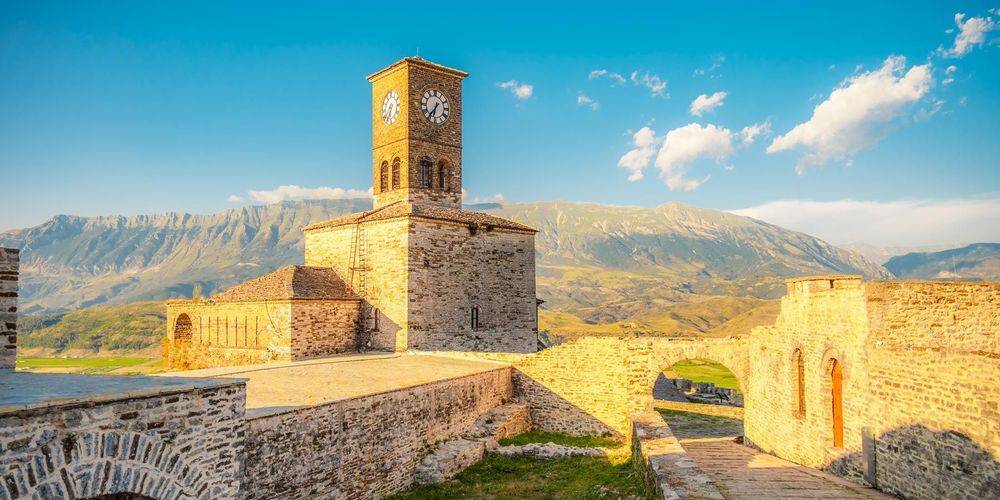
The citadel overlooking the valley is the highlight of any visit, with its ramparts offering spectacular views. The old bazaar, with its cobbled lanes, is worth getting lost in, among craft shops and Ottoman houses with stone façades. The house-museums, notably the Skenduli house and the Zekate house, reveal traditional interior architecture with their ornate reception rooms and carved wooden ceilings. Don't miss the Orthodox church and the old mosques that bear witness to religious coexistence. The Ryo audioguide accompanies you on this journey with a narrated route that links these iconic sites while revealing the hidden stories of the stone city.
How do you get to Gjirokastër from Tirana?
The journey between Tirana and Gjirokastër usually takes between three and four hours depending on the mode of transport chosen. Buses leave regularly from Tirana's bus station and are the most economical option, with several daily departures. Private minibuses, known as furgons, offer more flexibility and are often faster. Renting a car lets you explore the region at your own pace, the road being in good condition, particularly after Tepelene. Private taxis or organised transfers are a more comfortable but naturally more expensive solution. The route crosses beautiful mountain scenery that makes the trip enjoyable in itself.
Where should you stay in Gjirokastër?
The historic centre offers the most authentic experience, with its traditional houses converted into charming small hotels. These accommodations in restored Ottoman dwellings immerse you in the town's unique atmosphere. Family-run guesthouses are an excellent option for experiencing Albanian hospitality and getting local tips. The modern town below offers more conventional hotels, often cheaper but without the charm of the stone houses. Opt for accommodation in the old town if you want to make the most of the atmosphere, even if it means carrying your luggage through the steep lanes. Terraces with a view over the valley are a welcome bonus.
What are the local culinary specialities?
The cuisine of Gjirokastër reflects mountain traditions with hearty, flavourful dishes. Qifqi, a herbed rice ball typical of the region, can be enjoyed in all the traditional restaurants. Grilled meats, notably lamb and kid, are prepared according to age-old recipes. Shapkat, a cornmeal gratin with local cheese and vegetables, warms you up on cool evenings. Mountain dairy products, particularly the white cheese and thick yoghurt, accompany many dishes. Don't miss gliko, whole-fruit preserve served with a spoon and a glass of water, a symbol of local hospitality. The family-run restaurants of the historic centre serve these specialities in an authentic atmosphere.
Why is Gjirokastër known as the stone city?
The nickname comes above all from the roofs: the old houses are covered with wide slabs of grey schist which, seen from the citadel, form a mineral chequerboard following the slope. The architecture, inherited from the Ottoman period, is that of the fortified tower house, with thick walls pierced by few openings on the ground floor and lighter upper storeys, lined with painted woodwork, kept for receiving guests.
This remarkably well-preserved ensemble earned the town its place on the Unesco World Heritage list. Several houses can be visited, such as the Skënduli or Zekate houses, which give a clear sense of how the great families lived. The Ryo audio guide offers a dedicated Gjirokastër route linking the bazaar, the citadel and these houses, explaining how each one is laid out.
What traces of the communist era can you see in Gjirokastër?
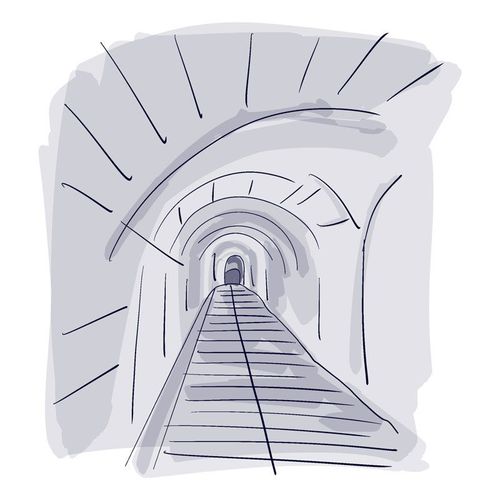
The town lived for decades under the regime of Enver Hoxha, a native of Gjirokastër, and it has kept very tangible reminders of it. The most striking is the nuclear shelter dug beneath the old town, a long maze of concrete corridors and bare rooms designed for the local authorities, which is visited today with a guide.
The citadel, for its part, displays military hardware and the shell of an aircraft perched on its ramparts, a Cold War relic, while the museum housed in the leader's birthplace focuses mainly on the traditional architecture of the region. The whole thing takes a few hours and sheds light on a past that still feels close to local people.
What currency should you bring and how do you pay in Gjirokastër?
Albania uses the lek, and it is the currency of daily life: it is better to withdraw cash locally, from the machines in the new town, than to rely on exchange offices. The euro is sometimes accepted in guesthouses, generally at an unfavourable rate, and your change will be handed back in lek.
Plan on cash for the bazaar, the house museums, small restaurants and taxis: cards are mainly taken in hotels and a few addresses in the centre, and the network can be temperamental. Bear in mind, too, that some people still quote prices in old lek, a habit that easily causes confusion: when in doubt, ask for the amount to be confirmed.
Vos commentaires, idées et suggestions
Aucun avis pour le moment