Walk
Between Ancient Shadows and Hilltop Views
Gjirokastër, Albania
Walk
Between Ancient Shadows and Hilltop Views
Gjirokastër, Albania
2.2 km
Distance
1h00
Durée
21
Audios
Loop
Parcours
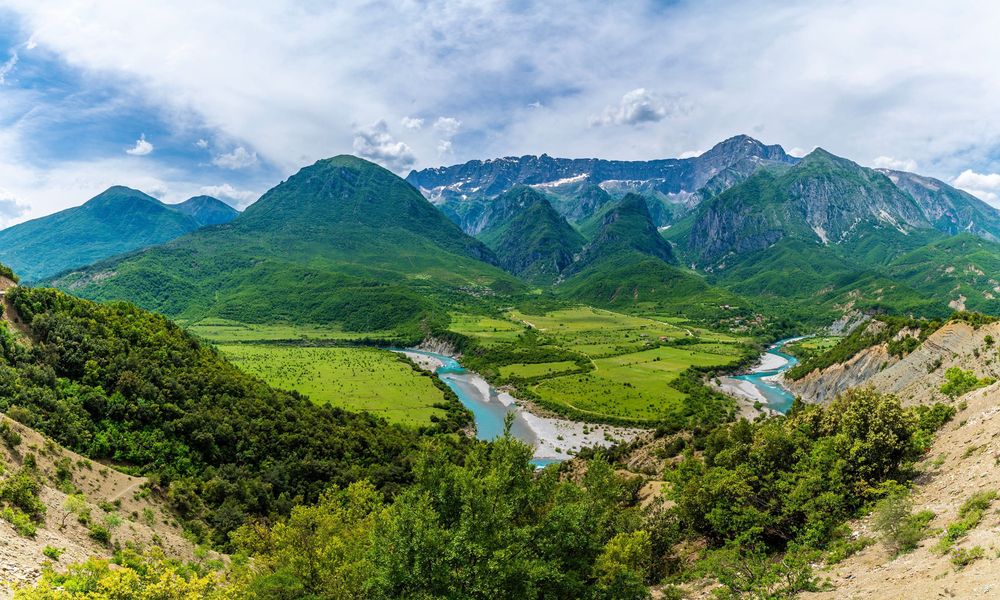
At the crossroads of the Balkans and the Mediterranean, Albania reveals itself to those who take the time to listen. Its cobbled lanes whisper centuries of Ottoman history, its mountains carve a wild horizon, and its people welcome travelers with a generosity that must be earned. To explore this country at your own pace, Ryo audio-guided tours accompany you through stones and stories, from the colorful capital to the hilltop citadels of the south.
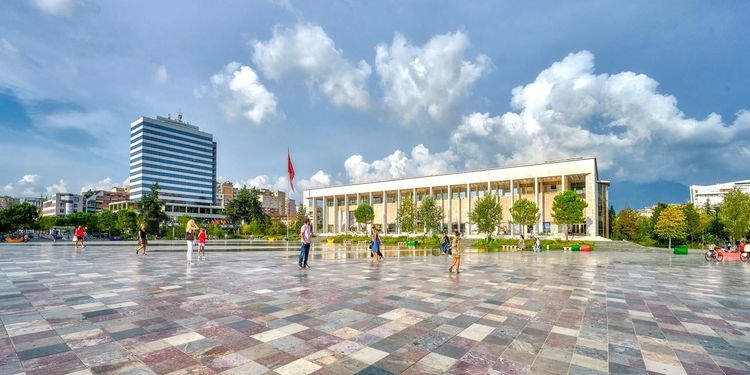
Tirana surprises. Long turned inward, the Albanian capital has reinvented itself in a burst of vivid colors and creative energy. Painted facades, lively squares, museums that acknowledge the weight of the communist past without being crushed by it — each neighborhood tells a different page of the same transformation. Through the Ryo audio-guided tour, the city unfolds layer by layer, between collective memory and a hunger for renewal.
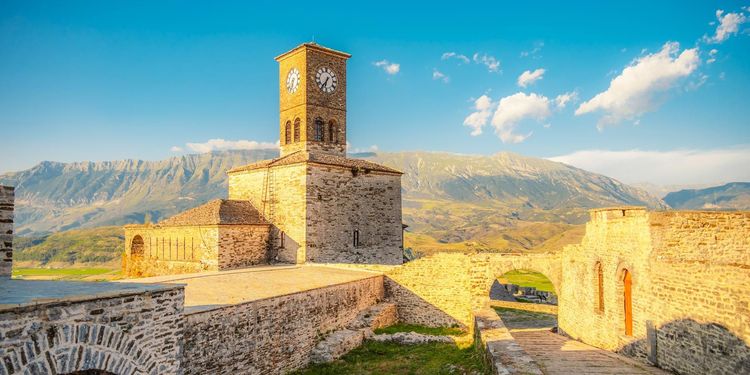
A UNESCO World Heritage Site, Gjirokastër rises with its grey slate rooftops on the slopes of a valley as if time itself had chosen to slow down there. The citadel overlooks the Drinos valley, the tower houses with their overhanging upper floors tell stories of merchants and warriors, and the sloping alleyways invite unhurried wandering. The Ryo audio-guided tour weaves a soundscape perfectly suited to this atmosphere suspended between shadow and light.
Beyond the cities covered by Ryo, Albania holds a diversity of territories well worth exploring with curiosity. Berat, nicknamed the city of a thousand windows, offers striking Ottoman architecture spread across the neighborhoods of Gorica and Mangalem, on either side of the Osum River. Further north, Shkodër opens the door to the Albanian Alps, a wild massif of grand landscapes, popular among hikers in search of altitude and silence. In the south, Llogara National Park offers breathtaking panoramas over the Riviera, while the Adriatic coast alternates between pebble beaches, limestone cliffs, and lively small harbors.
Between these highlights, the Albanian countryside unfolds along winding roads that offer as many encounters as landscapes. Culture is proudly preserved here, far from any staged experience, and the quietest corners reward those willing to go a few extra kilometers.
Spring and autumn generally offer the most pleasant conditions for visiting Albania: temperatures remain mild, crowds are limited, and the landscapes benefit from a particularly generous light. Summer draws many travelers to the coast, which can become very busy depending on the season, especially in July and August. Winter is better suited to exploring inland cities and historical sites, in a more intimate atmosphere.
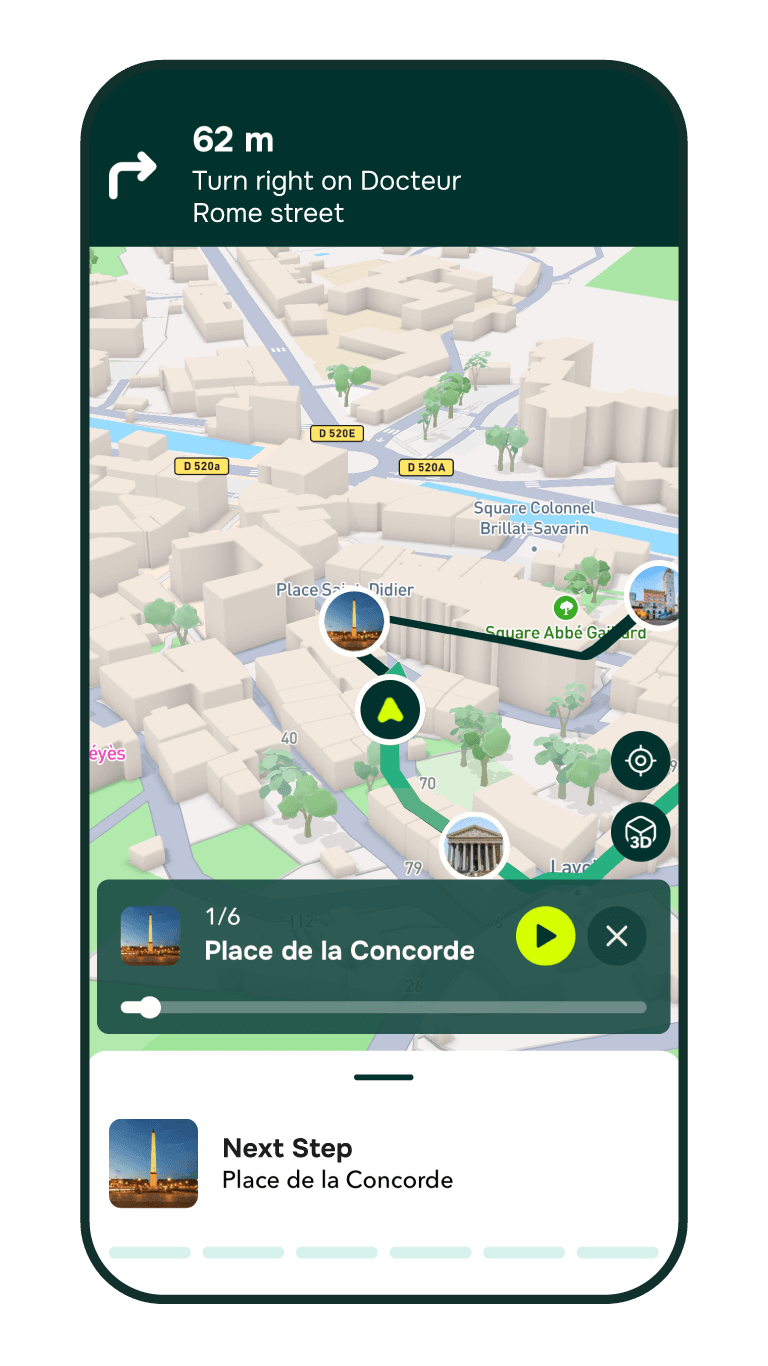
The network of furgons, those iconic shared minibuses, is the most widespread means of transport between cities. Car rental remains an interesting option for venturing freely into rural areas or national parks. In major cities, walking is often the best way to soak up the atmosphere, and Ryo audio-guided tours are precisely designed to accompany this pace of exploration on foot.
Spring, between April and June, and autumn, between September and October, are generally considered the best periods. Temperatures are pleasant, the scenery is beautiful, and tourist sites remain accessible without excessive crowds. Summer is suitable if you are targeting the beaches, provided you accept the heavier footfall along the coast.
One week allows you to combine one or two key cities with a few excursions into the surrounding areas. To travel more widely across the country — from the Albanian Alps to the historic south and along the coast — plan for two weeks so you can travel without rushing and leave room for the unexpected.
Among the most iconic stops, highlights include Tirana for its energy and contrasts, Gjirokastër and Berat for their UNESCO-listed Ottoman architecture, Llogara National Park and the Albanian Alps for lovers of wild nature, as well as the Adriatic and Ionian coasts for beaches less crowded than elsewhere in the Mediterranean.
Furgons, shared minibuses departing from bus stations, connect most destinations at affordable fares. They generally run early in the morning and may be less frequent outside the main routes. Car rental offers greater flexibility, particularly for reaching isolated sites or traveling along the coast at your own pace.
Yes, Albania lends itself very well to independent travel. Albanians are renowned for their genuine hospitality, and tourist infrastructure has developed considerably in recent years. Historic cities such as Tirana and Gjirokastër are easily explored on foot, all the more so with audio-guided support that brings meaning to places without depending on a group or a fixed schedule.
Albanian cuisine draws on Mediterranean and Ottoman influences. Among the dishes not to be missed: byrek, a flaky pastry filled with cheese or spinach; tave kosi, a baked lamb and seasoned yogurt gratin; as well as local sheep's cheeses and the ever-present grilled vegetables. Honey and walnut sweets round out a generous gastronomy, often shared around a family table.