






Créé par Romane, le 4 oct. 2026
Votre guide Ryo
Tirana, Albania
Where colours reinvent history
Parcours audioguidé pour visiter Tirana en 1 jour
This tour of Tirana invites you to discover a surprising and energetic capital, through its lively squares, colorful façades, and the traces of its communist past. Between recent history, vibrant culture, and everyday local life, the city gradually reveals a unique and captivating identity. A simple and immersive way to explore Tirana at your own pace.
Quand partir à Tirana ?
Jan.
7°
12
Feb.
8°
11
March
11°
12
April
15°
11
May
19°
9
June
23°
6
July
26°
4
Aug.
26°
4
Sept.
23°
7
Oct.
18°
10
Nov.
13°
13
Dec.
9°
13
The best times to visit Tirana are in spring, from April to June, and in autumn, from September to October, when temperatures are mild and pleasant for exploring the city on foot. Summer can be very hot, often exceeding 30°C, which makes sightseeing less comfortable during the middle of the day. Winter visits are still possible but tend to be rainier and less lively, even though the city retains a pleasant atmosphere.
Départ conseillé
No need to worry about where to begin! Our tours are designed as a loop, so you can jump in wherever you are. The navigation system and audio-guide will automatically adjust to your location. However, if you happen to be nearby, we do have a preferred starting point: on Skanderbeg Square
Parking à proximité
Parking Plaza : Rruga Abdi Toptani 18
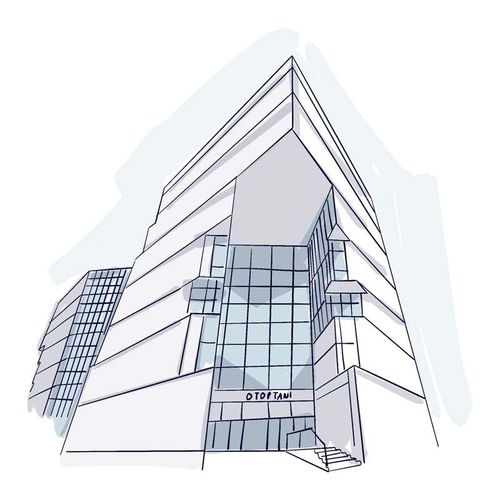
Parking Plaza, located right in the centre of Tirana, is one of the most convenient and secure options for visitors thanks to its immediate proximity to the main tourist sites. Other central car parks, such as those at Skanderbeg Square, the Toptani shopping centre or the Arena Center, also provide easy access to the heart of the city. Street parking in blue zones is possible, but visitors must respect the designated hours and payment rules set by the municipality. To avoid heavy traffic in the centre, some visitors choose to park near the Grand Park or in car parks on the outskirts, then reach the centre on foot or by taxi.
Découvrez 22 lieux d'intérêt pour visiter Tirana




Le plein d'inspirations
Explorez le monde en totale liberté, à pied au cœur des villes ou au fil des routes. Nos guides audios transforment chaque destination en une découverte culturelle immersive et unique.
FAQ for visiting Tirana
When is the best time to visit Tirana?
The ideal seasons to discover Tirana are spring, from April to June, and autumn, from September to October. During these periods, the mild temperatures make urban walks particularly pleasant and the city shows its best side. Summer can become stifling with temperatures often exceeding 30°C, which makes daytime visits difficult. Winter remains an option despite more frequent rains and a less lively atmosphere. The terraces generally stay open and the atmosphere remains pleasant for exploring the Albanian capital at a more leisurely pace.
How many days do you need to visit Tirana?
Two to three days are generally enough to appreciate the essentials of Tirana and soak up its unique atmosphere. This length of time lets you comfortably explore the historic centre, discover the main squares and monuments, and take time to savour the atmosphere of the local cafés. If you want to deepen your discovery or visit the museums in more detail, four days will give you a more relaxed pace. Tirana can also serve as a base for excursions into the surrounding area, such as the Mount Dajti cable car or the nearby natural sites, which would justify a longer stay.
How do you get around Tirana?
The centre of Tirana is easily explored on foot, as most of the attractions are concentrated within a walkable area. Public buses serve the whole city at very affordable prices, even if the routes may seem complex at first. Taxis remain economical and practical, but agree on the price before departure or make sure the meter is working. Many locals also use the ride-hailing apps that are gradually developing. For shorter distances, bike rental is gaining popularity, particularly around the large park and the main boulevards where cycle paths are emerging.
What can you visit for free in Tirana?
Tirana offers many free discoveries that reveal its authentic character. Emblematic squares such as Skanderbeg or Mother Teresa are lively meeting points where you can observe local life. The colourful facades of the renovated communist buildings create a fascinating open-air museum. The Blloku, the former district reserved for the communist elite, can be explored freely with its trendy cafés and its dynamic atmosphere. The parks, notably the Grand Park around the artificial lake, invite you to relax. The local markets offer an immersion into Albanian daily life, while the eclectic architecture of the centre blends Ottoman, Italian and socialist influences.
Is Tirana a safe destination?
Tirana is generally considered a safe city for tourists, with a relatively low level of crime compared to other European capitals. Albanians are renowned for their hospitality and their kindness towards visitors. As in any large city, stay alert in tourist areas and on public transport where pickpockets may operate. Avoid displaying valuables and favour well-lit central districts in the evening. Women travelling alone generally feel safe, even if the usual precautions apply. The language barrier can sometimes complicate exchanges, but young people often speak English.
What are the must-sees in Tirana?
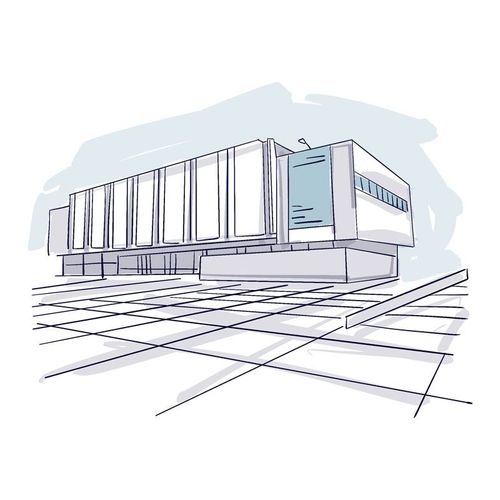
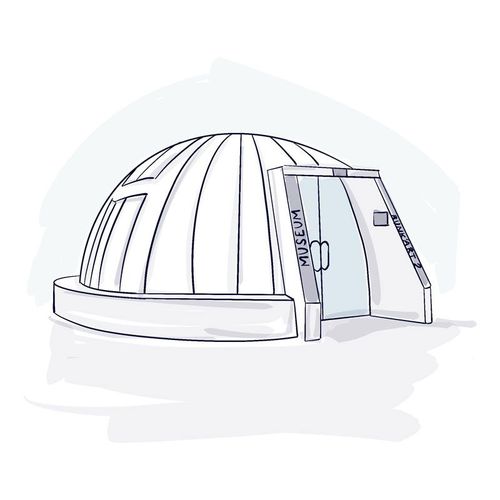
Skanderbeg Square forms the vibrant heart of Tirana with its emblematic monuments and its varied architecture. Bunk'Art, a museum set up in a former bunker, recounts the communist history in a striking way. The Et'hem Bey Mosque and the Clock Tower bear witness to the Ottoman past, while the controversial Pyramid embodies the city's paradoxes. Do not miss the multicoloured facades that have transformed the communist blocks into works of urban art. The Ryo audioguide accompanies you in this discovery with a narrated route that reveals the secrets and anecdotes of each place, letting you explore Tirana at your own pace while understanding its fascinating evolution.
Which neighbourhoods should you explore in Tirana?
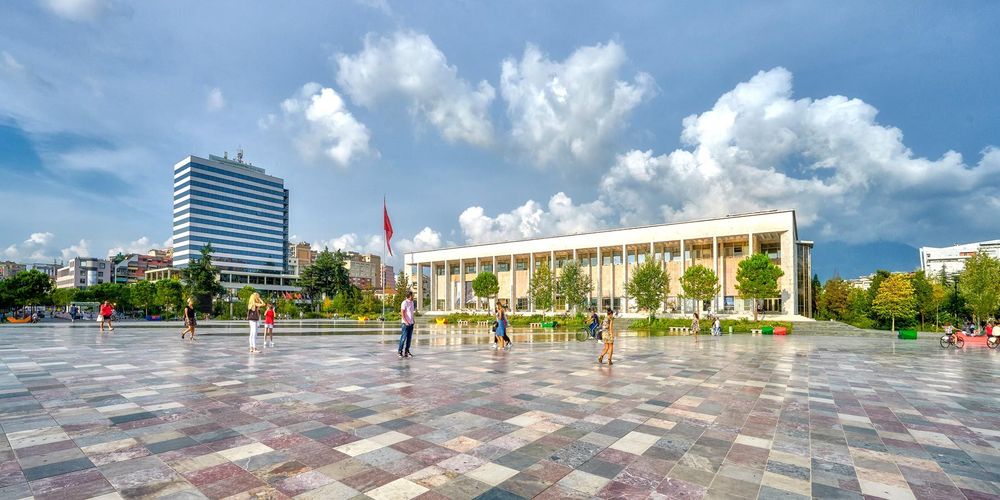
The heart of the city is still Skanderbeg Square, a vast pedestrian esplanade lined by the National History Museum, the Et'hem Bey Mosque and the Clock Tower. Just to the south, the Boulevard of the Martyrs of the Nation draws a long perspective down to the Pyramid and the university district. To the west, Blloku, once reserved for the leaders of the regime and off limits to the public, now concentrates the cafés, terraces and nightlife.
For a more everyday atmosphere, the Pazari i Ri market and its restored lanes mix fruit stalls, grocers and small restaurants, while the Grand Park and its artificial lake offer a green breathing space a few minutes from the centre. All of it is easy to cover on foot, as the distances stay modest; the Ryo audio guide offers a dedicated Tirana route that links these neighbourhoods and tells their story.
How can you explore Tirana's communist past?
Tirana still bears many traces of Enver Hoxha's regime, and several places help you make sense of them. Bunk'Art 1, set inside a huge nuclear bunker dug under a hill on the edge of town, retraces Albania's history from occupation to dictatorship. The more central Bunk'Art 2 is devoted to the political police, while the House of Leaves, the former headquarters of surveillance, displays microphones, files and listening equipment.
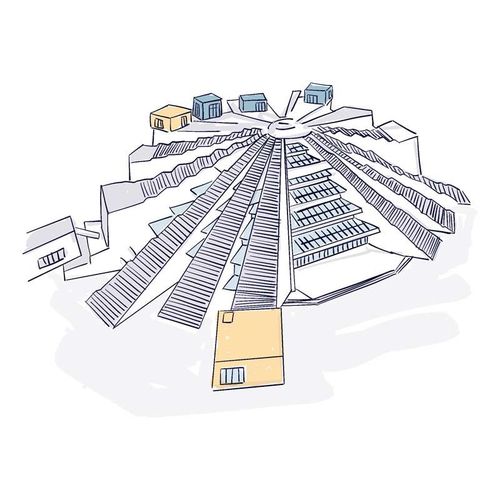
Alongside these museums, open-air remnants are everywhere: the Pyramid, a former mausoleum turned cultural venue, the small concrete bunkers scattered around the city, and the apartment blocks repainted in bright colours, an initiative launched to erase the greyness inherited from that period. Allow at least half a day to link two or three of these sites without rushing, as the experience is dense and often emotionally charged.
Where can you enjoy nature in Tirana?
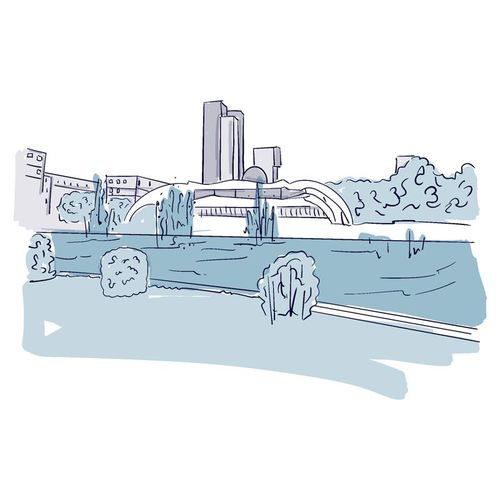
Busy as it is, Tirana slips into nature very quickly. The Grand Park, south of the centre, wraps around an artificial lake where people run, picnic and stroll at the end of the day; its shaded paths and lakeside banks are especially pleasant once the heat sets in, and you will mostly rub shoulders with locals there.
For a wider view, the cable car climbing towards Mount Dajti reveals a panorama over the whole plain and opens onto hiking trails, picnic areas and a few restaurants perched at the top. The surrounding nature park easily fills half a day without leaving the immediate outskirts of the capital. Depending on the season, do check the weather before going up, as the summit is noticeably cooler and windier than the city.
What should you eat in Tirana?
Albanian cooking borrows as much from the Mediterranean as from the Balkans, with plenty of vegetables, olive oil, yoghurt and farmhouse cheeses. You will come across byrek everywhere, a savoury pastry filled with cheese, spinach or meat and sold from early morning, as well as tavë kosi, lamb baked in a yoghurt and egg sauce, and fërgesë, a creamy preparation of peppers and fresh cheese.
Grilled meats also hold an important place, from qofte to skewers served with bread and a tomato salad. As for drinks, fruit raki goes down well before a meal and coffee is savoured slowly on a terrace, a local ritual in its own right. The streets around Pazari i Ri and Blloku hold plenty of good addresses, generally at their liveliest in the evening.
Vos commentaires, idées et suggestions
Aucun avis pour le moment
