



Créé par Romane, le 2 oct. 2026
Votre guide Ryo
Athens, Greece
Short version - At the roots of western civilization
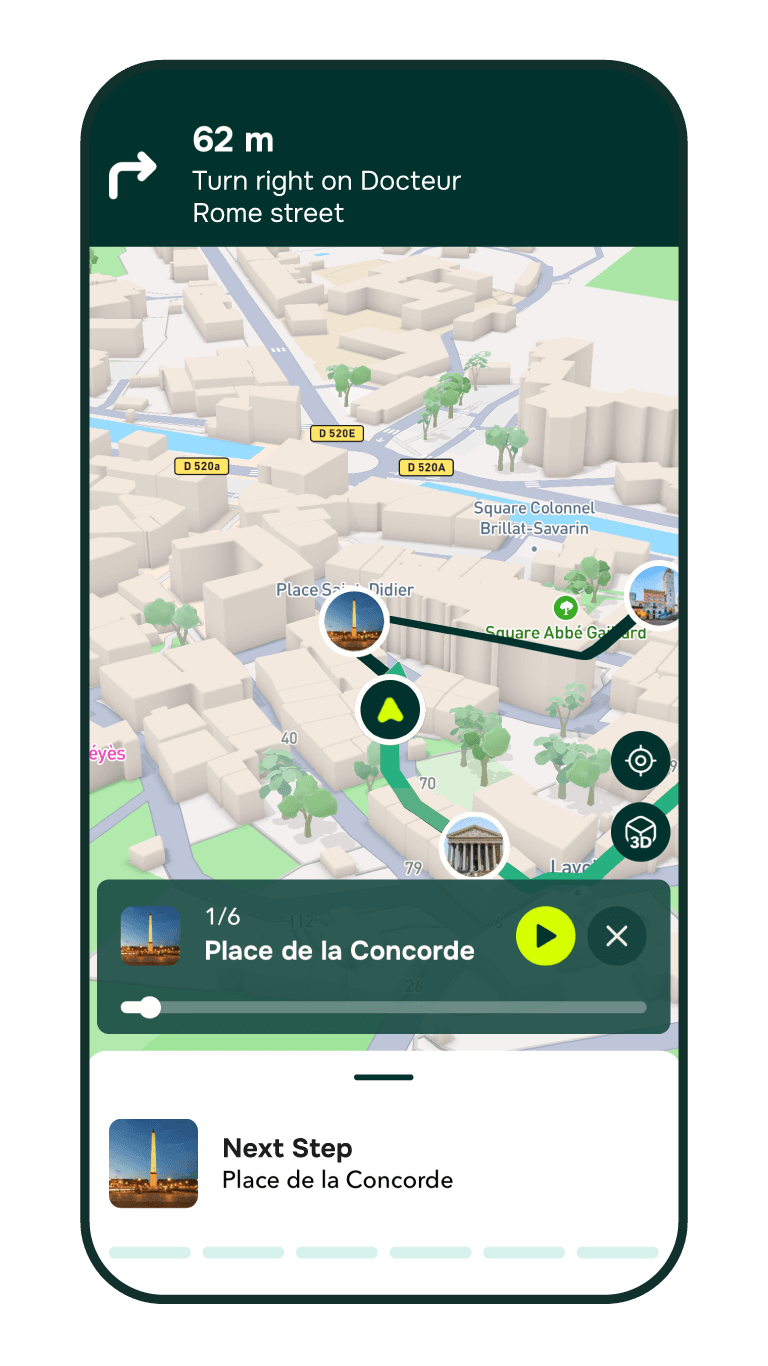
Parcours audioguidé pour visiter Athens en 1 jour
This is the short version of the tour, perfect for discovering the city's highlights in no time. If you'd like to explore further, the full tour is also available, allowing you to immerse yourself in the city in much greater depth.
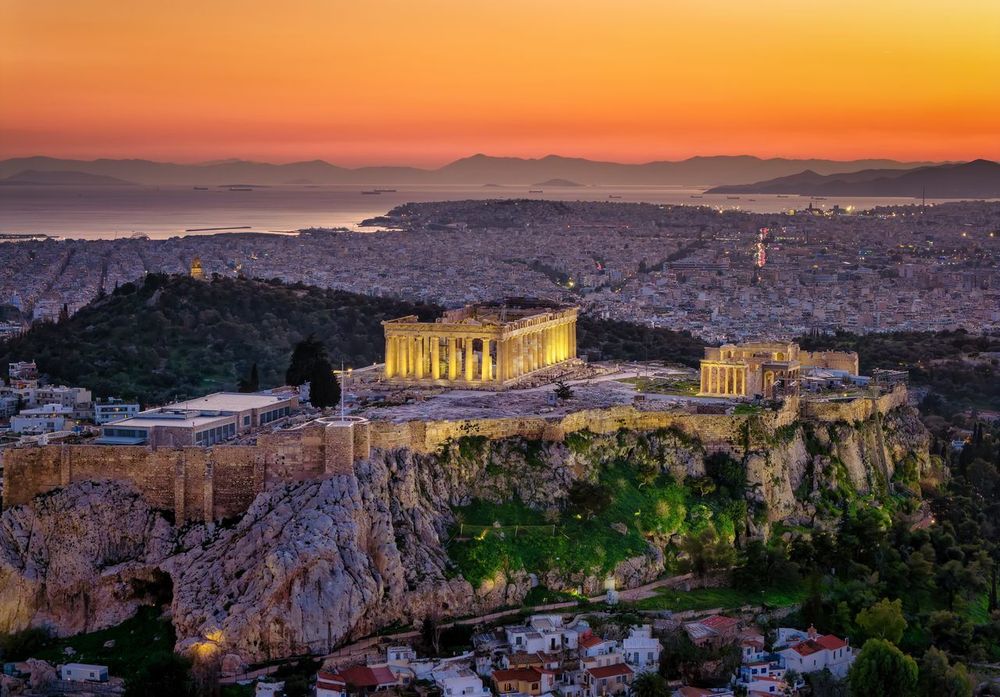
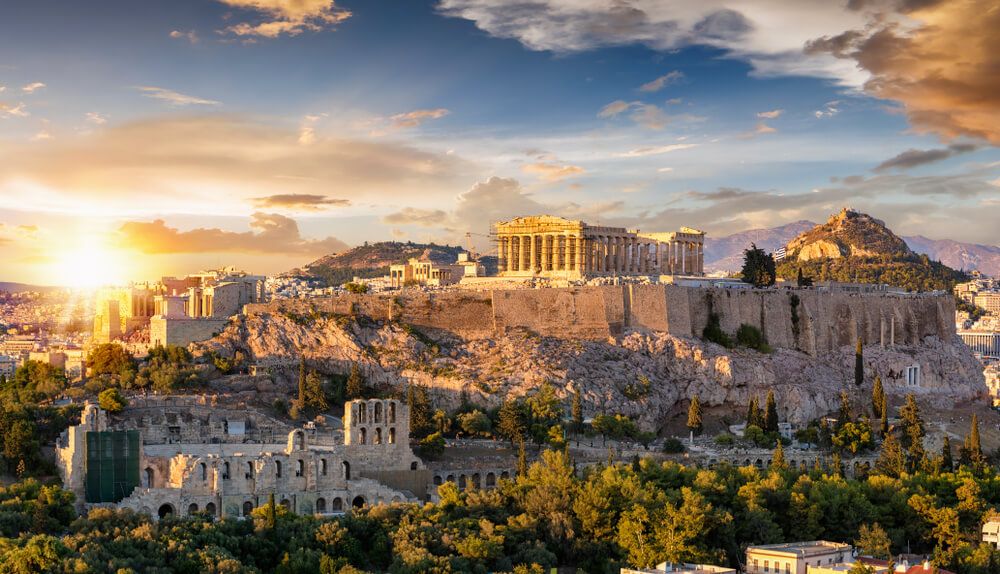
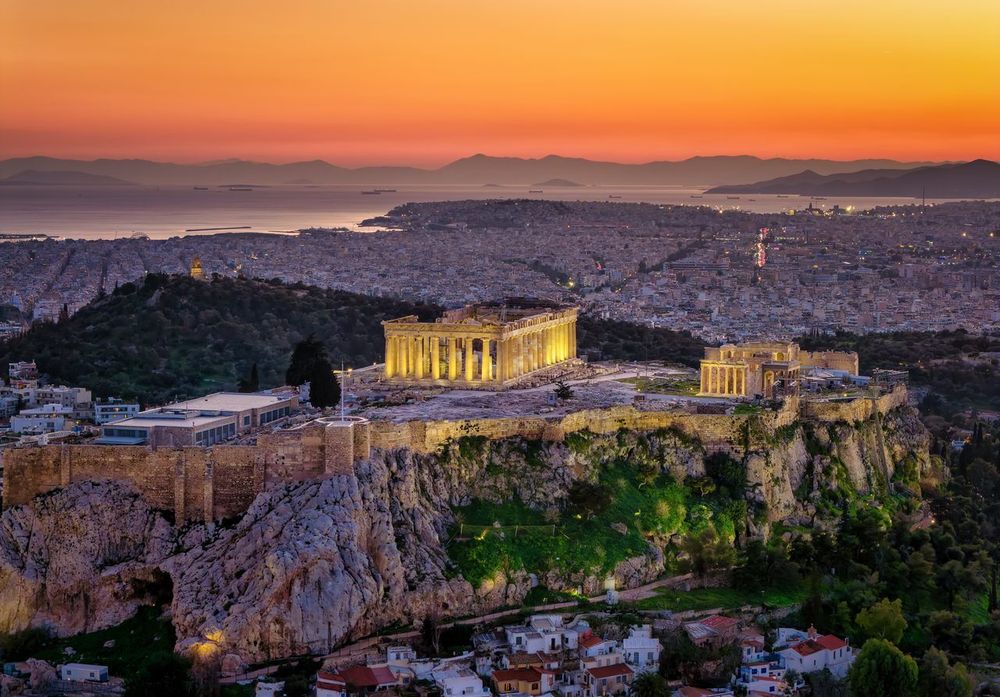
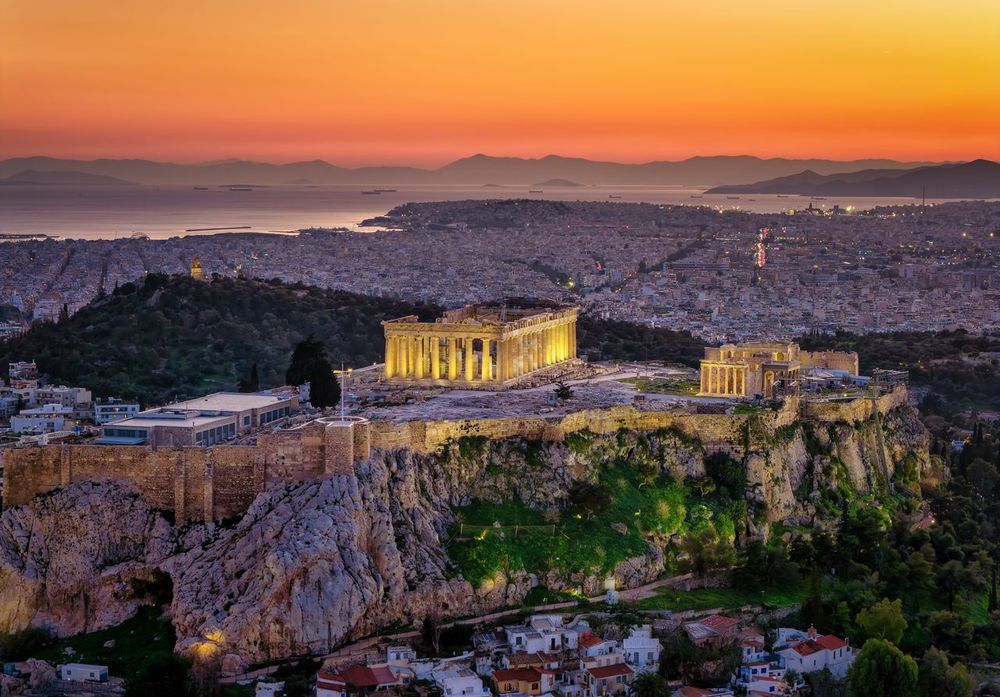
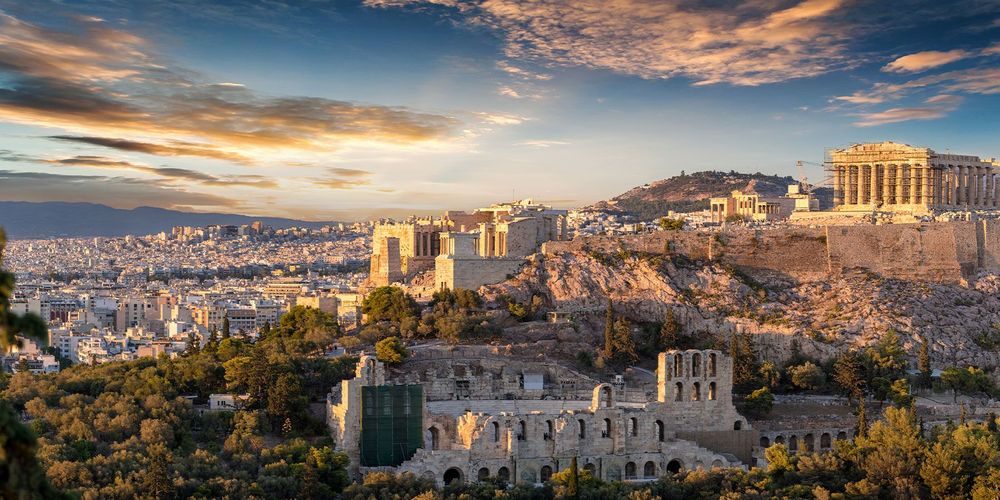
This tour of Athens’ historic center invites you to step back in time, featuring majestic marble temples, ancient Agora ruins, and picturesque streets nestled at the foot of the Acropolis. Throughout the route, discover the heritage of democracy, the vibrant energy of old districts like Plaka, and the mythical sites where philosophy and art shaped our world. A simple and immersive way to explore the thousand-year-old soul of Athens at your own pace.
Quand partir à Athens ?
Jan.
10°
9
Feb.
11°
8
March
13°
7
April
16°
5
May
21°
4
June
26°
2
July
29°
1
Aug.
29°
1
Sept.
25°
3
Oct.
20°
5
Nov.
16°
8
Dec.
12°
10
The weather in Athens is mild and pleasant all year round. But be warned, summers can get quite hot and dry. July and August are the hottest, with average highs reaching around 33°C (that would be 91°F for you!). January and February are the coolest, with average minimum temperatures of 6°C (a chilly 43°F). Don't forget your hat and sunscreen for those scorching summer days!
Départ conseillé
No need to worry about where to begin! Our tours are designed as a loop, so you can jump in wherever you are. The navigation system and audio-guide will automatically adjust to your location. However, if you happen to be nearby, we do have a preferred starting point: on Adrianou Street.
Parking à proximité
Parking Monastiraki : Ermou 127
There are certain rules you should be aware of when driving in the centre of Athens. If you're travelling with your own vehicle, you should know that there is an odd-even traffic policy; vehicles with license plates ending in an odd number are allowed to circulate on odd days, while those with plates ending in an even number circulate on even days. Make sure you you know which zone you are driving in, as traffic rules may vary. If you are renting a car, the odd-even rule does not apply. As for on-street parking, pay close attention to the colour of the lines; you can park within the white lines, but not within the yellow ones. Spots marked with blue lines are for residents only. Parking in these spots is rarely free. You will need to purchase a parking card, which allows you to park for 1, 2, or more hours. If you want to park in an underground car park, be sure to check the prices before you make your choice; some are quite expensive, while others are much more affordable.
À savoir
There's so much to see and do in Athens! Be sure to buy your tickets beforehand to visit the monuments which are of interest to you! During this tour, we'll be walking by a number archaeological sites for a peek through the railings. If you want to go inside and visit them, you'll need to buy a ticket. Get them in advance to save time and skip those long lines. You can always opt for the Athens City Pass, which allows you to visit more attractions at a lower price! I highly recommend it, as it will also help you avoid the long lines at monument entrances, especially during peak season!
Découvrez 19 lieux d'intérêt pour visiter Athens

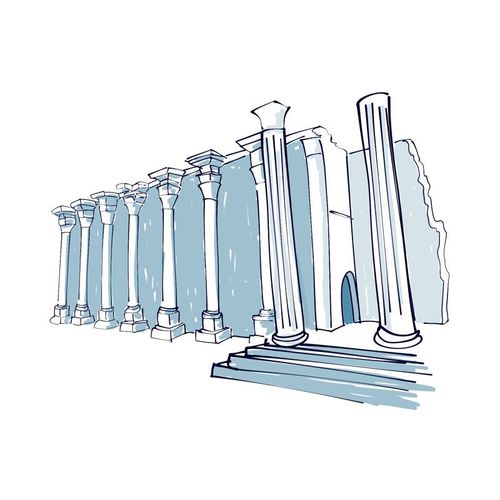

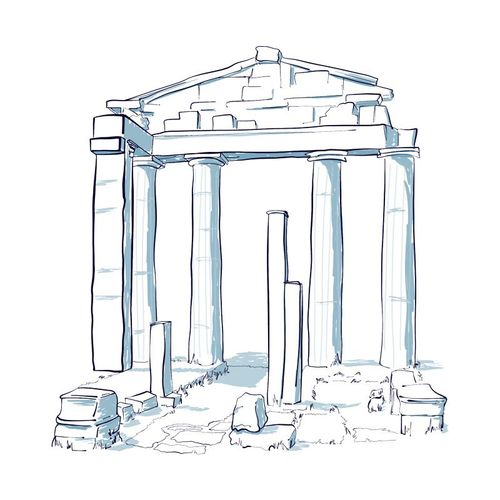
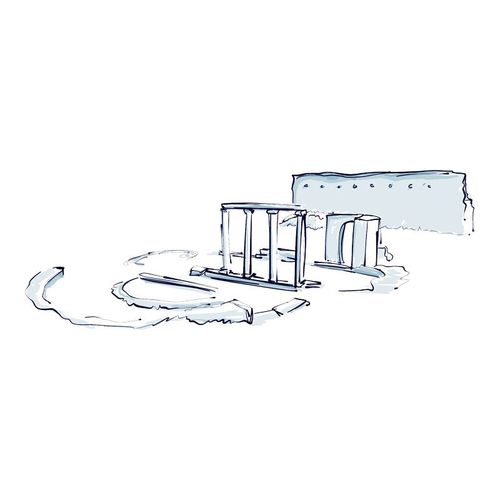

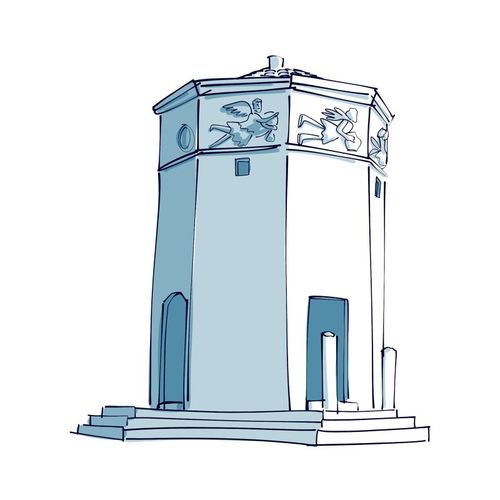
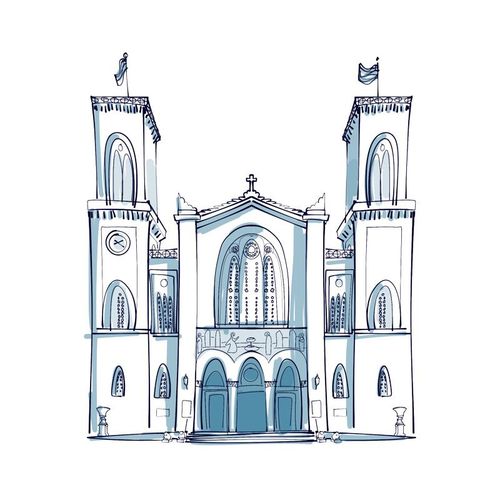
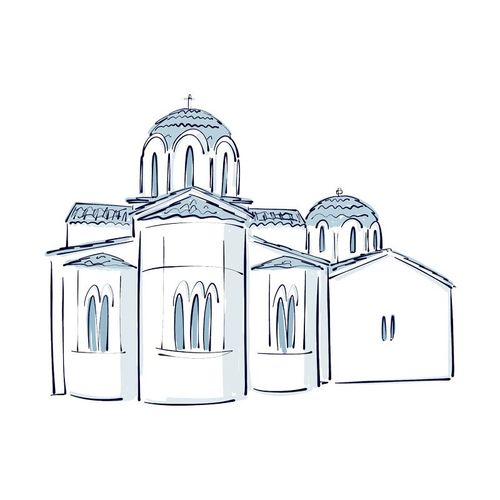
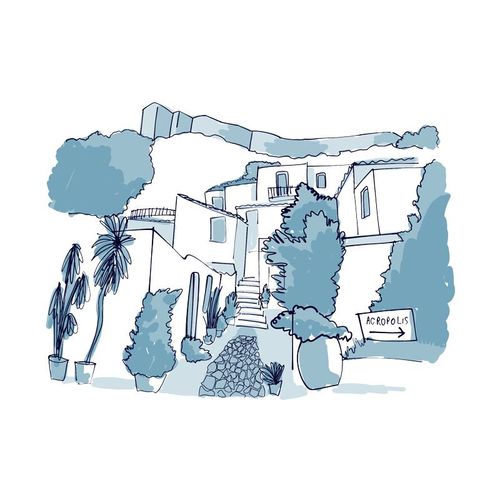
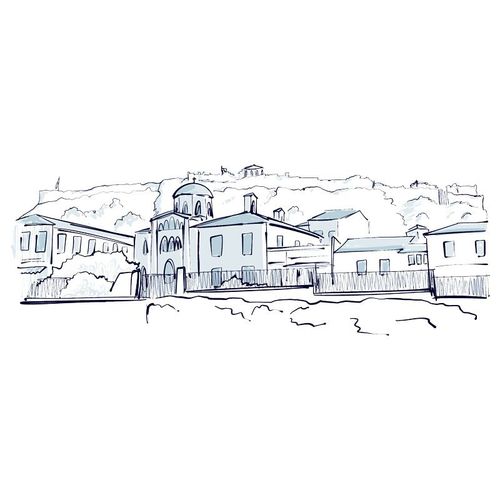



Le plein d'inspirations
Explorez le monde en totale liberté, à pied au cœur des villes ou au fil des routes. Nos guides audios transforment chaque destination en une découverte culturelle immersive et unique.






FAQ for visiting Athens
When is the best time to visit Athens?
The best time to visit Athens runs from April to June and from September to November. You'll enjoy mild, pleasant temperatures, ideal for exploring the city on foot. Summer can be stifling, with temperatures often exceeding 30°C, making visits to archaeological sites more gruelling. Don't forget your hat and sunscreen if you come in July or August. Winter stays mild, with temperatures rarely below 6°C, but a few rainy days may disrupt your sightseeing. Spring and autumn offer the best compromise between pleasant weather and reasonable tourist crowds.
How many days do you need to visit Athens?
Ideally plan three to four days to discover Athens without rushing. Two days will let you see the essentials: the Acropolis, the Ancient Agora, the Plaka district and a few major museums. With three days, you can add a more in-depth visit to neighbourhoods such as Monastiraki and Psyri, and take the time to savour the local atmosphere in the tavernas. A stay of four days or more will give you the chance to explore the surrounding hills, visit more museums and perhaps take a trip to the port of Piraeus or the archaeological sites nearby.
How do you get around Athens and reach the city centre from the airport?
The metro remains the most convenient way to reach the centre from the international airport. The blue line takes you directly to Syntagma or Monastiraki in about forty minutes. Express buses are a budget-friendly alternative, notably the X95 line to Syntagma. For getting around the city, the metro, tram and bus network covers the main tourist sites well. The historic centre is easily explored on foot, with reasonable distances between monuments. Taxis are affordable, but watch out for traffic jams at rush hour. Avoid a rental car in the centre, as parking is complicated and traffic is heavy.
Which neighbourhood should you stay in in Athens?
Plaka remains visitors' favourite district, with its picturesque lanes at the foot of the Acropolis and its immediate proximity to the main sites. You'll find plenty of hotels and restaurants there in a typically Greek atmosphere. Monastiraki offers a livelier alternative with its flea market and rooftop terraces. For a more authentic and affordable stay, consider Psyri or Koukaki, residential neighbourhoods undergoing full transformation, with trendy cafés and local tavernas. Kolonaki suits higher budgets, a chic district with luxury boutiques. Avoid areas too far from the centre, such as Omonia, which are less convenient for sightseeing.
What are the must-see monuments in Athens?
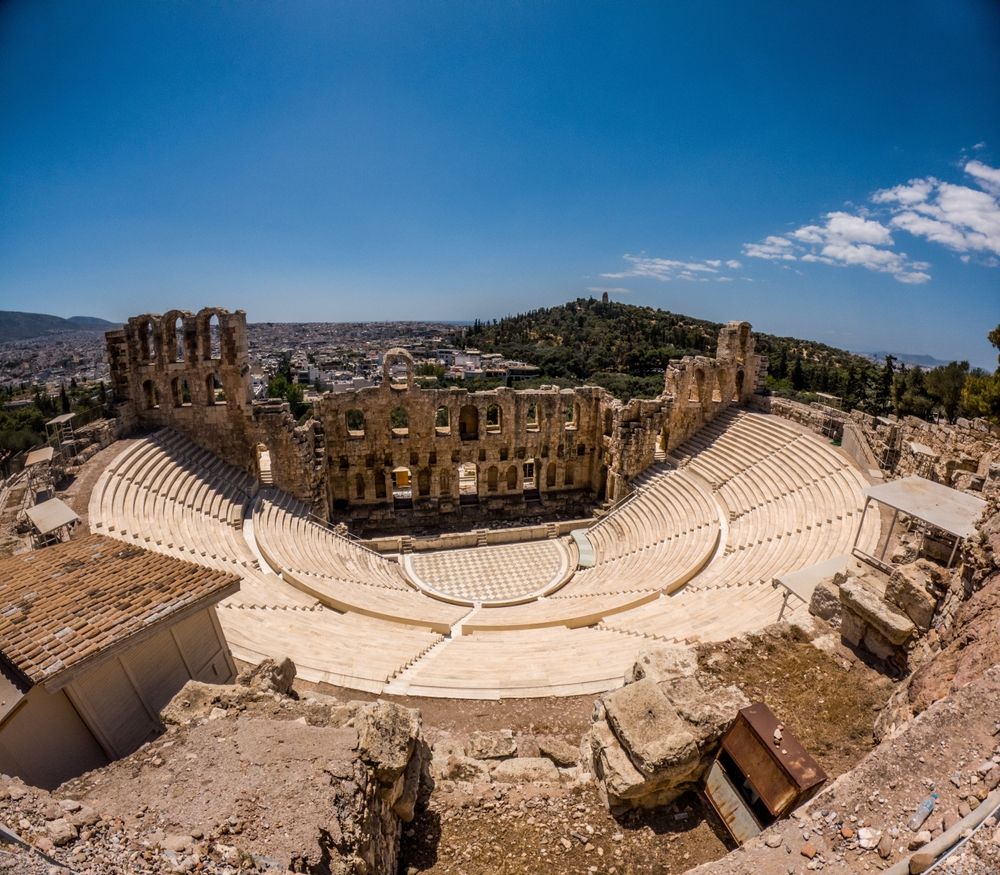
The Acropolis with the Parthenon obviously tops the list of Athens must-sees. The Ancient Agora will immerse you in the daily life of ancient Greece, while the Temple of Hephaestus impresses with its remarkable state of preservation. Don't miss the Theatre of Dionysus and the Odeon of Herodes Atticus. The Acropolis Museum is absolutely worth a visit to understand the site's history. The Ryo audioguide accompanies you through these wonders with enriching commentary on their history and importance. Also set aside time to wander the lanes of Plaka and climb Lycabettus Hill for a spectacular panoramic view.
Should you buy tickets in advance for the Acropolis?
It is strongly recommended to buy your tickets online before your visit, especially in high season. This will spare you the long queues in the sun, particularly trying in summer. The combined ticket giving access to the Acropolis and several other archaeological sites over several days generally offers good value. Opt for a visit early in the morning or late in the afternoon to enjoy magnificent light and smaller crowds. Note that on certain days of the year, admission is free, but the crowds then become considerable. Booking online guarantees you access at your chosen time and a more relaxed visit.
How much do the main attractions in Athens cost?
The prices of Athens's archaeological sites vary depending on the season and your circumstances. Admission to the Acropolis is generally the most expensive, but the combined ticket valid for several days offers better value by including the Agora, the Theatre of Dionysus and other major sites. Museums set their own prices, the Acropolis Museum being among the most visited. Substantial discounts often apply for European students and seniors. On certain days of the year, access to public sites becomes free. Budget an overall amount for admissions, bearing in mind that many Byzantine churches and some historic districts can be visited free of charge.
Which museums should you visit in Athens?
Two institutions stand out and each deserves several hours. The Acropolis Museum, at the foot of the hill, displays the sculptures and friezes recovered from the rock in a glass building whose transparent floor reveals the excavation of an ancient neighbourhood; the top-floor gallery mirrors the dimensions of the Parthenon, visible through the windows. The National Archaeological Museum, north of the centre, gathers treasures from all over Greece, from Cycladic figurines to the golden masks of Mycenae and the great bronzes recovered from the sea. For a gentler pace, the Museum of Cycladic Art and the Benaki Museum, more intimate, unfold a journey through Greek art and decorative arts, in handsome town houses.
Which Greek specialities should you try in Athens?
The street sets the tone: early in the morning you buy a koulouri, that ring of sesame bread, from the vendors set up on the squares, and at any hour souvlaki served in a pita remains the simplest and most popular meal in the city. In the tavernas, the custom is to share a series of mezze, tomato and feta salad, tzatziki, courgette fritters, grilled octopus, stuffed vine leaves, before a slow-cooked dish such as moussaka. The central market, noisy and colourful, gives a good sense of the country's produce. Finish with loukoumades drizzled with honey or a cream bougatsa, along with a Greek coffee or a freddo, essential as soon as the heat sets in.
Where can you enjoy the best views over Athens?
The city is built in a basin bristling with hills, which multiplies the viewpoints. The highest, Lycabettus, is climbed on foot along a shaded path or reached by funicular; its little white chapel looks out over the whole urban area as far as the sea. Facing the Acropolis, Philopappou Hill offers the most photogenic view of the Parthenon, especially at the end of the day, among pine trees and paved paths. Just below, the rock of the Areopagus draws a crowd at sunset: the stone there is polished and slippery, so choose your shoes accordingly. If you would rather have the height of a rooftop than that of a hill, the terraces around Monastiraki frame the floodlit Acropolis once night has fallen.
Vos commentaires, idées et suggestions
Aucun avis pour le moment