Créé par Romane, le 17 nov. 2026
Votre guide Ryo
Mexico City, Mexico
Retracing the steps of the Aztecs
Parcours audioguidé pour visiter Mexico City en 1 jour
This tour of Mexico City’s historic center invites you to journey through the layers of a millennia-old city, featuring pre-Hispanic temple ruins, majestic cathedrals, and palaces adorned with legendary murals. Throughout the route, discover the heritage of ancient Tenochtitlan, the vibrant energy of the Zócalo, and the lively spots where ancestral traditions meet the momentum of a modern megacity. A simple and immersive way to explore the colorful and monumental soul of Mexico City at your own pace.
Quand partir à Mexico City ?
Jan.
13°
2
Feb.
15°
2
March
18°
3
April
20°
6
May
20°
11
June
19°
20
July
18°
23
Aug.
18°
22
Sept.
18°
19
Oct.
17°
11
Nov.
15°
5
Dec.
13°
2
I advise you to visit Mexico City either between February and May, or between October and December. From July to August, there is a lot of rain. The coldest months are from November to January. Between October and December, average temperatures elevate to 24°C /75°F maximum. As for April and May, the hottest months, maximal temperatures are around 29°C/84°F. You get it now, it's always warm in Mexico! Watch out if you come in either June, July, August or September, because these months can get a lot of rain.
Départ conseillé
No need to worry about where to begin! Our tours are designed as a loop, so you can jump in wherever you are. The navigation system and audio-guide will automatically adjust to your location. However, if you happen to be nearby, we do have a preferred starting point: on the Constitution Plaza.
Parking à proximité
Parking Isabel la Catolica : calle Isabel La Católica 38
You don't need a car when visiting Mexico City, as there is a lot of traffic and Mexicans drive carelessly. Plus, parking spots are impossible to find. I recommend you either leave your car at your accommodation or in an underground parking. Beware, there is an entry fee, and if you have quite a large car, you might struggle driving through as these parkings are quite narrow. Don't hesitate to inform yourself in advance!
À savoir
If you come to Mexico during one of its many celebrations, know that you've made the right choice! There are plenty of festivities, such as Semana Santa, or the Day of the Dead (Dia de los Muertos).
Découvrez 25 lieux d'intérêt pour visiter Mexico City







What to see in Mexico City on your 2h40 tour?
This 6.5 km loop takes about 2 h 40 and links 22 sights. From the Zócalo and its grand monuments, it follows the Aztec remains of the Templo Mayor, crosses the San Ildefonso and Santo Domingo district, reaches Garibaldi Plaza and its mariachis, then the Palace of Fine Arts and the Alameda, before returning along Madero Street to the Zócalo. With the Ryo app in your ears, every square and palace tells the capital's turbulent history.
Information checked in October 2026 and subject to change.
1 - Constitution Plaza
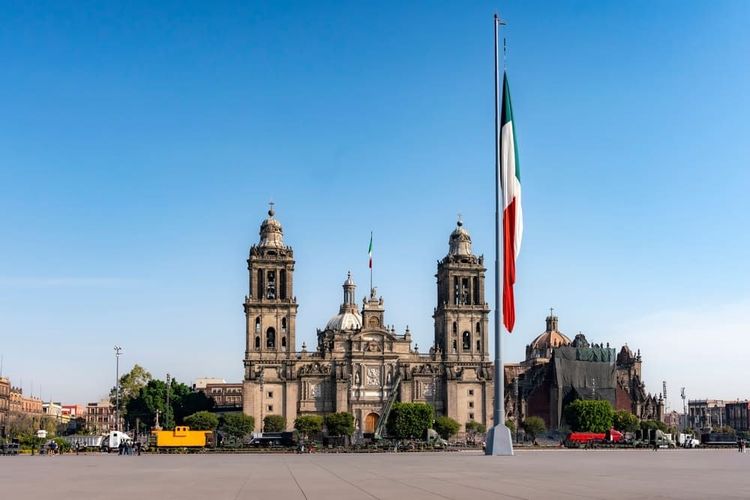
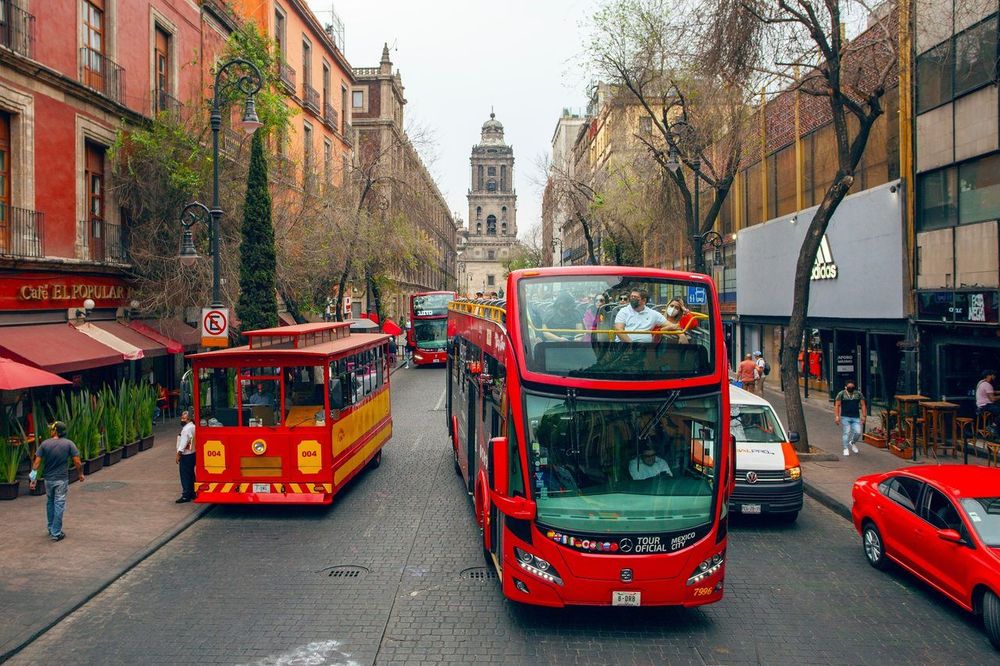
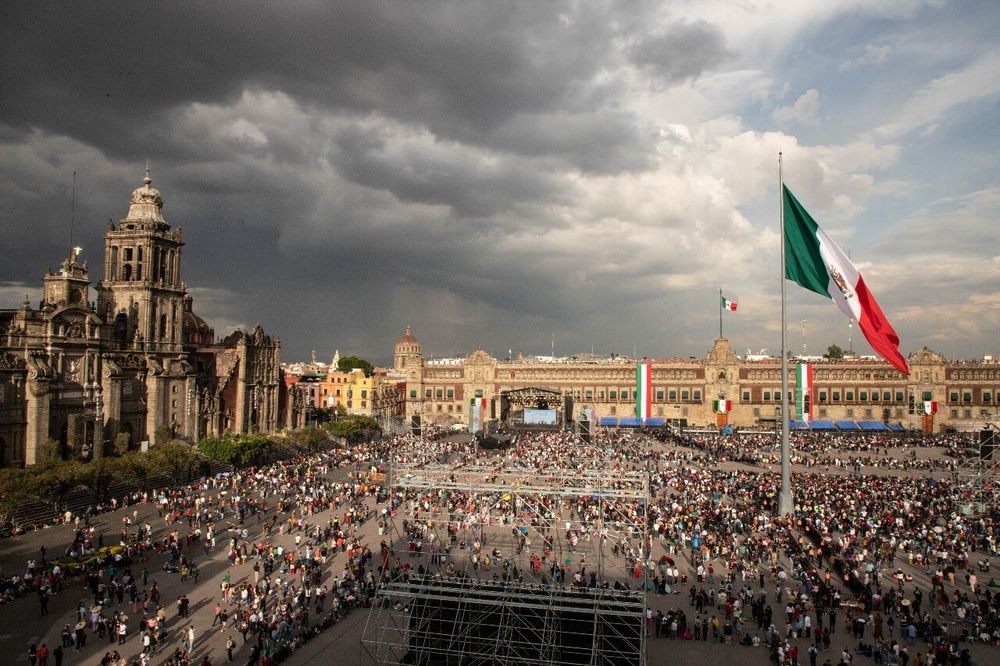
Constitution Plaza, this vast space nicknamed the Zócalo, has marked the historic heart of Mexico City since Aztec times. Its popular name comes from an irony: only the base of an unfinished independence monument, abandoned for lack of funds, was ever built here, and locals took to meeting at that spot. Today a huge national flag flies on the site, surrounded by the cathedral, the presidential palace and the old city hall, all watched over by Unesco.
Free entry
2 - Metropolitan Cathedral
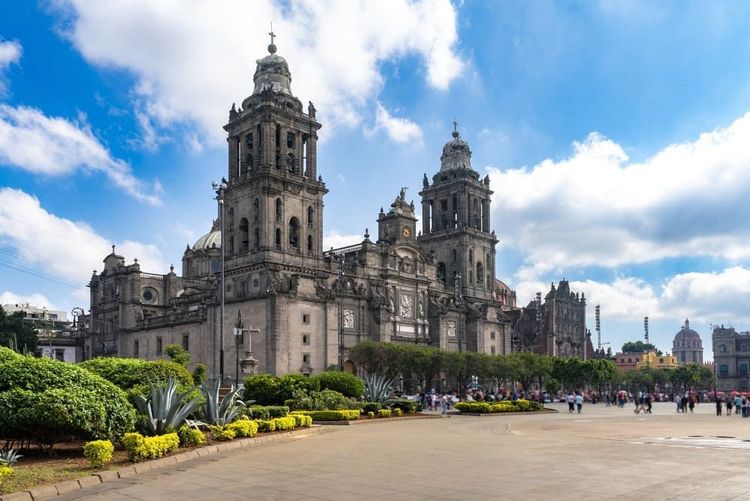
The Metropolitan Cathedral has overlooked the Zócalo since 1571, when a project began that would take nearly three centuries to finish. Hernán Cortés had laid the first stone of a smaller church, built with stones from the Templo Mayor and raised to cathedral status by Rome; once too cramped, it was replaced by this landmark blending a baroque facade with neoclassical towers rising 64 metres. Fourteen chapels and two great organs await inside. Founded on the city's old lakebed, it leans slightly and undergoes constant restoration.
Free entry
3 - National Palace
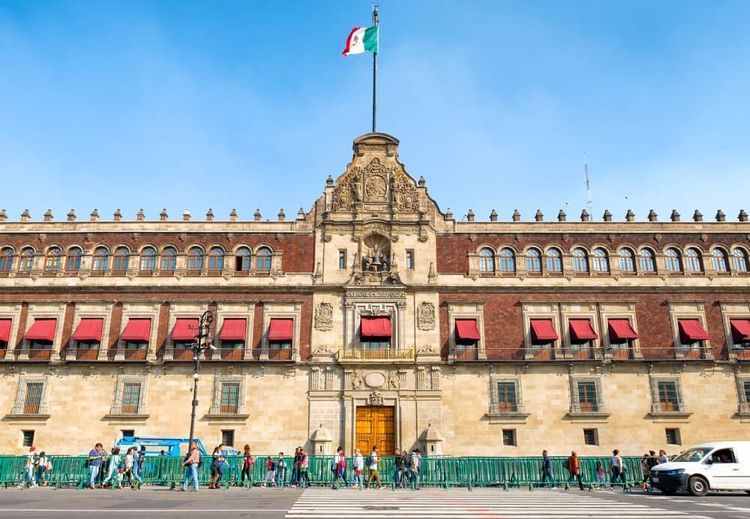
The National Palace stands on the very site of Aztec emperor Moctezuma II's residence, destroyed when the conquistadors arrived. Hernán Cortés lived here before the Spanish crown turned it into the viceroys' home; tensions with the archbishop led to its partial destruction in 1692, followed by a baroque rebuild. Now the seat of executive power since independence, it once housed Maximilian von Habsburg among its rulers. Inside, the staircase is covered with Diego Rivera's sweeping murals, tracing the whole of Mexican history.
Free to see from outside
4 - Templo Mayor
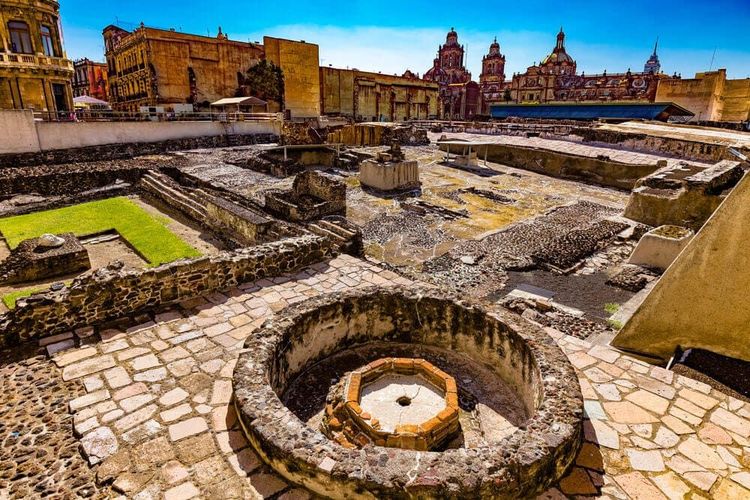
The Templo Mayor was the great sacred pyramid of Tenochtitlan, founded in 1375 where the Aztecs supposedly saw the eagle devouring the serpent of their prophecy. Twin sanctuaries crowned its 65 metres, one honouring the god of war, the other the god of rain; grand ceremonies, sacrifices included, were held here. Unearthed from 1978 onward thanks to a monumental sculpture, the site now sits beside a museum holding the offerings found there, dating back more than seven centuries.
Paid entry (about 100 MXN)
5 - College of San Ildefonso
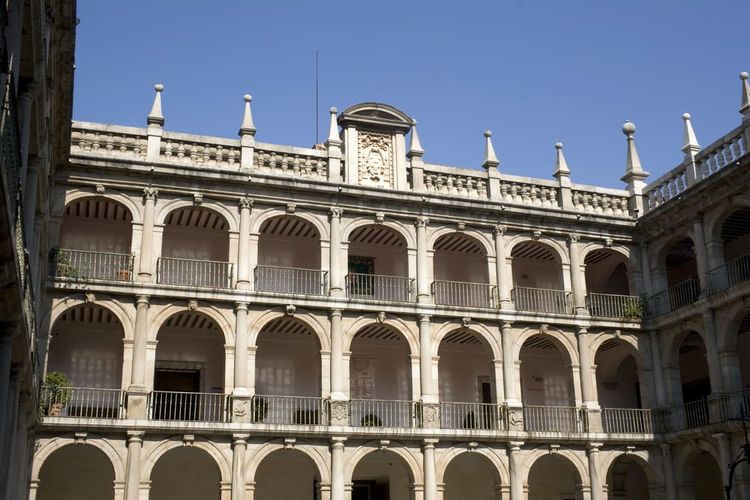
This colonial building from 1588 ranks among the finest in Mexico City: it housed one of the great schools of New Spain, enlarged in the 18th century to take in ever more students. Expelled in 1767, the Jesuits made way for a barracks, then a law school. It was in the 20th century, though, that the building earned its lasting fame: its walls welcomed the very first murals of Mexican muralism, painted by Rivera, Orozco and Siqueiros.
Paid entry (about 50 MXN)
6 - Santo Domingo Square
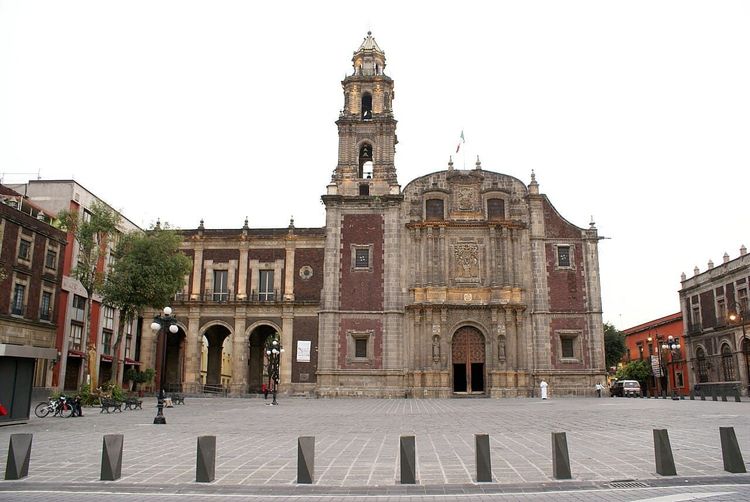
This square owes its particular atmosphere to the public scribes who, for centuries, have written letters for clients unable to read or write; a few still keep up the tradition. Behind it stands a small baroque church dated 1736, next to the former Palace of the Inquisition, now a museum of medicine, a reminder of the religious persecutions of colonial times. The site once held the residence of Cuauhtémoc, the last Aztec ruler, captured and executed by the Spanish and still admired today for his courage against the conquerors.
Free entry
7 - City Theater Esperanza Iris
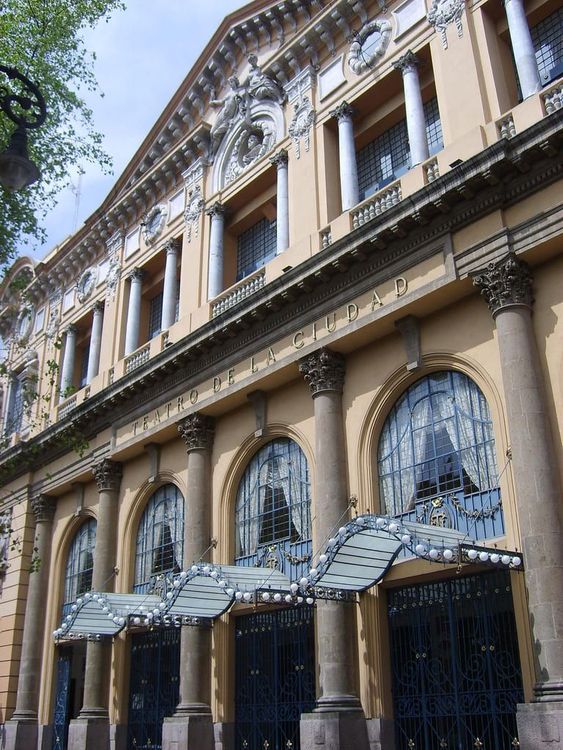
Opened in 1918 and modelled on Milan's La Scala, this theatre was for years the leading cultural venue in the capital, ahead of the later Palace of Fine Arts. It owes its existence to singer and actress Esperanza Iris, proclaimed the nation's Favourite Daughter in 1922. Left abandoned after her death, the building became city property, later regaining its founder's name after restoration. Concerts, operas and ballets now follow one another inside its elegant Italian-style hall.
Free to see from outside
8 - Donceles Legislative Palace
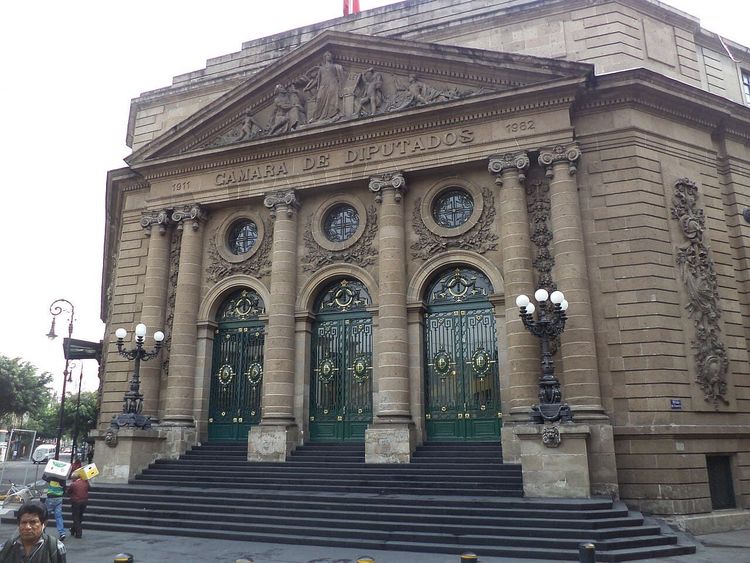
Recognisable by its six columns, this neoclassical building houses the Chamber of Deputies of the Mexican Congress. Officially named the United Mexican States, the country is a federal republic governed under the 1917 Constitution: a president elected for a single six-year term leads the executive, while legislative power is split between this chamber and a Senate. Mexico counts 32 states, each with its own parliament. With its imposing facade and monumental columns, the palace embodies the capital's democratic life.
Free to see from outside
9 - Garibaldi Plaza
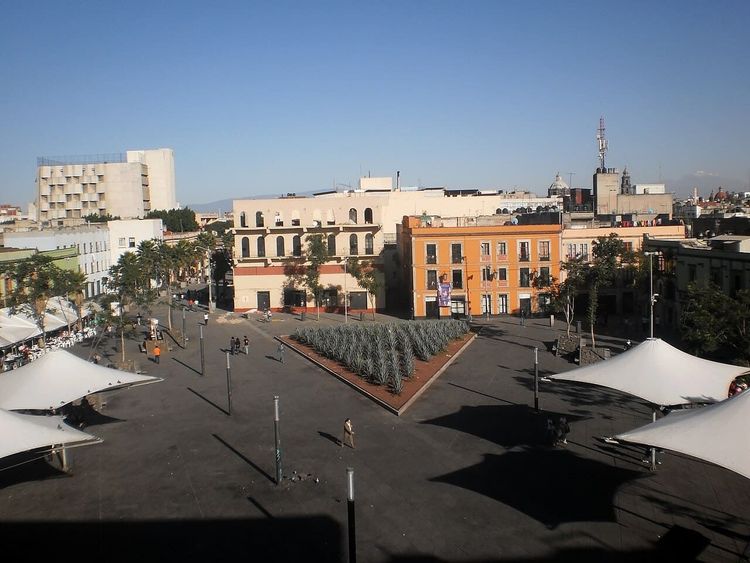
Day and night, mariachis in embroidered costumes bring this square to life; it is named after Peppino Garibaldi, an Italian hero of the Mexican Revolution. Their tradition owes much to the popular cinema of the 1930s, the so-called Charro genre, which featured these musicians, originally hired to serenade ladies; the Salón Tenampa, the square's historic venue, has hosted their bands since the 1920s. Cantinas and the Tequila Museum round out the atmosphere, though it is wise to stay alert if lingering late into the evening.
Free entry · Best in the evening
10 - Museum of Tequila and Mezcal
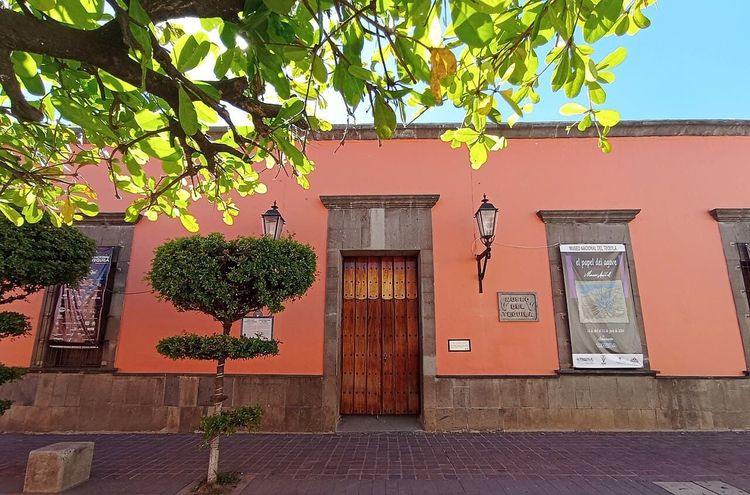
Long before becoming the world-famous spirit it is today, tequila began as a plant, the agave, fermented by Mesoamerican peoples back in pre-Columbian times. The Spanish, using a distillation technique that had itself come from the Arab world, turned it into a stronger spirit, whose production took off in the 19th century. Set on Garibaldi Plaza, this museum traces that history and the steps of production, from harvesting the agave to bottling, ending with a tasting best enjoyed in moderation.
Paid entry
11 - National Art Museum
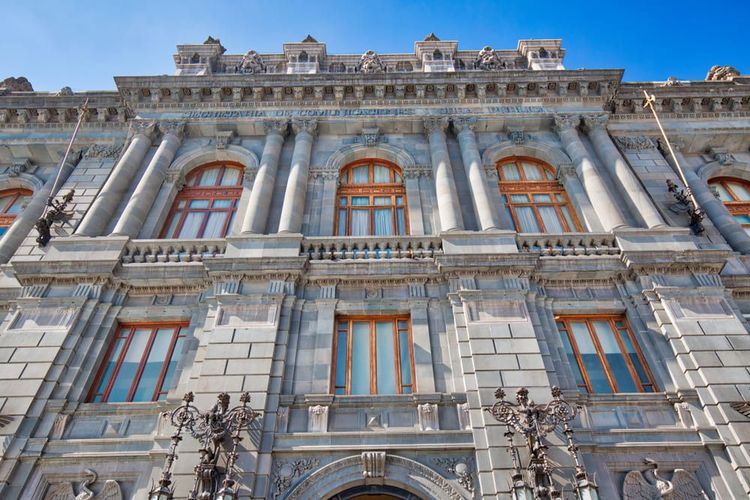
This neoclassical palace from 1905-1911, with its Corinthian columns and wrought-iron staircases, traces Mexican art from pre-Hispanic times to the early 20th century. It owes its address to Manuel Tolsá, the architect who finished the nearby cathedral and designed the Mining Palace; an equestrian statue of Spain's King Charles IV, placed in front of the entrance in 1979, graces the square that now bears his name. Among the collections are a few early canvases by Diego Rivera, alongside a wide range of traditional works.
Paid entry (about 95 MXN)
12 - Postal Palace
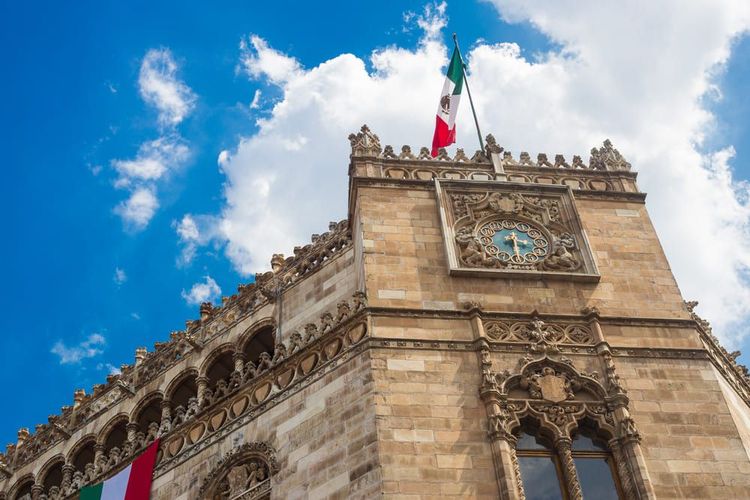
Still in daily use more than a century after it was built, this post office, designed by architect Adamo Boari working alongside engineer Gonzalo Garita y Frontera, pairs baroque with rococo, then drifts toward Art Nouveau and neo-Renaissance, with neo-Gothic and plateresque touches across a single facade. The 1985 earthquake caused serious damage, but major restorations in the 1980s restored its original elegance. You can step inside freely to admire the bronze staircase and the glass roof.
Free entry
13 - Palace of Fine Arts
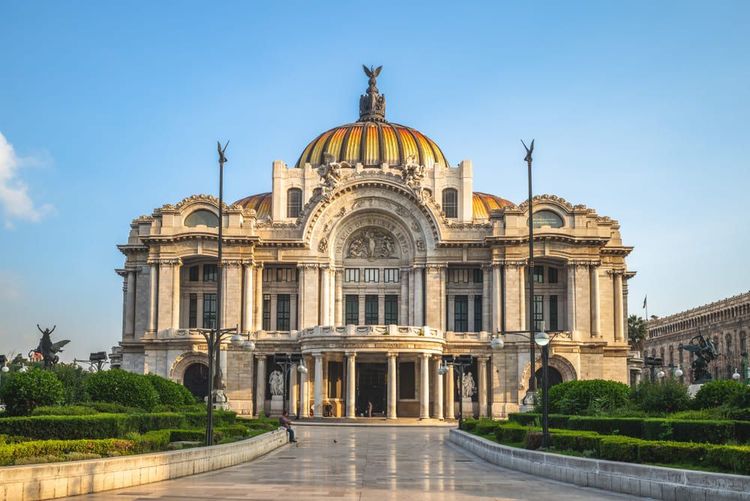
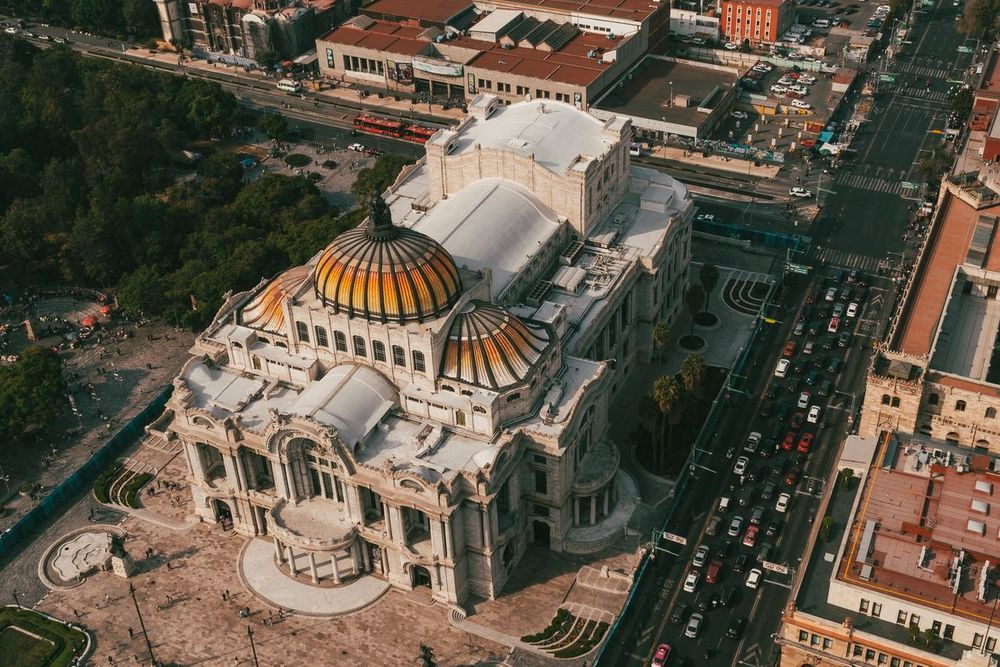
Thirty years of work went into raising this masterpiece of white Italian marble, Art Nouveau outside and Art Deco within, begun in 1904 for the centenary of independence. Its walls hold monumental murals by Diego Rivera, Tamayo and Siqueiros, while its grand hall once welcomed soprano Maria Callas and painter Frida Kahlo, whose body lay in state here. It also houses the Palace of Fine Arts Museum and the National Architecture Museum.
Free to see from outside
14 - Alameda Central
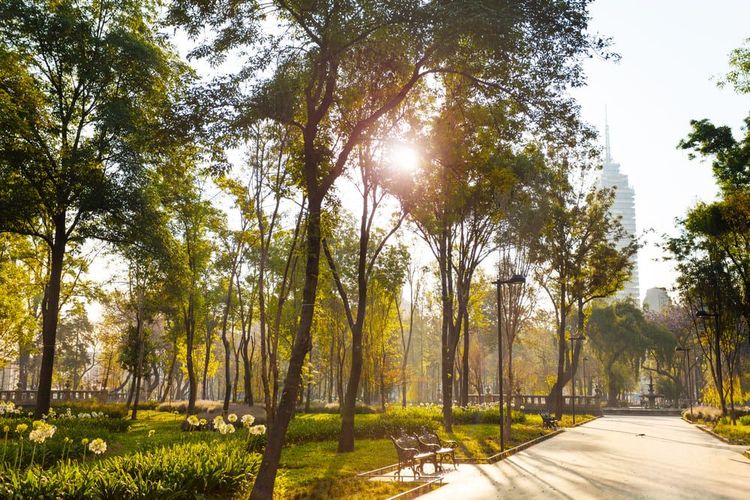
The oldest park in the Americas was laid out in the 16th century by viceroy Luis de Velasco, keen to give residents a place to relax, on the site of an Aztec market that became a public square in 1592. Over the centuries fountains, rose gardens and sculptures were added beneath the shade of ash trees; the place also saw darker chapters, with past Inquisition executions. Today a favourite spot for a stroll, it links the Palace of Fine Arts to the museum of Diego Rivera's mural.
Free entry
15 - Hemiciclo a Juárez
Erected in 1910 on the orders of Porfirio Díaz, this neoclassical white marble monument, shaped as a semicircle, honours the memory of Benito Juárez. Mexico's first president of indigenous origin, he devoted his political life to fighting social discrimination and modernising the country after its long colonial legacy. At its centre stands his seated statue, holding the Constitution, flanked by two laurel-crowned allegorical figures, the homeland and the law. On the edge of the Alameda, this memorial is a favourite stop for strollers.
Free entry
16 - Diego Rivera Mural Museum

This museum was raised in 1986 for one reason alone: to protect a single, unique mural depicting a Sunday afternoon dream set in the Alameda Central, stretching over 15 metres. More than 150 figures from Mexican history cross paths here, from Hernán Cortés to Frida Kahlo, next to a young Rivera, shown as a boy, hand in hand with the Catrina. Originally painted for a nearby hotel, the mural was relocated after the 1985 earthquake, which led to this purpose-built home for it.
Paid entry
17 - Museum of Popular Art
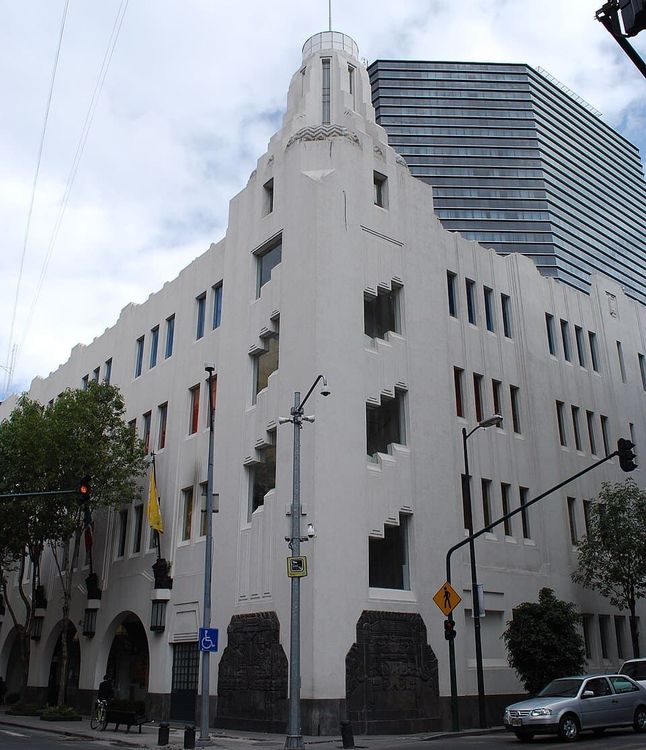
Inside a former Art Deco fire station, this museum, opened in 2006, gathers nearly 3,000 works devoted to the crafts of Mexico's peoples. Pottery, wood carvings and embroidered textiles sit alongside the famous alebrijes, colourful fantastical creatures, as well as trees of life made in ceramic, masks worn for festivals and items tied to the Day of the Dead. Created to champion skills such as basket-weaving, glassmaking and weaving, it offers a vivid picture of the country's identity and traditions.
Paid entry
18 - Latin American Tower
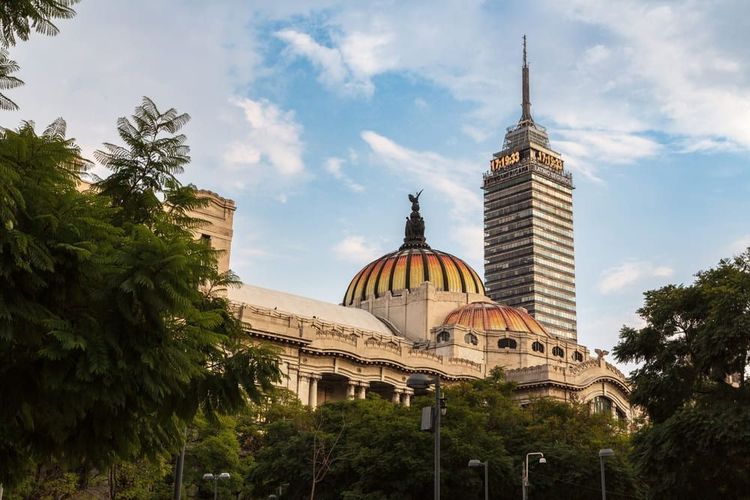
Completed in 1956, this tower was the tallest in the country until the Torre WTC overtook it in 1984. Its real fame rests on a feat of engineering: the first tower ever built on a seismic zone, it stands on deep pile foundations and a flexible steel frame, which let it survive the 1985 earthquake, magnitude 8.1, without damage. Standing 183 metres tall across 44 floors, it offers, from its observation deck, a superb view over the city and surrounding mountains.
Paid entry · Best late in the day
19 - Church of San Francisco
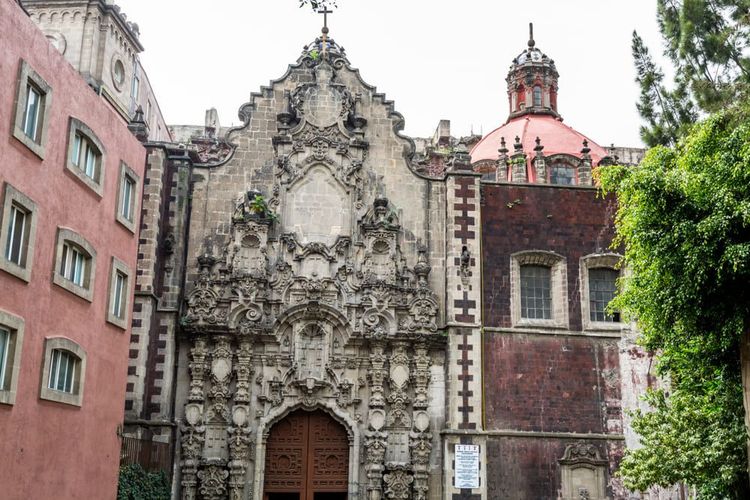
Dating in its current form from the 18th century, this church is the only trace of a convent once among the largest in New Spain, where the first twelve friars settled in the 16th century to evangelise the population. Rebuilt several times because of Mexico City's unstable ground, its richly carved facade is debated by specialists as either baroque or rococo. The faithful gathered here in 1821 to mark the end of the independence conflict, two centuries after Hernán Cortés's funeral mass was held within these walls.
Free entry
20 - Casa de los Azulejos
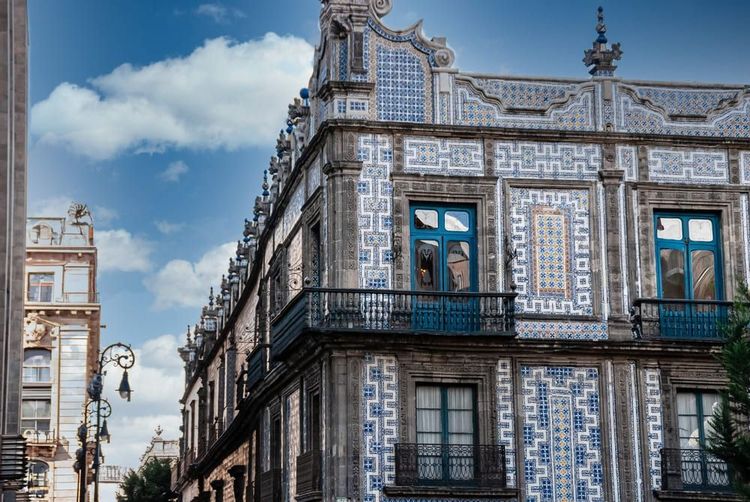
Impossible to miss, this palace is entirely covered in blue and white glazed tiles, built in 1737 and once named the Blue Palace. Home to the Counts of the Valley of Orizaba, it owes its construction, so the story goes, to a father's dare to his wayward son, challenged to prove he could build a house covered in azulejos. Myth or truth, the result still turns heads: an arcaded courtyard, wrought-iron balconies, and, upstairs, a mural by José Clemente Orozco, above a well-known café-restaurant.
Free entry
21 - Calle Francisco I. Madero
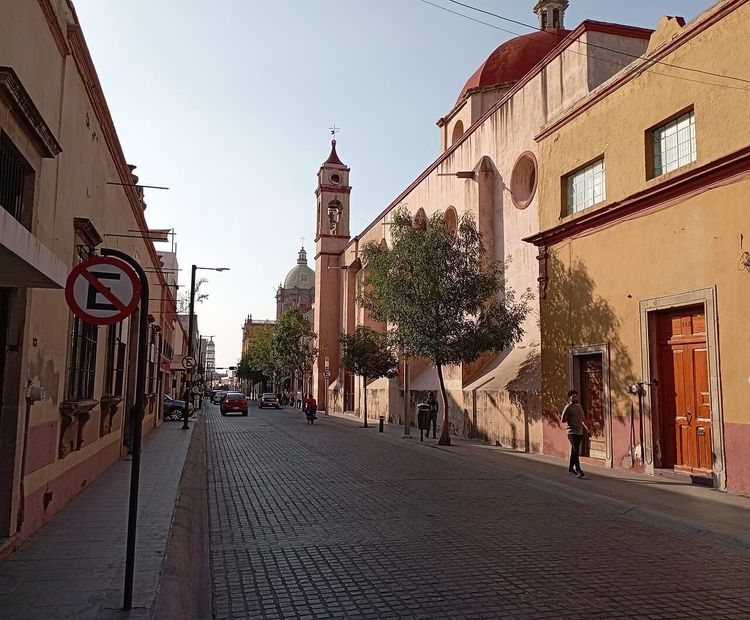
Entirely pedestrian, this street connects the Zócalo with the Alameda Central district, bearing the name of Francisco Madero, a central figure of the revolution that broke out on November 20, 1910. His uprising ended thirty-five years of personal rule by Porfirio Díaz, who had come to power in 1876 after rebelling against his own predecessor; Madero, for his part, called for honest elections. Lined today with cafés, the street passes splendid colonial palaces, including the Casa de los Azulejos.
Free entry
22 - Mexican flavours

No visit to Mexico City is complete without tasting its cuisine, listed by Unesco as intangible cultural heritage. Heir to pre-Hispanic traditions built on maize, beans, chilli, avocado and tomato, as well as Spanish contributions like rice and olive oil, it takes the form of tacos, quesadillas, enchiladas and burritos. Guacamole, a mashed avocado dip spiked with lime, and mole, a complex sauce sometimes enriched with cocoa, rank among its essentials, best enjoyed in markets and street stalls.
What to do in Mexico City in 2 or 3 days?
This 6.5 km loop of 22 sights covers the essentials of the historic centre, from the Zócalo to the Alameda. With 2 or 3 days in town, Mexico City also rewards exploring further, neighbourhood by neighbourhood and out into the surrounding valley.
The next day, the pyramids of Teotihuacan wait 48 km from downtown, while the canals of Xochimilco have been punted for 700 years between floating gardens called chinampas. Coyoacán is worth a stop too, where the kitchen in which Frida Kahlo once cooked mole negro can still be visited, as can Roma Norte, rebuilt after the 1985 earthquake into one of the region's liveliest creative quarters: all of this is covered in our favourite things to see and do around Mexico City.
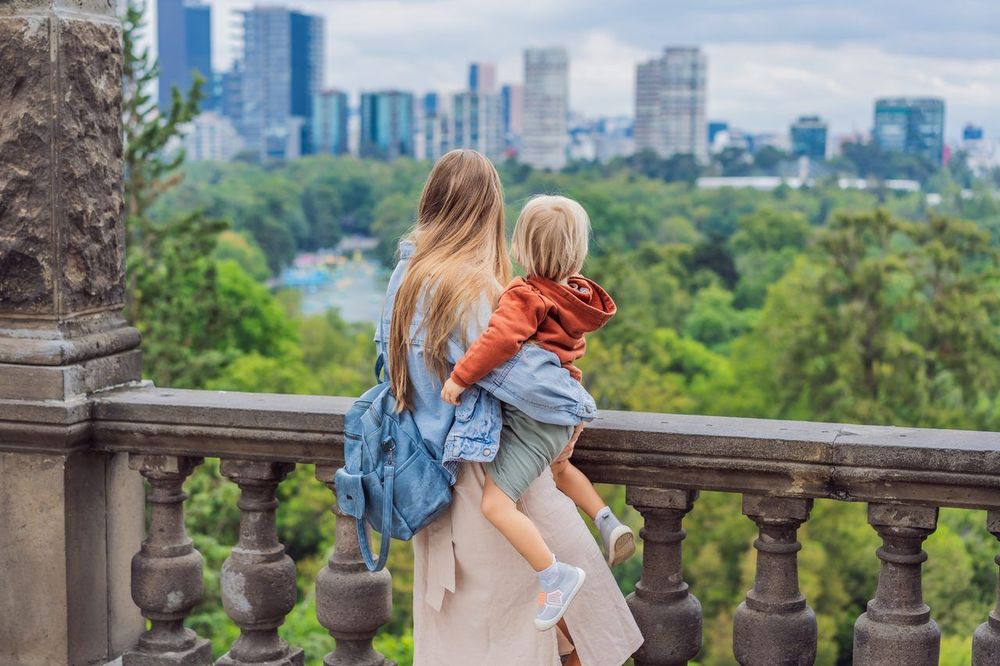
The third day suits Chapultepec, the capital's great park, whose Nahuatl name means hill of the grasshopper: a family outing around a free zoo, or a stroll together up to the castle where Emperor Maximilian would gaze at the sun going down across the valley. Our guide to Mexico City with kids and our guide to romantic things to do in Mexico City each cover their own way of enjoying it.
Which neighbourhoods does the tour cross?
Looped, the route links the great districts of the historic centre, from the Aztec and colonial Zócalo to the shopping streets ringing the Alameda.
It starts at Constitution Plaza, lined by the Metropolitan Cathedral and the National Palace, then stops at the Aztec remains of the Templo Mayor, right next door (stops 1 to 4).
Heading north, the former College of San Ildefonso and Santo Domingo Square keep the neighbourhood's colonial and Aztec memory alive, before reaching the City Theater Esperanza Iris, the Donceles Legislative Palace and Garibaldi Plaza with its mariachis (stops 5 to 10).
The last stretch runs along the Palace of Fine Arts and the Alameda Central, climbs up to the Diego Rivera Mural Museum, then comes back down past the Latin American Tower and Calle Francisco I. Madero to return to the Zócalo (stops 11 to 22).
What to see in Mexico City in 2 hours?
If time is short, focus on the Zócalo and its immediate surroundings: stops 1 to 5 follow one another over barely a few hundred metres.
Start at Constitution Plaza, lined by the city's grandest monuments, step into the Metropolitan Cathedral, then head to the National Palace and the Aztec remains of the Templo Mayor, right next door. Finish at the College of San Ildefonso, the birthplace of Mexican muralism in the 20th century.
How much does it cost to visit Mexico City?
Fourteen of the 22 stops can be seen without a ticket, between free entry and façades admired simply from the street; the rest charge admission, for example:
- the Templo Mayor archaeological site and its museum, 100 pesos;
- the former College of San Ildefonso and its murals, 50 pesos;
- the National Art Museum, 95 pesos.
The Latin American Tower, the Museum of Tequila and Mezcal, the Diego Rivera Mural Museum and the Museum of Popular Art also charge admission, with no public rate listed; it is worth checking on the spot.
Information checked in October 2026 and subject to change.
Where to stop for a bite along the tour?
The route passes several spots to taste local food, from the cantinas around Garibaldi Plaza to the covered markets of the historic centre.
Around Garibaldi Plaza, the cantinas that line it happily pour a shot of tequila, the national drink sold under more than 500 different brands. Tacos, chilaquiles, tamales or churros taste best where locals themselves queue up, a sign of freshness; our top 10 culinary specialties of Mexico covers plenty more.
What to do in Mexico City with children?
Beyond the historic centre, families can easily fill a whole day, starting with Chapultepec Park.
Spanning 686 hectares, almost twice the size of Central Park, Chapultepec has a free zoo where the last giant panda surviving in Latin America lives, alongside a lake for paddling in brightly painted boats and a lucha libre ring where even the youngest can heckle the masked villain without anyone minding. It is worth planning around the Monday closure, which catches out nearly every first-time visitor; our guide to Mexico City with kids covers this and plenty more.
What should you know before visiting Mexico City?
At over 2,240 metres above sea level, it is worth allowing time to adjust on arrival, and favouring February to May or October to December, since July and August bring the most rain.
The Zócalo and its immediate surroundings can be visited without much concern, but French authorities advise against wandering into the neighbourhoods to the north and north-east, such as Tepito or La Lagunilla, without good reason, and recommend staying alert to pickpockets, especially in the evening around Garibaldi Plaza. It is also worth taking the metro or Metrobús rather than lingering in streets with little public transport.
Inside, access to the murals at the National Palace depends on conditions at the time and can vary from one day to the next, much like the opening hours of the cathedral and the other places of worship on the route, best respected during services.
What to see around Mexico City?
Mexico City pairs well with a trip into the surrounding region, starting with a town whose colonial heritage runs just as deep.
108 km away, Puebla, nicknamed the City of Angels, unfolds a UNESCO-listed historic centre, with colourful façades, renowned cuisine and pre-Hispanic influences still visible; it too has its own audio-guided tour.
Le plein d'inspirations
Explorez le monde en totale liberté, à pied au cœur des villes ou au fil des routes. Nos guides audios transforment chaque destination en une découverte culturelle immersive et unique.









FAQ for visiting Mexico City
When is the best time to visit Mexico City?
Mexico City enjoys a pleasant climate all year round, but certain periods are especially well suited to exploring. The months from February to May and from October to December offer ideal conditions, with mild temperatures and little rainfall. April and May are the warmest, with temperatures generally hovering around 29°C, while October to December remains very pleasant at around 24°C. If possible, avoid June to September, a more humid period with frequent rain, particularly in July and August. The coolest months are November, December and January, but temperatures stay mild. This favourable weather almost all year round makes Mexico City a destination you can enjoy in any season.
How many days do you need to visit Mexico City?
For a first visit to Mexico City, ideally plan for three to five days. This will give you time to explore the historic centre and its Aztec and colonial treasures at a relaxed pace, wander through the city's iconic neighbourhoods and soak up the unique atmosphere of this metropolis. Two days are enough to see the must-sees of the centre, but with a few extra days you can visit the major museums, discover the colourful markets and perhaps take an excursion to the pyramids of Teotihuacan. A week would offer a more complete immersion, with time to explore less touristy neighbourhoods and truly savour the Mexican pace of life. The Ryo audioguide is there to help you make the most of your time with a well-designed tour of the historic centre.
How do you get around Mexico City?
Mexico City has a very well-developed and affordable public transport network. The metro is the fastest and most convenient way to cover long distances, with its twelve lines serving most of the tourist sites. Buses and the Metrobús round out the network effectively. For more comfort, Uber taxis are widespread and affordable, and are preferable to street taxis for reasons of safety and fare transparency. The historic centre is best explored on foot to fully appreciate its architecture and atmosphere. The Ecobici bike-sharing scheme is a pleasant option for short distances in the areas set up for cycling. Avoid renting a car, as traffic is generally heavy and chaotic.
Which neighbourhoods in Mexico City are not to be missed?
The Historic Centre remains the beating heart of Mexico City, with the majestic Zócalo, the ruins of the Templo Mayor and the monumental cathedral. Coyoacán will charm you with its bohemian character, its cobbled lanes and Frida Kahlo's Casa Azul. Roma and Condesa draw visitors with their Art Deco architecture, their trendy cafés and their vibrant cultural life. Polanco represents modern, chic Mexico City, with its luxury boutiques and gourmet restaurants. Xochimilco offers a unique experience with its canals and colourful trajineras, remnants of the former Aztec lake city. San Ángel delights Saturday visitors with its craft market in a beautifully preserved colonial setting. The Ryo audioguide leads you through the treasures of the historic centre for an in-depth discovery.
Is Mexico City safe for tourists?
Mexico City is generally safe for tourists who take reasonable precautions. Tourist areas such as the Historic Centre, Roma, Condesa and Polanco are well patrolled and busy. Adopt the usual big-city habits: avoid flashing valuables, favour official transport or Uber over street taxis, and stay alert in crowds. At night, it is best to travel by taxi in neighbourhoods you don't know. Mexicans are generally welcoming and helpful towards visitors. Keep your important documents safe and always carry a copy of your passport. As everywhere, trust your instincts and don't hesitate to ask your accommodation for advice on areas to avoid.
What typical food can you eat in Mexico City?
Mexico City's cuisine is a festival of flavours that will delight your taste buds. The essential tacos al pastor, with their marinated meat and grilled pineapple, are best enjoyed at street taquerías. Try tamales, those corn-husk parcels filled with savoury fillings, sold from early morning. Quesadillas, tortas and tlacoyos are part of everyday Mexican life. Don't miss pozole, a traditional soup perfect for cooler days, or mole, that complex sauce made with countless spices. For breakfast, chilaquiles will give you the energy you need to explore the city. The markets are brimming with exotic fruit and refreshing aguas frescas. Be bold and try the chapulines (grilled grasshoppers) for an authentic experience. Street food is everywhere, delicious and generally safe at the popular, busy stalls.
Which Aztec remains can you see in Mexico City?
The capital was built on top of Mexico-Tenochtitlan, and the Aztec city still surfaces here and there. The Templo Mayor, uncovered a few steps from the Zócalo, reveals successive layers of pyramids and displays, in its museum, ritual offerings as well as the great disc of the goddess Coyolxauhqui. Not far away, the Plaza of the Three Cultures in Tlatelolco brings together a pre-Hispanic platform, a colonial church and modern housing blocks. The National Museum of Anthropology holds the famous Sun Stone and the major pieces of the Mexica civilisation. The Ryo audio guide offers a dedicated Mexico City route linking these remains to the colonial fabric.
Which museums should you visit in Mexico City?
Mexico City is one of the richest cities in the world for museums. The National Museum of Anthropology, set in Chapultepec Park, remains the essential visit for understanding pre-Hispanic civilisations, and it easily fills half a day. In Coyoacán, the blue house where Frida Kahlo lived draws large crowds, so it is better to arrive early. Lovers of modern art will enjoy the Tamayo Museum and the Soumaya Museum, recognisable by its metallic façade, while the Museum of Popular Art showcases crafts from the different states. Many public institutions open free of charge one day a week, which explains the crowds then.
How do you adjust to Mexico City's altitude?
The city lies at more than two thousand metres above sea level, in a basin ringed by volcanoes, and your body often notices it in the first few hours: breathlessness on a flight of stairs, restless sleep, mild headaches. The remedy is simple. Plan a quiet first day, drink plenty of water, keep evening meals light and go easy on alcohol until you have adjusted. The sun is strong at this altitude even when temperatures stay mild, so a hat and good sun protection are far from pointless. Most visitors feel completely comfortable after a day or two.
Which traditional festivals can you experience in Mexico City?
The Mexican calendar is punctuated by spectacular celebrations. The best known is the Day of the Dead, in early November, when flower-covered altars fill the squares, cemeteries glow with candles and a large costumed parade crosses the centre. In mid-September, on the eve of the national holiday, crowds gather on the Zócalo for the cry of independence given from the balcony of the National Palace, followed by fireworks. In December, pilgrimages to the Basilica of Guadalupe draw the faithful from all over the country. Neighbourhood fiestas add to all this, with music, traditional dancing and food stalls.
Which Mexican dishes and treats, from chilaquiles to tres leches, should you taste in Mexico City?
In Mexico City, breakfast, the most festive meal, runs from about 8am to 1pm, lunch from 2pm to 4.30pm and dinner around 9pm. On the menu: tacos, chilaquiles, fried tortilla pieces with toppings, enchiladas, tamales made with corn dough, one of the country's oldest dishes, ceviche and the sole-shaped huarache.
For something sweet, try churros from street stalls and tres leches, a cake soaked in three kinds of milk. Street vendors press exotic fruit juices, and tequila, the national drink, comes in more than 500 brands.
See the full ranking in our top 10 food specialities of Mexico City.
What are the best things to do in Mexico City, from the Zócalo to the pyramids of Teotihuacan?
Start at the Zócalo, one of the largest squares in the world, where the flag is raised every morning at 6am. The National Palace, free with ID, houses Diego Rivera's murals, and the Templo Mayor, unearthed in 1978, reveals the heart of Tenochtitlan.
An hour away by bus, Teotihuacan lines up the Avenue of the Dead and the 63-metre Pyramid of the Sun, open from 9am to 5pm. Round things off with a trajinera ride in Xochimilco, a wander through Coyoacán, the Museo de Arte Popular and the Ciudadela market.
Take your pick with our top 6 activities in Mexico City and our list of the 25 best things to do in Mexico City.
What can you do in Mexico City with kids?
Chapultepec Park, 686 hectares, can fill a whole day: a free zoo opened in 1923, home to Xin Xin, the last giant panda in Latin America, a hilltop castle and rowing boats for hire on the lake. Note that the zoo, the castle and most museums close on Mondays.
In Xochimilco, choose a weekday morning for a trajinera ride, priced per boat rather than per person; bring your own life jacket for a child under three. Coyoacán and Frida Kahlo's Casa Azul are about twenty minutes away by car, and kids will love a lucha libre wrestling match.
Find all 16 ideas in our guide to Mexico City with kids.
How do I travel solo in Mexico City: where to stay, how to get around and what precautions to take?
Traveling solo in Mexico City is very doable with a few simple precautions. Roma Norte, Condesa and Polanco are the three neighborhoods most popular with solo travelers, while Centro Histórico is a cheaper option that gets quieter in the evening. To get around, Uber, DiDi and Cabify are handy after dark, and the metro costs just 5 pesos.
Take it easy on your first day because of the altitude (2,240 m), then spend a day on foot around the Zócalo, the Templo Mayor and the Palacio de Bellas Artes.
Find all our tips for traveling solo in Mexico City in our guide.
Vos commentaires, idées et suggestions
Aucun avis pour le moment