© Shutterstock
 Votre guide Ryo
13 Romantic Things to Do in Mexico City: A Couple's Guide for 2026
At 2,240 meters above sea level, Mexico City runs on a rhythm most first-time visitors don't expect: mariachi drifting across a plaza at midnight, candlelight flickering in century-old cantinas, couples slow-dancing danzón under a Moorish kiosk built for a World's Fair. Romantic things to do in Mexico City rarely look like a postcard; they look like this, unscripted and a little chaotic in the best way. Ryo's audio-guided tour of Mexico City traces many of these same streets, narrating centuries of history through your headphones as you walk hand in hand from one neighborhood to the next.
This guide gathers thirteen ways to fall for the city together in 2026, and a few of them will surprise you. Wrestlers in silver masks headlining a Friday-night ringside date. A floating garden dating back to the Aztec empire, still cruised by flower-painted barges. A castle on a hill where Mexico's only emperor once watched the sun set over the valley. A Moorish pavilion built for a 19th-century World's Fair, where strangers still offer slow-dance lessons every Sunday. Grab a partner and comfortable shoes: the rest is below.
1. A Golden Afternoon at Chapultepec Park and Castle
Chapultepec Park unfurls across more than 1,600 acres at the western edge of the city, and it takes its name from the Nahuatl for 'hill of the grasshopper.' Locals treat it the way Parisians treat the Bois de Boulogne: a shared backyard, a weekend escape valve, the obvious place to meet someone you like on a Sunday afternoon. Near the park's main gate, six marble columns known as the Monumento a los Niños Héroes commemorate the young cadets who defended the castle against invading American troops in 1847, a somber note worth a slow pass before the day turns lighter. Start early, before the picnic crowds arrive, and let the walk unfold in stages.
Chapultepec Castle's hilltop views
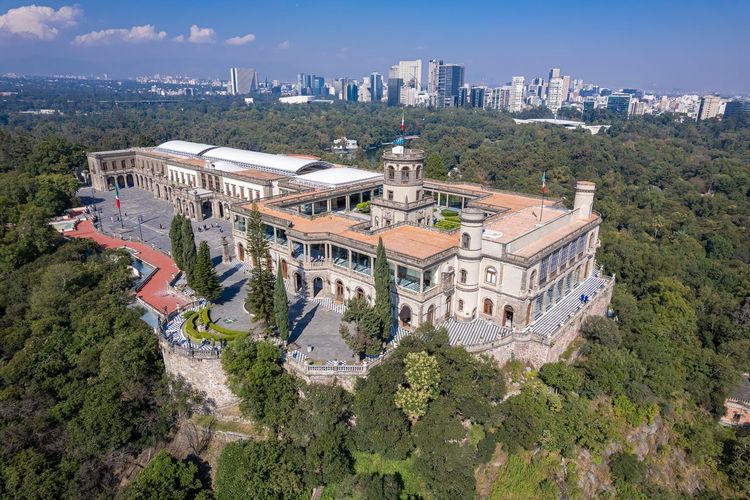
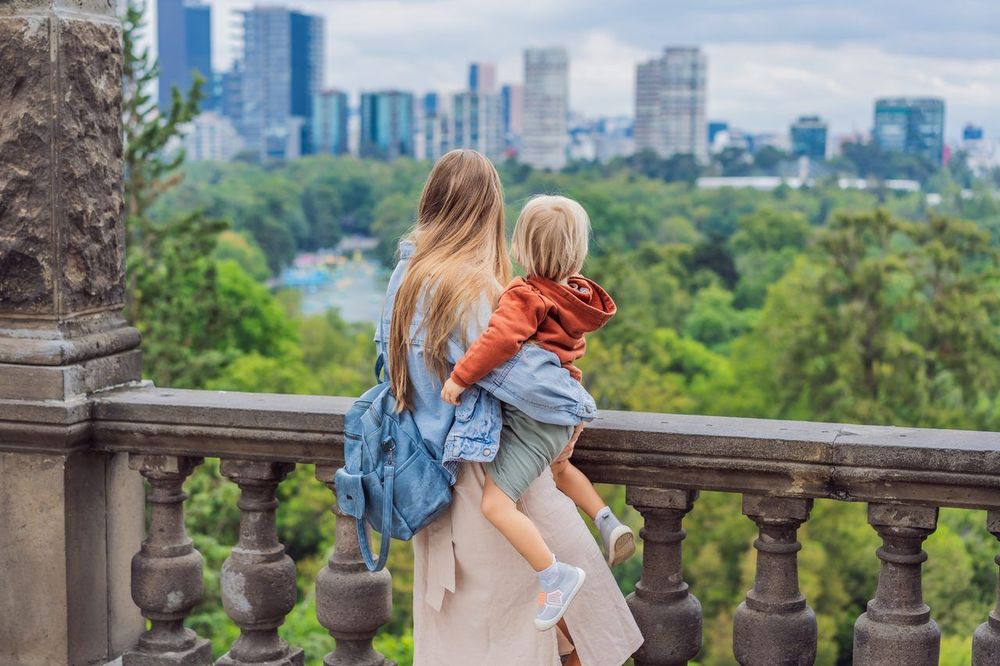
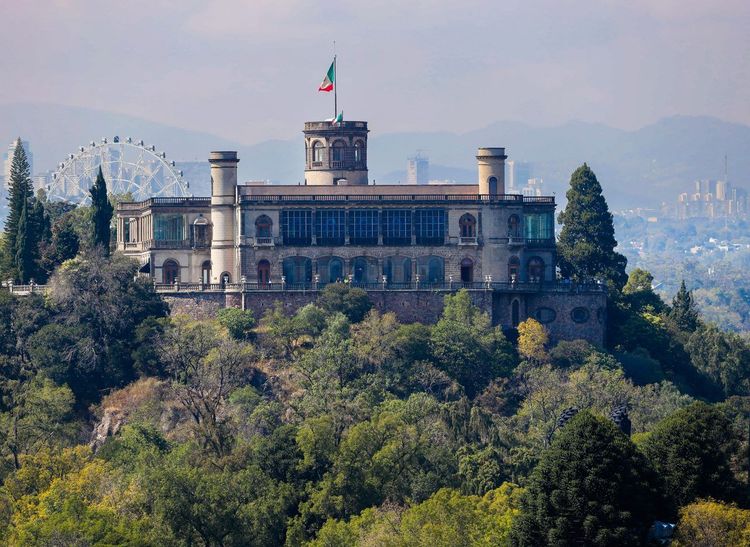
At the summit sits Chapultepec Castle), often described as the only royal castle in North America ever inhabited by a sovereign. Emperor Maximilian I and Empress Carlota lived here in the 1860s, and you can still walk through their gilded reception rooms and the empress's private apartments. The castle later served as the presidential residence for roughly five decades, until President Lázaro Cárdenas decreed its conversion into a public museum in 1939, opening those same imperial rooms to anyone willing to climb the hill. The terrace out back is the real draw for couples: a stone balustrade framing the entire Paseo de la Reforma skyline, best held for late afternoon when the light turns amber over the towers.
On weekends, arrive before noon: the line for the little road train up the hill can stretch past 40 minutes by 1pm. Inside, the Museo Nacional de Historia occupies the same rooms, so the castle visit and a slice of Mexican history come as one ticket.
Stargazing at the Chapultepec Observatory
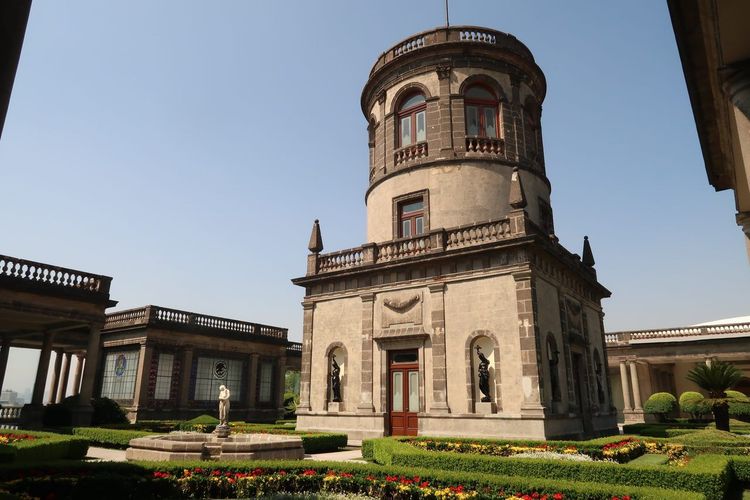
Few visitors know that the castle once doubled as a scientific lookout: in the late 19th century the national astronomical observatory was set up on this very hilltop, before city lights and smog pushed astronomers out of town. You won't see the Milky Way from here today, but the terrace still gives you the city's lights spreading across the valley as the sky darkens, and the Moon and bright planets hold their own over the skyline on clear dry-season evenings, roughly November through April. Check the museum's closing time before you plan a dusk visit, and keep an eye on the park's cultural listings: occasional astronomy nights and telescope sessions pop up around Chapultepec, and catching one together is a small, unplanned kind of romance.
A quiet paddleboat ride on the lake
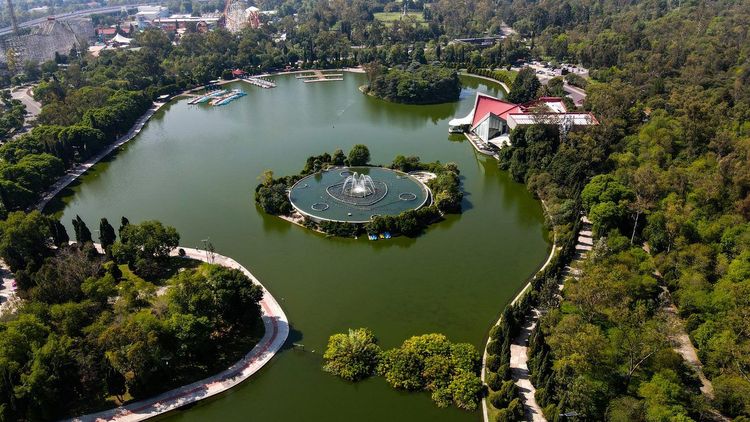
Back down at ground level, Lago de Chapultepec (Bosque de Chapultepec 1a Secc, 11100 Ciudad de México, rated 4.5/5 on Google (1 165 avis)) rents pedal boats and rowboats by the hour for a modest fee, and this is the one activity in the park that almost nobody skips, for good reason. The lakeside promenade has drawn Sunday boaters for generations, and the Casa del Lago cultural center on its shore keeps a little of that old-fashioned air.
Paddling out past the willows with the castle rising behind you is unhurried in a way the rest of the city rarely allows. Go on a weekday morning if you want the lake close to yourselves; Saturday and Sunday afternoons draw families in numbers.
Ryo's audio-guided walk through Mexico City winds directly through Chapultepec Park, with narrated stops that trace the castle's imperial history as you climb toward the viewpoint, so you can let the story play in your ears instead of squinting at a placard.
2. Glide Through the Floating Gardens of Xochimilco

Long before the Spanish arrived, the people of the valley grew their food on Xochimilco's chinampas, artificial islands built from reeds and lake mud that still support market gardens today. The canal network, listed by UNESCO alongside the Historic Center in 1987, lies about 17 miles (28 km) south of downtown, and on weekends it becomes one of the loudest, most colorful dates in the city.
Hire a trajinera at the Embarcadero Nuevo Nativitas (Guadalupe I. Ramirez s/n, Nativitas, 16050 Ciudad de México, rated 4.4/5 on Google (16 436 avis)), one of several official docks along the canals, and pay per boat and per hour rather than per person; official rates run to several hundred pesos an hour regardless of how many friends pile in, so confirm the price posted at the dock before boarding. Nativitas is the busiest; ask about Cuemanco if you want fewer souvenir vendors and more actual quiet.
Once you're on the water, other trajineras pull alongside selling elote, micheladas, and quesadillas straight off charcoal grills balanced on their own boats; a mariachi band might flag you down for a song. It's touristy, unapologetically so, and that's part of the appeal: nobody is pretending to be discreet about romance here. For a genuinely quiet version, arrive at opening time on a weekday, around 9am, before the party boats and their speaker stacks take over the main channel. The light on the water is softer then too, and herons still work the reed banks the way they have for centuries.
A late-afternoon ride layers in another kind of beauty: the low light catching the painted arches of the boats, vendors switching from cold beer to hot atole and tamales as the temperature drops. Bring a light jacket, and check the dock's last departure time, since most boats head back before dark. Drifting home as the canals turn gold is when Xochimilco earns its place among the more memorable romantic things to do in Mexico City that don't require a reservation months in advance.
3. Wander the Cobblestones of Coyoacán
Coyoacán kept its village identity even as the city swallowed everything around it. Colonial facades, jacaranda-lined plazas, and a weekend crafts market that spills out from the main square make it the neighborhood locals send visiting couples to on a free afternoon, no itinerary required beyond getting a little lost.
The blue walls of the Frida Kahlo Museum
Casa Azul, the cobalt house where Frida Kahlo was born, lived, and died, now operates as the Frida Kahlo Museum). Her studio still holds her easel and the wheelchair she painted from in her final years; the courtyard garden, thick with cacti and pre-Hispanic sculpture displayed on a small pyramid Diego Rivera had built, feels like a private world.
Timed tickets sell out days ahead online, sometimes weeks during high season, so book before you land rather than hoping to walk up. Photography inside the house requires an extra permit and isn't allowed in every room; check current rules at the door. Give the visit at least ninety minutes: rushing Casa Azul defeats the point of it.
Plazas, cafés and the weekend market
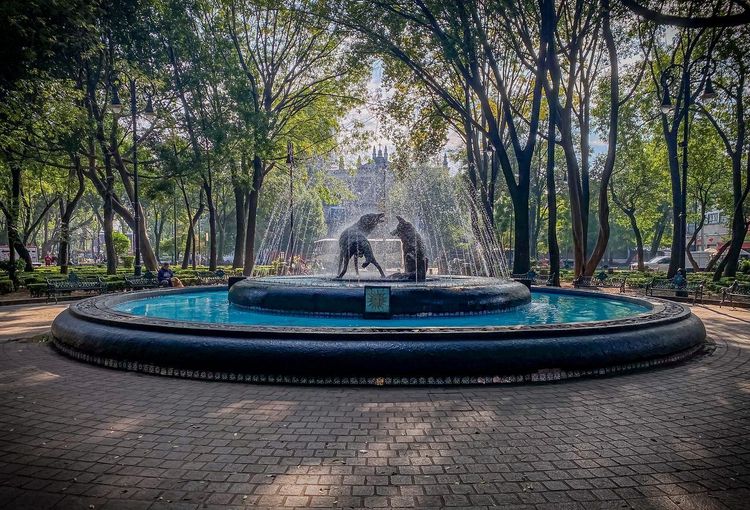
A short walk delivers you to the twin plazas at Coyoacán's heart, Jardín Centenario (Centro, Coyoacán, 04000 Ciudad de México, rated 4.6/5 on Google (17 024 avis)) and Jardín Hidalgo, shaded by old trees and ringed with churro stands and ice-cream carts.
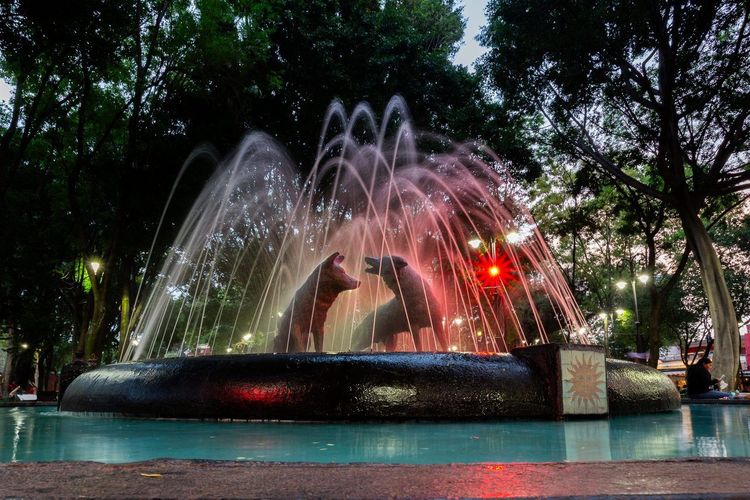
On weekends the surrounding streets fill with craft stalls and the Bazar de Coyoacán, where you'll find everything from silver jewelry to hand-embroidered blouses, and street performers gather a crowd near the coyote fountain by early evening. Split a plate of tostadas at the Mercado de Coyoacán, then walk it off along Francisco Sosa, a cobblestone street lined with colonial houses that many locals call the most beautiful in the city. Saturdays and Sundays are when the market and the plazas both peak, which also means Coyoacán is at its most crowded, so arrive by mid-morning if you'd rather browse than shuffle.
Ryo's audio-guided tour of Mexico City also has a chapter here, and it's hard not to pause it mid-story and retell each other the tale of Frida and Diego's famously turbulent marriage while standing a few blocks from the house where it all played out.
4. A Sunset Walk Through the Historic Center
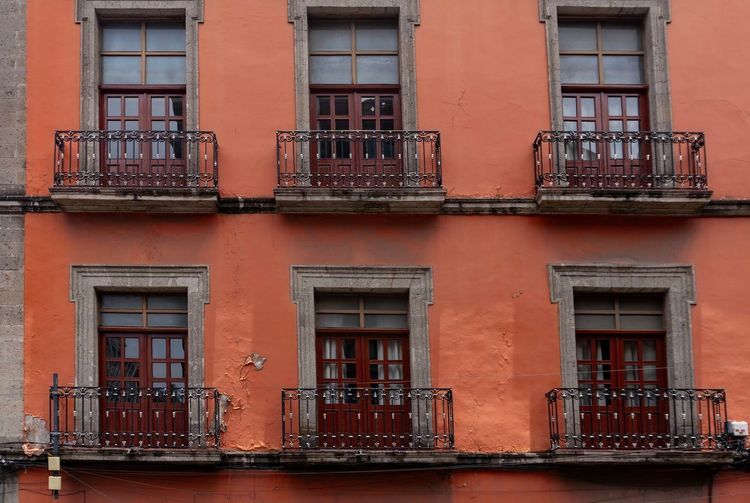
Mexico City's Centro Histórico was built directly on top of Tenochtitlan, the Aztec capital the Spanish conquered in 1521, and the layering of empires is still visible if you know where to look. Time this walk for the two hours before sunset, when the plaza empties of office workers and the stone facades turn the color of the light.
The Zócalo and the Metropolitan Cathedral at dusk
The Zócalo), officially the Plaza de la Constitución, ranks among the largest public squares on earth, and in the early evening the enormous Mexican flag at its center gets lowered by a military detail in a small ceremony worth timing your walk around.
On one side rises the Catedral Metropolitana), built over roughly 240 years starting in 1573, its heavy stone frame visibly settling into the old lakebed beneath the city.
Step inside in the early evening and you'll often have entire side chapels to yourselves, gilded altarpieces glowing in the low light. Entry to the nave is free.
Ancient ruins at the Templo Mayor
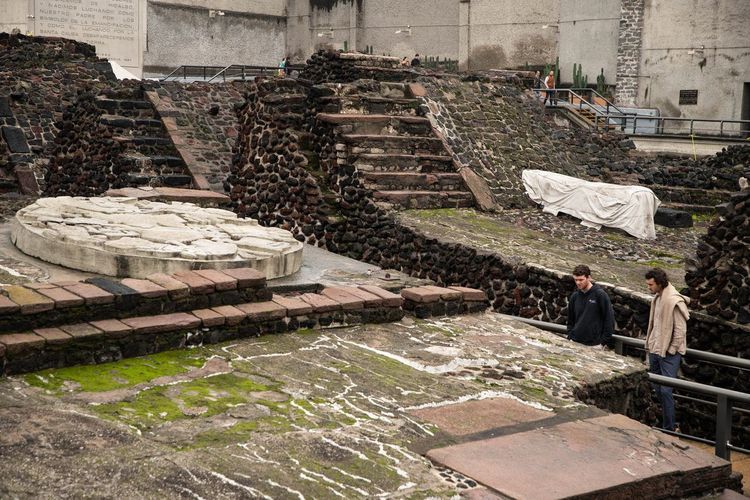
Just northeast of the cathedral, below the level of the modern street, sit the ruins of the Templo Mayor), the main temple of the Aztec capital, rediscovered by accident in 1978 when electrical workers hit a huge carved stone disc of the moon goddess Coyolxauhqui.
Much of the sacred precinct still lies beneath the surrounding colonial blocks, which is why new finds under downtown streets still make local news every few years. The site closes at 5pm and on Mondays, earlier than the rest of this walk, so visit it first and loop back toward the plaza afterward. Standing at the base of a temple older than the cathedral looming over it puts the whole city's history in a single glance.
Sunset views from the Palacio de Bellas Artes
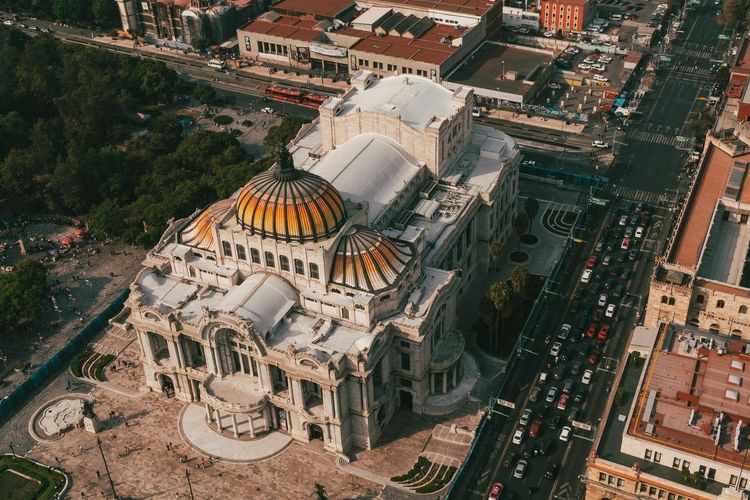
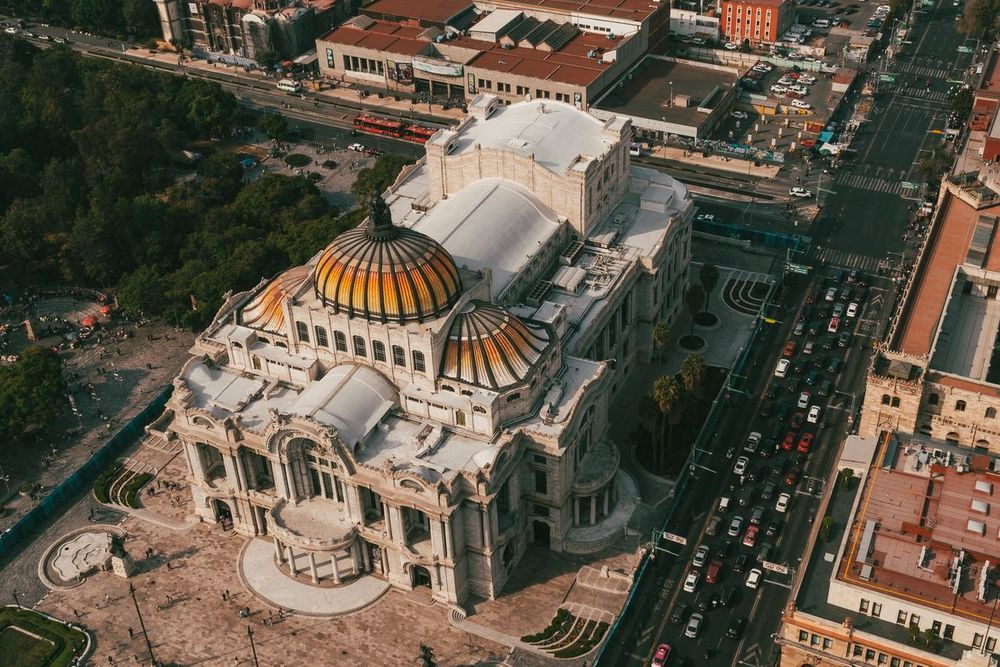
Finish at the Palacio de Bellas Artes (Av. Juárez S/N, Centro Histórico, 06050 Ciudad de México, rated 4.8/5 on Google (11 059 avis)), a marble concert hall with an Art Nouveau exterior and an Art Deco interior, home to a Tiffany glass curtain depicting the Valley of Mexico and its volcanoes.
Skip the ticket line if you're only after the view: the café terrace on the upper floor of the department store directly across the street sells an overpriced coffee for the privilege of an unobstructed sunset over the dome, and most couples agree it's worth the markup once.
Ryo's short audio-guided tour retracing the steps of the Aztecs covers this exact stretch, Zócalo, cathedral and Templo Mayor, with narrated stops you can pace so the last chapter lands right as the light over Bellas Artes turns gold.
5. Café Culture in La Condesa and Roma Norte
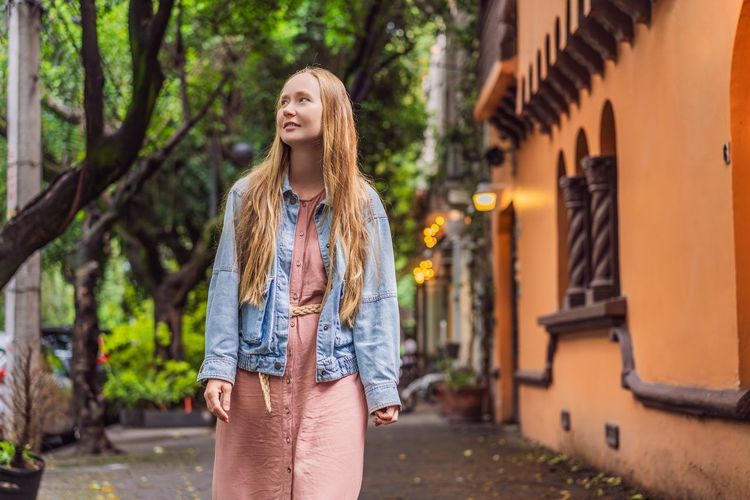
Condesa and Roma Norte sit side by side west of the historic center, and together they hold the highest concentration of good coffee, natural wine bars, and Art Deco balconies in the city. Neither neighborhood demands a plan; they reward wandering between one plaza and the next café that looks interesting.
Tree-lined Parque México and its art deco cafés
Parque México (Av. México, Hipódromo, Cuauhtémoc, 06100 Ciudad de México, rated 4.7/5 on Google (23 399 avis)) traces the oval outline of a former horse-racing track, its paths shaded by tall trees and, each spring, by violet jacaranda blossoms.
Ring the park and you'll pass a cluster of 1930s Art Deco apartment buildings, some of the best-preserved in Latin America, along with a rotating cast of café terraces perfect for splitting a coffee and a concha at a shaded table. Come at golden hour on a weekday, when dog walkers outnumber tourists and the open-air Foro Lindbergh at the park's center fills with dancers, skaters and kids. A few blocks away, Parque España makes a quieter second stop.
Murals and street art around La Juárez and Roma
A fifteen-minute walk northeast, Colonia Juárez has become one of the city's most concentrated open-air galleries, its side streets covered in large-scale murals painted over the last decade. Wander Calle Havre and Calle Dinamarca in particular, where new pieces appear often enough that a mural you photographed last year may already be painted over. Roma Norte's own streets, especially around Álvaro Obregón, carry a quieter version of the same scene: smaller stencil work and paste-ups mixed between the mezcalerías.
If you'd rather have a storyteller along, the Mexico City audio-guided tour also suits this slower rhythm: pick up a coffee, press play, and let the narration fill in the history of the city between two café stops, one where you're not racing sunset the way the Centro walk demands.
6. A Day Trip to the Pyramids of Teotihuacán
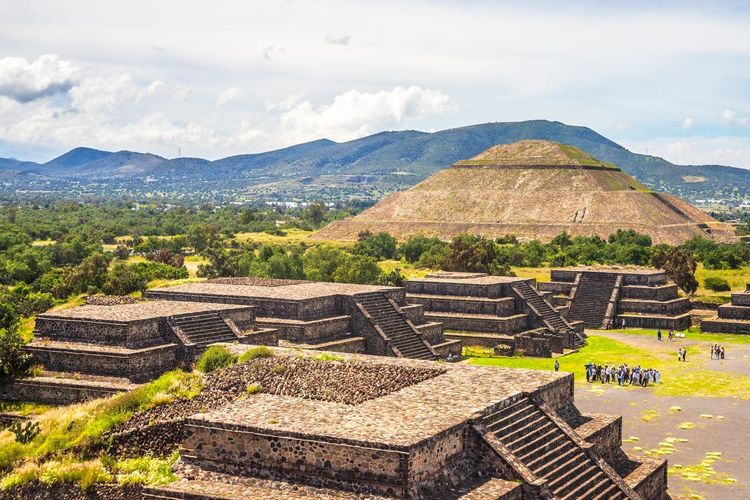
About 30 miles northeast of the city, the ancient metropolis of Teotihuacán once housed as many as 125,000 people, making it one of the largest cities on Earth around 400 CE, and nobody today is entirely sure which people built it. The site's two main structures, the Pyramid of the Sun and the smaller Pyramid of the Moon, anchor the Avenue of the Dead, a processional axis more than two kilometers long that you can walk end to end.
Public buses leave from the Terminal Central del Norte every 15 to 20 minutes and take about an hour each way, by far the cheapest option at roughly 55-60 pesos per person each way; private tours cost more but bundle transport with a guide and often a pulque or mezcal tasting on the way back. A guided tour with a sunrise balloon add-on can reach several thousand pesos per couple, still a fraction of similar experiences over Cappadocia. Whichever you choose, arrive by 9am. The Pyramid of the Sun offers no shade whatsoever, and Teotihuacán sits above 7,400 feet, so afternoon sun and altitude together make a slow walk feel harder than it should.
For a splurge that reliably wins over even skeptical partners, hot-air balloon flights lift off before dawn from fields just outside the ruins, drifting silently over both pyramids as the sun comes up. Book at least a week ahead in high season; flights get canceled on windy mornings, so build in a buffer day if the balloon is the whole point of the trip. Either way, budget the full day. Teotihuacán rewards unhurried couples far more than the two-hour version some tour buses try to sell.
7. Museums Worth Sharing as a Couple
Beyond Casa Azul, two very different museums round out a culture-heavy day, one ancient, one contemporary. Pick one per day: you'll enjoy both more if you don't stack them.
The National Museum of Anthropology
The Museo Nacional de Antropología) holds one of the world's finest collections of pre-Columbian artifacts, including the famous Aztec Sun Stone, unearthed beneath the Zócalo in 1790.
The building alone justifies a visit: its central courtyard is shaded by a vast concrete canopy, nicknamed el paraguas, resting on a single carved column wrapped in a curtain of falling water. Plan for at least two to three hours; the collection spreads across more than 20 halls on two floors, so agree in advance on which civilizations you most want to see together.
Contemporary art at the Museum of Contemporary Art
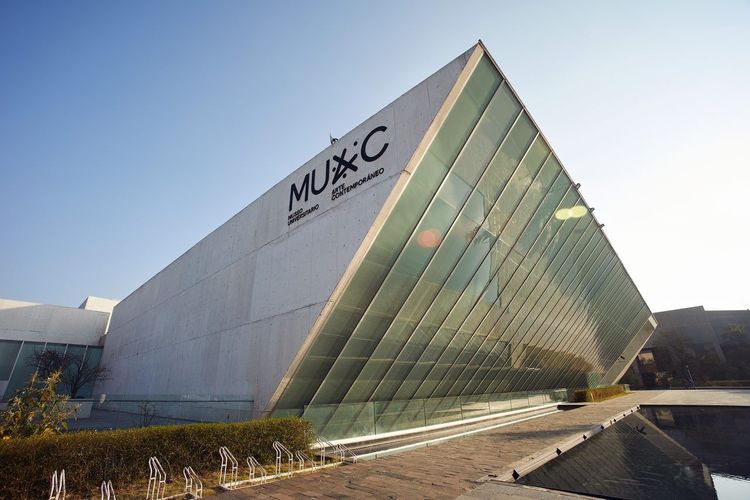
On the UNAM campus south of the center, the Museo Universitario Arte Contemporáneo (Insurgentes Sur 3000, Ciudad Universitaria, 04510 Ciudad de México, rated 4.7/5 on Google (16 476 avis)) trades pyramids for rotating exhibitions of Mexican and international contemporary art, housed in a glass-and-concrete building whose sharp angles feel deliberately at odds with the colonial architecture downtown.
Admission costs a fraction of what comparable museums charge abroad, with reductions for students, and weekend afternoons bring a lively campus crowd. Pair it with a walk around the university's UNESCO-listed central campus and its giant murals.
8. Dance Halls, Jazz Bars and a Lucha Libre Night

Mexico City's nightlife has a wider range than most first-timers expect, spanning ballroom dancing, smoky jazz clubs, and a wrestling arena that draws just as many date-night couples as diehard fans.
Danzón at Kiosco Morisco in Santa María la Ribera
On Sundays, the Kiosco Morisco), a Moorish-style pavilion first built for the 1884 World Cotton Centennial Exposition in New Orleans and later relocated here, becomes an open-air dance floor for danzón, salsa and cumbia, with neighborhood couples who have been practicing the slow, formal steps of danzón for decades.
Nobody minds beginners. Stand at the edge long enough and someone will likely offer to teach you the basic step right there on the pavement. There's no cover charge and no dress code beyond comfortable shoes, though the regulars do tend to show up looking sharper than the tourists.
Live jazz clubs for a slow evening

For something quieter, a small cluster of jazz clubs around Condesa, Roma and the Centro book live sets most weeknights, usually starting around 9pm with a modest cover charge. Look for venues that lean into intimate, low-lit rooms rather than large stages; the format suits a couple far better than a concert crowd does. Reserve a table if the act is well known, since the best rooms are small.
Ringside seats at a lucha libre match
Arena México (Dr. Lavista 189, Doctores, 06720 Ciudad de México, rated 4.7/5 on Google (29 086 avis)) hosts lucha libre shows on Tuesday, Friday and Sunday nights, and it's a far better date than the premise suggests: masked wrestlers, absurd theatrics, and a crowd that treats the whole thing as both sport and comedy.
Buy tickets in advance for seats closer to the ring, and take a ride-hailing car to and from the arena rather than walking the surrounding Doctores streets late at night. Don't skip the beer vendors who work the aisles all night. Mask-versus-mask bouts, where the loser unmasks in the ring, are the ones to look for on the schedule if you want the full spectacle.
9. Candlelit Dinners and Rooftop Cocktails
Reservations in the city's best dining rooms book out weeks ahead, and Mexico City's fine-dining scene now rivals anywhere in the hemisphere, with several restaurants that regularly land on global best-of lists. For a primer on what to order, Ryo's guide to Mexico's top culinary specialties is a good read before your first dinner.
Seafood and quiet elegance at Contramar and Parole
Contramar) built its reputation on two dishes: the tuna tostada, and a whole grilled fish split down the center, half red chile adobo and half green parsley sauce.
Lunch service moves fast and loud, and it's the main event here; book well ahead and aim for a later seating if you want a calmer table. Across town in Polanco, Parole) sets Italian cooking and seafood in a glassy winter-garden dining room facing Parque Lincoln, with live tenor and violin performances on some evenings, better suited to a slow two-hour dinner than a quick bite between sights. Expect dinner for two with wine to run into the low thousands of pesos at either address, comparable to a mid-range dinner in a major U.S. or European capital.
Skyline views at Balmori Roofbar and Ling Ling
Balmori Roofbar) sits on a leafy rooftop in Roma and pours mezcal-forward cocktails with the neighborhood's skyline as backdrop; arrive around 7pm to claim a table before the after-work crowd.
For something flashier, Ling Ling) pairs pan-Asian plates with 360-degree views from the 56th floor of the Chapultepec Uno tower, above the Ritz-Carlton on Paseo de la Reforma. Book a window table for sunset and you'll watch the whole valley light up beneath you.
Classic Mexican romance at El Cardenal and La Parroquia de Veracruz
Inside the Centro, El Cardenal) has served old-guard Mexican classics since 1969: thick hot chocolate and fresh-baked pan dulce for breakfast, mole and seasonal dishes for lunch, in a dining room that feels formal without being stiff.
Over in Roma, La Parroquia de Veracruz (Cozumel 7, Roma Norte, 06700 Ciudad de México, rated 3.5/5 on Google (366 avis)) brings Veracruz coffee-house tradition, café lechero poured high from two jugs, to a relaxed dining room that is at its best for a lazy breakfast of picadas and chilaquiles; it stays open until around 10pm.
Whichever table you land, book at least three days out for a Friday or Saturday, and confirm the same afternoon; several of these rooms release tables after a short grace period.
10. Polanco, San Ángel and the Pink Zone
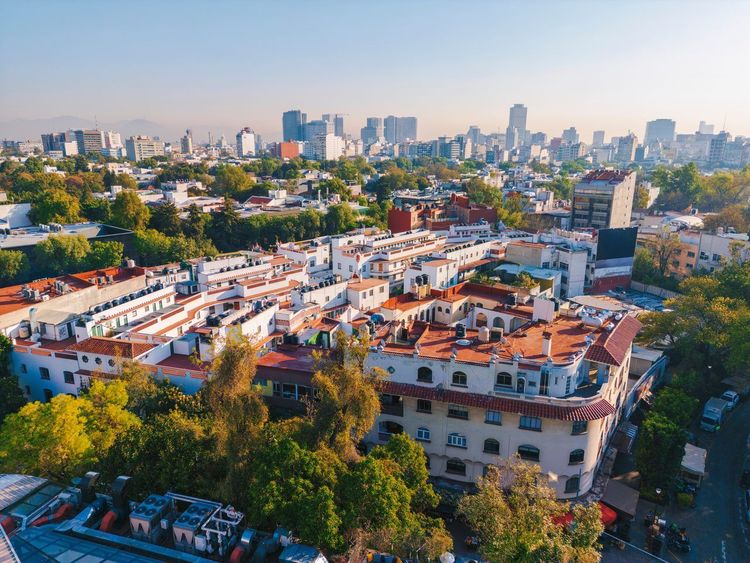
Three more neighborhoods round out the city's romantic map, each with a distinct pace, so choose the one that matches your mood rather than trying all three in one day.
Upscale strolls through Polanco
Polanco built its reputation on Avenida Presidente Masaryk (Polanco, 11560 Ciudad de México), the city's answer to Rodeo Drive, lined with flagship boutiques and some of its most decorated restaurants.
Skip the shopping if it's not your thing and walk the quieter residential streets instead, Parque Lincoln in particular, where a small aviary, a reflecting pond and shaded benches give the neighborhood a slower, more local feel than the boutiques suggest.
Cobblestones and art markets in San Ángel
South of Condesa, San Ángel keeps its colonial layout almost entirely intact: cobblestone lanes, bougainvillea spilling over stone walls, and Plaza San Jacinto) at its center.
Every Saturday the neighborhood hosts the Bazar Sábado, an art and crafts market running since 1960, with painters setting up their canvases across the plaza. Time your visit around it if a souvenir with real provenance matters more to you than a magnet from the airport.
Zona Rosa, Mexico City's original Pink Zone
Zona Rosa (Cuauhtémoc, 06600 Ciudad de México) was the city's first cosmopolitan nightlife district back in the 1960s, and it remains the heart of Mexico City's LGBTQ+ scene today, a dense grid of bars, drag shows, and late-night taco stands between Paseo de la Reforma and Avenida Chapultepec.
Its reputation has shifted over the decades from glamorous to gritty and back again, but if you want to close out a night dancing rather than dining, it's still the neighborhood that stays loudest longest.
11. Unique and Offbeat Date Ideas

A few experiences don't fit neatly into a neighborhood walk but earn their place on any list of date ideas in Mexico City.
Thrill rides at Aztlán Amusement Park
The old La Feria fairground in Chapultepec's second section closed in 2019, and in its place Aztlán Parque Urbano (Bosque de Chapultepec 2da Sección, 11100 Ciudad de México, rated 4.1/5 on Google (4 411 avis)) opened in March 2024, mixing rides with gardens, picnic lawns and an artificial lake.
The star for couples is the Aztlán 360, an 85-meter Ferris wheel: time your ride for sunset and you'll see the castle, Reforma's towers and, on a clear day, the volcanoes on the horizon. Family coasters and a butterfly garden round out a light-hearted afternoon.
A city overview aboard the Turibús
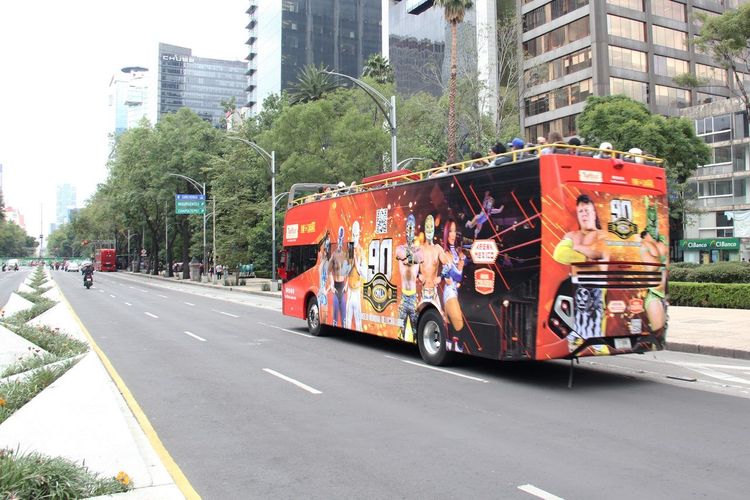
The double-decker Turibús runs several routes across the city with open-air upper decks and hop-on hop-off stops near most major sights, headphones included for a multilingual audio commentary. Pick the Centro-Reforma-Chapultepec loop if you're short on time: it passes a striking share of this list's landmarks in a few hours, useful for orienting yourselves on day one before deciding where to linger later.
A hands-on cooking class with a local chef
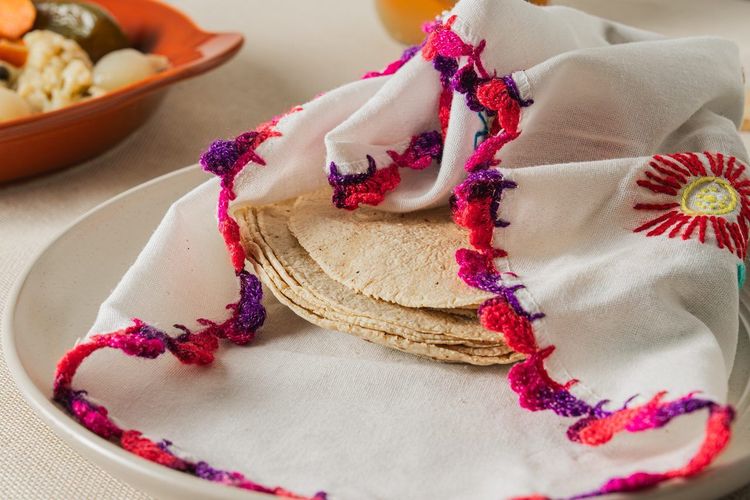
Several small culinary studios around Roma and Condesa run half-day classes built for two, often starting with a market visit to pick ingredients before a chef walks you through mole, tamales, or fresh tortillas from scratch. Expect to pay somewhere between 1,200 and 2,000 pesos per person for a three-hour class, usually with drinks included. It's a better date than a restaurant meal in one specific way: you leave having actually made something together, not just eaten it. For a broader sense of what else is worth booking ahead, Ryo's guide to more of Mexico City's top activities covers a few more picks.
An afternoon at a botanical garden
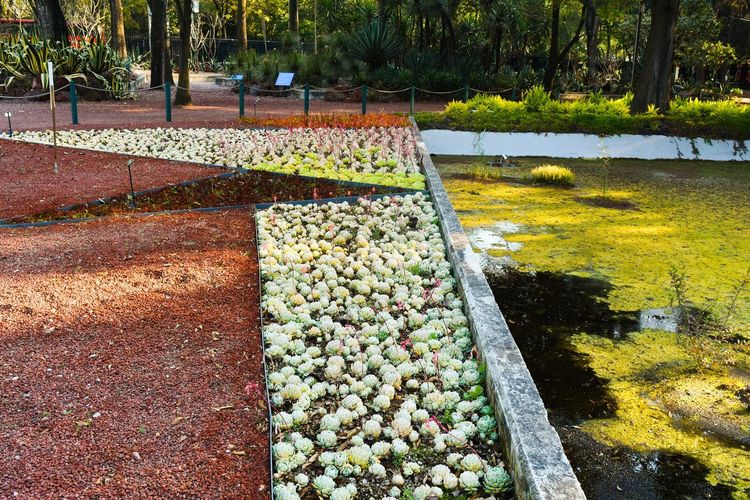
Tucked into Chapultepec's first section, the Jardín Botánico shelters a wide collection of Mexican plants, cactus and succulent gardens included, in a quieter corner of the park most day-trippers skip entirely.
Admission is free, shade is easy to find even in the dry season, and benches tucked between the beds make it one of the easiest places in the city to sit still together for an hour.
12. Where to Stay for a Romantic Getaway
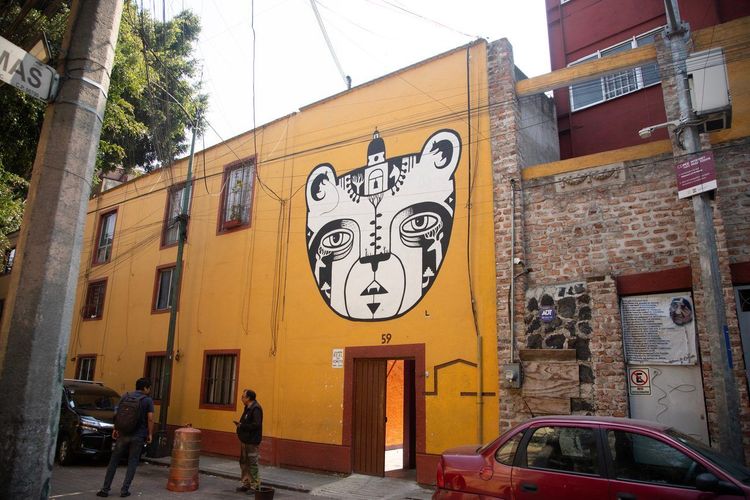
Roma Norte and Condesa hold the highest concentration of design-forward boutique hotels and bed-and-breakfasts, many converted from early-20th-century mansions, within walking distance of the restaurants and cafés already on this list. A handful of properties in the city also carry membership in Small Luxury Hotels of the World (SLH), a useful shortcut if you're comparing options and want a baseline guarantee of quality and personal service without researching each property individually.
Smaller bed-and-breakfasts, often just six to twelve rooms, tend to book out fastest in Roma and Condesa specifically, so reserve at least a month ahead for weekend stays during spring (March-May) or the December holidays, the two windows when the city's hotel rates climb noticeably. If your trip centers on the neighborhoods covered above rather than Polanco's shopping, staying in Roma or Condesa cuts your daily travel time noticeably.
13. Practical Tips for a Romantic Trip to Mexico City
A few logistics questions come up often enough to answer directly.
Is Mexico City safe for couples? Generally yes, on foot during the day and in well-trafficked neighborhoods like Roma, Condesa, Polanco, and the Centro's main streets at night. Standard precautions apply: use ride-hailing apps rather than hailing taxis on the street after dark, keep valuables out of sight on the metro, and stick to lively, well-lit streets rather than side alleys once the sun's down. Locals will readily tell you which blocks to avoid in any given neighborhood if you ask.
Saturday in Mexico City tends to be the liveliest time to be out, when the Bazar Sábado, the weekend markets and most restaurant waitlists all peak at once; save Sunday for the danzón at Kiosco Morisco and a slow afternoon in Chapultepec, while Tuesday and Wednesday offer a calmer, easier-to-book version of the same city. The metro is cheap and extensive but gets uncomfortably packed at rush hour, roughly 7-9am and 6-8pm; ride-hailing apps or the Metrobús are more comfortable options for a couple carrying nothing but each other's hand.
Pack for altitude. At over 7,300 feet, Mexico City's thin air and strong midday sun catch out visitors who skip sunscreen and water on outdoor days like Chapultepec or Teotihuacán. Download an offline map before you head out, and keep your hotel address written out in Spanish for taxi rides just in case. Before you fly, it's also worth loading Ryo's audio-guided tour on your phone so a first walk through the Centro or Chapultepec needs no data and no planning.
FAQ
Is Mexico City a romantic city?
Yes. Between candlelit colonial architecture, a genuinely serious restaurant scene, and green spaces like Chapultepec Park built for slow afternoons, Mexico City offers more romantic things to do than its reputation as a sprawling megacity suggests. The key is picking a few neighborhoods rather than trying to cover the whole city in one trip.
What is the Pink Zone (Zona Rosa) in Mexico City?
Zona Rosa is a nightlife district between Paseo de la Reforma and Avenida Chapultepec that became the city's first cosmopolitan entertainment hub in the 1960s. It's now the center of Mexico City's LGBTQ+ scene, known for late-night bars, drag shows, and a dense concentration of restaurants open well past midnight.
Is Mexico City safe for couples at night?
Central, well-lit neighborhoods like Roma, Condesa, Polanco, and the main Centro streets are generally safe for couples walking together at night. Use ride-hailing apps instead of street taxis after dark, stay on main avenues rather than side streets, and keep an eye on belongings on the metro, the same precautions that apply in any large city.
What's the best day of the week for a romantic date in Mexico City?
Saturday brings the most going on at once: the Bazar Sábado art market in San Ángel, the Coyoacán crafts stalls and the busiest restaurant scene citywide. Sunday is the day for danzón at Kiosco Morisco. For a calmer, easier-to-reserve version of the same experiences, aim for a Tuesday or Wednesday instead.
Where can couples find live jazz in Mexico City?
Small, low-lit jazz clubs cluster around Condesa, Roma and pockets of the Centro Histórico, most booking live sets on weeknights starting around 9pm. Reserve ahead for well-known acts; the best rooms are small and fill quickly.
What are the best boutique or luxury hotels for a romantic stay?
Roma Norte and Condesa hold the densest concentration of boutique hotels and bed-and-breakfasts converted from early-20th-century mansions, while a handful of properties in the city carry Small Luxury Hotels of the World (SLH) membership for travelers who want a quality baseline without comparing dozens of listings.
How many days do you need for a romantic weekend in Mexico City?
Three full days covers the core of this list comfortably: one for Chapultepec and the Centro, one for Coyoacán and Xochimilco, and one for Teotihuacán or a slower neighborhood day in Condesa and Roma. Add a fourth day if lucha libre, museums, or an extra dinner reservation matter to you.
Conclusion
Mexico City rewards couples who slow down more than it rewards those who try to see everything. Pick two or three neighborhoods rather than all thirteen ideas above, and leave real gaps in the schedule. Some of this city's best romantic moments, a danzón lesson from a stranger or a trajinera drifting past in the late light, tend to happen in exactly those gaps.
However you piece the days together, Ryo's Mexico City audio guide makes a solid backbone for at least one of them, narrating the Centro, Chapultepec, and Coyoacán's history as you walk between stops, so you can spend the conversation on each other rather than on directions. Load it before you land, and let the city do the rest.