Créé par Emilie, le 17 nov. 2026
Votre guide Ryo
Rennes, France
Queen Of Britanny
Parcours audioguidé pour visiter Rennes en 1 jour
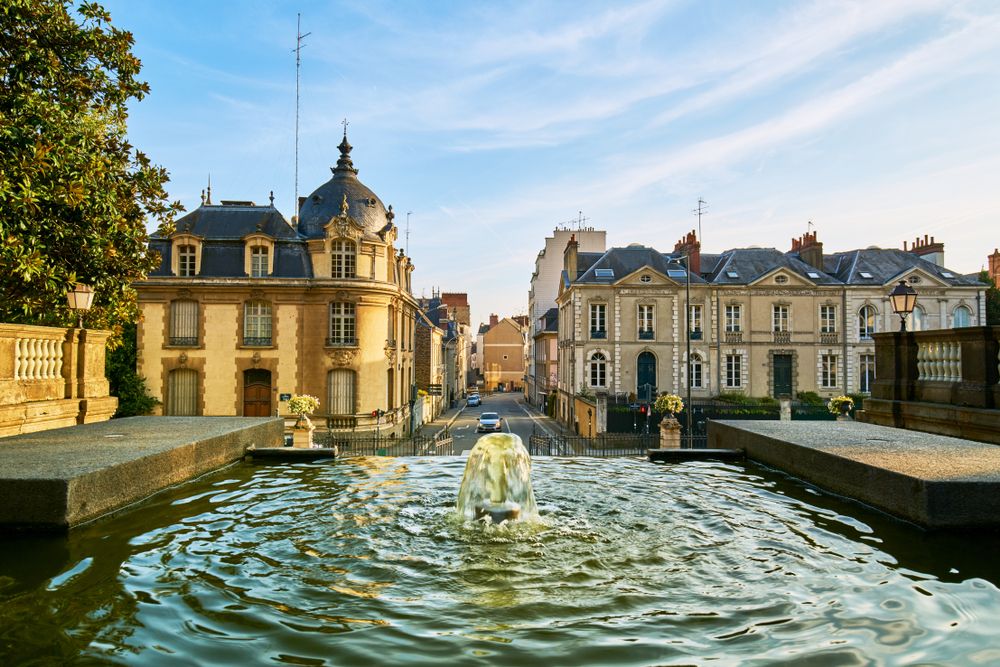
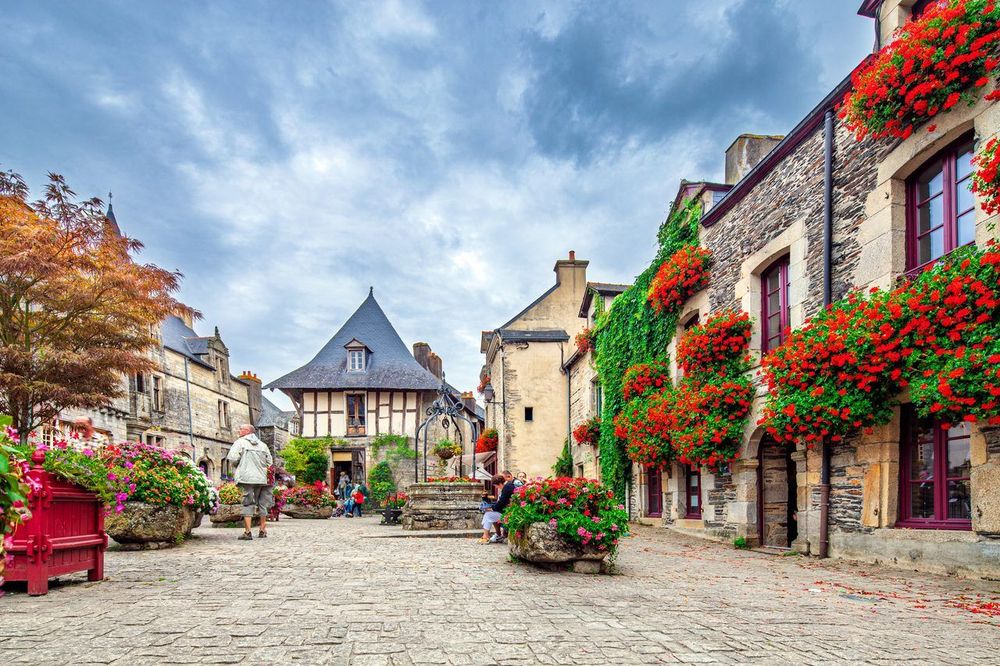
This visit to Rennes offers an immersion between medieval heritage and urban excitement. Let yourself be charmed by its colorful half-timbered houses and the majesty of its Parliament, before enjoying a stopover in the lush greenery of Thabor Park. Between elegant tufa stone and the energy of its lively terraces, the Breton city reveals a proud and warm character. A vibrant and authentic stroll on foot to capture the full dynamism of a metropolis that cultivates the art de vivre.
Quand partir à Rennes ?
Jan.
6°
12
Feb.
6°
10
March
9°
10
April
11°
10
May
14°
10
June
18°
8
July
20°
8
Aug.
20°
8
Sept.
17°
8
Oct.
13°
11
Nov.
9°
13
Dec.
6°
13
Rennes enjoys a temperate oceanic climate, characterized by great mildness and rainfall distributed throughout the year, with pleasant summers averaging around 23°C and mild winters fluctuating between 3°C and 9°C. The ideal period to discover the Breton capital runs from June to September, offering optimal sunshine to enjoy the terraces of Place Sainte-Anne or to stroll through the paths of Thabor Park. The month of July is particularly vibrant thanks to the Tombées de la Nuit festival, while spring remains an excellent season to admire the half-timbered facades under a soft light, far from the intense heat.
Départ conseillé
No need to worry about where to begin! Our tours are designed as a loop, so you can jump in wherever you are. The navigation system and audioguide will automatically adjust to your location. However, if you happen to be nearby, we do have a preferred starting point : République Square
Parking à proximité
Vilaine C-Park Parking lot, Duguay Trouin Dock Charles de Gaulle parking lot on Charles de Gaulle Square
If you want to think smart and avoid driving in the city center, you should search for a Park-and-ride, called "Parc relais" in France. They are linked to the STAR public transport network. They allow you to park for free all while accessing the city center in less that 10 minutes by bus or metro. When leaving the parking lot, you only need to scan your bus or metro ticket. (be careful : parking at night is prohibited between 1am and 5am)
For those wondering: red zones are limited to 4h, while green zones are limited to 6h15. If you park in a blue zone, you will have to put a parking disk indicating at what time you arrived, for you to stay there for free for a duration of 1h30.
À savoir
Visiting Rennes will make you cross Thabor Park. Its access is free, but the park closes at 6:30pm. If you arrive later, you can continue on General Maurice Guillaudot Street to go back onto the itinerary.
Découvrez 25 lieux d'intérêt pour visiter Rennes








What to see in Rennes on your 1h50 tour?
This 4.7 km loop takes about 1 h 50 and links 25 sights. From Place de la République, it crosses the old town around the cathedral and the Mordelaise Gate, then Place des Lices and the Rue de la Soif, before passing pretty half-timbered squares on the way to Sainte-Anne. It climbs toward Hoche and the Thabor, passes the Parliament and the Saint-Georges quarter, then reaches the Vilaine. With the Ryo app in your ears, every cobblestone tells a piece of Breton history.
Information checked in November 2026 and subject to change.
1 - République Square
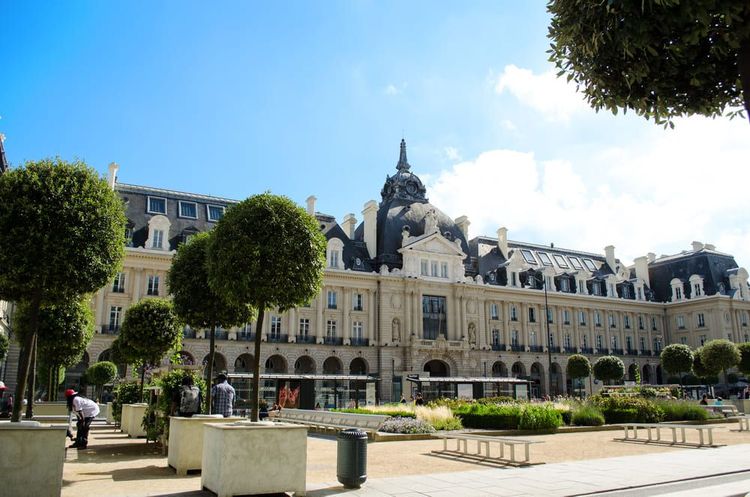
This vast square, laid out above the Vilaine riverbed, forms the geographical heart of the city. The imposing neoclassical building that dominates the view was once Rennes' stock exchange, completed at the end of the 19th century; it now houses the main post office, decorated with mosaics signed Odorico. Look either side of the central passage for two allegorical statues representing other towns in the département. This lower district once stayed poor and regularly flooded, while the upper town held the wealth.
Free entry
2 - Rennes’ Opera and townhall
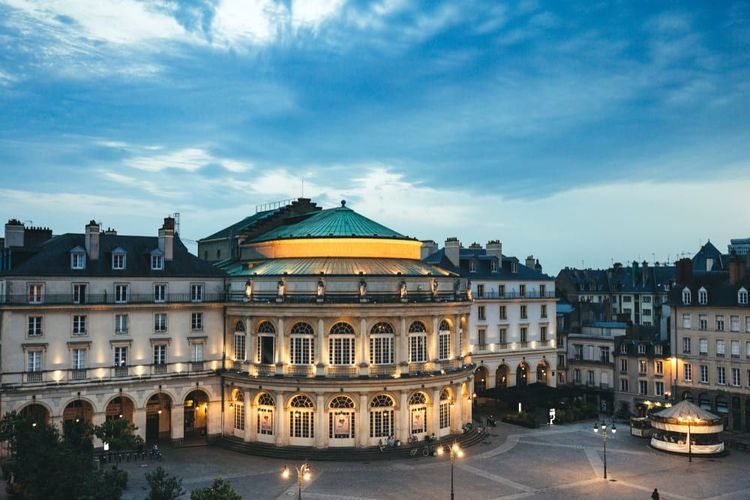
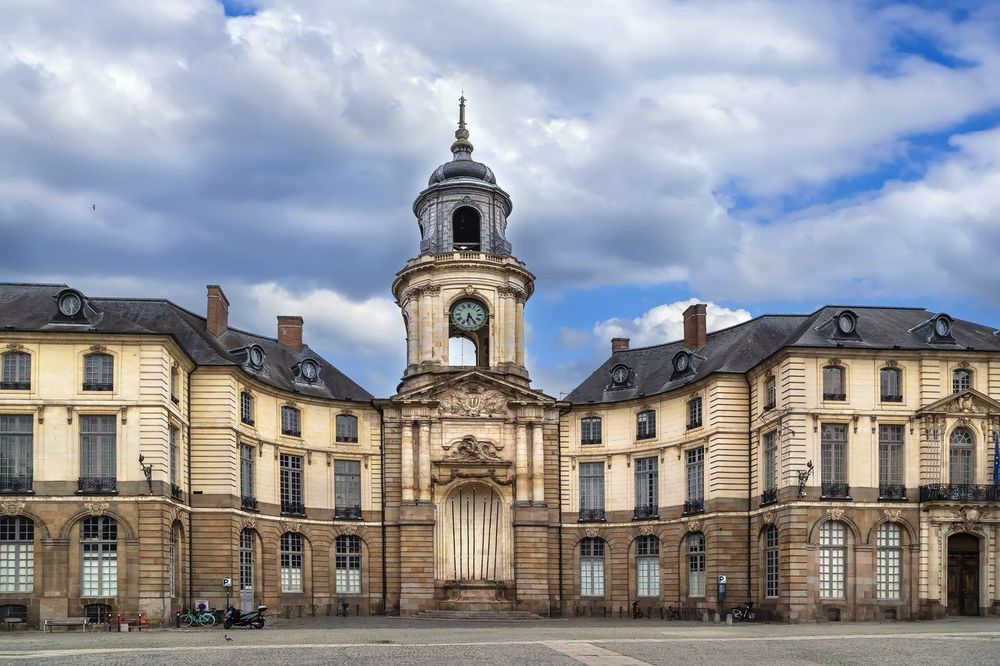
The town hall stands on one side, the opera house faces it on the other, as if locked in a silent exchange. The 1720 fire ravaged the northern part of the city; the royal architect seized the moment to lay out a square inspired by Place Vendôme, its curved façade typical of the Enlightenment era. The rotunda-shaped opera house, built much later, caused a scandal with its covered arcades, which had to close for lack of customers. Only Stendhal, in his travel writing, praised its unusual charm.
Free to see from outside
3 - Saint-Sauveur Basilica
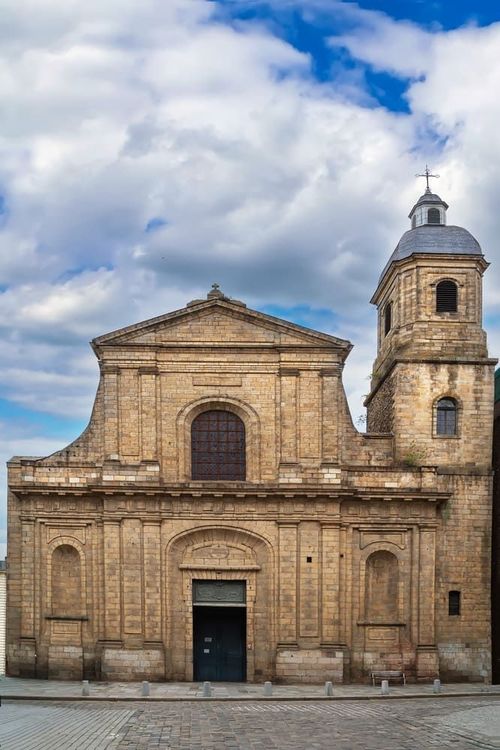
The current building dates from the 18th century, but it replaces an older chapel, famous for four miracles. The best known took place one night in February 1357, during a Breton war of succession: the bells supposedly rang by themselves, the candles lit on their own, and a statue of the Virgin seemed to point at a slab on the floor. The defenders dug there and found a tunnel bored by the enemy to invade the city. Legend credits the heavenly sign; historians credit a sharp-eyed captain instead.
Free entry
4 - Chapitre street
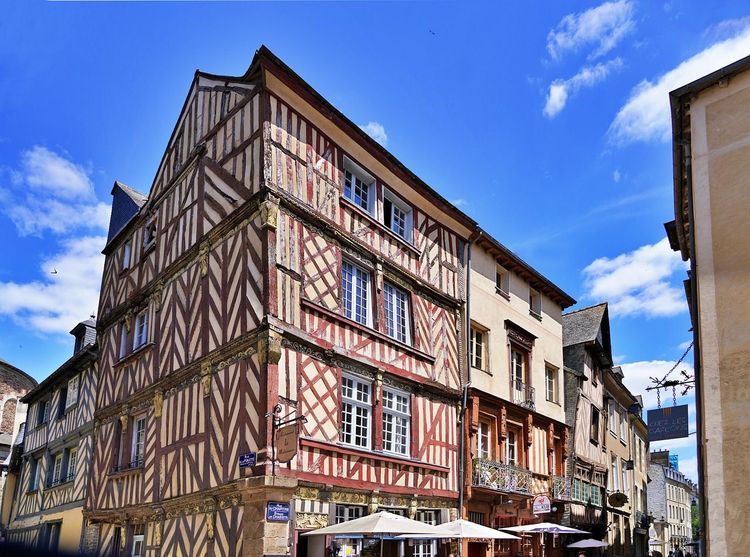
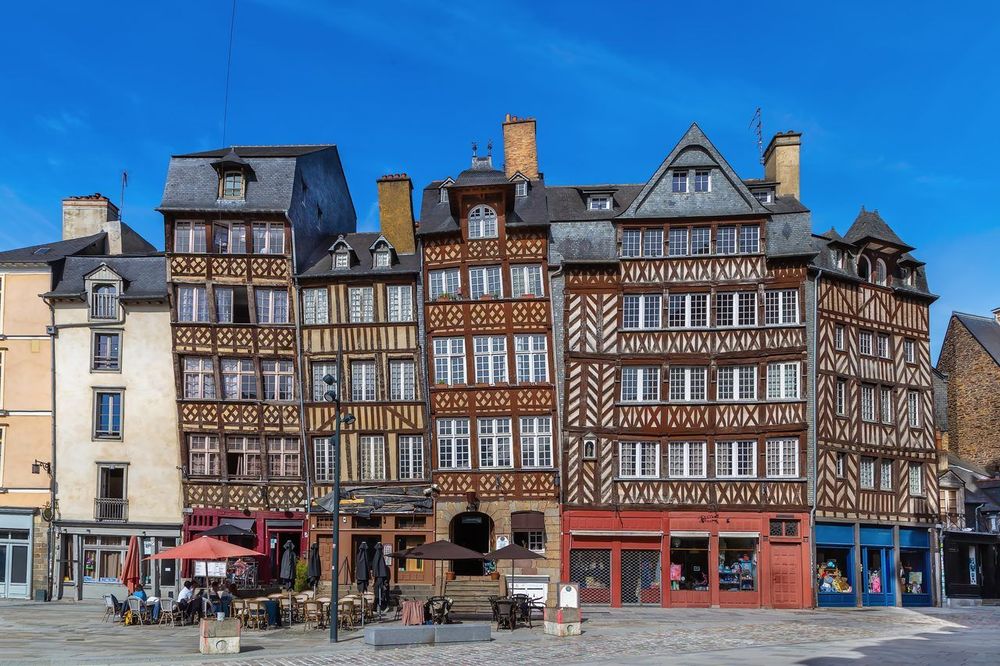
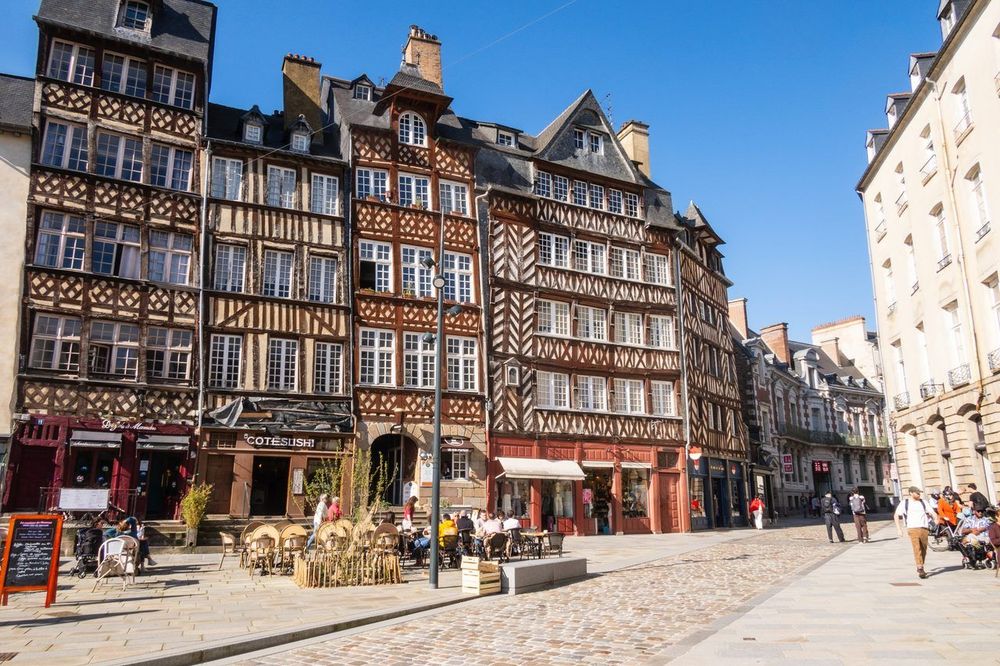
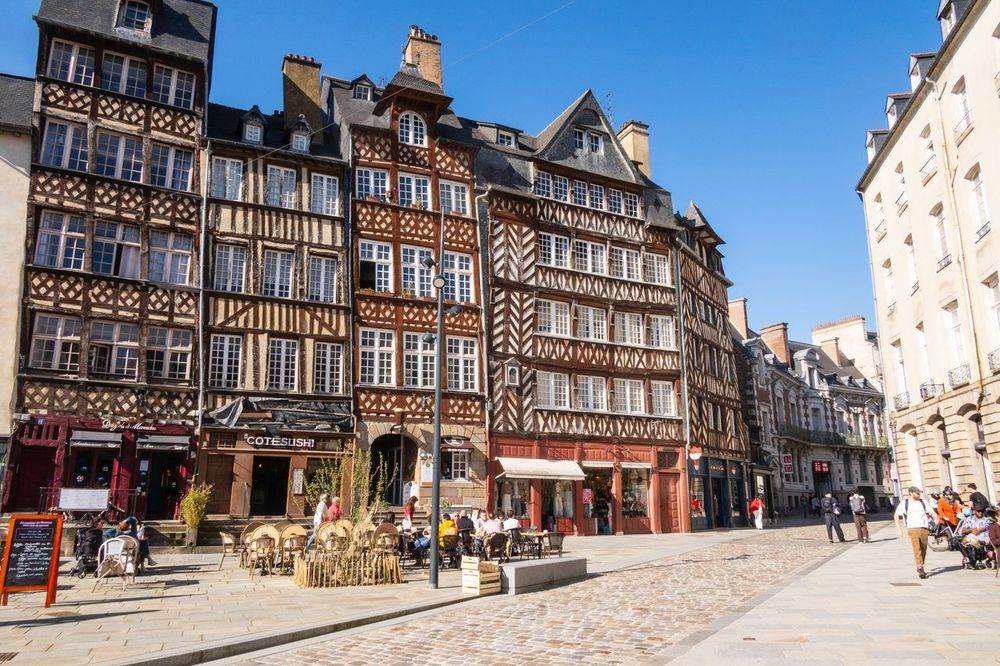
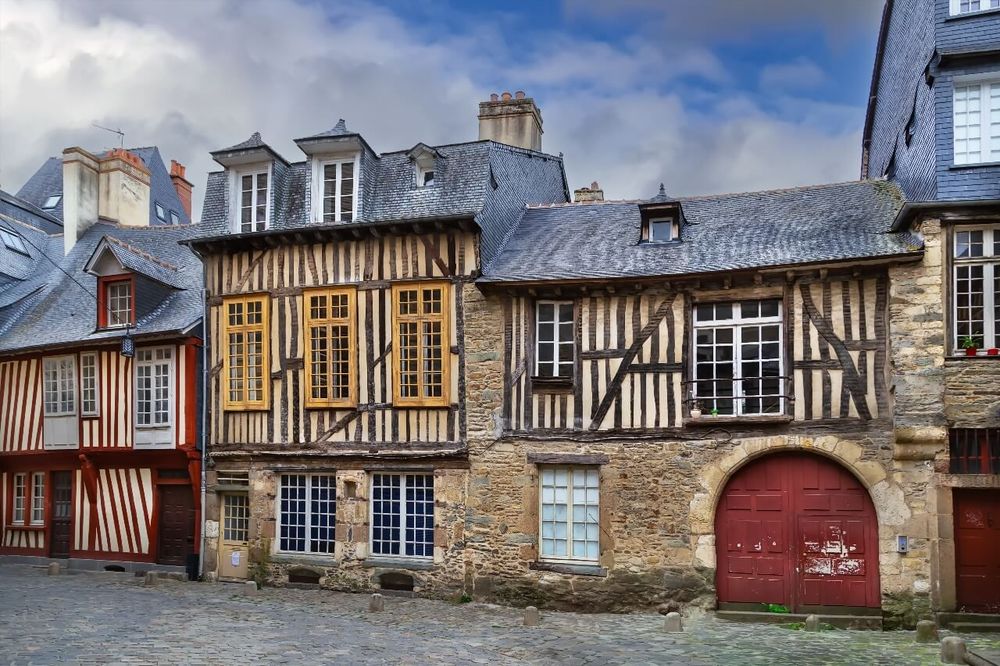
Here is the locals' favourite street, lined with half-timbered façades, grand townhouses and charming shops. Its charm lies in the mix of eras: medieval around the cathedral, spared by the great fire, Renaissance with carved decorations, and later stone reconstruction. The arcades, now home to shops, once sheltered horse-drawn carriages. A little further on, look for the house of the Daughters of Charity, who settled there in 1683 to feed the district's poorest.
Free entry
5 - Saint-Pierre Cathedral
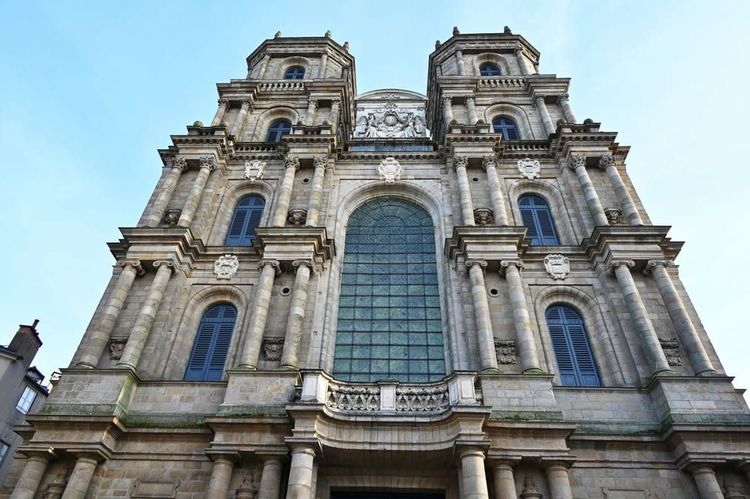
Seat of the bishopric since the 6th century, the building stands on an ancestral religious site, and some believe an even older sanctuary once stood here. A Gothic cathedral rose on the spot in the 12th century; within its walls, Henry Tudor married Elizabeth of York, a union that ended the Wars of the Roses and founded the Tudor dynasty. The current building, completed in 1787 after a laborious reconstruction stretching nearly two centuries, benefited from the city's great post-fire beautification project.
Free entry
6 - Mordelaise Gate
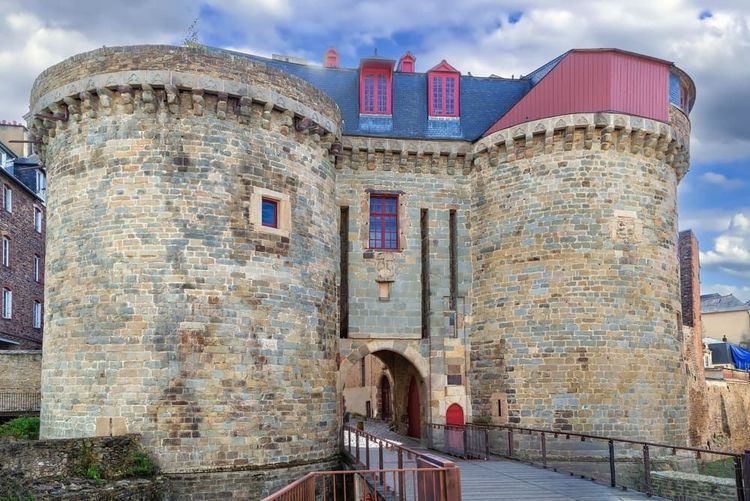
2300 years ago, Rennes was still only Condate, ringed by a red-brick wall pierced with four gates, one facing each cardinal point. This one was rebuilt in the Middle Ages along the ancient line; its two towers, topped with machicolations to repel attackers, flank a cart gate and a pedestrian gate, both now fitted again with a restored drawbridge. Turned into governors' lodgings and later a prison after the Revolution under the name Porte Marat, it once welcomed Brittany's future dukes as they entered for their enthronement.
Free entry
7 - Lices Square
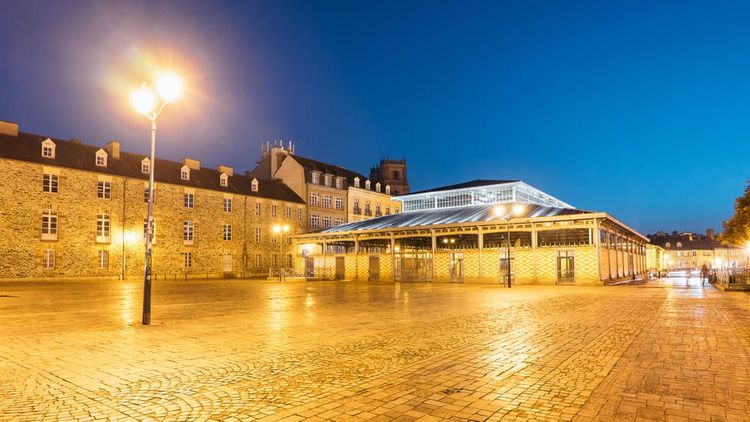
Long and narrow, this square once served as a jousting field for knightly tournaments: it was supposedly here that the famous commander Duguesclin fought his very first battle. Since 1622, nearly 300 traders have set up here every Saturday for one of France's largest markets, amid grand townhouses, timber-framed houses and iron market halls built in 1870 on the Parisian model. Look out too for the clock, a well-known meeting point, which marks the spot where, until the 18th century, condemned prisoners were executed.
Free entry
8 - Rue de la Soif
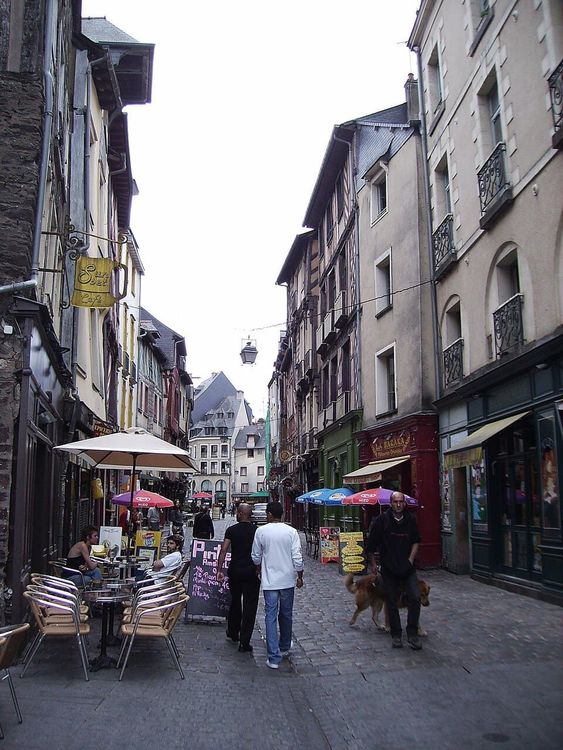
A young, student-filled city, Rennes claims the national record here for the number of bars per square metre. The explanation dates back to the Middle Ages: this street led to one of the city gates, and inns sprang up to welcome travellers who arrived too late once the gate had closed for the night. The festive tradition never really stopped, to the point where there's now roughly one venue every seven metres. Just the thing to quench the thirst of anyone who has walked around the city.
Free entry
9 - Rallier du Baty square
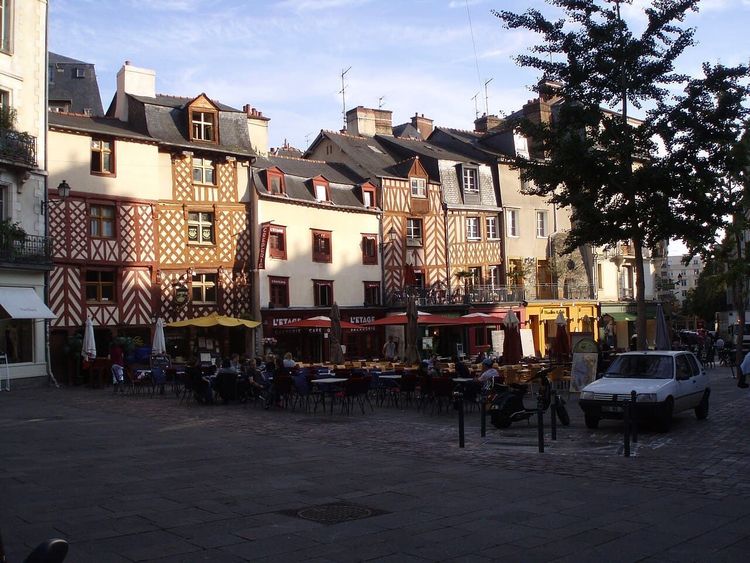
This small, friendly square lined with cafés takes its name from a mayor who held office from 1695 to 1734, a local record never matched. You can spot a stretch of old rampart here, but older remains surfaced during works at the end of the 19th century: Roman military markers, now on display at the Champs Libres museum. On the ground, purple schist paving stones trace an old barbican that once defended a gate demolished in 1868. Don't miss the central fountain, which hides a surprise beneath its shell.
Free entry
10 - Saint-Michel Prison
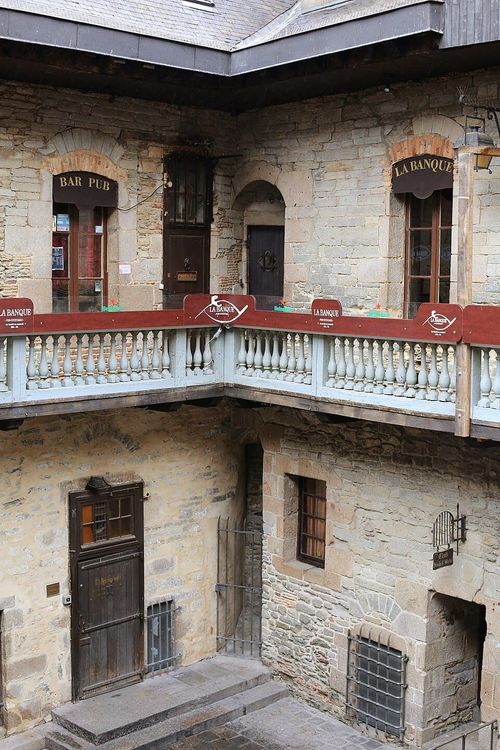
Almost unchanged since the 18th century, this former prison has an inner courtyard now listed as a historic monument. Inmates were shackled here with lead balls before being split up between men and women, the latter crammed into a tiny room. It was here that Marion du Faouët stood trial, a highway bandit who became a legendary figure for robbing the rich to help the poor. No longer used for detention, it has housed a nightclub since 1966 that kept its original name.
Free to see from outside
11 - Champ Jacquet Houses
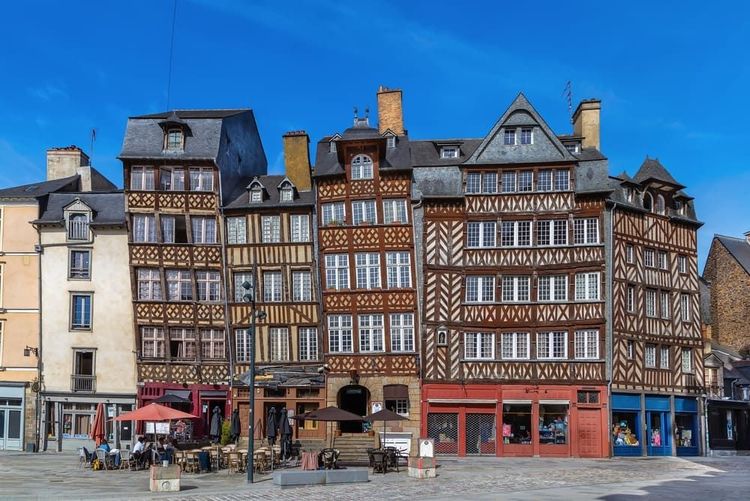
These leaning, slightly crooked houses owe their distinctive look to the fact that they were built without stone framing: as the interior partitions shifted over the course of renovations, the façades followed. The square also bears the mark of the great fire of 1720, which destroyed part of the district, creating today's contrast between timber-framed buildings on one side and stone ones on the other. At its centre stands a statue of Jean Leperdit, a master tailor turned mayor in the 1790s, amid revolutionary turmoil.
Free entry
12 - Penhoët street
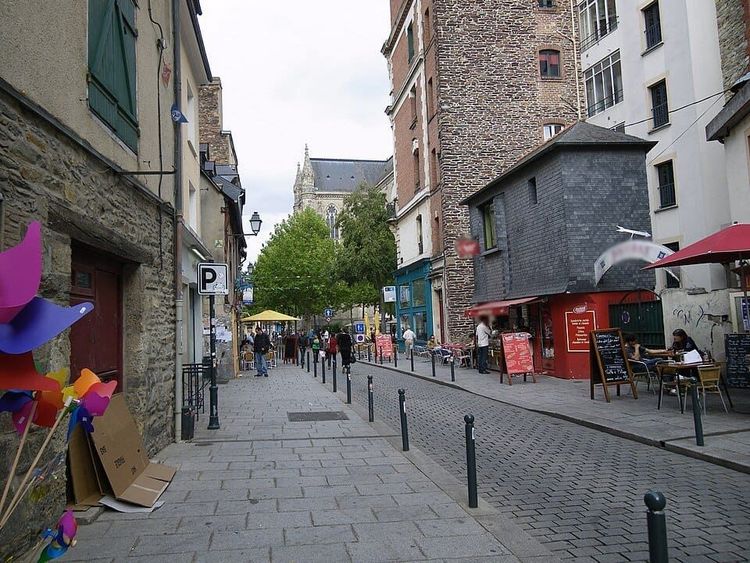
This quiet street once bore a far noisier name: it was home to blacksmiths and locksmiths whose racket echoed all day long, while a nearby stretch took its name from a poultry market. It also housed a theatre and several brothels, a racy reputation that a petition eventually erased by changing the street's name. Look out for the house at number 10, the narrowest in Rennes at barely 2 metres wide, one of the few left standing after the 1720 blaze.
Free entry
13 - Sainte-Anne Square
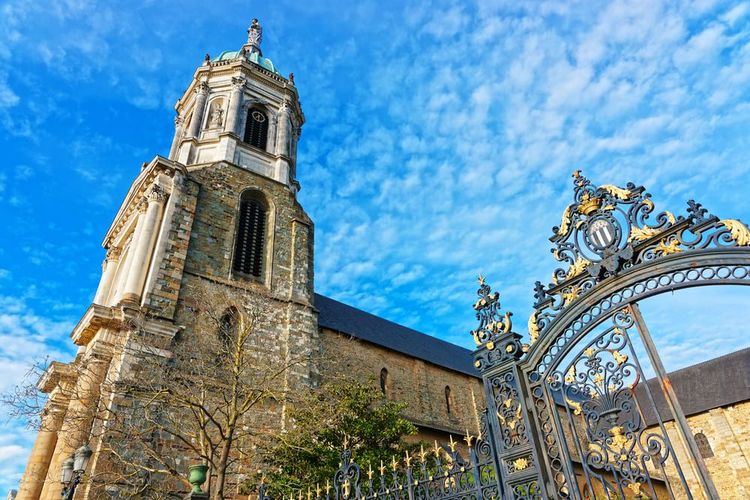
Back when the ramparts still stood, this colourful square already lay just outside the walls, yet was lively. Its name is said to honour Anne of Brittany, engaged to the future king of France in the chapel of the nearby convent, founded in 1367 by Duke John IV. Turned into public property after the Revolution, the convent served as an army barracks before being handed to the city for a symbolic euro; it now houses a 4,000 m2 congress centre, right beside the Notre-Dame-de-Bonne-Nouvelle basilica.
Free entry
14 - Hoche square
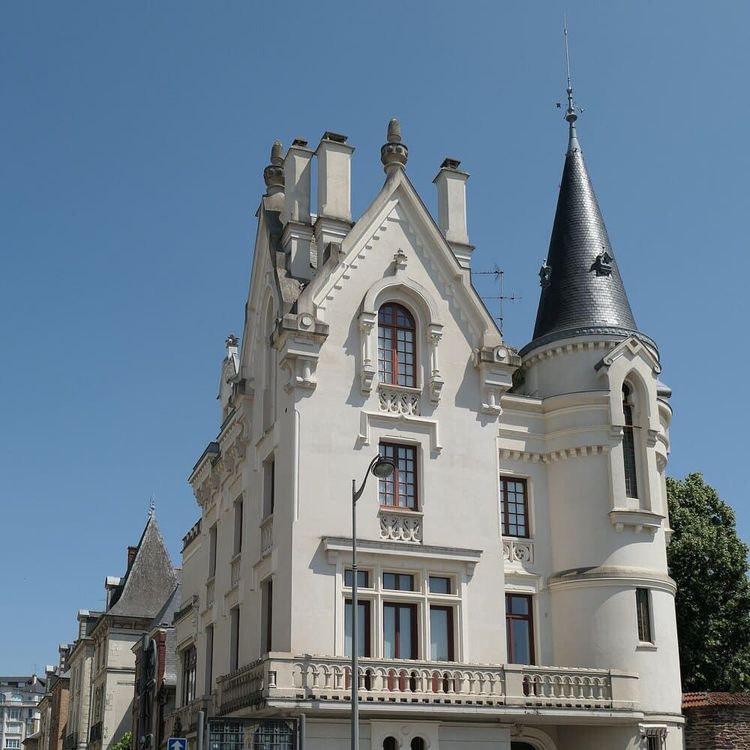
Designed in the final years of the 19th century by the city's architect, this square lined with chestnut trees once hosted archery contests, popular dances and fireworks displays. Several buildings here are worth a closer look: one, in art nouveau style, dates from 1908; another, more recent, won an award for its striking glass roof. But the real curiosity stands on the other side of the square, a castle-like neo-Gothic mansion topped with pepper-pot turrets, built in 1893 for a wealthy family.
Free entry
15 - Notre-Dame-en-Saint-Mélaine
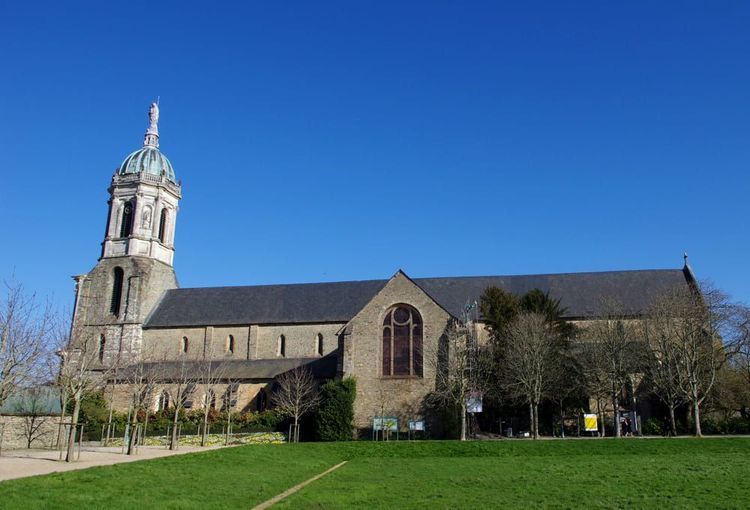
This abbey church is dedicated to Saint Mélaine, first bishop of Rennes, famed for miracles even after his death. An early church was built on his tomb, before being burned down in the 7th and then the 10th century, so monks had to flee, carrying the saint's remains with them. Rebuilt in the 11th century and enlarged over time, it was only completed in 1855, when a storey was added to its bell tower, topped with a gilded statue. The interior still holds Romanesque remains and 1950s stained glass.
Free entry
16 - Thabor Park
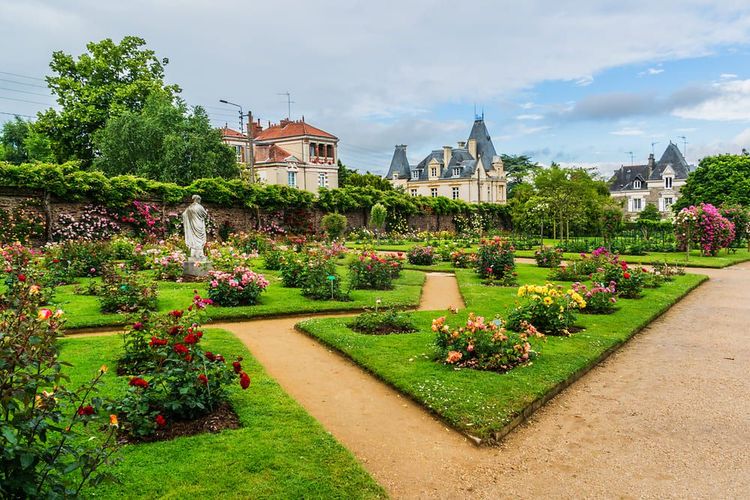
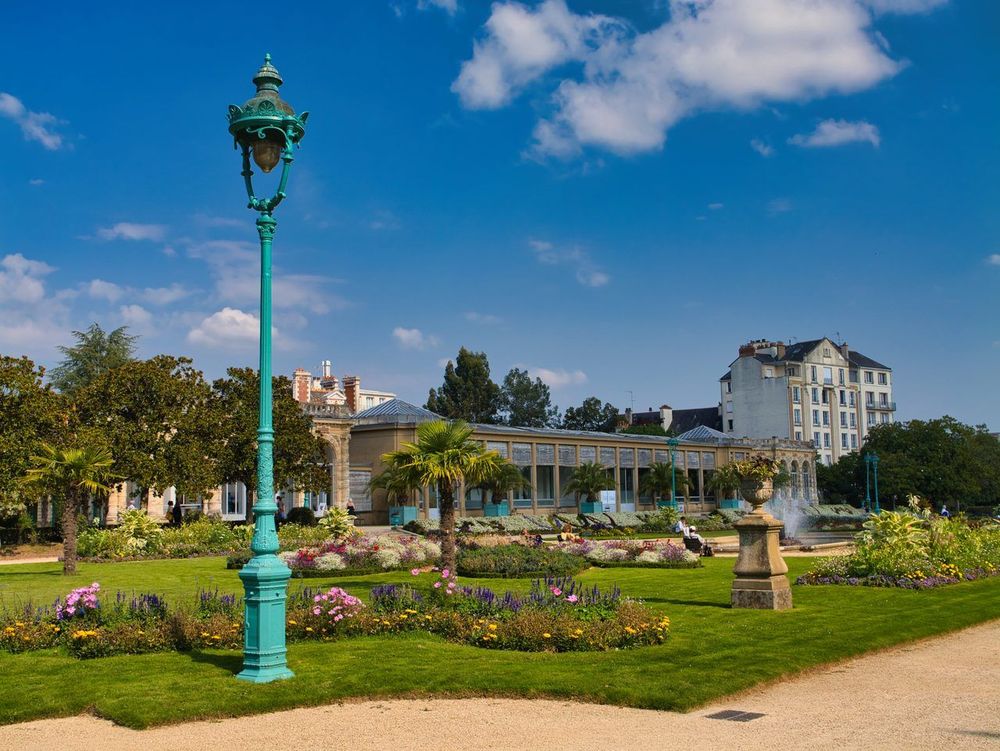
Nicknamed the local Central Park, this vast green space spans around ten hectares, combining a French-style garden, an English-style garden, an orangery, a rose garden and a bandstand. It occupies the former monks' garden of the Saint-Mélaine abbey seen earlier, redesigned in the 19th century by a renowned landscape architect. Listed among France's remarkable gardens, it offers a real breath of fresh air in the heart of the city, perfect for extending the walk or simply lingering a while.
Free entry
17 - Britanny’s parliament
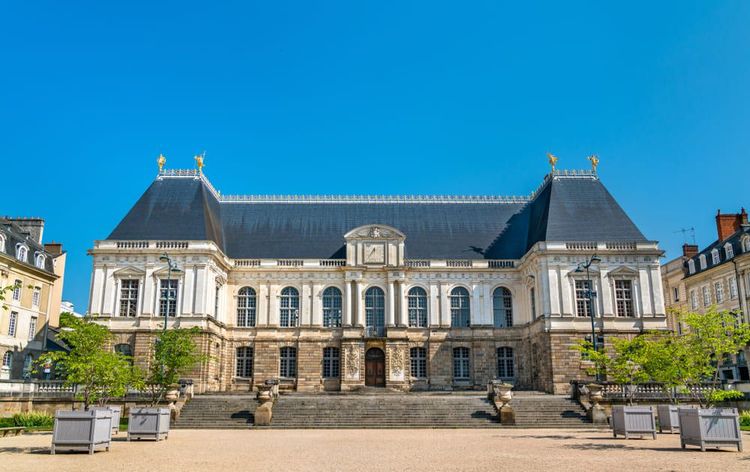
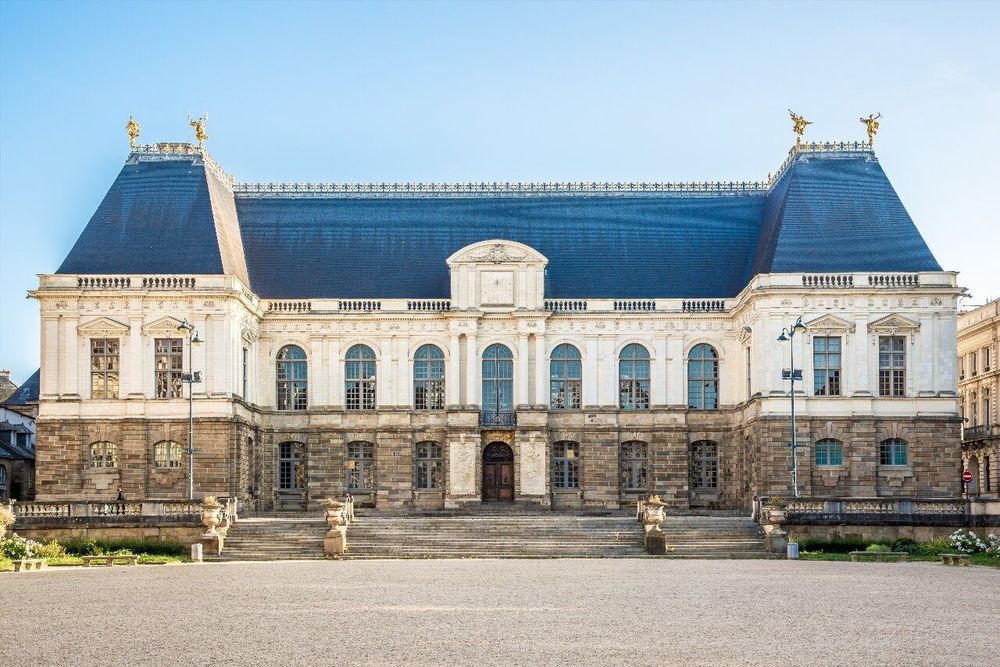
A true symbol of Brittany, this institution began as an assembly convened by the dukes from the 13th century onward, before becoming a parliament that dispensed royal French justice from the 16th century, while still defending the province's own liberties. The current building, designed by the architect behind the Luxembourg Palace, hosted its sessions until the Revolution. Spared by the 1720 fire, it was nonetheless ravaged by a blaze in the 1990s, then restored and now houses Brittany's court of appeal.
Paid entry (about €7) · Allow 1 h 30
18 - Saint-Georges street
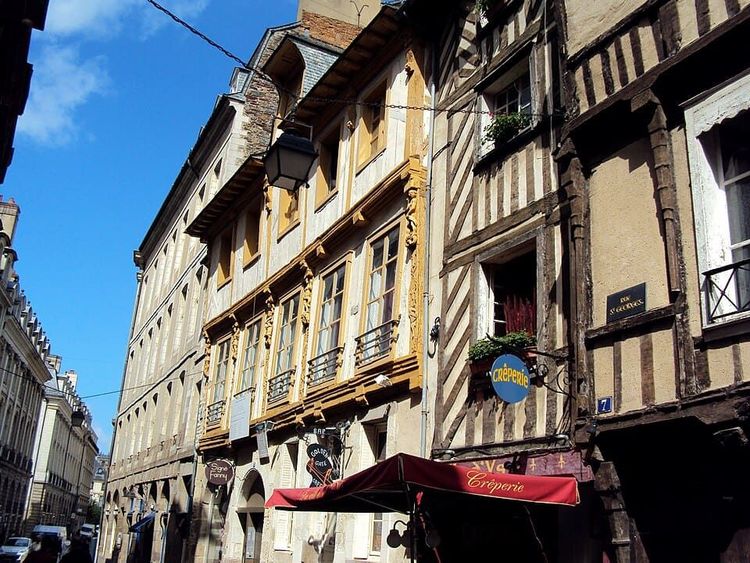
Along with Rue du Chapitre, this is the street with the most half-timbered façades, entirely spared by the great fire and included in a wide-ranging restoration programme for old Rennes. Its irregular layout betrays its medieval origin: it once linked a now-vanished city gate to an abbey founded in the 11th century. Look out at number 3 for the widest and most striking house on the street, built in the 17th century when parliamentarians were settling near the nearby Parliament.
Free entry
19 - Piscine Saint-Georges
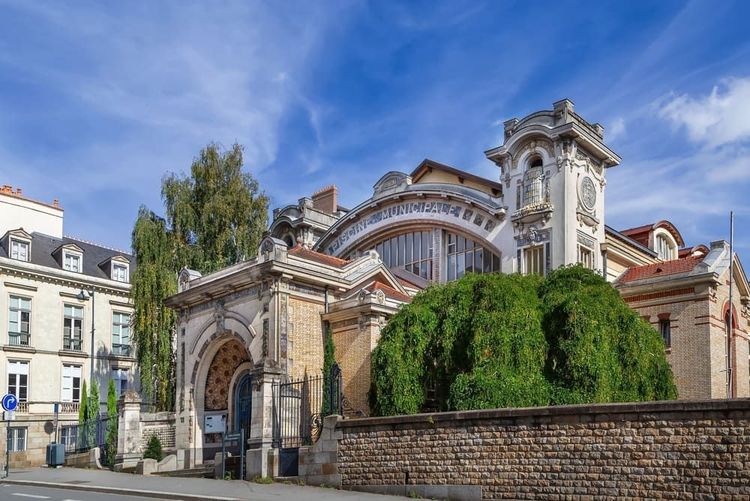
Impossible to walk past this municipal pool without stopping, voted among the most beautiful in the world: a fine art deco building from the 1920s, decorated with a mosaic frieze by the renowned artist Odorico, descended from a long line of Italian mosaic makers settled in Rennes. In use since 1926, it is listed as a historic monument and once even wore a giant moon during a summer festival, confirming its reputation for extraordinary design. It sometimes doubles as a cinema too, with a giant screen set above the water.
Free to see from outside
20 - Saint-Georges Palace
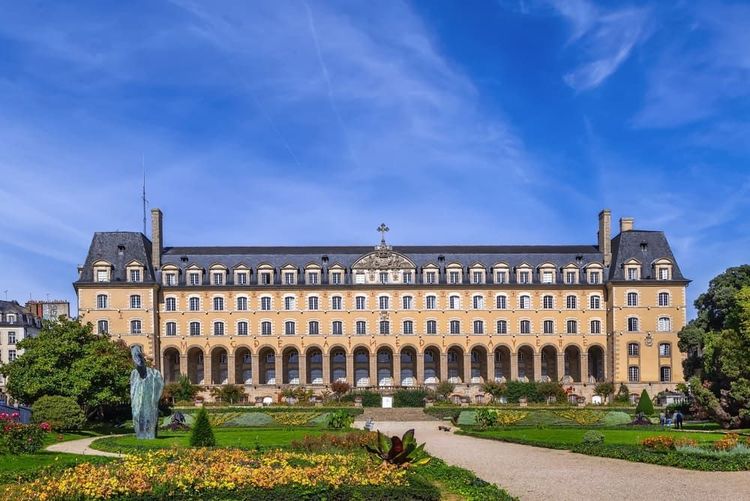
You are standing on the site of a former Benedictine abbey, founded in the 11th century by a Duke of Brittany, long before the city ever stretched out this far. Abbess Magdelaine de La Fayette had the buildings rebuilt in 1670 into the shape you admire today; look for the initials of her first name painted above the arches. Turned into an army barracks during the Revolution, it now houses municipal offices, fronted by an elegant French-style garden that shows off its long façade.
Free to see from outside
21 - Saint-Germain Square
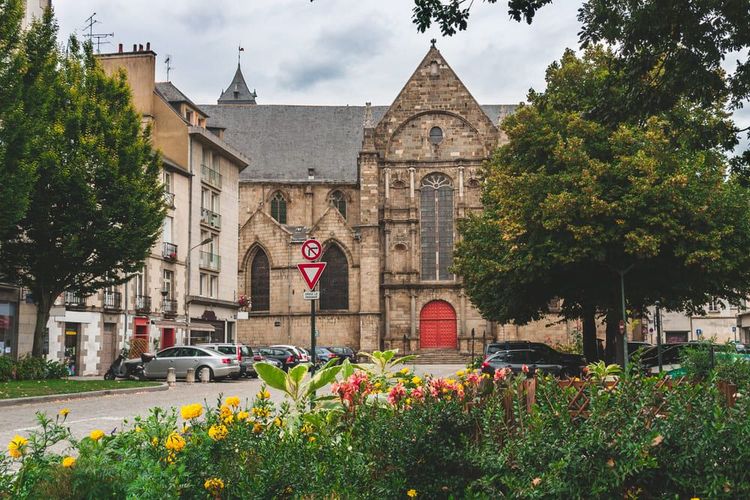
One of the city's oldest squares yielded, during archaeological digs carried out ahead of the metro's construction, numerous medieval remains pointing to intense trading activity. The church towering over it, built between the 15th and 17th centuries in a flamboyant Gothic style with Breton touches, once served as the parish of the city's wealthy merchants. Its interior holds the oldest surviving stained glass in Rennes, destroyed during the Revolution and later found by chance, in pieces, inside a barrel in the 19th century.
Free entry
22 - Vilaine River
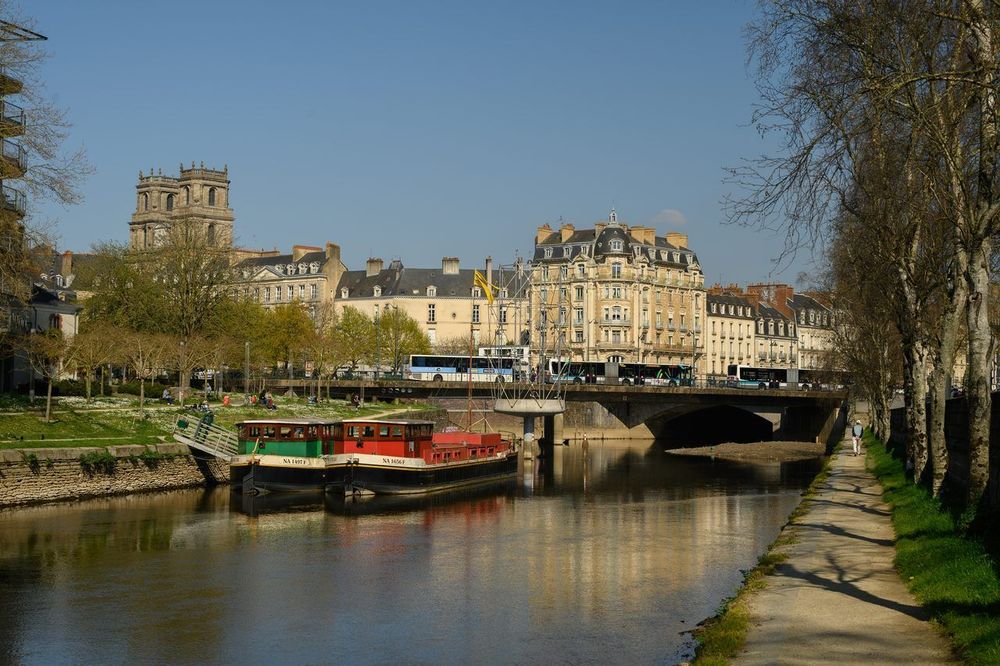
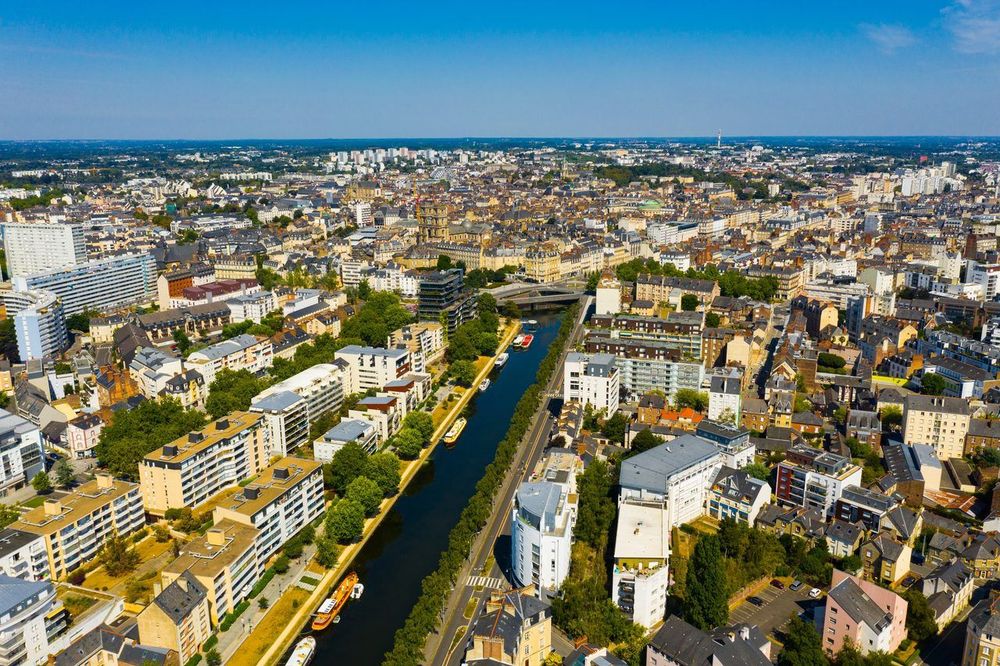
From this footbridge, enjoy a lovely open view over the river that gives its name to the whole region. The origin of its rather unflattering name remains a mystery: some trace it to an old Breton term meaning the river of mills, others to a yellowish colour during floods, and the more romantic blame it on a spurned young woman nicknamed that way. Whichever explanation is right, the river still winds peacefully through the districts it has helped shape for centuries.
Free entry
23 - L'Affaire Dreyfus
It was in Rennes, not Paris, that the retrial of the famous Dreyfus affair took place, one of the gravest miscarriages of justice in French history. It all began in 1894, when a German spy received, via a cleaning lady who was secretly working for French counter-espionage, an anonymous note revealing confidential military information. The investigation that followed quickly pointed to a culprit, whose guilt would later be called into question years afterwards, leading up to this retrial held in the Breton capital.
24 - Honoré Commeurec Square
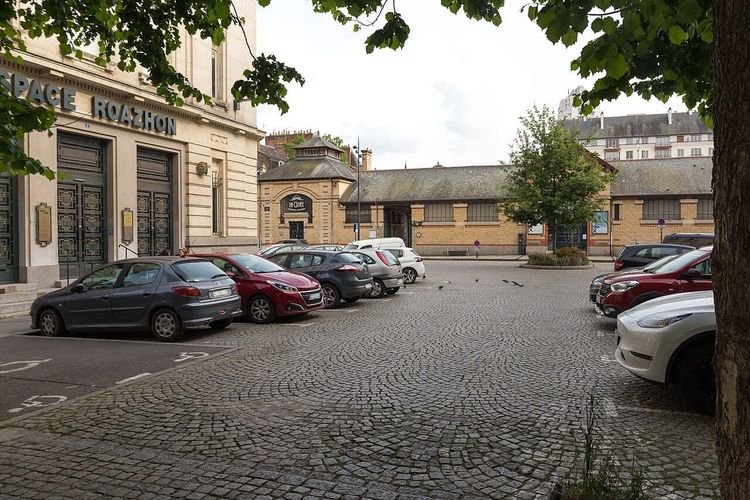
Here are the Rennes market halls, a delicious immersion in Breton produce: fishmongers, dairies, cheesemongers, fruit and vegetable stalls, bakers and wine merchants line up beneath this fine building put up in 1926 and listed as 20th-century heritage. It's the perfect spot to try a galette-saucisse, a local must-try specialty. The old fish auction hall, which kept its original name, now houses a contemporary art centre with free exhibitions, and on the first Sunday of the month a big food market gathers dozens of producers.
Free entry
25 - Parcheminerie Square
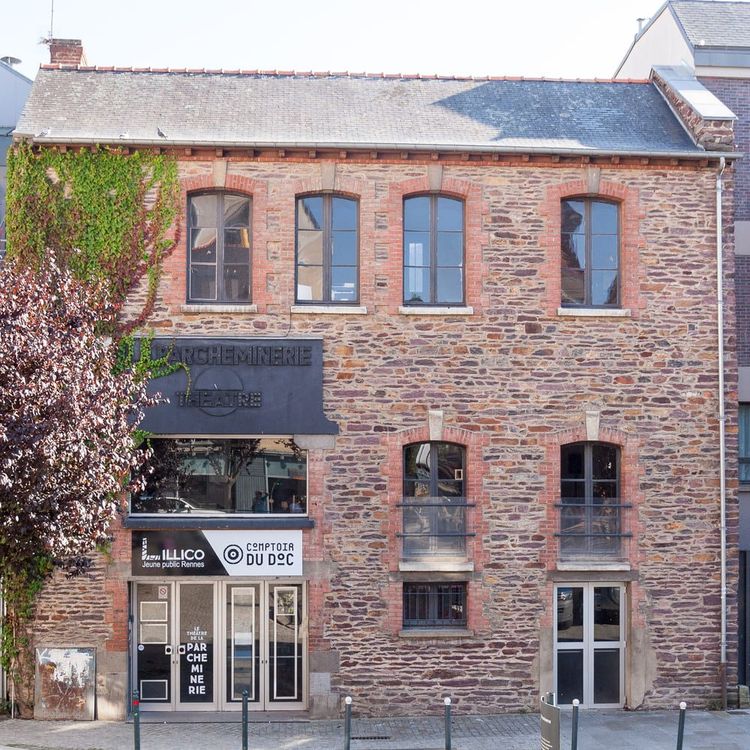
In the 17th century, this was where all the craftsmen making parchment gathered, working in the workshops of the street bearing the same name, not far from where livestock was slaughtered. Sheep, pig or calf skins were degreased, soaked in lime, scraped and then polished before being cut into sheets; it took 650 of them to copy a whole Bible, which explains the price of books before paper took over. Recently greened and pedestrianised, the square today holds cafés and a tiny pocket theatre.
Free entry
What to do in Rennes in 2 or 3 days?
The walk covers the essentials of old Rennes in half a day: 1 hour 50, 4.7 km and 25 stops, from Place de la République to the banks of the Vilaine. With 2 or 3 days on the ground, the city rewards a deeper look, museums included.
The next day, head for the big museums the walk skips: Les Champs Libres on one side, where the Museum of Brittany is free to visit, and the Museum of Fine Arts on the other, spanning everything from ancient Egypt to Picasso. The full itinerary, with good addresses and practical tips, is laid out in our guide to visiting Rennes in 2 days.
The third day splits in two: half a day to go inside the Parliament of Brittany, which the walk passes (stop 17), and the other half to leave town, for the sea or the Breton countryside. Served by TER regional trains, the corsair town of Saint-Malo fits the bill, with its ramparts and its constant connection to the open sea. The full plan is in our guide to visiting Rennes in 3 days.
Which neighbourhoods does the tour cross?
In a single loop, the Rennes walk links the half-timbered historic centre, the Thabor garden and the Parliament quarter, before dropping back down toward the Vilaine.
It starts at Place de la République, on the banks of the Vilaine, climbs past the Opera and the Town Hall to the Saint-Sauveur Basilica, Rue du Chapitre and Saint-Pierre Cathedral, crosses the Mordelaise Gate, the last great remnant of the medieval walls, then reaches Place des Lices and its market, and Rue de la Soif, before the small Place Rallier-du-Baty (stops 1 to 9).
It then passes the old Saint-Michel prison, the leaning half-timbered houses of Champ-Jacquet and Rue de Penhoët, up to Place Sainte-Anne, climbs toward Place Hoche and the Notre-Dame-en-Saint-Mélaine abbey church, enters Thabor Park and comes back down past the Parliament of Brittany (stops 10 to 17).
The route closes through the Saint-Georges quarter, with its food street, its Art Deco pool and its old abbey-turned-palace, runs along Place Saint-Germain and the Vilaine, passes the memory of the 1899 Dreyfus trial, then the covered market at Place Honoré-Commeurec and Place de la Parcheminerie (stops 18 to 25).
How much does it cost to visit Rennes?
Of the walk's 25 stops, 19 can be visited freely, and among the rest, four (the Opera and Town Hall, the old Saint-Michel prison, the Saint-Georges pool and the Saint-Georges palace) can only be seen from the street. Only one, the Parliament of Brittany, charges for entry: €7 for a 90-minute guided tour.
Anyone planning several paid visits can take the Pass Rennes, valid for 12 months from first use for €49, giving access to five activities, one per category (leisure, show, experience, exhibition and tour), with the guided tour of the Parliament among the options. More ways to visit without spending anything are gathered in our 14 free things to do in Rennes.
Information checked in November 2026 and subject to change.
Where to stop for a bite along the tour?
The walk crosses several of the old town's food streets: Rue Saint-Georges, known for its crêperies and terraces, the Place des Lices market on Saturday mornings, and the covered market at Place Honoré-Commeurec, where the famous galette-saucisse is sold.
On the first Sunday of the month, the same square hosts the marché à manger, a street-food gathering where more than 40 restaurateurs, producers, brewers and pastry chefs set up in food trucks. For pâté rennais, nicknamed the "king of pâtés", or kouign-amann, the "butter cake" of Breton bakeries, follow our top 10 culinary specialities in Rennes.
What to do in Rennes with children?
Old Rennes, with no traffic and no steep climbs, works well for a family outing, full of leaning façades and carved details to spot. Inside Saint-Pierre Cathedral, kids enjoy counting the columns or hunting for the organ high above, and the app points out street art between the cathedral and the Mordelaise Gate, whose redeveloped surroundings are easy to cover with a stroller.
On Saturday mornings, especially with a pram, it is best to reach the Place des Lices market and its cheese and crêpe stalls before 10:30 am, when the crowds thicken. The Parliament of Brittany, for its part, can hold the attention of 8 to 10 year-olds: its guided tours, by booking only, tell the story of the 1994 fire and the restoration that followed.
What should you know before visiting Rennes?
Thabor Park, which the walk crosses, closes its gates at 6:30 pm: past that time, stay on Rue du Général Maurice Guillaudot to carry on without going in.
On Saturdays, the Place des Lices market draws a dense crowd until 1 pm; for a quieter stroll through old Rennes, a Saturday afternoon or a Sunday works better.
Weather-wise, November is the rainiest month of the year in Rennes, with fine, shifting showers; a rain-proof jacket is more useful than an umbrella, which struggles once the Breton wind picks up.
What to see around Rennes?
Beyond old Rennes, the medieval towns of Ille-et-Vilaine and the neighbouring cities with their own audio-guided walk are well worth a longer stay.
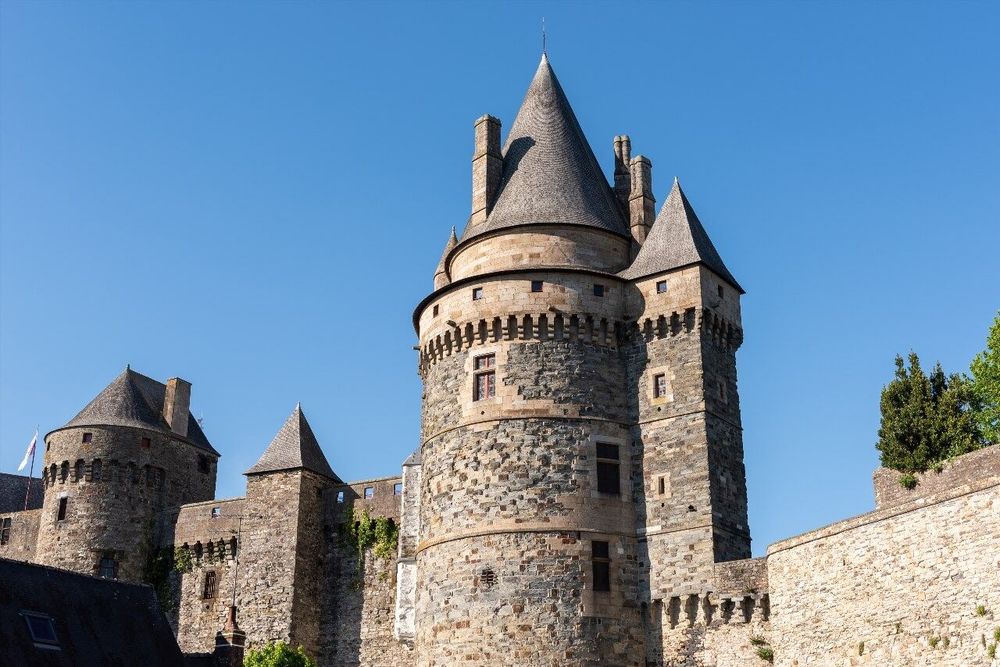
To the east, 32 km away, Vitré is often described as Brittany's best-preserved medieval town, with 1,200 metres of 14th-century ramparts; Rue de la Baudrairie still holds half-timbered houses from the 15th and 16th centuries, among the best kept in the region. The town is reached by train from Rennes in 30 minutes, and features among the most beautiful villages to discover around Rennes.
Two neighbouring audio-guided walks round out the trip: Vannes, 95 km away, reveals its flower-decked ramparts and its half-timbered cathedral quarter down to the harbour at the foot of Saint-Vincent Gate, while Nantes, 100 km away, leads on foot from the ducal castle of Brittany to the banks of the Loire.
What's on in Rennes right now?
As the year winds down, two major events are coming up in Rennes in the next few weeks.
From 27 November to 3 January, the Luminéales turn Thabor Park into a nighttime walk of about 75 minutes, with 10 light and sound stops devoted to Christmas traditions from around the world; entry, from €5, is free for under-5s.
On 5 and 6 December, the Rencontres Trans Musicales, a contemporary music festival, take over several venues across the city, with tickets from €15 to €47.90 depending on the evening. For other dates worth knowing, our pick of the best events in Rennes rounds out the calendar.
Information checked in November 2026 and subject to change.
Le plein d'inspirations
Explorez le monde en totale liberté, à pied au cœur des villes ou au fil des routes. Nos guides audios transforment chaque destination en une découverte culturelle immersive et unique.










FAQ for visiting Rennes
When is the best time to visit Rennes?
The ideal time to visit Rennes runs from June to September, when the Breton city reveals all its charms under generally mild skies. Summer temperatures hover around 23°C, perfect for enjoying the lively terraces and comfortably exploring the city on foot. Spring is also an excellent alternative, with soft light that brings out the colourful half-timbered facades. Winters remain mild, ranging between 3°C and 9°C, but the shorter days and more frequent rainfall can limit your explorations. July stands out in particular with its Tombées de la Nuit festival, which brings the whole city to life.
How long do you need to visit Rennes?
To discover the essentials of Rennes, ideally allow two to three days. A weekend lets you comfortably explore the historic centre with its half-timbered houses, the majestic Parliament of Brittany and the magnificent Thabor park. If you only have one day, focus on the medieval heart and the must-sees of the city centre. Culture and history enthusiasts will appreciate a longer stay to visit the museums, enjoy the Lices market on Saturdays and soak up the atmosphere of the different neighbourhoods. The city is pleasant to explore on foot, which allows you to adapt your pace to your wishes and the time available.
How do you get around Rennes?
Rennes is best discovered on foot, especially in the historic centre where the main attractions are concentrated. The city has an excellent public transport network with two automated metro lines, numerous bus routes and a very handy self-service bike scheme. The metro efficiently serves the main points of interest and residential neighbourhoods. For longer journeys or if you want to explore the surrounding area, bike rental remains a popular option thanks to the many cycle paths. Taxis and ride-hailing services round out the mobility options. Since the city centre is largely pedestrianised, walking remains the most enjoyable way to soak up the Rennes atmosphere.
What are the must-sees in Rennes?
Rennes is full of treasures to discover during your visit. The historic centre with its superb colourful half-timbered houses is a must, as is the Parliament of Brittany, an architectural gem of the city. The Thabor park, a true haven of peace, offers an enchanting interlude with its French-style gardens and its rose garden. Saint-Pierre Cathedral and Place des Lices are also worth the detour. The Mordelaises gates, remnants of the medieval ramparts, tell the story of the city. The Ryo audioguide accompanies you on this discovery with a narrated tour that reveals the secrets and anecdotes of these emblematic places, allowing you to explore the city at your own pace.
Where can you taste the galette-saucisse in Rennes?
The galette-saucisse, a true gastronomic emblem of Rennes, can be enjoyed in many places around the city. The Saturday morning Lices market remains the most authentic spot to savour this Breton speciality in a convivial atmosphere. You will find several stalls offering this delicious combination of a warm buckwheat galette wrapped around a grilled sausage. On match days at Roazhon Park, the atmosphere is particularly festive around this traditional dish. A few crêperies and bistros in the city centre also offer their own version of the galette-saucisse, often accompanied by a bowl of cider. This simple yet flavoursome culinary experience is an integral part of the Rennes identity and is a must during your visit.
What are the opening hours of the Lices market?
The Lices market, the second largest market in France, brings the square of the same name to life every Saturday morning. This essential gathering for the people of Rennes generally begins early in the morning and continues until early afternoon. The bustle is at its peak in mid-morning, when locals and visitors crowd between the colourful stalls. There you will find an incredible variety of fresh produce, Breton specialities, flowers and local crafts. The unique atmosphere of this historic market makes it much more than a simple place of trade; it is a genuine slice of Rennes life. Arrive preferably before noon to make the most of the atmosphere and the best choice of produce.
How do you get to Rennes from Paris or the rest of Brittany?
Rennes is linked to Paris by frequent direct trains, with a journey that has become very short since the high-speed line opened; the station sits a few minutes from the historic centre, by metro or on foot. From the rest of Brittany, trains and coaches serve Saint-Malo, Brest, Quimper and Vannes, so you can come without a car. The airport, south-west of the city, handles a few domestic and European routes and is reached by shuttle. By car, several roads converge on the ring road; parking is far easier in the park-and-ride sites on the outskirts, connected to the metro, than in a largely pedestrian centre.
Can you visit the Parliament of Brittany?
Yes, this seventeenth-century palace, long the seat of the province's parliament and now a court of appeal, can be seen on guided tours run by the tourist office outside court hearings; booking is strongly advised, as group sizes are limited. Inside you see the ceremonial chambers, their painted and gilded ceilings and the large allegorical canvases, restored after the fire that destroyed the roof in the 1990s. The façade, on a strikingly orderly square, is worth a look in itself, especially in the evening when the lighting picks out the stone. The Ryo audio guide offers a dedicated Rennes route that takes in this palace, the half-timbered houses and the squares of the historic centre.
Where can you enjoy green spaces in Rennes?
The Thabor park is the great classic: a former abbey garden turned into a park that is both formal and English in style, with a rose garden, an aviary, a grotto and shaded paths a few steps from the centre. The banks of the Vilaine and the Ille-et-Rance canal offer an uninterrupted walk northwards, popular on foot, by bike or running, with its locks and barges. Further out, the Gayeulles park combines woods, ponds, playgrounds and sports facilities, while the Saint-Martin meadows along the river have largely been returned to nature. All of these can be reached by metro or bus from the centre and remain pleasant even in damp weather.
What is there to do in Rennes in the evening?
Rennes is a student city, and you feel it as soon as night falls. The area around place Sainte-Anne and rue Saint-Michel, lined with half-timbered houses, concentrates bars and terraces in a lively atmosphere, especially during the university year. The cultural programme is rich: an opera house, a national theatre, concert halls and independent venues are spread between the centre and the outer districts, and the city hosts an internationally known contemporary music festival in winter, while summer brings street arts onto the squares. For a quieter evening, the quaysides and the lit façades of the historic centre are perfect for a stroll.
What can you discover in Rennes's historic centre, from half-timbered houses to the Portes Mordelaises?
The fire of December 1720 destroyed over 900 houses, so Rennes now pairs Jacques Gabriel's granite façades with the medieval survivors of rue Saint-Georges and place Sainte-Anne, whose 15th-century church has become a performance venue. The Parliament of Brittany, built between 1618 and 1655, regained its painted ceilings after the 1994 fire and can be seen on a guided tour of about 1.5 hours. Saint-Pierre Cathedral, free to enter, houses the Antwerp altarpiece, while the Portes Mordelaises, the last remnant of the 15th-century walls, take a quarter of an hour.
Discover all six experiences in our selection of must-do activities in Rennes.
Which museums and cultural venues should you visit in Rennes, and which day trips are nearby?
The Fine Arts Museum displays Rubens, Georges de La Tour and Gauguin for €4, free on the first Sunday of the month. At Les Champs Libres, designed by Christian de Portzamparc, the Museum of Brittany tells the region's story and the Espace des sciences welcomes families with children from age 6. The FRAC Bretagne by Odile Decq and the Couvent des Jacobins, a 14th-century Gothic nave turned concert hall, round out the offer. Between visits, the free 10-hectare Thabor park makes a lovely break. Less than an hour's drive away lie Brocéliande, Vitré, the Emerald Coast and Mont-Saint-Michel.
Plan your stay with our complete guide to activities in and around Rennes.
Which festivals and events punctuate the year in Rennes?
The Trans Musicales, an international contemporary music festival founded in 1979, showcases emerging artists from around the world every December over three to five days, with a family concert open to children from age 6. In early October, the Festival des Goûts celebrates ethical, sustainable cooking for a week, with surprise meals in unusual venues. In May, Rennes sur Roulettes, held since 1982, hands the streets over to rollerbladers for a free weekend: 7,000 participants and more than 40,000 spectators. Book ahead, as many events take place indoors.
Pick your dates with our selection of the best events in Rennes.
Which medieval and picturesque villages can you visit around Rennes?
Just 32 km away, Vitré has kept 1,200 metres of 14th-century ramparts and the rue de la Baudrairie; the regional train gets you there in 30 minutes. Dinan, 57 km away, overlooks the Rance from its rocky spur, ringed by 3 km of walls, and its Saint-Sauveur basilica holds Du Guesclin's heart. Saint-Suliac, one of France's most beautiful villages, takes an hour to explore up to Mont Garrot. Combourg recalls Chateaubriand's teenage years, and Bécherel, the book town, packs some fifteen bookshops into a village of 650 people. Châteaugiron, at 16 km, is the closest.
Plan your outing with our selection of the most beautiful villages around Rennes.
Which bike rides can you enjoy in and around Rennes?
Rennes has 232 km of cycle routes, including the 104 km Réseau Express Vélo. The Vilaine valley can be followed for 45 km along a flat towpath to Bruz, in about 3.5 hours. For families, the Gayeulles park offers a 9 km loop and the Apigné lake a 7.6 km circuit. From place de Bretagne, the express network reaches Betton and its Sunday market in 12 km along the Ille-et-Rance canal. Keener riders can head for the Boël mill, 21.2 km, or the 40 km greenway leading to the edge of Brocéliande forest.
Choose your route in our selection of the best bike rides in Rennes.
Which Rennes specialities should you taste, from pâté rennais to the Parlementin?
Beyond the galette-saucisse, Rennes has plenty of local pride on the plate. Pâté rennais, nicknamed the "king of pâtés", can weigh up to 5 kilos. The Coucou hen, a Breton breed saved from extinction, has meat with a subtle hazelnut flavour, while frigousse slowly simmers a farm chicken in cider with onions, chestnuts and bacon. For dessert, the Parlementin, created in 1999 as a tribute to the Parliament of Brittany, combines apple and cider confit, almond sponge and nougatine. Add kouign-amann, prune far breton, pommé rennais and scallops from October to May.
Discover all ten in our guide to Rennes's culinary specialities.
What can you do in Rennes with children, from Les Champs Libres to the old town?
Old Rennes can be crossed on foot in under an hour, with no hills or traffic, between leaning façades, the Portes Mordelaises and street art murals to hunt down. On Saturdays, reach the Lices market before 10.30am if you have a pushchair. Les Champs Libres fill half a day under cover: the Museum of Brittany is free, the planetarium costs about €8 (free for under-fives) and Merlin's Laboratory, around €6, offers hands-on experiments. Guided tours of the Parliament of Brittany suit children aged 8 to 10 and up, and Brocéliande or Mont-Saint-Michel can extend the trip.
Plan your days with our family guide to Rennes.
What can you do for free in Rennes, from parks and museums to waterside walks?
The Thabor park, nearly ten hectares right in the centre, features a rose garden of some 2,000 roses, a botanical garden, an orangery with free exhibitions and an aviary, plus free bandstand concerts on summer Sundays. Further out, the Gayeulles park spreads over a hundred hectares of woods and ponds. Ten minutes from place Sainte-Anne, the Prairies Saint-Martin are perfect for spotting herons and kingfishers, while the Ille-et-Rance canal towpath runs all the way to Hédé-Bazouges. The FRAC is free for under-26s, and in summer a pop-up beach sets up along the Vilaine.
Discover all 14 ideas in our guide to free things to do in Rennes.
How should you plan a 2- or 3-day stay in Rennes, day by day?
With two days, spend one in Old Rennes, with its 200-plus half-timbered houses and the Parliament of Brittany, and the other on museums and the Thabor garden. Rennes is 1 hour 25 minutes from Paris by TGV, and the centre is easily explored on foot.
With three days, start with Saint-Pierre Cathedral and its gilded interior, then the Portes Mordelaises, and keep half a day for Saint-Malo, Dinan or Brocéliande. Aim for spring or early autumn, and use the park-and-ride car parks linked to the metro.
Follow our detailed itineraries to visit Rennes in 2 days and visit Rennes in 3 days.
How are Rennes's neighbourhoods laid out, and which one should you choose to stay in?
Rennes has twelve official districts, drawn up in 1983. The centre, between rue Saint-Georges and place Sainte-Anne with its student bars, has the most restaurants and independent shops, but it is the priciest area and largely pedestrianised. To the east, the Thabor district, with its elegant buildings, appeals to settled families. Villejean-Beauregard revolves around Rennes 2 University and the hospital, less than ten minutes from the centre by metro. Sud-Gare is being transformed by the EuroRennes project, and Baud-Chardonnet has risen on former railway land.
Compare atmospheres and prices in our guide to Rennes's neighbourhoods.
Is Rennes a good destination for solo travelers, and how do you plan a trip there?
Yes: Rennes is compact, youthful (over 70,000 students for about 220,000 residents) and not overrun by mass tourism. The historic center can be crossed on foot in about twenty minutes, the metro runs every 2 to 4 minutes at peak times, and game bars, counters and bookshop cafés welcome tables for one with ease.
From Paris, the high-speed train takes 1h25. For accommodation, expect €15 to €25 a night in a dorm or €45 to €70 for a double room used solo. The audio-guided tour offers 25 stops over 1h50 so you can go at your own pace.
Escape game, game bars, a book village and great places to stay: find the whole itinerary in our guide to visiting Rennes solo.
What should I see in Rennes on a first visit, from half-timbered houses to hidden mosaics?
On a first visit, start with the old town and its nearly 300 half-timbered houses, around the Champ Jacquet, the Portes Mordelaises and Saint-Pierre Cathedral, whose façade was completed in 1703. Then head to the Parliament of Brittany, the Place de la Mairie and its Opera House, and the Lices market, held every Saturday since 1622, where you can try a galette-saucisse.
Round off your visit with the Champs Libres, the Thabor Park, the quays of the Vilaine and the Odorico mosaics hidden in apartment building lobbies.
To plan your first trip to the Breton capital, read our complete guide to visiting Rennes for the first time.
Vos commentaires, idées et suggestions
Aucun avis pour le moment