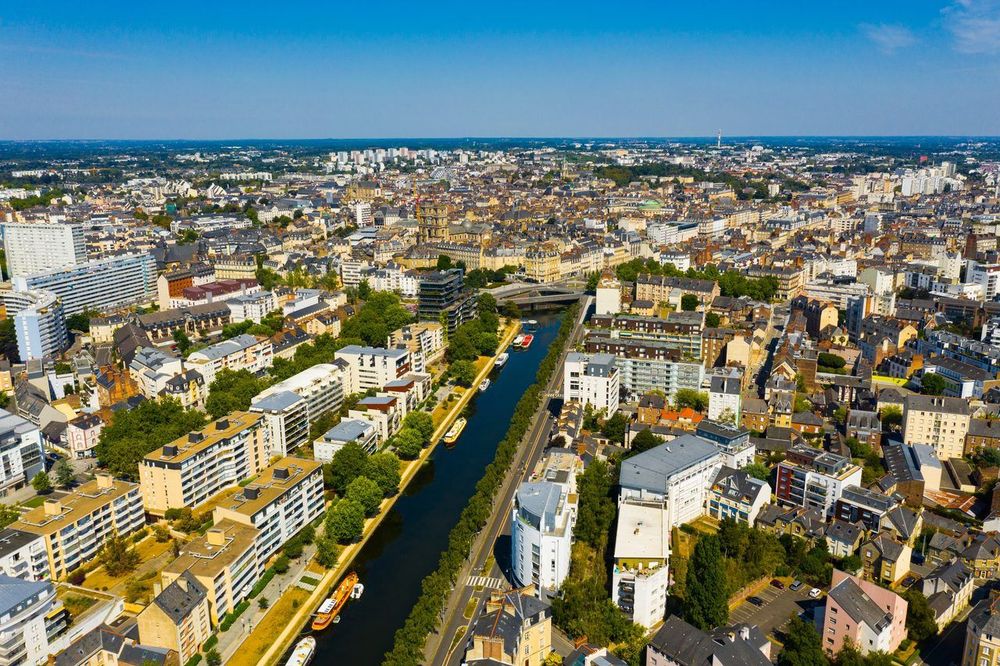
© Shutterstock
 Votre guide Ryo
Visit Rennes in 3 Days: Complete Itinerary and Best Addresses (2026)
Rennes is unlike any other Breton city, and that's exactly what surprises travelers who usually only stop there when changing trains for Saint-Malo or Brest. Visiting Rennes in 3 days gives you the time to understand this two-speed city: a medieval center of granite and half-timbered buildings on one side, and a university metropolis connected to Paris in 1h25 by TGV on the other. The Ryo audio-guided tour of Rennes connects these two faces in a single walking loop, without the need to unfold a map at every corner.
Over three days, you'll have time to see a cathedral rebuilt over more than a century, a French formal garden frequented mostly by locals, one of the largest markets in France held every Saturday on the Place des Lices, and Art Deco mosaics hidden behind an ordinary shop front. This guide details a day-by-day itinerary, practical information for planning your trip, and the best escapes in Ille-et-Vilaine for a possible fourth day.
Why Rennes Deserves Three Days: the Breton Capital with Two Faces
For a long time, Rennes suffered from a reputation as a transit city, far behind Saint-Malo or Vitré in the tourist imagination. And yet it has two faces that complement rather than contradict each other, as you'll discover within the first few hours of your visit.
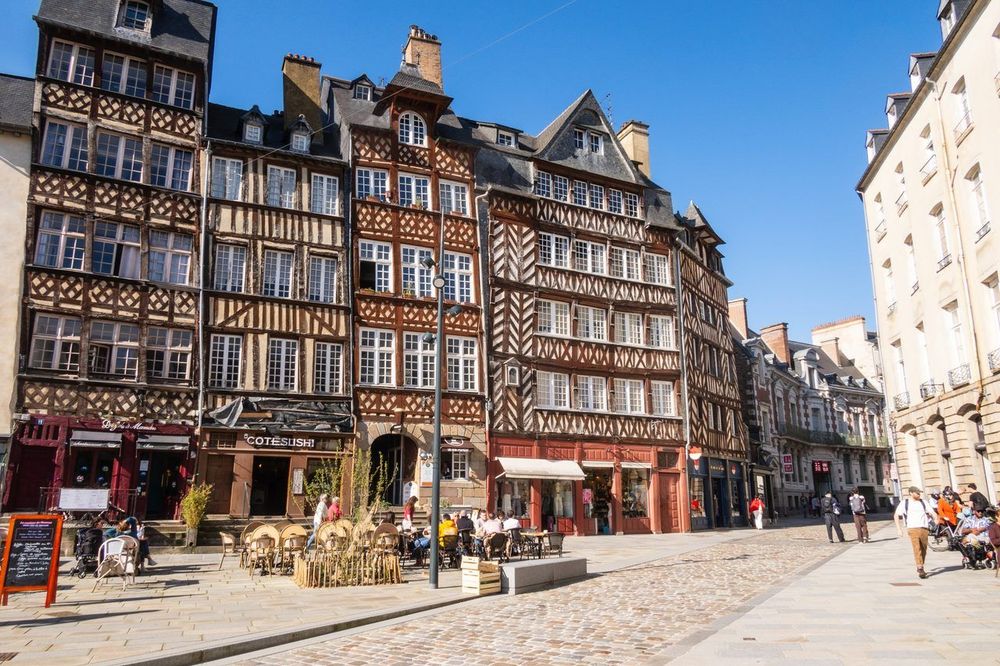
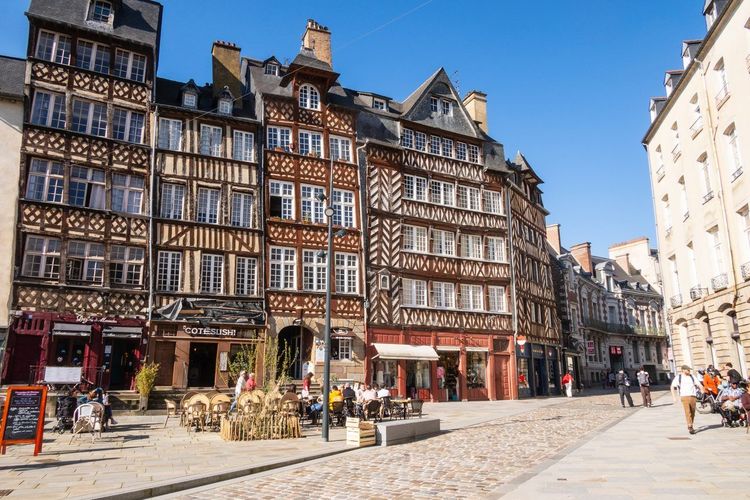
The first is that of the Vieux Rennes, a cluster of half-timbered streets and slate-roofed buildings, rebuilt after the devastating fire of 1720 that razed a third of the city in a single week. The reconstruction, entrusted to engineer Isaac Robelin and then to architect Jacques Gabriel, laid out a grid of straight streets lined with granite and tuffeau façades topped with slate. The result: two cities in one, separated by a three-minute walk, and this contrast is what you'll be following for three days.
The second face is that of a metropolis of 220,000 inhabitants, connected to Paris by TGV in 1h25 since 2017, driven by a student population that accounts for nearly one in five residents. This contrast between preserved medieval heritage and university dynamism is precisely what makes Rennes's historic center so pleasant to explore: the monuments are not frozen in a tourist bubble — they are part of the city's everyday life.
When to Go and How Much Time to Plan
Three days is the format that comes up most often, and it suits the size of the city well: not so short that you feel frustrated, nor so long that you run out of things to do.
Visiting Rennes in 1 day is still possible if you're passing through between two trains: it's enough for the historic center and one museum, if you walk at a brisk pace. Two days allow you to add the Champs Libres or the Musée des Beaux-Arts without rushing, but leave little room for an excursion. This is in fact the format chosen by most people looking for things to do in Rennes over a weekend: arrive Friday evening, two full days, Sunday evening train. The third day is the one that truly changes the experience: it frees up a half-day for the Parlement de Bretagne and the city's churches, and the other half for a trip to the coast or the Breton countryside.
As for the season, spring (April to June) and early autumn offer the best balance between moderate crowds and manageable weather, with average temperatures around 16–18°C and less rain than in winter. Summer brings riverside guinguettes along the Vilaine and packed terraces, at the cost of a busier city center. December and January remain a good option for museums and indoor venues (the Parlement, the Champs Libres), with Breton rain becoming an argument rather than an obstacle. November is the wettest month, with fine, changeable drizzle that never truly prevents you from going out, provided you bring a waterproof jacket rather than an umbrella, which is often useless against the Breton wind.
How to Get to Rennes and Get Around
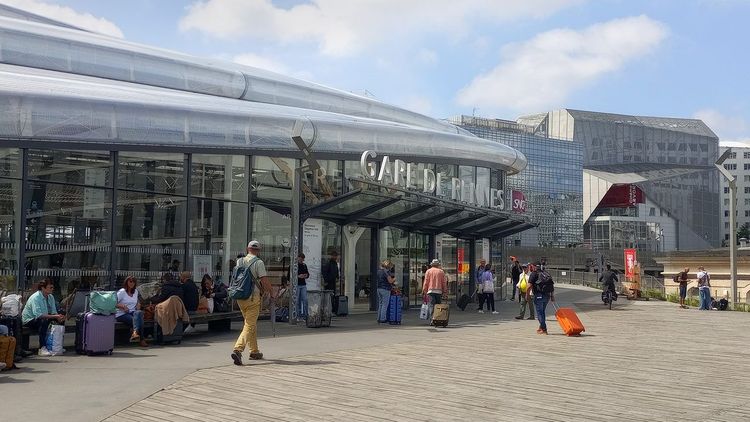
Rennes is one of the best-connected provincial cities to Paris, which changes the way you organize your stay.
Getting to Rennes by train is the most direct option: the TGV station, renovated in 2019 around a vast glazed forecourt, puts the Breton capital 1h25 from Paris-Montparnasse, with departures almost every hour throughout the day. From the station, you can reach the historic center on foot in about fifteen minutes, or in two metro stops.
Coming by car makes more sense if you plan to follow up with an excursion through Ille-et-Vilaine. The city center is largely pedestrianized and underground car parks (Hôtel de Ville, Charles de Gaulle, Colombier) charge from the first hour. For free parking in Rennes, several park-and-ride lots on the outskirts (Beaulieu, La Poterie, Cesson-Viasilva) are linked to the metro: leave your car there, reach the center in ten to fifteen minutes by metro, and parking costs next to nothing per day.
Getting around Rennes by public transport relies on two automated metro lines (the second of which, opened in 2022, crosses the city from east to west) and a STAR bus network serving the rest of the agglomeration. A single ticket can be purchased at the station, at a ticket office, or via the network's app, and a day pass becomes worthwhile from the third journey of the day. A bike-sharing service complements this for those who want to save time between more distant sites, with stations spread throughout the city center.
In practice, walking remains the best option for most of your stay: the historic center fits within a 15-minute walking radius, and most of the Day 1 sites can be visited one after another without needing a single form of transport. To make sure you don't miss anything, a paper map of Rennes is available at the tourist office located in the Chapelle Saint-Yves, and a downloadable tourist map of Rennes can be found on the Destination Rennes website.
Day 1: the Vieux Rennes and Its Historic Center
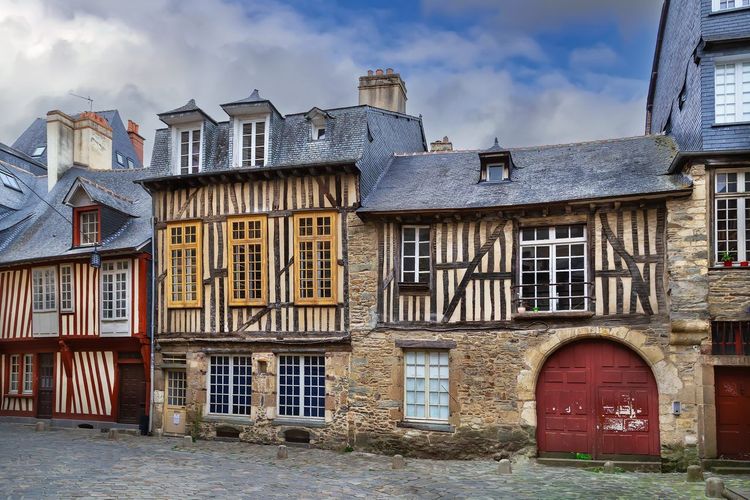
The first day focuses on a compact but dense area: Rennes's historic center fits almost entirely within a circle one kilometer in diameter, making it possible to cover everything on foot without ever needing to use public transport.
Cathédrale Saint-Pierre and Portes Mordelaises
The Cathédrale Saint-Pierre de Rennes is the logical starting point: its neoclassical façade, completed in 1844 after more than a century of construction, conceals a gilded baroque interior that consistently surprises hurried visitors. Allow 20 to 30 minutes to walk through it, side chapels included.
Two minutes away on foot, the Portes Mordelaises are the last remaining section of the medieval ramparts still visible in its entirety: it was through this fortified gate that the Dukes of Brittany entered the city for their enthronement ceremony, up until the 15th century. Recent restoration work allows visitors to walk along the battlements on certain weekends.
On the way back toward the cathedral, a short detour to the Basilique Saint-Sauveur is worth it: this Marian sanctuary, known locally for the ex-votos linked to the siege of 1357, has a far more restrained interior than its neighbor.
Place Sainte-Anne, Rue Saint-Michel, and Half-Timbered Houses
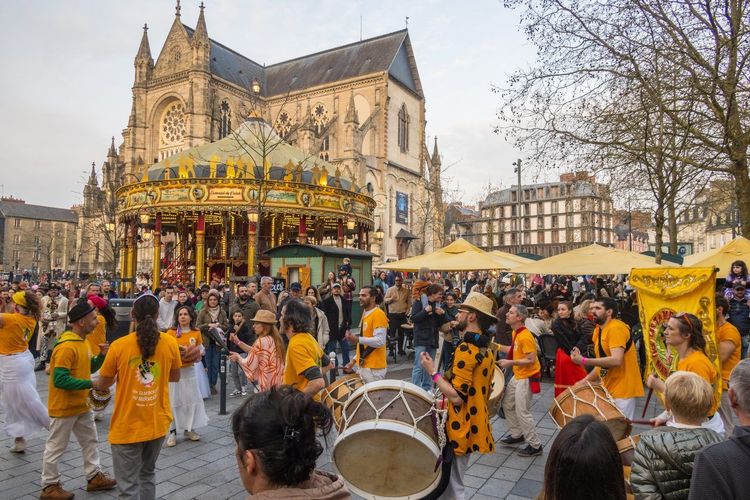
Heading east, the Place Sainte-Anne is perhaps the spot that best captures the soul of the Vieux Rennes: crêperie terraces, half-timbered façades tilted by time, and a buzz that never really dies down, whether at midday or in the evening.
Just behind it, the Rue Saint-Michel has the highest concentration of half-timbered bars in the city, earning it the local nickname of 'Rue de la Soif' (Street of Thirst). By day, it's mainly an opportunity to look up: the 15th-century half-timbered structures here are particularly well preserved, with façades leaning up to a meter over three floors.
To see more beautiful half-timbered houses, the Rue du Chapitre and the Place du Champ Jacquet complete the visit with just a few minutes' walk. As for the Rennes ramparts, only fragments remain, integrated into later constructions, visible notably on the Rue Nantaise and in the gardens that run along the Vilaine on the south side.
Place des Lices, Palais Saint-Georges, and Jardin du Thabor
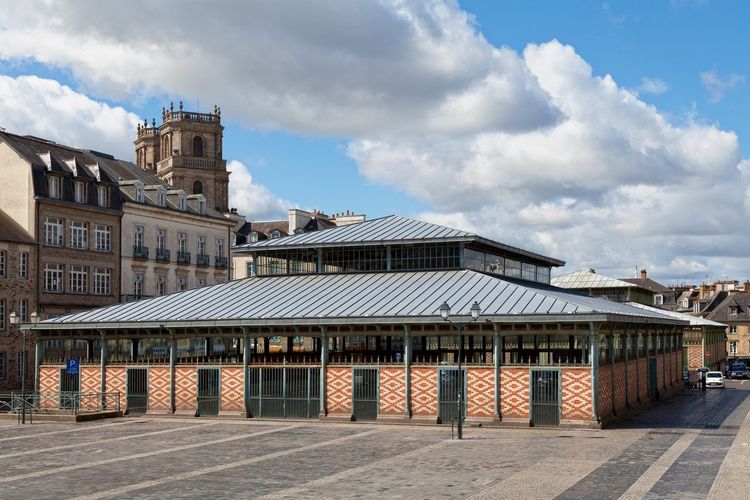
The Place des Lices takes its name from the chivalric tournaments held there until the 16th century. Today it is best known for its Saturday morning market, but it deserves a visit even on weekdays for the half-timbered houses that frame it on three sides.
Continuing north, the Palais Saint-Georges occupies the former site of an 11th-century Benedictine abbey, rebuilt as an aristocratic palace in the 17th century: its classical façade, now used as offices, deliberately contrasts with the rest of the neighborhood.
The afternoon ends naturally at the Jardin du Thabor (Place Saint-Melaine, 35000 Rennes, rated 4.7/5 on Google with 13,773 reviews), considered one of the finest French formal gardens in France: 10 hectares organized around a rose garden of more than 2,000 rose bushes, a botanical garden, and an aviary. It is also one of the rare spots in the center where you encounter more local families than tourists at the end of the day. If the weather permits, a detour through the adjacent botanical garden, which is less crowded, allows you to explore a collection of medicinal plants laid out as it was in the 19th century, when the Thabor also served as a study garden for the faculty of medicine.
To make sure you don't miss any of the architectural details along this route, the Ryo audio-guided tour of Rennes offers a geolocated audio commentary that follows exactly this itinerary, Portes Mordelaises included.
Day 2: Champs Libres, Museums, and the Quays of the Vilaine
The second day shifts toward culture, with one of the richest museum hubs in western France and a riverside stroll to unwind.
Les Champs Libres and the Musée de Bretagne
The Champs Libres is the flagship of Rennes's cultural life: a building designed by Christian de Portzamparc that brings together the Musée de Bretagne, the municipal library, and the Espace des Sciences under one roof. Allow a full morning if you want to go through the permanent collections without rushing. The building is closed on Mondays, a detail worth checking before scheduling your day around this visit.
The Musée de Bretagne takes up most of the permanent route: more than 6,000 years of regional history told through archaeological collections, traditional Breton costumes, and an entire section devoted to the industrial and social history of the 20th century. It is one of the rare museums in France to address the question of regional identity so directly, without slipping into folklore.
A combined ticket gives access to the museum and the Espace des Sciences planetarium for a few extra euros, which makes sense if you're traveling with children curious about astronomy: book your planetarium slot when you arrive, as sessions fill up quickly on weekends. Before leaving, head up to the top floor: the library of the Champs Libres offers one of the finest views over the slate rooftops of the historic center, accessible for free without even borrowing a book.
Musée des Beaux-Arts de Rennes
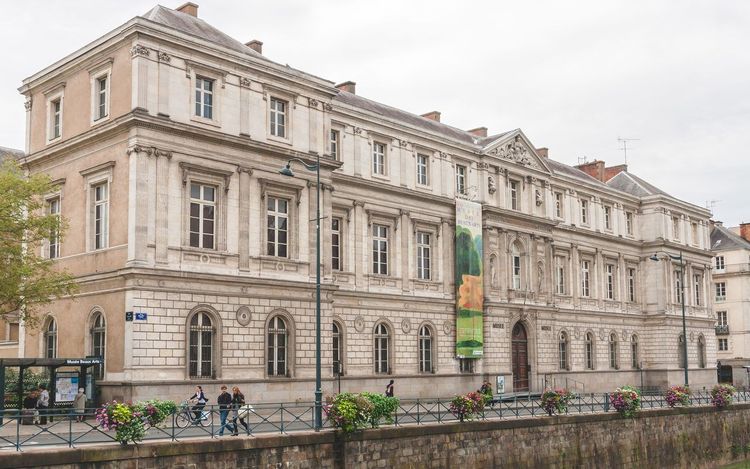
Ten minutes away on foot along the quays, the Musée des Beaux-Arts de Rennes covers an impressive chronological span for a city of this size: Egyptian antiquities, 17th-century Flemish painting, French Impressionists (including several Gauguins from the painter's Breton period), and a contemporary art collection that is regularly refreshed.
Georges de La Tour's Nativity and the collection of old master drawings — among the richest in France outside Paris — justify the detour on their own, even for just two hours. Good news for your travel budget: admission to the permanent collections is free for everyone; only temporary exhibitions are ticketed. The museum is closed on Mondays and public holidays.
Quays of the Vilaine and Odorico Mosaics
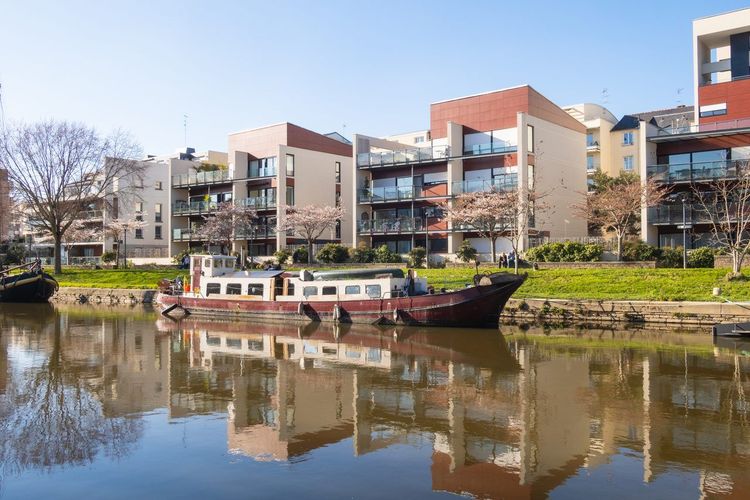
The afternoon lends itself to a stroll along the quays of the Vilaine, from the side of the Parlement down to the Pont de Nemours: the river, largely covered over in the 20th century to make way for major roads, resurfaces here in the open air between two rows of plane trees.
Along the way, a fairly discreet shop front conceals one of the city's least-known curiosities: the Odorico mosaics (32 Quai Émile Zola, 35000 Rennes), created in the early 20th century by a family of Italian mosaic artists who settled in Rennes and covered several of the city's façades with Art Deco patterns in enameled ceramic. Where can you admire the finest mosaics in Rennes? The façade of the former Odorico shop on Quai Émile Zola remains the most spectacular, with its shades of blue and gold.
Other examples are hidden on Square de Léon, on shop fronts, and in the entrance halls of bourgeois apartment buildings — a treasure hunt that even local Rennais sometimes discover surprisingly late.
Day 3: Parlement de Bretagne, Churches, and a Boat Ride on the Vilaine
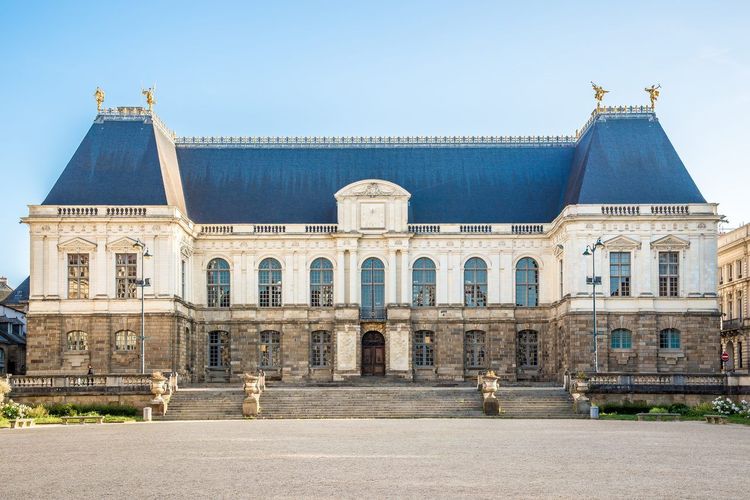
The third day begins with one of Rennes's most historically significant monuments, before slowing the pace with a relaxing afternoon on the water.
Parlement de Bretagne, Hôtel de Ville, and Place de la République
The Parlement de Bretagne is a gem that can be visited year-round, by mandatory reservation: this 17th-century palace, seat of the former provincial parliament and later the court of appeal, nearly disappeared in the fire of 1994 started by angry fishermen, before a ten-year restoration that brought back the full splendor of the painted ceilings of the Grand'Chambre. The Parlement cannot be visited independently: the guided tour lasts around 1h30, must be booked online (from €6.50 per person), and sells out several days in advance during high season.
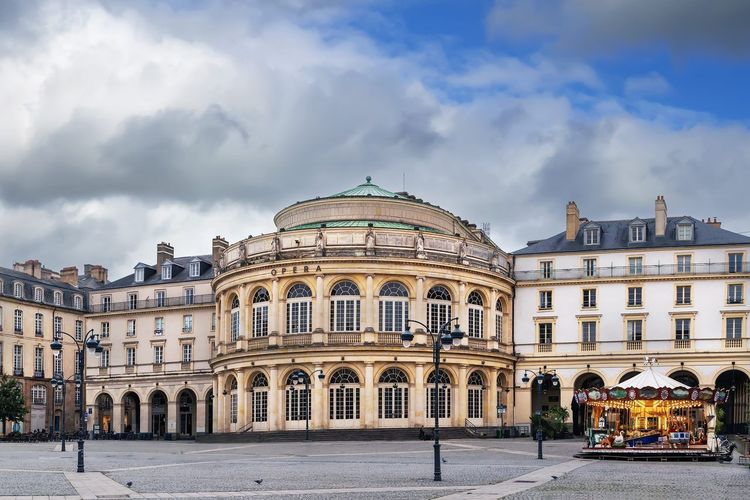
Opposite, the Place de l'Hôtel de Ville stages a curious architectural face-off: the 18th-century classical town hall on one side, the neoclassical Opera on the other, with both buildings framing an esplanade where Rennais come to picnic at the first sign of fine weather.
Nearby, the Place de la République marks the boundary between the Vieux Rennes and the 19th-century city: its Haussmann-style buildings and equestrian statue stand in sharp contrast to the half-timbered façades seen the day before.
Église Saint-Germain, Chapelle Saint-Yves, and Basilique Notre-Dame-en-Saint-Mélain
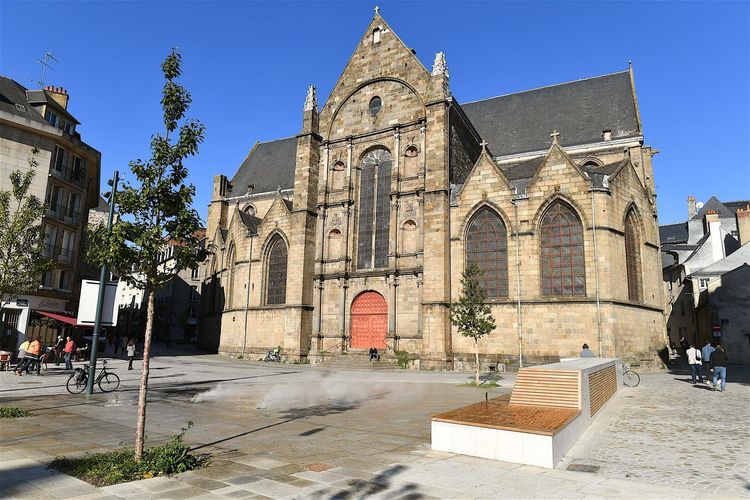
Rennes has about half a dozen notable churches, three of which can easily be visited in a single morning. The Église Saint-Germain, the oldest still-active parish in the city, retains 16th-century stained glass windows that miraculously survived both the wars and the fire of 1720.
The Chapelle Saint-Yves has not been used for worship for a long time: converted into an urban history museum, it also houses the Rennes tourist office, making it a practical as well as a heritage stop for picking up a map of the city.
Slightly further out but still accessible on foot, the Basilique Notre-Dame de Bonne-Nouvelle en Saint-Aubin and the Église Notre-Dame en Saint-Mélain (Place Saint-Mélaine, 35000 Rennes, rated 4.6/5 on Google with 454 reviews), the oldest church in Rennes, mentioned as far back as the 6th century, round out the picture for those who want to push their religious tour beyond the cathedral.
Boat Ride on the Vilaine
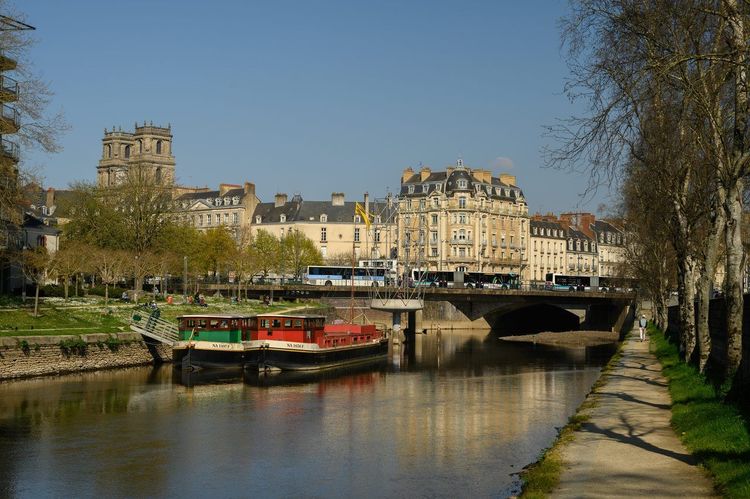
The afternoon is perfect for a boat ride on the Vilaine, particularly between April and September when local companies offer one-hour commentary cruises between the Saint-Martin lock and the Thabor park. It's a relaxing way to close your stay, seated, after two and a half days spent almost entirely on foot.
For those who prefer to stay on dry land, the towpath running along the north bank of the river offers the same perspective without any booking or timetable, with a few benches in the shade of the trees to catch your breath before the train home.
The Ryo audio guide for Rennes covers the Dreyfus trial, which was held in this very Parlement in 1899 — an episode that many visitors are unaware of when they push open the door. The Ryo audio guide for Rennes devotes an entire chapter to it, best listened to before entering the Parlement rather than after.
The Most Beautiful Parks and Green Spaces in Rennes
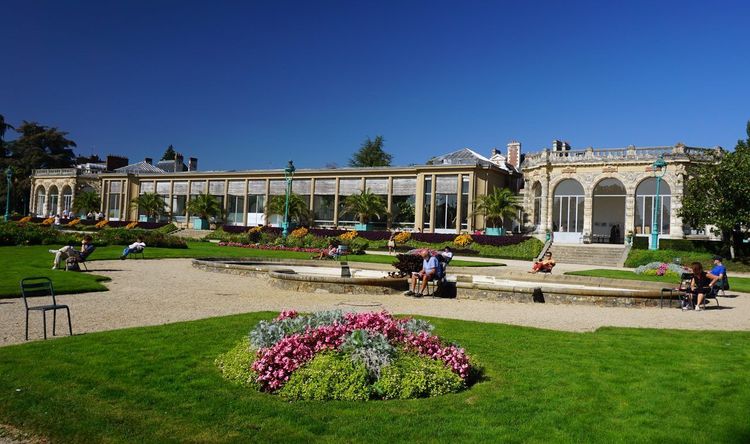
The Jardin du Thabor is far from the only green space in Rennes: the city boasts more than 900 hectares of parks and gardens, one of the highest ratios per inhabitant in France.
The Parc des Gayeulles, to the east of the city, is a completely different experience: 100 hectares of semi-wild nature with a lake and a leisure center equipped for cycling and tree-climbing. It's the ideal spot for a family afternoon or a jog away from traffic.
Closer to the center, Parc Oberthür (Rue de Châtillon, 35000 Rennes, rated 4.6/5 on Google with 1,366 reviews) and the Parc des Tanneurs complement the offer for those returning on a Sunday or extending their stay beyond three days: the former, a private park bequeathed to the city, retains rare tree species planted in the 19th century, while the latter, developed on former industrial sites along the Vilaine, has become a popular picnic spot for young Rennais.
To explore these parks in a different way, our Ryo article on the most beautiful cycling routes in Rennes details itineraries connecting Gayeulles, Thabor, and the banks of the Vilaine.
Museums and Cultural Sites Not to Miss
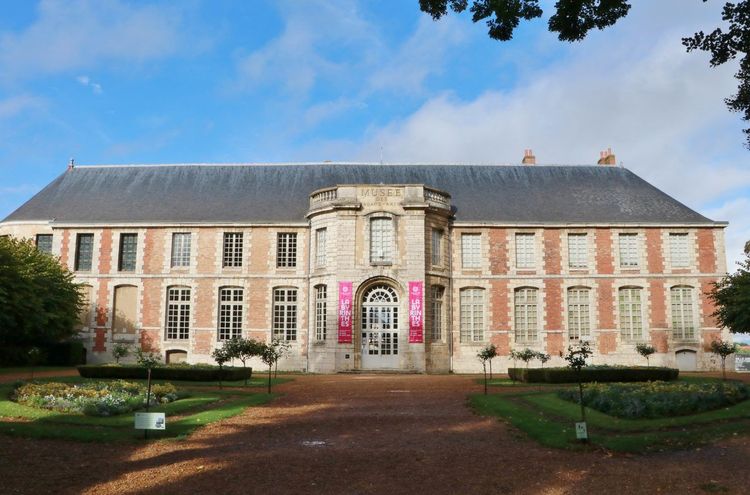
Beyond the Champs Libres and the Musée des Beaux-Arts, three venues usefully round out the cultural program, particularly for an extended stay or a rainy day.
The Espace des Sciences occupies part of the Champs Libres and stands out for its planetarium, one of the largest in western France with a 12-meter dome, and its interactive exhibitions designed for children as well as adults curious about astronomy or biology. Temporary exhibitions change on average every six months, making it a stop that even regular visitors to Rennes happily return to.
Further out, to the south, the Écomusée de la Bintinais occupies an 18th-century farmhouse converted into a living museum of Breton agriculture: heritage-breed animals (Breton black-and-white cattle, Coucou de Rennes chickens), conservatory gardens, and period farm buildings. Allow a half-day including travel, for a venue that sits well outside the standard tourist circuit.
The Opéra de Rennes (Place de la Mairie, 35000 Rennes, rated 4.5/5 on Google with 1,225 reviews), housed in the wing facing the Parlement de Bretagne on the Place de la Mairie, programs a lyrical and choreographic season from October to June. Even without a show ticket, the Italian-style auditorium — one of the smallest in France — can be admired during European Heritage Days and certain guided tours organized by the tourist office.
What are the 5 most frequently cited museums in Rennes? The Musée de Bretagne, the Musée des Beaux-Arts, the Espace des Sciences, the Écomusée de la Bintinais, and the urban history museum in the Chapelle Saint-Yves form the backbone of the cultural program. To these should be added two contemporary art venues that passing visitors almost always miss: La Criée, an art center housed beneath the central market hall, and the FRAC Bretagne, recognizable by its black cube designed by Odile Decq in the north of the city, where exhibition admission is modest and the spaces are rarely crowded on weekdays.
Where to Eat in Rennes: Breton Cuisine and Top Addresses
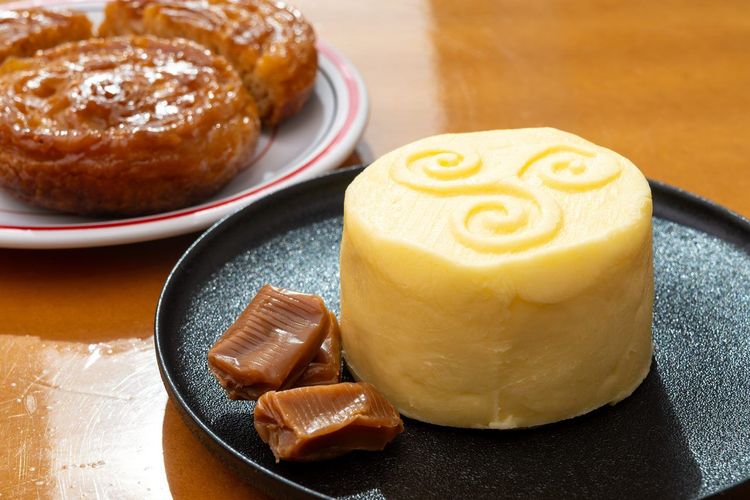
The food scene in Rennes blends Breton classics with a fairly dynamic young-chef scene for a city of this size.
Where to eat in Rennes almost always starts with a crêperie: the area around the Place Sainte-Anne and the Rue Saint-Georges has several, with a well-established ritual — the galette-saucisse eaten standing in the street for a few euros, particularly around the Lices market on Saturday morning. It's a street food in its own right in Rennes, almost a local identity, and you'll quickly find that every Rennais has their own personal recommendation for the best spot.
For where to eat dinner in Rennes, the Rue Saint-Georges — not to be confused with the Place Sainte-Anne — brings together about ten more refined restaurants, from traditional bistros to revisited Breton cuisine, set within restored half-timbered houses that give the neighborhood the feel of a small village within the city. Book ahead if possible on Friday and Saturday evenings, as the best addresses fill up by 7:30 pm for much of the year.
Where to find a good kouign-amann in Rennes? Almost every city-center bakery offers its own version, but the best follow the traditional recipe: a slow-baked salted-butter pastry, never dry, never too sweet on top. Comparing several addresses is part of the game for many visitors, and the Lices market remains a good starting point for sampling several versions on the same morning.
Summer changes things with the roster of 20 Rennais guinguettes that set up along the Vilaine and nearby canals from May to September: open-air tables, impromptu concerts, and a relaxed atmosphere at noticeably lower prices than city-center restaurants. For a broader overview of regional specialties, the Ryo guide to Rennes's culinary specialties details the dishes to try and the producers to look for on the Saturday morning stalls. Ryo's audio-guided tour of Rennes threads a route past many of these same addresses, handy after all that market browsing.
Where to Stay in Rennes by Budget and Neighborhood
Where to stay in Rennes depends mainly on how you plan to get around during your visit.
The historic center, around the Place Sainte-Anne or the Place des Lices, suits those who want to do everything on foot from the moment they wake up: it's also the liveliest area in the evening, with the noise that implies on some weekends, particularly on the Rue Saint-Michel.
The station and Colombier area appeals more to TGV travelers and business visitors: recent chain hotels, a few minutes' walk from the center, with direct metro access to the Champs Libres or the Thabor without effort. Prices here are often gentler than in the heart of the old town, at an equivalent walking distance.
Where to stay for a couple's trip, or simply a more relaxed one? The neighborhoods around the Thabor and the Place Saint-Mélaine offer a quieter alternative, five to ten minutes' walk from the historic center, with charming addresses in renovated old townhouses.
For those on a tight budget, two well-rated youth hostels are located near the Villejean campus and about fifteen minutes' walk from the center near the Canal Saint-Martin, an option worth considering if you're traveling light and enjoy meeting other travelers. Over three days, it's better to prioritize proximity to the center over the lowest price per square meter: the compactness of the city center means you save in transport what you spend extra on the room.
Visiting Rennes with Children: What to Do as a Family
Traveling with children here poses no particular problems: the city is compact, largely pedestrianized, and well equipped for families with young children.
What family activities are there to do in Rennes? The Champs Libres planetarium almost always tops the list: the sessions, suitable from age 5–6, combine immersive projection with accessible explanations free of scientific jargon. The Musée de Bretagne, right next door, also offers play trails designed for 7–12 year-olds, with activity booklets to complete as a family rather than simple explanatory panels.
For outdoor activities, the Jardin du Thabor has a vintage carousel and an aviary that younger children adore, as well as large lawns to run across without the risk of traffic. For a longer outing, the Parc des Gayeulles combines a lake, an educational farm, and play structures across several hectares — more than enough to fill an entire afternoon, with pushchair-friendly paths on most routes.
Best activities for children in Rennes when energy flags: the Écomusée de la Bintinais, with its farm animals accessible in part of the circuit, works well for younger children who need to move around between museum visits.
What to Do in Rennes When It Rains
What to do in Rennes when it rains? Our indoor ideas all follow the same principle: the city has enough indoor sites to fill a full day without ever opening an umbrella.
The Champs Libres remains the most complete shelter: the Musée de Bretagne, the Espace des Sciences, and the library all under one roof, with a cafeteria for a break between rooms. The Musée des Beaux-Arts and the Parlement de Bretagne, by reservation, work just as well on a rainy day as on a sunny one — perhaps even better, as natural light is less essential for appreciating the collections.
Another lesser-known option, the covered Lices market, open on weekdays in an Art Deco hall, allows you to browse under cover while discovering local produce. And for those who enjoy shopping, the arcades around the Place du Parlement and the Rue d'Orléans fill the rest of the afternoon without a single step outdoors.
Day Trips and Most Beautiful Villages Around Rennes in Ille-et-Vilaine
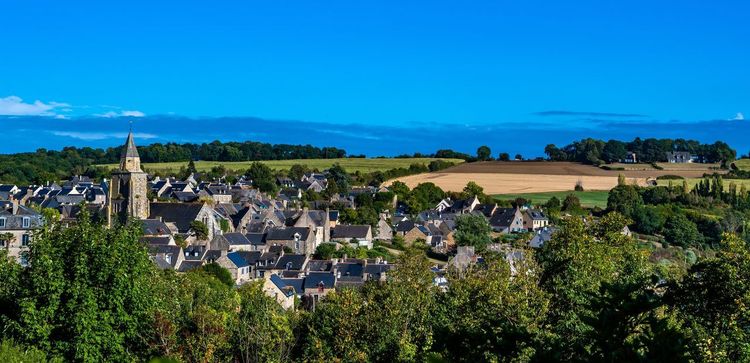
For a fourth day or a half-day stolen from the third, you'll find in Ille-et-Vilaine and the surrounding area an exceptionally rich selection of day trips around the Breton metropolis.
Saint-Malo, Dinan, and Vitré: Three Essential Breton Towns
Saint-Malo, just under an hour away by train, remains the most requested excursion from Rennes: the corsair city, entirely rebuilt after 1944 in the style of its historic ramparts, allows you to walk the full circuit of the fortifications in an hour, with views over the English Channel and the offshore islets at every turn.
Dinan, thirty minutes away by road or by train with a change, offers a very different atmosphere: a medieval town perched above the Rance, with one of the best-preserved half-timbered streets in Brittany — the Rue du Jerzual — winding down to the river port, and almost entirely intact ramparts.
Closer still, twenty-five minutes away by train, Vitré retains a medieval charm that is largely underestimated compared to Saint-Malo or Dinan: its 12th-century fortress still dominates the town, and the historic center, less crowded with tourist coaches, allows for a more relaxed half-day visit. For those continuing to the coast, Dinard, just across from Saint-Malo, adds a Belle Époque touch with its 19th-century seaside villas lining the Promenade du Clair de Lune.
Fougères, the Roche aux Fées, and the Forest of Brocéliande
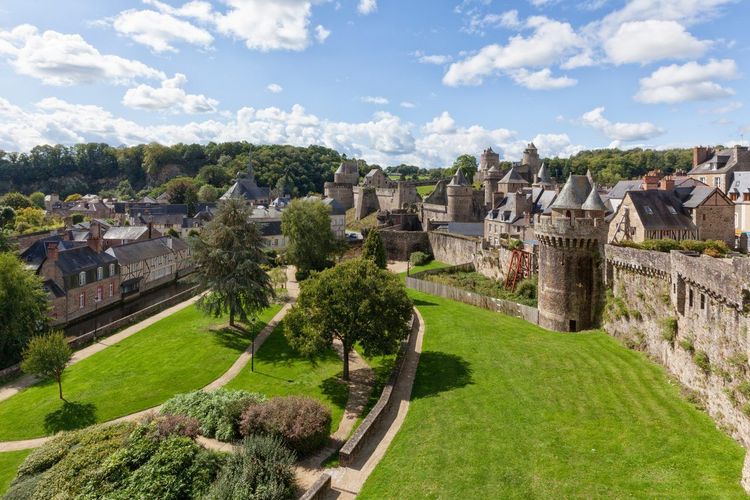
Heading east this time, Fougères is home to one of the largest medieval fortresses in Europe: thirteen towers and two hectares in area, a complex built to lock down the border between the Duchy of Brittany and the Kingdom of France. The upper town, perched on its rocky spur, completes the visit with its half-timbered houses.
To the southeast, the Roche aux Fées (Essé, 35150 Essé, rated 4.5/5 on Google with 1.2K reviews) is one of the most impressive megalithic dolmens in France, made up of some forty blocks of red schist assembled around 5,000 years ago, in a pastoral setting with no tourist infrastructure around it, which only adds to its mystery.
Motoring enthusiasts should not miss the Manoir de l'Automobile de Lohéac, one of the largest private automobile museums in Europe with more than 500 collector vehicles, from the early 20th century to recent racing models. Finally, to the southwest, the Forest of Brocéliande — the Paimpont massif — has kept the Arthurian legends alive for centuries: the Fountain of Barenton, the Tomb of Merlin, and the Val sans Retour can be explored on foot along several marked trails, through a forest that maintains a deliberately mysterious atmosphere even in broad daylight. Our Ryo article on the most beautiful villages to visit around Rennes details complete itineraries for each of these destinations.
Rennes Off the Beaten Path: Surprising Façades and Little-Known Records
Rennes hides a few curiosities that most hurried visitors never see, for want of looking up at the right moment. You'll spot them all the more easily if you slow down in the Vieux Rennes.
Façades that defy the laws of gravity: in the Vieux Rennes, several 15th-century half-timbered houses lean so dramatically that the upper floors sometimes overhang the ground floor by a full meter. This system, known as jettying, was originally used to gain habitable surface area without paying additional land tax, which was calculated on the building's footprint.
In terms of hôtels particuliers and little-known records, Rennes preserves close to three hundred half-timbered houses, placing it among the top French cities for such heritage, alongside Troyes and Rouen. The Parlement de Bretagne, meanwhile, bears the memory of one of the costliest disasters ever to befall a French listed monument: the fire on the night of 4–5 February 1994, followed by ten years of restoration work before it reopened to the public.
These details are easier to spot with a commentary in your ear: the Ryo audio-guided tour of Rennes stops in front of several of these leaning façades to explain, map in hand, how they have stayed standing for six centuries.
Lices Market and Local Life: Shopping and Nightlife in Rennes
The Place des Lices, with its history of medieval tournaments and gastronomy, reclaims its role as a great popular gathering every Saturday morning: more than 300 vendors set up there, regularly placing it among the largest markets in France. Arrive before 10 am if you want to avoid the crowds while still finding the best produce.
Around the Place du Parlement, the hub of Rennes shopping, independent boutiques sit alongside major chains in a compact area around the Rue d'Orléans and the Rue Le Bastard, largely pedestrianized, making window shopping pleasant even on a rainy day.
Come evening, the Rue Saint-Michel, the ever-lively 'Rue de la Soif,' takes over: this stretch of half-timbered street, less than 200 meters long, concentrates about twenty bars frequented mainly by the 60,000 students of the agglomeration, giving this corner of the Vieux Rennes a very different atmosphere from the daytime. For information on the events that punctuate the year, the Ryo events agenda for Rennes lists the city's festivals and seasonal highlights.



FAQ
How much time do you need to discover Rennes (1, 2, or 3 days)?
Allow one day for the essential highlights of the historic center and one museum if you are truly pressed for time, two days to add the Champs Libres or the Musée des Beaux-Arts without rushing, and three days to include the Parlement de Bretagne, the churches of the center, and a half-day escape to the Breton coast or countryside. It is this last format that allows you to leave with the feeling of having truly seen the city, rather than simply passed through it.
What itinerary should you follow over three days in Rennes?
The most efficient itinerary follows a geographical rather than thematic logic: the first day for the Vieux Rennes on foot (cathedral, Portes Mordelaises, Place Sainte-Anne, Jardin du Thabor), the second for the cultural hub of the Champs Libres and the Musée des Beaux-Arts with a stroll along the quays, and the third for the Parlement de Bretagne, the churches of the center, and a boat ride on the Vilaine before heading home.
What are the best months to visit Rennes?
Spring, from April to June, and early autumn in September offer the best balance between manageable weather and moderate crowds, with average temperatures of 16 to 18°C. Summer adds riverside guinguettes along the Vilaine, at the cost of a busier city center, while winter remains a good option for prioritizing museums, the Parlement de Bretagne, and the Champs Libres, where Breton rain becomes an argument rather than an obstacle.
What can you do in Rennes with children?
The Champs Libres planetarium and the Musée de Bretagne are well suited to children from age 5–6, with play trails designed for younger visitors. The Jardin du Thabor, with its carousel and aviary, and the Parc des Gayeulles, with its lake and educational farm, round out the program for an outdoor afternoon that never gets boring.
What can you do in Rennes when it rains?
The Champs Libres remains the most complete indoor option, with the Musée de Bretagne, the Espace des Sciences, and the library all under one roof. The Musée des Beaux-Arts, the Parlement de Bretagne by reservation, and the covered Lices market, housed in an Art Deco hall, round out a full day under shelter without ever having to forgo the essential highlights.
What are the most beautiful villages to visit around Rennes?
Vitré and Fougères, with their respective medieval castles, frequently top the list, followed by Dinan for its half-timbered houses perched above the Rance. Saint-Malo and Dinard round out the list on the coastal side, while the Roche aux Fées, off the beaten tourist track, appeals to those seeking a more unusual escape.
Where can you park for free in Rennes?
The park-and-ride lots on the outskirts, notably Beaulieu, La Poterie, and Cesson-Viasilva, are linked to the metro lines: you leave your car there for a minimal daily fee, or even free depending on the station, and reach the city center in ten to fifteen minutes without worrying about paid parking downtown.
Three days are enough to understand why Rennes consistently surprises those who usually only stop there when changing trains: a dense and well-preserved historic center, a museum hub that rivals cities twice its size, and direct access to the finest pages of Breton heritage, from Saint-Malo to Fougères and the Roche aux Fées.
If you want to explore the Vieux Rennes without relying on a paper map, the Ryo audio-guided tour of Rennes follows step by step the first-day itinerary described here, including the cathedral, the Portes Mordelaises, and the Jardin du Thabor, complete with the historical anecdotes that bring every façade to life. Whether you stay exactly three days or extend your trip to the coast for a fourth, the Queen of Brittany deserves far more than the simple train stop she is too often given.
À lire également