
Créé par Emilie, le 4 oct. 2026
Votre guide Ryo
Saint-Malo, France
All hands on deck !
Parcours audioguidé pour visiter Saint-Malo en 1 jour
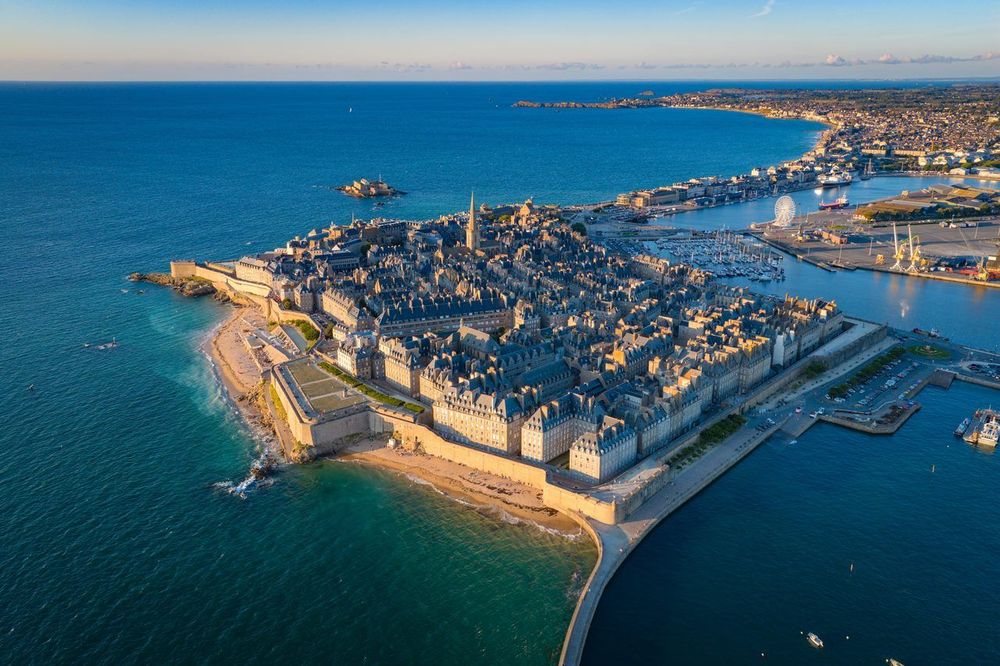
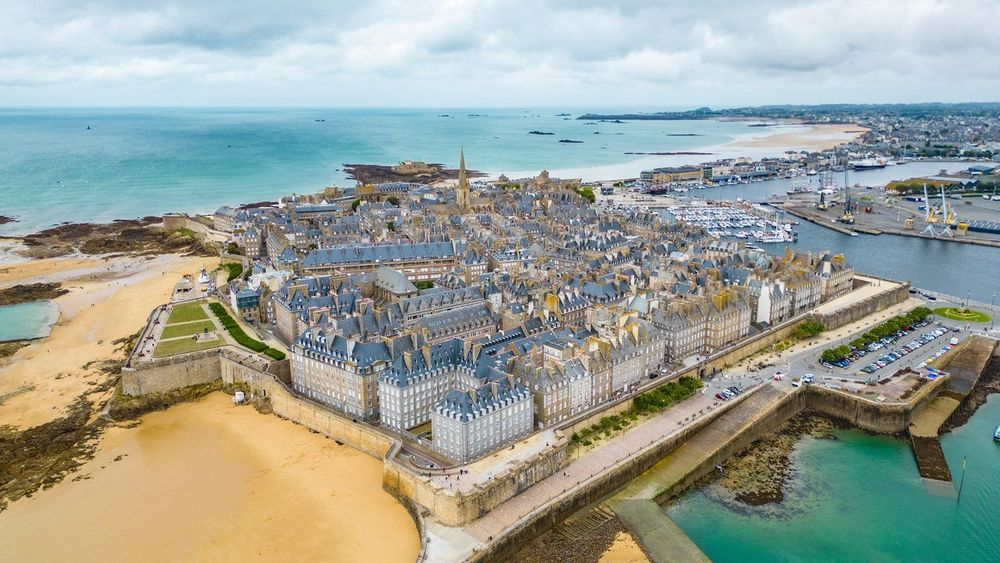
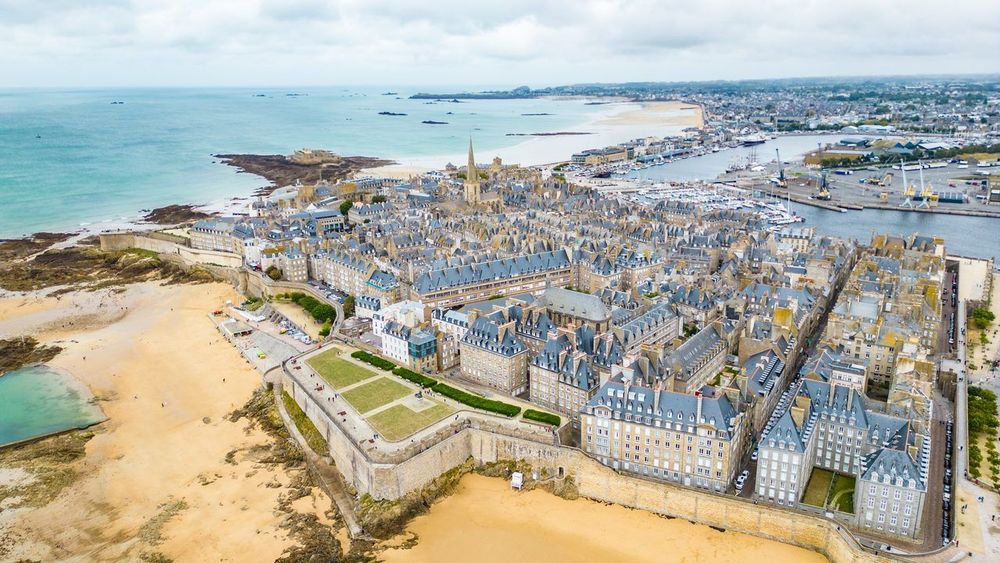
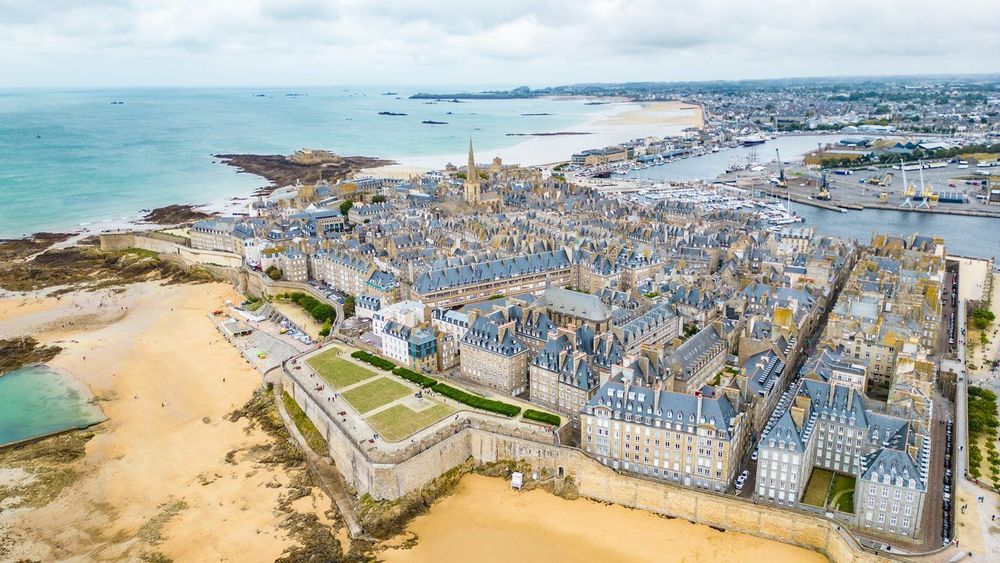
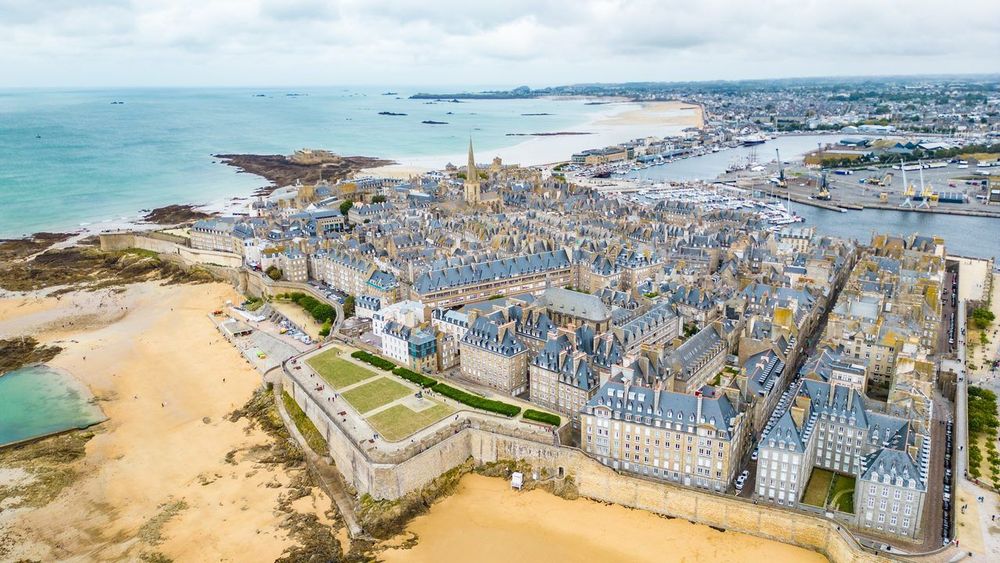
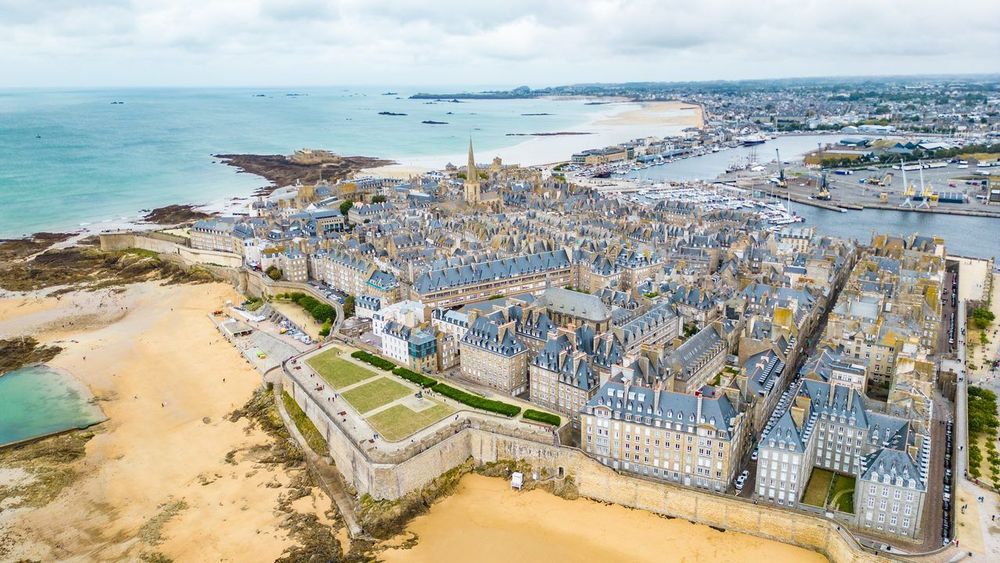
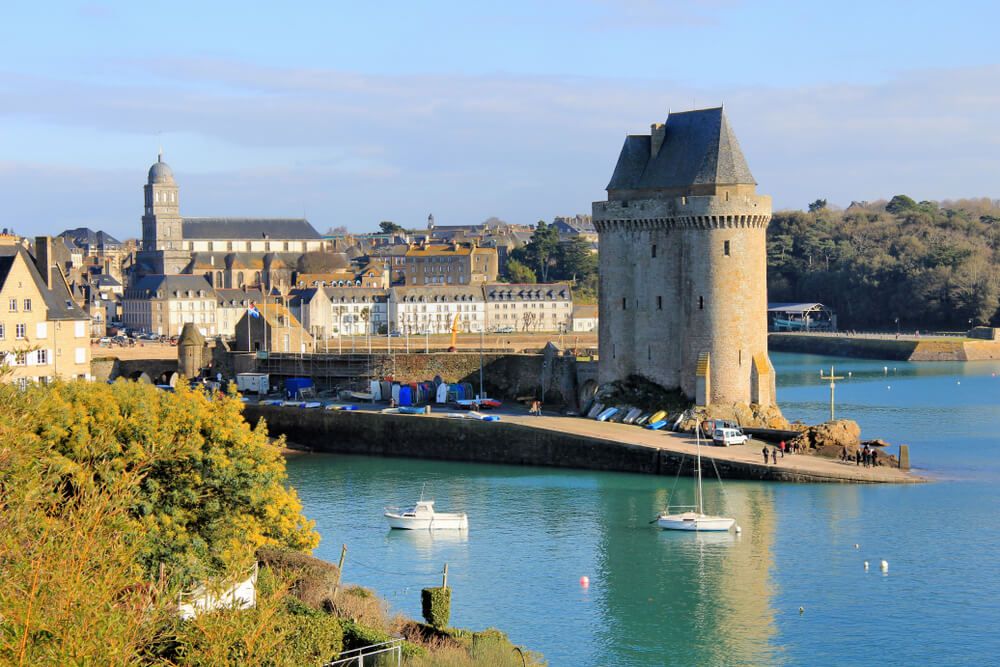
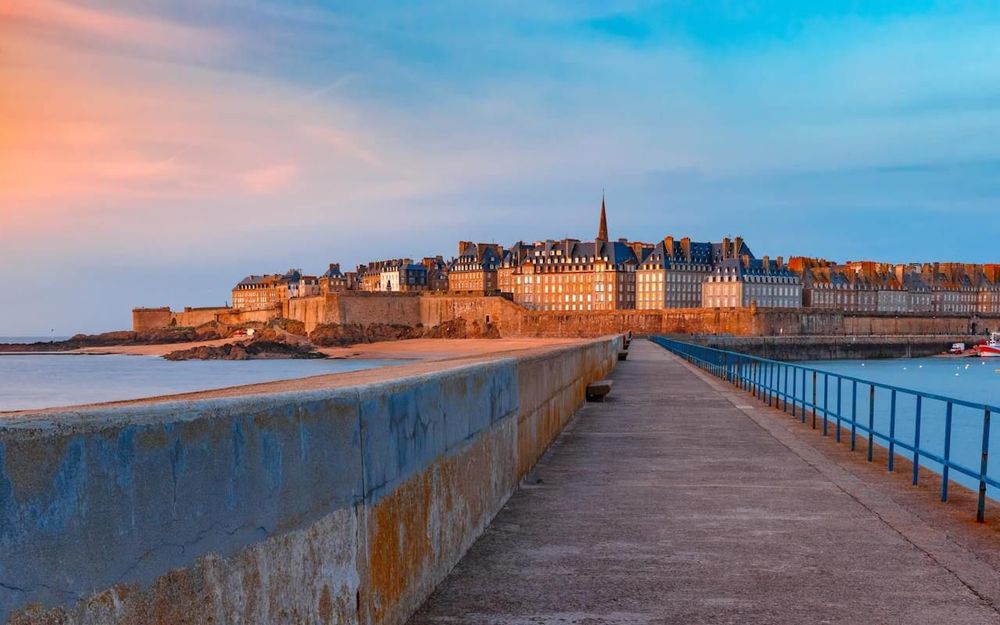
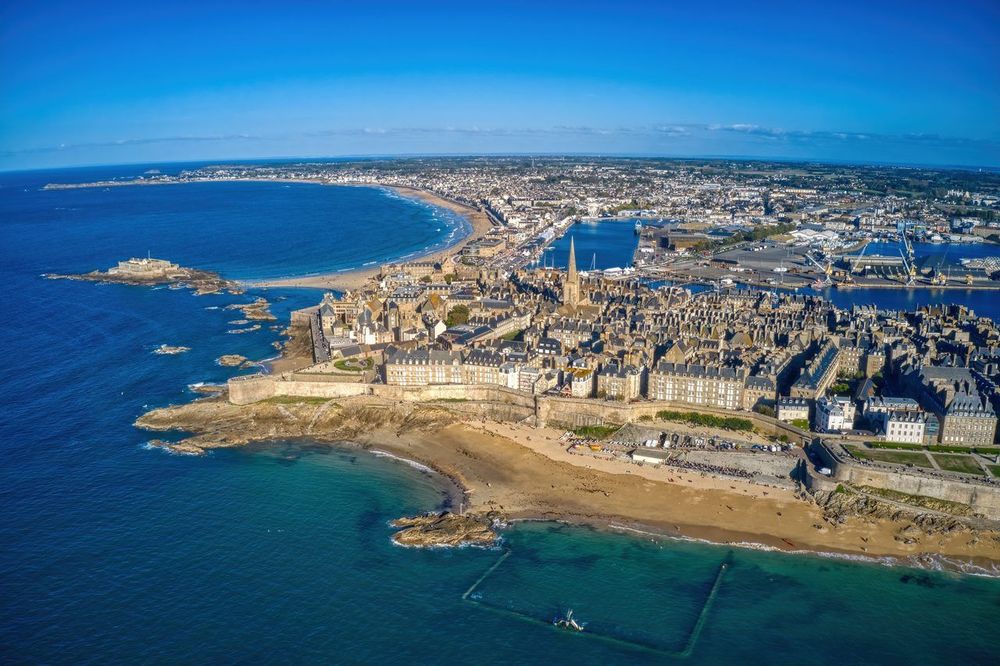
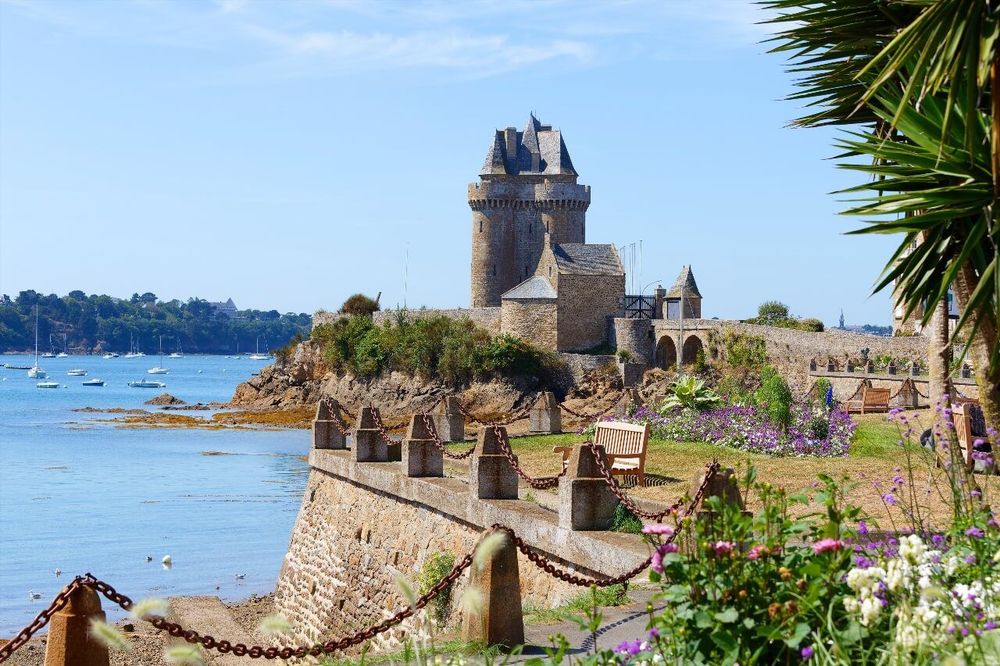
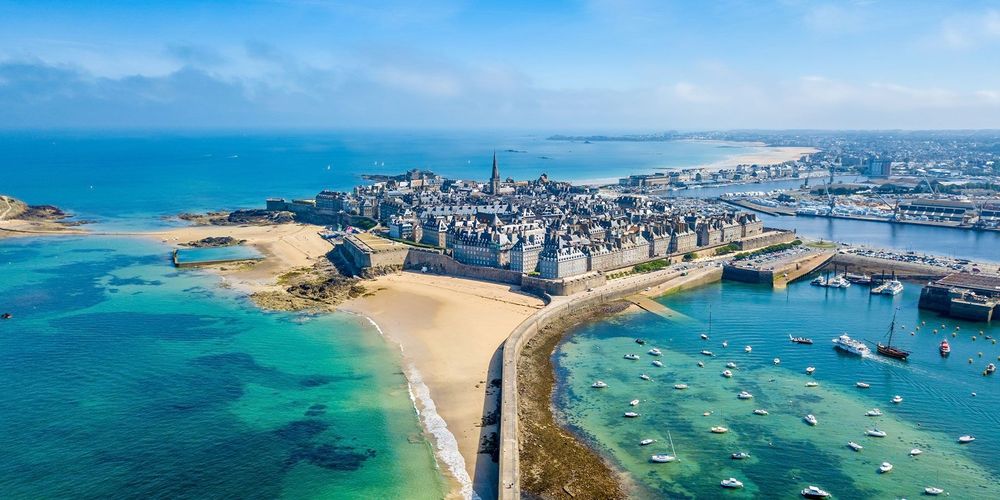
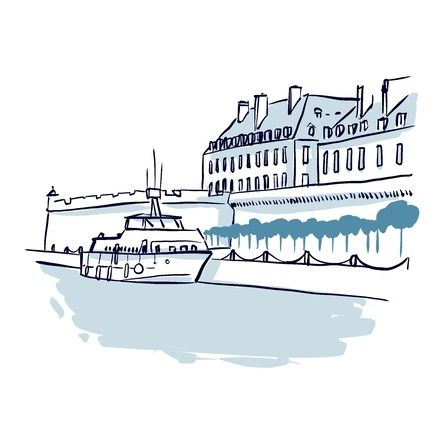
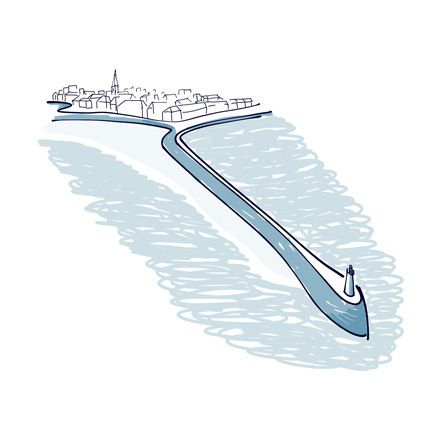
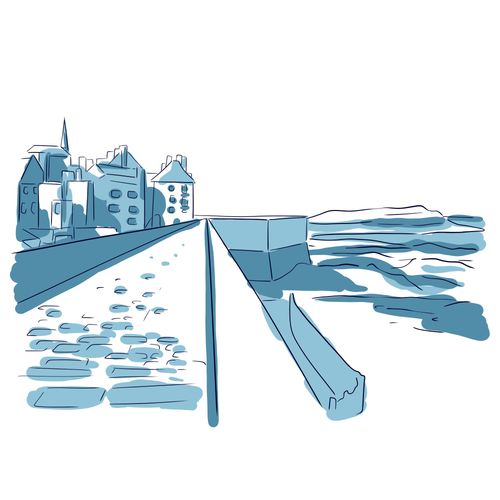
Protected by its ramparts, Saint-Malo asserts a character shaped by the sea and history. The town reveals a powerful atmosphere, marked by its past as a corsair stronghold and its constant connection to the open sea. As you walk through its streets and along its walls, you can fully sense this proud and untamed identity.
Quand partir à Saint-Malo ?
Jan.
8°
13
Feb.
8°
10
March
10°
11
April
11°
10
May
14°
10
June
17°
8
July
19°
7
Aug.
20°
7
Sept.
18°
9
Oct.
15°
11
Nov.
11°
13
Dec.
9°
13
The climate in Saint-Malo is oceanic, with cool but generally moderate winters, ranging from 5 to 11°C, and mild summers, most often between 18 and 24°C, with possible variations due to winds and tides; the best times to visit are typically from April to June and then from September to October, when temperatures are pleasant, the light is often changing along the coast, and visitor numbers are lower, allowing you to fully enjoy the ramparts, beaches, and coastline in a calmer atmosphere than at the height of summer.
Départ conseillé
No need to worry about where to begin! Our tours are designed as a loop, so you can jump in wherever you are. The navigation system and audioguide will automatically adjust to your location. However, if you happen to be nearby, we do have a preferred starting point : Dinan Gate
Parking à proximité
Saint-Vincent Q Park, on "Esplanade Saint-Vincent
The Saint-Malo Feval P14- EFFIA cark park offers a park and ride service. Once you park, free shuttle buses will take you straight to the ramparts.
There are plenty of car parks around the walled city. That being said, if you're visiting Saint-Malo at peak season, it's best to come early in the morning. Parking spaces fill up quickly, and it can be difficult to find a spot after 11am.
À savoir
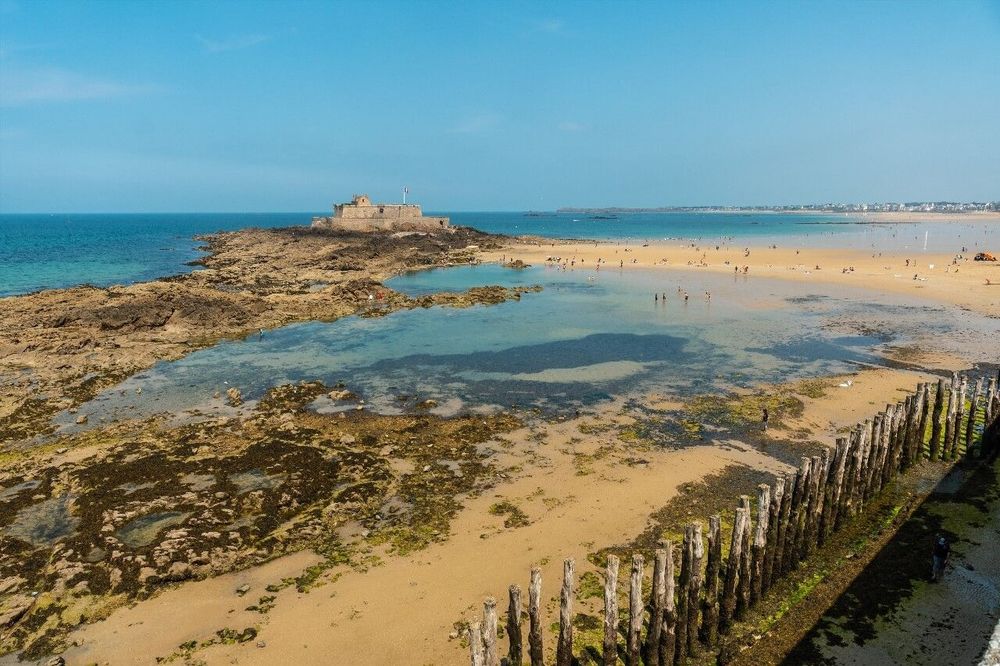
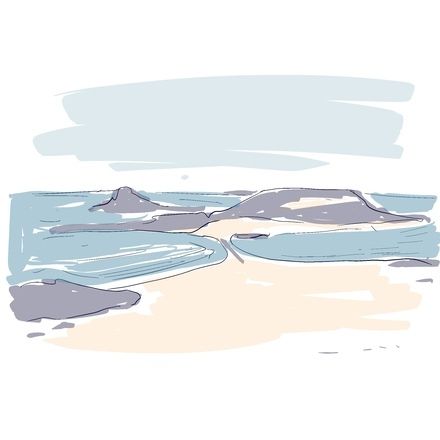
Saint-Malo is prone to high tides. To access the Bé islands, you'll need to check the tide times beforehand, so you can get there at low tide.
Découvrez 30 lieux d'intérêt pour visiter Saint-Malo

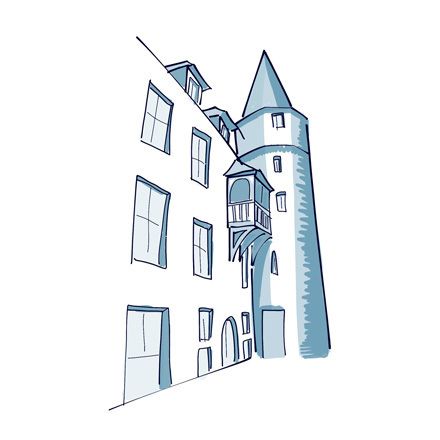



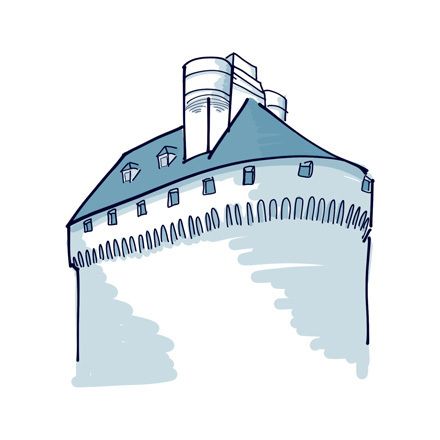
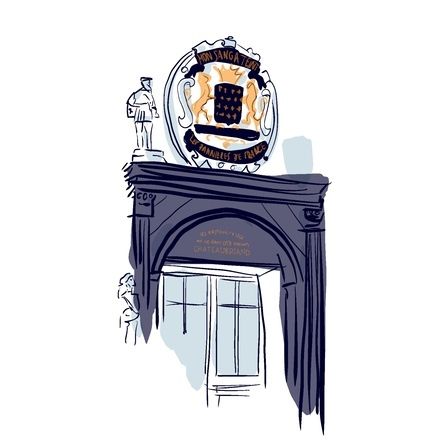
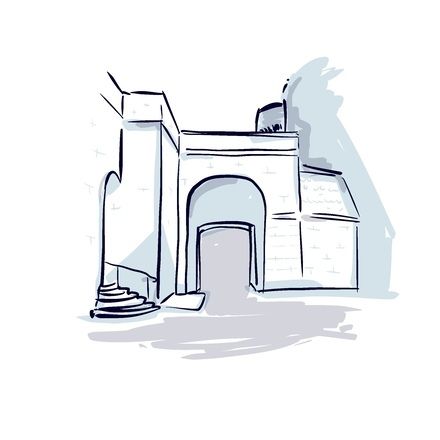



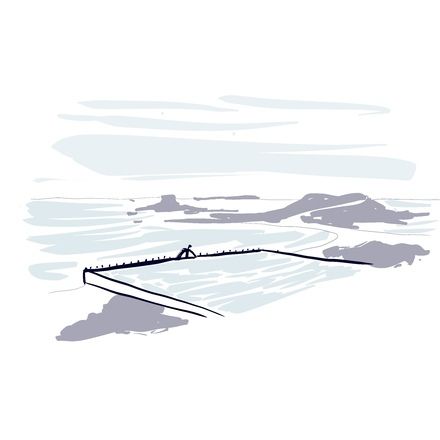

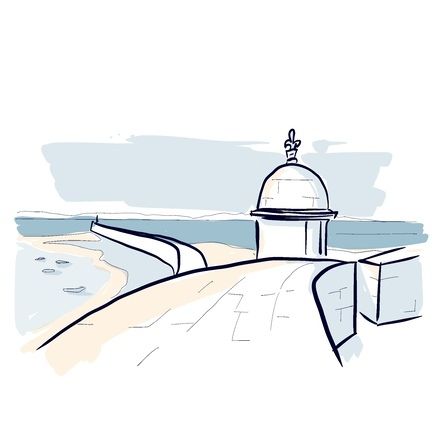
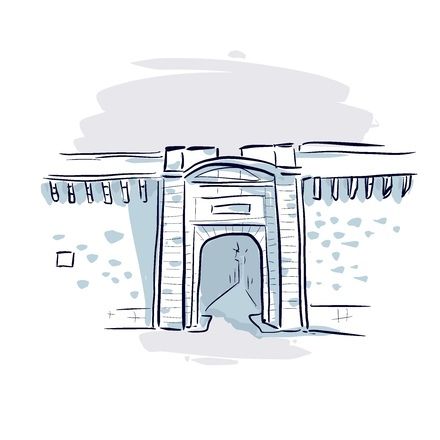


Le plein d'inspirations
Explorez le monde en totale liberté, à pied au cœur des villes ou au fil des routes. Nos guides audios transforment chaque destination en une découverte culturelle immersive et unique.



FAQ for visiting Saint-Malo
When is the best time to visit Saint-Malo?
The best times to discover Saint-Malo run from April to June, then from September to October. During these months you will enjoy pleasant temperatures and shifting light that brings the ramparts and the coastline to life. Tourist crowds remain moderate, allowing you to soak up the unique atmosphere of the corsair city at your ease. Summer draws more visitors, but offers longer days and mild temperatures, generally between 18 and 24°C. Winter stays gentle, with temperatures hovering between 5 and 11°C, ideal if you are looking for a more authentic and contemplative mood facing the sea spray.
How many days do you need to visit Saint-Malo?
Two to three days is an ideal length of time to savour Saint-Malo fully. A full day lets you wander the intra-muros old town, its cobbled lanes and the walk around the ramparts offering spectacular views over the sea. On the second day, you can explore the beaches, visit the Fort National and the islands reachable at low tide, then discover the districts of Saint-Servan or Paramé. A third day gives you time to deepen your visit with museum tours, a boat trip to Dinard or a getaway along the Emerald Coast. This length of stay lets you alternate cultural visits with moments of relaxation by the ocean.
How do you get around Saint-Malo and where can you park?
Saint-Malo intra-muros is best explored on foot, its compact size making walking especially pleasant. To reach the old town, several paid car parks are available right next to the ramparts, notably near the Porte Saint-Vincent or the Esplanade Saint-Vincent. In high season, aim to arrive early in the morning to find a space easily. Free shuttles usually link the more distant car parks to the historic centre during the summer. To explore the surrounding areas such as Paramé or Saint-Servan, the local bus network serves these districts efficiently. The more active will enjoy renting bicycles to ride along the coast and reach the neighbouring beaches at their own pace.
What are the must-sees within the walls of Saint-Malo?
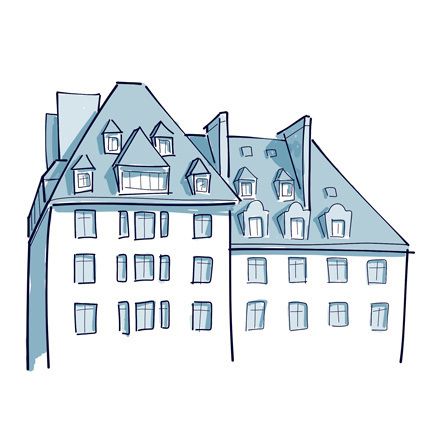
The intra-muros is brimming with treasures to discover during your visit. The full circuit of the ramparts is a must, offering striking panoramas over the sea and the surrounding islands. Saint-Vincent Cathedral is worth your attention with its unique architectural blend. The cobbled streets lead you to Chateaubriand's residence and the shipowners' houses that tell the corsair history of the city. Do not miss the castle, which houses the town's history museum. The Ryo audioguide accompanies you on this discovery with enriching commentary on every emblematic site, revealing the anecdotes and secrets of this strong-willed maritime city.
When can you reach the Fort National and the islands of Grand Bé and Petit Bé?
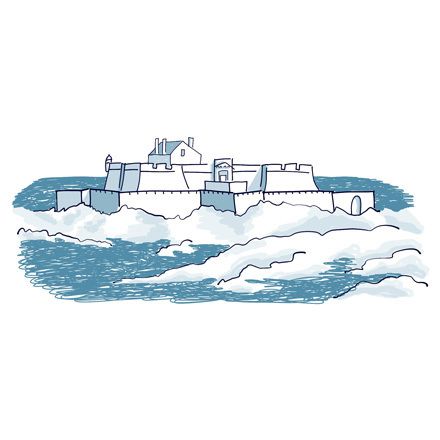
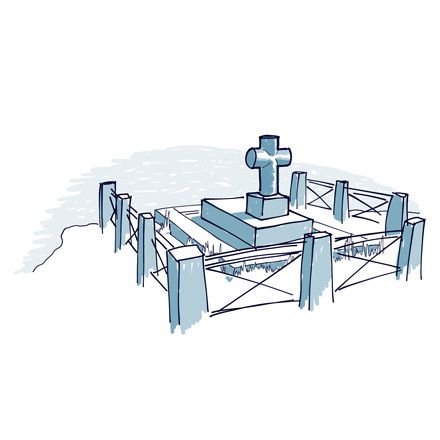
Access to the Fort National and the islands of Grand Bé and Petit Bé depends entirely on the rhythm of the tides. These sites become reachable on foot only at low tide, creating a temporary passage across the exposed foreshore. Be sure to check the tide times before your visit, available at the tourist office or online. The access window generally varies between two and four hours depending on the tidal coefficient. Stay alert, as the sea rises quickly and can dangerously cut you off. Chateaubriand's tomb on Grand Bé and the fortifications of the Fort National are well worth this careful planning. Bring suitable footwear, as the ground can be slippery.
Where can you eat the best Breton specialities in Saint-Malo?
Saint-Malo offers a wealth of places to savour Breton delights. Within the walls, many traditional crêperies welcome you to enjoy buckwheat galettes and sweet crêpes paired with local cider. Seafood restaurants abound, serving Cancale oysters, bouchot mussels and seafood platters facing the ramparts. Do not miss Saint-Malo specialities such as far breton or kouign-amann in the local pastry shops. The markets, notably the one in Paramé, let you taste regional produce. For an authentic experience, seek out the establishments favoured by locals, often tucked away in the less touristy but equally charming lanes.
What can you do in Saint-Malo when it rains?
On rainy days, Saint-Malo reveals other, equally captivating facets. The town's history museum, sheltered in the castle, immerses you in the city's corsair and maritime past. The Saint-Malo Aquarium makes an ideal family outing with its many tanks and immersive route. The seawater spa offers a welcome moment of relaxation while the elements rage outside. Browse the shops within the walls, or take refuge in a cosy café to watch the bustle of the cobbled streets. The Corsair's House offers a fascinating guided tour under cover. Art galleries and antiquarian bookshops also deserve your attention for an enriching cultural discovery despite the fickle weather.
How can you see the great tides in Saint-Malo?
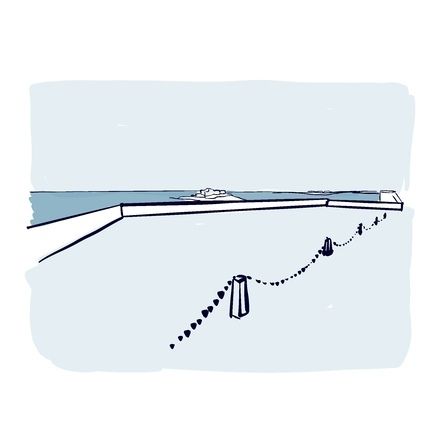
The great tides are an impressive natural spectacle in Saint-Malo. They occur when tidal coefficients exceed 100, generally around the spring and autumn equinoxes. To enjoy the phenomenon to the full, position yourself on the ramparts, especially near the Bastion de la Hollande or the Tour Bidouane. The Sillon beach also offers a spectacular vantage point. Arrive about an hour before high tide to witness the gradual rise of the waters. In stormy weather, the waves can break over the sea walls, creating a striking spectacle, but stay cautious and follow the safety instructions. Check the tide calendar to plan your visit for these memorable natural events.
Why is Saint-Malo known as the corsair city?
Under the old monarchy, the king allowed certain shipowners from Saint-Malo to attack enemy vessels in exchange for a share of the spoils: unlike pirates, these corsairs sailed with an official licence. Robert Surcouf and René Duguay-Trouin, whose names appear everywhere in town, built considerable fortunes on those campaigns, still visible in the shipowners' houses and in the country manors of the surrounding area.
The town also owes its fame to its navigators, from Jacques Cartier, who set out to explore the Saint Lawrence river, to the cod fishermen who sailed to the banks off Newfoundland. The walk around the ramparts, the castle and the maritime history museum all tell that story. The Ryo audio guide offers a dedicated Saint-Malo route that links these places and brings the corsair past back to life as you walk.
What can you do in Saint-Malo with children?
Walking the ramparts is the ideal first outing: the path is short, open and looks down in turn on the harbour, the beaches and the islets. At low tide, crossing on foot to the Grand Bé or the Fort National delights younger visitors, as long as you keep a close eye on the time the sea comes back in.
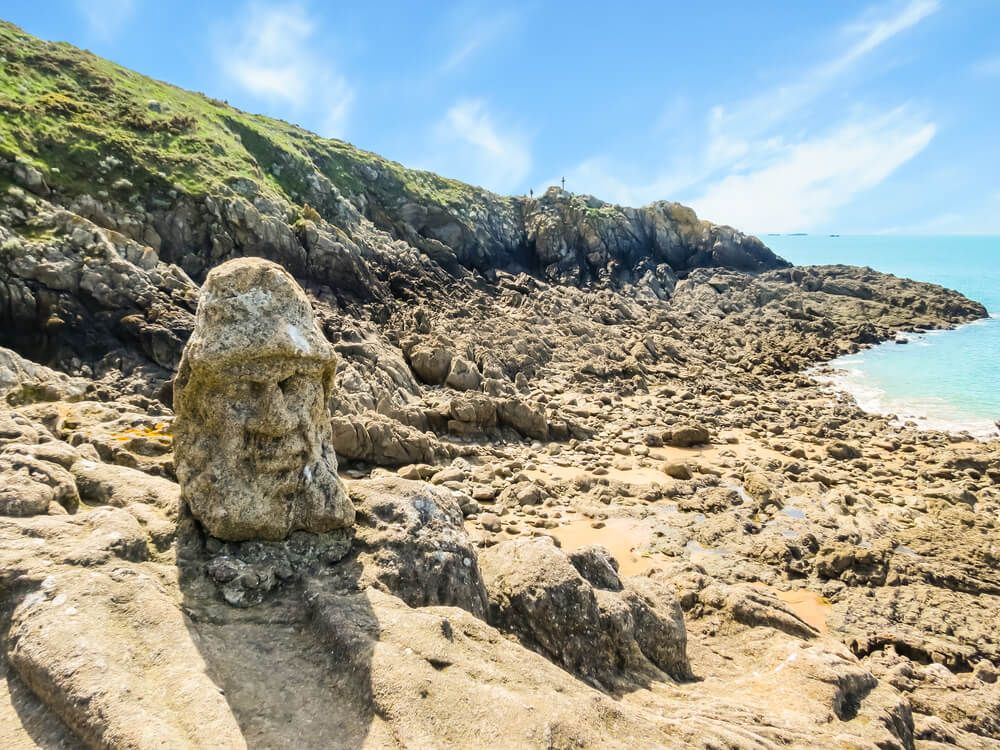
On grey days, the Grand Aquarium, on the southern edge of town, offers touch pools, sharks and a ride in a small capsule that children love. The carved rocks of Rothéneuf, cut into the cliff by a priest in the nineteenth century, make an unusual open-air curiosity, and the sheltered beaches are perfect for kite flying or for gathering shellfish when the sea pulls back.
Vos commentaires, idées et suggestions
Aucun avis pour le moment