© Shutterstock
 Votre guide Ryo
Visit Saint-Malo in 1 Day: The Complete Itinerary for 2026
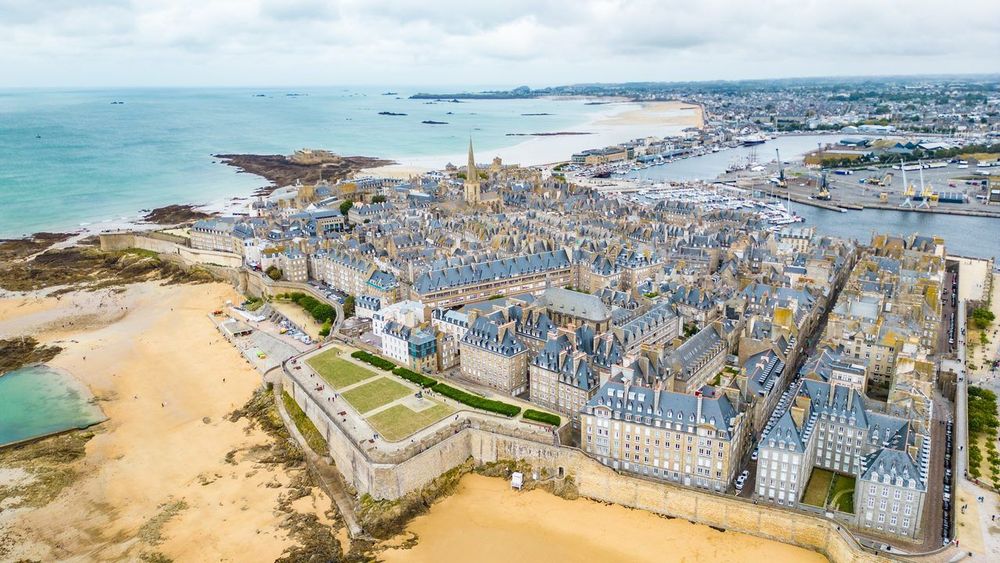
At high tide, the sea laps the foot of Saint-Malo's ramparts and turns the corsair city into a peninsula isolated from the mainland; at low tide, that same sea retreats for nearly two kilometers and opens a path to islets where tombs and forgotten forts lie waiting. It is this permanent back-and-forth between land and sea that makes Saint-Malo so unique, and it is what will set the rhythm of your day. To visit Saint-Malo in 1 day, you need to work with the tide schedule as much as with the city map — leaning, for example, on the Ryo audio guide tour of Saint-Malo to keep the historical thread intact between alleyways.
In a well-organized day, you can walk ramparts that are eight centuries old, cross on foot to Chateaubriand's tomb perched on a wave-battered rock, swim in a seawater pool carved into the granite, and end the day facing a sunset that sets the entire bay ablaze. In between, there is time to climb a 17th-century fort accessible for only two hours at each tide, taste a still-warm kouign-amann at the covered market, or gallop along Sillon beach at dawn. This guide lays out a chronological itinerary from morning to sunset, with alternatives for rain, families, and those who want to extend the adventure into a two-day stay.
Morning: Intra-Muros, the Ramparts and the Historic Heart
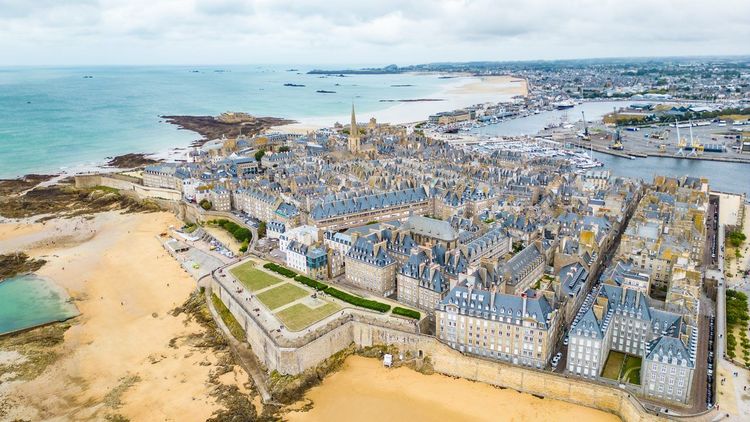
Start your day early, before the cruise ship passengers who pour in late morning. Intra-muros, the historic heart of Saint-Malo, is best explored at the city's waking hour, when shopkeepers roll up their shutters and raking light still grazes the cobblestones. Ryo's audio-guided tour of Saint-Malo, À l'abordage! covers exactly this morning itinerary across 30 commented stops — useful if you prefer walking to the rhythm of an audio guide rather than a paper map.
Walking the Ramparts for a Panoramic View
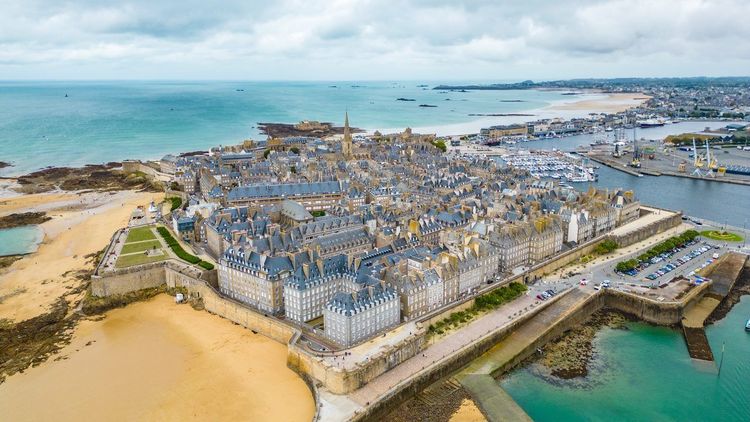
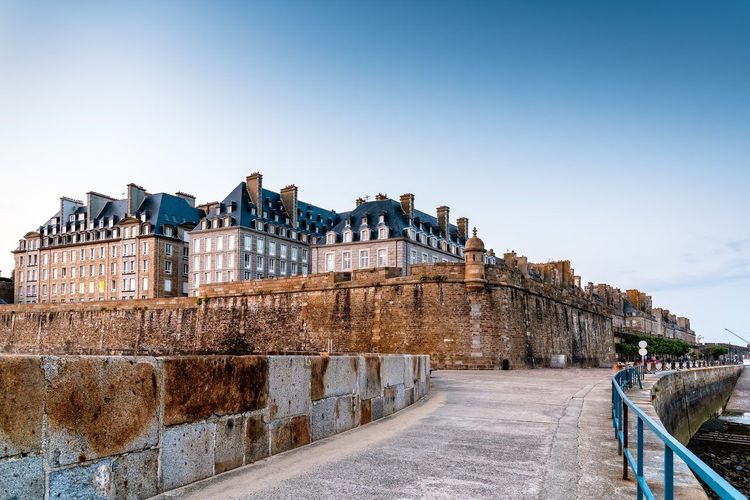
Walking the Saint-Malo ramparts is a must on any visit, and for good reason: this continuous 1,800-meter wall walk encircles the entire old town and offers a different viewpoint at every angle — sometimes out to sea, sometimes over the slate rooftops of intra-muros. Allow 45 minutes to an hour for the full circuit without stopping, longer if you linger for photos at the bastions.
Climb up at the Porte Saint-Vincent, right next to the castle, and let yourself drift northwest: that is where the view over Grand Bé and the Atlantic horizon is most open. The ramparts are free and accessible year-round, but avoid high-tide hours in strong wind, when sea spray makes the walk considerably less comfortable.
Several gates give access to the wall walk: Saint-Vincent, the Grande Porte, Saint-Thomas on the Bon-Secours beach side, and the Champs-Vauverts. All are reached by granite staircases — often steep and without continuous handrails — which makes the full circuit impractical with a pushchair or wheelchair: with a very young child, bring a baby carrier or stick to the wider northern section. The walkway has no parapet on the city side in places, a detail worth keeping in mind with children who run ahead. One last useful reflex: check the wind direction before choosing which way to walk — spending forty-five minutes battling gusts head-on quickly takes the pleasure out of it.
Saint-Vincent Cathedral and Saint-Malo Castle
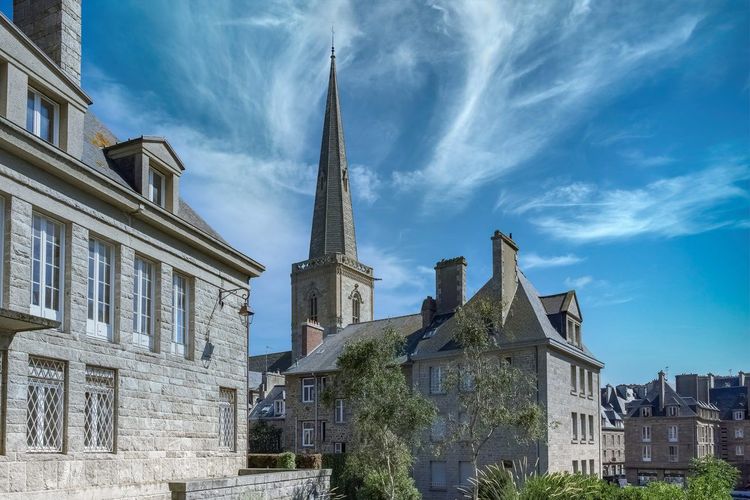
Coming back down toward the center, Saint-Vincent Cathedral sits at the geometric heart of intra-muros. Rebuilt after the 1944 bombings that destroyed 80% of the old town, it has kept its distinctive lantern tower and a striking contemporary stained-glass window, a gift from sculptor Jean Le Moal offered in the spirit of Franco-German reconciliation.
It was also in this cathedral that Jacques Cartier received the bishop's blessing before setting sail for Canada in 1535: a floor plaque marks the event in the choir, and his tomb is inside the building. Admission is free, the visit takes about fifteen minutes, and it is the best shelter from the first shower of the day.
A two-minute walk away, Saint-Malo Castle, once the residence of the Dukes of Brittany and now the town hall, raises its keep and four towers above the harbor. It long housed the city history museum; the site is currently undergoing a major renovation and access to the collections varies by period — check its status before counting on it in your schedule. The courtyard, however, remains freely accessible. Above all, remember what this place represents: a city that was once virtually independent, nicknamed "the Republic of Saint-Malo," which built its wealth on privateering rather than conventional trade, and whose inhabitants declared, "Neither French nor Breton — Malouin I am."
The Demeure de Corsaire and the Intra-Muros Alleyways
To understand what the corsair status actually meant in practice, push open the door of the Demeure de Corsaire (5 Rue d'Asfeld, 35400 Saint-Malo, rated 4.6/5 on Google across 1,336 reviews), an 18th-century townhouse that has preserved its shipowner's furniture and original navigation charts.
The rest of the morning lends itself to an aimless wander through the intra-muros alleyways. Without trying, you will pass grey granite façades, low-key crêperies, and — if the tide allows — fleeting glimpses of the sea between buildings. This part of the city fits into a rectangle of less than one square kilometer: it is hard to truly get lost, but easy to wander for an hour without noticing. Ryo's audio-guided tour swings by Saint-Vincent Cathedral and Grand Bé along this same stretch.
The Fish Market and Local Specialties to Try
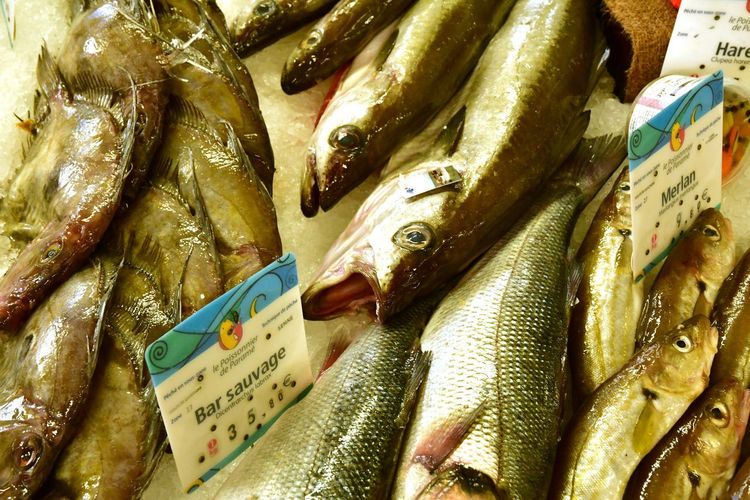
Around 11 a.m., head to the Halle au Blé and Place aux Herbes for the Saint-Malo fish market (Place aux Herbes, 35400 Saint-Malo, rated 1/5 on Google across 1 review), where local fishermen unload scallops, whelks and spider crabs depending on the season. The intra-muros market traditionally sets up on Tuesday and Friday mornings and packs up around 1 p.m.: if your day falls on another day, head instead to the fishmongers on Rue de Dinan or to the Rocabey market, more local and less touristy, a ten-minute walk from the station.
This is also the moment to sample local specialties: a kouign-amann just out of the oven, salted crackers dipped in a bowl of mussels, or a galette-saucisse eaten on the go. Our Ryo article on Saint-Malo's culinary specialties lists the addresses where you can find them fresh rather than pre-packaged for tourists.
You can follow up with a drink on the terrace at Place Chateaubriand, under the arcades, before doing a little shopping along the pedestrian streets that climb back toward the cathedral: Breton oilskins, artisan shortbread and modern-day corsair boutiques line the way for a few hundred meters.
If you are traveling with family, allow about thirty minutes here: enough to sample without the children getting restless, and more than enough to leave with arms full of vacuum-packed crackers that keep for weeks.
Midday: Grand Bé and Petit Bé, the Islets at Low Tide
Here is the most logistically demanding part of the day — and probably the most memorable: access to the Grand Bé and Petit Bé islets is only possible at low tide, via a causeway submerged the rest of the time. The phenomenon is spectacular at Saint-Malo, where tidal ranges rank among the highest in Europe: the tidal range can exceed 12 meters during the equinox spring tides, which is why the causeway is walkable for more than three hours on some days and barely an hour on others. Always check the times posted at the Porte des Bés before setting out — or risk being stranded for hours or having to turn back with wet feet.
Chateaubriand's Tomb and the Grand Bé Islet
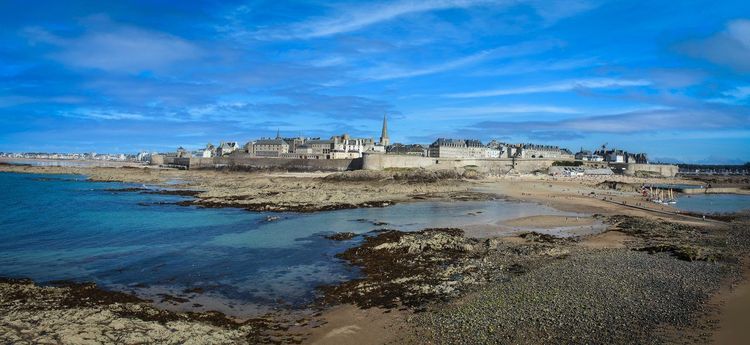
The Grand Bé is home to the tomb of writer Chateaubriand, a native of Saint-Malo who chose this wind-battered rock as his final resting place, facing the ocean and free of any epitaph. The crossing takes about ten minutes on foot over rocky terrain that calls for closed shoes rather than sandals.
Petit Bé Fort
A little further, provided the tide is still low enough, Petit Bé Fort (Île du Petit Bé, 35400 Saint-Malo, rated 4.5/5 on Google across 337 reviews) rounds out the visit. Built by Vauban at the end of the 17th century to defend the anchorage, it is visited with a passionate volunteer guide who explains Saint-Malo's defensive history; it only opens on days with a strong tidal coefficient.
Crossing to Petit Bé costs a few euros per adult, paid to the guide on site — cash preferred; Grand Bé remains free. Neither islet has a shop, drinking water or toilets: bring a bottle and a snack. The causeway closes progressively, and signs indicate a return deadline, usually set two hours before high water. The granite edging the path, covered in algae, is slippery even in fine weather — that is where most of the season's twisted ankles happen.
Allow an hour and a half for the full round trip covering both islets, including a check of the tide timetable. It is a good moment to fit in a quick lunch — a sandwich or a slice of quiche to go — before an afternoon dedicated to the beaches.
Afternoon: Saint-Malo's Beaches, Each with Its Own Atmosphere
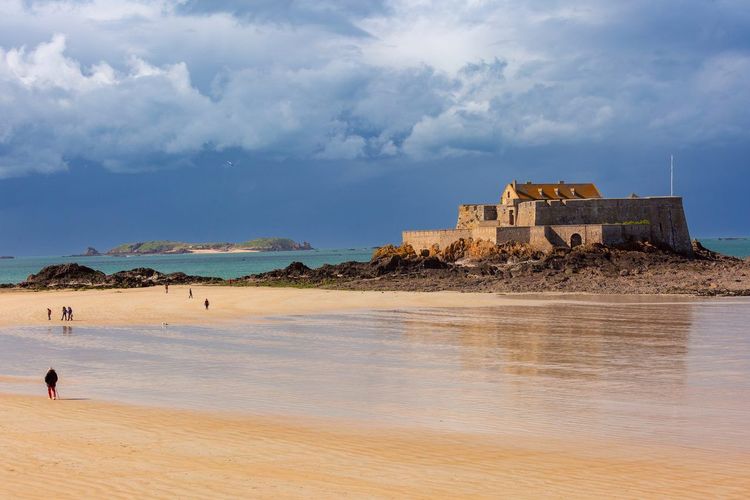
The Saint-Malo afternoon naturally divides itself by beach, each with its own personality: family-friendly, sporty or intimate depending on where you lay your towel.
Sillon Beach, the Great Family Beach
Sillon Beach stretches for over two kilometers between the old town and the Paramé district. It is the widest and most popular beach, lined by a seafront promenade where joggers and horse riders cross paths from the very early morning.
The sand is fine, the slope gentle, and hardy swimmers venture in even out of season thanks to the relatively mild water temperature in the Channel at this point. Most of the city's sand-yachting clubs are also based here. In terms of facilities, the beach has lifeguard posts in summer, showers and public toilets roughly every 300 meters along the promenade, making it particularly practical with young children who need frequent breaks. Dogs are allowed on part of Sillon outside the summer season, but banned from June to September in supervised swimming areas — a rule worth checking before arriving with a pet.
Bon-Secours Beach and Its Seawater Pool
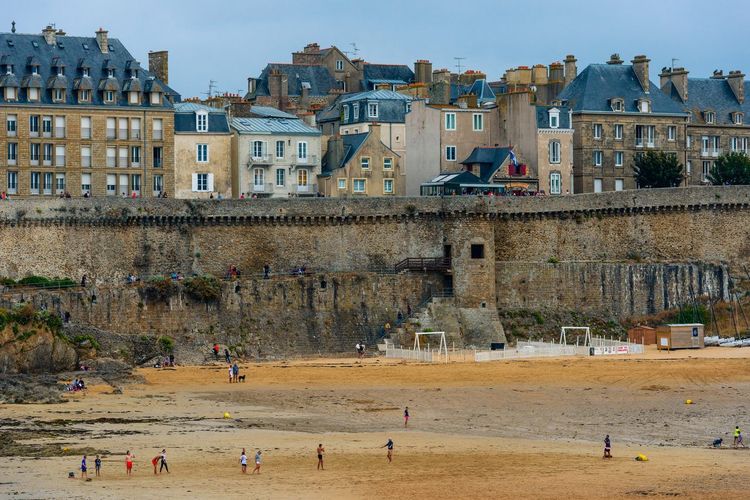
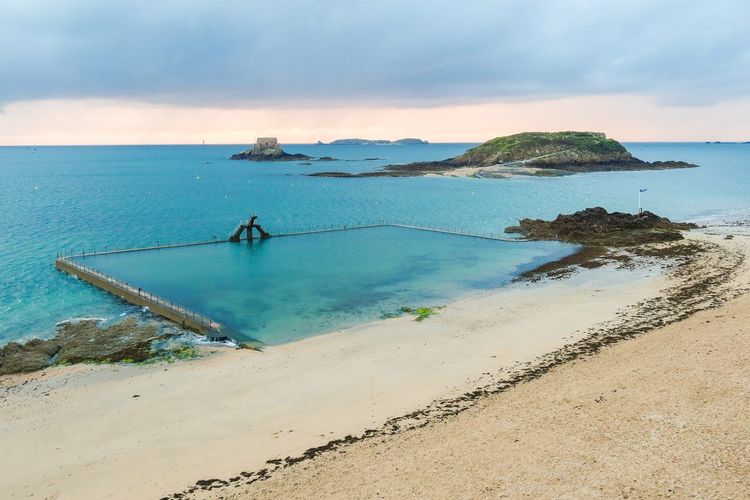
Right below the ramparts, Bon-Secours Beach holds a curious feature: a seawater pool carved into the rock, filled naturally at high tide and retained at low tide. It is the favorite spot for families with young children, who can swim without worrying about offshore currents.
The basin, about a hundred meters long and enclosed by a concrete wall, fills with each high tide and holds its water as the sea retreats: you swim in seawater renewed twice a day, at a consistent depth. Its diving board — a white silhouette planted in the middle of the basin — has become one of the city's visual landmarks. At low tide, the water pools and warms up slightly, making it considerably more bearable than the open sea for a first dip.
The view from this beach — ramparts on one side, Grand Bé on the other — is among the most photographed in the city.
Môle Beach and the Rampart Beaches
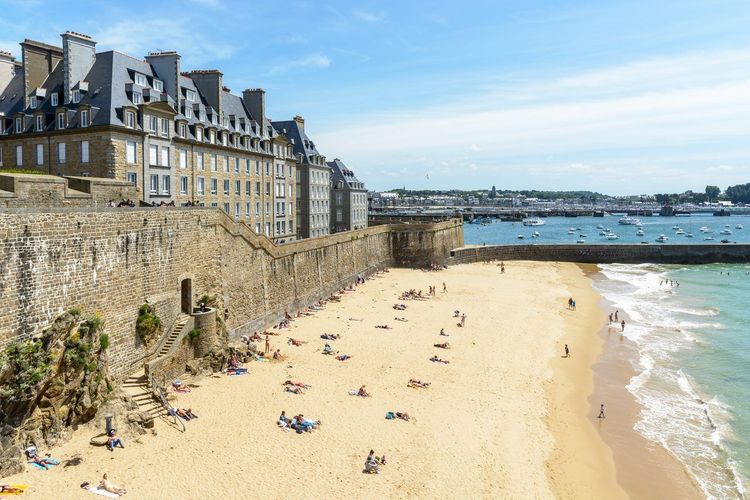
Less well known, Môle Beach (Chaussée du Sillon, 35400 Saint-Malo, rated 4.8/5 on Google across 13 reviews) and the small rampart beaches offer more secluded coves tucked between the fortifications and Fort National. They suit those looking for a quiet moment after the bustle of intra-muros.
If someone asks which is the most beautiful beach in Saint-Malo, the honest answer depends on what you are looking for: Sillon for space and sport, Bon-Secours for safe swimming with children, and the rampart beaches for tranquility. Our Ryo article on Saint-Malo's beaches details the ideal tide times for each one.
Fort National, the Môle des Noires Lighthouse and the Rochebonne Jetty
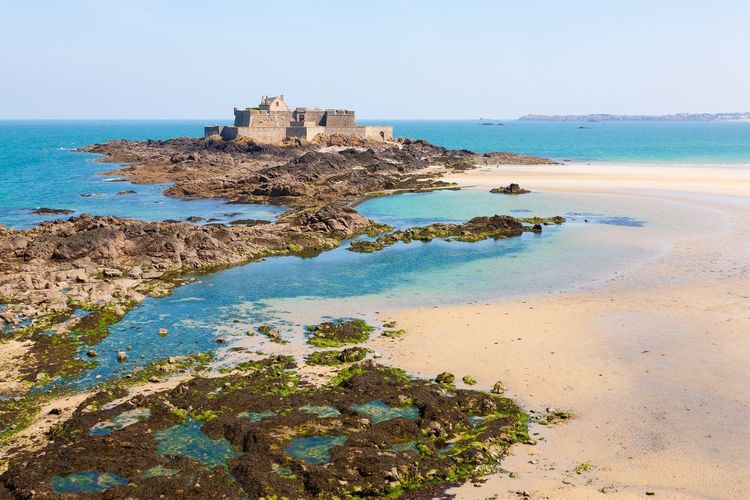
Fort National, Accessible at Low Tide
Like the Bés, Fort National can only be visited at low tide, on foot from Sillon beach. Built by Vauban in 1689 to protect the city from Anglo-Dutch attacks, it withstood several sieges before becoming a tourist site.
The guided tour, led by descendants of the family that has owned the fort for several generations, lasts about 30 minutes and ends on the fort's ramparts with a 360-degree view over the bay. The entry fee is modest, around 7 euros for an adult, and access is limited to a few time slots each day depending on the tidal coefficient: check the times posted around town the day before.
The Môle des Noires Lighthouse and the Rochebonne Jetty
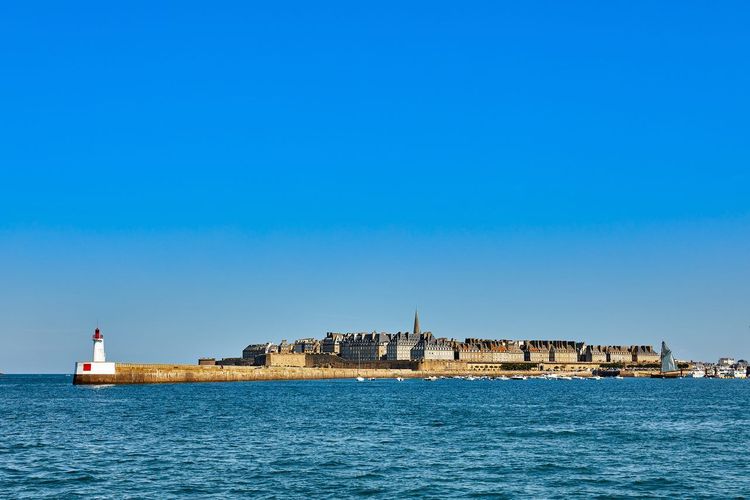
At the far end of the promenade, the Môle des Noires Lighthouse (Môle des Noires, 35400 Saint-Malo, rated 4.8/5 on Google across 259 reviews) marks the entrance to the harbor. It cannot be visited inside, but its red-and-white silhouette, planted at the tip of a wave-lashed jetty, is worth the detour at high tide when walls of water crash against it.
The Rochebonne jetty, running alongside the môle, is a great vantage point for the curious: this is where bass fishermen and photographers wait on big swell days, when waves break over the parapet. In autumn and winter, the jetty draws crowds during the great equinoctial tides and storms, a local spectacle where waves can tower several meters high. Stay behind the barriers, though: the city issues safety reminders every year after a handful of reckless incidents.
Unusual Experiences in Saint-Malo
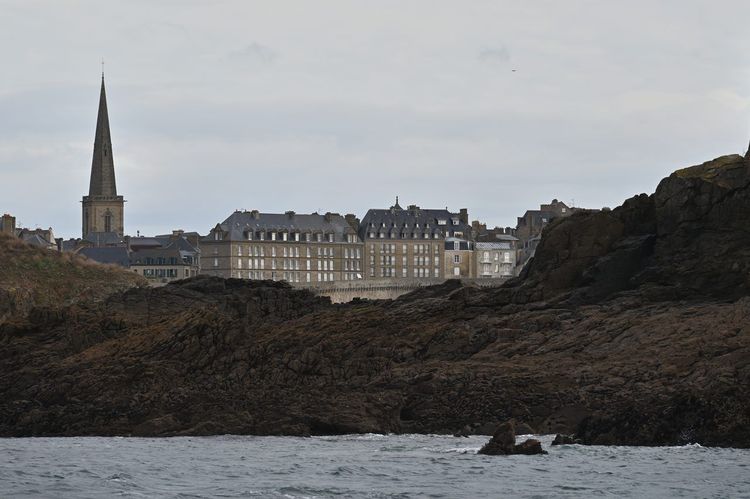
If the classic ramparts-beaches-forts circuit feels too predictable, Saint-Malo offers a handful of off-the-beaten-track experiences worth carving out an afternoon or evening for.
Seeing Saint-Malo from the Sea on a Guided Boat Tour
Nothing replaces the perspective from the water: a boat trip — speedboat or traditional sailboat — reveals angles on the ramparts and forts invisible from land. Several companies offer one-hour outings toward the Rance or the Channel Islands, with historical commentary on privateering and smuggling.
Horse Riding on the Beach and Coastal Cycling
At sunrise, when Sillon beach is still empty, local riding centers organize horse rides along the sand — a fairly spectacular way to start the day before resuming on foot. Guided rides with an instructor usually last an hour and cost between 30 and 40 euros per person; book the day before in high season, as the early-morning slots fill quickly. For those who prefer pedaling, the coast between Saint-Malo and Cancale is well suited to a cycling trip, along paths that hug the sea in places and pass through fishing hamlets.
Grand Aquarium and Outdoor Escape Games
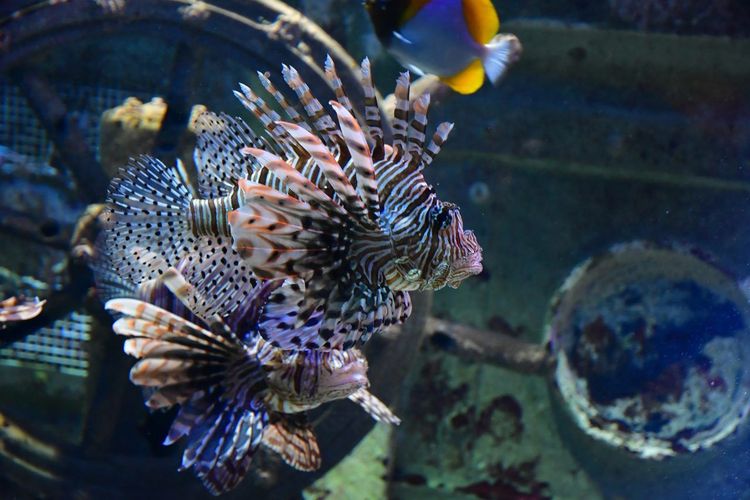
The Grand Aquarium de Saint-Malo (Avenue Général Patton, 35400 Saint-Malo, rated 4.1/5 on Google across 21,347 reviews), about fifteen minutes from the center, is a reliable option on rainy days or with young children, with its immersive circular tank and 360-degree shark viewing. Admission is around 20 euros, and the average visit lasts two hours; aim for late morning to avoid the school-group rush.
For groups looking for an active outdoor activity, several full-scale escape games take place directly in the streets of intra-muros, usually built around the city's corsair history. Some agencies also offer more unusual themed tours — tracing Harry Potter references in the Gothic architecture of the old town, or kite-buggying sessions where the boldest are towed across Sillon beach on good wind days. Almost all of these experiences need to be booked in advance in summer, sometimes days ahead — a detail that visitors coming for a single day often overlook. Our Ryo selection of the best activities in Saint-Malo lists the options by weather and available time.
Tour Solidor and Sunset over the Bay
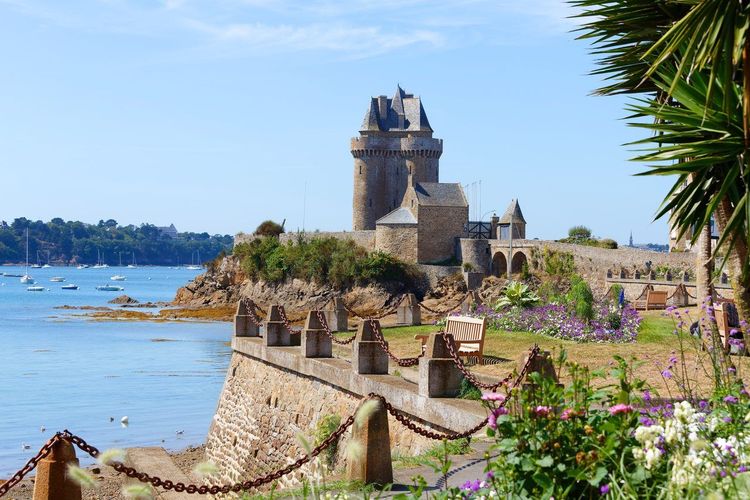
Tour Solidor and the View over the Rance Estuary
In the late afternoon, head to Saint-Servan and the Tour Solidor, a triple 14th-century keep standing at the mouth of the Rance. It now houses a museum dedicated to sailors who rounded Cape Horn, and its summit offers an open view over the estuary, very different from the outlook atop the intra-muros ramparts.
Our Ryo article on Tour Solidor goes into more detail on this maritime history — less celebrated than that of the corsairs, but just as rich.
Just above, the cité d'Aleth is worth the fifteen-minute climb. This is where the original nucleus of the city stood, long before it retreated behind its ramparts: a promontory occupied since antiquity, later converted into a submarine base and German fortified camp during the Second World War. The free path that circles it, open at all times, strings together bunkers, ruins of the Saint-Pierre cathedral and views over the estuary, Harbour island and the Dinard headland. It is the most open viewpoint in Saint-Malo, and one of the least visited at the end of the day. Our Ryo article on the cité d'Aleth details the route and its military history.
Where to Watch the Sunset to End the Day
To close the day, climb back up to the western ramparts, between Porte Saint-Vincent and the Bastion Saint-Philippe: this is where the sun drops directly into the sea, with Grand Bé as a silhouette. Regulars also settle on the Bon-Secours jetty, drink in hand, for the same show without the rampart crowds. The best window runs from June to August, when sunset rarely falls before 10 p.m. and leaves time to dine before dark; in winter it comes as early as 5:30 p.m., shortening the visiting day considerably.
Once night falls, intra-muros shifts entirely: terraces come alive, cobblestone alleyways glow under street lamps, and a genuine Saint-Malo evening can begin — crêpe bar, traditional Breton pub and all. If you still have energy, Tour Solidor opens for night visits on certain summer evenings, lit in a way that completely transforms the experience compared to a daytime visit.
If You Have More Time: the Surroundings of Saint-Malo
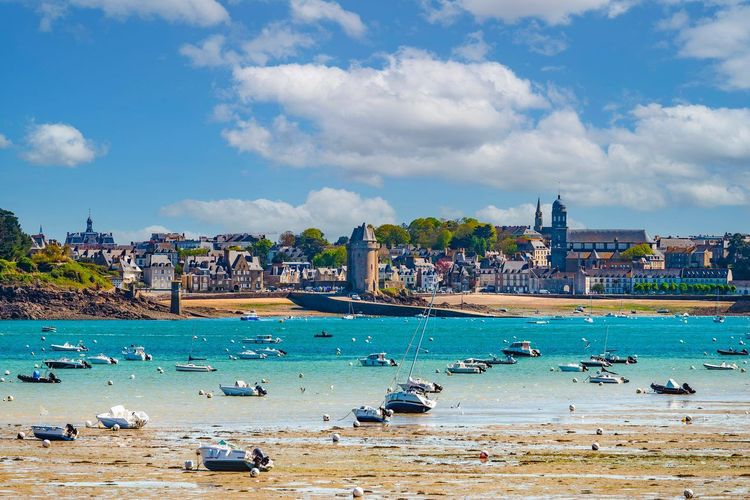
One day is enough for the essentials, but Saint-Malo has a hinterland that is well worth a detour if you extend your stay to two days.
The Sculpted Rocks of Rothéneuf
About twenty minutes from the center, the sculpted rocks of Rothéneuf form a remarkable ensemble of more than 300 figures carved directly into the granite cliff face, the life's work of a passionate priest at the end of the 19th century. The site pairs easily with a walk along the nearby headland.
Our Ryo article on the sculpted rocks of Rothéneuf tells the slightly extraordinary story of their creator.
Malouinière de la Chipaudière and the Jacques Cartier Museum
Inland, the Malouinière de la Chipaudière illustrates an architectural type unique to the region: these grand country houses built by Saint-Malo shipowners enriched by maritime trade in the 17th and 18th centuries. It is only open by appointment, generally on weekends during the season, and is most worth the detour for architecture enthusiasts or those interested in local genealogy seeking to understand the fortunes of the great shipowning families.
A few kilometers away, the Jacques Cartier Museum, housed in the Manoir de Limoëlou where the explorer who discovered Canada once lived, retraces his expeditions through period maps and artifacts.
Saint-Suliac and the Pointe de la Varde
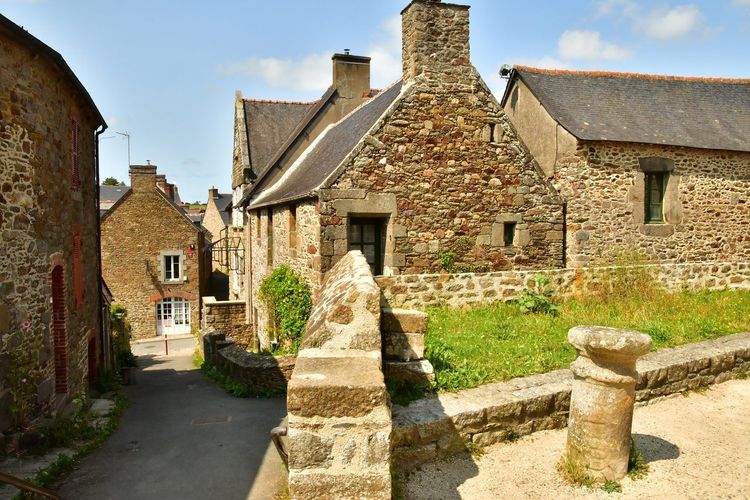
Further south, the village of Saint-Suliac (Place de la Mairie, 35430 Saint-Suliac, rated 3.7/5 on Google across 15 reviews), listed among the most beautiful villages in France, lines the Rance estuary with its granite houses and small fishing harbor. To the north, the Pointe de la Varde offers a coastal path less frequented than the Sillon, with views of the Chausey islands on clear days. From the headland in good visibility, the archipelago is plainly visible on the horizon; some walkers continue the path all the way to Rothéneuf in just over an hour of coastal walking, never losing sight of the sea. This stretch is part of the GR 34, the old customs officers' trail that follows the entire Breton coastline; our Ryo selection of the finest hikes around Saint-Malo details the most accessible ones.
These destinations speak directly to the question many visitors ask: what to do in Saint-Malo in 2 days? The answer fits in a single sentence — keep the first day for intra-muros and the beaches, and reserve the second for the surroundings. Allow about 20 minutes by car to reach Rothéneuf, and about the same for Saint-Suliac in the other direction, making it hard to combine both without a full day dedicated to the hinterland. Our Ryo article on the most beautiful villages around Saint-Malo explores this option further.
Planning Your Day: Getting There, Parking and Exploring on Foot

How to Get to Saint-Malo
By train, Saint-Malo station is about a 10-minute walk from intra-muros, with direct services from Paris-Montparnasse in just over 2h30 by TGV. By car, allow around 4 hours from Paris via the A11 motorway and the RN137 through Rennes. Long-distance coach services also connect Saint-Malo with the main Breton cities.
Where to Park in Saint-Malo
As the historic center is pedestrianized, you need to park on the outskirts: the Bés car park, a surface lot right in front of the ramparts on the Sillon side, is the most convenient for a day visit, despite rates that climb quickly in summer. Cheaper park-and-ride options exist a little further out, with a shuttle or a 15-to-20-minute walk to intra-muros.
Can You See Everything on Foot in a Single Day?
Yes, easily: intra-muros covers less than one square kilometer, and even adding the beaches, the Bés and Fort National, most of this itinerary can be covered on foot in a normal day without needing a vehicle once parked. That said, bring good shoes: the cobblestones of intra-muros and the rocky islets show no mercy to thin-soled sandals.
Reading the Tides Before Finalizing Your Schedule
A day in Saint-Malo is planned in reverse: first look up the low-tide time, then build the rest around it. The tidal coefficient, expressed from 20 to 120, indicates the day's amplitude; above 90, the sea uncovers the Bés and Fort National generously, but also comes back in very fast. Times are posted at the tourist office, at the entrance to the relevant sites and in most hotels, and published annually in tide tables. Simple rule for a one-day visit: if low tide falls in the morning, flip the itinerary and start with the islets — the ramparts walk just as well at 4 p.m. as at 9 a.m.
With young children, two adjustments suffice: skip the full rampart circuit in favor of the northern stretch, and schedule the mid-afternoon break at Bon-Secours rather than Sillon, where the wind rarely drops. People with reduced mobility will find the Sillon promenade and the harbor walkway far more manageable than the cobblestones of intra-muros.
How much time should you allow for a comfortable visit? A full day, from morning to sunset, is enough to cover intra-muros, one or two islets depending on the tide, and a beach. Two days add real breathing room to include the surroundings without rushing. Plan a quick lunch rather than a long sit-down meal if your low-tide window for the Bés falls in the early afternoon: the slot only lasts a few hours and it would be a shame to miss it because of a slow table service.
On the budget side, a day in Saint-Malo remains affordable: the ramparts, beaches and intra-muros streets are free, and only Fort National, the Grand Aquarium and guided boat tours carry a cost, generally between 7 and 20 euros per activity. If it rains, shift the morning to the castle and its museum, the cathedral and the Grand Aquarium — all sheltered — and save the ramparts and beaches for a break in the clouds, however brief: Breton weather changes quickly, sometimes in under an hour.
When to Come and Where to Stay in Saint-Malo
The Best Time to Visit
When is the best time to visit Saint-Malo? May, June and September offer the best compromise: pleasant temperatures, long days and significantly fewer crowds than July and August, when the city's population doubles. Autumn, with its spectacular storms over the Rochebonne jetty, draws a different kind of visitor — one who comes for the spectacle rather than the swimming.
Where to Stay if You Extend Your Visit
Where to sleep in Saint-Malo depends on the atmosphere you are after: staying intra-muros puts you at the heart of the action but costs more and means hauling luggage over cobblestones, since cars cannot enter. The Paramé district, along Sillon beach, offers a practical middle ground with seafront hotels a few minutes' walk from the historic center. Saint-Servan, more residential and close to Tour Solidor, suits those looking for quiet. If you are staying several nights, book early for July and August: the best intra-muros addresses fill up in spring, while Paramé and Saint-Servan tend to have availability later in the season.
Is Saint-Malo worth it for a simple day trip? Absolutely: few Breton cities pack so much heritage, so many beaches and so many activities into such a compact area. To extend the experience once you're back home, the Ryo audio guide for Saint-Malo, À l'abordage! is available to relive the itinerary or prepare before you go.

FAQ
How Long Does It Take to Visit Saint-Malo?
A full day is enough to cover the essentials: ramparts, cathedral and castle in the morning, fish market at noon, one or two islets depending on the tide, then beaches and sunset in the late afternoon. If you want to add the surroundings (Rothéneuf, Saint-Suliac, the Jacques Cartier museum) without rushing, plan for two days instead.
Can You Visit Saint-Malo on Foot?
Yes, easily. The intra-muros area covers less than one square kilometer, and most sites, including beaches, are reachable on foot from the center. The only constraint: check low-tide times carefully before heading to the Bés islets and Fort National, which are inaccessible for several hours each day.
What to Do in Saint-Malo When It Rains?
Head to the castle and its history museum, the Saint-Vincent cathedral, the Demeure de Corsaire and the Grand Aquarium, all sheltered from the rain. The ramparts are still walkable in light rain, but become slippery and unpleasant in strong wind, a common occurrence on the Breton coast in any season.
What Is the Most Beautiful Beach in Saint-Malo?
It depends on what you are looking for: Sillon beach for space and sports activities, Bon-Secours for its safe seawater pool with children, and the rampart beaches for a quieter moment away from the intra-muros bustle.
Where to Park in Saint-Malo?
The Bés car park, a surface lot near the ramparts on the Sillon side, is the most convenient for a day visit despite rates that rise in summer. Cheaper park-and-ride options exist on the outskirts, with a 15-to-20-minute walk or a shuttle to intra-muros.
Is Saint-Malo Worth Visiting?
Yes, absolutely, whether for a day trip or a longer stay: few cities pack so much fortified heritage, varied beaches and seaside activities into such a compact and easily walkable area.
What to Do in Saint-Malo in 2 Days?
Dedicate the first day to intra-muros, the beaches and the islets depending on the tide, and the second to the surroundings: the sculpted rocks of Rothéneuf, the Malouinière de la Chipaudière, the Jacques Cartier museum and the village of Saint-Suliac, all quieter and less crowded than the historic center.
Saint-Malo can be visited in a day, but it tends to hold you longer than that. It is a city that imposes its own rhythm — the rhythm of the tide — and rewards those who embrace it rather than fight it: mornings for the ramparts and corsair history, midday for the islets when the sea allows, the afternoon for the beaches, and the evening for a sunset that rivals the finest coastlines in the country.
If that one day leaves you wanting more — whether it's the rocks of Rothéneuf, the Jacques Cartier museum or the village of Saint-Suliac — there is nothing stopping you from turning a day trip into a short stay. And to keep the itinerary close at hand, on the ground or in preparation, the Ryo audio guide tour of Saint-Malo remains the simplest way to miss nothing of the corsair city, tide after tide.
À lire également