© Shutterstock
 Votre guide Ryo
Saint-Malo Specialties: Kouign-Amann, Craquelins and Flavors of the Breton Coast in 2026
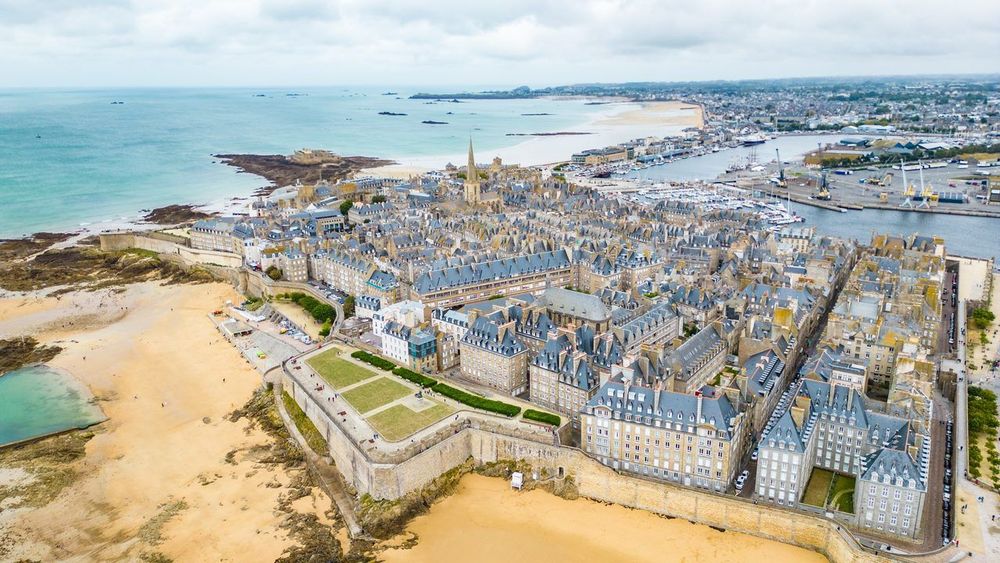
Looking for a Saint-Malo specialty to taste or take home is like opening a true gourmet treasure chest. Saint-Malo has always known how to feed its visitors as much as its legends, and this corsair city, perched on its intra-muros rock facing the Channel, concentrates within its cobbled lanes a density of flavors that rivals any provincial gastronomic capital. From Cancale oysters savored fourteen kilometers away at the water's edge to craquelins exported across the whole of France, Saint-Malo's specialties tell a story of brine, demi-sel butter and distant crossings. Before walking the ramparts, let yourself be guided by the Ryo À l'abordage! audio tour, 29 audio stops spread over 6.6 km of corsair history, and set aside time to explore what the Malouin country puts on your plate.
Because Saint-Malo is not just about its fortifications. You'll find butter churned by hand by a house that has become world-famous, spices brought back from the Indies by a former three-Michelin-starred chef turned herbalist, a farmhouse cider produced just a few kilometers from the ramparts, and a cake so loaded with fat that it is fondly called "the Bretons' favorite caloric disaster." This city is an invitation to eat slowly, to choose carefully, and to leave with your arms full.
Saint-Malo Craquelins: the Corsairs' Iconic Biscuit
If you only leave with one box under your arm, make it the craquelins. This dry, sweet biscuit, as crunchy as solidified caramel, is literally the emblematic specialty of Saint-Malo. Its origins go back to the long voyages of the 17th-century corsairs: sailors would take on board ultra-caloric dry biscuits capable of keeping for several weeks at sea, in the humidity of the hold. The Malouin craquelin descends directly from this tradition of maritime austerity, but its contemporary version has gained in lightness and buttery generosity.
The traditional recipe revolves around just three ingredients: flour, sugar, demi-sel butter. It is the proportion of demi-sel butter, and the quality of that butter, that makes all the difference. The final texture should be brittle under the tooth, almost crumbly, with a lingering aftertaste of buttery caramel that persists long after the last crumb. This is not a supermarket biscuit, even if you can now find them in grocery stores: the artisan version is in a completely different league.
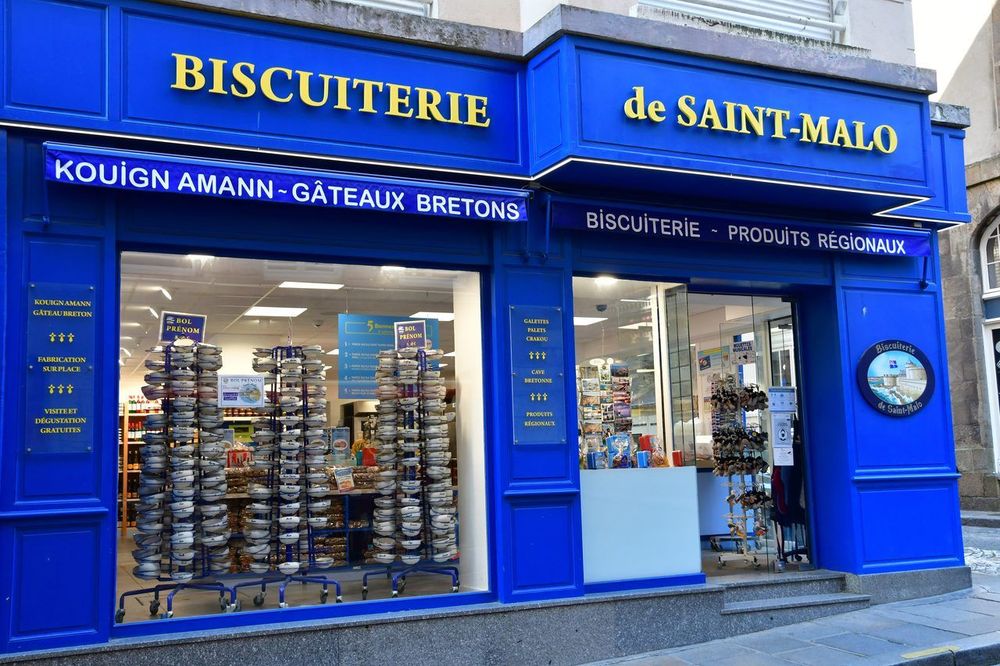
La Biscuiterie La Trinitaine is the best-known producer, with its shops located inside the ramparts and in the immediate surroundings. But some bakers within the intra-muros still work the dough the old-fashioned way, in small batches, and the difference is immediately apparent when you taste them: thicker, more irregular, richer.
Craquelins pair just as well with a strong coffee as with a glass of dry cider. You'll find chocolate or coconut variations in some shops, but the plain version remains the benchmark — the one that has traveled through the centuries without ever needing reinvention. For gifts, La Trinitaine's presentation boxes are elegant and travel well.
Kouign-Amann: Brittany's Butteriest Cake
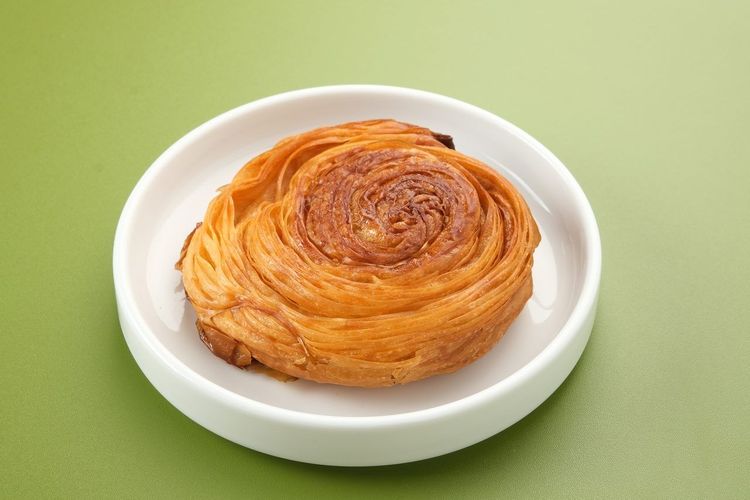
The kouign-amann (pronounced "kween-ah-mahn") means "butter cake" in Breton, and the name says it all. Invented in Douarnenez in 1860 by a baker who, according to legend, turned an overly buttered dough into a stroke of genius, it has since spread throughout Brittany before conquering Parisian pastry shop windows and many countries abroad.
In Saint-Malo, kouign-amann is ubiquitous in bakeries within the intra-muros and in the Paramé district. The recipe appears simple — bread dough, demi-sel butter, sugar — but its execution is delicate: the sugar must caramelize during baking without burning, and the butter must seep into the layers of dough without breaking it apart. The ideal result is a golden, crispy crust, almost toffee-like, over a soft, melt-in-the-heat center.
What distinguishes a good kouign-amann from a mediocre one is the quality of the butter used and the baking, mastered to the minute. The best versions are eaten warm or lukewarm, on the same day. If you buy one in the morning, don't put off tasting it until the next day.
Several addresses also offer individual kouign-amann, perfect for eating while exploring the ramparts, or variations with apple, strawberry or salted butter caramel. The latter is a kind of happy redundancy — the two star ingredients feeding off each other with uninhibited generosity.
Galettes and Crêpes: Brittany on a Plate
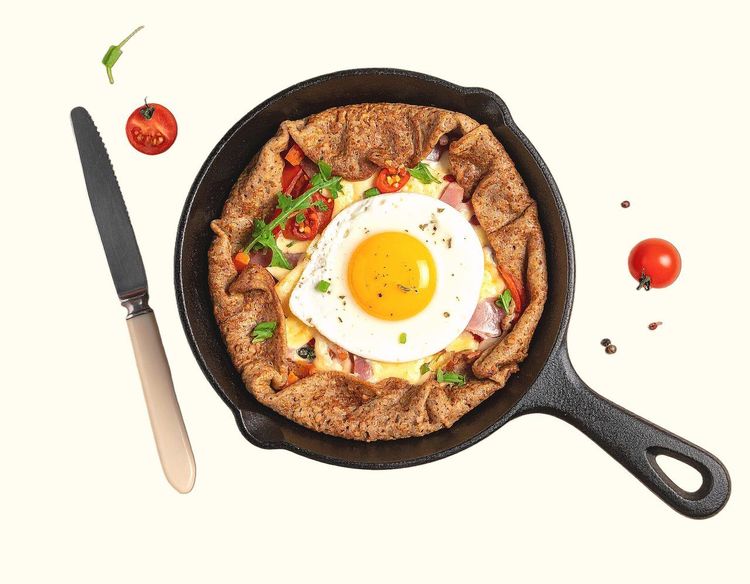
It would be inconceivable to discuss the flavors of Saint-Malo without pausing on buckwheat galettes and wheat flour crêpes, which form the backbone of popular Breton cuisine. The distinction is fundamental: the buckwheat galette is savory, made with buckwheat flour, and topped with ham, egg, cheese, mushrooms or other fillings. The wheat flour crêpe is sweet, thinner, worked with butter and sugar.
In Saint-Malo, crêperies abound within the intra-muros and around the ramparts, but quality varies enormously. The best galettes are those cooked on bilig, traditional cast-iron griddles, by crêpe makers who use fresh buckwheat flour, sometimes locally grown and milled. The complete galette (ham, cheese, runny egg) is the canonical order; the plain butter galette remains the stripped-back version that best reveals the authenticity of the product.
The Breizh Café has popularized quality crêpes across France, and Saint-Malo is one of the cities where the brand has firmly established itself. They serve buckwheat galettes from traceable Breton supply chains, accompanied by carefully selected artisan ciders. For a more local and less touristy experience, ask residents for their favorite address: the best neighborhood crêperies rarely have a website, but rarely have a queue either.
Cancale Oysters: Ten Minutes Away and a Mouthful of the Sea
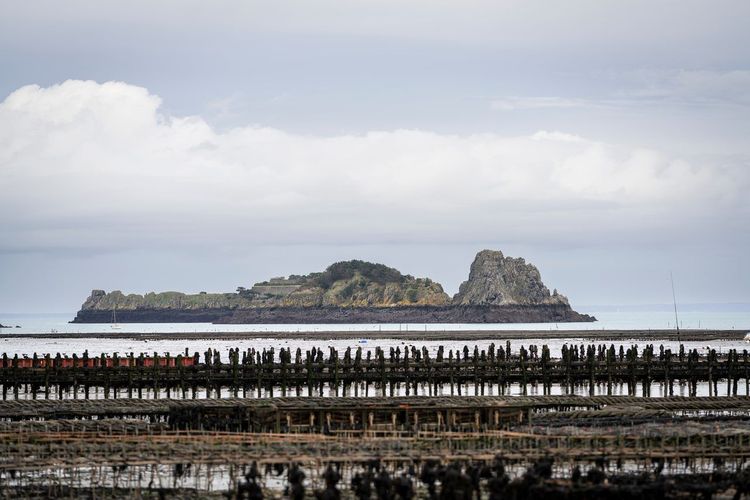
In Cancale, an oyster-farming village 14 kilometers from Saint-Malo, the cupped and flat oysters from the Bay of Mont-Saint-Michel enjoy a reputation that extends well beyond Brittany's borders. What makes them exceptional specimens is the combination of strong tidal coefficients (reaching 120 during spring tides) and the phytoplankton-rich waters of the bay: the oysters filter up to 30 liters of water per hour and develop an incomparable briny complexity.
If you are staying in Saint-Malo, a detour to the Cancale oyster market (Pointe des Crolles, 35260 Cancale, rated 4.8/5 on Google with 614 reviews) is a must. It operates every day, all year round, on the Pointe des Crolles. Oyster farmers sell their produce directly by weight, at prices well below those of restaurants: expect around 4 to 6 € per dozen depending on size, with free shucking on the spot. Bring your lemon, sit down facing the bay, and enjoy.
Cancale's flat oysters, a variety known as "Belon," are the most sought-after among connoisseurs. Rarer and more expensive, they have a nutty flavor and a meaty texture unlike anything you'll find with the cupped oysters available throughout France. If you spot them at a local producer's stall, don't walk past. And if you'd like to extend your exploration of the region, our article on the most beautiful villages around Saint-Malo lists the stops worth the detour.
Bordier Butter: the Hand-Churned Liquid Gold
It is no exaggeration to say that Jean-Yves Bordier reinvented French butter. Based in Saint-Malo since 1985, the master butter-maker revived ancestral hand-kneading techniques using a granite "beurrière" and slow cream maturation, at a time when the entire industry was industrializing. His butters are now served in the world's finest Michelin-starred restaurants.
The range is surprising: plain butter, with seaweed, with walnut, with yuzu-ginger, with Espelette pepper, with toasted buckwheat. Each variation reflects an insatiable culinary curiosity and exceptional technical expertise. The shop on Rue de l'Orme, a stone's throw from the ramparts, is a mandatory stop for anyone who takes Malouin gastronomy seriously.
To take it home, Bordier butters travel well in their original greaseproof paper wrapping, placed in a cool bag. The seaweed butter is arguably the most unexpected version: the dried kelp gives it a marine umami flavor that is not easily forgotten. The classic demi-sel butter, meanwhile, remains the essential starting point, and proof that the quality of ingredients always trumps the sophistication of recipes.
Roellinger Spices: the Scent of Eastern Trade Routes
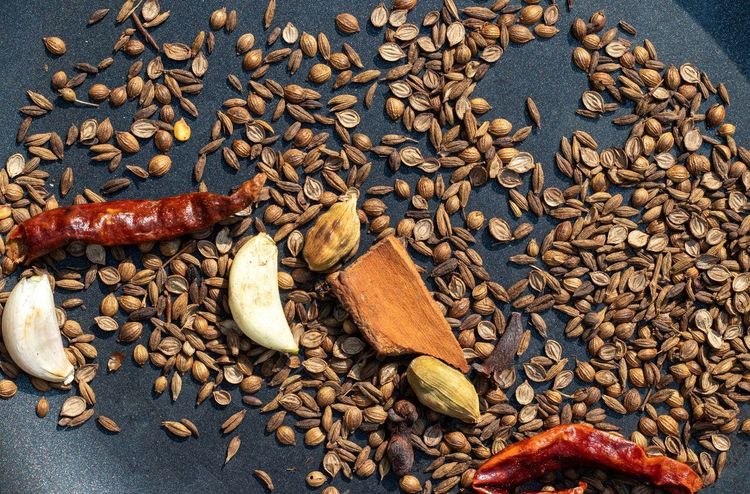
Olivier Roellinger was born in Cancale, just a few kilometers from Saint-Malo, and that comes through in every one of his spice blends. A former three-Michelin-starred chef who returned his stars in 2008 to devote himself entirely to his passion for spices, he perpetuates the Malouin tradition of great voyages by importing, sorting and blending spices from the four corners of the world. His company, Les Maisons de Bricourt, produces blends of formidable aromatic complexity.
The main shop is in Cancale. His most iconic compositions bear evocative names directly linked to the region's maritime history: "Poudre du vent" (cardamom, coriander, cinnamon), "Retour des Indes" (highly aromatic, non-burning curry), "Poudre de Corsaire" (a marine and spiced blend, inspired by 18th-century trade routes).
These are souvenirs that take up little space in a bag and that instantly transport you, in the kitchen, to the spirit of the trade routes that made Saint-Malo wealthy. For the cooks in your circle, an assortment of two or three Roellinger blends makes one of the finest gourmet gifts you can bring back from Brittany.
Cider, Beer and Local Drinks of the Malouin Region
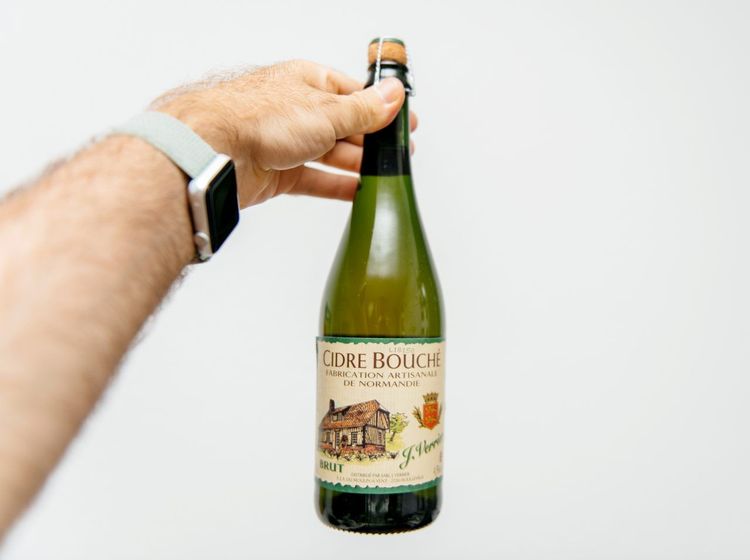
The cider of the Malouin region deserves your attention. The Rance country, stretching between Saint-Malo and Dinan, produces a high-quality cider from heritage orchards where local apple varieties, some centuries old, are still cultivated. Val de Rance cider is the most widely distributed example, with its brut, demi-sec and corked versions. Gentle without being sweet, lively without being sharp, it naturally accompanies galettes, seafood and cheeses.
The Brasserie Artisanale Bosco, established just a few kilometers from the ramparts, offers characterful Breton beers. The range spans from light blondes ideal for a seafood platter to fuller-bodied amber ales that hold their own alongside traditional braised dishes. Their bottles are available in several fine food shops within the intra-muros.
Worth noting: muscadet, produced in the neighboring Loire-Atlantique, often finds its way onto Saint-Malo seafood tables. Its pairing with oysters and shellfish is so obvious that good restaurateurs systematically keep it on the menu, alongside Gros-Plant du Pays Nantais. A walk is in order afterwards: the short version of our Saint-Malo audio tour circles the ramparts in 75 minutes.
Chocolates, Caramels and Confectionery: the Sweet Things to Take Home
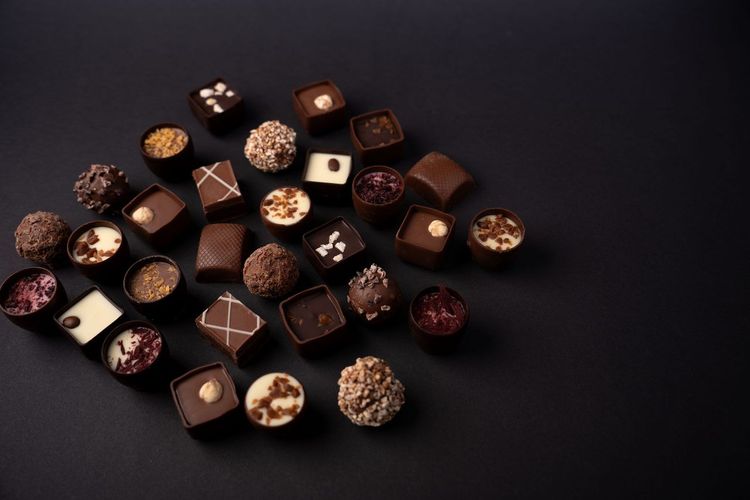
Saint-Malo is home to several talented chocolatiers and confectioners who deserve more than a passing glance. Pascal Pochon, a chocolatier established in the city, crafts high-precision ganaches using cacao beans from direct-trade supply chains. His bars with flecks of Guérande sea salt or puffed cereals are representative of serious artisan chocolate, far removed from formatted tourist products.
Maison Georges Larnicol, with its individual kouign-amann and salted butter caramels, holds a special place in the Breton confectionery landscape. The queues during summer speak volumes about the quality of its production.
Salted butter caramel is moreover a Breton specialty in its own right, even if Saint-Malo does not claim its invention (attributed to Henri Le Roux in Quiberon in the 1970s). In Brittany, all butter used is demi-sel by default, and the caramel draws from it a saline complexity all its own. You'll find it in jars, as sweets or as a crêpe topping in many fine food shops within the intra-muros.
Kig ha Farz and Traditional Malouin Cuisine
Less touristy than craquelins or kouign-amann, kig ha farz (pronounced "keek ah farz") is the quintessential Celtic traditional dish of inland Brittany. Its name means "meat and farz" in Breton: it is a pot-au-feu in which vegetables, pork and beef, and a farz — a buckwheat flour pudding cooked in a cloth bag immersed in the broth — all simmer together. The texture of the farz is sandy and filling, absorbing the fat from the broth to form a dense, comforting preparation.
You don't eat kig ha farz the way you eat craquelins or oysters: it is a restaurant dish, served mainly in winter, at addresses that respect traditional local cuisine. You have to seek it out, asking locals which crêperie or bistrot serves it.
Among the other typical dishes of the Malouin coastline, bouchot mussels, scallops from the Bay of Mont-Saint-Michel, periwinkles in court-bouillon and line-caught sea bass with beurre blanc feature prominently on seaside restaurant menus. These are simple, direct dishes that reflect the richness of an Atlantic coastline among the most productive in France.
Saint-Malo Babas and Other Local Pastries
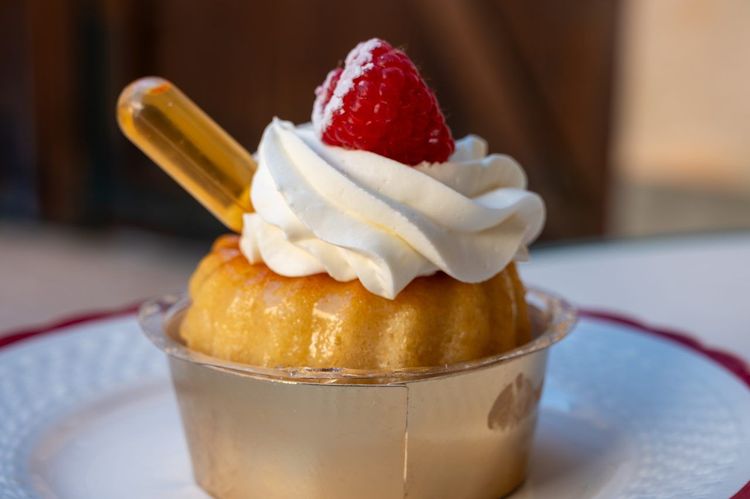
The Saint-Malo babas are a lesser-known local pastry curiosity than kouign-amann, but one that is well worth discovering. Derived from the classic rum baba, they are made here with more local spirits — pommeau de Normandie or calvados — and topped with a light whipped cream. The Malouin version is less soaked than its Parisian cousin, lighter, almost airy.
You will also find in Saint-Malo's bakeries Breton galettes — not to be confused with buckwheat galettes: these are dry butter-and-flour cakes, crumbly and shortbread-like — Breton palets (thicker, richer in butter) and far breton with prunes. This dense and generous baked custard, cooked in a high-sided pan, is one of the most honest desserts in Breton cuisine.
These pastries are both travel souvenirs and perfect local breakfasts, bought at a market bakery in the morning before heading out to walk the ramparts.
Where to Buy Saint-Malo Specialties: the Best Addresses
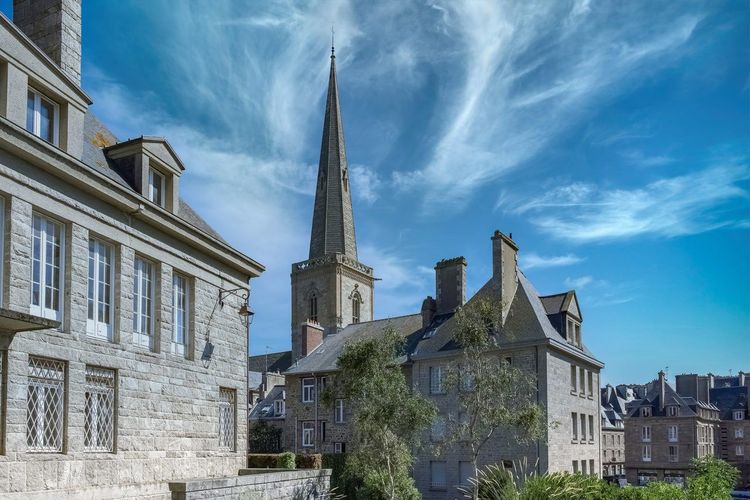
If you explore the intra-muros with the Ryo app, you'll notice that most of the best gourmet addresses are concentrated within a few hundred meters of the Porte Saint-Vincent.
Les Halles Centrales, the covered market of the intra-muros, is open every morning (closed on Mondays in low season). Local producers sell vegetables, farm butter, aged cheeses, saucissons and fresh crêpes cooked on the spot. It is the least touristy and most authentic place to do your shopping.
Les Comptoirs de Saint-Malo (Rue Broussais) brings together a carefully curated selection of local produce: artisan butters, seafood preserves, spices, biscuits, ciders. The practical solution if you want to find everything in one place without visiting multiple addresses.
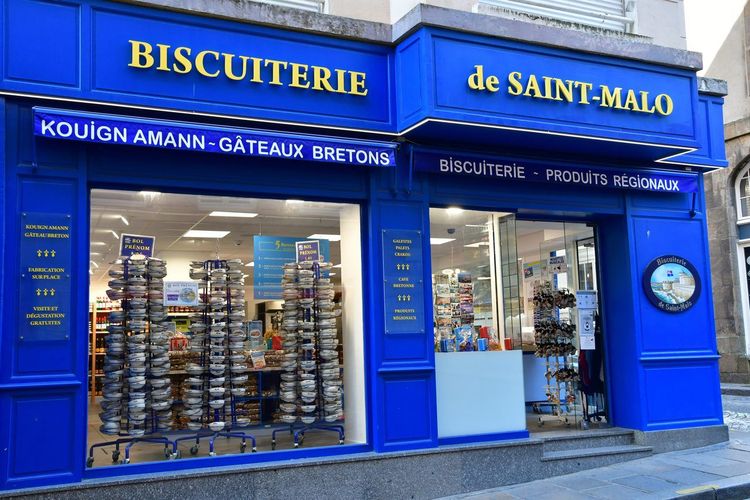
La Trinitaine (several shops within the intra-muros) is the essential stop for biscuits and craquelins. Well-presented gift boxes, long shelf life, ideal for giving as presents.
The Poissonnerie Guinemer (2 Rue de l'Orme, 35400 Saint-Malo, rated 4.6/5 on Google with 135 reviews) is an institution in Saint-Malo: deliveries are daily, produce is impeccably fresh, and the staff are always happy to advise on preparation.
If you have time, extend your trip to Cancale (14 km, 20 minutes by car) for its open-air oyster market, its producers and the Épices Roellinger shop. The village itself, with its granite houses overlooking the bay, is well worth a half-day.
What to Bring Back from Saint-Malo: the Ideal Basket
If you were to put together a representative basket to bring back from Saint-Malo, here is the most coherent selection:
- Saint-Malo craquelins (La Trinitaine or an artisan bakery): keeps for several weeks
- Bordier butter (seaweed or classic demi-sel): transport in a cool bag
- Roellinger spices (two or three blends): light, unique, travel without any hassle
- Salted butter caramel in a jar: available from many confectioners
- Val de Rance corked cider: perfect as an aperitif
- Breton palets or Breton galettes: excellent at tea time
- Kouign-amann (to be eaten within 24 hours): doesn't really travel, but is best enjoyed on the spot
What gives this basket its coherence is the direct link each product has to the Malouin terroir: sea salt, Breton demi-sel butter, buckwheat, cider apples, spices from the maritime trade routes. Each purchase tells a part of the corsair city's story.


FAQ
What are Saint-Malo craquelins?
Craquelins are sweet, crunchy dry biscuits that have been made in Saint-Malo for centuries. Their origin is maritime: the Malouin corsairs would take similar biscuits on board for their long voyages. The recipe combines flour, sugar and Breton demi-sel butter, which gives them their characteristic buttery caramel flavor. You can find them in biscuit shops like La Trinitaine and in some artisan bakeries in the intra-muros. They keep for several weeks and travel well.
What is kouign-amann?
Kouign-amann is a Breton cake originating from Douarnenez (1860), whose name means "butter cake" in Breton. It is a bread dough layered with demi-sel butter and sugar, baked until the surface forms a crispy caramelized crust over a soft, moist center. In Saint-Malo, good bakeries offer it year-round. It should be eaten warm or hot, on the day of purchase — a pleasure best enjoyed on the spot.
Which Saint-Malo specialties are easy to bring home?
Products that travel without any problem: craquelins (dry biscuits, long shelf life), Roellinger spices (light, easy to slip into luggage), salted butter caramel in a jar, Breton palets and Val de Rance cider. Bordier butter can be transported in a cool bag. Kouign-amann and Saint-Malo babas, however, are best savored on the spot on the day you buy them.
Are the oysters from Cancale worth the trip from Saint-Malo?
Absolutely. Cancale is 14 km from Saint-Malo, about 20 minutes by car. Its oyster market, on the Pointe des Crolles, operates every day of the year. Prices are very reasonable, around 4 to 6 € per dozen depending on size, and the oysters are shucked on the spot by the producers themselves. Cancale's flat oysters, rarer and more expensive, develop a nutty flavor that connoisseurs particularly seek out.
What is kig ha farz?
Kig ha farz is a traditional Breton dish, a variation of pot-au-feu in which a "farz" is cooked: a buckwheat flour pudding in a cloth bag, immersed in the broth along with meat and vegetables. It is a winter dish, served in local traditional restaurants. Rather than looking for it on summer tourist menus, where it is rare, ask locals directly which address serves it.
What should you do in Saint-Malo after tasting the local specialties?
Saint-Malo is ideally explored starting with the intra-muros, its cobbled lanes and ramparts. The Ryo À l'abordage! audio guide takes you through 29 audio stops over 6.6 km of corsair history, from the Porte Saint-Vincent to the Grand Bé islands. For activities beyond the walls, find all the suggestions in our article on the best things to do in Saint-Malo.
Saint-Malo's specialties are not just a few boxes of biscuits hastily grabbed before hitting the motorway. There is a genuine culture of taste here, rooted in centuries of maritime trade, in the exceptional quality of Breton butter and in the richness of the Channel waters. Craquelins, kouign-amann, Cancale oysters, Bordier butter, Roellinger spices: each product is a gateway to a singular gastronomic territory that deserves to be taken seriously.
To discover the corsair city at its best before or after your flavor tour, the audio-guided tour À l'abordage! awaits with its 30 audio stops. And if you'd like to extend your stay between coast and countryside, our article on the best hikes around Saint-Malo will give you all the routes to finish your stay in style.
À lire également