



Créé par Emilie, le 4 oct. 2026
Votre guide Ryo
Laval, France
A Thousand Years of History Along the Mayenne
Parcours audioguidé pour visiter Laval en 1 jour
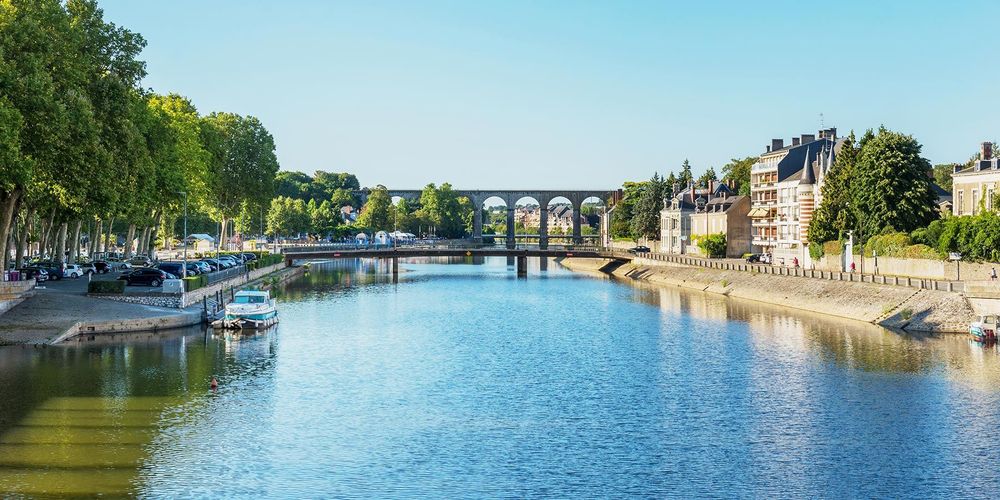
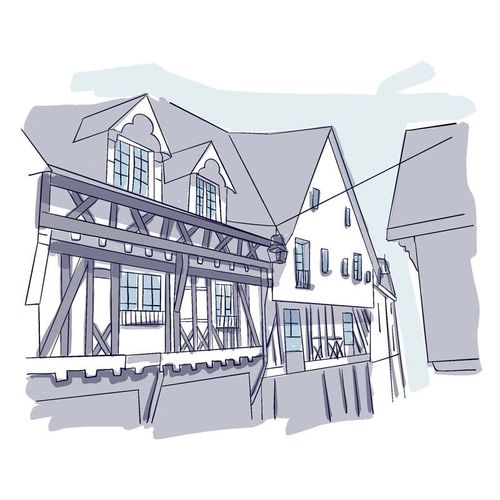
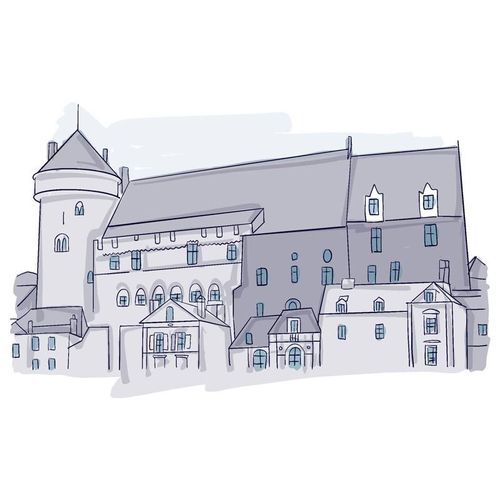
Crossed by the Mayenne River, Laval reveals a rich heritage with its medieval castle, half-timbered houses, and historic streets. Blending history with a gentle way of life, the town is best explored at a relaxed pace, along the water and through its gardens.
Quand partir à Laval ?
Jan.
6°
12
Feb.
7°
10
March
10°
11
April
12°
10
May
16°
11
June
19°
9
July
22°
8
Aug.
22°
8
Sept.
19°
9
Oct.
15°
11
Nov.
10°
12
Dec.
7°
12
The climate in Laval is oceanic, with cool but generally moderate winters, ranging from 3 to 10°C, and mild to moderately warm summers, most often between 22 and 27°C, with a few possible hotter spells; the best times to visit are typically from April to June and then from September to October, when temperatures are pleasant, the surrounding nature is lush and green, and conditions are ideal for enjoying the town and the banks of the Mayenne River in a calmer atmosphere than at the height of summer.
Départ conseillé
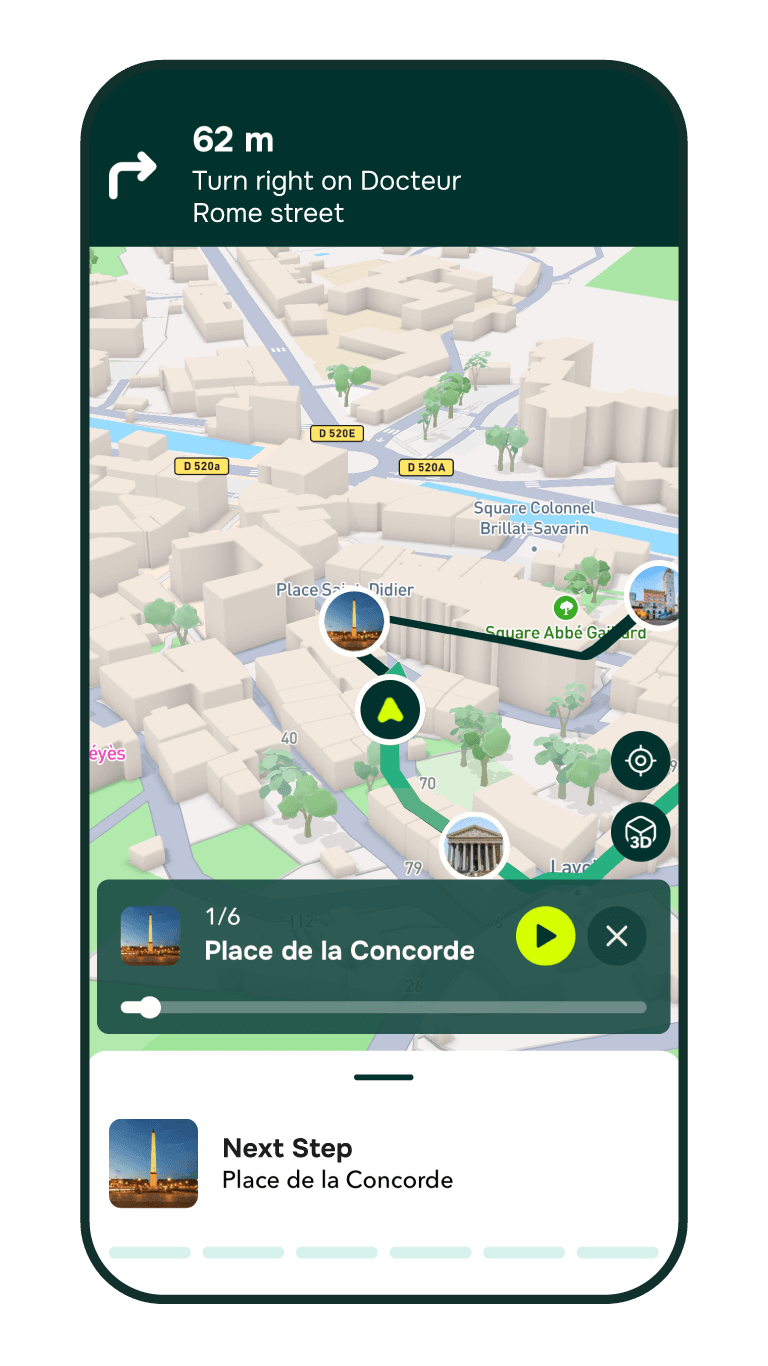
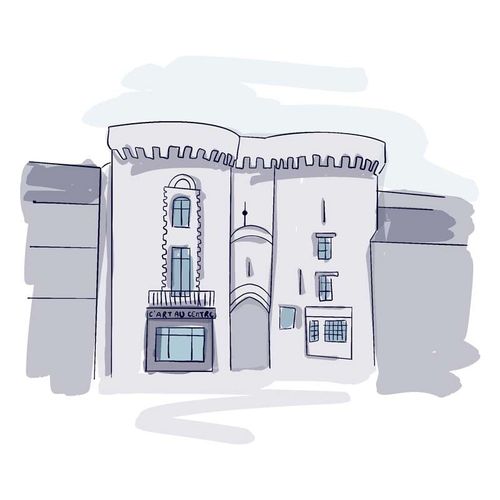
No need to worry about where to begin! Our tours are designed as a loop, so you can jump in wherever you are. The navigation system and audio-guide will automatically adjust to your location. However, if you happen to be nearby, we do have a preferred starting point: Place de la Trémoille in front of Laval Castel.
Parking à proximité
Free parking at Place de Hercé. 220 spaces available day and night, all year round.
The city offers around 2,500 free parking spaces, including those at Place de Hercé, Viaduc parking, Corbineau parking, and Mendès-France parking. Perfect for short stays in the city center, especially during free periods in the green zone (July 12 to August 16).
À savoir
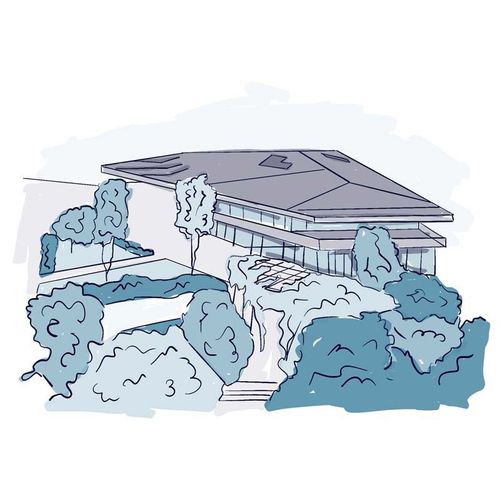
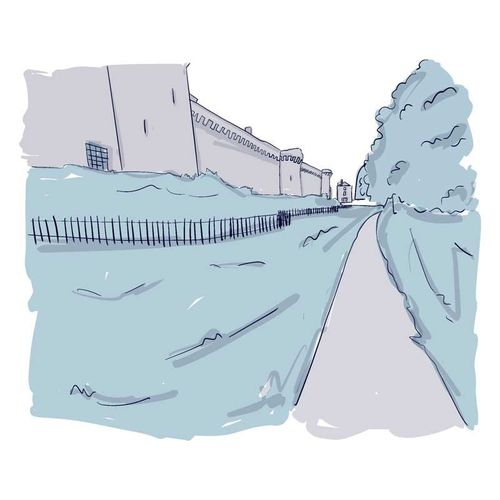
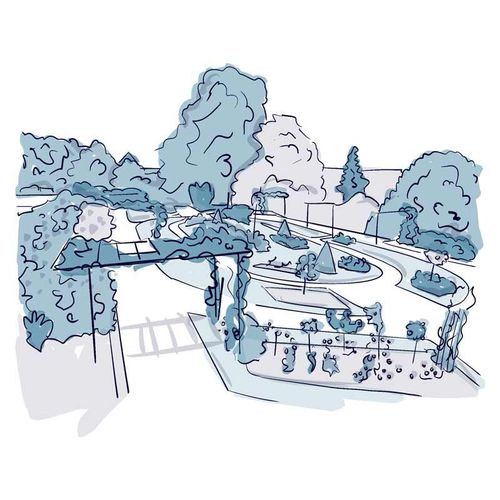
The route goes through Perrine Park, which has set opening hours. They are usually quite broad, but if the garden is closed when you visit, simply take the Eperons stairs to reach the riverside at the end of the Anne d’Alègre Promenade.
Découvrez 18 lieux d'intérêt pour visiter Laval



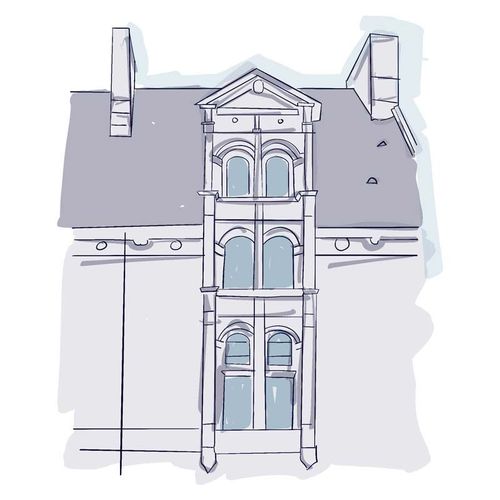
Le plein d'inspirations
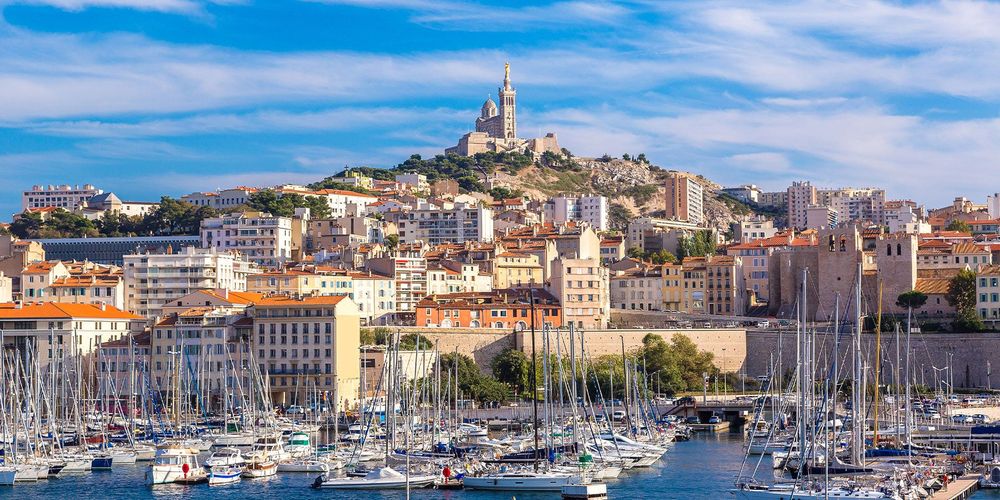
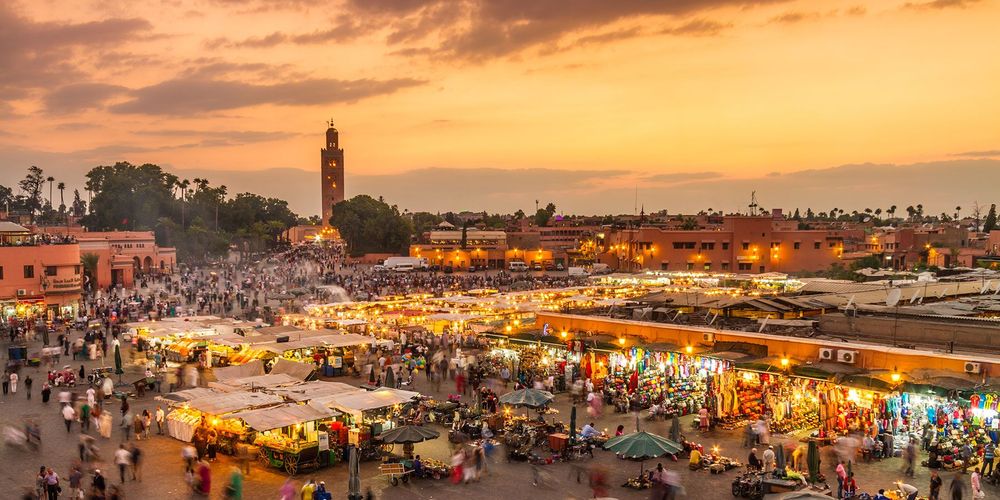
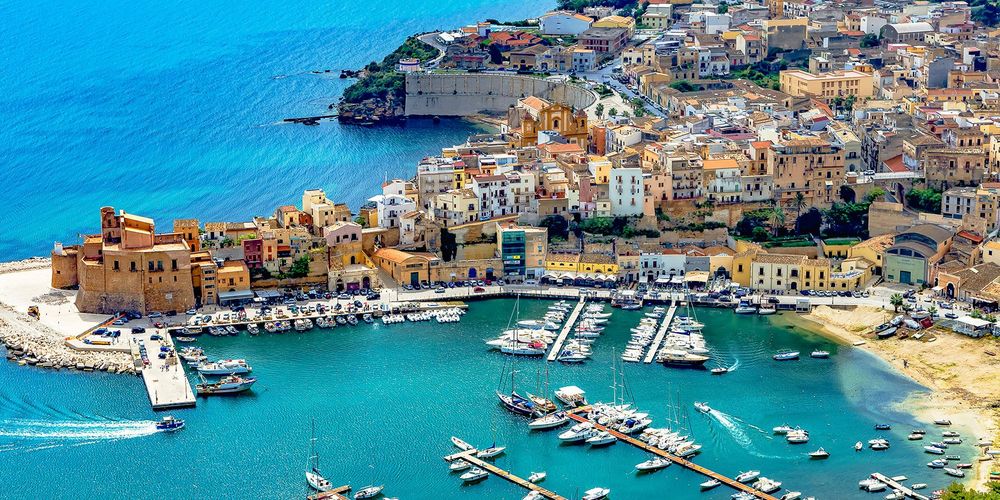
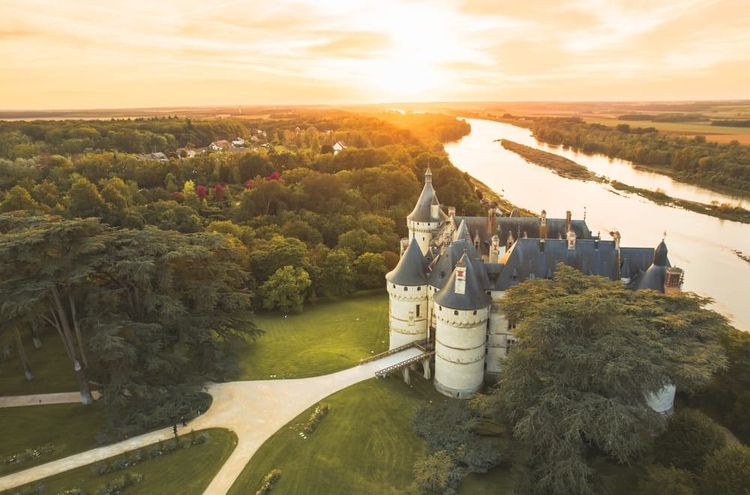
Explorez le monde en totale liberté, à pied au cœur des villes ou au fil des routes. Nos guides audios transforment chaque destination en une découverte culturelle immersive et unique.
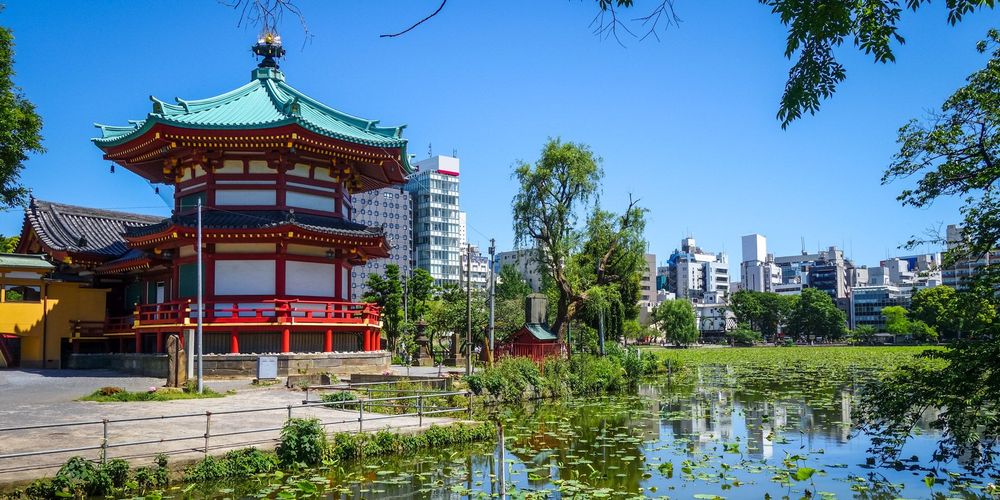
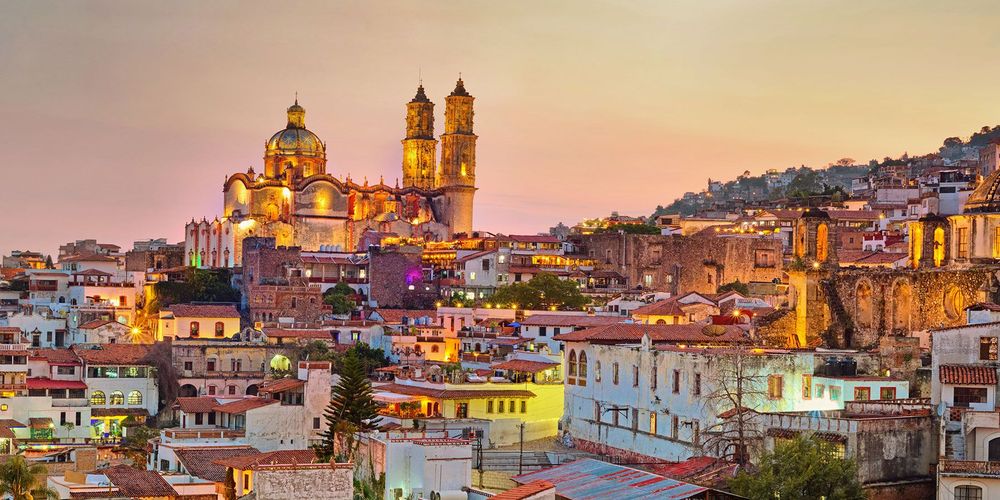

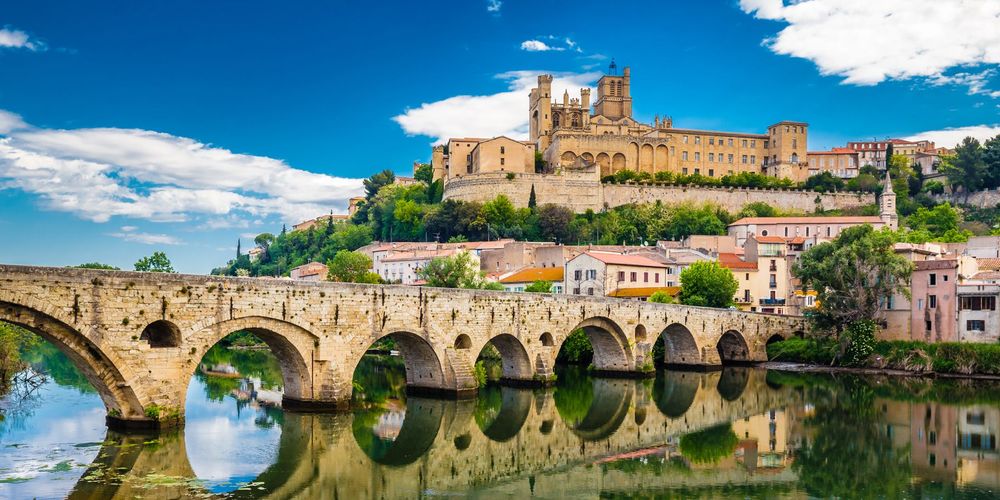
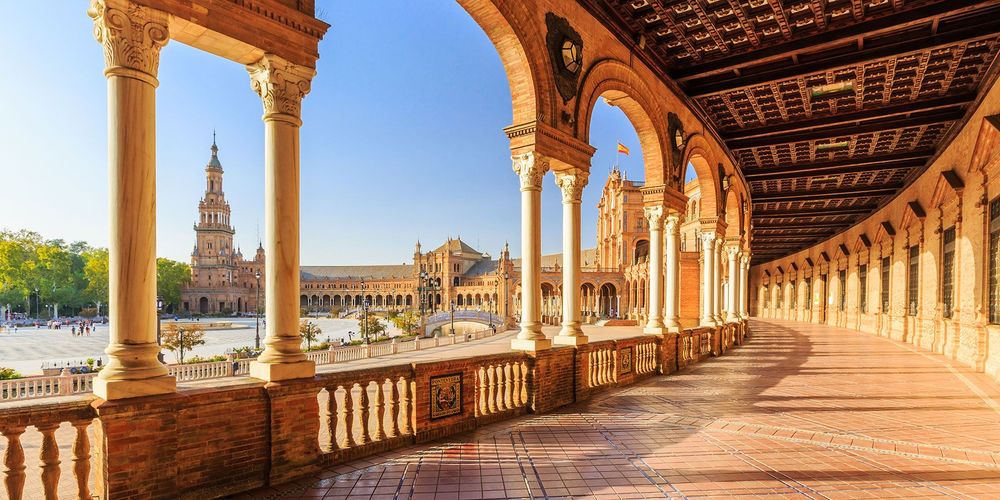
FAQ for visiting Laval
When is the best time to visit Laval?
The best time to discover Laval runs from April to June, then from September to October. During these months, you'll enjoy pleasant temperatures and lush green nature, ideal for strolling along the Mayenne and exploring the historic centre. Summers stay mild, generally between 22 and 27°C, perfect for outdoor visits, even if a few spells of heat are possible. Winters, with their temperatures hovering between 3 and 10°C, remain moderate thanks to the oceanic climate. Spring and autumn offer the added advantage of a more peaceful atmosphere, far from the summer crowds, to fully appreciate the charm of this thousand-year-old city.
How many days do you need to visit Laval?
For a complete discovery of Laval, ideally plan for two days. One day lets you cover the essentials of the historic centre: the medieval castle overlooking the Mayenne, the old streets lined with half-timbered houses, and the main monuments. With an extra day, you'll be able to explore the neighbourhoods more calmly, enjoy the gardens and riverbanks, visit a few museums and soak up the peaceful atmosphere of the city. If you only have half a day, focus on old Laval around the castle. History and heritage lovers will appreciate taking their time to savour every architectural detail of this preserved city.
Where can you park easily in Laval?
Parking in Laval is generally accessible, with several convenient options in the town centre. The underground car parks in the centre, notably near the Place du 11 Novembre and the Place de la Trémoille, offer a comfortable solution for exploring the city on foot. Surface parking spaces are also available along the quays of the Mayenne and in the streets adjoining the historic centre. Rates usually remain reasonable compared with the big cities. At the weekend, you'll often more easily find free spaces in certain areas. For a visit to the castle and old Laval, favour the car parks near the old town, which will save you from walking too far with your luggage or shopping.
How do you get around Laval's town centre?
Laval's town centre is best explored on foot, its human scale making walking particularly pleasant. The main points of interest are concentrated within a small perimeter around the castle and the old town, easily covered in about fifteen minutes' walk from one end to the other. For longer distances, or if you wish to explore the outlying neighbourhoods, the urban bus network efficiently serves the whole conurbation. The landscaped banks of the Mayenne also offer lovely pedestrian and cycle walks. Self-service bikes are generally available for those who prefer to pedal. The relatively flat topography of the city, apart from the climb up to the castle, makes soft mobility particularly enjoyable.
What are the must-sees you absolutely have to see in Laval?
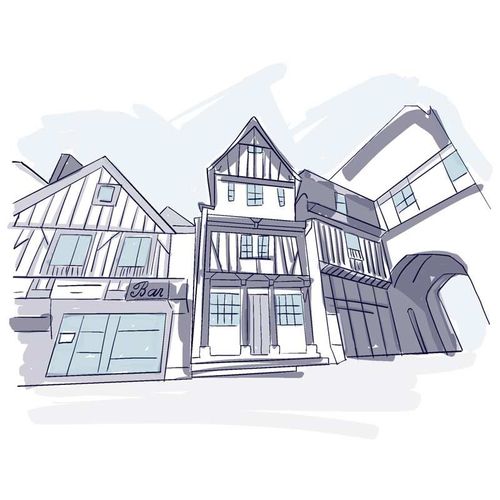
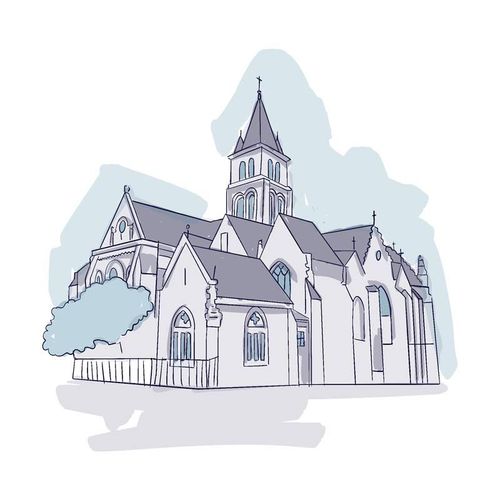
Your visit to Laval must absolutely begin with its medieval castle, an imposing fortress that has majestically overlooked the Mayenne for a thousand years. Old Laval will charm you with its cobbled streets lined with remarkably preserved half-timbered houses. Don't miss the Trinity cathedral and its architectural treasures, nor the Pont Vieux, which offers an emblematic view of the castle reflected in the river. The quays of the Mayenne invite you to stroll, while the Jardin de la Perrine offers a green interlude with a panorama over the valley. To discover these wonders in an enriching way, the Ryo audioguide offers a narrated route that reveals the secrets and anecdotes of each monument while guiding you through the finest neighbourhoods.
Where can you eat local specialities in Laval?
Laval offers many places to sample the flavours of the Mayenne. In the historic centre, several traditional restaurants offer regional specialities such as prune pâté, Maine rillettes or the local black pudding. The banks of the Mayenne are also home to a few restaurants with terraces where you can enjoy local produce in a bucolic setting. Don't overlook the local cheeses, notably the Port-Salut originating from the region, nor the ciders and perry of the Mayenne. The weekly markets, particularly the Saturday morning one, let you meet local producers and discover their artisanal products. For a sweet break, the town-centre pastry shops often offer traditional treats such as the croquets de Laval, dry biscuits perfect with coffee.
What activities can you do with children in Laval?
Laval proves particularly welcoming for families. The Jardin de la Perrine, with its playgrounds, its little tourist train in season and its vast lawns, makes an ideal stop for children. The visit to the castle can captivate budding young knights, especially with the medieval entertainment organised regularly. The landscaped banks of the Mayenne offer lovely walks by bike or on foot, with the possibility of a picnic by the water. The science centre and the planetarium, when they offer activities, generally fascinate the curious of all ages. In fine weather, a boat trip on the Mayenne lets you discover the city from a different angle while entertaining the youngest. The many squares and green spaces scattered around the city offer just as many welcome breaks during your explorations.
Where can you stay in Laval's historic centre?
Laval's historic centre offers a range of accommodation options for every budget. You'll find a few charming hotels set up in former mansions, offering a complete immersion in the city's historic atmosphere. These establishments, often family-run, generally provide a warm welcome and rooms full of character with exposed beams or stone walls. For more modest budgets, simpler but comfortable hotels are located in the immediate vicinity of the centre, letting you reach the main sites in a few minutes on foot. Guesthouses are a popular alternative, some occupying beautiful old houses with a view over the Mayenne or the castle. Booking in advance remains advisable, particularly during cultural events and the high tourist season.
What can you discover along the banks of the Mayenne in Laval?
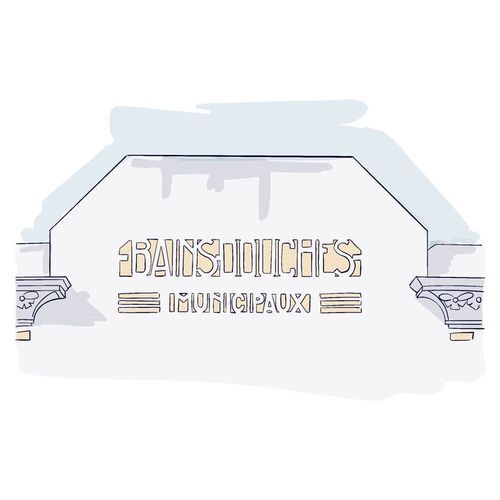
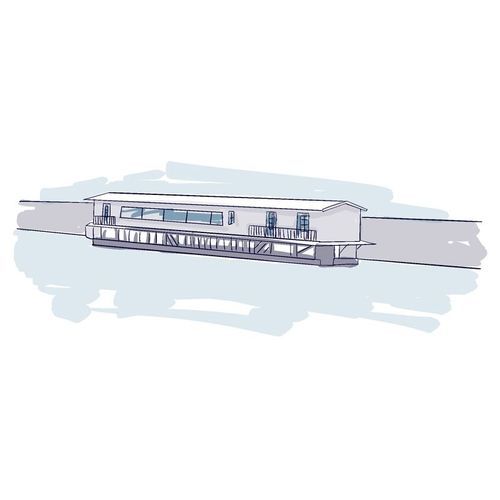
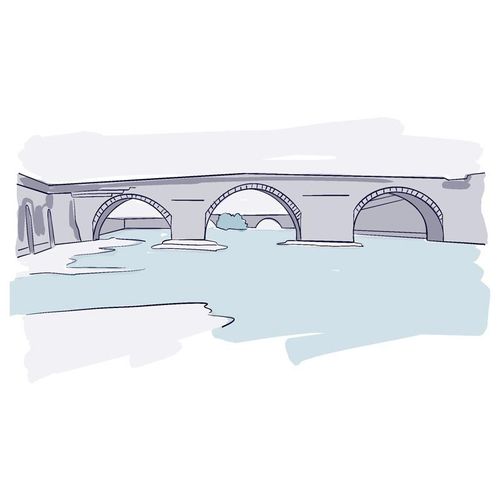
The river runs through the heart of Laval and makes the best thread to follow on foot. From the Pont-Vieux, the town's last medieval bridge, the view takes in the façades reflected in the water and the château standing above the bank. Down on the quays, you will come across the Saint-Julien washing boat, the last reminder of the laundresses who worked there, now open to visitors. The towpaths carry the walk beyond the town, towards the locks and the riverside cafés, on foot or by bike, and boats run trips on the river in the warmer months. The Ryo audio guide devotes a route to Laval that follows this thread of water.
Why is Laval associated with naive art?
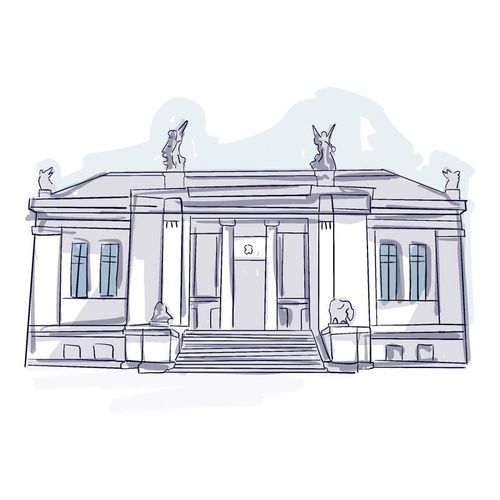
The town is the birthplace of Henri Rousseau, known as the Douanier Rousseau, a self-taught painter who became a major figure of naive art and whose imaginary jungles left their mark on modern art. Laval pays tribute to him with a museum housed in the old château, devoted to naive art and outsider art, which holds a collection recognised across France: folk painters, self-taught creators and art brut works meet in a striking medieval setting. The visit combines naturally with the keep and its timber frame, one of the region's rare surviving pieces of military architecture. The Perrine garden, where the painter is buried, rounds off this walk in the footsteps of the town's famous son.
Vos commentaires, idées et suggestions
Aucun avis pour le moment