
Créé par Romane, le 4 oct. 2026
Votre guide Ryo
Angers, France
The Green City
Parcours audioguidé pour visiter Angers en 1 jour
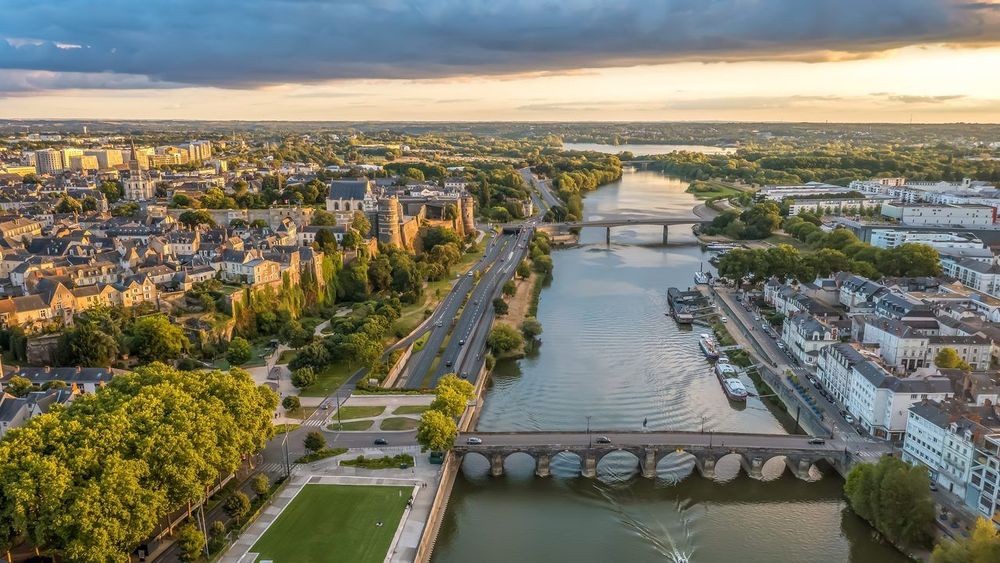
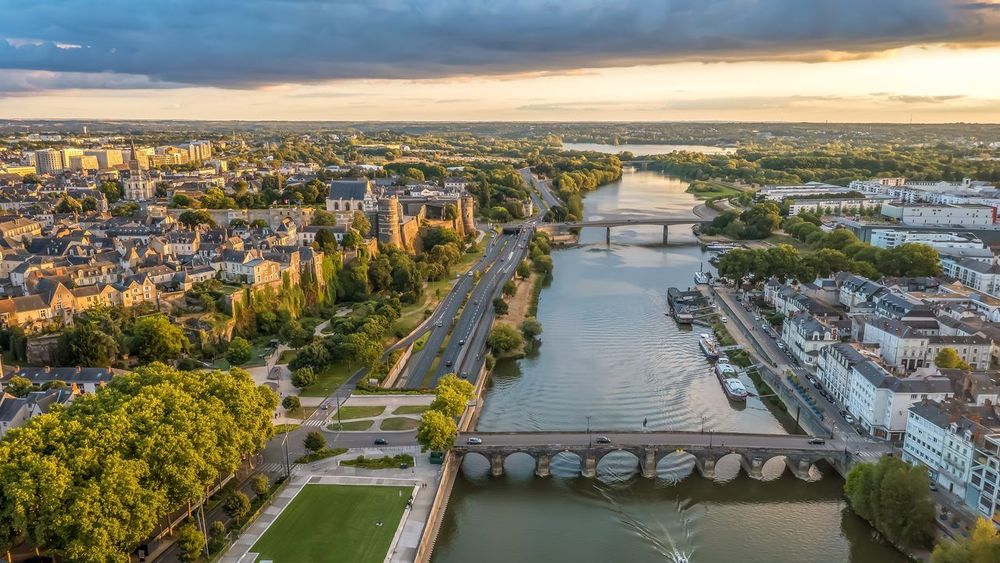
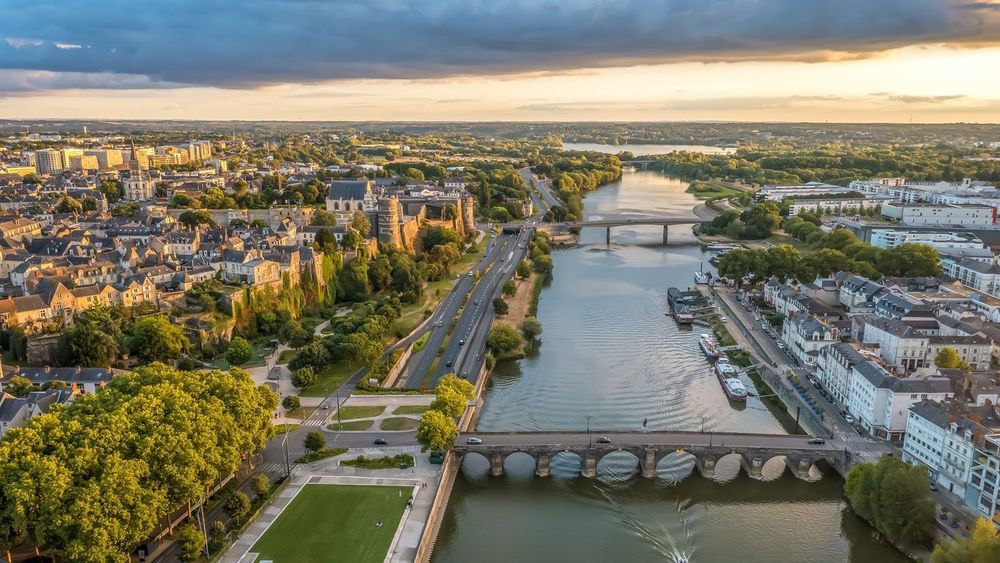
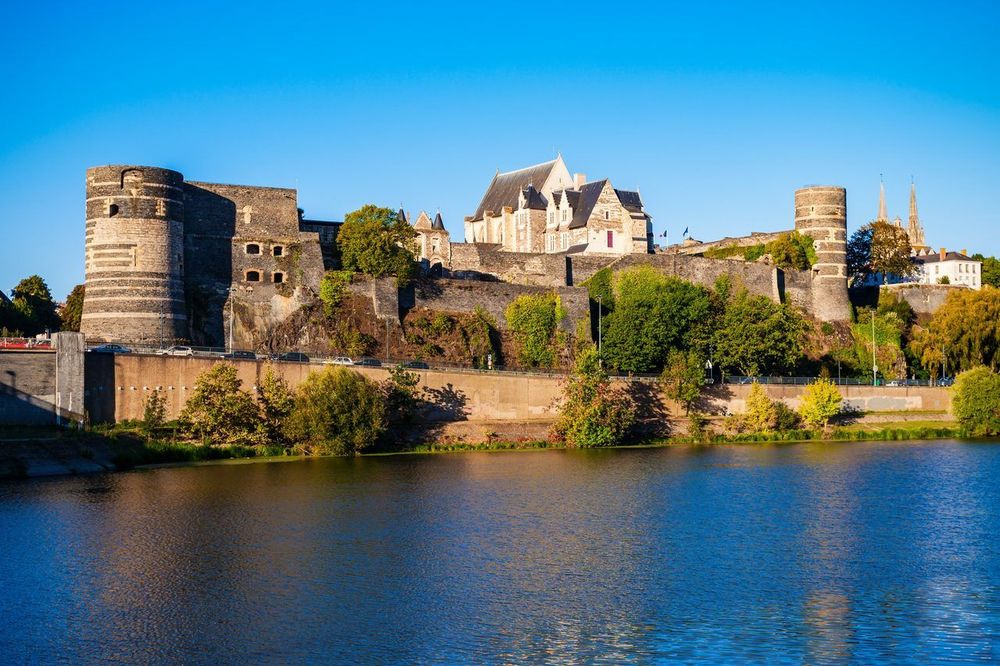
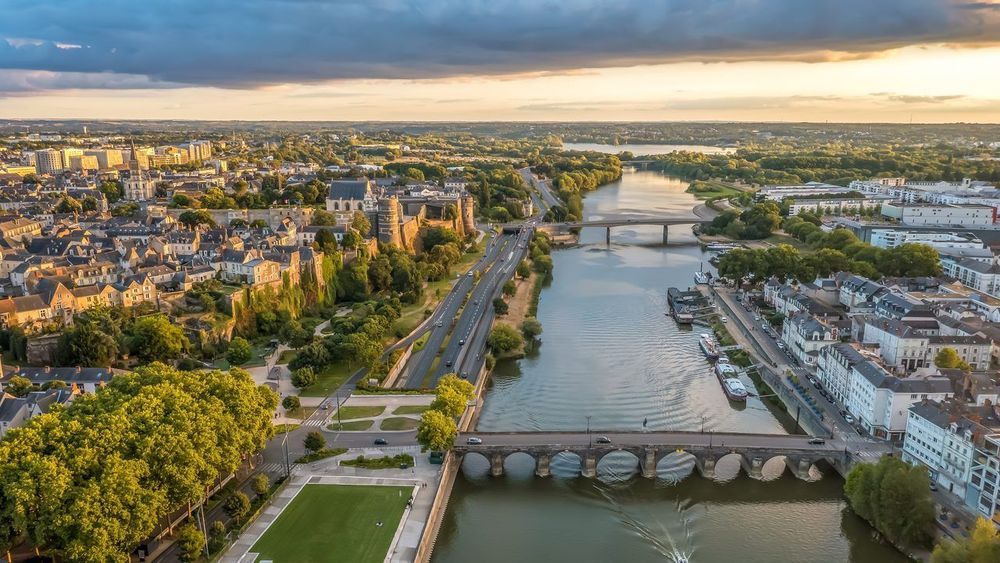
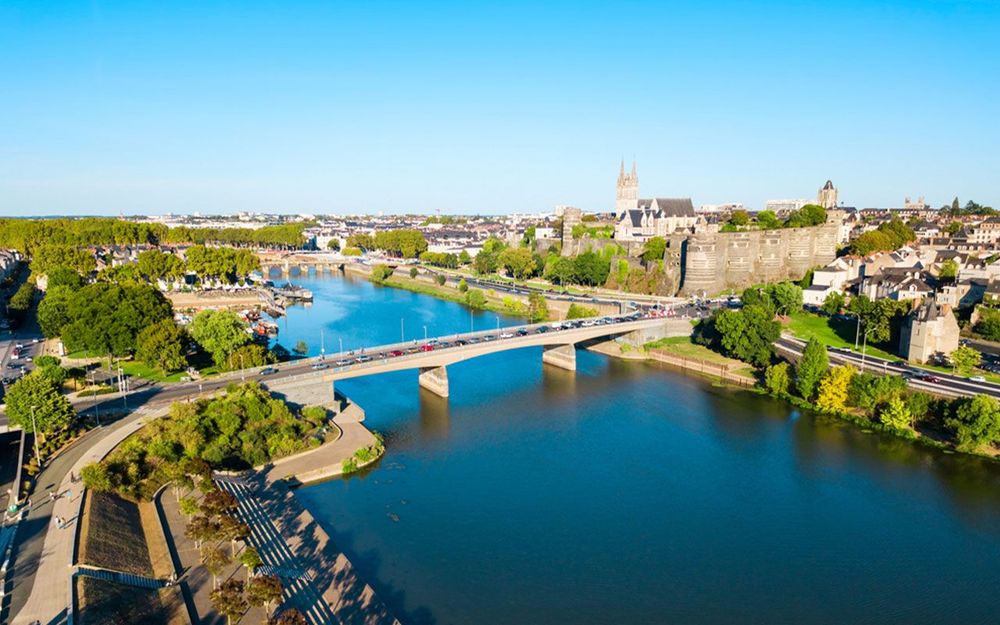
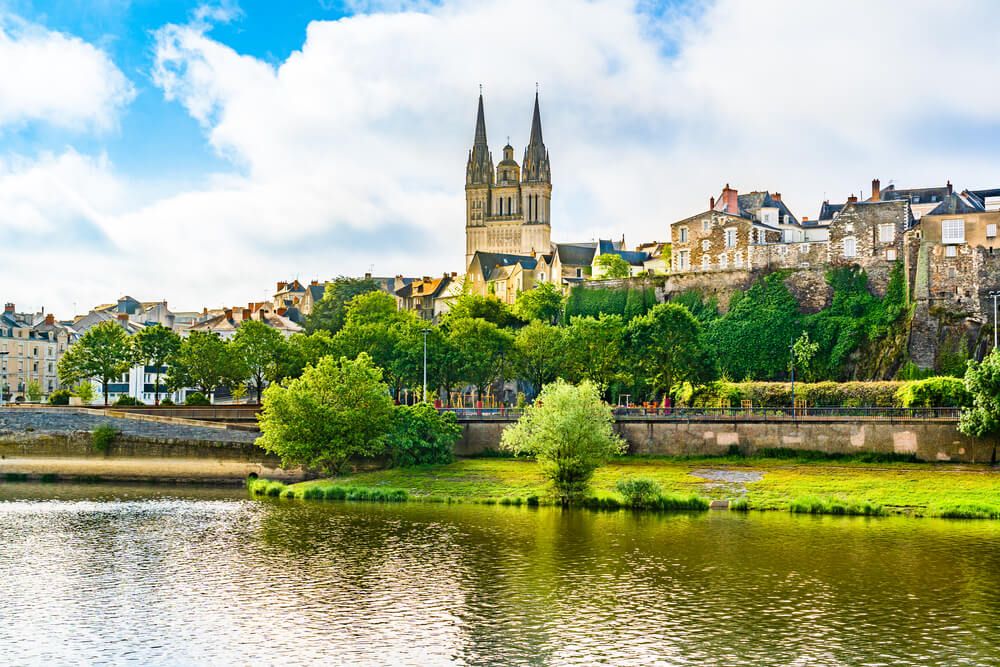
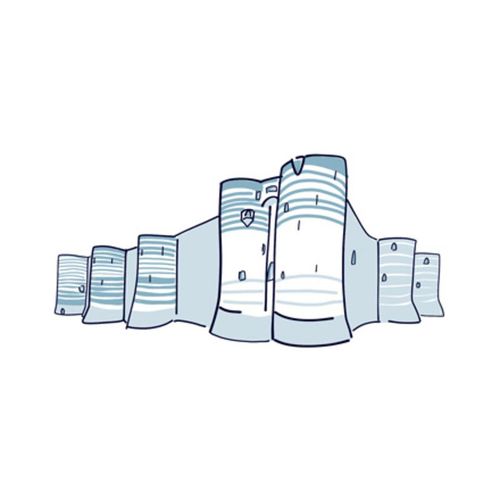
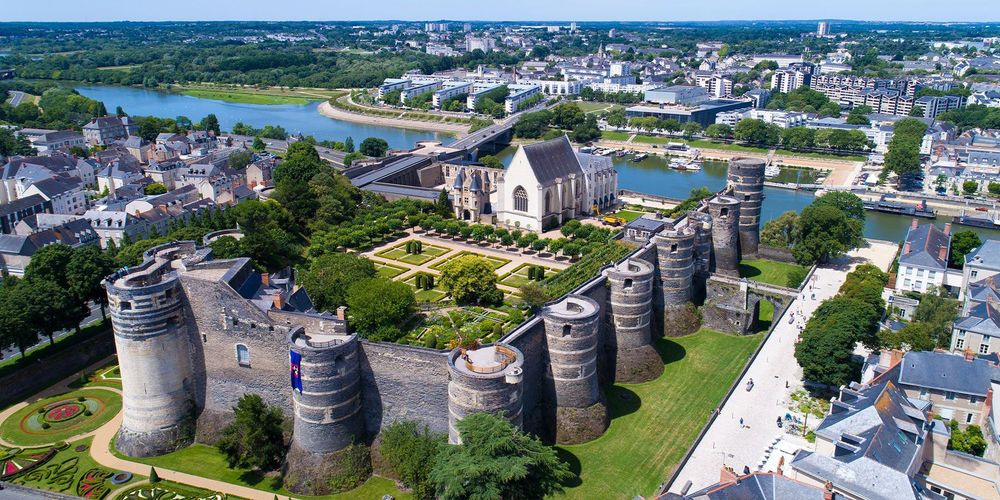
This getaway to Angers invites you on a wandering journey suspended between the river and the fortress. Let your steps lead you from the colossal silhouette of the Château des Ducs d'Anjou to the cobblestone streets of the historic Doutre district, where half-timbered houses defy time. Between the dark depth of its schist walls and the brightness of its blooming gardens, the city cultivates a rare harmony, nourished by the breath of the Maine. A peaceful and luminous exploration to savor the discreet charm of a city where royal history yields to the tranquility of the riverbanks.
Quand partir à Angers ?
Jan.
6°
11
Feb.
6°
9
March
9°
9
April
12°
9
May
15°
10
June
19°
8
July
21°
7
Aug.
21°
7
Sept.
18°
8
Oct.
14°
10
Nov.
9°
11
Dec.
6°
11
Angers enjoys a temperate oceanic climate, renowned for its famous "Anjou mildness" (douceur angevine), with pleasant summers averaging around 25°C and mild winters where temperatures typically hover between 3°C and 9°C. The ideal time to visit the city is from May to September, providing a perfect setting to explore the Château of the Dukes of Anjou and the many floral parks. Late spring is particularly recommended for enjoying the lush nature of the Maine-et-Loire region without the intense summer heat.
Départ conseillé
No need to worry about where to begin! Our tours are designed as a loop, so you can jump in wherever you are. The navigation system and audio-guide will automatically adjust to your location. However, if you happen to be nearby, we do have a preferred starting point: In front of Angers Castle
Parking à proximité
Kennedy parking, President Kennedy square
In Angers, parking is divided into two zones: the orange zone, in the hypercentre and limited to 4 hours, and the green zone, limited to 9 hours. To pay, use a parking meter or the PaybyPhone application. Several underground parking facilities are also available in the city centre and are a good option for visiting Angers.
À savoir
The tour passes in front of Angers castle, so make sure you get your ticket if you want to see it!
Découvrez 24 lieux d'intérêt pour visiter Angers










Angers fait partie d'un Road trip
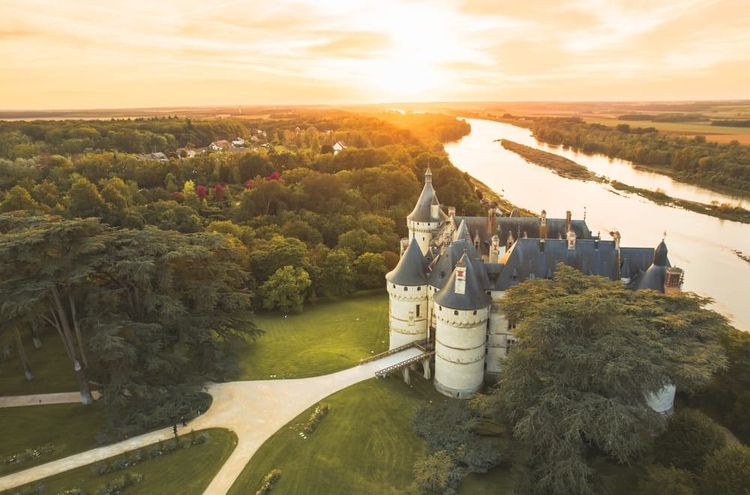
Le plein d'inspirations
Explorez le monde en totale liberté, à pied au cœur des villes ou au fil des routes. Nos guides audios transforment chaque destination en une découverte culturelle immersive et unique.



FAQ for visiting Angers
When is the best time to visit Angers?
The ideal time to discover Angers runs from May to September, when the famous mild Anjou climate is in full swing. Summer temperatures pleasantly hover around 25°C, perfect for strolling along the Maine or exploring the city's flowered gardens. Late spring is particularly recommended for enjoying the lush greenery without the intense heat. Winters remain mild, with temperatures generally ranging between 3°C and 9°C, allowing visits all year round. However, if possible, avoid the rainiest months so you can fully appreciate the charm of the cobbled lanes and peaceful riverbanks.
How many days do you need to visit Angers?
Two to three days make an ideal length of time to appreciate the essentials of Angers without rushing. Over a long weekend, you will have time to discover the Château des Ducs d'Anjou, lose yourself in the lanes of the historic Doutre district and enjoy the banks of the Maine. One day is enough to cover the must-sees of the historic centre, but you risk missing the peaceful atmosphere that makes the city so charming. With three days, you can alternate cultural visits and moments of relaxation in the many parks, while taking the time to savour the local cuisine in one of the old quarter's restaurants.
How do you get around Angers?
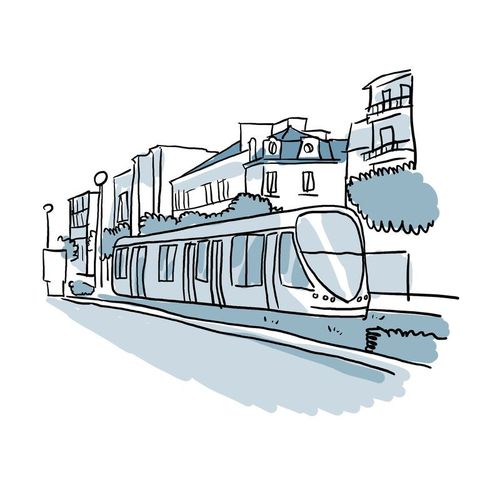
Angers is best explored on foot, its compact historic centre making it easy to connect the main points of interest. The tram and bus network efficiently covers the whole urban area for longer distances. The city also has a very handy self-service bike system for exploring the banks of the Maine or reaching the outlying neighbourhoods. The city centre remains largely pedestrian, notably around the castle and in the Doutre district. For visitors arriving by car, several underground and surface car parks are available on the edge of the historic centre, but the car quickly becomes unnecessary once you are there.
What are the must-sees in Angers?
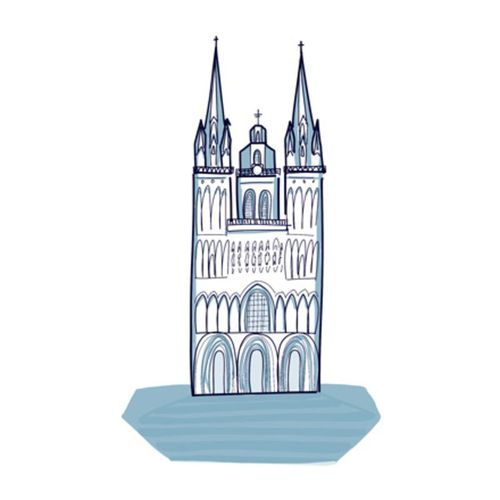
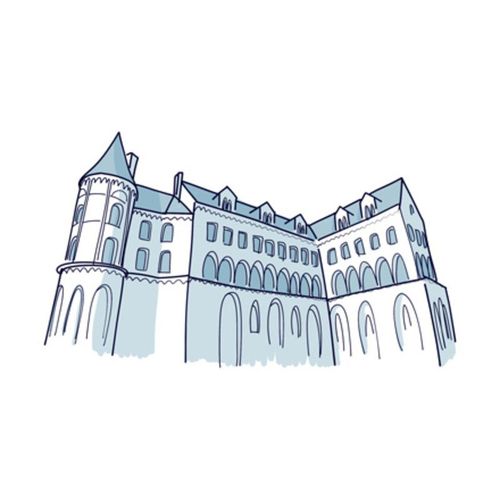
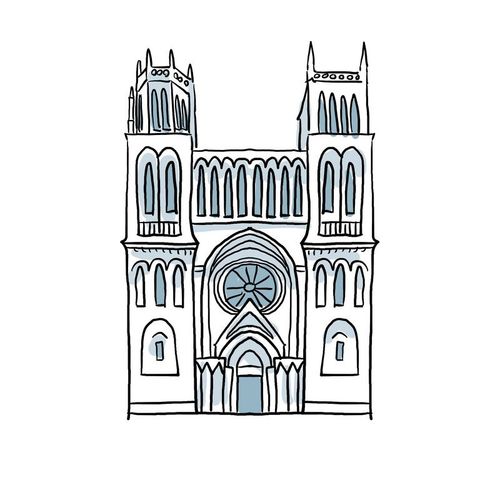
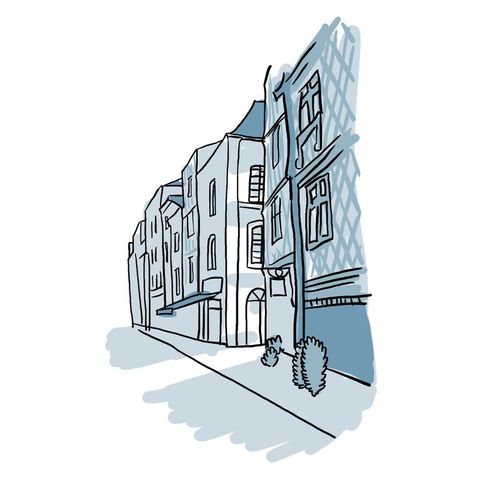
The imposing Château des Ducs d'Anjou dominates your route with its seventeen towers and the famous Apocalypse Tapestry. The medieval Doutre district will win you over with its timber-framed houses and charming cobbled lanes. Saint-Maurice Cathedral impresses with its Angevin Gothic architecture, while the banks of the Maine offer peaceful walks with a view of the fortress. Don't miss the Maison d'Adam, a splendid example of medieval architecture, and the Jardins du Mail for a leafy break. The Ryo audioguide accompanies you on this discovery with a narrated route that reveals the secrets of these iconic places while guiding you through the royal history of the city.
Where to stay in Angers: which neighbourhood to choose?
The historic centre around the cathedral remains the preferred choice for a stay, placing you at the heart of the action and right next to the main tourist sites. The Doutre district, on the right bank, offers a more authentic and peaceful atmosphere with its preserved medieval lanes. The surroundings of Place du Ralliement make a practical option, combining shops, restaurants and easy access to transport. For a quieter, greener stay, the neighbourhoods near Lac de Maine offer accommodation in a natural setting while remaining well connected. Avoid areas that are too far out, which would force you to systematically use transport to reach the historic centre.
How do you get to Angers from Paris?
The train remains the most convenient way to reach Angers from Paris, with direct high-speed trains from Montparnasse station that drop you in the heart of the city in under an hour and a half. Departures are frequent throughout the day, generally every hour. By car, allow about three hours via the A11 motorway, but plan for possible traffic jams leaving Paris. Long-distance buses offer an economical alternative with a journey time of around four hours. Arriving by train places you directly in the city centre, a few minutes' walk from the first tourist sites, which makes it the most comfortable option to begin your discovery.
What to do in Angers on a rainy day?
Rainy days are no shortage of options for continuing your discovery of Angers under cover. The Château des Ducs d'Anjou houses several covered spaces, notably the Apocalypse gallery, which deserves an in-depth visit. The Museum of Fine Arts welcomes you in the former Logis Barrault with its remarkable collections. Saint-Maurice Cathedral offers a majestic refuge to admire its Gothic vaults and stained-glass windows. The Galeries Lafayette Maison let you discover the interior architecture of a private mansion turned department store. Take the opportunity as well to explore the covered passages of the city centre or settle into one of the many historic cafés to sample Anjou specialities while waiting for the good weather to return.
What are the more unusual places to visit in Angers?
Beyond the castle and its tapestry, Angers holds a few less predictable curiosities. The David d'Angers gallery occupies the former Toussaint abbey, whose ruined nave has been roofed with a glass canopy, so that the monumental sculptures stand in natural light. In the streets of the centre, the façades and interiors decorated with mosaics by the Odorico family, craftsmen who came from Italy, can be spotted by their colourful geometric patterns.
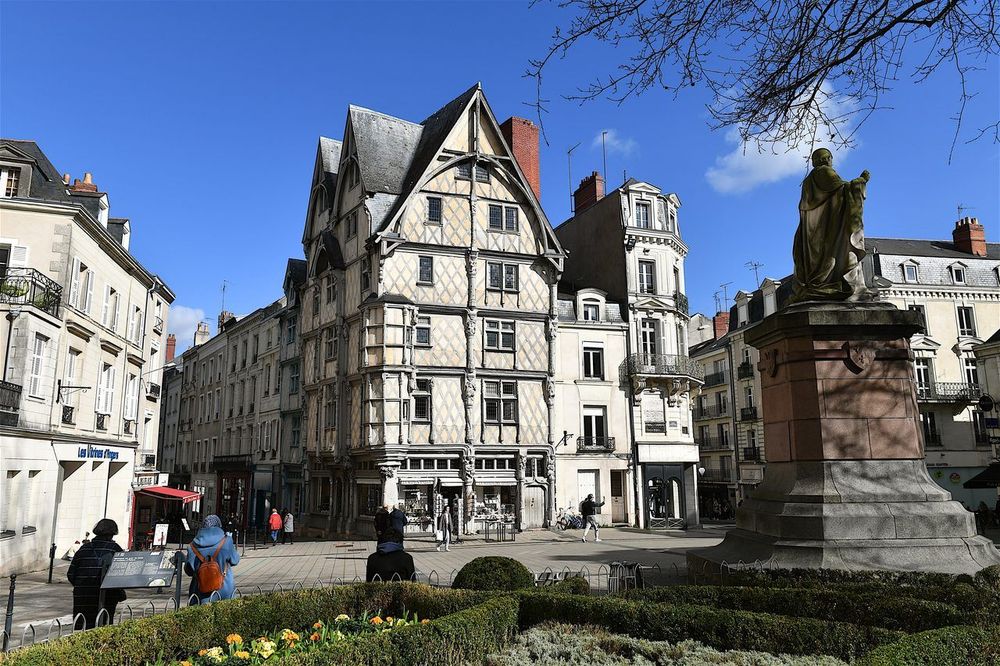
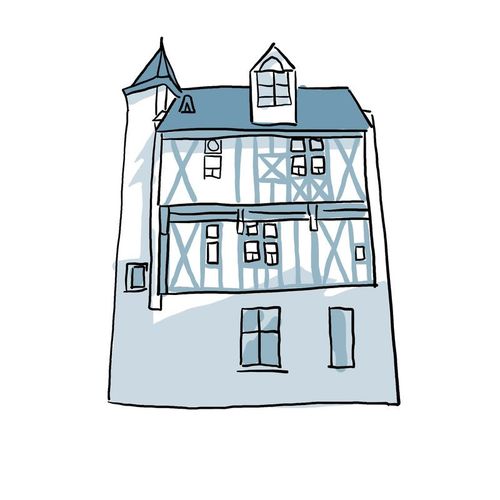
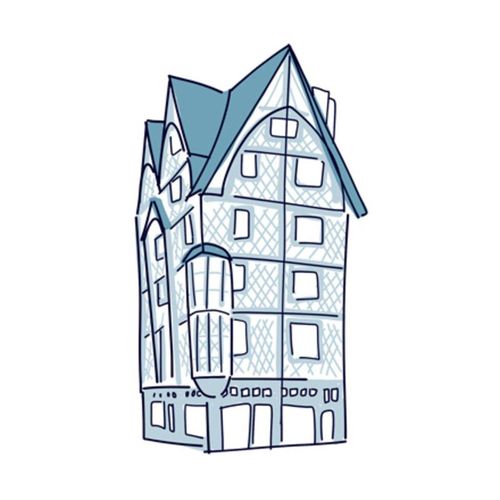
The Maison d'Adam, a timber-framed house covered in carved figures, stands a few steps from the cathedral and is one of the oldest in the city. Further out, the Île Saint-Aubin, a broad marshland reached by ferry, offers a rural escape minutes from the centre, while the Piverdière viewpoint opens an unexpected panorama over the valley. The Ryo audio guide offers a dedicated Angers route that links these curiosities to the city's better-known sights.
Where can you enjoy green space in Angers?
Angers lives up to its reputation as a green city. The Jardin des Plantes, close to the station, mixes remarkable trees, rockeries and an aviary in an English-style setting, while the Jardin du Mail unfolds its flowerbeds and fountains in front of the town hall. The arboretum, on the heights, lays out botanical collections you can wander through freely as the seasons change.
To the west, the Parc Balzac extends the banks of the Maine as far as the Lac de Maine, a large leisure area where people stroll, run and picnic in the warmer months. The landscaped quays link these spaces to the centre and lend themselves particularly well to cycling, with shifting views over the river and the castle. For a more family-oriented outing, the Terra Botanica plant park, north of the city, is a natural extension of this horticultural vocation.
Which local specialities should you try in Angers?
Cooking in Angers is the cooking of Anjou: pork rillauds, fouées baked in a wood-fired oven and filled to taste, Loire fish served fried or with beurre blanc, and goat cheeses from the Loire Valley. On the sweet side, the quernon d'ardoise, a square of nougatine coated in bluish chocolate that mimics the region's slate roofs, is sold in most confectioners in the centre.
Angers is also the home of Cointreau, the orange liqueur born in a local distillery and still produced in the area, as well as the gateway to a well-regarded wine region: sweet Coteaux du Layon, dry and mineral Savennières, Anjou rosés and the sparkling wines of Saumur. The markets in the centre and the cellars of old Angers remain the easiest places to taste all of this, often with advice from the growers themselves.
Vos commentaires, idées et suggestions
Aucun avis pour le moment