
Créé par Emilie, le 4 oct. 2026
Votre guide Ryo
Nantes, France
The City of the Dukes
Parcours audioguidé pour visiter Nantes en 1 jour
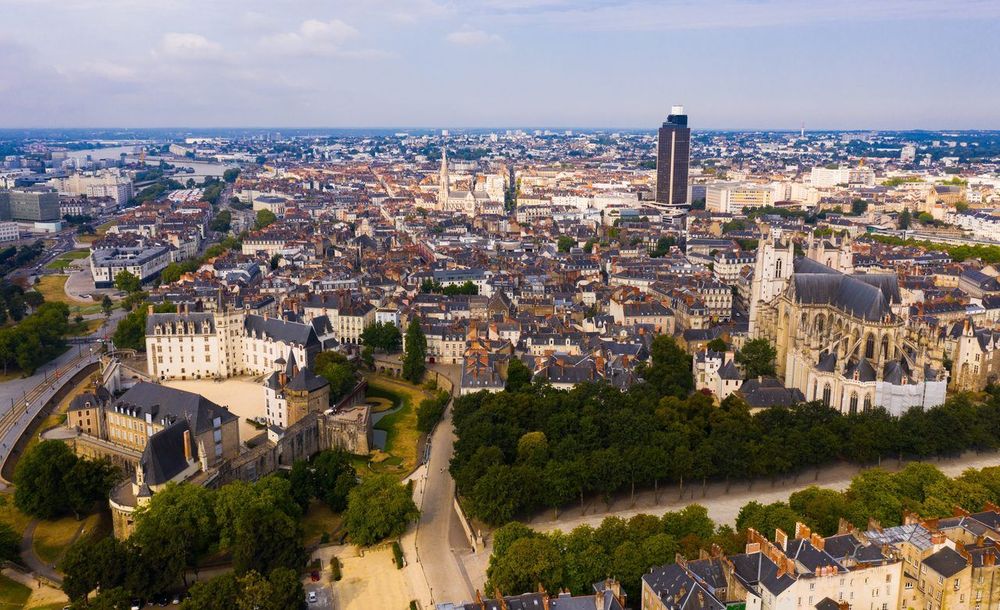
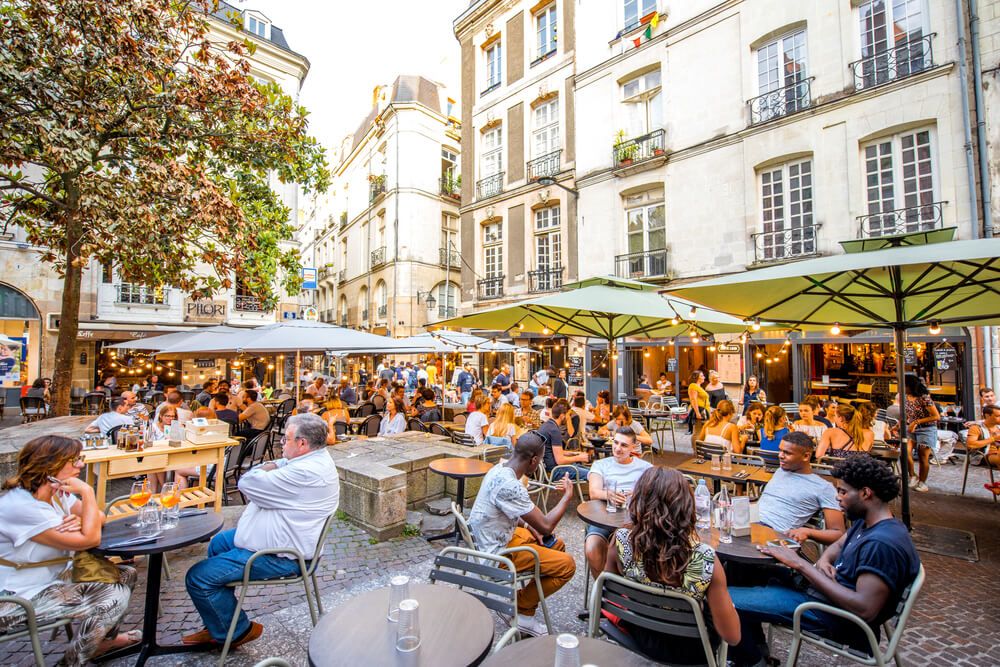
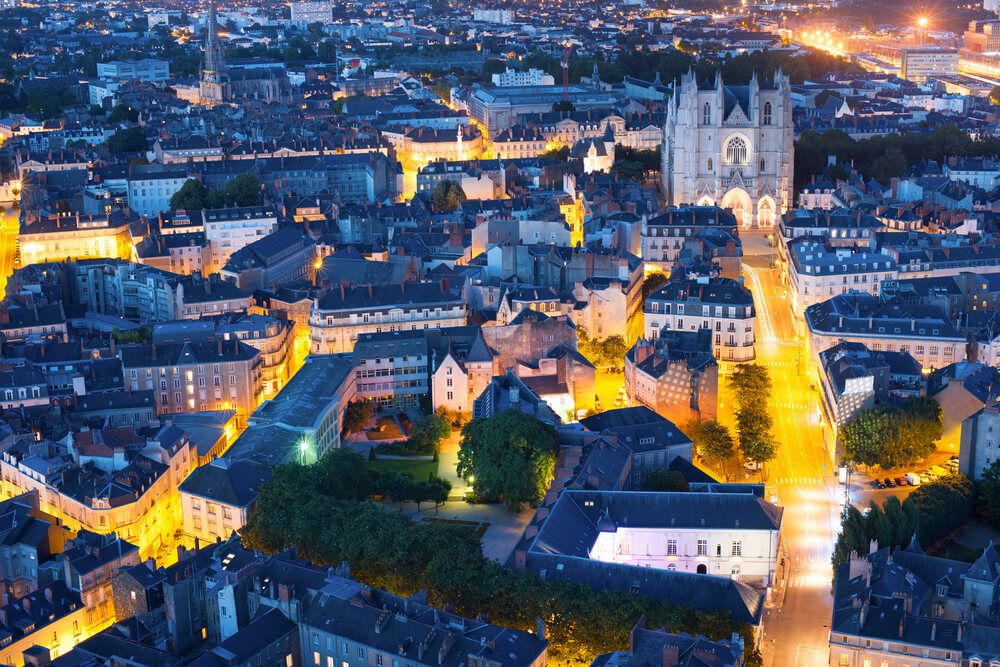
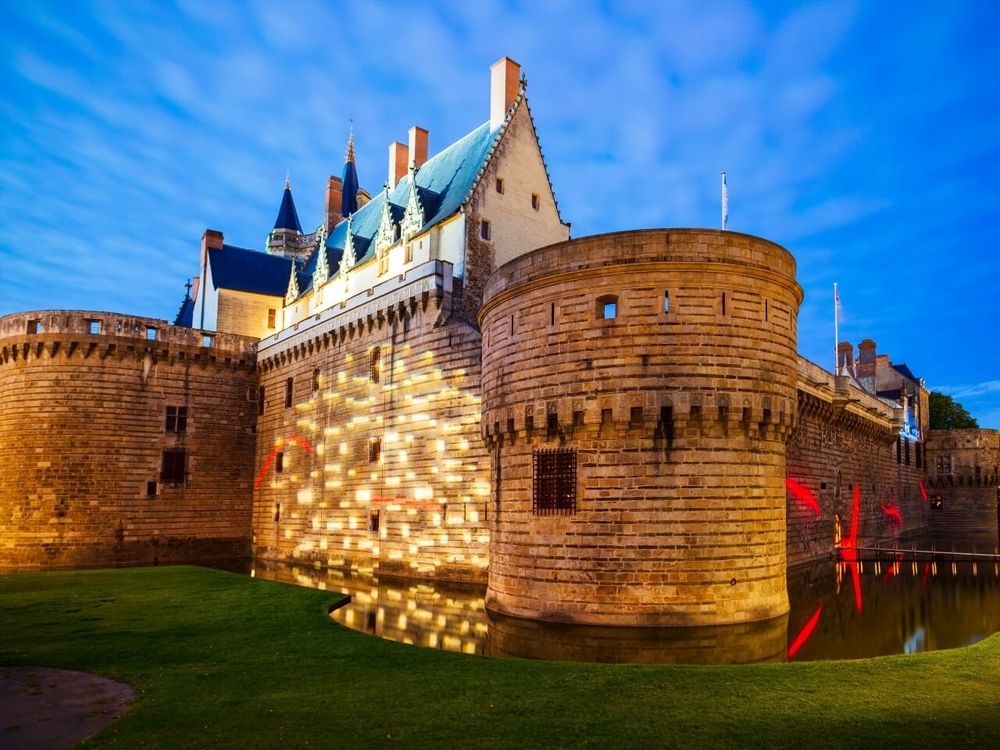
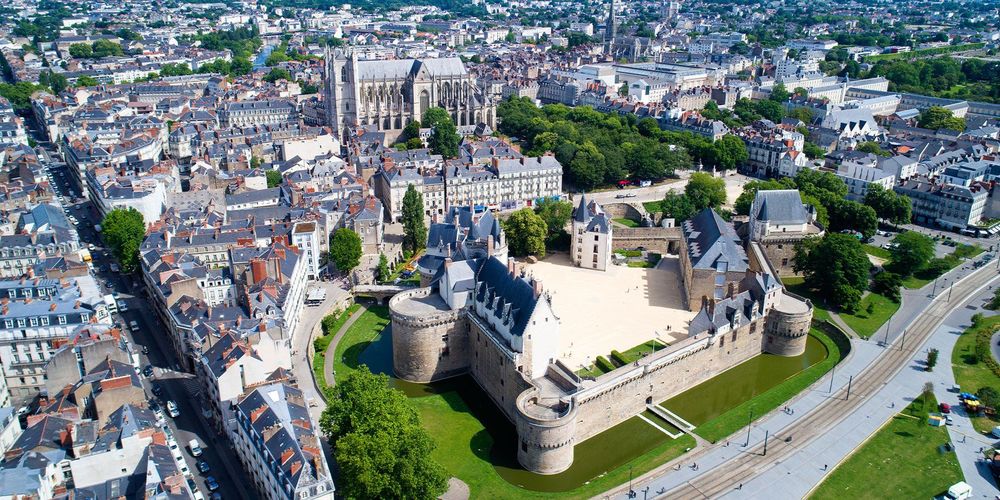
Strolling through Nantes on foot is the perfect way to discover a city on a human scale, where history and contemporary creativity meet at every turn. From the Château des ducs de Bretagne to the banks of the Loire River, passing through leafy walkways and lively squares, the route unfolds naturally, without any sense of rush. Walking here means taking the time to notice the details, to pause at a café terrace, and to soak in that uniquely gentle, creative, and vibrant atmosphere that gives Nantes its unmistakable charm.
Quand partir à Nantes ?
Jan.
7°
13
Feb.
8°
11
March
10°
12
April
13°
12
May
17°
12
June
20°
10
July
22°
10
Aug.
22°
9
Sept.
19°
9
Oct.
15°
11
Nov.
10°
12
Dec.
8°
12
The climate is Mediterranean, with mild winters of around 5 to 15°C and hot summers, often between 28 and 35°C, or even more during heat waves; the best times to visit are generally from April to June and then from September to October, when temperatures are still very pleasant without reaching the summer peaks, allowing you to fully enjoy the towns, villages and coastline in more comfortable conditions than in the middle of summer.
Départ conseillé
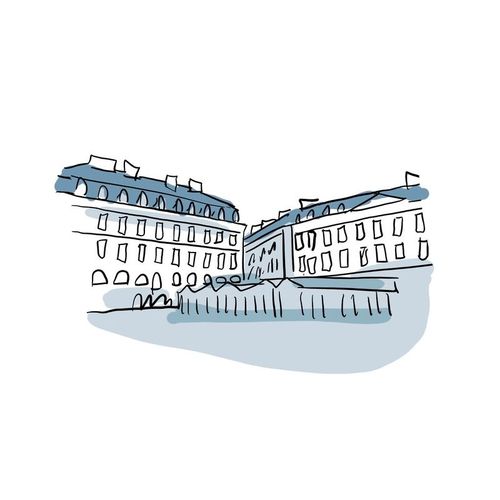
No need to worry about where to begin! Our tours are designed as a loop, so you can jump in wherever you are. The navigation system and audio-guide will automatically adjust to your location. However, if you happen to be nearby, we do have a preferred starting point: Commerce Square
Parking à proximité
Petite Hollande-Gloriette car park, United Nations Avenue
À savoir
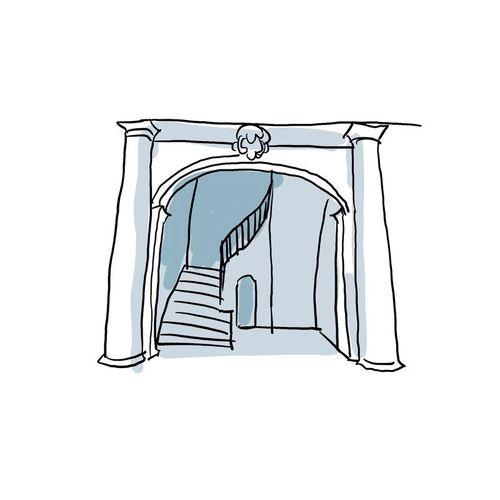
This tour around Nantes takes you through a number of sites that are freely accessible but sometimes subject to specific opening hours. To make sure you get to see everything smoothly, please note the following opening times: Cours Cambronne closes at 5pm. If you take this tour after these times, you must ignore this point of interest and continue your visit from Graslin square. Versailles Island closes at 7pm. If you arrive in the evening, there's no need to go all the way to the island, you can pick up the rest of the tour by crossing the Pont Saint Mihiel. Pommeraye passage closes at 8pm. An unmissable point of interest, but if this is the case, you'll have to take the parallel street (rue du puits d'argent). Bouchaud passage and its urban jungle is open from May to October. Out of season, please bypass it by taking Sainte-Croix street.
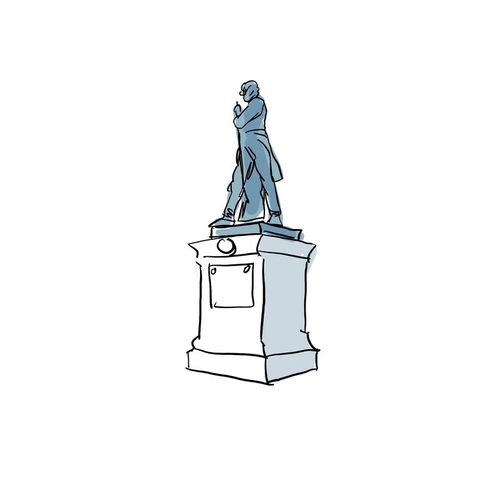
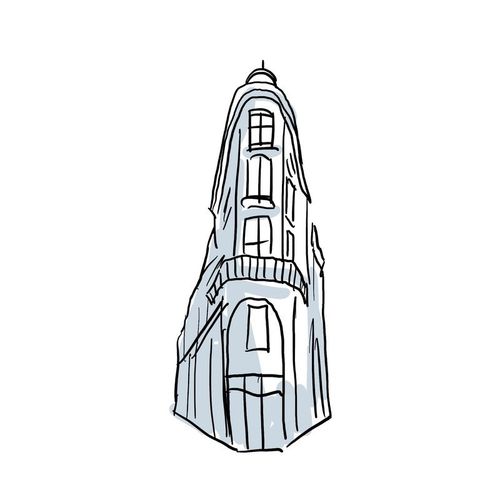
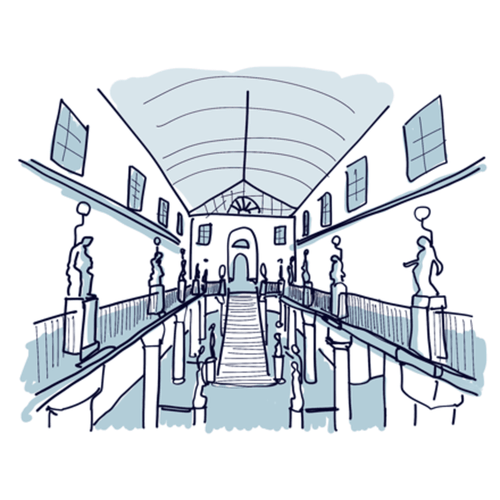
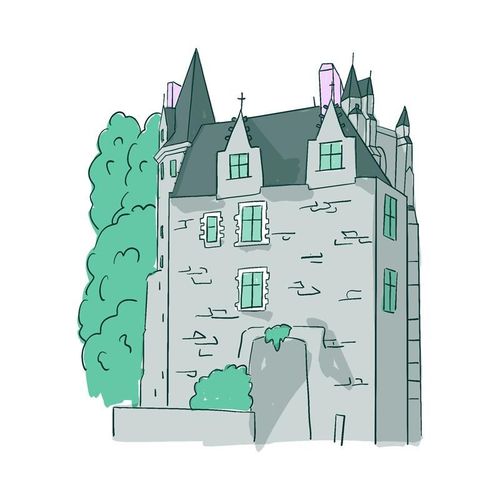
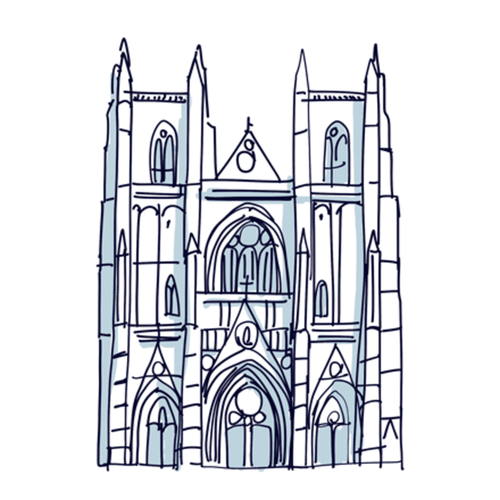
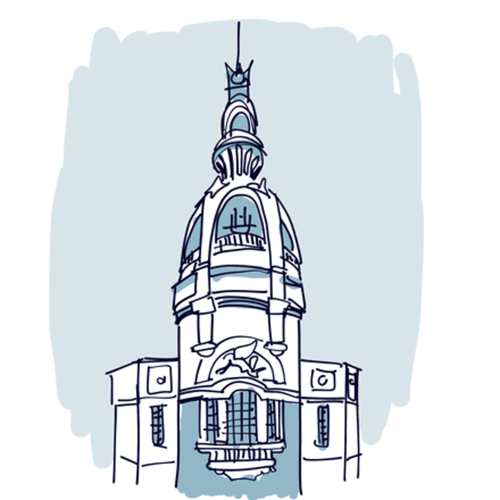
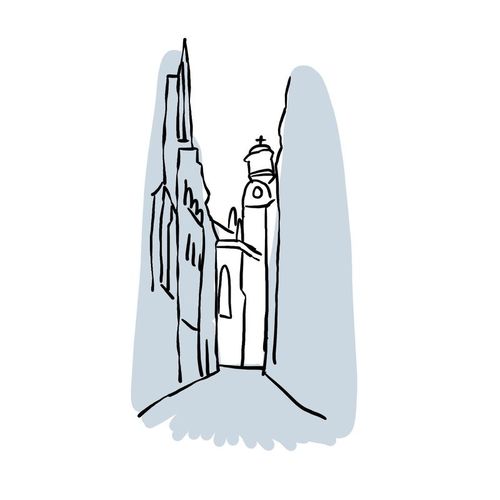
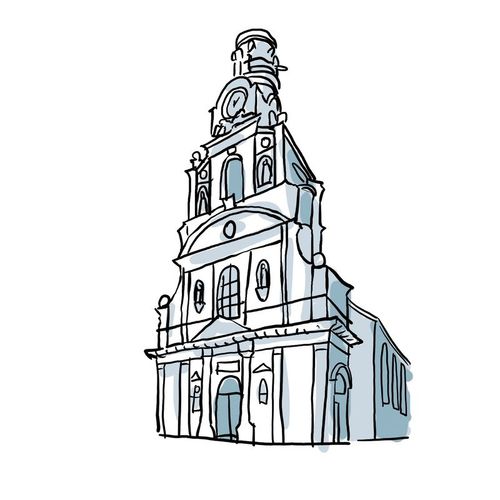
Découvrez 31 lieux d'intérêt pour visiter Nantes












Le plein d'inspirations
Explorez le monde en totale liberté, à pied au cœur des villes ou au fil des routes. Nos guides audios transforment chaque destination en une découverte culturelle immersive et unique.
FAQ for visiting Nantes
When is the best time to visit Nantes?
The ideal time to discover Nantes runs from April to June, then from September to October. During these months, you will enjoy mild and pleasant temperatures, perfect for strolling through the city's streets. Winters remain gentle, generally between 5 and 15°C, but can be rainy. In summer, temperatures often climb between 28 and 35°C, or even higher during heatwaves, which can make long walks less comfortable. Spring and autumn allow you to fully appreciate the Nantes atmosphere, to linger on a terrace and to explore the city at your own pace without suffering from the summer crowds.
How many days do you need to visit Nantes?
Two to three days is the ideal length of time to properly discover Nantes. Over a long weekend, you will have time to explore the historic centre, visit the Château des Ducs de Bretagne, stroll along the banks of the Loire and soak up the city's creative atmosphere. If you have more time, four or five days will let you deepen your discovery, visit more museums, venture into the less touristy neighbourhoods and enjoy the terraces and the Nantes art of living for longer. A single day is still possible but will force you to make choices among the city's many attractions.
How do you get around in Nantes?
Nantes is a human-scale city that is ideally explored on foot, especially in the historic centre where the main attractions are close to one another. The public transport network is excellent, with trams and buses that serve every neighbourhood efficiently. Cycling is also a great option thanks to the many bike lanes and the self-service rental system. For longer journeys or in the evening, taxis and ride-hailing services remain available. A car is generally not necessary in the city centre and can even prove inconvenient for parking. Most visitors favour walking to better appreciate the architecture and atmosphere of the different neighbourhoods.
What are the absolute must-sees in Nantes?
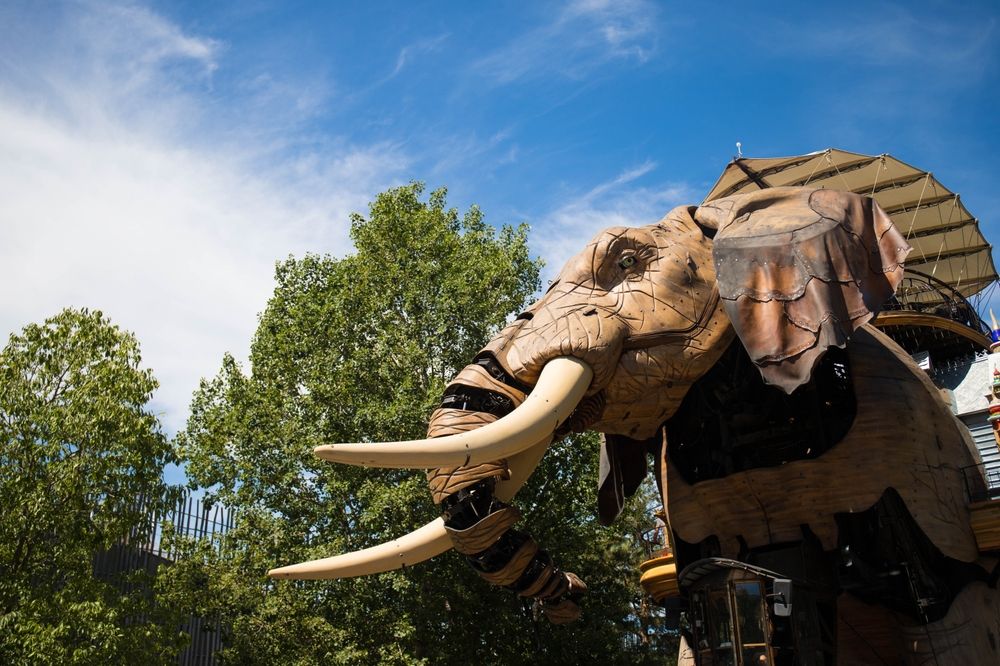
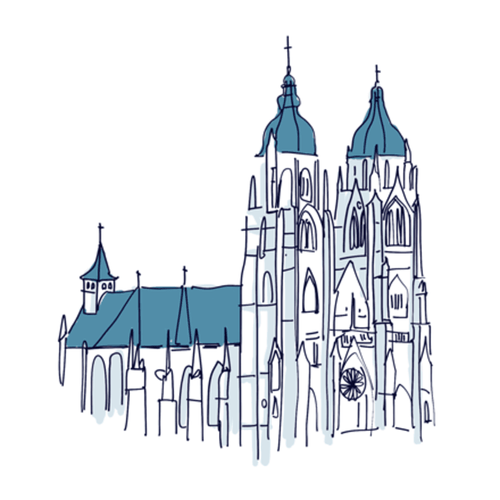
The Château des Ducs de Bretagne is the essential starting point for your visit, with its imposing architecture and the history museum it houses. The Machines de l'île, with their famous mechanical elephant, perfectly embody the creative spirit of Nantes. The Passage Pommeraye, a 19th-century shopping arcade, is worth the detour for its remarkable architecture. Do not miss the Saint-Pierre-et-Saint-Paul Cathedral, the Jardin des Plantes and the Bouffay district with its medieval lanes. The banks of the Loire offer lovely walks, particularly towards the Île de Nantes. The Ryo audioguide offers just such a narrated route that takes you to discover these iconic sites while telling you their history and anecdotes.
What can you do in Nantes when it rains?
On rainy days, Nantes offers plenty of indoor activities. The Musée d'Arts, recently renovated, presents remarkable collections in a modern and light-filled setting. The Château des Ducs de Bretagne houses several covered exhibition spaces, perfect for a dry visit. The Machines de l'île offer their gallery of machines, a fascinating discovery under shelter. The Passage Pommeraye lets you stroll in an elegant setting while staying protected. The many cafés and restaurants of Nantes invite long gourmet breaks. You can also explore the covered Talensac market or take refuge in one of the city centre's welcoming bookshops. The arthouse cinemas offer a varied programme to pleasantly round off a rainy day.
Where should you stay in Nantes?
The choice of your accommodation will depend on your preferences and your budget. The Bouffay district and the historic centre remain the most popular for their proximity to the main attractions and their lively atmosphere. The Île de Nantes offers more modern options in a neighbourhood undergoing major transformation. Near the station, you will find many convenient hotels if you arrive by train. Districts such as Graslin or Commerce offer a good compromise between quiet and accessibility. For a more authentic stay, some opt for residential neighbourhoods such as Procé or Canclaux, well served by public transport. The city offers a wide range of accommodation, from youth hostels to charming hotels and apartment rentals.
What can you visit for free in Nantes?
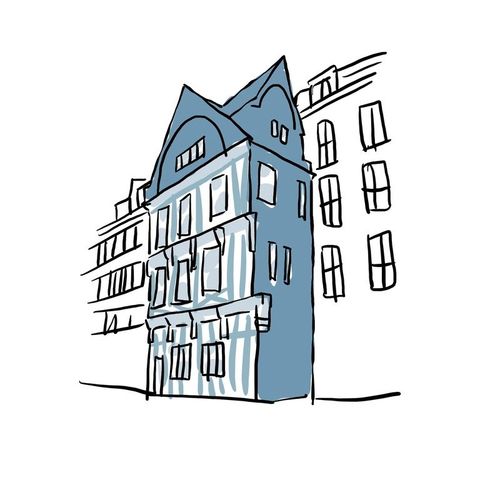
Nantes is full of free activities that will let you discover the city without breaking the bank. Public gardens such as the Jardin des Plantes or the Parc de Procé offer magnificent green spaces to relax. Strolling through the historic districts, particularly Bouffay with its half-timbered houses, costs nothing and remains an enriching experience. The banks of the Loire invite long contemplative walks. The exterior of the Château des Ducs de Bretagne and its courtyard are freely accessible. Many churches, such as the Saint-Pierre-et-Saint-Paul Cathedral, can be visited freely. The Talensac market lets you soak up the local atmosphere. The Ryo audioguide is also an economical option for a complete narrated tour of the city, far cheaper than a private guide.
Which neighbourhoods should you explore in Nantes?
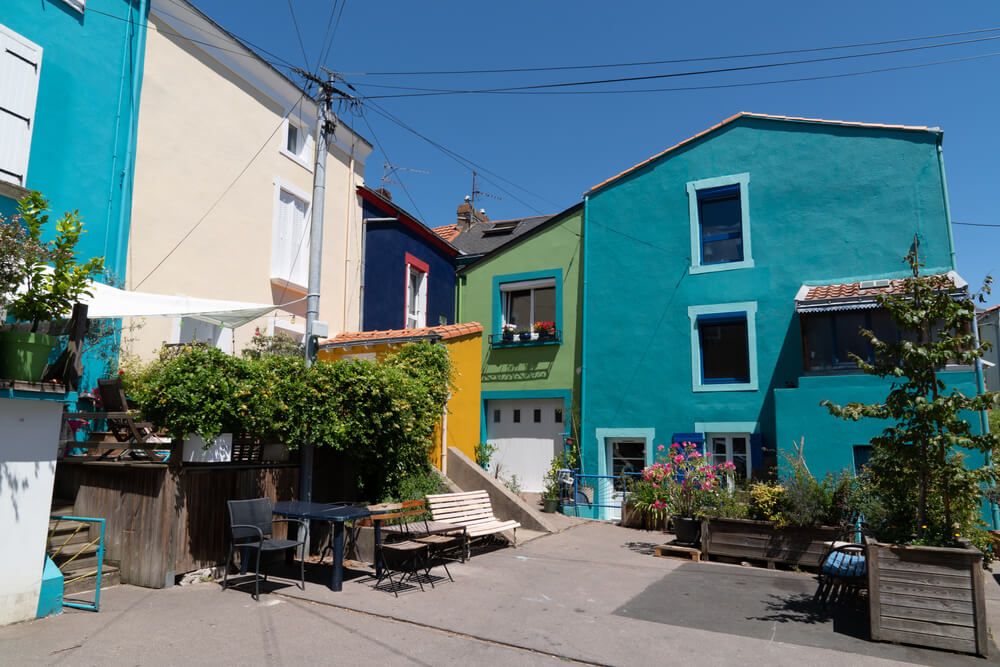
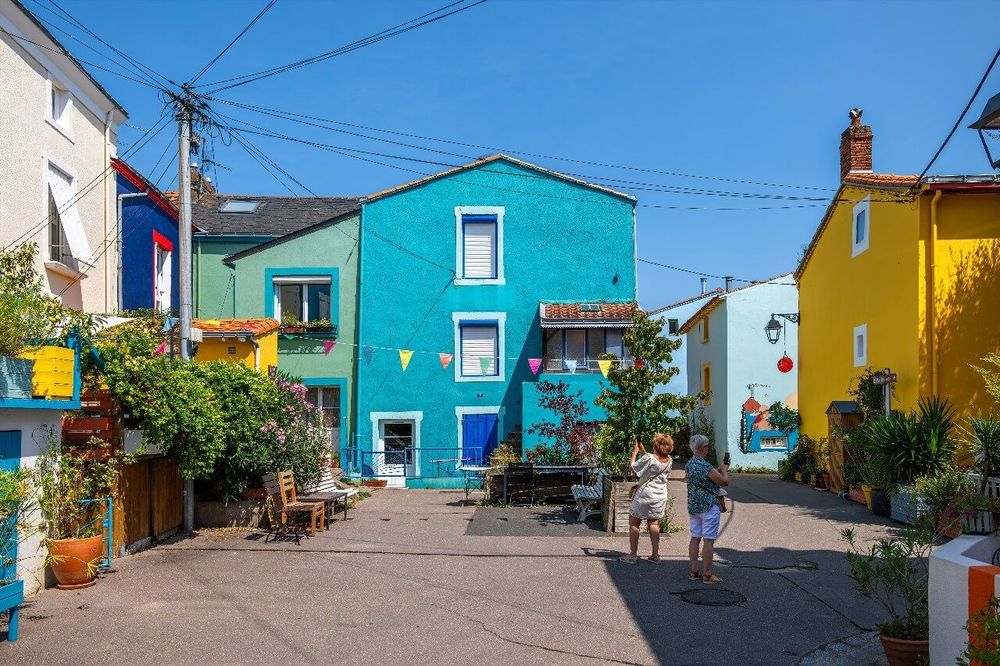
The old centre gathers around Le Bouffay, a maze of medieval lanes and half-timbered houses packed with bars and restaurants, extended by Place Royale and by the Passage Pommeraye, a listed nineteenth-century shopping arcade. Further south, the Île de Nantes has swapped its shipyards for a vast cultural playground, between the Nefs, the Lieu Unique and completely redesigned quays. On the other bank of the Loire, Trentemoult lines up the colourful houses of a former fishing village that you reach by river shuttle. Add the Graslin district and its Italian-style theatre for a more elegant stroll. The Ryo audio guide offers a dedicated Nantes route that links these neighbourhoods and tells their story.
What are the Machines de l'île in Nantes?
Set in the former shipyards of the Île de Nantes, the Machines de l'île draw as much on the imagination of Jules Verne, a local son, as on the mechanical world of Leonardo da Vinci. The centrepiece is still the Great Elephant, a huge wood and steel structure that walks along the Nefs, trumpeting and spraying water over passers-by, and which you can climb aboard. The Gallery of the Machines displays other articulated creatures, from heron to spider and squid, brought to life in front of the audience by operators, while the Carousel of the Marine Worlds turns beside the Loire. Allow a good half day, as crowds build up during the school holidays.
What should you eat in Nantes and what are the local specialities?
Cooking in Nantes looks both towards the Loire and towards the Atlantic. Beurre blanc, a sauce born on the banks of the river, traditionally comes with pike or pikeperch, while oysters, mussels and shellfish arrive from the nearby coast. On the sweet side, the gâteau nantais, a soft cake flavoured with almond and rum, recalls the city's past as a major colonial port, and the petits-beurre biscuits from local factories remain the easiest souvenir to take home. The vineyards that start on the edge of the metropolitan area produce Muscadet, a crisp dry white made for seafood. To taste all of it in one place, the covered market of Talensac gives a very good overview.
Vos commentaires, idées et suggestions
Aucun avis pour le moment