© Shutterstock
 Votre guide Ryo
Free Nantes in 2026: 15 Activities and Day Trips to Enjoy Without Spending a Cent
Free things to do in Nantes go well beyond a few parks: the Great Elephant of the Machines de l'île can be admired from the esplanade without spending a euro, a Gothic cathedral houses stained-glass windows installed after the 1972 fire, and a waterside memorial runs along the quai de la Fosse for several hundred metres. From the medieval château to the converted industrial wastelands of the island, these ticket-free outings form a real urban trail. To find your way from the moment you arrive, the Ryo audio-guided tour of Nantes links several of these places along a single 6.4 km route.
Along the way you will come across a 19th-century covered passage that served as a setting for Jacques Demy, a biscuit-factory tower that has become a city landmark, gardens where a magnolia planted under Napoleon stands proudly, and open-air cafés that set up on the quays every summer. Between historic monuments, urban art, parks, family outings and bike escapes in Loire-Atlantique, here are 15 ways to discover the city without opening your wallet.
The Château des ducs de Bretagne: Courtyard and Ramparts Open to All
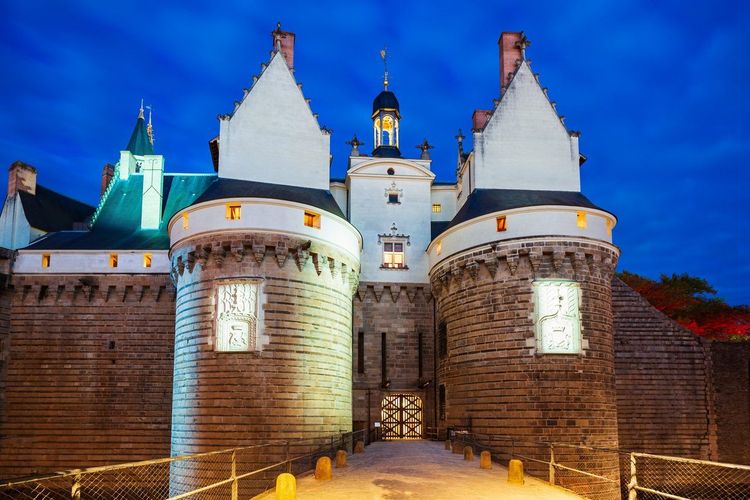
The inner courtyard of the Château des ducs de Bretagne (4 Place Marc Elder, 44000 Nantes, rated 4.5/5 on Google from 24,867 reviews) can be visited without a ticket, as can the walk along its ramparts, about 500 metres long and accessible from the main entrance on place Marc Elder. Only the Nantes history museum, housed in the inner buildings, requires payment.
Built from 1466 under Francis II and then completed by his daughter Anne of Brittany, the building combines defensive architecture and a Renaissance ducal residence: on the city side, its water-filled moats are a reminder that it was first and foremost a fortress facing the kingdom of France. You can walk all the way around it in under an hour, spotting the different towers (Tour du Pied-de-Biche, Tour de la Boulangerie) from the wall walk.
Arrive early in the morning or late in the afternoon: the low light on the white tuffeau and granite is great for photos, and the school groups have already left the courtyard. This is also where the Ryo audio-guided tour of the city begins, devoting several stops to the château's history before heading into the lanes of the Bouffay.
Saint-Pierre-et-Saint-Paul Cathedral, a Gothic Jewel Open to All
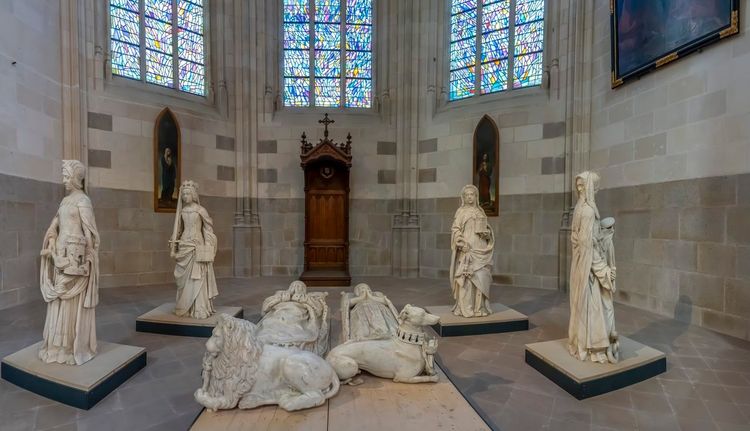
The Saint-Pierre-et-Saint-Paul Cathedral (Place Saint-Pierre, 44000 Nantes, rated 4.5/5 on Google from 4,361 reviews) can be visited freely. Construction stretched over more than four centuries, from 1434 to 1891, which explains the almost deceptive coherence of its Gothic façade despite decades of interruption.
Inside, the tomb of Francis II and Marguerite de Foix, sculpted by Michel Colombe in the early 16th century, remains one of the most accomplished funerary monuments of the French Renaissance. The building has gone through two recent fires: the one in 1972, which ravaged the roof structure and explains the contemporary stained glass in several bays, and the one in July 2020, of criminal origin, which destroyed the grand organ in the gallery.
Look up once you are in the nave: with its vaults reaching 37 metres, it is among the tallest in France. The 11th-century Romanesque crypt, beneath the choir, opens on more limited hours than the nave. Allow about twenty minutes for a full tour.
The Passage Pommeraye, a 19th-Century Architectural Marvel
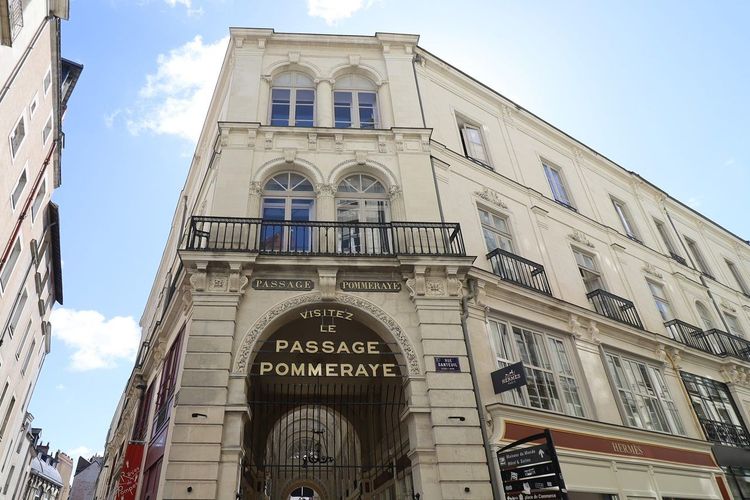
Inaugurated in 1843, the Passage Pommeraye (4 Rue de la Fosse, 44000 Nantes, rated 4.6/5 on Google from 4.9K reviews) connects rue de la Fosse to rue Santeuil over three levels linked by a monumental central staircase. The ensemble, listed as a historic monument since 1976, can be walked through freely during the opening hours of the shops that occupy it.
You will notice the statues of adolescents and the allegorical figures lining the gallery, as well as the overhead glass roof that bathes the three floors in natural light, quite rare for a covered passage of this period. Jacques Demy shot several scenes of Lola there in 1961, and the place remains one of the most photographed urban settings in Nantes.
The roughly ten-metre drop between the two streets explains this multi-level layout: a technical feat for the time, designed to turn a simple alley into a commercial showcase. Go in on a weekday, late in the morning, before the Saturday afternoon crowds.
The Tour LU, Symbol of Nantes' Delicious History
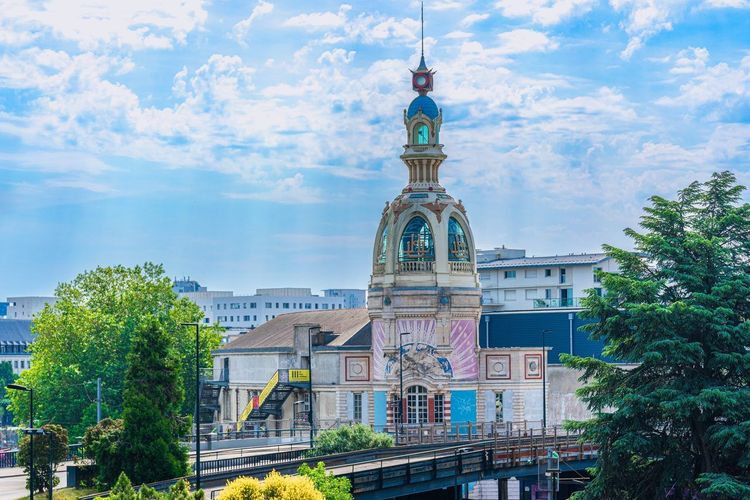
Standing opposite the château, the Tour LU is one of two towers built between 1905 and 1909 by architect Auguste Bluysen to mark the Lefèvre-Utile factory. Its dome topped by a lighthouse and its cherubs on the façade belong to the eclectic Belle Époque style. A survivor of the partial demolition of the biscuit factory, it now neighbours the Lieu Unique, a cultural centre opened in 2000 in the factory's former buildings.
You can enter the Lieu Unique's hall freely, browse its bookshop and sit down at the bar, where readings and meetings are regularly held without reservation. However, going up to the tower's viewing platform and most shows require payment: stick to the façade if you want to keep your budget intact.
The LU name is a reminder that Nantes was long a capital of industrial biscuit-making: the Petit Beurre, born here in 1886, is its symbol, before production moved to La Haie-Fouassière, in the Nantes vineyards.
The Memorial to the Abolition of Slavery, a Place of Reflection on the Quays
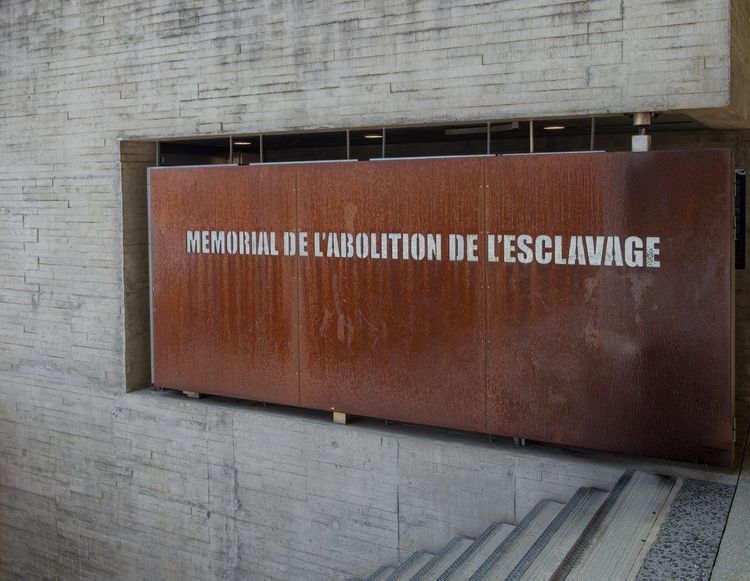
Inaugurated in 2012, the Memorial to the Abolition of Slavery (Quai de la Fosse, 44000 Nantes, rated 4.4/5 on Google from 2,131 reviews) stretches along the quai de la Fosse, between a landscaped esplanade and an underground passage dug beneath the quay, as close as possible to the Loire.
Artist Krzysztof Wodiczko and architect Julian Bonder scattered across the esplanade about 2,000 glass plaques bearing the names of slave ships that left Nantes and of the African trading posts where they called, recalling that the city was France's leading slave-trading port in the 18th century. The underground passage, open during the day, lines its walls with quotations from abolitionists and international texts on human rights.
It is above all a place of remembrance, designed for silent wandering rather than souvenir photos: walk through slowly, preferably in the late afternoon, when the light of the Loire filters through the slits of the passage. To learn more, the château's history museum devotes several rooms to the Atlantic slave trade.
The Machines de l'île in Nantes to Admire Without a Ticket
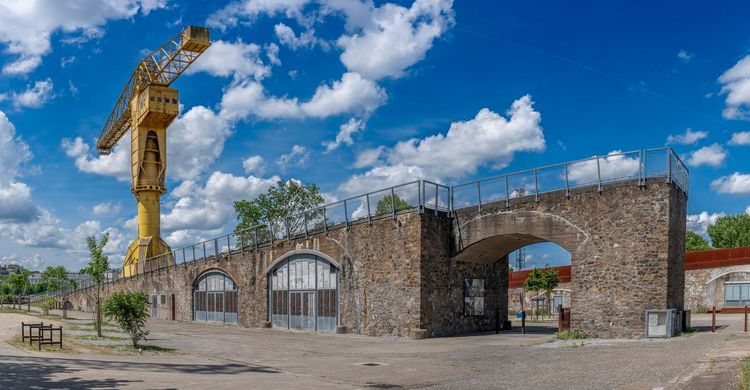
On the former shipyard site, the Machines de l'île have made the Great Elephant and the Marine Worlds Carousel emblems of the city. Boarding these machines and visiting the Galerie des Machines remain paid, but the outdoor esplanade can be explored freely, and the 12-metre-tall elephant can be seen from the public space as soon as it starts walking, spraying water on onlookers.
From the workshop terrace, you can also catch a glimpse of the builders at work on machines under construction. The Great Elephant's outing times are posted in advance on site: time your visit to see it cross the esplanade without waiting. If you want to know everything about the project's history, our article on the Machines de l'île (Boulevard Léon Bureau, 44200 Nantes, rated 4.6/5 on Google from 43,153 reviews) details each machine.
The Voyage à Nantes Green Line: An Open-Air Art and Heritage Trail
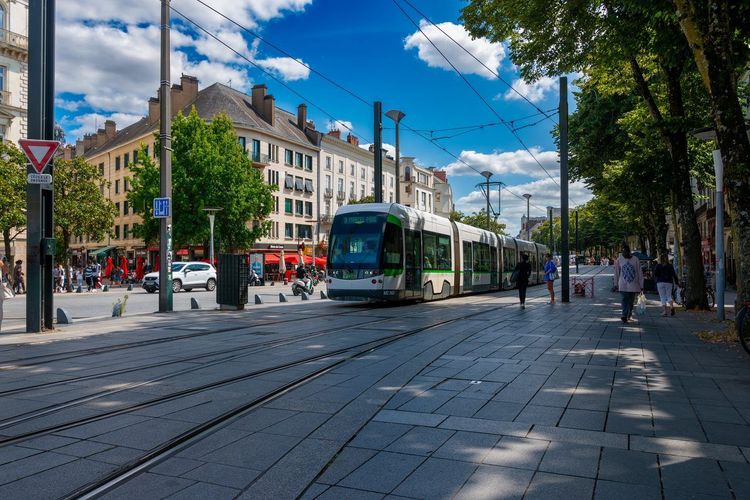
Painted on the ground since 2012, the Green Line runs for about twenty kilometres through the city, from contemporary artworks to heritage curiosities, from the château to the Île de Nantes. You simply follow the marking painted on the asphalt: no registration, no ticket, just a line to follow.
Street Art and Permanent Artworks Along the Route
Among the permanent works installed by the Voyage à Nantes, you come across monumental sculptures, light installations and murals created by artists invited over the editions. Some, like the 18 rings by Daniel Buren and Patrick Bouchain lined up since 2007 on the quai des Antilles, have become meeting points as well known as the historic monuments.
The Ryo audio-guided tour largely follows this same route and comments on several of these urban artworks step by step, with the context that simple signs do not always provide.
Hidden Heritage: Courtyards, Squares and Façades to Spot
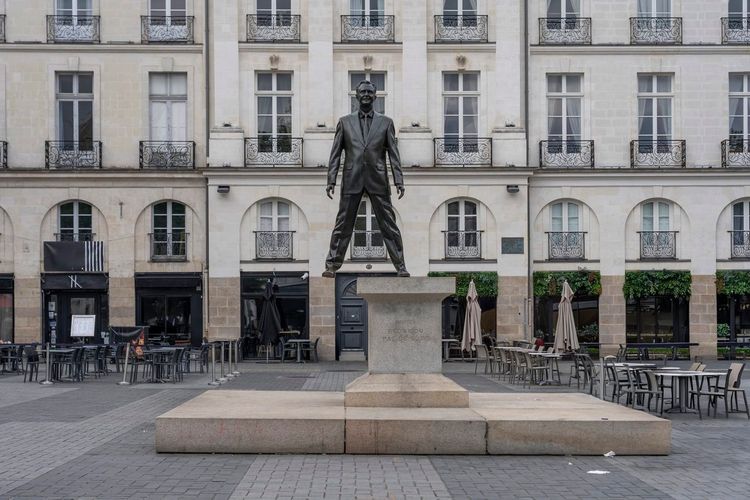
Beyond the contemporary works, the Green Line reveals the shipowners' façades of the Île Feydeau, the mansions of the Graslin district and more discreet squares such as place du Bouffay (Place du Bouffay, 44000 Nantes, rated 4.3/5 on Google from 1.1K reviews), the heart of the medieval old town.
You can follow the route in either direction, stopping wherever you like: some make it a two-hour stroll, others spread it over several half-days, sitting down in the cafés along the way. Keep an eye out for the sculpted mascarons on the balconies of the Île Feydeau, often overlooked by hurried passers-by.
Nantes Parks and Gardens to Recharge
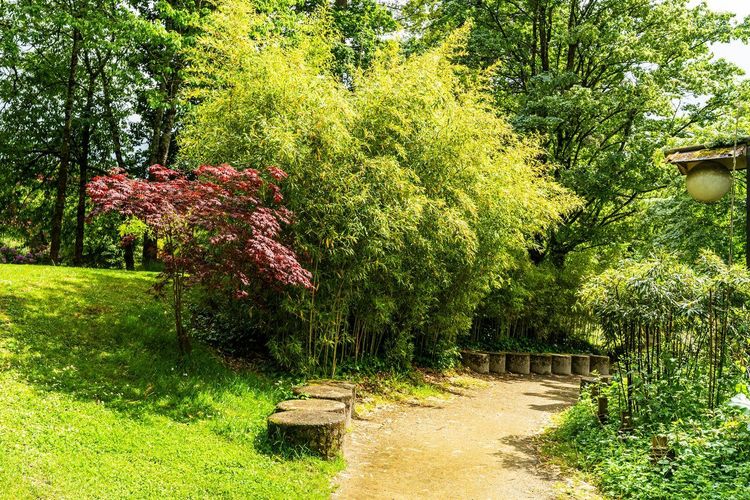
Nantes boasts more than 100 public parks and gardens, almost all open during the day without an admission fee. Three groups account for most of the interest for a passing visitor.
The Jardin des Plantes and the Japanese Garden
Opposite the station, the Jardin des Plantes spreads over 7 hectares and is home to the famous Hectot magnolia, planted in the early 19th century, old greenhouses and ponds populated by waterbirds. Since 2013, the offbeat installations by illustrator Claude Ponti (giant benches, whimsical sculptures) have made it a playground that children love. Access costs nothing, with hours that vary by season.
About twenty minutes' walk away, on the banks of the Erdre, the Japanese garden on the Île de Versailles offers a radically different atmosphere: rock gardens, waterfalls, a wooden bridge and maples create an almost silent setting in the middle of the city centre. Entry is also free.
The Loire Quays and the Parc des Chantiers

On the Île de Nantes, the Parc des Chantiers occupies the site of the former shipyards, closed in 1987, and deliberately preserves their remains: slipways, rails and above all the grey Titan crane, about 40 metres high, visible from the whole quay.
Settle in with a picnic in the late afternoon: when night falls, Buren's rings light up in red, green and blue above the Loire. The Ryo audio-guided tour runs right along these quays and devotes a stop to the site's industrial history, useful for understanding what these seemingly enigmatic metal structures are telling.
The Parc de la Boucardière and Other Green Lungs
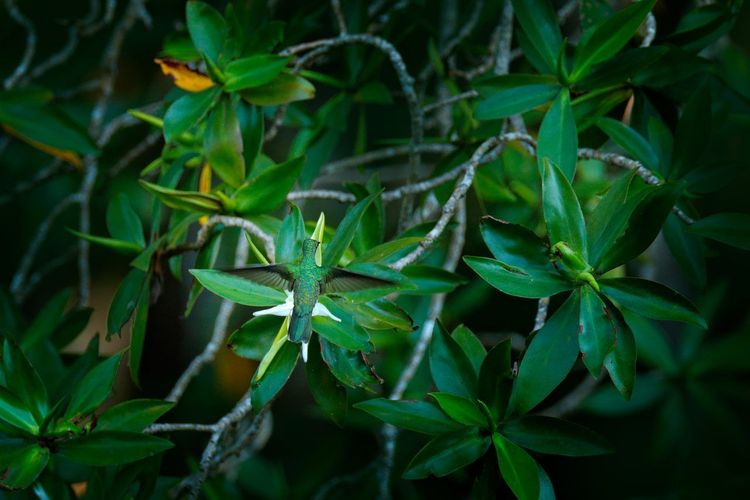
Farther out, the Parc de la Boucardière (Chemin de la Boucardière, 44300 Nantes, rated 4.3/5 on Google from 24 reviews) unfolds its shaded paths and is well suited to a quiet walk, far from the tourist flows of the centre. To the east, the Grand Blottereau park and its tropical greenhouses, the Parc de Procé with its rhododendrons or the Jardin extraordinaire, set in a former quarry in Chantenay, round out the offering depending on the neighbourhood where you are staying.
Family Outings: Games, Workshops and Activities for Kids

Nantes offers plenty of chances to go out with children at no cost, as long as you know the right time slots.
Playgrounds and Giant Games of the Voyage à Nantes
Along the Green Line, several sculptural play structures have been installed over the editions of the Voyage à Nantes: slides, group seesaws and wooden balance courses dot some of the squares, not to mention Claude Ponti's creatures at the Jardin des Plantes. They are free to access and designed above all for ages 3 to 12.
You will find their locations on the Voyage à Nantes map handed out at the tourist office, updated every spring according to new installations.
Workshops, Exhibitions and Drop-In Activities

Every autumn, the Fête de la science takes over several places in Nantes (university, Natural History Museum, science culture associations) with hands-on workshops open to all ages, over a few days in early October. Entry is generally without reservation, within the limit of places for supervised workshops.
In the warmer months, the Cantine du Voyage sets up its long tables near the Parc des Chantiers: access is free, only the food and drinks are paid, making it a good base to enjoy a concert or an event while letting the children run on the lawn. For a retro atmosphere, the Guinguette à Léon draws on the codes of the popular open-air café, with live music on certain evenings.
These events sometimes change dates from one year to the next: check the programme before your stay, especially if you are planning an outing around a single weekend.
Metropolitan Museums Free on the First Sunday of the Month
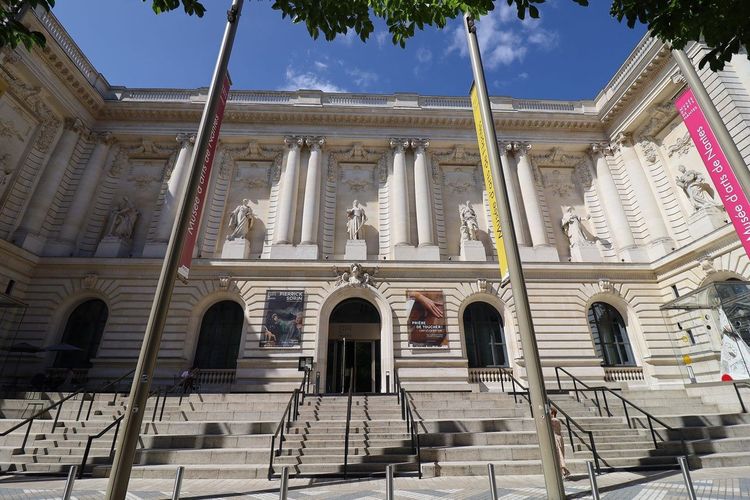
Like many French cities, Nantes opens the permanent collections of its museums free of charge on the first Sunday of every month, except in July and August. The Musée d'arts de Nantes, the history museum of the Château des ducs de Bretagne and the Natural History Museum apply this rule.
Only temporary exhibitions remain paid on those days. Crowds rise noticeably by mid-morning: arrive at opening time to enjoy the rooms without rushing, and start with the Musée d'arts, whose contemporary Cube and Oratoire chapel are worth the trip on their own.
A Ticket-Free Itinerary to Discover Nantes' Historic Centre in One Day
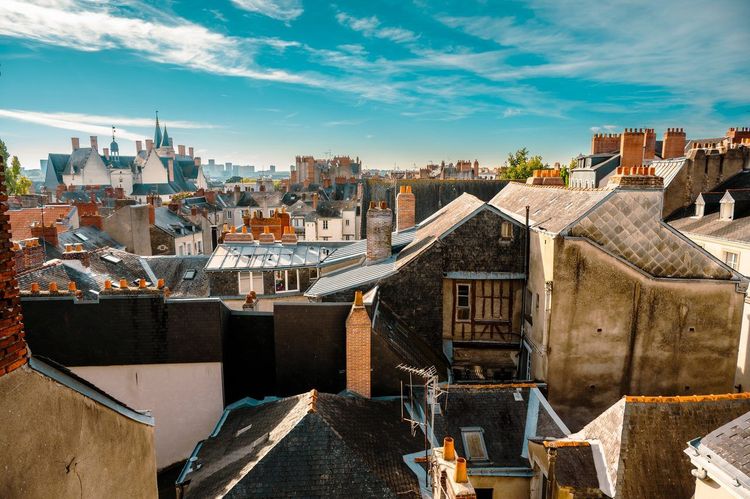
Here is how to link the main free things to do in Nantes in a single day, with no entry costs at all.
The Bouffay and the Old Town in the Morning
Start with the Château des ducs de Bretagne and its ramparts as soon as it opens, then walk to the Saint-Pierre-et-Saint-Paul Cathedral, five minutes away. Continue towards the Bouffay district, its half-timbered houses and cobbled streets, before reaching the Passage Pommeraye via rue Crébillon. Allow a full morning for these four stops without rushing, with a break on a terrace on place du Bouffay.
The Quays and the Île de Nantes in the Afternoon
In the afternoon, head down to the quai de la Fosse for the Memorial to the Abolition of Slavery, then cross the Loire to the Île de Nantes to watch the Machines de l'île from the esplanade and stroll through the Parc des Chantiers. Come back over the bridge to the Tour LU at the end of the day, when the façade lights up opposite the château.
This itinerary follows almost point by point the stops of the Ryo audio-guided tour, short version, which you can launch directly on site from your smartphone, with no map to print or route to find between two stops.
Events and Activities by Season
Nantes' calendar varies greatly between the warmer days and the cold season.
Spring and Summer: Festivals, Markets and Open-Air Cafés
From late June to early September, the Voyage à Nantes rolls out its temporary installations across the city, all viewable for free, and the quays come alive with open-air concerts. At the end of August, the Rendez-vous de l'Erdre bring together a jazz festival and a gathering of vintage pleasure boats, which you can follow from the banks without a ticket.
Autumn and Winter: Lights, Exhibitions and Neighbourhood Festivals
From late November, the Christmas market and the city-centre lights take over, with decorated streets between place Royale and the cours des 50 Otages. In December, the Voyage en hiver adds its light installations to discover at nightfall, ideal for a walk as the days get shorter.
Day Trips Around Nantes, in Loire-Atlantique
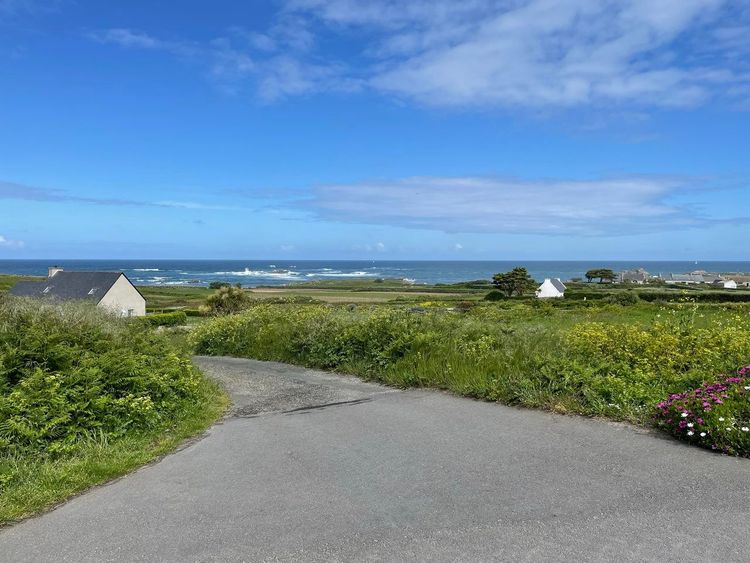
Loire-Atlantique is full of natural and heritage sites accessible without a ticket, less than an hour's drive from Nantes.
Cycling Trips on the Greenways
Starting from Guenrouët, about forty minutes from Nantes, a cycling route follows the Nantes–Brest canal between locks and shaded towpaths, suitable for families over several distances. Around Châteaubriant, three greenways make it possible to combine forest, ponds and heritage on signposted routes, with optional bike rental for those who don't have their own.
Unusual Sites and Legends of Loire-Atlantique
Near Abbaretz, the slag heap left by a former tin mine creates an almost lunar landscape, overlooking a lake born of the mining, to be explored on foot in a little over an hour. The département also cultivates a whole folklore of legends, miraculous fountains and standing stones that give a pretext to explore villages you would otherwise drive through without stopping.
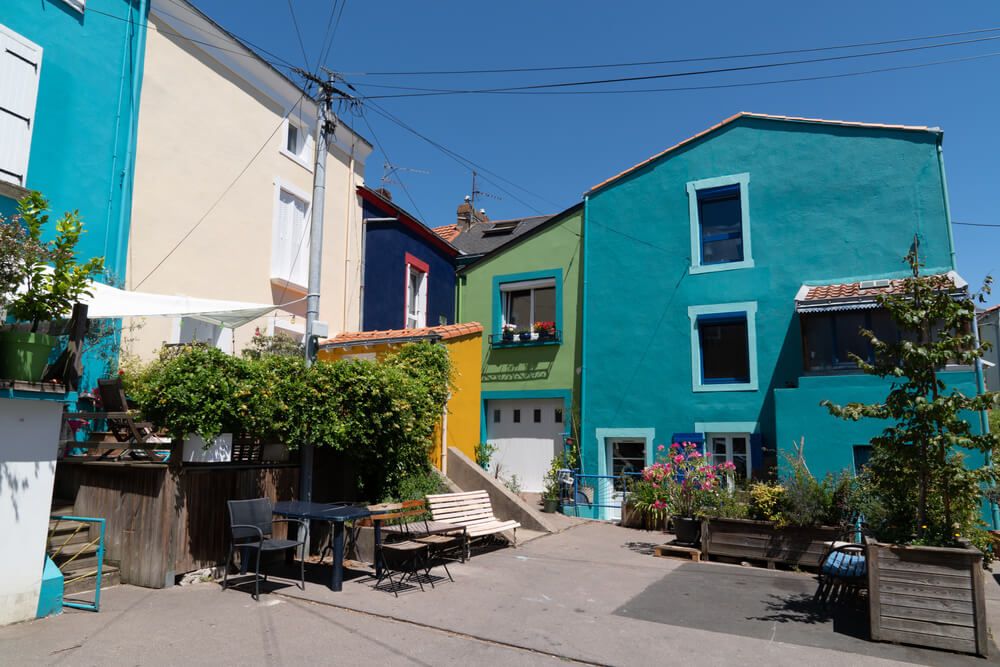
Closer to the city, the Navibus drops you in a few minutes at Trentemoult, a former fishing village with colourful houses on the south bank of the Loire: our article on the village of Trentemoult details its lanes and open-air cafés. Some local businesses, muscadet cellars around Clisson first among them, also open their doors for free visits and tastings depending on the period. Nature lovers can head to Lac de Grand-Lieu: from the village of Passay, you can watch herons and spoonbills on the largest lowland lake in France in winter.
Getting Around and Parking for Free in Nantes
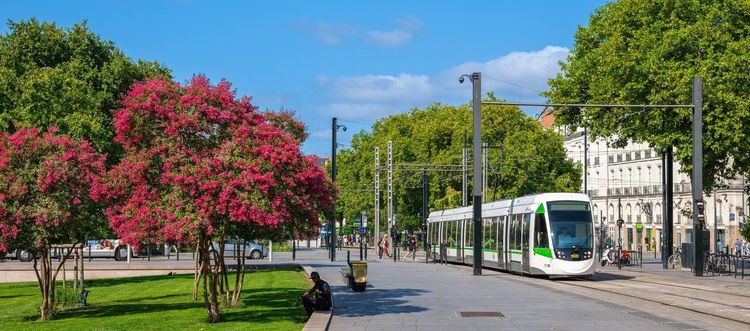
The city can be explored on foot for most of the sites mentioned, but a few tips help avoid extra expenses.
Low-Cost Transport and Shuttles
The Navibus, a river shuttle crossing the Loire between the gare maritime and Trentemoult, is included in the standard TAN network ticket: the crossing costs nothing extra if you already have a transport ticket. The Bicloo bike-sharing service also offers the first half hour of each trip to subscribers, enough to connect two points in the centre.
Where to Park for Free in the City
The park-and-ride car parks, located at the tramway and busway terminals on the outskirts, allow you to park at no extra charge with a transport ticket to reach the centre. Some residential streets around the hypercentre remain free outside the paid zones: always check the sign before parking, as rules change from one neighbourhood to another.
Our Tips for Enjoying Nantes Without Spending

A few simple habits let you stretch a stay in Nantes without paying for visits. Prepare your walk with the Ryo app before leaving: its 30 audio stops tell you the story of the city as you walk, with no guide to book. Bring a picnic for the parks rather than stopping at a café terrace, and keep an eye on the Voyage à Nantes calendar, which concentrates a good part of the year's events over a few summer weeks. Finally, schedule a museum visit on the first Sunday of the month, and ask the tourist office about tours offered by local heritage associations, sometimes on a pay-what-you-wish basis.

FAQ
What are the best free things to do in Nantes?
The courtyard and ramparts of the Château des ducs de Bretagne, Saint-Pierre-et-Saint-Paul Cathedral, the Passage Pommeraye, the Memorial to the Abolition of Slavery, the Green Line of the Voyage à Nantes and most of the city's parks can be visited without an admission ticket, all year round.
Which day are Nantes museums free?
The permanent collections of the Musée d'arts de Nantes, the château's history museum and the Natural History Museum are free to enter on the first Sunday of every month, except in July and August. Temporary exhibitions remain paid on those days.
Can you see Les Machines de l'île in Nantes without paying?
Yes, partly. The outdoor esplanade, the terrace overlooking the workshop and the Great Elephant's outings can be watched from the public space. Boarding the elephant or the Marine Worlds Carousel and visiting the Galerie des Machines require a ticket.
Where can you park for free in Nantes?
Park-and-ride car parks located at the tramway terminals allow you to park at no extra charge with a transport ticket. In the city, some residential streets remain free outside the paid zones, so check on site.
How much time should you plan to discover Nantes on a small budget?
One full day lets you cover the historic centre, the quays and the Île de Nantes by following the itinerary suggested above. To include the parks, museums on a Sunday and a day trip in Loire-Atlantique, plan on two to three days instead.
What are the most beautiful free walks around Nantes?
The greenway cycling routes from Guenrouët and around Châteaubriant, the Abbaretz slag heap, the village of Trentemoult and the shores of Lac de Grand-Lieu are among the most popular nature outings in Loire-Atlantique, all accessible without an admission fee.
Nantes lends itself particularly well to a budget-friendly stay: between monuments open to all, urban art scattered over kilometres and rural day trips in Loire-Atlantique, it would take several weekends to exhaust the list of free things to do in Nantes. Most of the places mentioned can be grouped on a single walking route, which makes planning even a short stay easier.
To miss nothing of this story told step by step, the Ryo audio-guided tour of Nantes remains the simplest way to link these places in order, with its 30 audio clips spread over 2h30 and 6.4 km, straight from your phone.
À lire également