© Shutterstock
 Votre guide Ryo
The Most Beautiful Villages of Pays de la Loire to Discover in 2026
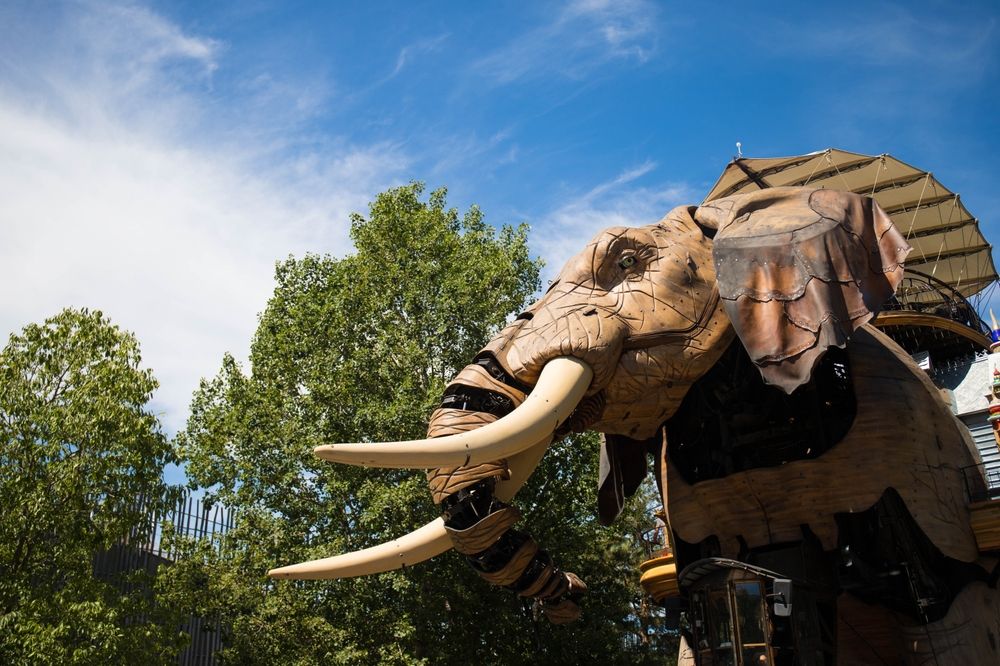
The most beautiful villages of Pays de la Loire are often overlooked by major tourist routes. The region packs so many visible attractions — the royal châteaux, Nantes and its Machines de l'Île, the Puy du Fou, the Muscadet vineyards — that travellers rarely stray from the main roads. Yet just a few kilometres from these headline draws, five departments conceal a constellation of medieval market towns and fortified settlements that are well worth the detour. Nantes is often the best entry point: from its centre, the Ryo Nantes audio-guided tour, with its 30 audios over 6.4 kilometres, lets you understand the Loire Valley's history before setting out to explore its surroundings.
Fifteen selected villages, five departments, and radically different landscapes. From the pink granite of Piriac-sur-Mer to the cave dwellings of Turquant, from the Romanesque frescoes of Asnières-sur-Vègre to the fortress of Sainte-Suzanne that William the Conqueror himself was never able to take, the surprises accumulate at every stop. Four villages in this selection hold the official 'Most Beautiful Villages of France' label: Montsoreau, Sainte-Suzanne, Saint-Denis-d'Anjou and Vouvant. The others lack the label, but some rank among the most captivating in the entire western France: Clisson with its Italianate atmosphere along the banks of the Sèvre Nantaise, Trentemoult with its colourful façades just minutes from Nantes, Béhuard and its 90 inhabitants on an island in the middle of the river.
Pays de la Loire from the Ground Up: Five Departments, Five Faces
There is a tendency to associate Pays de la Loire with the river of the same name and its châteaux. But the administrative region encompasses far more: Loire-Atlantique with its coastline and estuary, Sarthe and its bocage forests, Mayenne with its almost Breton landscapes, and Vendée with its often-overlooked hinterland. The richness of the territory lies in this heterogeneity. The four labelled villages of the region represent four incomparable aesthetics: the white tuffeau of Montsoreau, the dry stone of Vouvant, the half-timbered houses of Saint-Denis-d'Anjou, the flint walls of Sainte-Suzanne. This geographical diversity makes it possible to design very different itineraries depending on your tastes, from the Atlantic coast to the Mayenne countryside.
Clisson, the Mini Tuscany on the Banks of the Sèvre Nantaise
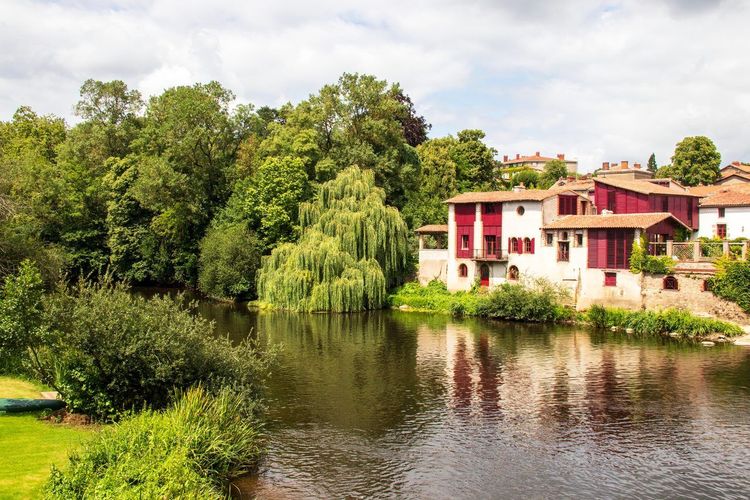
Clisson (Place Notre-Dame, 44190 Clisson, rated 4.6/5 on Google with 3,400 reviews) intrigues before you even understand its history. Arriving from Nantes along the Muscadet vineyard road, 30 kilometres to the south-east, you might expect an ordinary Angevin market town. What you find looks more like a film set: limestone arcades, Roman roof tiles, cypress trees, loggias. The town was rebuilt in the Italian style in the early 19th century by the Cacault brothers, two Nantes diplomats deeply in love with Tuscany, with the help of sculptor François-Frédéric Lemot, who laid out the nearby Garenne-Lemot estate. Together, they form one of the most singular architectural ensembles in western France.
The Château de Clisson dominates the site from its hill above the Sèvre Nantaise. The medieval fortress, owned successively by the lords of Clisson and the dukes of Brittany, was abandoned after the Revolution and partly ransacked during the Wars of the Vendée. Its spectacular ruins have a Romantic air that the Cacault brothers deliberately preserved and showcased. You enter via a still-functioning drawbridge, climb the ramparts, and discover a sweeping view of the confluence of the two Sèvres rivers below.
In town, the Notre-Dame church and its arcades open onto the main square. The covered market hall inherits the same disconcerting southern style. This blend has endured through the centuries: Clisson is today classified as a 'Petite Cité de Caractère' and regularly attracts architecture enthusiasts in search of an offbeat destination.
In practical terms, Clisson can be visited on foot in two to three hours. The castle is open to visitors (adult ticket €6, free for under-18s). In July, the Hellfest festival transforms the area around Clisson into the world capital of metal: a striking contrast with the Tuscan atmosphere of the narrow streets. If you visit during this period, book accommodation several months in advance. The rest of the year, Clisson remains calm, with a few restaurants in the centre and several Muscadet wine producers just steps away.
To extend the visit, several wine-producing villages surround Clisson: Vallet, Le Pallet (birthplace of Abélard), Le Loroux-Bottereau. This part of the Loire-Atlantique vineyard deserves a full day if you enjoy wine and rural architecture. The gentle landscape of vine-covered hills between the Sèvre Nantaise and the Moine genuinely evokes certain corners of the Chianti.
Piriac-sur-Mer, the Granite Village Facing the Atlantic
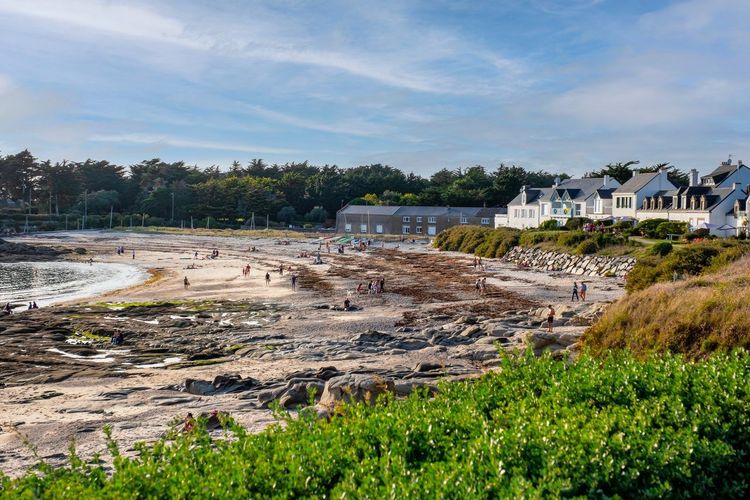
At the western tip of Loire-Atlantique, Piriac-sur-Mer (Place du Général de Gaulle, 44420 Piriac-sur-Mer, rated 4.5/5 on Google with 1,200 reviews) closes off the Côte d'Amour peninsula before the department gives way to Brittany. The fishing village has kept its soul: cobbled lanes, low houses in grey-pink granite, a harbour with colourful boats, crêperies open in season. In summer, the village comes to life without losing its character: the surrounding campsites draw families who have been returning for generations.
The coastal path running along the rocks between Piriac and La Turballe offers one of the most unspoilt panoramas in the department. Granite cliffs, coves accessible at low tide, open views of the Île Dumet: allow an hour's walk there and back for the most spectacular stretch. Out of season, Piriac returns to the rhythm of a genuine fishing village — the locals set their lobster pots again and the terraces close one by one.
Le Croisic, a Peninsula of Salt and Light
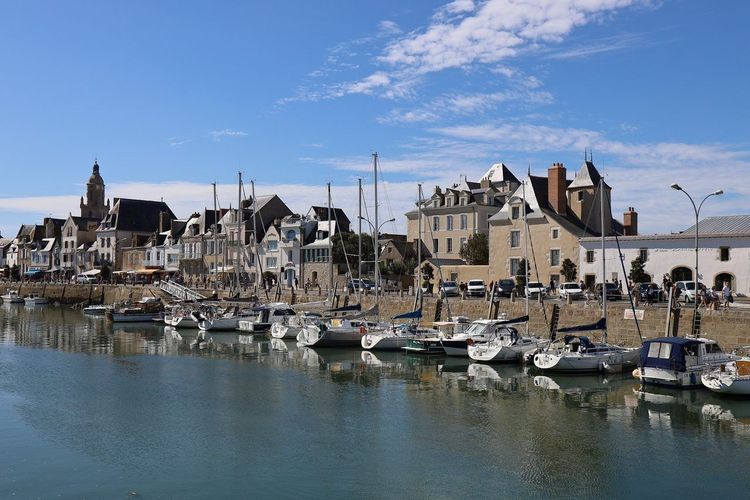
Le Croisic (Quai de Lénigo, 44490 Le Croisic, rated 4.5/5 on Google with 2,800 reviews) is technically neither a village nor a rural commune. With 4,000 inhabitants, it is a small town. But its historic fishing port, its 17th- and 18th-century town houses, and its end-of-the-world atmosphere give it a character that many villages would envy. The peninsula juts out between the Bay of Pouliguen and the open Atlantic: to the north, the old salt marshes of Guérande; to the south, the Côte Sauvage.
The old harbour, surrounded by half-timbered houses and tuffeau mansions, still shelters sardine boats and crayfish trawlers. The Océarium, one of the largest aquariums in western France, draws families. The main attraction, however, remains the tour of the peninsula on foot or by bike: a 12-kilometre loop alternating panoramas over the Loire estuary, views of the islands on clear days, and passages through the lanes of the historic centre.
Trentemoult, the Colourful Suburb Facing Nantes
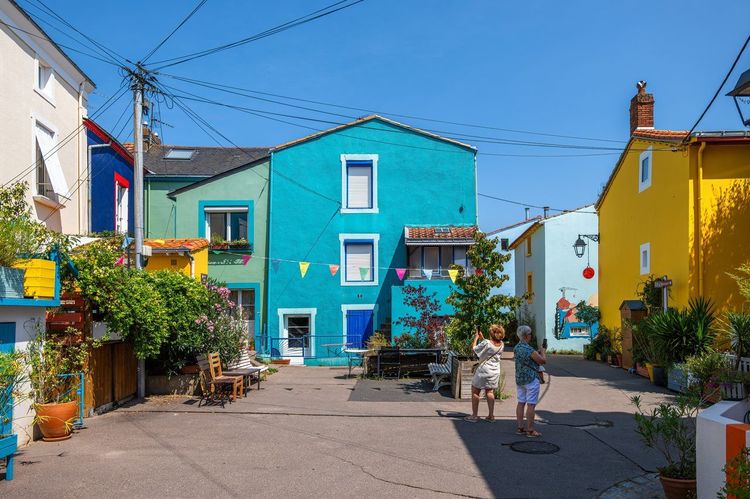
Trentemoult is unlike any other village in the region. Attached to the commune of Rezé, on the south bank of the Loire opposite Nantes, this former mariners' neighbourhood evokes a Mediterranean village more than a district of the Loire Valley: façades painted in blue, yellow, orange and pink; car-free lanes too narrow for vehicles; gardens suspended above the river.
The history of Trentemoult is the story of a community of boatmen who worked the Loire and the sea. They built their houses tightly packed together, backs to the river, with façades that varied according to each family's taste and means. The result, preserved to this day, gives the village an immediately recognisable visual identity. The colours are not a recent tourist staging: they have been part of the neighbourhood's identity for generations.
To reach Trentemoult from central Nantes, the river shuttle departs from the lower quays in just a few minutes' crossing. On foot from Rezé station, allow twenty minutes. The village takes one to two hours to explore — enough to wander every lane, stop at a riverside terrace and watch the barges moving upstream. In the evenings, several restaurants offer menus based on local produce in a relaxed atmosphere.
Trentemoult is part of the cluster of villages and neighbourhoods that orbit Nantes. The Ryo article on the most beautiful villages around Nantes covers several other hidden gems in the same area. For practical details about the neighbourhood itself, the Ryo guide to Trentemoult lists its best addresses and the ideal visiting hours by season.
Montsoreau, the Only Labelled Village on the Banks of the Loire
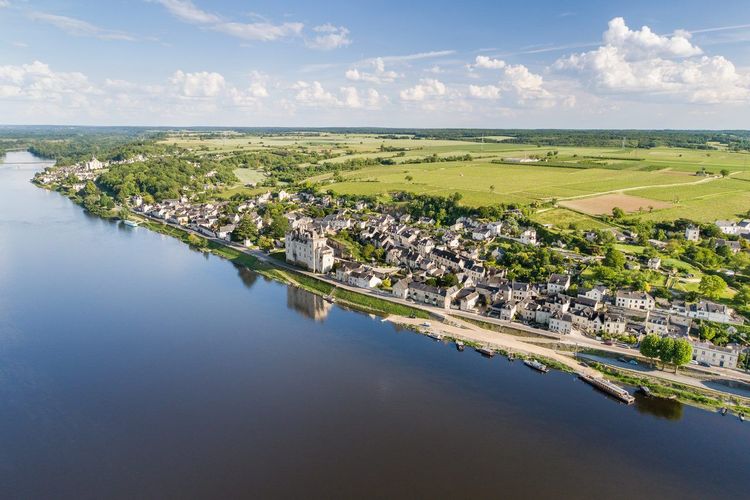
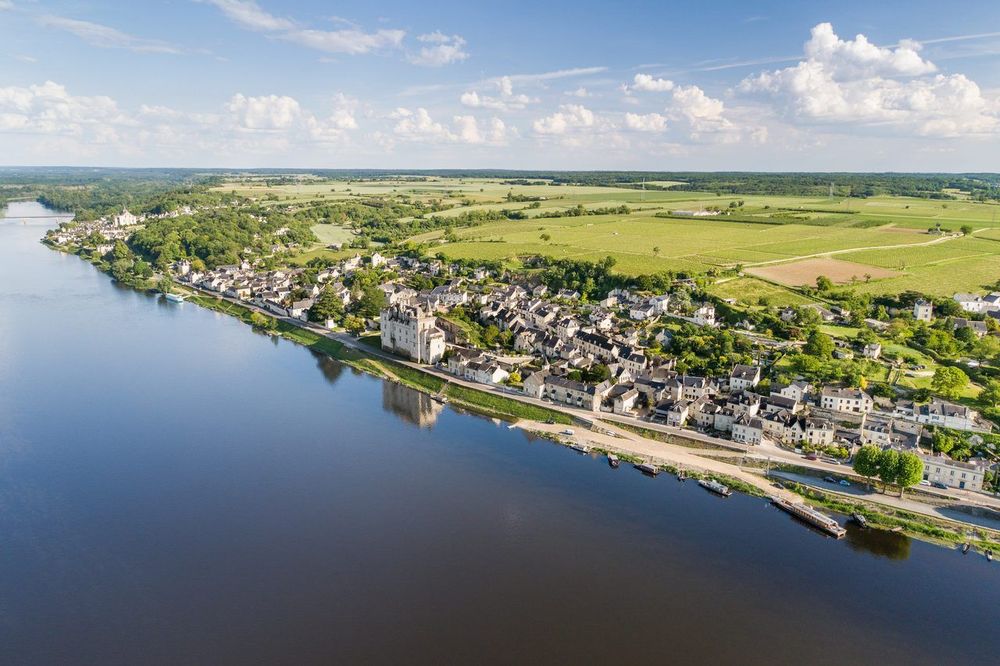
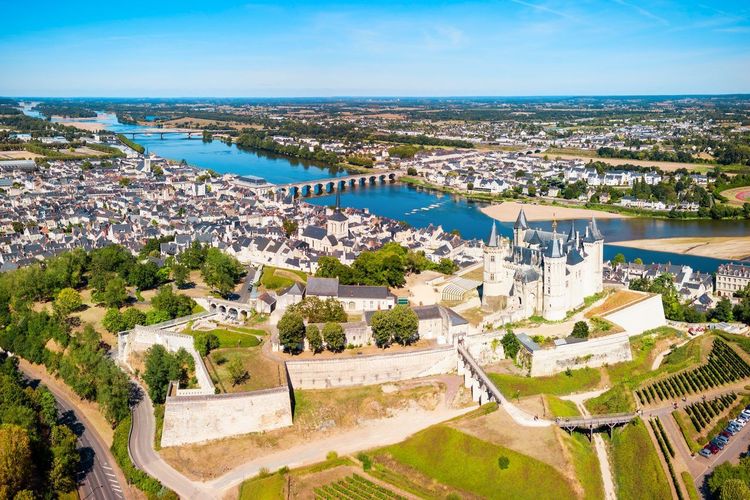
Montsoreau holds a unique status in France: it is the only village bearing the 'Most Beautiful Villages of France' label that is built directly on the banks of the Loire. It stretches at the confluence of the river and the Vienne, between tuffeau cliffs riddled with cave dwellings and the brown waters of France's longest river.
The Château de Montsoreau (1 Avenue de la Loire, 49730 Montsoreau, rated 3.4/5 on Google with 1,496 reviews) has dominated the village since the 15th century. This white tuffeau seigneurial fortress, built by Jean II de Chambes under Charles VII, underwent a spectacular transformation from 2016 onwards: it now houses the Museum of Contemporary Art of Montsoreau, at the initiative of collector Philippe Méaille, home to the world's largest collection of works by the conceptual collective Art & Language. The pairing of medieval walls with radical contemporary art creates an intellectual tension that has already drawn several hundred thousand visitors since opening.
The village itself deserves an hour's stroll. The tuffeau lanes, the cave dwellings accessible from the central square, the terraced gardens on the heights: Montsoreau has kept its medieval architecture almost intact, largely because there was never room to expand (the river on one side, the cliff on the other). In the warmer months, the château's terrace overlooking the Loire offers a panorama of the Vienne confluence that few other sites in the region can match.
For literature enthusiasts, Montsoreau has an additional claim to fame: Alexandre Dumas set his novel 'La Dame de Monsoreau' (1846) here, inspired by the tragic story of Françoise de Maridor, who married the Count of Montsoreau in the 16th century. The house of Bussy d'Amboise, the Countess's ill-fated lover, can still be seen in the village.
Montsoreau fits naturally into a circuit of the Saumur area, 12 kilometres from Saumur. Château enthusiasts can extend the trip towards Fontevraud-l'Abbaye (7 km) or Brézé (15 km). For an audio-guided itinerary covering the region's royal châteaux, the Ryo road trip Les Châteaux de la Loire offers a complete route between the Loire and its tributaries.
Béhuard, an Island Suspended in the Loire
Béhuard (Île de Béhuard, 49170 Béhuard, rated 4.6/5 on Google with 1,100 reviews) has around 90 permanent residents, a single café and no motor traffic in its old quarter. It is an island in the Loire, connected to both banks by a narrow bridge: one of the smallest communes in France to feature in serious travel guides.
The main attraction is the Notre-Dame de Béhuard chapel, perched on a rock in the middle of the village. Louis XI had a sanctuary built here in the 15th century, in thanksgiving for surviving a near-drowning in the Loire. The chapel is literally built on the rock said to have broken his fall. Around it, tuffeau houses rise in tiers between the river's arms. In summer, canoeists and river traders give the place a slow-holiday atmosphere. Out of season, Béhuard falls almost silent, apart from the sound of the current.
Saint-Florent-le-Vieil, the Hill of Martyrs
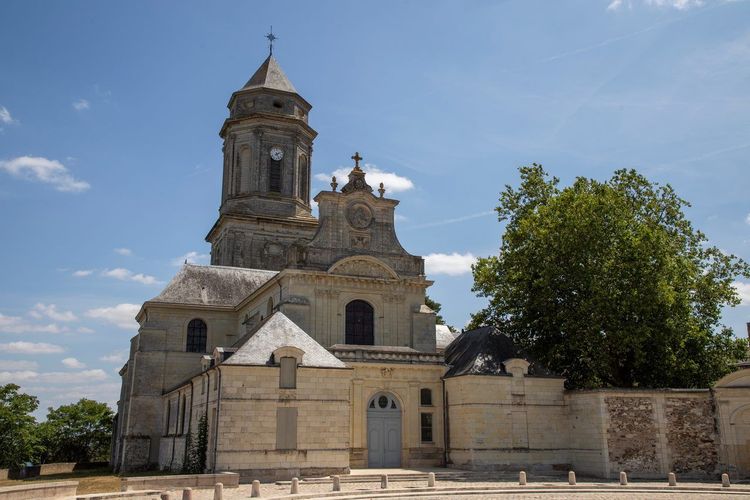
Saint-Florent-le-Vieil (Place du Mémorial, 49410 Saint-Florent-le-Vieil, rated 5/5 on Google with 1 review) sits on a hill above the Loire, 35 kilometres downstream from Angers. The village is compact, its streets rising and falling between tuffeau houses, and from the abbey church forecourt there is an unobstructed view of the river and its islands. It is one of the finest walking-accessible viewpoints over the Loire in the entire Maine-et-Loire department.
The village's history is deeply marked by the War of the Vendée. In October 1793, following the defeat of the Grand Catholic and Royal Army at Cholet, tens of thousands of Vendéens crossed the Loire here in an exodus known as the 'Virée de Galerne'. The Vendéen leader Bonchamps, mortally wounded, ordered the release of some 5,000 Republican prisoners from the abbey before dying of his wounds. This act is commemorated by a statue by David d'Angers inside the abbey church.
The abbey church itself is worth a visit. Built in the 17th and 18th centuries on the foundations of a Carolingian monastery, it preserves the statue of Bonchamps and a baroque furnishing rare in the region. The crypt houses a permanent museum dedicated to this episode of the War of the Vendée. Beyond the monuments, the village has a river halt on the Loire, popular with pleasure boaters sailing downstream in summer.
Saint-Florent-le-Vieil sits midway along the north bank of the Loire between Ancenis and Angers. The road running alongside the river from Ancenis, through the wine-growing slopes of Muscadet de Sèvre et Maine sur lie, is particularly beautiful in spring.
Turquant and the Cave Dwellings of the Saumur Region
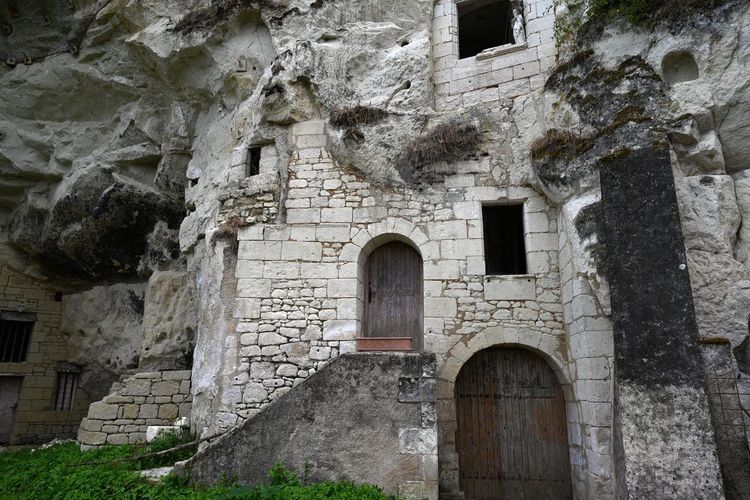
Turquant (Place de l'Église, 49730 Turquant, rated 4.7/5 on Google with 9 reviews) belongs to the territory of tuffeau, that soft, almost blonde limestone quarried for centuries to build the Loire châteaux and the wine cellars of the Saumur area. The village clings to the cliff between Montsoreau and Saumur on the south bank of the Loire, and its cave dwellings carved directly into the rock are among the most accessible in the region.
Turquant's distinguishing feature: several of these dwellings have been converted into bed-and-breakfasts or artisan workshops, allowing visitors to stay overnight or discover local crafts (mushroom farming, jam making, Saumur wine). The village is renowned for its 'pommes tapées', oven-dried apples whose tradition can still be explored on site. From Turquant, a path follows the cliff for 4 kilometres to Montsoreau: forty-five minutes' walk between limestone rock and the Loire. Nantes, at the other end of the region, unfolds instead across 31 audio-guided stops through the city of the Dukes.
Asnières-sur-Vègre, the Romanesque Gem of Sarthe
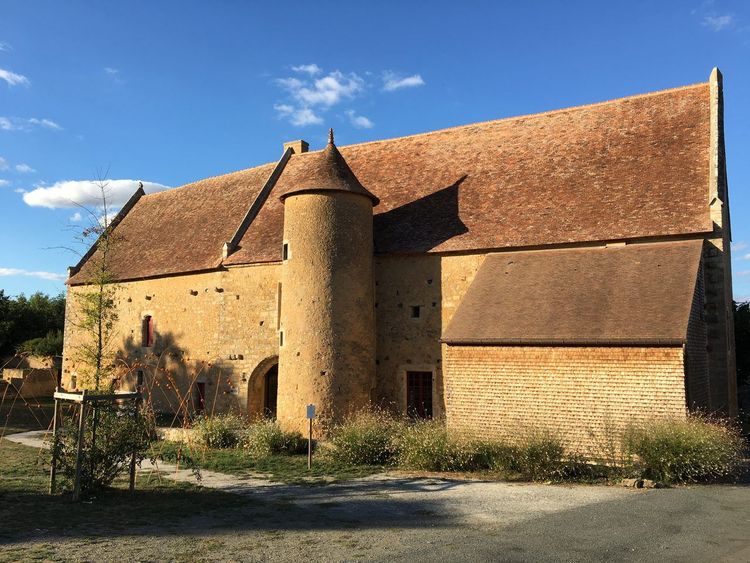
In Sarthe, villages tend to be more discreet, less spectacular than those along the Loire. Asnières-sur-Vègre is an exception. This village of 400 inhabitants on the banks of the Vègre possesses a medieval ensemble that alone justifies the detour from Le Mans or Laval.
The centrepiece is the église Saint-Hilaire, built in the 11th and 12th centuries, whose interior walls are covered with Romanesque and Gothic paintings dating from the 12th to the 15th century. These frescoes depict Hell as conceived in the medieval imagination: scenes of damnation displaying a narrative precision and expressive power rarely found outside the great cathedrals. This kind of complete mural decoration is exceptionally well preserved in rural France. The restoration work, carried out in the 1970s and 1980s, revealed successive layers of paintings superimposed over several centuries.
A short walk from the church, the Vieux Manoir (15th century) and the mill on the Vègre complete a coherent medieval picture. The village never underwent major reconstruction, which explains the concentration of ancient buildings within such a small space. The flint and sandstone lanes, the medieval market hall, the humpback bridge over the river: all of this can be covered in under 20 minutes on foot.
Asnières-sur-Vègre is regularly cited among the most remarkable villages in Sarthe. Access is by car from Le Mans (45 km, 40 minutes) or Laval (35 km, 30 minutes). There are no direct public transport connections. The village has a single café-restaurant open in season; for accommodation, Sablé-sur-Sarthe (15 km) is the most practical base.
Montmirail, Gateway to the Sarthe Perche
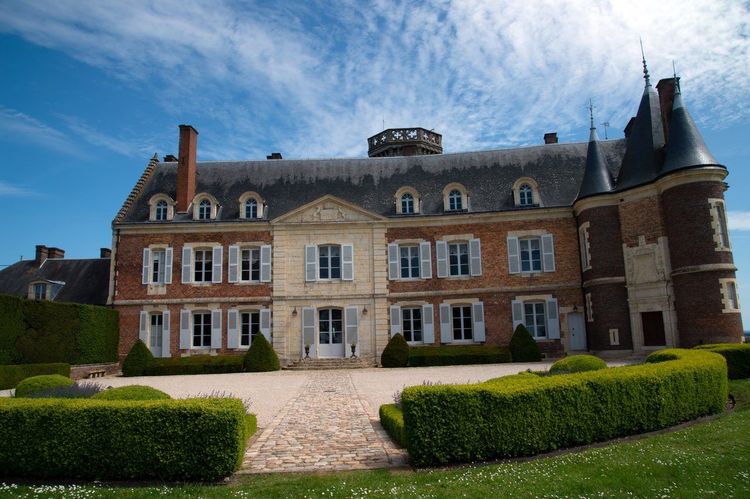
Montmirail (Place du Château, 72320 Montmirail, rated 4.2/5 on Google with 180 reviews) sits on a ridge between Sarthe and Perche, in the east of the department, where the landscapes change dramatically: bocage meadows replace pine forests and the valleys widen. The Château de Montmirail, partly open to visitors, overlooks a village of 1,500 inhabitants that has retained several half-timbered houses and a Romanesque church.
For horse lovers, the neighbouring Perche is the birthplace of the Percheron breed, and the surrounding stud farms can be visited. The Thursday morning market is an opportunity to see the village in its everyday life. An hour is enough for the historic centre; nature lovers will extend the visit into the forests of the nearby Perche.
Sainte-Suzanne, the Fortress That William the Conqueror Never Took
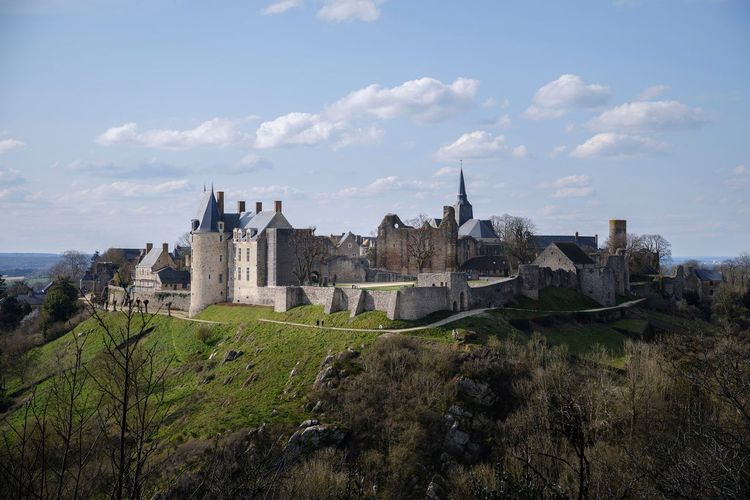
Sainte-Suzanne (Place Hubert de Chanlécy, 53270 Sainte-Suzanne, rated 4.6/5 on Google with 2,901 reviews) has just 700 inhabitants, yet this Mayenne commune boasts a military record that many larger towns would envy. The medieval fortress crowning the hill is, according to Norman chronicles, the only place in France that William the Conqueror besieged without success. Several years of siege, from 1083 to 1086, with no result. The castle held. William left.
This resistance owes everything to the natural setting: Sainte-Suzanne occupies a rocky promontory surrounded by gorges carved out by the Erve river. Attacking the fortress meant climbing a steep slope under fire from the defenders, and the Norman besiegers never managed it. They established their base at the camp de Beugy, 800 metres from the village, without ever forcing the position. Today, the Château de Sainte-Suzanne (14th–15th centuries, on older foundations) hosts exhibitions on local history and medieval fortification techniques. The keep's terrace offers a 360-degree panoramic view over the Mayenne countryside.
The village enclosed within the fortified walls has held the 'Most Beautiful Villages of France' label since 1988. The Romanesque church, the local stone houses, the cobbled lanes, the gardens suspended above the gorges of the Erve: Sainte-Suzanne can be explored on foot in an hour. The surroundings deserve more time.
The gorges de l'Erve are the site's other major draw. The path descending from the fortress towards the river crosses a landscape of vegetation-covered limestone cliffs. The river runs clear and is wide enough for swimming in certain stretches during summer. Nearby, the prehistoric caves of Saulges (10 km) complete the visit: the Mayenne-Sciences cave has yielded rock paintings and engravings among the oldest in France. Laval, 22 kilometres away, is the ideal base for exploring Sainte-Suzanne and the other villages of Mayenne. Ryo's Laval audio guide, with its 17 audios over 3 kilometres along the Mayenne river, traces a thousand years of the city's history: an effective introduction to the region before setting out for the fortress.
Saint-Denis-d'Anjou and Fontaine-Daniel, the Lesser-Known Mayenne
Mayenne holds another surprise in its valleys. Saint-Denis-d'Anjou, 1,600 inhabitants on the banks of the Sarthe, also bears the Most Beautiful Villages of France label. The village has remained almost intact since the Middle Ages: a medieval timber market hall, 15th-century half-timbered houses, a Romanesque priory, lanes that change direction at every crossroads. Nothing jars with a different era.
Twenty kilometres to the north, Fontaine-Daniel (Fontaine-Daniel, 53100 Mayenne, rated 4.5/5 on Google with 510 reviews) presents a different picture. A hamlet founded by Cistercian monks in the 13th century, converted in the 19th into a textile mill: the workers lived in identical houses built by the factory, forming a company village of striking architectural coherence. The Fontaine-Daniel fabric — woollen goods and patterned cottons in traditional designs — is still produced and sold on site. The visit to the shop and the village takes less than an hour, but the place is singular enough to merit the trip.
Vouvant, the Fairy City of Vendée
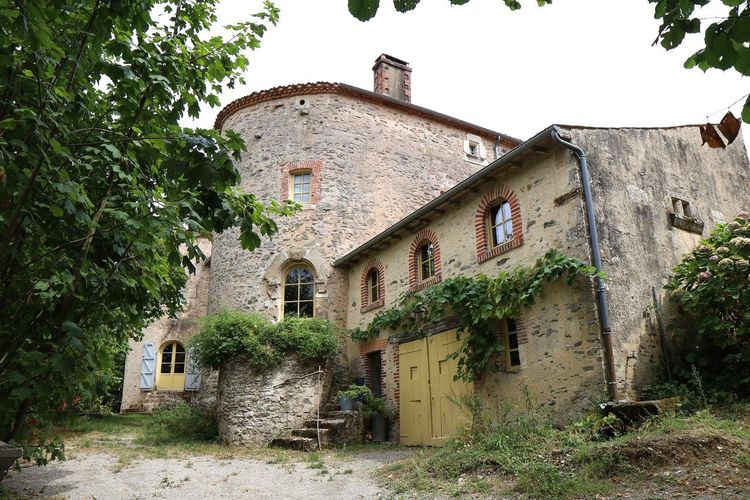
Vendée sometimes suffers from a reductive reputation: packed beaches in July, monotonous bocage, characterless seaside resorts. Vouvant (Place du Bail, 85120 Vouvant, rated 4.7/5 on Google with 620 reviews) thoroughly defies these clichés. This village of 800 inhabitants, perched on a rocky spur encircled by the Mère river, possesses a medieval ensemble that many more famous regions would envy.
The label is fully deserved here. The 12th-century fortified wall, almost complete, encloses a village of cobbled lanes and dry-stone houses. The Tour Mélusine, a 13th-century keep overlooking the river, is the emblem of the place. Legend has it that Mélusine, the half-woman, half-serpent fairy of Poitevin folklore, built the tower in a single night. Historical fact attributes the construction to the Lusignan family. But the legend fits the atmosphere so well that there is little desire to correct it.
The église Notre-Dame de Vouvant dates from the 11th century, with 12th-century Romanesque additions. The north portal is one of the finest examples of Poitevin Romanesque in the region: a series of archivolt rings adorned with geometric figures and fantastical animals, executed with remarkable delicacy. Inside, a few medieval tombstones and understated furnishings.
Beyond the monuments, the village is best experienced through its lanes. The place du Bail, in front of the church, is the natural heart of the village, where a few artisans have their workshops. A local museum, housed in an old building, traces the history of Mélusine and the archaeological excavations on the castle site.
Vouvant lies in the heart of the Vendée bocage, 60 kilometres from La Roche-sur-Yon and 80 kilometres from Nantes. The road running alongside the Mère river between Fontenay-le-Comte and Vouvant is particularly beautiful in spring. To round off a day in the area, the abbey of Maillezais (15 km), partially in ruins since the Wars of Religion, offers a spectacular setting at the gateway to the Marais poitevin, where the outing can be extended with a boat trip through the marshes.
Nantes, Le Mans, Laval, Saint-Nazaire: the Best Bases for Exploring
The fifteen villages featured in this guide cover all five departments of Pays de la Loire. Four cities allow you to reach them without ever facing an unreasonable drive.
Nantes, a metropolis of 680,000 inhabitants, is the natural entry point for Loire-Atlantique and western Maine-et-Loire. Clisson is 35 minutes from Nantes station, or reachable by direct train (40 minutes). Trentemoult is 20 minutes by river shuttle from the quays. Béhuard and Saint-Florent-le-Vieil are an hour away on the road to Anjou. The city offers a rich cultural life, a full range of accommodation at every budget, and an efficient public transport network. To discover Nantes before heading to the villages, the Ryo Nantes audio-guided tour traces the history of the city of the dukes of Brittany across 30 audios over 6.4 kilometres, from the Place du Bouffay to the Machines de l'Île.
Le Mans, the prefecture of Sarthe, is the best base for exploring Sarthe and northern Anjou. Asnières-sur-Vègre is 45 minutes by road; Montmirail is 50 minutes to the east. The city also has its own medieval historic centre, the Cité Plantagenêt, whose Gallo-Roman walls are among the best preserved in France. The Ryo audio-guided tour of the Cité Plantagenêt du Mans covers this old town in 20 audios over 2 kilometres: a short circuit to complete in the afternoon, before setting out the next day towards the Sarthe villages.
Laval, the prefecture of Mayenne, is ideally placed for the Mayenne villages. Sainte-Suzanne is 22 km away, Saint-Denis-d'Anjou 40 km, Fontaine-Daniel 30 km. Asnières-sur-Vègre (Sarthe) is 30 minutes from the prefecture. The Ryo Laval audio guide, 17 audios over 3 kilometres in 1 hour 15 minutes, traces a thousand years of history along the Mayenne river from the castle to the modern districts.
Saint-Nazaire, at the mouth of the Loire, is a less obvious base for inland villages. But its position — 65 kilometres from Clisson, 50 km from Piriac-sur-Mer and 30 km from Le Croisic — makes it a relevant option for those who want to combine the Atlantic coast with the Loire-Atlantique villages. The city also has a fascinating industrial history: giant shipyards, a Second World War submarine base, a suspension bridge over the estuary. The Ryo Saint-Nazaire audio-guided tour explores this history across 23 audios over 6 kilometres.
For travellers without a car, TGV trains from Paris Montparnasse reach Nantes in 2 hours. Regional trains then connect Nantes to Le Mans (1 hr), Laval (1 hr 20 min) and Saint-Nazaire (50 min). Most villages in this guide are not served by public transport: a car remains almost essential to cover several of them in a single trip.
When to Come and How to Plan Your Circuit

The question of season is more open than you might think for the villages of Pays de la Loire.
Spring (April–June) is often the finest period for landscape beauty: the Muscadet vines are growing, the orchards of Maine-et-Loire are in blossom, and the Sarthe and Mayenne rivers run full. Most museums and châteaux reopen from April. Visitor numbers remain moderate until the May bank holidays, allowing you to visit Montsoreau or Clisson without the July queues.
Summer (July–August) is the obvious high season. Everything is open, evening markets animate the squares, the Loire is at its lowest and its sandbars are accessible on foot. But the crowds at the most popular sites can become oppressive in the peak heat, especially in Clisson during Hellfest or on the port of Le Croisic in August.
Autumn (September–October) brings the harvest in the Saumur area and the Muscadet vineyards. It is the ideal time to discover the cave cellars of Turquant and Montsoreau in their real working context. The chestnut trees of Mayenne and Vendée give the bocage a warm colour. Many small tourist facilities close after 1 November.
For planning your circuit, there are three options depending on the time you have available:
In two days, focus on Loire-Atlantique and Maine-et-Loire. Clisson on the morning of the first day, Montsoreau and Turquant in the afternoon, Béhuard or Saint-Florent-le-Vieil the following morning, and Trentemoult to finish as you return to Nantes.
In four days, add Mayenne: Sainte-Suzanne, Saint-Denis-d'Anjou and Fontaine-Daniel on the third day with a night in Laval. The fourth day combines Asnières-sur-Vègre (Sarthe) and a return via Le Mans.
In one week, cover all five departments by adding Vouvant (Vendée), Le Croisic and Piriac-sur-Mer (coastal Loire-Atlantique), and Montmirail (Sarthe Perche). The Ryo road trip Les Châteaux de la Loire naturally completes this circuit for château enthusiasts.
For accommodation, the villages themselves offer few options. Staying in the hub cities (Nantes, Angers, Saumur, Le Mans, Laval) and exploring from there remains the most efficient strategy. Bed-and-breakfasts and rural gîtes are plentiful in the Mayenne and Sarthe countryside for those who prefer full immersion.



FAQ
Which villages in Pays de la Loire hold the 'Most Beautiful Villages of France' label?
Four villages in the region carry this prestigious label: Montsoreau (Maine-et-Loire), at the confluence of the Loire and the Vienne; Sainte-Suzanne (Mayenne), perched on its rocky spur surrounded by gorges; Saint-Denis-d'Anjou (Mayenne), with its medieval half-timbered houses; and Vouvant (Vendée), a 12th-century fortified town on the edge of bocage countryside. This national label, created in 1982, recognises communes of fewer than 2,000 inhabitants with exceptional architectural heritage and an active conservation policy.
Can you visit these villages in Pays de la Loire without a car?
Partially. Trentemoult is accessible from Nantes by river shuttle. Clisson can be reached by train from Nantes station in 40 minutes. However, Sainte-Suzanne, Asnières-sur-Vègre, Vouvant and Fontaine-Daniel are not served by any regular public transport. To cover the entire region in a week, a car is almost essential. A practical alternative: rent a vehicle from Nantes or Le Mans for longer travel days, combining it with regional trains for rail segments.
What is the best base for visiting these villages?
Nantes is the most convenient base for Loire-Atlantique and western Maine-et-Loire. Saumur or Angers are better suited for Montsoreau, Béhuard and Turquant. Laval is ideally placed for the villages of Mayenne. For a complete circuit covering all five departments, it is better to change base at least once rather than spending two extra hours on the road each day.
Are there paid admissions in these villages?
Most villages can be visited for free. Paid admissions apply to castles and indoor museums: Château de Clisson (around €6), Château-Musée de Montsoreau (around €9), Château de Sainte-Suzanne (around €5). The Tour Mélusine in Vouvant can be viewed for free from the outside; climbing to the top is paid. The church at Asnières-sur-Vègre, the ramparts of Vouvant and almost all of the villages themselves are freely accessible.
Can you combine the visit with the Loire Valley châteaux?
Yes, and it makes for the most geographically coherent itinerary. Montsoreau is 12 kilometres from Fontevraud-l'Abbaye, 15 kilometres from Saumur and 50 kilometres from Chinon. Turquant lies on the road between Saumur and Montsoreau. Clisson is accessible from Nantes, the natural starting point for most Loire itineraries. Ryo's road trip 'Les Châteaux de la Loire' offers audio-guided content to listen to by car or on foot at each site.
Which department offers the most picturesque villages?
It is a matter of personal preference. Maine-et-Loire has the greatest number of villages in this selection (Montsoreau, Béhuard, Saint-Florent-le-Vieil, Turquant) and its golden tuffeau landscape is particularly photogenic. Mayenne is more surprising, with lesser-known but better-preserved villages (Sainte-Suzanne, Saint-Denis-d'Anjou). Loire-Atlantique offers the greatest diversity, from the Atlantic coastline to the vineyards. Your best department depends on the type of landscape you are looking for.
The villages of Pays de la Loire make no noise. They have no national marketing campaigns, no posters on the Paris Métro. What Montsoreau, Vouvant, Sainte-Suzanne or Asnières-sur-Vègre have to offer is something difficult to replicate: intact heritage in a living setting, places where people genuinely live, landscapes that change character every fifty kilometres.
Nantes remains the best starting point for exploring the region. Our Ryo Nantes audio guide accompanies you on foot, from the Cour des Comptes to the Machines de l'Île district, across 30 audios over 6.4 kilometres. And for those who wish to combine villages with the great royal châteaux, the Ryo road trip Les Châteaux de la Loire offers a complete audio-guided itinerary between Nantes and Blois.