






Créé par Romane, le 4 oct. 2026
Votre guide Ryo
Marrakesh, Morocco
The Gate to the South
Parcours audioguidé pour visiter Marrakesh en 1 jour
This tour of Marrakech’s historic center invites you to dive into the excitement of the "Red City," featuring sumptuous palaces, lush gardens, and the fascinating buzz of Jemaa el-Fna square. Throughout the route, lose yourself in the labyrinthine souks filled with a thousand scents, admire the finesse of Moroccan craftsmanship, and discover the hidden spots where the elegance of riads meets the heritage of imperial dynasties. A simple and immersive way to explore the vibrant soul of Marrakech at your own pace.
Quand partir à Marrakesh ?
Jan.
12°
6
Feb.
14°
6
March
17°
6
April
19°
5
May
22°
3
June
26°
1
July
29°
0
Aug.
29°
1
Sept.
26°
2
Oct.
22°
4
Nov.
17°
6
Dec.
13°
6
The best time frames to discover Marrakesh are spring and fall, namely the months of April, May and October, where the temperature are between 20 and 30 °C. In summer, the weather quickly becomes arid and temperatures rise above 30, or even 35°C. During the winter, on the other hand, temperatures fall down to about 20°C, and fall drastically as the sun sets, so yes, it is technically possible to visit Marrakesh in winter. Just make sure to bring your jackets for the evenings.
Départ conseillé
No need to worry about where to begin! Our tours are designed as a loop, so you can jump in wherever you are. The navigation system and audioguide will automatically adjust to your location. However, if you happen to be nearby, we do have a preferred starting point : Bab Dbagh Street, in the tanners district
Parking à proximité
Naji Parking lot, on Moukef Square, Lakhmiss Avenue
À savoir
I wouldn't recommand to drive in Marrakesh : there is a lot of traffic and the driving code isn't always respected.
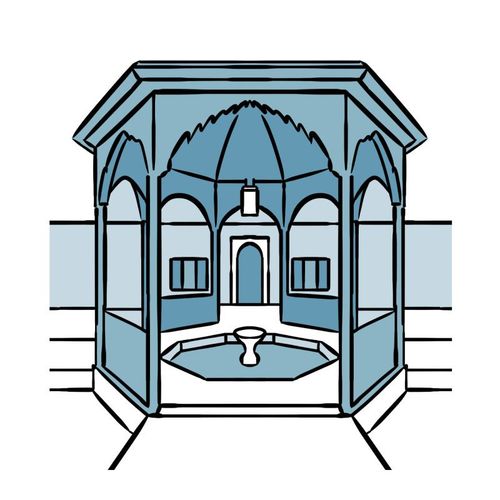
Your tour takes you to several monuments in Marrakesh, such as the Ben Youssef Medersa, the Bahia Palace, the El Badi Palace and the Saadian Tombs: I strongly recommand you buy tickets, either in advance or on site. Those are the key monuments!
Découvrez 22 lieux d'intérêt pour visiter Marrakesh







Le plein d'inspirations
Explorez le monde en totale liberté, à pied au cœur des villes ou au fil des routes. Nos guides audios transforment chaque destination en une découverte culturelle immersive et unique.
FAQ for visiting Marrakesh
When is the best time to visit Marrakesh?
The best time to discover Marrakesh is in spring and autumn, particularly in April, May and October. During these ideal months, you'll enjoy perfect temperatures ranging between 20 and 30°C, just right for exploring the medina and its souks. Summer can prove challenging, with temperatures regularly exceeding 35°C, making sightseeing less pleasant. Winter remains an appealing option, with sunny days around 20°C, but pack warm clothes as the evenings are cool. These shoulder seasons will let you fully enjoy the city's unique atmosphere without suffering the climatic extremes.
How many days do you need to visit Marrakesh?
For a first visit to Marrakesh, plan on three to four days. This will give you enough time to explore the medina at a relaxed pace, lose yourself in the souks, visit the main monuments and soak up the city's unique atmosphere. Two days may be enough to see the essentials if your schedule is tight, but you risk missing out on some hidden treasures. With five days or more, you can adopt a more leisurely pace, discover less touristy neighbourhoods and even consider excursions to the surrounding area. The Ryo audioguide helps you make the most of your time by offering a narrated route that covers the highlights of the Red City.
How do you get around Marrakesh?
Within the medina of Marrakesh, walking is the preferred way to get around, as the narrow lanes don't allow car traffic. To reach the modern districts such as Guéliz or Hivernage, taxis are convenient and generally affordable. Opt for the small beige taxis fitted with meters, even though some drivers prefer to negotiate the fare in advance. Horse-drawn carriages offer a picturesque experience but remain more touristy and pricey. For the more adventurous, renting a scooter is an option, though the traffic is heavy. Local buses exist, but using them requires some familiarity with the routes. Finally, many riads offer shuttle services from the car parks near the medina.
Which neighbourhood should you stay in when visiting Marrakesh?
The choice of neighbourhood will depend on what you're looking for during your stay. The medina remains the most authentic choice, with its traditional riads tucked away in the historic lanes, placing you at the heart of the action and close to the main sights. The Guéliz district, more modern and Western, will suit those seeking more contemporary amenities, international restaurants and nightlife. Hivernage offers a luxurious compromise between tradition and modernity, with large hotels and a quieter atmosphere. La Palmeraie will appeal to lovers of absolute tranquillity, even if it takes you away from the centre. For a first visit, staying in the medina will let you fully immerse yourself in Marrakesh's atmosphere and easily reach the various points of interest.
What are the must-see sights in Marrakesh?
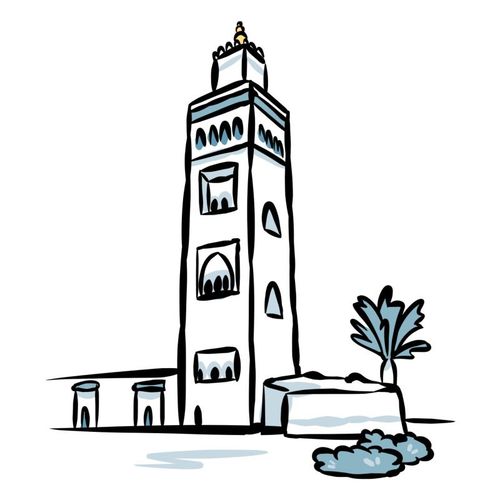
Marrakesh is brimming with architectural and cultural wonders that tell its thousand-year-old story. Jemaa el-Fna square is the vibrant heart of the city, where snake charmers and storytellers keep age-old traditions alive. The adjacent souks will immerse you in a world of enchanting colours and scents. The Bahia Palace reveals the splendour of Arab-Andalusian architecture, while the Saadian Tombs bear witness to the grandeur of past dynasties. The Majorelle Gardens offer a refreshing interlude with their cobalt-blue hues. The Koutoubia, the city's emblematic minaret, towers over Marrakesh at 77 metres. The Ryo audioguide accompanies you on this journey of discovery with a narrated route that reveals the secrets of these extraordinary places.
How do you haggle in the souks of Marrakesh?
Haggling is an integral part of the souk experience and is almost a social art in Marrakesh. Generally start by offering half the quoted price, or even less depending on the item. Stay smiling and courteous, as bargaining is meant to be friendly rather than confrontational. Take your time, compare prices between several shops and don't hesitate to pretend to walk away if the price doesn't suit you. Sellers will often call you back with a better offer. Avoid showing too much interest in a particular item. If you're buying several items, ask for a bundled price. Keep in mind that for Moroccans, this ritual is as much a part of the pleasure of selling as it is of buying.
What is there to do around Marrakesh?
The surroundings of Marrakesh offer fascinating getaways that perfectly complement your city stay. The Ouzoud Falls, among the most spectacular in Morocco, are well worth a full day's excursion. The Ourika Valley, in the foothills of the Atlas, offers refreshing hikes and the chance to discover authentic Berber villages. Essaouira, on the Atlantic coast, charms visitors with its white-and-blue architecture and soothing seaside atmosphere. For thrill-seekers, a night in the Agafay Desert offers the Saharan experience without the long hours on the road. The Anima Gardens created by André Heller make for a surprising artistic visit. Finally, the pottery village of Tameslouht lets you discover local craftsmanship in a less touristy setting.
How do you get from the airport to the centre of Marrakesh?
Marrakesh-Menara Airport is about six kilometres from the city centre, making transfers relatively quick and easy. Official taxis wait at the terminal exit with fares generally displayed; allow around fifteen to twenty minutes for the journey depending on your destination. Always negotiate the price before getting in, or check that the meter is working. Private shuttles can be booked in advance through your accommodation, often at competitive rates for groups. Public buses are the most economical option but sometimes require connections depending on your destination neighbourhood. Many riads also offer a transfer service, handy if you're staying in the medina where car access remains limited.
Which gardens are worth visiting in Marrakesh?
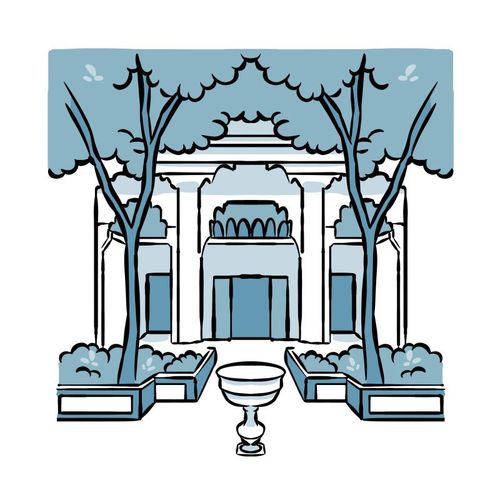
Gardens are where the red city breathes. The best known, the Majorelle Garden, owes its electric blue to the painter who designed it and houses a museum devoted to Berber arts; come at opening time, as the crowds build quickly. In the medina, the Secret Garden unfolds an Islamic patio and an exotic garden behind high walls, with a tower looking out over the rooftops.
Further south, the Menara lines up its huge basin, its pavilion and its olive grove facing the peaks of the Atlas, while the Agdal stretches out historic orchards you can cross on foot or by bike. At the foot of the Koutoubia, the Arsat Moulay Abdeslam park makes a welcome shaded stop. The Ryo audio guide offers a dedicated Marrakesh route that sets these gardens back into the story of the dynasties that created them.
What can you do in Marrakesh in the evening?
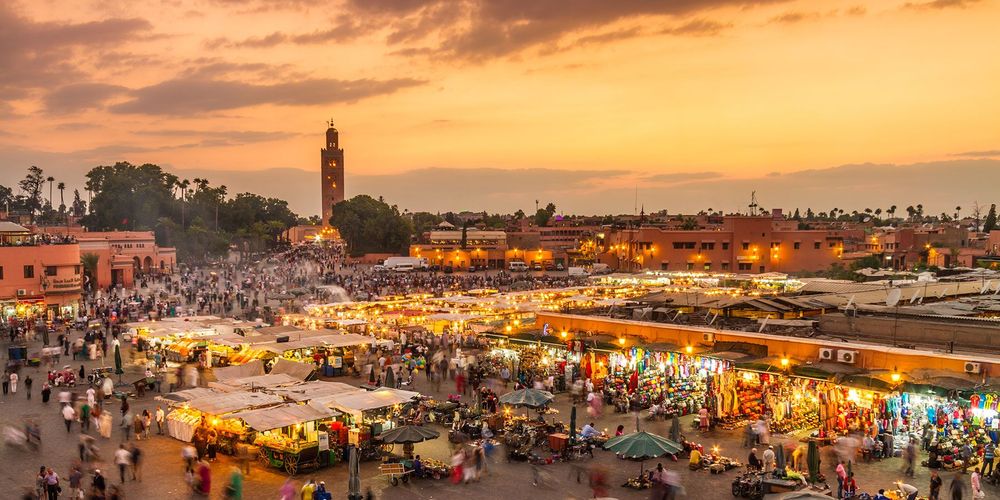
It all starts on Jemaa el-Fna square, which changes face at dusk: food stalls set up in the smoke of the grills, storytellers and Gnaoua musicians gather their circles, and the Koutoubia lights up right beside them. The café terraces around the square make the best vantage point, tea in hand, just as the sun disappears behind the rooftops.
After that, the medina quietens down fairly early while Gueliz, the modern district, keeps the evening going with its restaurants and contemporary venues. Many riads also serve dinner on their roof terrace, in an entirely different mood. As anywhere in a dense crowd, keep an eye on your belongings and agree the fare before getting into a taxi.
Vos commentaires, idées et suggestions
Aucun avis pour le moment
