© Shutterstock
 Votre guide Ryo
15 Free Things to Do in Marrakech in 2026: Square, Souks and Gardens
In Marrakech, money can't buy everything worth a detour. Free things to do in Marrakech start at dawn: storytellers who set up on the square before the coaches arrive, public gardens where Marrakchi families picnic on Fridays, and red-earth ramparts you can follow on foot until sunset. To find your way around this setting without paying for a guide, the Ryo audio guided tour of Marrakech provides continuous commentary on the key sites, from Jemaa el-Fna Square to the alleys of the Mellah.
In the fifteen experiences that follow, you will come across monkey handlers best observed from afar, a public park open to everyone half an hour's walk from the paid Majorelle Gardens, and ramparts nearly 19 kilometers long that outline the entire geography of the medina. You will also learn to spot a fake guide in a few seconds, where to picnic without being moved along, and why the best time to admire the Koutoubia is almost never the one you imagine when you arrive.
1. Enjoy Jemaa el-Fna Square, the Living Heart of Marrakech
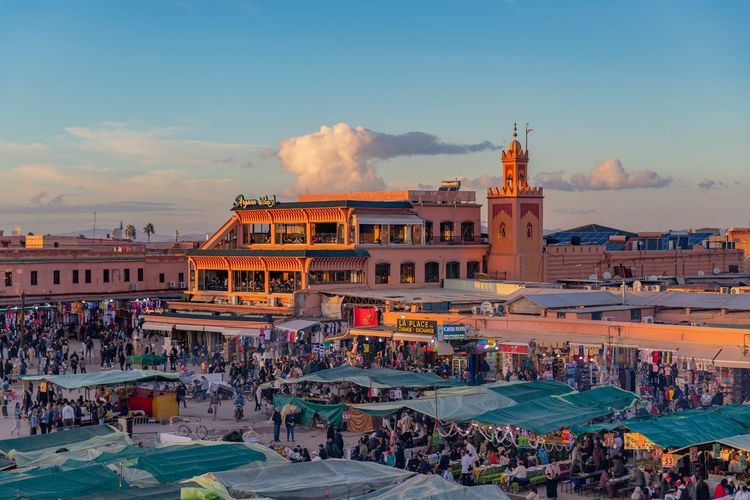
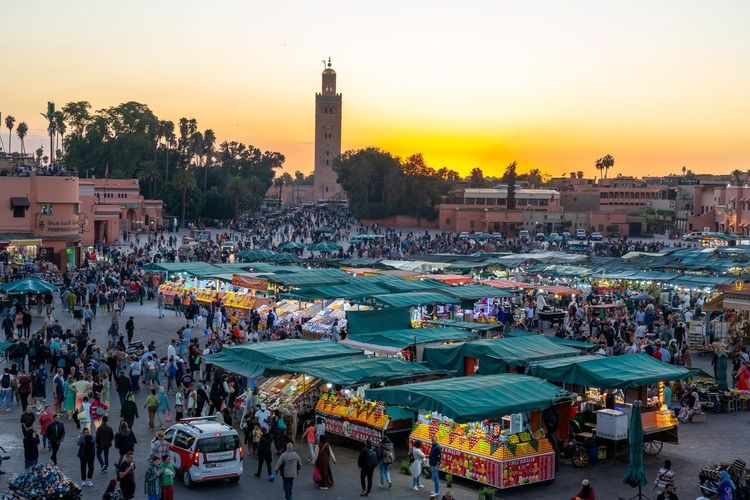
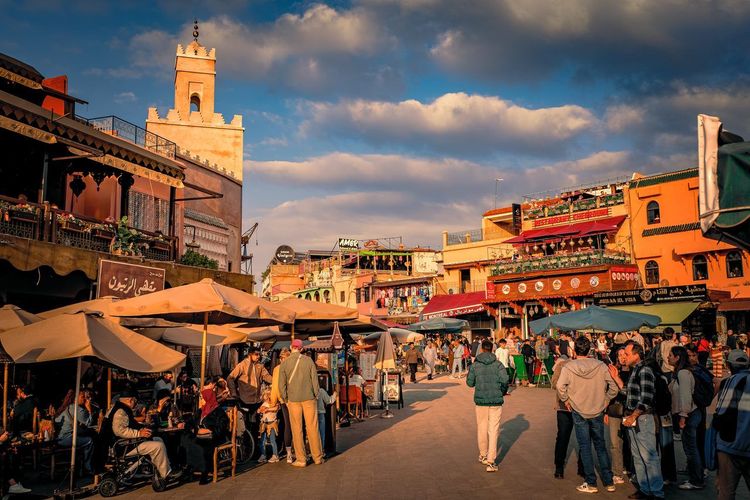
In the morning, Jemaa el-Fna Square (Place Jemaa el-Fna, 40000 Marrakech, rated 4.3/5 on Google from 53,057 reviews) looks almost like an ordinary esplanade. A few freshly squeezed orange juice sellers set up their carts, horse-drawn carriages wait for the first customers, and pigeons fight over the crumbs left by the night before. Nothing hints at what the square becomes a few hours later.
Inscribed on UNESCO's Intangible Cultural Heritage list since 2008 (after a first proclamation in 2001), the square owes its reputation to what happens there every evening more than to its buildings. It covers nearly 3 hectares in the heart of the medina, lined with cafés with raised terraces that offer an overview for the price of a mint tea.
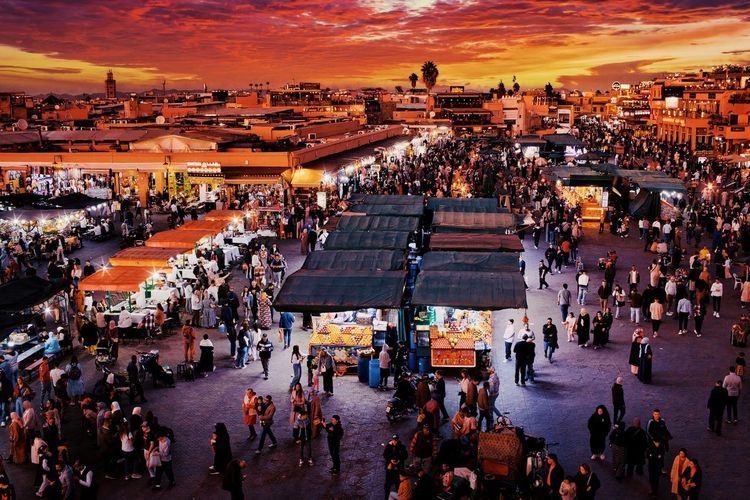
From 5:30 p.m., the scene changes radically. Hundreds of street food stalls set up within minutes, run by teams who have been rehearsing this daily ballet for generations, in a blend of grilled skewer and cumin aromas that spreads to the neighboring alleys. Traditional storytellers, the halaykis, gather a circle of listeners around tales chanted in darija, often not understood by tourists but fascinating to watch for their rhythm and gestures. A little further on, Gnaoua musicians chain together percussion and songs, while snake charmers negotiate a photo for a few dirhams. Watching this scene from the edge of the square costs nothing: only voluntarily approaching an artist or an animal triggers a request for payment.
As you approach the square, you will inevitably meet men who spontaneously offer to guide you to "the good restaurant" or "the best view." These are almost always fake guides without accreditation, who will then charge a high price for their service. The simplest rule is to politely decline and keep walking: an official guide wears a visible badge issued by the Ministry of Tourism and never approaches you first in the street.
To enjoy the square without the crowds, two time slots stand out. Early in the morning, between 8 a.m. and 10 a.m., the raking light on the ochre facades and the relative calm allow photos without dozens of passersby in the frame. In the late afternoon, between 6 p.m. and 8 p.m., the atmosphere shifts toward the night show without yet reaching the density of the peak evening hours, around 9 p.m. to 10 p.m., when the square becomes hard to cross. Friday, a day of rest for many Marrakchi families, draws more local visitors than other days.
The storytellers speak darija and you catch only one word in ten? The Ryo audio guide starts right here and tells you, before nightfall, who these musicians, snake charmers and street vendors are, and how long they have occupied the square.
2. Get Lost in the Medina and Its Souks Without Buying Anything
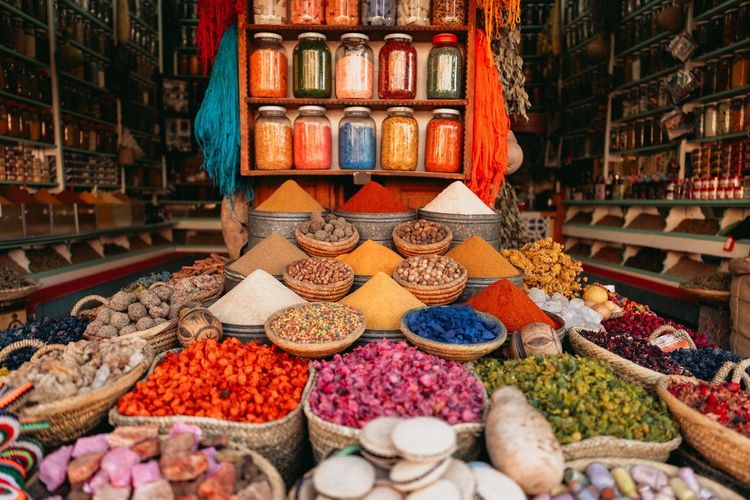
The Marrakech medina, a UNESCO World Heritage Site since 1985, spreads over more than 600 hectares behind red-earth ramparts. At its heart, the souks form a tangle of covered alleys where dyers, blacksmiths, spice sellers and leather workshops mingle. You can spend hours there without spending a cent: all it takes is accepting to get a little lost, looking up at the reed lattices that filter the light, and resisting the sales pitches that accompany every step.
Finding Your Way Through the Souks Without Getting Lost
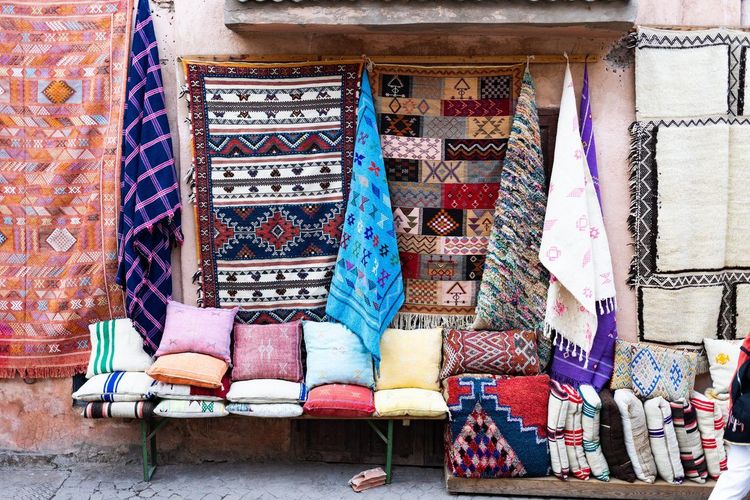
The Semmarine souk, the main artery leaving Jemaa el-Fna Square, remains the most reliable landmark: as long as you keep coming back to it, you won't risk getting stuck in the maze. The Koutoubia minaret, visible from several open angles, works as a natural compass for anyone heading south. The specialized souks follow one another by ancient guild: dyers in the Sebbaghine souk, recognizable by the skeins of wool drying overhead, blacksmiths in the Haddadine souk, whose hammering can be heard from afar, and slipper sellers in the Smata souk, where hundreds of colorful pairs are stacked up. Recognizing these zones helps you get your bearings without a map, simply by identifying the dominant activity of an alley.
The morning, between 9 a.m. and 11 a.m., remains the calmest time to watch the craftsmen without the tourist density of the afternoon. Many stalls also close on Friday at noon for the main prayer.
A mini walking itinerary, with no taxi, lets you link in half a day Jemaa el-Fna Square, the Semmarine souk, Rahba Kedima Square (the former spice and medicinal herb market) and the Ben Youssef Madrasa, before leaving by a quieter alley. Allow about two hours of actual walking, not counting photo stops and breaks in the shade.
Browsing Without Buying: Tips for Avoiding Vendor Pressure
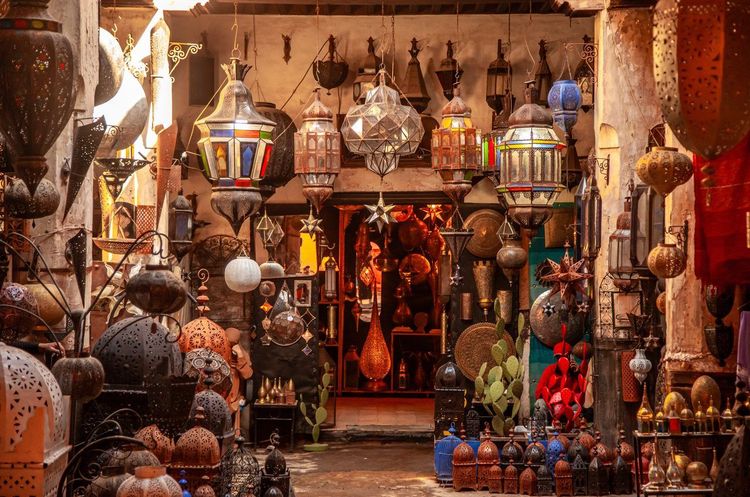
You will be invited, politely or insistently, to come in and "just look, no obligation to buy." It's a ritual phrase that commits you to nothing as long as you stay outside or decline clearly. The most useful tip is never to answer a price question if you don't intend to buy: giving a figure, even out of curiosity, is often interpreted as the start of a negotiation. A smile and a "no thank you" (la, shukran in Moroccan Arabic) are more than enough, repeated as many times as necessary.
In the carpet souks, where commercial pressure sometimes reaches its peak, you will almost always be offered mint tea before you have even looked at a single piece. Accepting the tea commits you to nothing either: it is a social convention, not the start of a contract.
At every crossroads of the maze, the Ryo audio guide to the Marrakech souks tells you which alley to take and points out the architectural details that are easy to miss when walking with your head down to avoid vendors.
3. Admire the Koutoubia Mosque, the City's Emblem
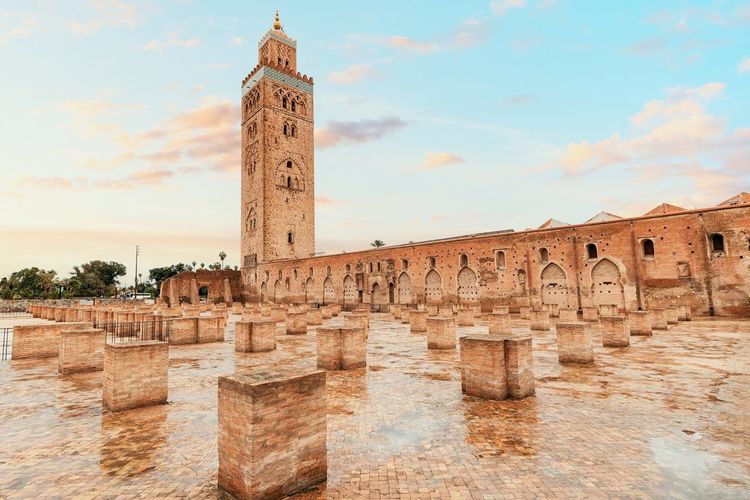
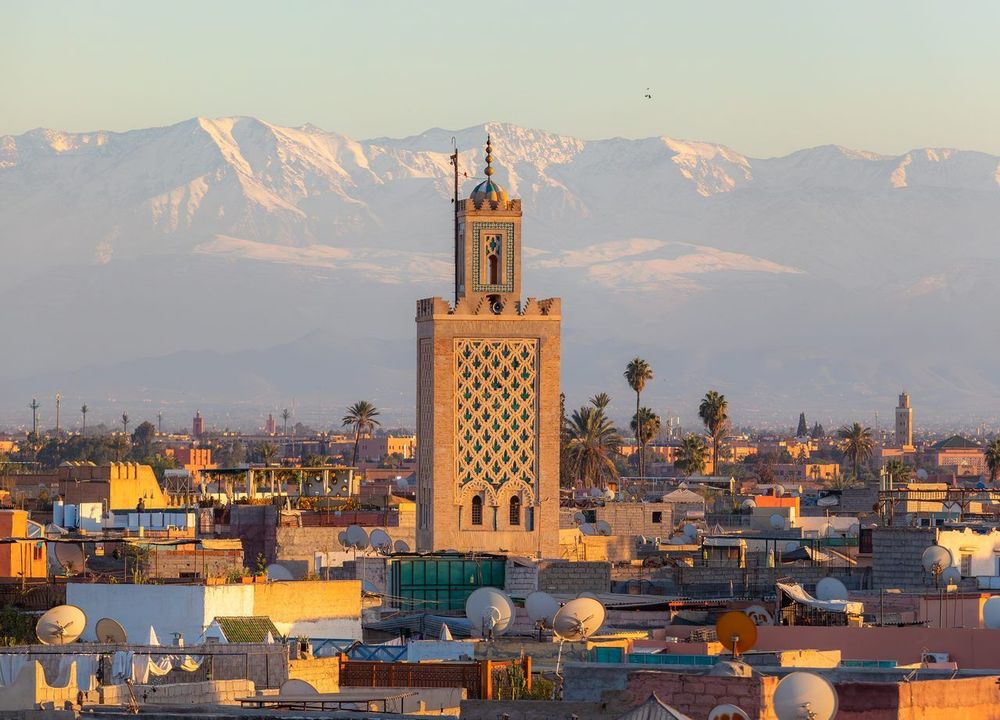
Visible from almost every high point of the medina, the minaret of the Koutoubia Mosque (Avenue Mohammed V, 40000 Marrakech, rated 4.6/5 on Google from 18,992 reviews) rises to 77 meters and served as a model for the Giralda of Seville and the Hassan Tower in Rabat. Built in the 12th century under the Almohad dynasty, it takes its name from the booksellers and copyists (kutubiyyin) who once kept shops at its foot.
As in nearly all active Moroccan mosques, the interior is reserved for Muslims. This takes nothing away from the interest of the site: you can admire the minaret from the street or from the surrounding gardens, planted with rose bushes and orange trees maintained by the municipality and open to all. The stone changes hue with the hour, from the pale pink of morning to the deep orange of sunset.
The best viewpoint is on Avenue Mohammed V: step back about fifty meters to frame the minaret without the electrical cables crossing the adjacent street. Thinking of coming at noon? Bad idea, the light flattens the relief of the decoration. Aim instead for the late afternoon, when the call to prayer echoes above the park.
4. Stroll Through Marrakech's Public Gardens
Marrakech has a handful of genuinely free gardens, not to be confused with the Majorelle Garden (170 dirhams for the garden alone, 140 more for the Yves Saint Laurent Museum, tickets online only) or the Secret Garden in the Mouassine district, which also charges admission. Three places offer the same leafy freshness without spending a cent: the Menara Gardens, the Cyber Parc Arsat Moulay Abdeslam, and the surroundings of the La Mamounia garden (Avenue Bab Jdid, 40000 Marrakech, rated 4.5/5 on Google from 9,561 reviews), visible from the outside.
The Menara Gardens and Their Iconic Basin
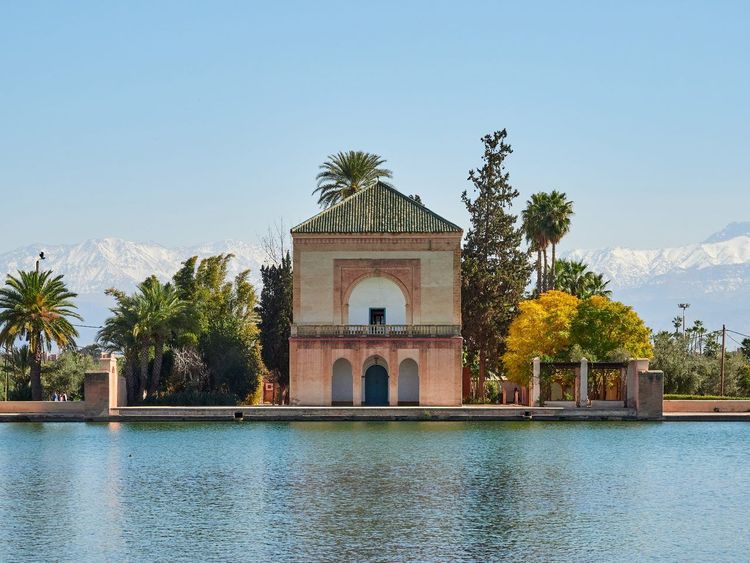
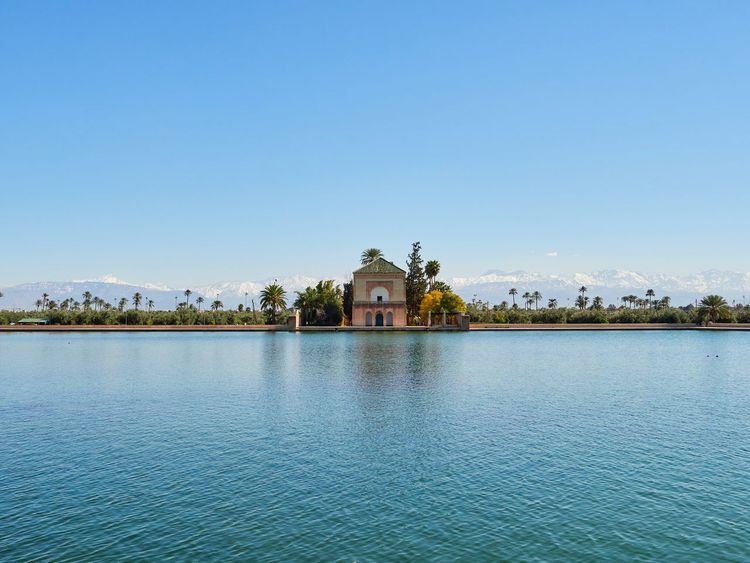
Laid out in the 12th century under the Almohads and then restored in the 19th century by the Alaouite sultan Mohammed IV, the Menara Gardens line up thousands of olive trees around a large rectangular basin. This reservoir, originally built to irrigate crops thanks to khettaras coming from the Atlas, still feeds the orchards today. The green pavilion overlooking it, added in the 19th century, is reflected in the water at sunset, with the snow-capped peaks of the Atlas in the background from November to April.
Access to the olive grove is free; only the pavilion itself, when open, charges a symbolic entrance fee. Allow about 20 minutes by taxi or 45 minutes by bike from the medina. Avoid the 12 p.m.–3 p.m. slot in summer, when the shade of the olive trees is no longer enough to offset the heat, and favor the late afternoon for the pavilion's reflection in the basin.
The Cyber Parc Arsat Moulay Abdeslam, the Green Alternative in the Middle of the City
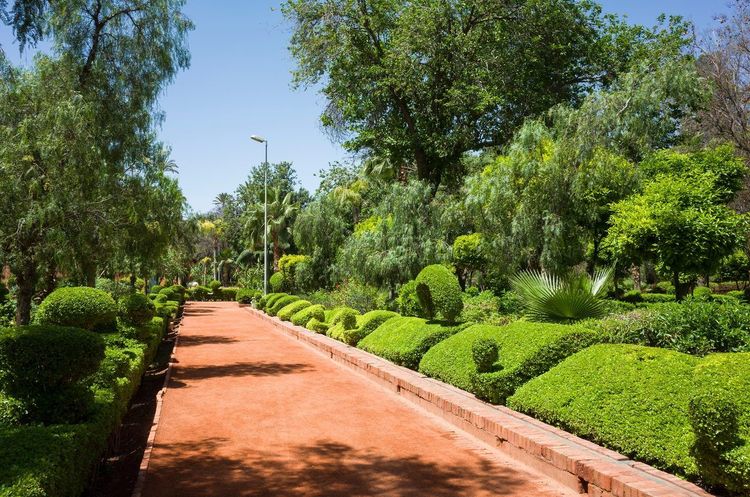
A little under a quarter of an hour's walk from Jemaa el-Fna Square, the Cyber Parc Arsat Moulay Abdeslam occupies a former princely orchard from the 18th century, redeveloped in 2005 as a public park equipped with wifi hotspots, hence its name. Its shaded paths lined with palm trees, orange trees and bougainvilleas make it a direct alternative to the Majorelle Gardens, located about 2 kilometers to the north. Marrakchi families settle in on weekends to picnic, and students work on their laptops in the shade of the big trees.
The park generally closes at nightfall and is watched by guards, which makes it a safe place to sit with small children. Between two benches, the Ryo audio guided tour of Marrakech tells you the history of this orchard turned connected park, then that of the Menara basin, to add depth to a simple stroll.
The La Mamounia Hotel Garden, Seen From the Outside
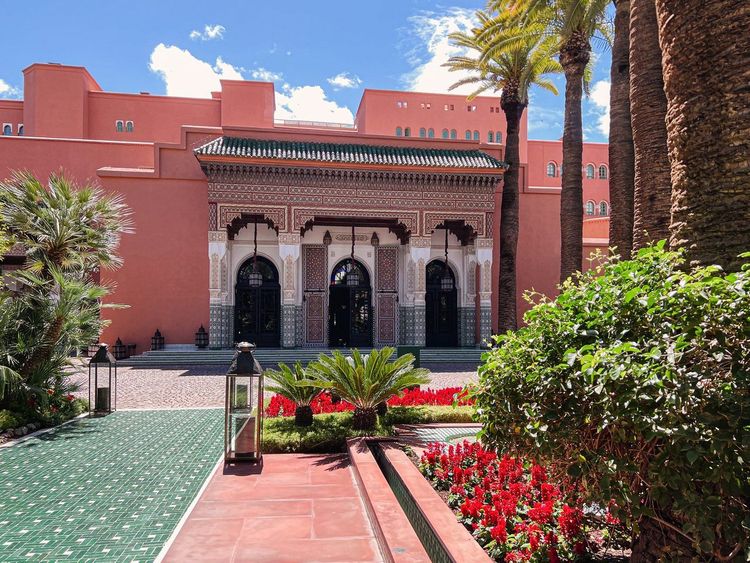
You can't freely pass through the gates of the private gardens of La Mamounia, one of Morocco's most legendary hotels, where Winston Churchill and Alfred Hitchcock once stayed. But the ochre rammed-earth perimeter walls, visible from Avenue Bab Jdid, and the tall palm trees rising above them already give an idea of the size of the park, given in the 18th century by Sultan Sidi Mohammed ben Abdallah to his son, Prince Moulay Mamoun, who left it his name.
The walk along the adjacent ramparts, in the shade of the same palm trees, remains open to all and pleasant at the end of the day, when the heat subsides and local joggers take over the avenue.
5. Explore the Mellah District, the Former Jewish Quarter
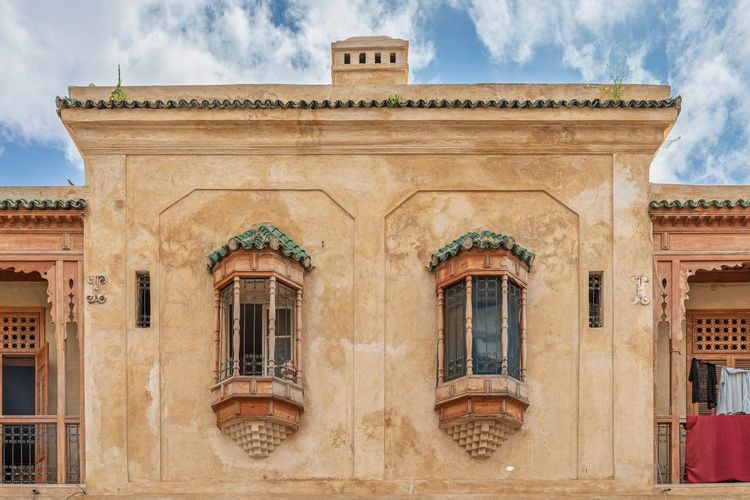
Founded in the 16th century under the Saadians, the Mellah was the district reserved for Marrakech's Jewish community, once one of the largest in Morocco with several thousand members before the waves of emigration in the 1950s and 1960s. Today largely inhabited by Muslim families, it keeps visible traces of this past: discreet synagogues, a Jewish cemetery (Miâara) and alleys narrower than those of the neighboring medina.
The Alleys and Spice Market of the Mellah
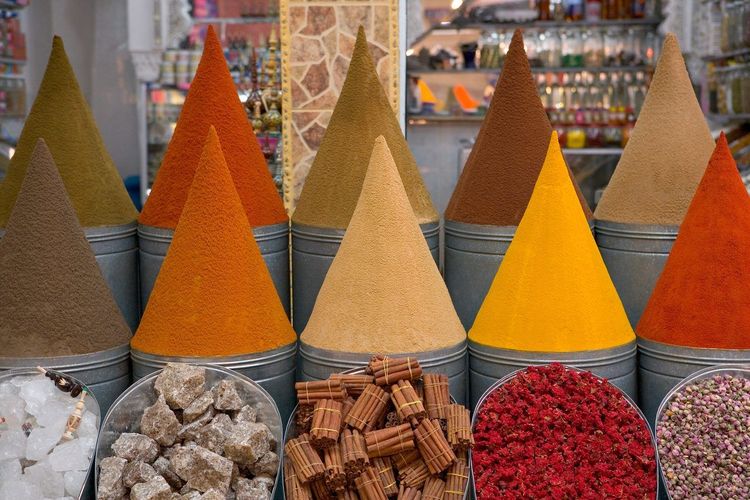
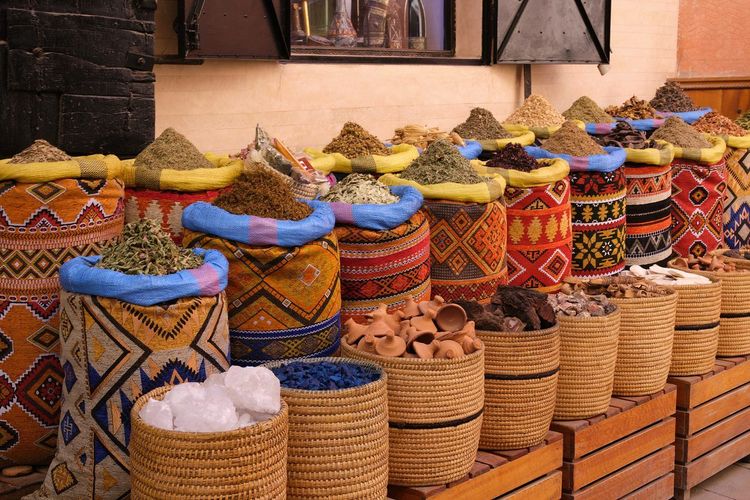
The Mellah spice market, less visited by tourist groups than the one in the medina, remains a good place to observe without buying: stalls of saffron, ras el hanout and loose olives, sold by the piece by merchants less pushy than elsewhere. The facades, lower and with balconies facing the street, reflect the district's specific architecture. The Lazama Synagogue (Slat al-Azama), still active, can be visited for 10 to 20 dirhams, in cash, every day except Saturday.
How to Get There on Foot From the Medina
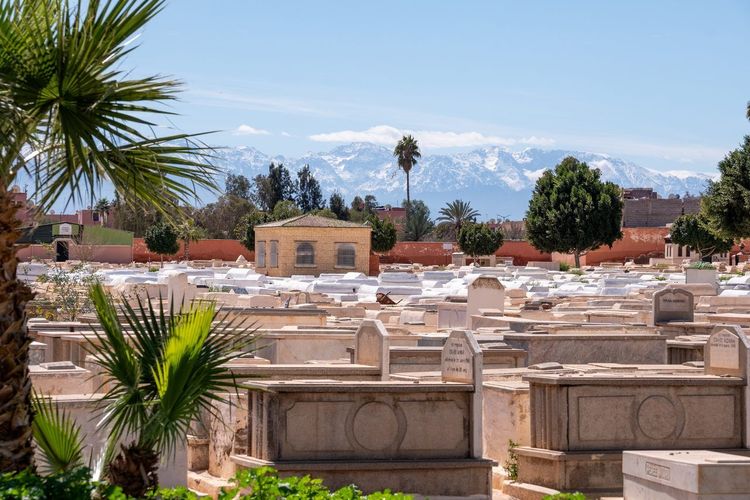
From the Bahia Palace, barely 5 minutes of walking separate you from the entrance to the Mellah, via Place des Ferblantiers. What is free: wandering the alleys, watching the market, looking at the facades. What is not: entry to the synagogue and to the Miâara Jewish cemetery, the largest in Morocco, where the caretaker asks for around ten dirhams. Both places close for Shabbat and Jewish holidays.
If you go that far, the Ryo audio guide takes over with the history of this community and its former spice market, far from the flows concentrated around the central square.
6. Walk Along the Ramparts and Explore the Kasbah
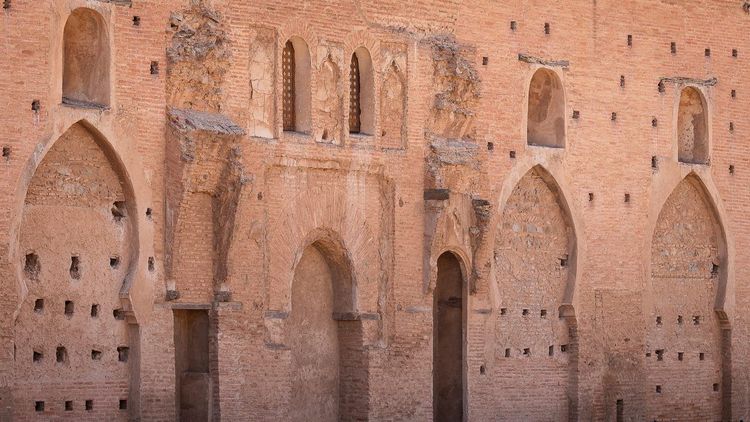
The Marrakech ramparts (Avenue de la Kasbah, 40000 Marrakech, rated 4.8/5 on Google from 140 reviews), built of rammed earth (tabia) from the 12th century under the Almoravids and then reinforced by the Almohads, stretch about 19 kilometers around the medina. Their characteristic ochre hue, which gives Marrakech its nickname of the "red city," comes from local clay mixed with lime, a know-how still used today for repairs. You can't walk on top of them, but the stroll along their base, especially between Bab Agnaou and Bab Berrima, lets you gauge the scale of the defensive structure and its regularly spaced square towers.
The Kasbah of Marrakech, a fortified district built at the end of the 12th century by the Almohad sultan Yacoub el-Mansour, once housed the royal garrison and the sovereign's palace. You enter freely through the monumental gate of Bab Agnaou, decorated with geometric motifs and calligraphic bands still legible despite eight centuries of wear. The Saadian Tombs, located inside the Kasbah, require a ticket, but the surroundings of the Kasbah Mosque and the district's alleys can be explored at no cost.
From Jemaa el-Fna Square, allow about 20 minutes on foot via Rue Bab Agnaou. The ideal is to arrive in the late afternoon, when the light grazes the walls and Marrakchi families come to stroll after prayer. About twenty historic gates pierce the ramparts, each with its own decorative style: Bab Doukkala, Bab el-Khemis or Bab Debbagh, near the tanneries, offer as many excuses for a photographic walk.
7. Admire Marrakech's Most Beautiful Palaces, Even Without a Ticket
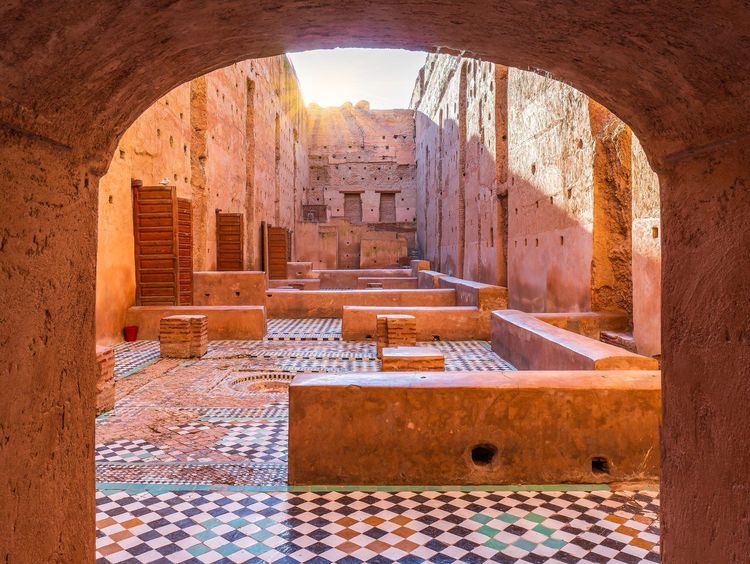
Marrakech's great palaces almost all follow the same rule: the surroundings and sometimes the access courtyards can be viewed freely, but entry to the state rooms, mosaics and carved ceilings, remains paid, around 100 dirhams for a foreign adult. Two places are worth the detour, even for a simple glance from the threshold.
The Bahia Palace and Its Gardens
Begun in the late 19th century by the grand vizier Si Moussa and then expanded by his son Ba Ahmed (Bahia means "the brilliant"), the Bahia Palace extends over nearly 8 hectares of courtyards, riads and interior gardens. From the main entrance, before the ticket check, you can already glimpse part of the gardens planted with orange trees and cypresses, as well as the first doors carved in Atlas cedar.
The ticket, 100 dirhams for an adult (50 for ages 7–13, free under 7), is worth it if you want to see the painted ceilings and colorful zelliges; the main portal and its surroundings, however, can be admired without spending a cent during opening hours.
The El Badi Palace and the Saadian Tombs
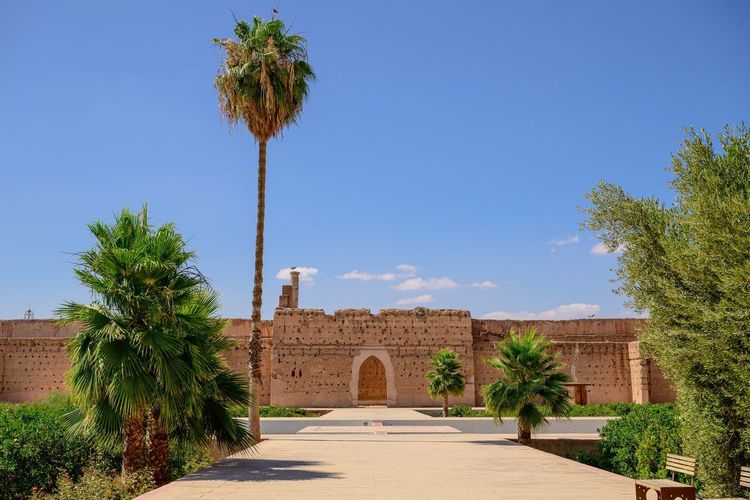
The El Badi Palace (Ksibat Nhass, 40000 Marrakech, rated 4.2/5 on Google from 11,352 reviews), built by the Saadian sultan Ahmed el-Mansour in the late 16th century to celebrate victory in the Battle of the Three Kings against the Portuguese, was largely dismantled a century later by the Alaouite sultan Moulay Ismaïl, who salvaged its precious materials for Meknes. All that remains are immense rammed-earth walls and a central basin, with stork nests perched on the walls that you can spot from Place des Ferblantiers.
The palace ruins long hosted the National Festival of Popular Arts of Marrakech, giving these walls a second cultural life, occasional and paid as well.
In front of both the Bahia and El Badi, the Ryo audio guide gives you in a few minutes the history of the Saadian sultans and the rivalry between dynasties that explains these spectacular ruins, enough to understand what you are looking at even without going through the ticket office.
8. Enjoy the Sunset From a Rooftop
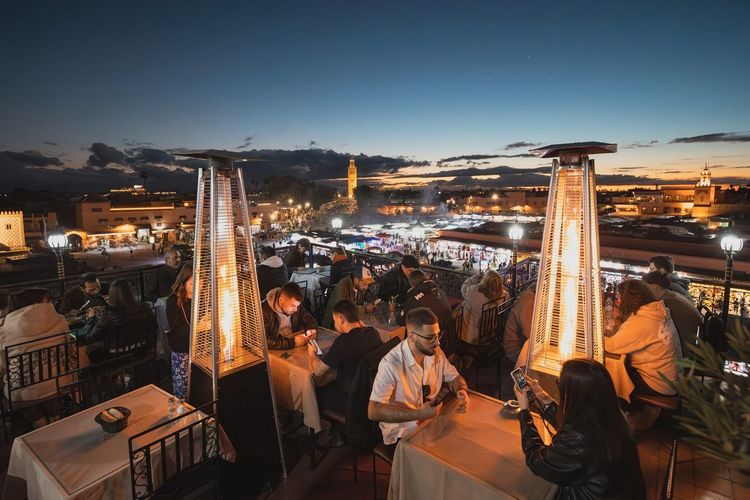
Most riads in the medina have a rooftop terrace, accessible to their guests even without a restaurant reservation. If you are staying in one, it's the simplest way to watch the sunset over the medina's flat ochre rooftops, with the Koutoubia minaret in silhouette and, on a clear day, the Atlas peaks in the background. The cafés lining Jemaa el-Fna Square also open their terraces for the price of a mint tea, rarely more than 20 to 30 dirhams.
The time to aim for is between 6:30 p.m. and 7:15 p.m. depending on the season, just before the square lights up with artificial lights. Arrive 20 minutes early to get a spot at the terrace edge, especially between March and May.
9. Picnic, Sketch or Shoot the City Like a Local
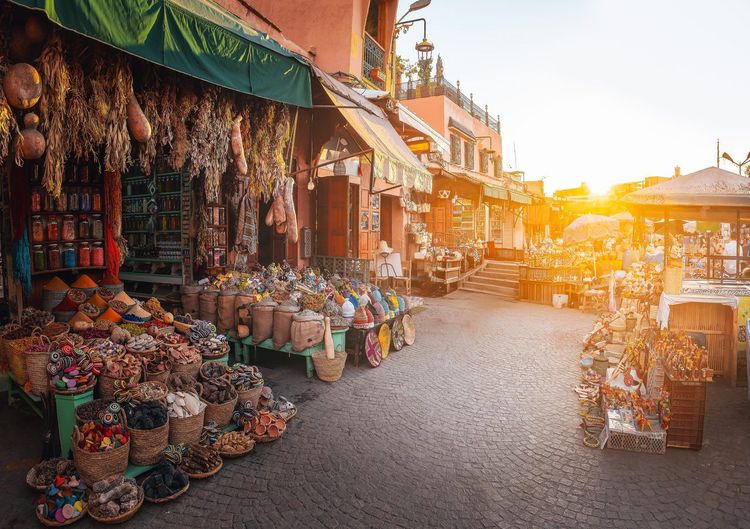
Beyond the monuments, Marrakech lends itself to creative activities that cost nothing and that few guides mention. The public parks, the colorful alleys of the medina and the modern Gueliz district offer three different playgrounds for anyone who wants to picnic, draw, photograph or simply observe the city with the eyes of a local rather than a hurried tourist.
Having a Picnic in a Park or Public Garden
The Cyber Parc, the Menara Gardens and Lalla Hasna Park, inaugurated in 2002 at the foot of the Koutoubia and five minutes from Jemaa el-Fna, are all suitable for picnics. Neighborhood grocery shops (hanout) sell fresh bread, olives, local goat cheese and fruit juice for a few dirhams, plenty to put together a simple meal to share on a bench or a shaded lawn. Just avoid bringing alcohol, which is consumed only in licensed establishments, and leave the benches to families on Friday, a day of rest.
The street vendors who walk around these parks also sell roasted sunflower seeds and peanuts, a very local habit to go with a break in the shade.
Sketching and Photo Sessions in the Medina
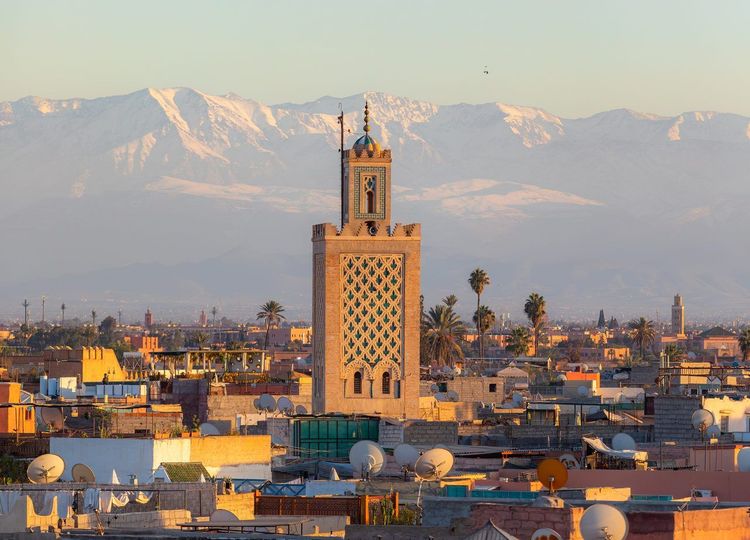
The alleys of the Mouassine district and the surroundings of Rahba Kedima Square offer particularly photogenic facades and play of light, with studded doors and lattices casting geometric shadows on the ground. To draw without attracting attention, elevated café terraces give a clear view over the rooftops and satellite dishes that characterize the medina. Always ask permission before photographing someone up close: a polite refusal should be respected, and a smile with a gesture is usually enough to get a yes.
The Mouassine fountain, from the 16th century, and the small square around it make a favorite sketching subject for travelers who carry a notebook and pencils, often more discreet than a camera.
Hunting for Sculptures and Street Art in Gueliz
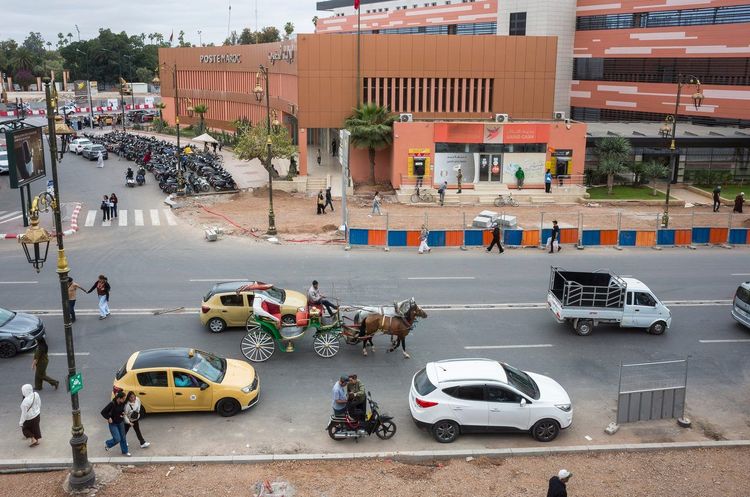
The Gueliz district, laid out by the French from 1913 as a new town, deliberately contrasts with the medina: wide avenues, Art Deco facades repainted in ochre and pink, and a few contemporary sculptures scattered across the roundabouts of Avenue Mohammed V. You will also find several contemporary Moroccan art galleries with free admission, notably around Rue de la Liberté, which regularly exhibit young artists from Casablanca and Marrakech. Street art, more discreet than in Casablanca, is mostly found on the side walls of alleys perpendicular to the main avenue.
Allow a good half day to cover Gueliz on foot, galleries and facades included, combining this outing with lunch in one of the avenue's cafés, where the price of a dish is noticeably lower than in the tourist medina. The Gueliz central market, less picturesque than the souks but just as lively, rounds out the walk to observe the shopping habits of the Marrakchis themselves.
10. Enjoy Local Experiences at Low Prices
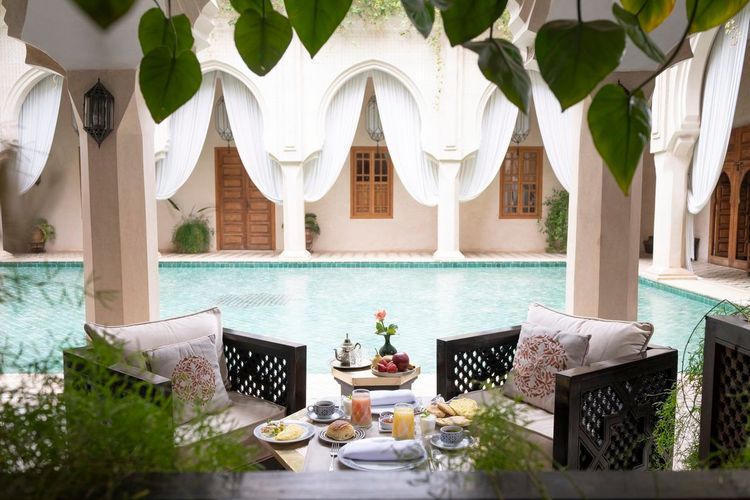
Some Marrakchi experiences aren't strictly free, but their cost is low enough to deserve a place here, since they take you beyond monument tourism. A neighborhood hammam, a street tagine or an introduction to crafts often costs less than a coffee on a terrace in a European capital.
Relaxing in a Traditional Hammam
Neighborhood hammams, not to be confused with riad spas that charge ten times more, operate for a few dozen dirhams admission (black soap and kessa exfoliating glove included or sold separately for a modest sum). Men and women enter separately, at times posted at the entrance. The experience, noisy and warm, far from the hushed silence of spas, remains one of the most authentic ways to understand a weekly ritual still practiced by a large share of Marrakchi families, often on Thursday or Friday.
Tasting Street Food and Neighborhood Tagines
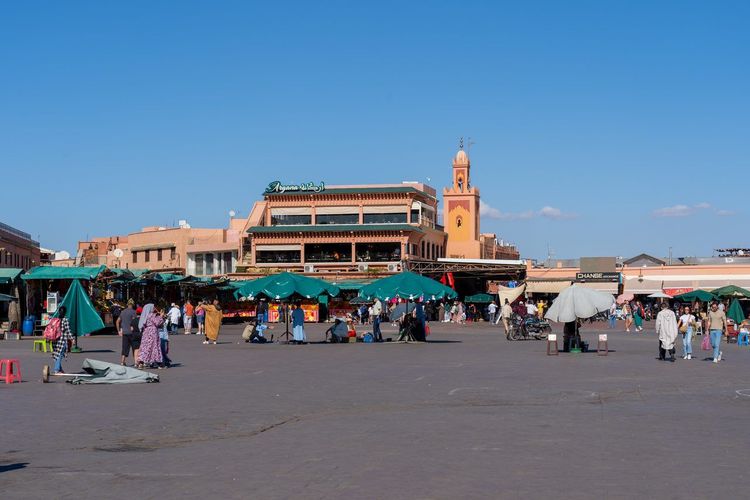
On Jemaa el-Fna Square as in the residential neighborhoods, stalls offer skewers, harira soup, snails in spicy broth or pressed juices for the equivalent of one to three euros. The popular eateries of Gueliz or the Sidi Youssef Ben Ali district serve tagines simmered all day for less than five euros, far from the tourist menus displayed near the monuments. Msemen, flaky pancakes sold hot in the early morning, complete a local breakfast for a few dirhams.
Taking an Introduction to Moroccan Crafts
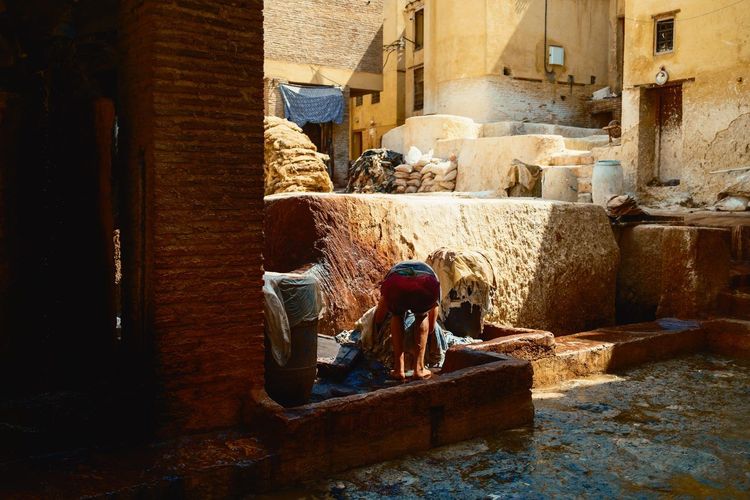
Several pottery, weaving or leatherwork cooperatives on the edge of the medina offer demonstrations open to all, followed by short paid workshops, generally between 10 and 20 euros per hour. Simply watching the craftsmen in their stalls, without going to the workshop, commits you to nothing and already lets you understand gestures passed down for generations, notably leatherwork or the weaving of Berber carpets, whose patterns often tell the story of a tribe or a specific region of the Atlas.
Attending a Traditional Music Performance
Gnaoua music, inherited from the sub-Saharan populations brought to Morocco, is played spontaneously on Jemaa el-Fna Square to the sound of the guembri (three-string lute) and the qraqeb (metal castanets), but also during small improvised concerts in some cafés of the Kasbah district. For a more unusual experience, some guesthouses organize evenings around perfume, oud or pottery, sometimes combined with a bike ride or, for the most adventurous, a hot-air balloon flight at sunrise over the Palmeraie.
11. Escape to the Marrakech Palmeraie
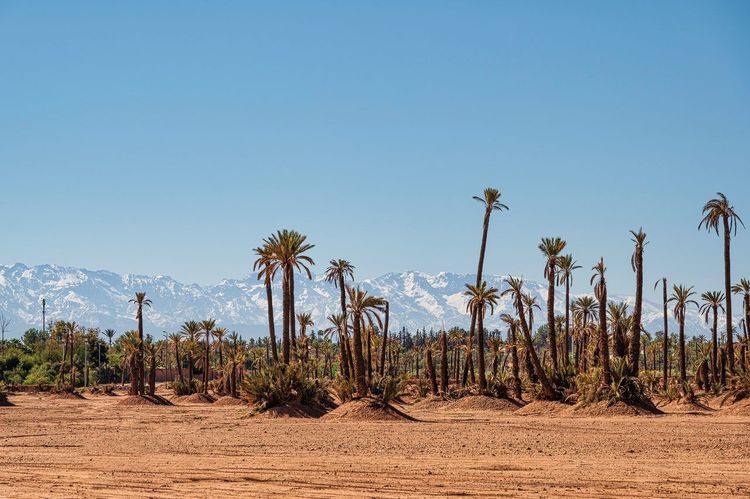
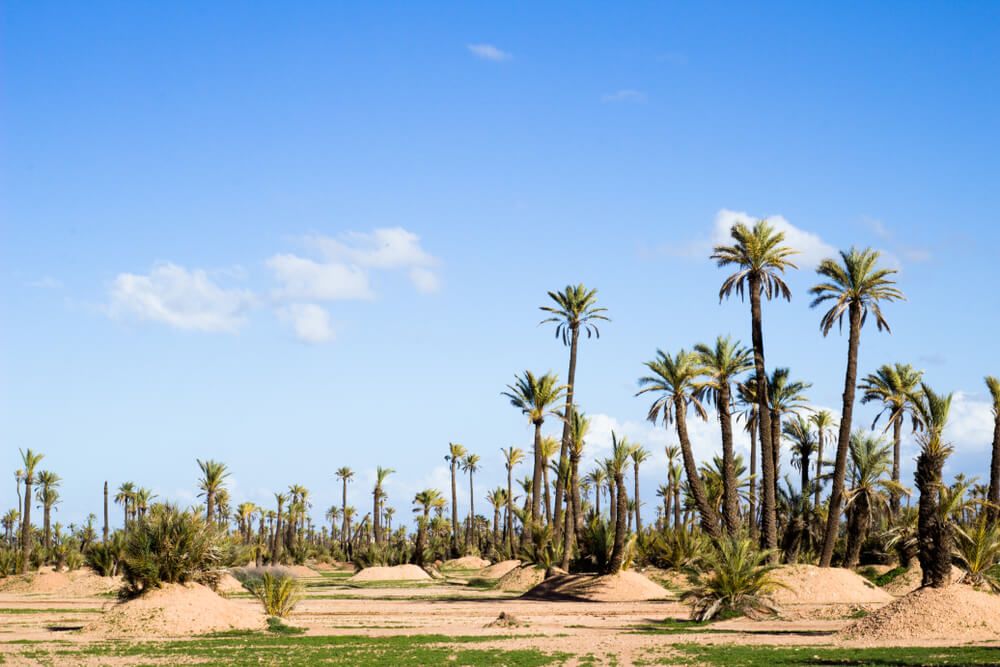
About twenty minutes by road north of the medina, the Marrakech Palmeraie (Route de la Palmeraie, 40000 Marrakech, rated 4.1/5 on Google from 111 reviews) gathers more than 100,000 date palms planted, according to legend, from the pits thrown away by Almoravid soldiers in the 11th century. Today largely nibbled away by villas and luxury hotel complexes, it still retains dirt tracks where you can walk without paying anything, among plantations still in use.
Renting a bike or a quad costs money, as do the golf courses that occupy part of the area. For a no-cost outing, opt for a morning walk on the paths near the Route de Fès, before 9 a.m., when the heat is still bearable and the dromedaries of some farms begin their day. Without a car, a petit taxi from Bab Doukkala remains the simplest option: insist on the meter or agree on the price before getting in.
12. Take a Low-Cost Excursion Around the City
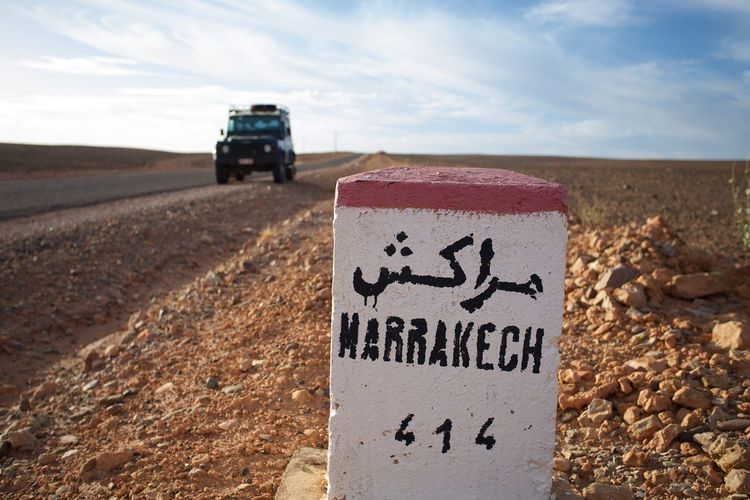
Two day trips, very popular from Marrakech, let you escape the heat and dust of the city. Access to the natural sites themselves costs nothing or almost nothing; only transport and extras (mules, local guides, life vests) push up the bill.
The Ourika Valley, Hikes and Waterfalls
About thirty kilometers south of Marrakech, on the road to the Atlas, the Ourika Valley runs along a river lined with Berber villages and cultivated terraces. The hike to the seven waterfalls of Setti Fatma, at the end of the valley about 65 kilometers from the city, will cost you nothing if you follow the trail yourself; only the company of a local guide or the hire of a mule, often offered at the village departure point, is paid, between 50 and 100 dirhams depending on the negotiation.
The Ouzoud Falls, the Highest in Morocco
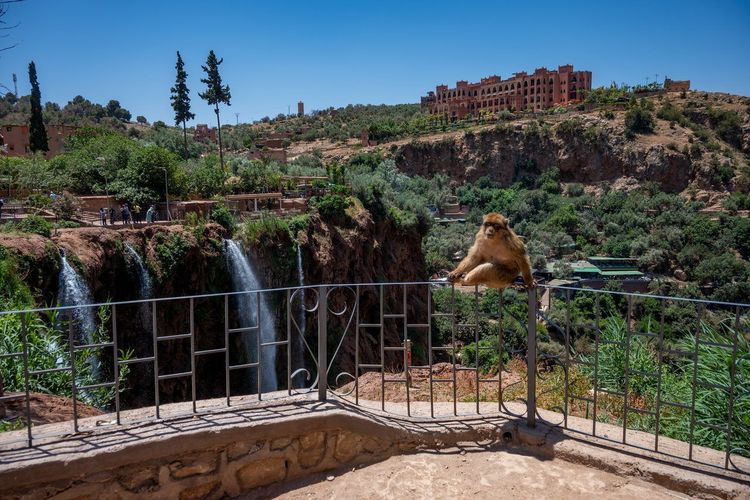
Farther away, about 150 kilometers northeast of Marrakech near Azilal, the Ouzoud Falls (Tanaghmeilt, 22220 Azilal, rated 4.6/5 on Google from 20,311 reviews) drop some 110 meters, making them the highest in Morocco. Access to the site and the viewing trails is free; only the boat crossing at the foot of the falls or the rental of life vests involves a small expense. Families of Barbary macaques, used to human presence, often show up in the surrounding trees: don't feed them, you'll see them anyway.
Allow about 3 hours of travel each way from Marrakech: a shared transfer generally costs less than a private taxi, to be booked the day before through your riad. Bring closed shoes for the slippery trails near the falls, especially in spring when the flow of the wadi increases.
13. What to Do in Marrakech With Family or in the Rain
Rainy days, rare but possible between November and March, and family visits with young children call for a plan B away from crowded squares and prolonged walking under the sun. Indoor museums and a few suitable activities meet both constraints.
Museums to Visit on Rainy Days
The Marrakech Museum, housed in the late 19th-century Dar Menebhi Palace (Place Ben Youssef, 40000 Marrakech), displays decorative arts and ancient manuscripts around a large covered patio, overlooked by a monumental chandelier, for a modest ticket.
The Dar Si Said Museum, dedicated to Moroccan decorative arts and weaving (carpets, Berber jewelry, carved doors), occupies a 19th-century palace in the Riad Zitoun district, very close to the Bahia. The Yves Saint Laurent Museum (Rue Yves Saint Laurent, 40000 Marrakech, rated 4/5 on Google from 5,927 reviews), more recent and more expensive (140 dirhams), traces the link between the couturier and Marrakech, where he regularly stayed from 1966, right next to the Majorelle Garden.
These three museums are all paid, but their tickets, between roughly 5 and 14 euros depending on the site, remain reasonable compared with European standards and make a logical fallback on a rainy day or during the hottest hours.
Activities Suited to Children
For your children, Jemaa el-Fna Square works almost like a life-size street show, as long as you keep your distance from the animals used for photos, often mistreated and discouraged by animal protection associations. The Menara Gardens and the Cyber Parc offer spaces to run and picnic away from traffic. For a more active outing, some equestrian farms in the Palmeraie offer pony rides for the little ones at a moderate price, and a traditional horse-drawn carriage makes for a welcome break when legs get tired.
14. How Much Time and What Budget to Plan for Visiting Marrakech Without Breaking the Bank
Two full days are enough to cover most of the free activities described here: Jemaa el-Fna Square, the souks, the Koutoubia, a public garden and a palace seen from the outside. Three to four days let you add the Mellah, the Kasbah, Gueliz and a day trip to the Ourika or Ouzoud. Beyond that, the pace naturally slows: Marrakech is also savored by doing nothing, seated on a terrace, watching the city live.
The clarity of the morning, between 8 a.m. and 11 a.m., suits photography and architectural visits, before the heat and the crowds. The energy of the evening, from 5 p.m., better suits the atmosphere of the square and the souks. In between, the midday break, often very hot from April to September, lends itself to a siesta on a terrace or a museum visit.
As for budget, you can limit your daily spending to simple lodging, a few street meals and one or two occasional tickets, the rest of the day costing nothing. To keep up this pace without a taxi or a paid guide, the Ryo audio guided tour of Marrakech links the stops on foot, one after another, and lets you move at your own pace.
15. Our Tips for Traveling Responsibly and Scam-Free in Marrakech
Responsible tourism in Marrakech starts with small reflexes: favoring neighborhood shops rather than commission-based boutiques that pass part of the sale on to the tout who brought you there, refusing photos with wild animals (monkeys, snakes) used on the street, and bargaining with moderation rather than to excess, keeping in mind the gap in purchasing power between visitors and vendors.
To avoid fake guides, remember that an accredited professional always wears an official badge and never approaches you spontaneously in the street. In the souks, don't answer a price question if you don't intend to buy, and decline any insistence firmly but politely: it almost always stops as soon as you keep walking without stopping. Clothing that covers shoulders and knees, while not mandatory outside places of worship, is appreciated in the more traditional districts such as the Mellah or the Kasbah.



FAQ
Is Jemaa el-Fna Square really free to visit?
Yes, walking around the square and watching the storytellers, musicians and snake charmers from a reasonable distance costs nothing. Only direct interaction, such as a photo with an animal or listening up close to a storyteller, leads to a request for payment, often between 10 and 50 dirhams.
Do you have to pay to walk through the souks of Marrakech?
No, walking through the souks and looking at the stalls costs nothing, as long as you don't answer questions about prices if you don't intend to buy. The sales pressure, sometimes insistent, simply calls for a certain polite firmness.
Is the Majorelle Garden free like the Menara Gardens?
No, the Majorelle Garden costs 170 dirhams for the garden alone, and the neighboring Yves Saint Laurent Museum costs another 140 dirhams, with online booking required. For a green stroll without a ticket, the Cyber Parc Arsat Moulay Abdeslam, half an hour's walk away, or the Menara Gardens make a very good alternative.
How many days should you plan to explore Marrakech without spending money?
Two full days are enough for the essentials: Jemaa el-Fna Square, the souks, the Koutoubia, a public garden and a palace seen from the outside. Three to four days let you add the Mellah, the Kasbah, Gueliz and an excursion to the Ourika Valley or the Ouzoud Falls.
What is the best time of day to enjoy the free activities?
Morning, between 8 a.m. and 11 a.m., is ideal for architectural visits and crowd-free photos. In the late afternoon, from 5 p.m., the atmosphere of the squares and souks becomes livelier, up to the peak crowds around 9 p.m.
How can you avoid being scammed by fake guides in Marrakech?
An accredited guide always wears an official badge and never approaches you spontaneously in the street. Politely decline any unsolicited offer, don't answer questions about prices if you don't intend to buy, and keep walking: the insistence almost always stops by itself.
Marrakech is not just a list of paid admissions. A large part of what makes the city unforgettable, the light on the ramparts, the improvised theater of Jemaa el-Fna, the calm of a public garden or the spice seller who offers a tea expecting nothing in return, appears on no ticket. It is often these details, more than the palaces, that stay in your memory after you return.
And if you would rather have the city told to you as you walk, the Ryo audio guided tour of Marrakech narrates the square, the souks and the public gardens at your own pace, with no booking and no guide to pay.
À lire également