
Créé par Romane, le 17 nov. 2026
Votre guide Ryo
Saumur, France
The Royal City of Horses
Parcours audioguidé pour visiter Saumur en 1 jour
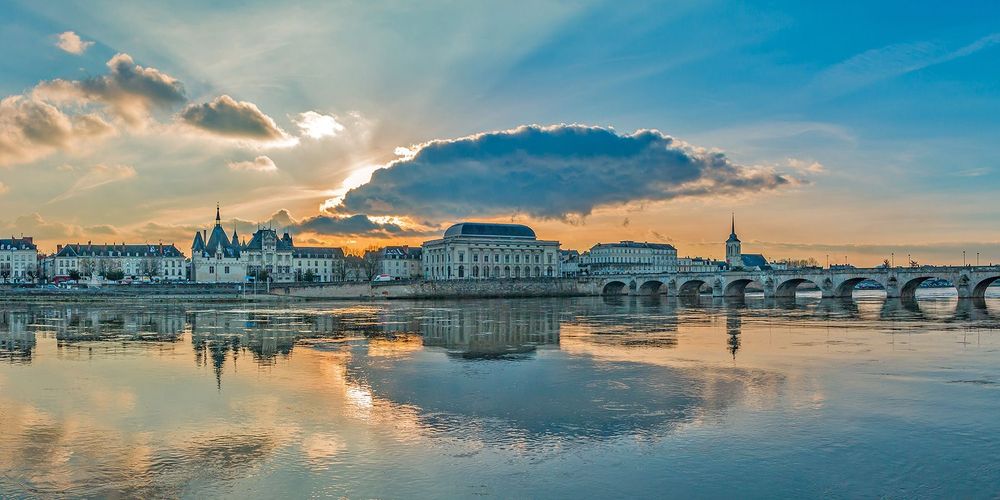
Dominated by its château, Saumur stretches between the Loire River and the surrounding hills in an elegant setting listed as a UNESCO World Heritage Site. With its heritage, vineyards, and the equestrian tradition of the Cadre Noir, the town blends history with the gentle lifestyle of the Loire Valley.
Quand partir à Saumur ?
Jan.
6°
11
Feb.
7°
9
March
10°
10
April
13°
10
May
17°
10
June
20°
8
July
23°
7
Aug.
23°
7
Sept.
20°
8
Oct.
15°
10
Nov.
10°
11
Dec.
7°
11
The climate in Saumur is oceanic with a slight continental influence, featuring cool but generally moderate winters, ranging from 2 to 10°C, and mild to warm summers, most often between 24 and 30°C, with possible peaks during heatwaves; the best times to visit are typically from April to June and then from September to October, when temperatures are pleasant, the landscapes of the Loire Valley are particularly beautiful, and conditions are ideal for enjoying the town, the Loire River, and the vineyards in a calmer atmosphere than at the height of summer.
Départ conseillé
No need to worry about where to begin! Our tours are designed as a loop, so you can jump in wherever you are. The navigation system and audioguide will automatically adjust to your location. However, if you happen to be nearby, we do have a preferred starting point: on Place Saint-Pierre
Parking à proximité
Parking Centr'Halles : 16 rue Dacier
In Saumur, several parking options are available to visitors depending on their needs. The Centr’Halles car park, located in the heart of the historic center, is ideal for exploring the city on foot, though it is paid and closed at night. Place de la République, opposite the Town Hall, also offers paid spaces in the orange zone—a regulated parking area with a maximum duration of 2 hours and 30 minutes (free on Sundays). For those visiting the château, the Château de Saumur car park provides direct access to the fortress and a beautiful view over the town. Finally, several free or long-term car parks, such as those on Quai Carnot or Place Beaurepaire, are located just a few minutes’ walk from the city center.
Découvrez 19 lieux d'intérêt pour visiter Saumur








What to see in Saumur on your 1h30 tour?
This 3.2 km loop takes about an hour and a half and links 17 sights. From Saint-Pierre square, at the foot of the castle, it crosses the Cavalry School quarter and its museum, reaches Place de la Bilange and the Town Hall, follows the banks of the Loire to the war memorial, then closes the loop at Place du Puits-Neuf. With the Ryo app in your ears, every church, square and tuffeau facade tells the story of this royal, equestrian town, at your own pace.
Information checked in November 2026 and subject to change.
1 - Saint-Pierre Church
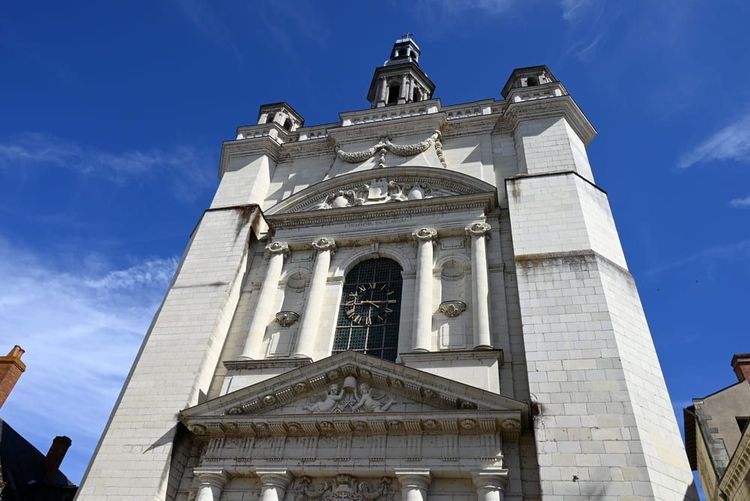
Standing before this church sharing its name with the square, notice it was raised on wooden piles sunk into what was then marshland, during the 12th and 13th centuries, hence its other name, Saint-Pierre-du-Marais. Once the marshes dried up, those foundations weakened, threatening the building; major recent works have since steadied it. White and Gothic, in the Plantagenet style typical of Anjou, it overlooks a lively square, animated by terraces for centuries.
Free entry
2 - Saumur Castle
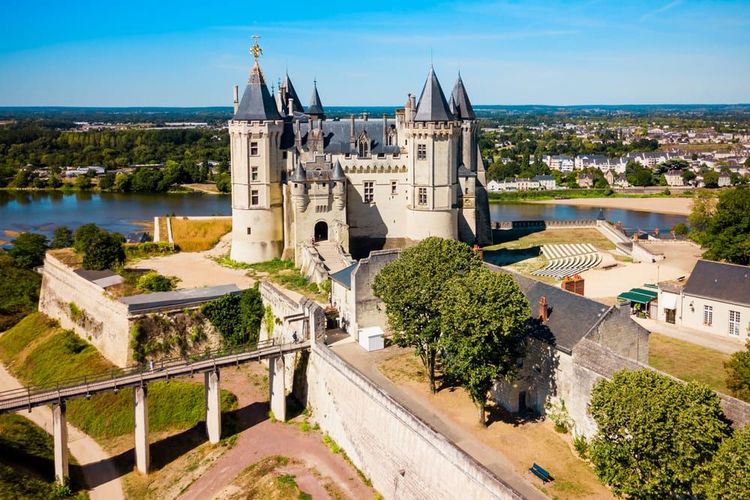
A thousand years of history show in these towers: a first stronghold around 968, a keep added by Foulques Nerra the following century, then a royal fortress under Philippe Auguste. But it was Duke Louis I of Anjou who, in the 14th century, gave the castle the fairy-tale look it still has: round towers turned octagonal, tall windows opening onto the valley. From below the ramparts, its silhouette remains one of the most photographed in the Loire Valley.
Paid entry (about €10) · Allow 1 h 30
3 - Saint-Pierre Market Halls
These somewhat sleepy halls could soon regain their shine: the town is considering turning them into Gourmet Halls, a warm showcase for local produce. Picture producers' stalls, a central café and cooking workshops bringing together craftspeople and visitors. All this would revive, just steps from the castle, the trading spirit that once filled the place, while introducing specialities like fouée, a little bread baked over an open wood fire.
Free entry · Best in the morning
4 - Grenetière Tower
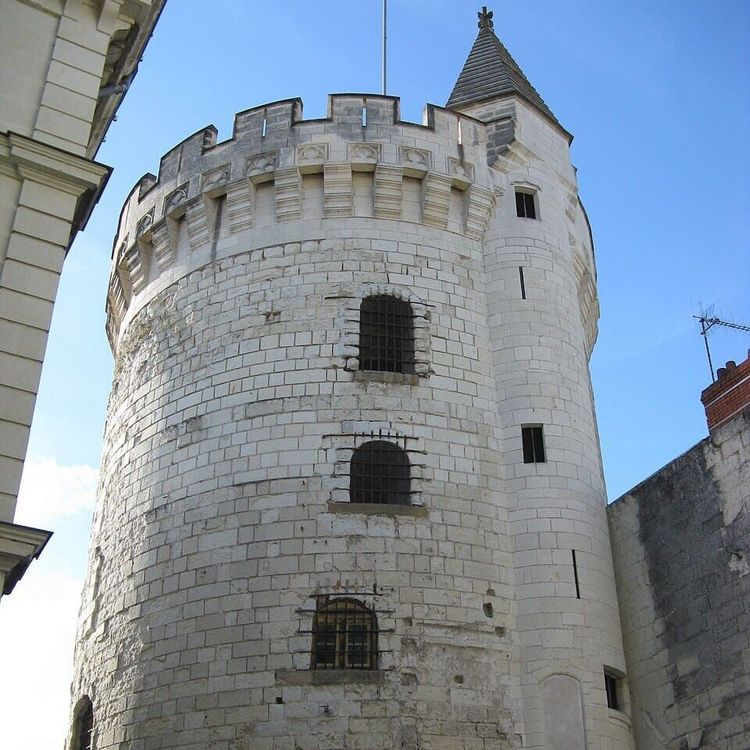
Spot its clover-shaped machicolations, typical of local architecture: this tower once guarded the road to Poitou, at the corner of the old town walls. Its name comes from a later use, as a wheat granary for the poor in the 17th century, before it served as a prison for salt smugglers by royal order. Long used as mere storage by the neighbouring barracks, it has been restored to its defensive look and now holds Historic Monument status.
Free to see from outside
5 - Temple of Saumur
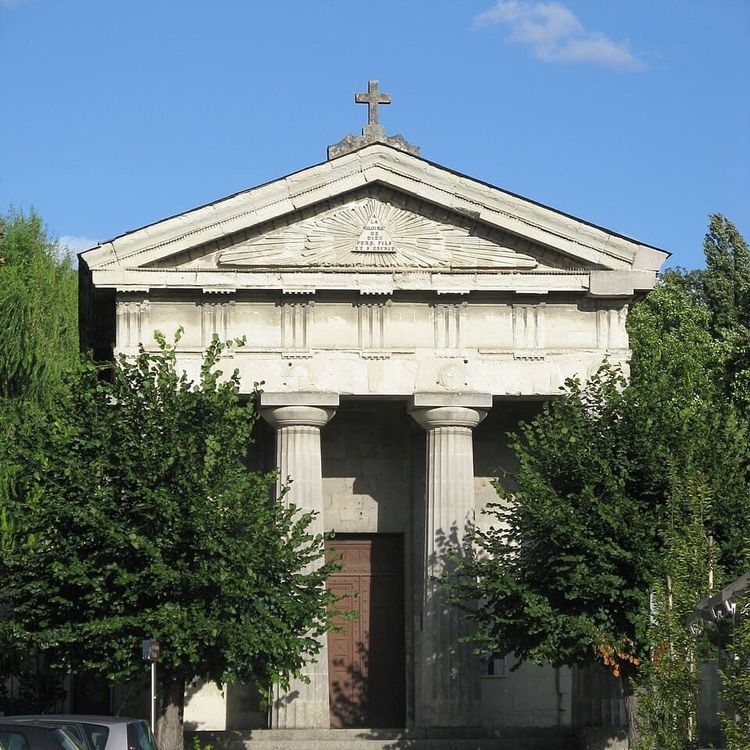
Four Doric columns and a plain pediment: this Protestant temple directly recalls the ancient architecture of Paestum. Saumur became a Huguenot stronghold under the future Henri IV, and an early temple here gave rise to an academy renowned across Europe. The revoking of the Edict of Nantes razed that building in 1685; it took until 1842 for a new one, designed by Charles Joly-Leterme, to give the reformed community a place of worship again.
Free entry
6 - Place du Petit Thouars
Its triangular shape sets this shopping square apart, built outside the old town walls. The statue standing here since 1933 honours a sailor born nearby in 1760, Aristide du Petit-Thouars, who died at 37 during a naval battle against the British after continuing to command his ship despite terrible wounds. His courage, still remembered nationally, earned him this tribute by sculptor Albert Jouanneault.
Free entry
7 - Saumur Auction House
Notice, on the corner of the square, this tuffeau building put up in the 1910s: its restraint recalls the institutional architecture of the Belle Époque, much like the nearby post office. Today, the Deloys-Ivoire firm holds the town's auctions here, where paintings, jewellery and old books change hands under the auctioneer's hammer. Valuation days and inventories keep alive a trade built around passing on old objects.
Free to see from outside
8 - Cavalry School
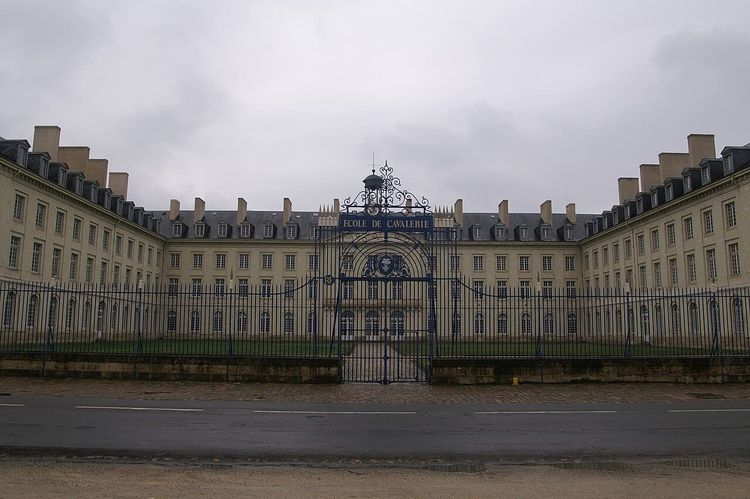
A small anecdote lies behind Saumur's equestrian calling: in 1763, a bishop in Angers, tired of unruly young royal carabineers, had them sent to this quiet town instead. What looked like exile almost accidentally created the great military training centre that, under the Empire and through the following century, became the world reference for horsemanship. From this school came the prestigious Cadre Noir, recognisable by its blue uniform.
Free to see from outside
9 - War Memorial of the Cavalry School of Saumur
On Place du Chardonnet, two stone centaurs lay a wreath on a tomb: this is the monument raised in 1925 in memory of the cavalrymen, vets and horses lost during the Great War. Commissioned for the whole of the French cavalry, it was created by Jacques Froment-Meurice, a sculptor who specialised in animal figures. The carved scenes around it, spahis and infantrymen alongside tanks and planes, trace the shift toward a war that had turned mechanical.
Free entry
10 - Cavalry Museum
Facing you, these former stables, built in the early 19th century, now house a museum unique in Europe: over a thousand square metres devoted to military horsemanship. It all began in 1936, through the tenacity of a passionate collector, Baron Barbet de Vaux, who spent his life gathering uniforms and memorabilia. From the Empire's cuirassiers to armoured cavalrymen, the visit spans six centuries of history inside this former barracks.
Paid entry (about €9)
11 - Church of Saint-Nicolas
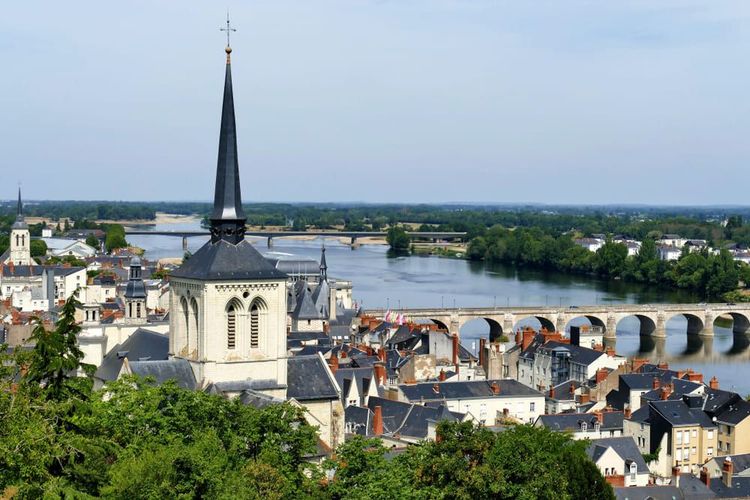
If this church looks oddly perched, that's because it was literally raised to escape floods from the Loire, which it long bordered: boatmen of old would come to pray here before setting off. Its oldest walls date back to the Middle Ages, while the current bell tower results from a rebuild led by a local architect in the 19th century. Inside, an old bell still rings beneath a Gothic vault bathed in light.
Free entry
12 - Place de la Bilange
A lively crossroads in the town centre, Place de la Bilange has for centuries linked the main shopping streets and served as a meeting point. Once lined with elegant arcades sheltering shops, now long gone, it recently gained a fresh look thanks to mosaic paving and contemporary furniture, like an open-air living room. Markets, concerts and flower parades punctuate local life here, and in the evening its lively terraces remind everyone that this square remains the beating heart of Saumur.
Free entry
13 - Saumur Theater
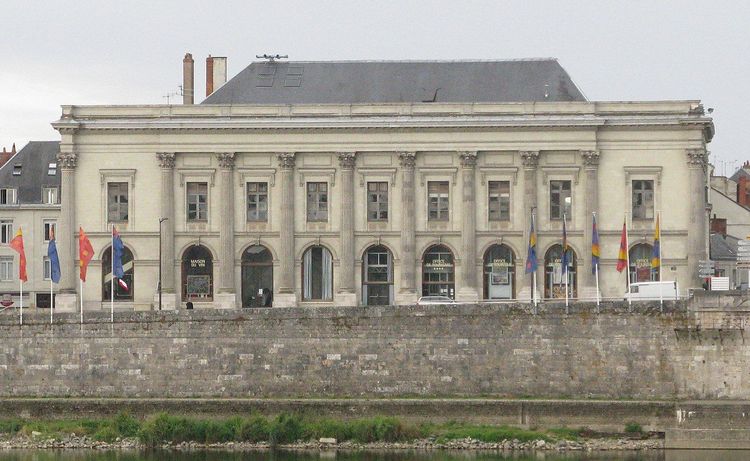
It's known as le Dôme: behind its classical columns hides an Italian-style hall ranking among the finest in western France. An earlier theatre, born in the 18th century thanks to local shareholders, gave way in the 1860s to the building seen today. Having served in turn as a cinema and then a cultural venue, this Historic Monument still hosts shows and concerts beneath its painted ceilings.
Free to see from outside
14 - Saumur’s City Hall
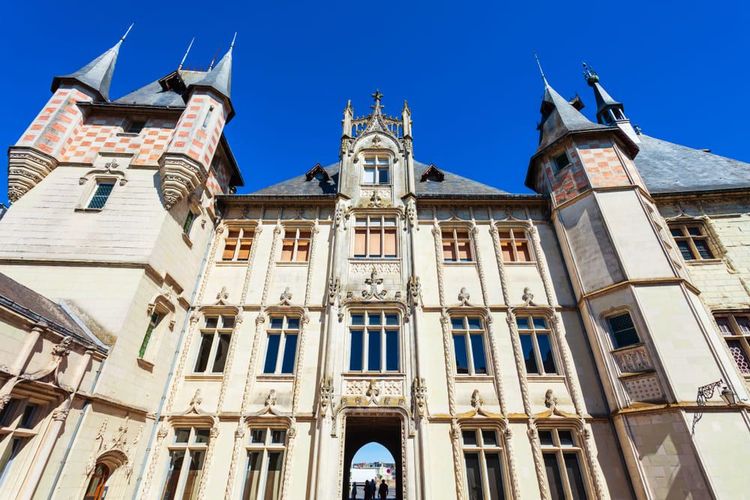
Don't be fooled by its town-hall look: this facade first belonged to a fortified house, raised on the town's ramparts at the close of the Middle Ages, which still shows thick walls and small defensive towers. Turned into the seat of local power the following century, it was enlarged in the 19th century by the same architect behind the theatre, in a neo-Gothic style blending pierced arches and carved gables.
Free to see from outside
15 - Banks of the Loire
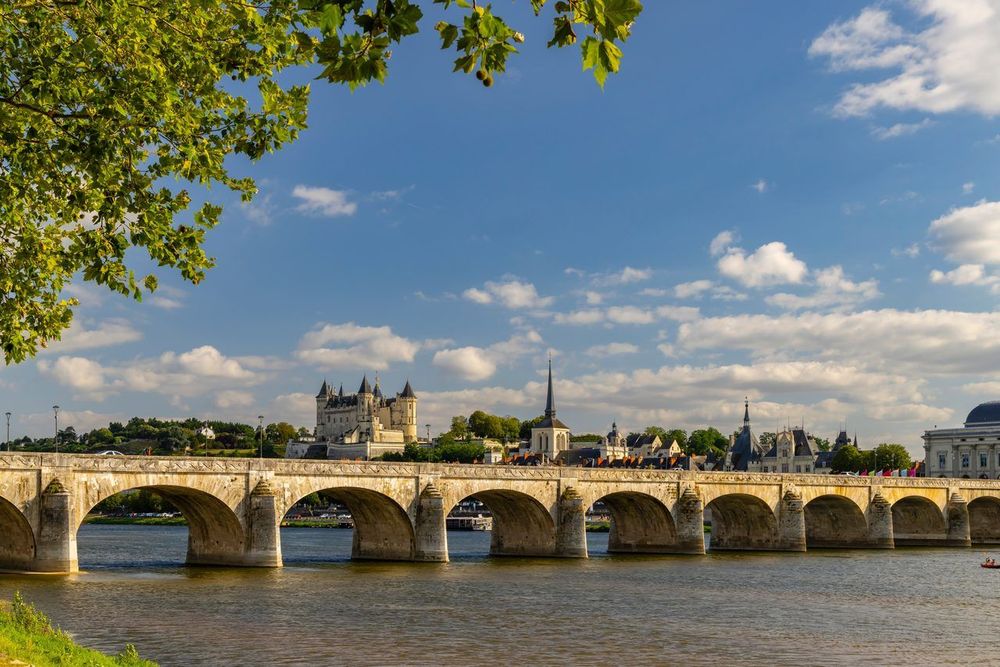
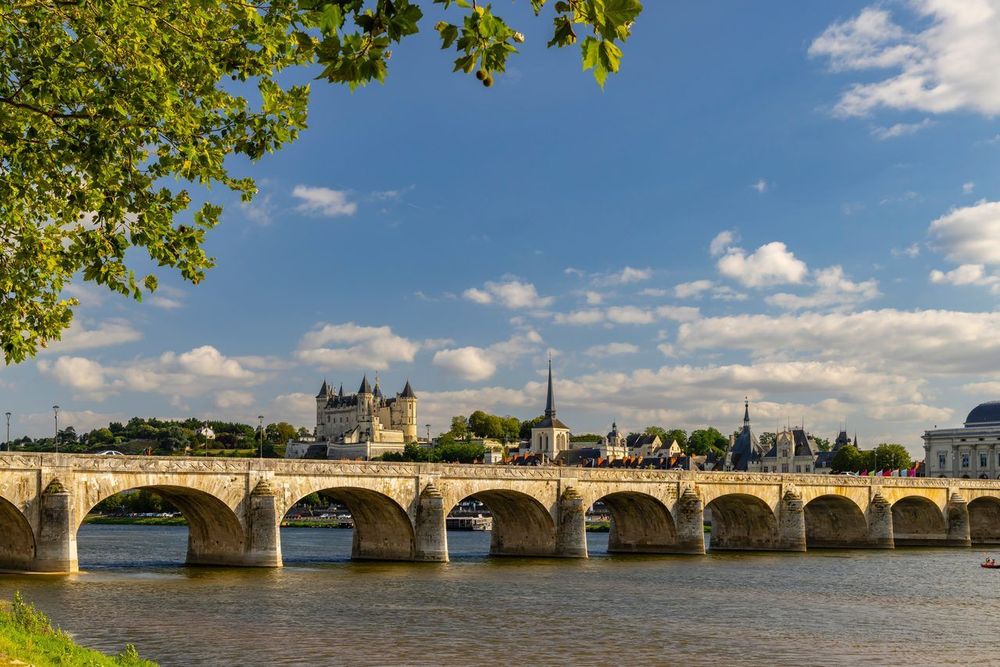
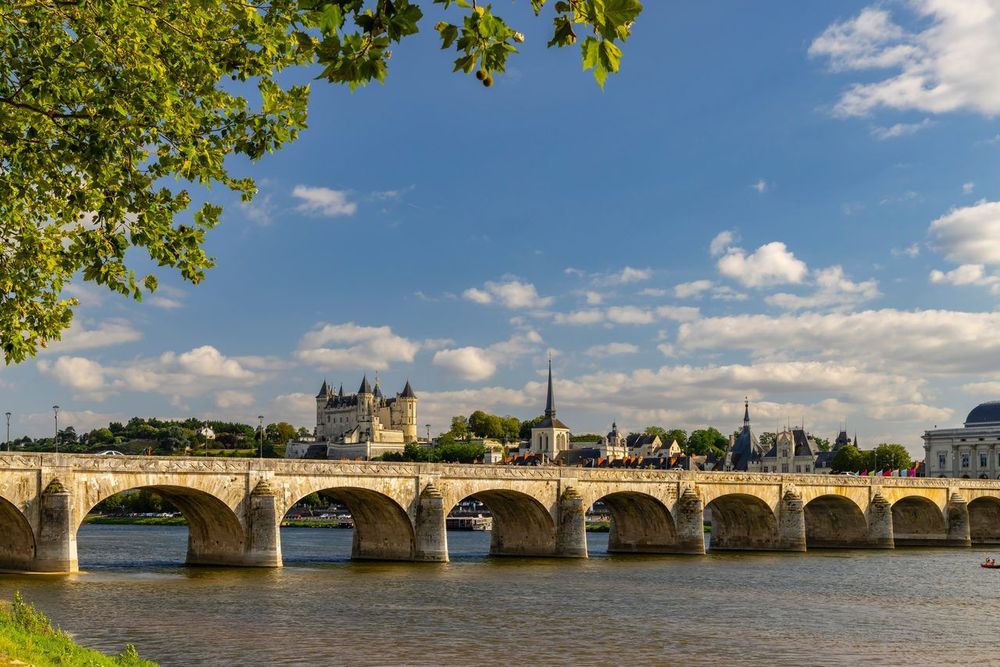
These quiet quays once buzzed with trade, as flat-bottomed boats loaded with stone, salt or wine drifted down the river toward other shores. The long stone bridge you can see was designed in the 18th century by a well-known engineer, then rebuilt exactly as before after suffering damage in the 1944 fighting. Across the water lies an island born of sandbanks, now a popular leisure spot.
Free entry · Best late in the day
16 - War Memorial
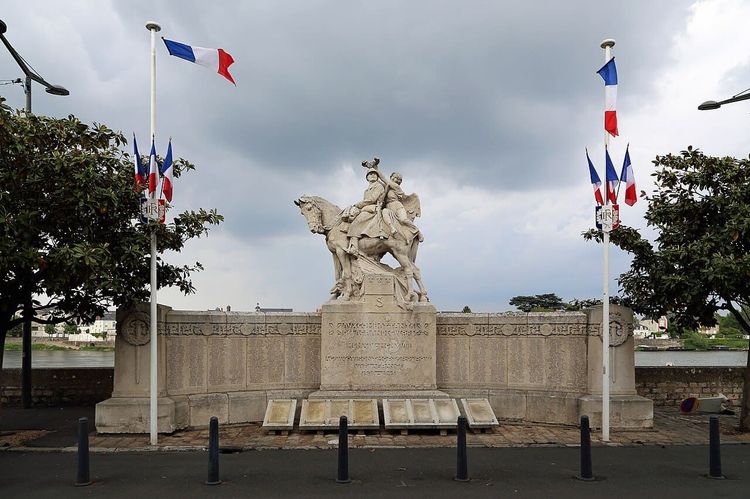
A galloping rider carrying Victory behind him: that is the striking image of this pale-stone monument, raised early in the last century to honour local residents who died for their country. The choice of a horse is no accident in a town shaped by its military riding tradition. Each year, two ceremonies bring together veterans and younger generations around the names carved into the base.
Free entry
17 - Place du Puits-Neuf
A village corner at the heart of town: this small square, framed by half-timbered houses and shaded by two lime trees, holds a fountain that once quenched the thirst of residents and horses alike. Fed by nearby springs, it remains a discreet, cherished landmark of the Saint-Jean quarter, once home to craftsmen. Visitors gladly pause here to enjoy its coolness and the gentle murmur of the water.
Free entry
What to do in Saumur in 2 or 3 days?
A morning is enough to cover the essentials of the royal town on this loop: 3.2 km and 17 sights in about an hour and a half, from Place Saint-Pierre to the banks of the Loire. With 2 or 3 days on hand, Saumur rewards a closer look, between castle, horses and troglodyte caves.
The next day, step inside the castle the route passes at stop 2, for its decorative arts collections and horse museum. Then head to Terrefort, about ten minutes by car, where the Cadre Noir stables can be seen on a guided tour from February to the end of October, before a sparkling-wine tasting in a cellar cut into the tuffeau, as detailed in our itinerary for visiting Saumur in 2 days.
The third day belongs to the tuffeau: in Turquant, houses and craft workshops nestle into the cliff, and in Rochemenier, farms dug into the rock, inhabited until the 20th century, can partly be visited as a museum. Our guide to free things to do in Saumur lists other ways to extend the stroll without spending a cent, from the Loire riverbanks to the Loire à Vélo cycle route.
Which neighbourhoods does the tour cross?
In one loop, the route links Saumur's royal old town to the Cavalry School quarter, the two faces of this royal and equestrian town, before coming back along the Loire.
It starts at Place Saint-Pierre, at the foot of the castle, where the church of the same name and the market halls open the walk (stops 1 to 3).
It then follows the old town walls past the Grenetière Tower and the Protestant Temple, reaches Place du Petit Thouars and the Auction House, then the Chardonnet quarter, home to the Cavalry School, its war memorial and the Cavalry Museum (stops 4 to 10).
The last stretch comes back past the Church of Saint-Nicolas and Place de la Bilange, follows the banks of the Loire to the War Memorial, then closes the loop at Place du Puits-Neuf (stops 11 to 17).
How much does it cost to visit Saumur?
Two of the walk's 17 stops charge admission: the castle, for its tapestries and horse museum, at €9.50, and the Cavalry Museum, at €9. The other 15 are free to enter or seen from the street, from Saint-Pierre Church to Place de la Bilange.
If you save the castle for another time, its esplanade stays free to access and already offers the view over the Loire. Our guide to free things to do in Saumur adds other outings with no ticket, as far as the troglodyte villages nearby.
Information checked in November 2026 and subject to change.
Where to stop for a bite along the tour?
The food stop comes right at the start, on Place Saint-Pierre (stops 1 to 3): its terraces invite you to share a drink, the market livens it up on Saturday mornings, and the town plans to turn its market halls into a food hall devoted to local flavours.
Try the fouée: a puffed-up bread baked in an oven cut straight into the rock, then split open and filled with rillettes, white beans or goat's cheese. The galipette, meanwhile, is a large stuffed and gratinated mushroom, grown in the same tuffeau galleries.
For something sweet, crémet d'Anjou, a cloud of whipped cream and egg whites, and pommes tapées, dried then hand-flattened apples, round off the meal; sparkling Crémant and Saumur-Champigny wine, on the other hand, are best tasted in the troglodyte cellars nearby, as our pick of the best things to do in Saumur explains.
What to do in Saumur with children?
Saumur works well as a family outing, between horses and tanks, even though the best experiences mean stepping a little outside the historic centre.
At Terrefort, about ten minutes from the centre, educational tours, from February to the end of October, take children into the stables of the National Riding School, for a close encounter with saddle horses. The Tank Museum, for its part, offers a reduced child rate and a family package to explore its tanks, including the only Tiger II still in running order anywhere in the world, as our guide to the best things to do in Saumur tells it.
What should you know before visiting Saumur?
Three stops on the route are places of worship still in regular use, which can occasionally tighten visiting hours.
Saint-Pierre Church, the Protestant Temple and the Church of Saint-Nicolas are open to visitors around their services: it is worth checking the hours before stopping by.
On Saturday mornings, the market livens up Place Saint-Pierre, the route's starting point: expect more people around the church.
What to see around Saumur?
Saumur makes a good base for ranging further into the Loire Valley, between a royal abbey and neighbouring towns with their own audio-guided walk.
Close by, the royal abbey of Fontevraud, resting place of the Plantagenets, makes a fine outing from Saumur.
Several neighbouring towns have their own audio-guided walk too: 43 km away, Angers pairs its Château des Ducs d'Anjou with the half-timbered houses of the Doutre quarter, while 60 km away, Tours combines a Gothic cathedral with Place Plumereau. A little further, Poitiers, 82 km away, unveils the stone lacework of the Notre-Dame-la-Grande church, between hanging gardens and medieval palaces, and Le Mans, 86 km away, keeps its ancient ramparts around a monumental cathedral.
What's on in Saumur right now?
As the year draws to a close, the Château-Musée de Saumur dresses up for the festive season.
From 5 to 31 December, 'Les Contes de notre enfance' dresses the castle in fairy-tale decorations, with a trail themed on childhood tales. In town, our pick of Saumur's Christmas markets covers the town market on Place de la Bilange, which the route crosses, open from 9 to 24 December, as well as the troglodyte markets nearby.
Information checked in November 2026 and subject to change.
Saumur fait partie d'un Road trip

Le plein d'inspirations
Explorez le monde en totale liberté, à pied au cœur des villes ou au fil des routes. Nos guides audios transforment chaque destination en une découverte culturelle immersive et unique.









FAQ for visiting Saumur
When is the best time to visit Saumur?
The ideal time to discover Saumur runs from April to June, then from September to October. During these months, you will enjoy pleasant temperatures and particularly beautiful Loire landscapes, with a calmer atmosphere than in high summer. Spring offers lush nature and awakening vineyards, while autumn dresses the region in magnificent golden colours. Summer remains pleasant, with temperatures generally between 24 and 30°C, but tourist crowds are larger. Winter, cooler with temperatures between 2 and 10°C, keeps its charm for lovers of more intimate atmospheres, even though some sites may have reduced opening hours.
How many days do you need to visit Saumur?
Two to three days is the ideal length of time to explore Saumur and its treasures. Over a weekend, you will have time to visit the iconic château, stroll through the historic centre, discover the equestrian tradition of the Cadre Noir and get a taste of Loire wines during a tasting. With an extra day, you can deepen your discovery by visiting the troglodyte sites nearby, cycling along the banks of the Loire or exploring more of the wine estates. If you have more time, the region offers many possible excursions to the neighbouring châteaux and the charming villages of the Loire Valley.
How do you get to Saumur from Paris?
The train is the most convenient way to reach Saumur from Paris. Direct trains connect Gare Montparnasse to Saumur in about two hours, with several daily departures. You can also opt for a journey with a connection in Angers or Tours, which offers more flexibility in the timetables. By car, allow about three hours via the A10 motorway then the A85, a pleasant journey through beautiful landscapes. Carpooling is an economical alternative, with regular departures from the capital. Once there, Saumur station is close to the city centre, easily accessible on foot or by local transport.
Where can you park in Saumur?
Parking in Saumur remains relatively easy with several options according to your needs. The city centre has well-located paid car parks, notably near the château and Place de la République, convenient for exploring the historic heart on foot. Free parking areas are found a little further out, generally less than fifteen minutes' walk from the main attractions. The banks of the Loire also offer parking spaces, particularly appreciated for their pleasant setting. In high season, favour an early morning arrival to easily find a spot. Many accommodations also offer their own parking, which can prove practical for a stay of several days.
What are the must-sees in Saumur?
The Château de Saumur, majestically perched on its promontory, is the city's emblematic monument with its panoramic views over the Loire. The visit to the Cadre Noir will immerse you in the excellence of the French equestrian tradition, while the lanes of the historic centre reveal beautiful old residences and the Saint-Pierre church. The troglodyte cellars and sparkling wine houses are worth exploring to understand the local wine heritage. The Ryo audioguide accompanies you in this discovery with a narrated route that links these major sites while revealing the anecdotes and history of this royal city. Do not forget to stroll along the banks of the Loire to fully appreciate the Loire atmosphere.
What can you do in Saumur when it rains?
On rainy days, Saumur offers many fascinating sheltered activities. The château offers covered exhibition rooms retracing the city's history and housing decorative arts collections. The city's museums, such as the Musée des Blindés, unique in Europe, or the Musée de la Cavalerie, are excellent cultural options. The troglodyte cellars and galleries offer an original experience sheltered from the weather, with tastings of local wines in an atypical setting. You can also enjoy the city centre shops, the cosy cafés or attend a performance at the theatre. The sparkling wine houses offer captivating guided tours that combine history and tasting in their underground cellars.
What can you visit around Saumur?
The surroundings of Saumur are full of wonders to explore. The Royal Abbey of Fontevraud, about twenty minutes away, impresses with its architecture and its thousand-year-old history. Troglodyte villages such as Rochemenier or Turquant offer a fascinating glimpse into homes carved into the tuffeau stone. The châteaux of Montsoreau and Brézé are worth the detour for their remarkable architecture and their unique features. The wine route takes you through the prestigious appellations of Saumur-Champigny and Coteaux de Saumur. For a nature getaway, the banks of the Loire lend themselves wonderfully to bike rides along the Loire à Vélo, with World Heritage landscapes that change with the seasons.
What is the Cadre Noir of Saumur?
The Cadre Noir is the body of riding masters of the national riding school, set on the Terrefort plateau a little outside the centre. Heir to a long French military tradition, it keeps alive an academic style of horsemanship listed as intangible cultural heritage of humanity, recognisable by its dark uniforms and its spectacular airs above the ground.
The site can be visited outside competition periods: you discover the vast indoor arenas, the stables and, on some days, a training session with the riding masters. Public displays and galas punctuate the warmer months, but seats go quickly. Book your visit ahead and plan how to get there, as the school stands some way from town.
How can you explore Saumur's vineyards and cave cellars?
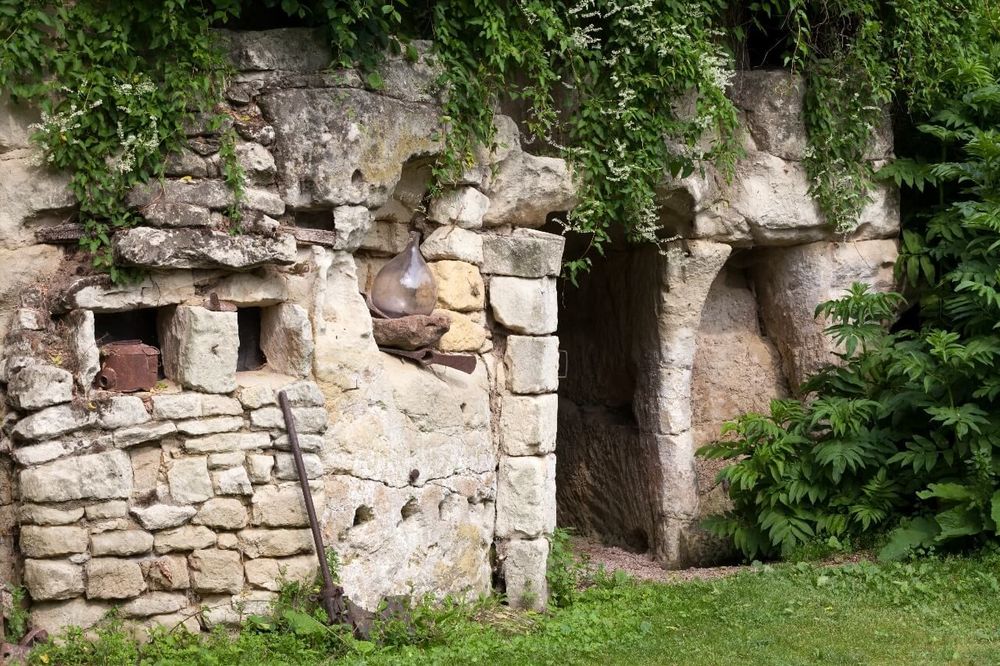
The ground beneath the region is riddled with galleries cut into tuffeau, the white stone used to build the Loire castles. The abandoned quarries have found a second life: they now shelter cellars where the sparkling wines of Saumur mature, but also mushroom farms and genuine cave dwellings that can be visited in the nearby villages.
As for the vineyards, the appellations are spread on both sides of the Loire, with the reds of Saumur-Champigny on the left-bank slopes and chenin whites almost everywhere. Many estates open their doors in season, often by appointment. Take a jumper: inside the galleries the temperature stays cool all year round.
Which walks can you take along the Loire in Saumur?
The Cessart bridge offers the finest postcard view of the town, with the white castle perched above the slate roofs. Crossing over to the Île d'Offard, you gain some distance and enjoy an open view of the river, especially beautiful late in the day when the stone turns golden. Sandbanks and side channels give the Loire its wild look here.
The cycle route that follows the river runs through the town and makes it easy to reach the winegrowing villages and cave sites, upstream or downstream, on almost flat paths. On foot, the centre can be covered in a morning, between the market hall, the church of Saint-Pierre and the climb up to the castle. The Ryo audio guide offers a dedicated route through Saumur linking these highlights.
What are the best things to do in Saumur over a weekend?
Start with the château, home to the Decorative Arts Museum and the Horse Museum (allow 1.5 to 2 hours), then watch a Cadre Noir training session in Saint-Hilaire-Saint-Florent on a weekday morning. Beneath the hillsides, cellars carved into the tufa stone stay at 12 °C all year round: at Louis de Grenelle or Ackerman, a tour with tasting costs 10 to 15 €. From May to September, a two-hour kayak trip on the Loire shows you the château from a completely different angle.
Find every idea and price in our guide to the best activities in and around Saumur.
What is the best itinerary for visiting Saumur in two days?
On day one, climb up to Saumur castle for the panorama over the Loire, take the guided tour of the Cadre Noir stables, stroll around place Saint-Pierre with its half-timbered houses, then taste a crémant in a cellar carved into tuffeau stone. End the day on the Loire embankments at sunset.
On day two, set aside half a day for the Royal Abbey of Fontevraud, the Plantagenet necropolis about twenty minutes away, and head underground at Rochemenier, a troglodyte village inhabited until the 20th century.
Want to plan it all without pointless back-and-forth? Read our complete itinerary for visiting Saumur in 2 days.
What can you do for free in Saumur on a tight budget?
Saumur is easy to enjoy without spending a cent: wander the old town's half-timbered houses, soak up the castle esplanade at sunset and step into the Église Saint-Pierre, which is free to enter. Stroll the Loire quays, cycle the Loire à Vélo route or walk among the Saumur-Champigny vineyards.
The Saturday market and the troglodyte villages of Turquant and Rochemenier can also be explored freely. Note that some sites, such as the Bagneux dolmen or the Cadre Noir, charge an entrance fee.
Discover all 15 free experiences, and where free ends, in our guide to free activities in Saumur.
Where and when can you enjoy Christmas markets in Saumur and the surrounding area?
Saumur's Christmas market runs daily from 9 to 24 December on Place de la Bilange, with illuminated wooden chalets beneath the château. Entry is free and the whole historic centre can easily be explored on foot.
Other events nearby are worth adding: the Longué-Jumelles advent market on 28 and 29 November, the Maison Veuve Amiot market in its troglodyte cellars and the Doué-en-Anjou market on 5 and 6 December, Doué's Victorian Christmas on 12 and 13 December, and the new Allonnes market on 19 December.
Dates, venues and tips to plan your weekend: read our guide to Christmas markets in Anjou.
Vos commentaires, idées et suggestions
Aucun avis pour le moment