© Shutterstock
 Votre guide Ryo
Visit Saumur in 2 Days: Complete Itinerary for 2026
In Saumur, a gray horse can stop traffic in the middle of town while a Cadre Noir student rider walks back to the stables. Visiting Saumur in 2 days is more than enough to grasp the balance of this town of about 26,000 inhabitants, set between the Loire and its tuffeau hillsides, which has an almost intimate relationship with its horses, its vineyards and its white stone. You still need an itinerary that avoids pointless back-and-forth between the two banks. The Ryo audio-guided tour of Saumur follows exactly this kind of practical logic, linking the highlights of the royal city on foot without wasting time in transit.
In two days, you climb up to the château's wall walk for a panorama over the Loire, take a guided tour of the Cadre Noir stables, taste a crémant aged in a cellar carved straight into the tuffeau, then go underground at Rochemenier to discover a troglodyte village inhabited until the 20th century. The Royal Abbey of Fontevraud, the necropolis of the Plantagenets, closes the trip about twenty minutes away by road. In between, the old town lines up its half-timbered houses around Place Saint-Pierre, and the Loire quays offer a free break when the light fades.
Château de Saumur, Royal Fortress above the Loire
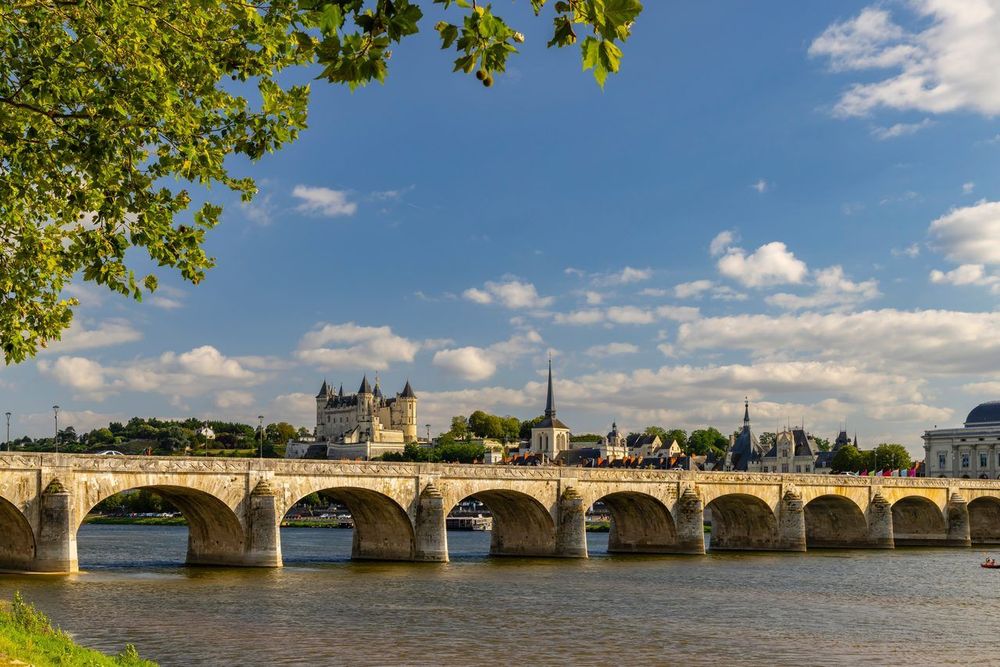
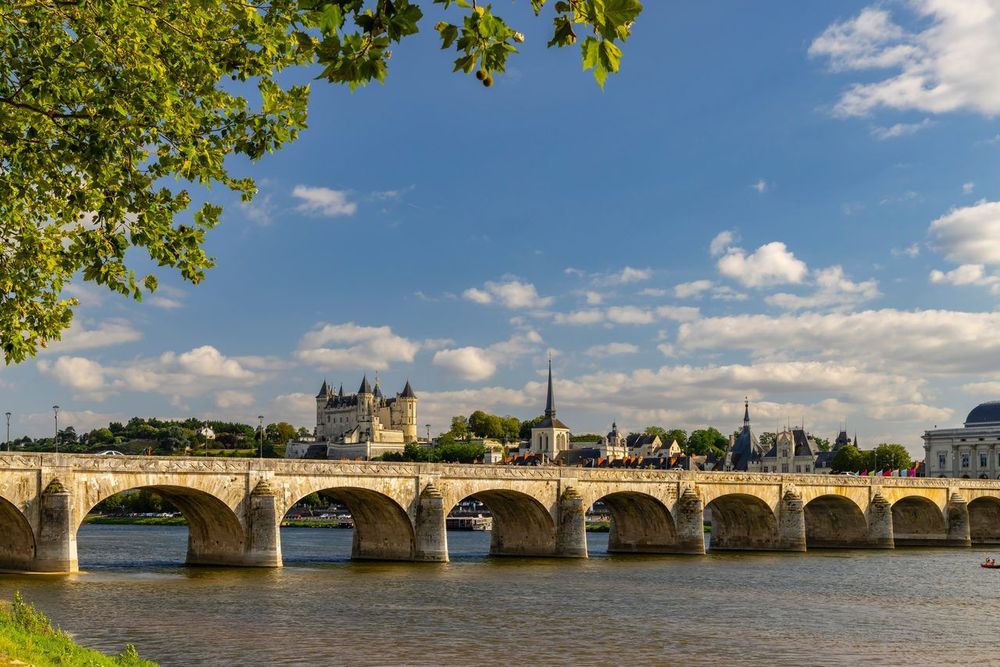
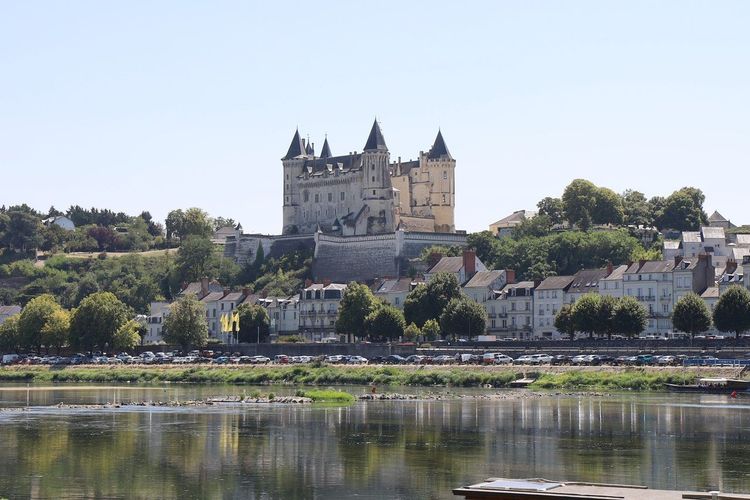
Perched on its rocky spur, the Château de Saumur (Montée du Château, 49400 Saumur, rated 4.3/5 on Google from 12,440 reviews) has watched over the town and the river since the Middle Ages. Louis I of Anjou transformed it in the 14th century into a princely residence with slender turrets, immortalized a few decades later in the September illumination of the Très Riches Heures du duc de Berry. From the quays, you will easily recognize this silhouette that has endured for more than six centuries.
Inside are two collections: a decorative arts museum (earthenware, tapestries, furniture) and a horse museum, a logical nod to the town's equestrian vocation. Allow 1.5 hours if you take the time to read the panels, less if you head straight for the wall walk. In 2026, the full-price ticket costs 9.50 euros (7 euros for ages 7-18, family pass at 26.50 euros). Outside July and August, the château is closed on Mondays, and from February to March and from October to December it closes between 1 pm and 2 pm.
From the ramparts, the view takes in the Loire, Offard Island and the slate roofs of the old town. It is one of the few places in Saumur where you instantly understand why the town long controlled the river crossing.
To miss nothing on the way up, the Ryo audio-guided sub-tour Royal and Equestrian City offers 18 audio stops over 1.5 hours and 3.2 km, designed to accompany the ascent from the old town to the château, with the story of the fortress's successive sieges at every turn.
The Cadre Noir of Saumur, Jewel of French Equestrian Art
The Cadre Noir de Saumur is the guardian of the French equestrian tradition, inscribed on UNESCO's Intangible Cultural Heritage of Humanity list in 2011. Its riders, recognizable by their black uniforms and bicorne hats, perpetuate the "airs above the ground" inherited from classical high-school riding: the courbette, the croupade, the capriole. There is nothing folkloric about it; each rider spends years earning this title within the École nationale d'équitation.
The history of the site goes back to the military cavalry. In 1763, the royal corps of Carabiniers settled in Saumur and had a vast riding hall built there. At the beginning of the 19th century, during the Restoration, a cavalry school took over to train officers for the entire army, and the corps of riding instructors, dressed in black, eventually gave the Cadre Noir its name. This dual origin, first military and then artistic, explains the almost monastic discipline that still reigns in the stables.
The site can only be visited with a guide. The standard tour (about 1 hour, 9 euros per adult in 2026, 7 euros for children under 12) takes you through the stables, the tack room and the main riding hall, from February to the end of October. On "Matinales" days, you watch the riders at work in the morning, and guided tours move to the afternoon. The galas, scheduled on a few dates during the year, feature the entire troupe: book them well in advance, especially in spring.
The site is located in Terrefort, in the Saint-Hilaire-Saint-Florent district, about ten minutes by car from the historic center. On the way, the Ryo audio-guided tour looks back at the arrival of the Carabiniers in 1763 and at how this military school was transformed, century after century, into a conservatory of French high-school riding.
Midday and Afternoon in Saumur's Town Center and Old Town
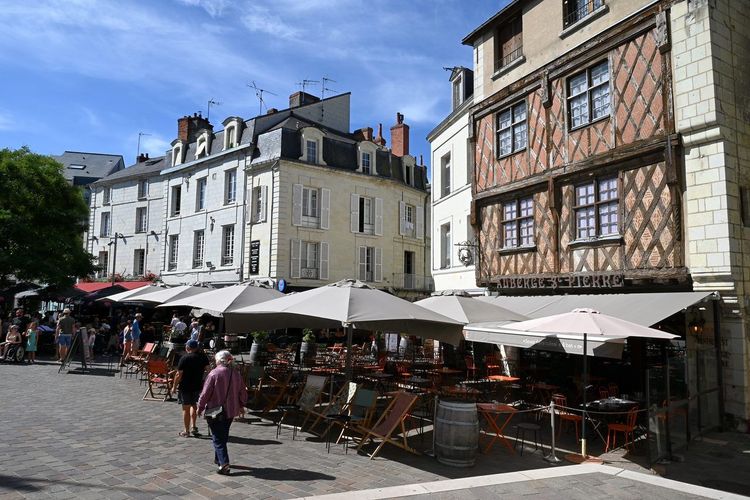
After a morning between the château and the Cadre Noir, head to the historic heart. Place Saint-Pierre (Place Saint-Pierre, 49400 Saumur, rated 4.5/5 on Google from 380 reviews) alone concentrates most of the scenery: half-timbered façades, café terraces and the Saint-Pierre Church, whose nave houses 16th-century tapestries devoted to the life of the apostle.
From there, cobbled lanes climb toward the fortress, lined with half-timbered houses, some of which date back to the 15th century. Look out for the Maison de la Reine de Sicile, one of the best-preserved façades in town. The whole district can be explored on foot, within a radius of less than a kilometer.
Visiting Saumur on foot is in fact the best option: distances between the main points of the historic center rarely exceed fifteen minutes of walking, and parking is limited in the city center. Allow half a day to cover the château and the old town without rushing.
Heading back down toward the Loire, Place de la Bilange opens onto the quays and the town hall, whose oldest part dates from the 16th century. This is where the shopping streets begin, useful if you are looking for a terrace for lunch.
If you prefer a guided immersion to wandering freely, the Ryo audio-guided tour describes these lanes step by step, along with the half-timbered houses and Place Saint-Pierre, with anecdotes about the merchants who lived here in the Middle Ages.
Local Tasting: Saumur-Champigny Wines and Troglodyte Cellars
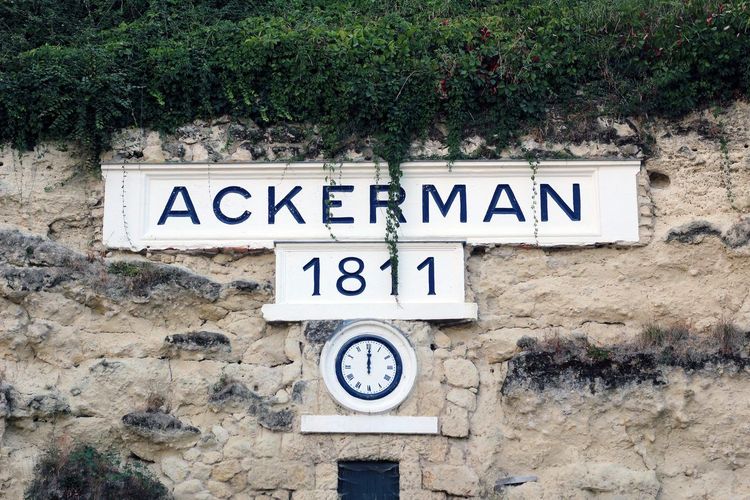
Saumur owes part of its reputation to its wines. Saumur-Champigny, a fruity red made from cabernet franc planted on the hillsides of the left bank, is best enjoyed chilled in summer. The sparkling wines, meanwhile, benefit from expertise developed in the 19th century in the cellars dug beneath the town, where the constant temperature of around 12 degrees allows aging without air conditioning.
These cellars are not mere anecdotal remains: the extraction of tuffeau to build châteaux and houses has carved kilometers of galleries beneath the hillsides over the centuries. Winemakers reclaimed this space to age their cuvées, a practice that continues for brut Saumur and Crémant de Loire, one of France's main crémants.
Several houses open their galleries to visitors, with a tasting included. The Caves Ackerman (Rue Léopold Palustre, 49400 Saumur, rated 4.5/5 on Google from 1,956 reviews), founded in 1811 in Saint-Hilaire-Saint-Florent, offer a tour through former tuffeau quarries turned into a cathedral of bottles, punctuated by contemporary art installations. Other nearby houses, such as Bouvet-Ladubay, play the same card of underground wine heritage, with tours generally priced between 8 and 15 euros depending on the option.
Coming as a couple? This is one of the most popular moments of a romantic weekend in Saumur: dim lighting, mineral silence and the ritual of the tasting. Book a late-morning slot to avoid afternoon groups in high season, and allow an hour and a half for the tour followed by two or three cuvées.
End of the Day along the Loire
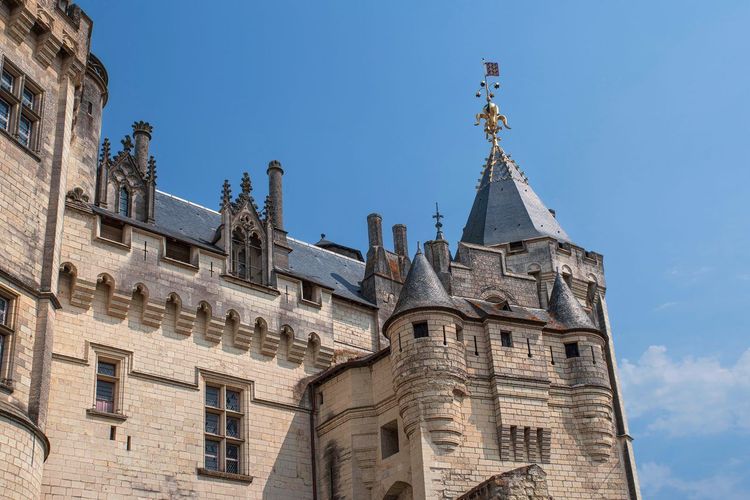
When the heat subsides, the quays become the meeting place of the locals again. The Cessart Bridge (Pont Cessart, 49400 Saumur), with its 18th-century stone arches, frames a view of the château that takes on an almost pink hue at sunset. You can walk effortlessly from Quai Mayaud to Offard Island, among joggers and anglers settled in for the evening.
The stroll costs nothing. In summer, a guinguette sometimes sets up on the riverbank; off-season, simply sit on the steps of the quay, facing the illuminated silhouette of the château.
This stretch is part of the Loire à Vélo, the cycling route of about 900 kilometers that follows the river to the Atlantic. Along the quays, the Ryo audio-guided tour tells the story of the golden age of river transport: until the 19th century, flat-bottomed gabarres carried wine, salt and tuffeau to Nantes, before the railway put an end to this river economy.
Day 2: The Royal Abbey of Fontevraud, Necropolis of the Plantagenets
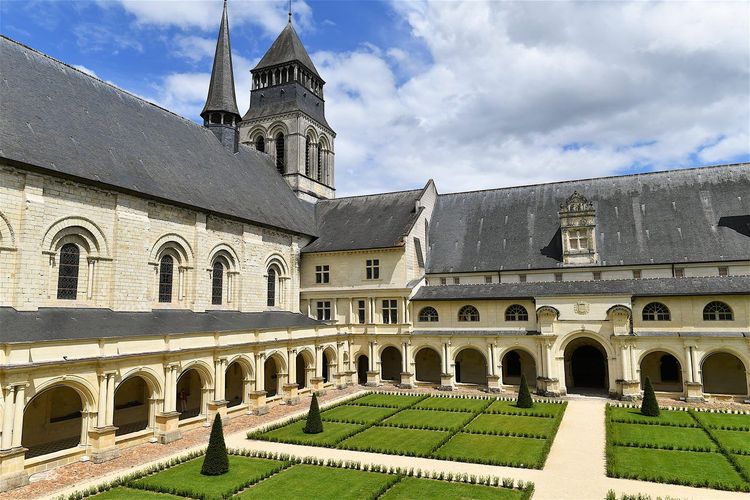
Devote your second day to the Royal Abbey of Fontevraud (Place des Plantagenêt, 49590 Fontevraud-l'Abbaye, rated 4.6/5 on Google from 8,307 reviews), about twenty minutes southeast of Saumur on the D947, which follows the Loire to Montsoreau before turning toward the abbey. Founded in 1101 by Robert d'Arbrissel, it is among the largest monastic cities in Europe, with nearly thirteen hectares spread around several priories: the Grand-Moûtier for the nuns, Saint-Jean-de-l'Habit for the monks, Saint-Lazare for the lepers and the Madeleine for repentant women. A rare feature: this mixed order was led by an abbess.
What sets Fontevraud apart above all is its role as a royal necropolis. In the abbey church lie the polychrome effigies of Eleanor of Aquitaine, Henry II Plantagenet, Richard the Lionheart and Isabella of Angoulême, four figures who shaped the intertwined history of England and France. You discover them in the bright nave, beneath the Romanesque domes, in a very understated setting.
Romanesque architecture is especially easy to appreciate in the chapter house and the cloister of the Grand-Moûtier, but it is the 12th-century kitchen, resembling a tower crowned with conical chimneys, that surprises the most. It was notably used to smoke meat and fish for the community.
Allow half a day to explore the church, the gardens and the conventual buildings, which also house the Fontevraud Museum of Modern Art. The abbey's entrance ticket is around 15 euros at full price; check the combined options with the museum on site.
After the Revolution, the site had a harsher existence: turned into a prison in 1804, it remained one until 1963, which explains why buildings long closed to the public were preserved rather than demolished. To extend your discovery beyond Saumur and Fontevraud, the Ryo audio-guided tour of the Loire Châteaux revisits this Plantagenet necropolis, one stop among others along the valley.
Troglodyte Villages and Mushroom Farms around Saumur
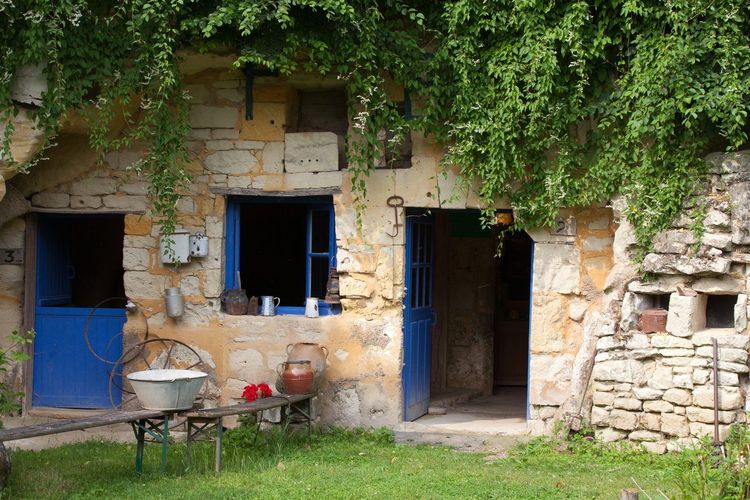
The subsoil of the Saumurois is among the most hollowed-out in France, a consequence of centuries of tuffeau extraction to build châteaux, churches and bourgeois houses. This activity left kilometers of galleries and a troglodyte way of life that is far from a prehistoric relic: many dug-out homes remained occupied until the 20th century.
The troglodyte village of Rochemenier, about twenty minutes from Saumur, is the best illustration. Two former underground farms, arranged around courtyards dug into the plateau, have been open as a museum since 1967: living rooms, stables, an underground chapel and hundreds of farming tools and pieces of furniture. Admission costs 8.50 euros per adult, free up to age 6, and it is open from April to November.
Nearby, mushroom farms occupy a good share of the former quarries. The Saumurois accounts for a large part of France's production of button mushrooms, a crop made possible by the constant coolness and humidity of the galleries. The Musée du Champignon (Route de Gennes, 49400 Saumur, rated 4.2/5 on Google from 1,436 reviews), in Saint-Hilaire-Saint-Florent, explains this particular form of cultivation and also presents oyster mushrooms and shiitakes.
Other sites complete the offering a few kilometers away, such as the sculpture cave at Dénezé-sous-Doué, where hundreds of enigmatic faces were carved into the rock at a date that is still debated. For a troglodyte weekend, combine Rochemenier in the morning with a mushroom farm in the afternoon, preferably on a weekday. And bring a sweater: the galleries stay at around 12 to 14 degrees all year round.
Montsoreau and the Surroundings of Saumur
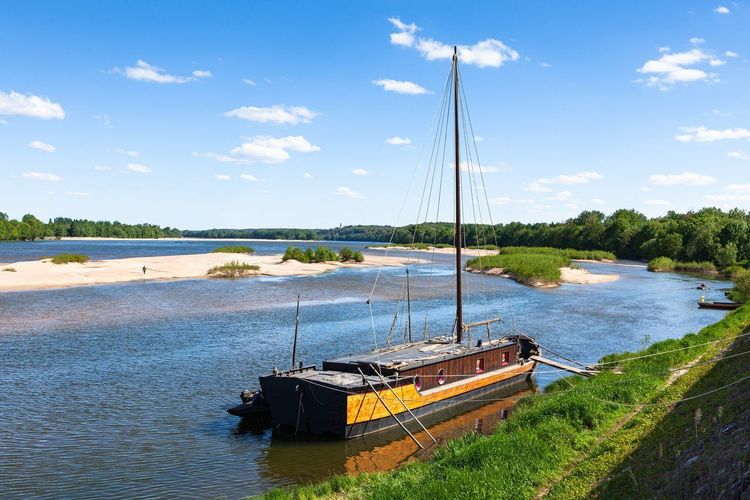
Before hitting the road again, a detour to Montsoreau naturally completes the trip. Listed among Les Plus Beaux Villages de France, this white stone town stretches along the Loire, 5 km from Fontevraud and fifteen minutes from Saumur.
The Château de Montsoreau (Château de Montsoreau, 49730 Montsoreau, rated 3.4/5 on Google from 1,552 reviews), the only Loire château built directly in the riverbed, now houses a contemporary art museum that deliberately contrasts with its Renaissance architecture. Alexandre Dumas's novel, La Dame de Monsoreau, greatly contributed to its fame in the 19th century. The village lanes, with their houses built against the hillside, are perfect for an hour's stroll before a late lunch.
If the surroundings of Saumur interest you beyond this second day, our Ryo article on the surroundings of Saumur details other day trips, among vineyards, tuffeau villages and less crowded Loire riverbanks.
Where to Stay in Saumur for a 2-Day Trip
Two areas stand out. The historic center, around Place Saint-Pierre, puts the château, restaurants and old lanes within ten minutes on foot. It is the most practical choice without a car, even if it means putting up with sometimes small rooms in old buildings.
The banks of the Loire, near the Cessart Bridge and Offard Island, offer quieter places with views of the river and the château, often in 19th-century mansions. Allow five to ten more minutes of walking to the center, a compromise appreciated for a romantic weekend in Saumur.
If you rent a car for Fontevraud or Rochemenier, choose accommodation with parking included: the historic center remains restricted in high season. To get around on foot between the two areas, the Ryo audio guide of Saumur covers the entire historic center.
Practical Information: Getting There, Budget and Best Time to Visit Saumur
Getting there. Saumur is about 300 km southwest of Paris, a little under half an hour by train from Angers and about an hour by car from Tours via the A85. By train, allow a little over 2 hours from Paris-Montparnasse, with a change at Saint-Pierre-des-Corps or Angers. The station is on the north bank, about fifteen minutes on foot from the historic center.
On site. A car becomes useful on the second day, between Fontevraud, Rochemenier and Montsoreau, which are poorly served by public transport. Allow fifteen to twenty-five minutes by road between each stop. Otherwise, renting electric bikes remains a comfortable option.
Budget and prices. Over two days, plan on about 45 to 60 euros per person for admissions alone: Château de Saumur (9.50 euros), standard Cadre Noir tour (9 euros), Rochemenier (8.50 euros), Fontevraud Abbey (around 15 euros), plus a cellar visit. Cadre Noir galas are paid separately. For tickets and the Matinales calendar, the Saumur Val de Loire tourist office, quai Carnot, is your best contact.
Best time to visit. Spring and early autumn offer the best compromise between reasonable crowds and mild weather. Summer guarantees that all sites are open, at the cost of heavier crowds at the château and along the quays. Winter allows peaceful visits, but Rochemenier closes after mid-November and the Cadre Noir does not reopen its tours until February.

FAQ
What is the most beautiful troglodyte village near Saumur?
Rochemenier is the benchmark: two complete underground farms can be visited as a museum, with living rooms, an underground chapel and farming tools. The sculpture cave at Dénezé-sous-Doué offers a more unusual experience, but it is less focused on troglodyte living itself.
How many days do you need to see Saumur properly?
Two days cover the essentials: the château, the Cadre Noir, the old town and the banks of the Loire on the first day, then Fontevraud, a troglodyte village and Montsoreau on the second. A third day leaves time to add the vineyards or a stage of the Loire à Vélo.
How can you visit Saumur on foot in one day?
Focus on the historic center: Place Saint-Pierre, the old town, the château and the quays can be covered in half a day of walking. For Fontevraud or Rochemenier, you will still need a car or a bike.
What are the free things to do in Saumur?
A stroll along the quays and the Cessart Bridge costs nothing, and neither does wandering through the half-timbered lanes of the old town. You can also admire the exterior of the château without a ticket.
Do you need to book in advance to see the Cadre Noir?
Booking is strongly recommended for the guided tour, which is required to enter the site. For the rarer galas, plan several weeks ahead, especially in spring.
How do you get from Saumur to Fontevraud Abbey?
Allow about twenty minutes by road on the D947, which follows the Loire as far as Montsoreau. Without a car, bus connections are limited: cycling along the Loire à Vélo followed by a short climb is a great alternative.
Where should you stay in Saumur for a romantic weekend?
Places along the Loire, around the Cessart Bridge, offer the most romantic setting with views of the château. The historic center remains a practical alternative for combining restaurants and short walking distances.
Saumur in 2 Days: Key Takeaways
Two days are enough to go from the wall walk of a royal château to the galleries of a crémant cellar, and then to the silent necropolis of the Plantagenets. It is a short format that mostly rewards those willing to walk: most of the treasures of the old town and the quays can be discovered without a car, within a tight perimeter around the Loire.
To find your way once you are there, the Ryo audio-guided tour of Saumur links the château, old town and quays on foot, audio stop after audio stop. The app also works offline, a real plus in the troglodyte cellars where mobile reception disappears.