
Créé par Romane, le 17 nov. 2026
Votre guide Ryo
Le Mans, France
The Plantagenet City
Parcours audioguidé pour visiter Le Mans en 1 jour
Le Mans is a historic city where Gallo-Roman heritage, medieval past, and vibrant urban life come together. With its ancient ramparts, cobbled streets, and monumental cathedral, it offers a remarkable setting, well beyond its reputation for motorsport alone.
Quand partir à Le Mans ?
Jan.
6°
11
Feb.
7°
9
March
10°
10
April
12°
10
May
16°
10
June
20°
8
July
23°
7
Aug.
23°
7
Sept.
20°
8
Oct.
15°
10
Nov.
10°
11
Dec.
7°
11
The climate in Le Mans is temperate oceanic, with cool winters, generally between 2 and 10°C, and moderately warm summers, most often ranging from 22 to 28°C, with occasional hotter spells during heatwaves; the best times to visit are typically from April to June and then from September to October, when temperatures are pleasant, nature is in full display, and visitor numbers are lower, offering ideal conditions to enjoy the historic center, green spaces, and surrounding areas in a more peaceful atmosphere.
Départ conseillé
We design our tours in a loop so you can easily start at the point closest to you, with the guidance adapting automatically. If you are nearby, we recommend an ideal starting point: Saint-Julien Cathedral.
Parking à proximité
Free parking at Quai Louis Blanc, 85 Rue Denfert Rochereau.
In Le Mans, visitors have several parking options. There are paid underground car parks, such as those managed by Cénovia Park (République, Jacobins, Quinconces), conveniently located near the city centre, with reduced rates in the evening or on Sundays. For those using public transport, park-and-ride facilities like Antarès and Université-Bartholdi are available. These are free for Setram network subscribers, while non-subscribers can park for €3.50 per day, which includes a transport ticket valid for all passengers in the vehicle. On-street parking is paid from Monday to Saturday, but free on Sundays, public holidays, and in the evening (7 pm – 9 am). Finally, some car parks, such as those on Rue Voltaire and Rue Chancel, are free, although they are slightly farther from the city centre.
Découvrez 21 lieux d'intérêt pour visiter Le Mans



What to see in Le Mans on your 1h tour?
This 2 km loop takes about 1 h and links 19 sights of the Cité Plantagenêt, from Saint-Julien Cathedral to the timber-framed houses of the old town, through Place de la République, the City Hall and the Carré Plantagenêt museum, up to Place des Jacobins and the Jet d'Eau fountain, following the trail of the 24 Hours of Le Mans too. With the Ryo app in your ears, every stone tells the story of Le Mans, at your own pace.
Information checked in November 2026 and subject to change.
1 - Saint-Julien Cathedral
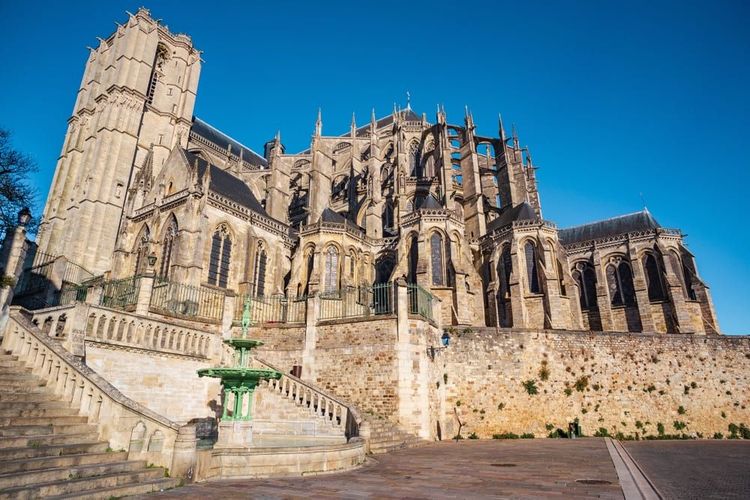
Raised over the foundations of a Gallo-Roman sanctuary, this cathedral keeps alive the memory of Saint Julian, said to have established his episcopal seat here as early as the 4th century, in ancient Vindunum. Its Romanesque nave stands beside a Gothic choir enlarged in later centuries, and one of its stained-glass windows, devoted to the Ascension, has kept its brilliance since the 12th century. Just behind rises the Palais du Grabatoire, a Renaissance residence that welcomed Louis XIII in 1612 and now houses the bishop of Le Mans.
Free entry
2 - Jacques Dubois Square
This garden takes its name from a local historian who campaigned to save the town's heritage, at the gateway to a district of more than twenty hectares whose maze of paving stones and timber facades has charmed film crews, from Cyrano de Bergerac to The Man in the Iron Mask. Every summer, the Night of Chimeras projects dreamlike images onto the old stones, bringing the medieval soul of Le Mans back to life.
Free entry
3 - The Watering Can Sculpture
A zinc watering can almost four metres tall, flanked by an equally oversized shovel and rake: this is the playful signature of Sarthe craftsman Arzinc, a specialist in giving zinc a poetic twist. The everyday object, turned giant, settles with humour into the urban landscape and sometimes changes spot, notably during the Fête des Roses each May.
Free entry
4 - Saint Peter’s Square
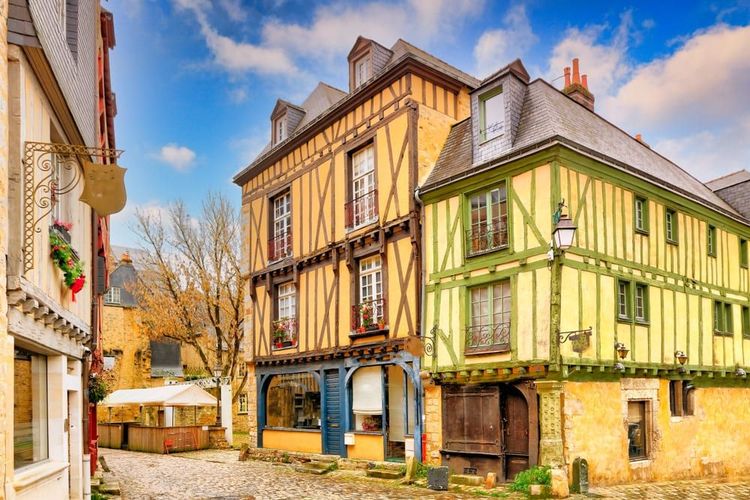
This square takes its name from a church that has since vanished and hosted, as early as the Middle Ages, trading and public gatherings for the townspeople of Le Mans. Redrawn over the centuries, it keeps its paving stones and its bustle, a stone's throw from the City Hall whose other facade you will soon discover. Cafés and old houses surround it, a meeting point between heritage and everyday life.
Free entry
5 - House of Adam and Eve
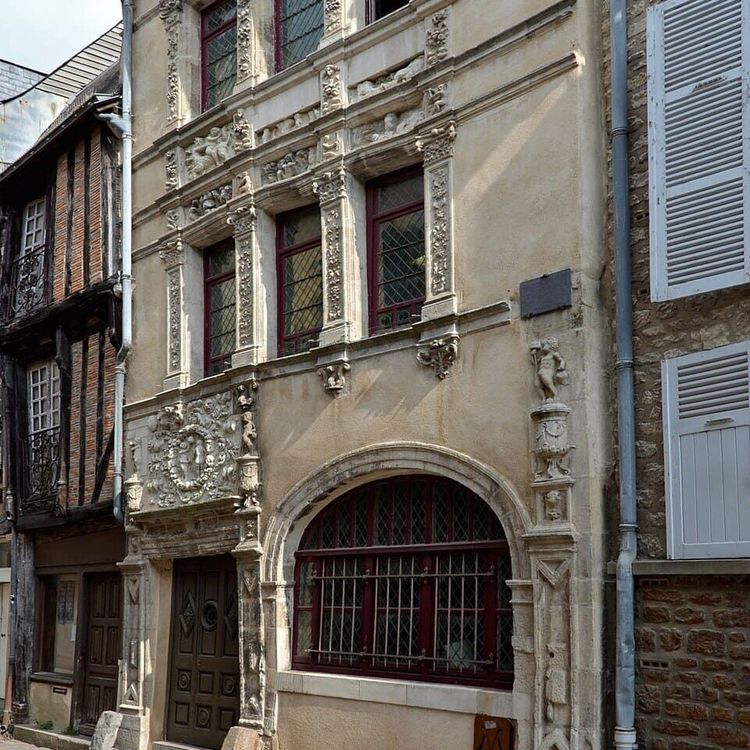
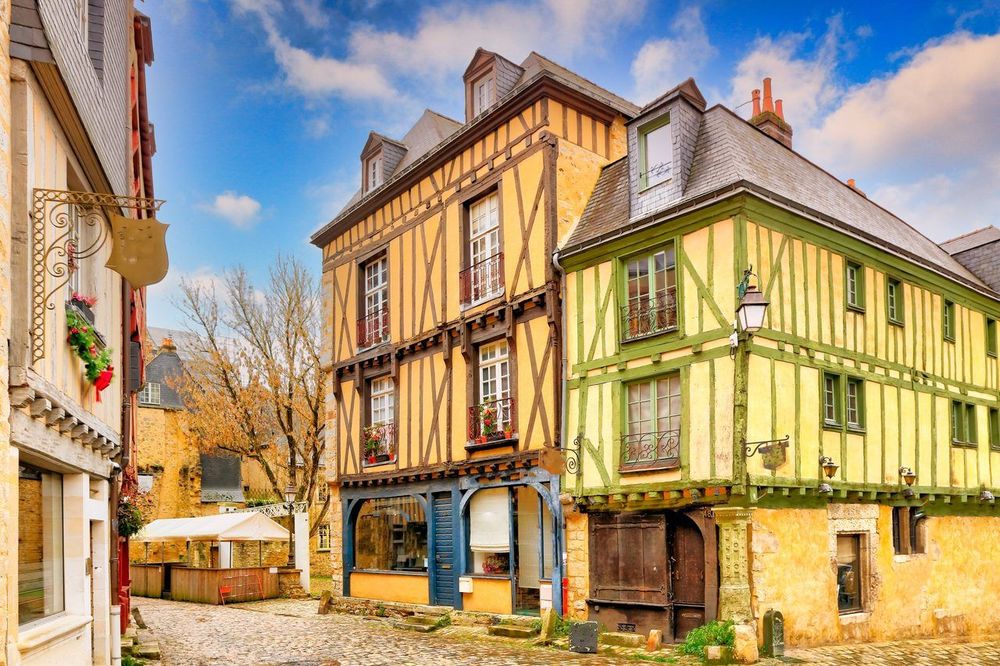
At number 69, this timber-framed house, finished in the closing years of the 15th century, takes its name from a carving: a naked couple, tucked among the beams, which tradition identifies as Adam and Eve, though some read it instead as a secular allegory. Like many corbelled houses of the time, its upper floors jut out over the street to gain space without raising the tax bill. A shop now occupies the premises.
Free to see from outside
6 - Denisot Mansion
On Rue de Vaux, this 15th-century mansion stands partly on the remains of a Roman tower dating from the 3rd century, still visible in its foundations. It bears the name of poet and painter Nicolas Denisot, close to Ronsard and his literary circle, who lived there and wrote in the following century. A red gate and thick walls keep the memory of that cultured age, between ancient legacy and Renaissance refinement.
Free to see from outside
7 - Roman Wall
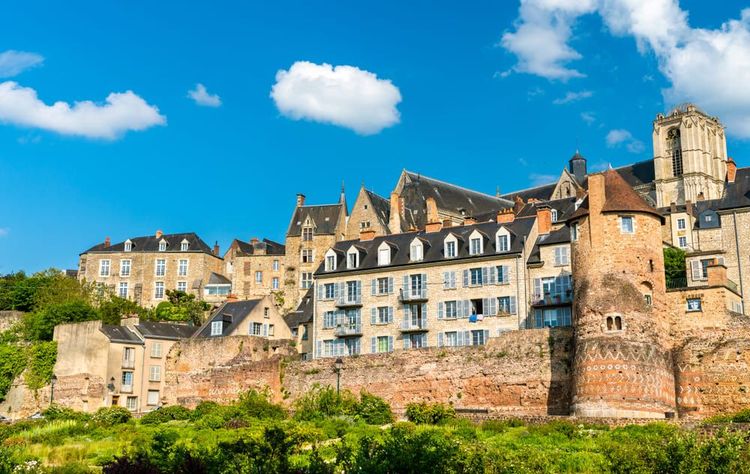
To answer the growing danger weakening the Western Roman Empire, Vindunum equipped itself, at the close of the 3rd century, with a stone wall lined with semicircular towers and decorated with geometric patterns in pink brick, a polychromy rarely seen elsewhere in France. Nearly half of the original run, over a kilometre long, still stands today, woven into the medieval houses built against it. In summer, the Night of Chimeras lights it up with magical projections.
Free entry
8 - Gastronomy
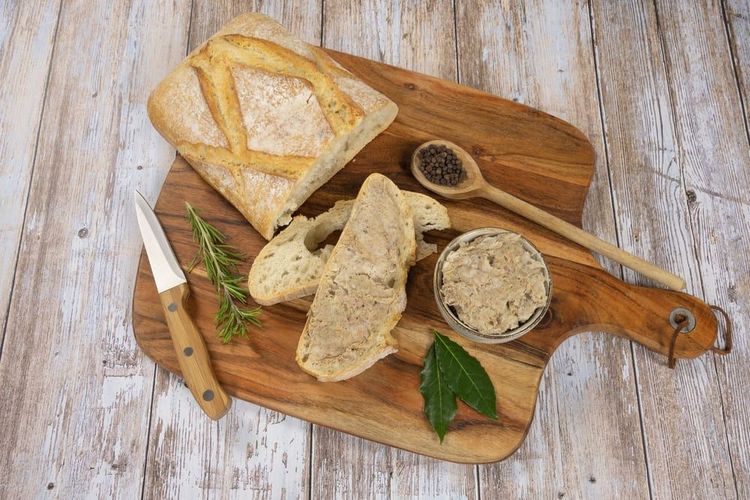
The local speciality above all others is rillettes, shredded pork slow-cooked for hours then spread on warm bread. It pairs well with confit rillauds, roast farm chicken or tomme sarthoise, a creamy cow's cheese sometimes spiked with garlic. To finish, the region's all-butter shortbread goes down nicely with a glass of Jasnières, a white wine from the nearby Loir hillsides.
9 - Saint-Benoît Church
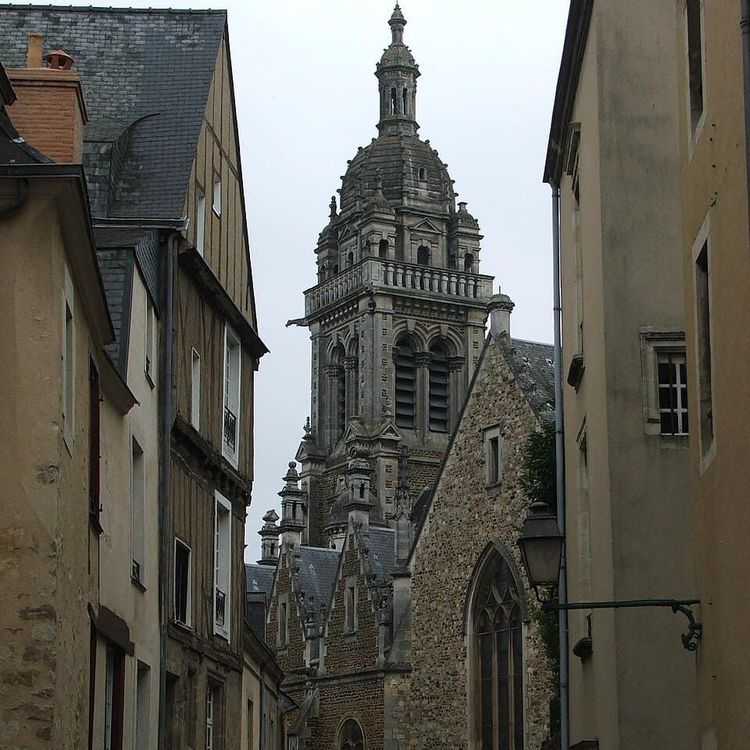
Tucked behind its plain Romanesque facade, this church ranks among the town's oldest religious buildings, raised at the end of the 11th century as a dependency of a priory once linked to a great local abbey. Inside, a narrow barrel-vaulted nave, a few carved capitals and rare fragments of wall painting are enough to create an almost monastic calm, far from the splendour of the nearby cathedral.
Free entry
10 - Place de l’Éperon
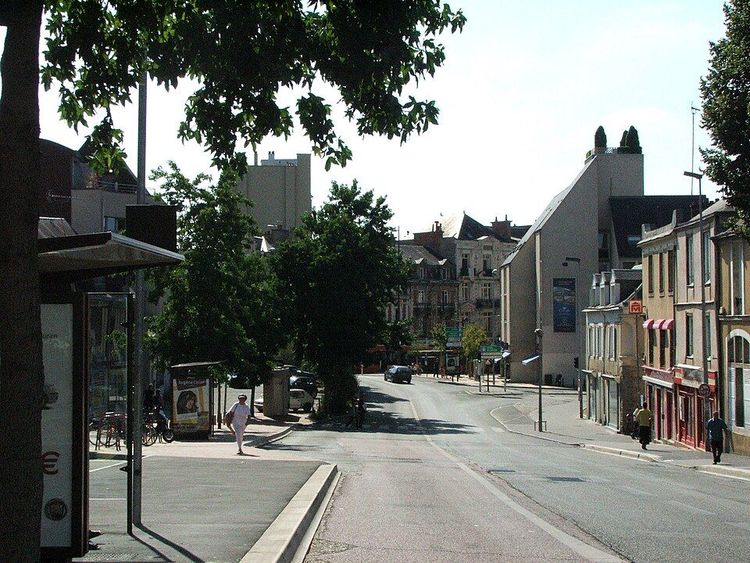
A hinge between the old town and the modern districts, this square lined with timber-framed houses hides a surprise on one of its walls: a trompe-l'œil mural so skilfully painted that it creates the illusion of jutting windows, hanging balconies and doors that seem to open onto another scene. Painted in 2002 by specialist mural artists, it plays with perspective to draw a smile from passers-by caught off guard by the depth effect.
Free entry
11 - 24 Hours of Le Mans

Conceived in 1923 by Georges Durand, then head of the regional motoring club, this open-road endurance race was meant above all to prove that cars could hold up over time. It has written legendary rivalries, like the Ford-Ferrari duel of 1966, and lived through tragic hours, like the 1955 crash. Every June, the whole town vibrates to the sound of engines and becomes, for one weekend, the world capital of speed.
Paid entry (about €20)
12 - Former Convent of the Visitandines
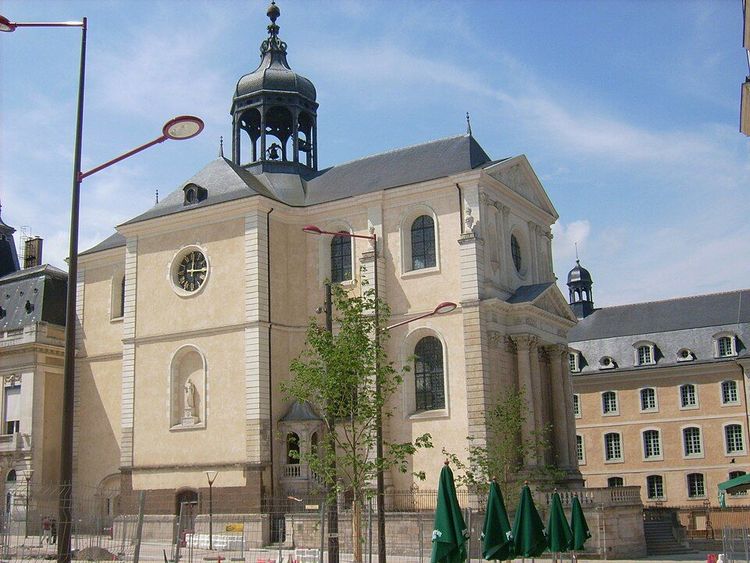
Founded in 1634, this convent served as a monastery until the Revolution before taking on other roles, first a prison, then an administrative building. Its chapel, built between 1723 and 1737, reflects a Régence style rarely seen in western France: a domed lantern, frescoes and stuccowork from the age of Louis XV, make for a remarkably refined interior. The whole complex, listed as a historic monument in 1987, now hosts cultural activities.
13 - Republic Square
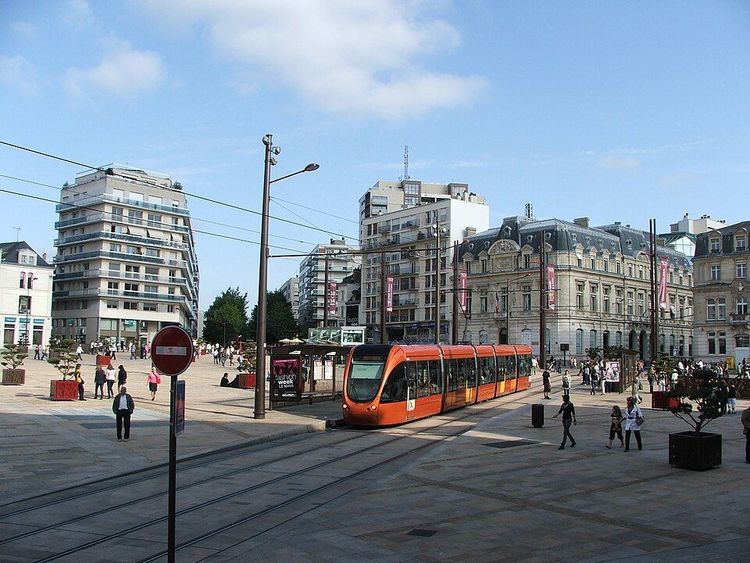
The beating heart of the town for more than eight centuries, this esplanade was once called Place des Halles and has seen a medieval market, a 19th-century circular hall, a monument to General Chanzy and then a light fountain. All around, the neoclassical stock exchange, the Post Office adorned with the bust of inventor Claude Chappe, and the Chapel of the Visitation each tell a chapter of the town's story. Nicknamed la Rep, it still hosts the Christmas market and the 24 Hours weigh-in.
Free entry
14 - Saint Nicholas Square
This peaceful square borrows its name from a church demolished in the 19th century, of which only the memory remains. Timber-framed houses, stone facades and pointed windows form an unspoiled medieval setting, around a water point that once supplied the neighbourhood, back when running water did not exist. Away from the bustle of the main streets, it is a quiet corner made for slowing down.
Free entry
15 - Mermaid Statue
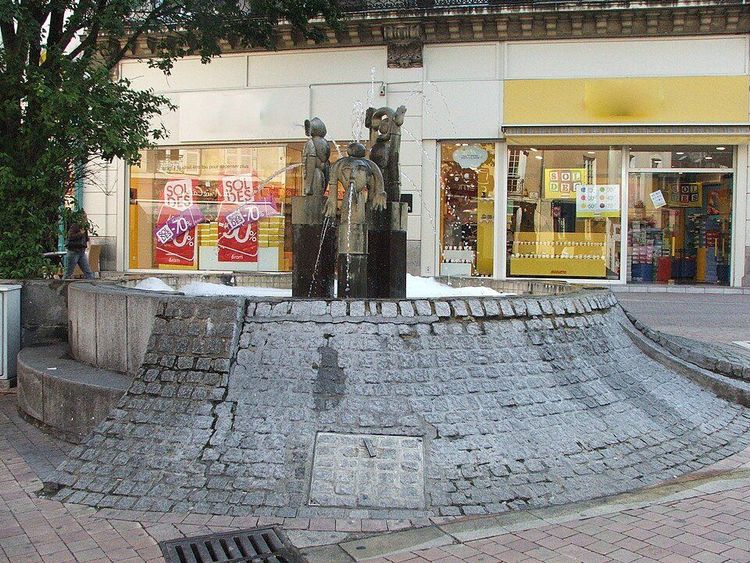
Two works separated by more than two centuries echo each other on this square: an 1726 bas-relief, commissioned by wealthy wool-fabric merchants, where a mermaid leaps from the waves as a symbol of their openness to the world, and a contemporary fountain by Claude Ribot from 1991, restored in 2022, where stylised figures emerge from a shallow pool. The dialogue between the two gives the square its name.
Free entry
16 - City Hall
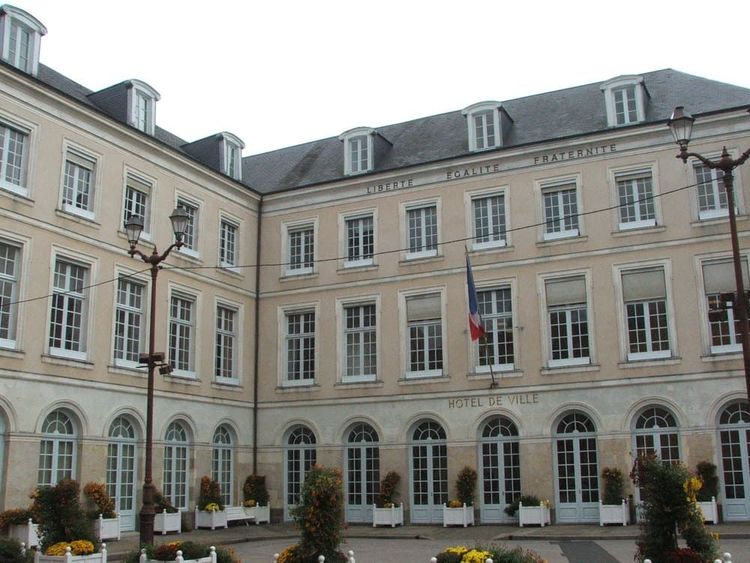
The present City Hall, built in the 18th century, occupies the site of the comital palace where the future king of England, Henry II, was born. Of the grand ceremonial hall, long since destroyed, only walled-up bays remain visible in the entrance. Close by stands Saint-Pierre-la-Cour, a collegiate sanctuary founded in 969 for the counts of Maine, taken over in turn by the Plantagenet dynasty, which once held the relics of Saint Scholastica; its terraced gardens honour the poets Ronsard and Peletier du Mans.
Free to see from outside
17 - Jean-Claude Boulard : Carré Plantagenêt Museum
Tucked at the edge of the Cité Plantagenêt, this history and archaeology museum takes visitors on a journey from prehistory to the modern age. Its displays reveal the remains of ancient Vindunum, with mosaics and a model of the Roman city to back it up, before unfolding a medieval collection whose pride is the enamelled piece devoted to Geoffrey Plantagenet, a treasure of rare refinement tied to the dynasty born in Le Mans.
Paid entry
18 - Jacobins Square
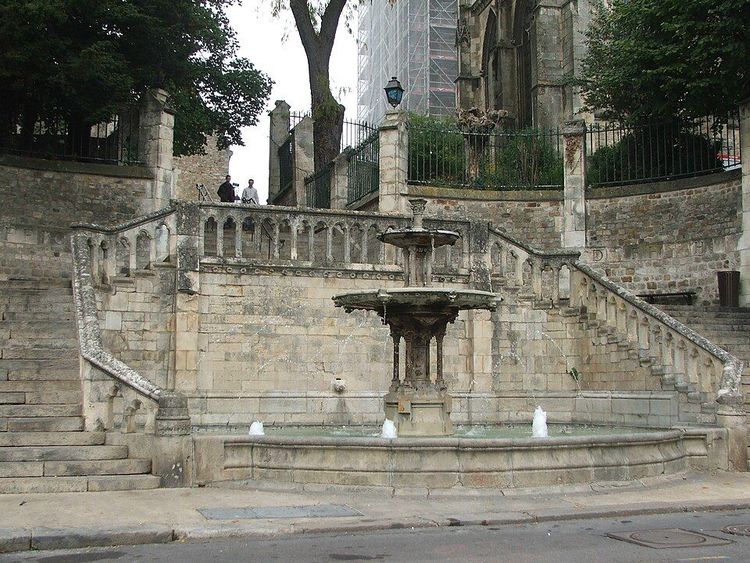
Opening at the foot of the cathedral's Gothic apse, where the flying buttresses can be admired in all their splendour, this square takes its name from a Dominican convent founded in the 13th century and destroyed during the Revolution. A nearby old tunnel, a remnant of an 18th-century underground gallery that once carried river water into town, recalls another layer of the neighbourhood's history. Lined with trees, it remains a favourite gathering spot for locals.
Free entry
19 - Jet d’Eau Fountain
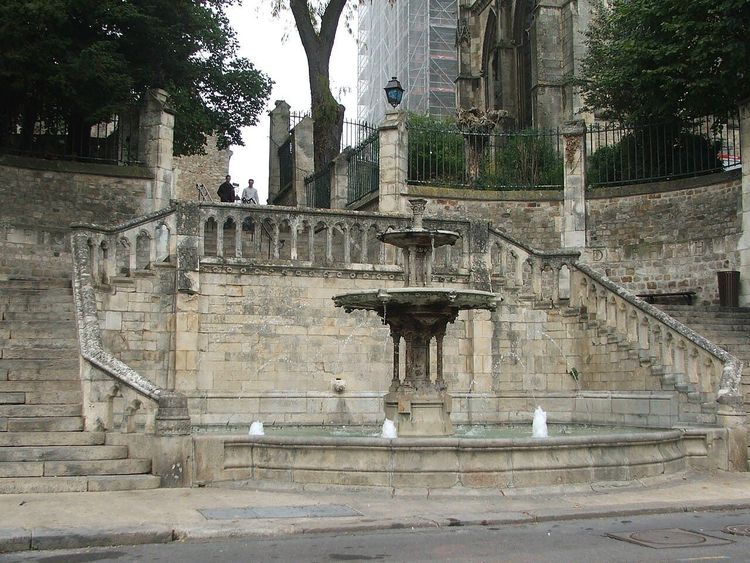
Unveiled in 1854, just as the railway reached the town, this cast-iron fountain occupies the site of a deep medieval moat that once protected access to the cathedral, filled in during the 19th century. Its hexagonal basin and jetting obelisk embody the modernity of a town then in full expansion. Nearby, a retaining wall and the Forgeur Tower, built during the Hundred Years' War, recall the vanished fortifications; the square still hosts a market three mornings a week.
Free entry
What to do in Le Mans in 2 or 3 days?
An hour is enough to take in the old town of Le Mans on this walk: 2 km and 19 sights, from Saint-Julien Cathedral to the Jet d'Eau Fountain. Given a little more time, Le Mans reveals itself differently, between hidden details and a legendary racetrack.
The next day, leave the centre for the 24 Hours circuit, which stop 11 only evokes: you can drive a Ferrari there, and even sleep in a cabin not far from the Hunaudières straight.
On the third day, follow the curiosities gathered in our guide to unusual Le Mans: an Egyptian gallery that takes you into the tomb of Nefertari, a foundry where you cast your own medal, a rillettes-flavoured spirit distilled right in the city centre, or nights beside a Nordic bath.
Which neighbourhoods does the tour cross?
In one short loop, the route links the Cité Plantagenêt, the medieval old town of Le Mans set on the spur above the Sarthe, with the more modern city centre.
It starts at Saint-Julien Cathedral and winds through the old core, where half-timbered houses hide playful details: a carved monkey grimaces over a carriage doorway, and a sow working a distaff still mocks passers-by, carved there since the Middle Ages (stops 1 to 7).
The route then heads south via Place de l'Éperon, where the old town meets the modern districts, between Sarthe specialities, Saint-Benoît Church and reminders of the 24 Hours race, before passing the Régence chapel of the former Convent of the Visitandines and Republic Square (stops 8 to 13).
It finally climbs back past Saint Nicholas Square and the Mermaid Statue, runs along the City Hall and the Carré Plantagenêt Museum, then closes at Jacobins Square and the Jet d'Eau Fountain (stops 14 to 19).
How much does it cost to visit Le Mans?
Of the walk's 19 stops, 15 can be enjoyed freely, in the street or from outside, from Saint-Julien Cathedral to the Roman Wall. The only museum on the route, the Carré Plantagenêt (stop 17), is closed for renovation until October 2028, so the walk itself needs no ticket.
Information checked in November 2026 and subject to change.
Where to stop for a bite along the tour?
The walk's stop for food has a simple name, Gastronomy (stop 8), a whole section of the tour devoted to Sarthe flavours.
Here you find rillettes du Mans, slow-cooked shredded pork spread on warm bread, and rillauds, cubes of cured pork belly usually served with drinks. For something heartier, roast free-range chicken mancelle-style and game-based dishes remain firmly rooted in local tradition.
On the cheese side, tomme sarthoise is mild and creamy, while Jasnières, a dry, fruity white wine from the nearby Loir hillsides, goes best with rillettes or goat's cheese. For dessert, sablés sarthois, crisp all-butter biscuits, and the soft gâteau sarthois round off the meal.
What should you know before visiting Le Mans?
One stop on the route needs checking before you set out: the Carré Plantagenêt Museum (stop 17) is closed for renovation work from 1 January 2026 to 3 October 2028.
During this period, only its façade and surroundings remain to be seen; it is worth checking on its reopening before planning an indoor visit.
What to see around Le Mans?
Le Mans makes a good base for ranging further, between a royal abbey reached by public transport and neighbouring towns with their own audio-guided walk.
The royal abbey of l'Épau is reached by tram (line 2, Gué Bernisson stop) or bus (line 6) from central Le Mans.
Several neighbouring towns have their own audio-guided walk too: 72 km away, Laval unfolds along the Mayenne, between a medieval castle and half-timbered houses, while 77 km away, Tours combines a Gothic cathedral with Place Plumereau. A little further, Angers, 82 km away, pairs its Château des Ducs d'Anjou with the half-timbered houses of the Doutre, and Saumur, 86 km away, lies beneath its castle between the Loire and the hillsides, home of the Cadre Noir.
Le plein d'inspirations
Explorez le monde en totale liberté, à pied au cœur des villes ou au fil des routes. Nos guides audios transforment chaque destination en une découverte culturelle immersive et unique.










FAQ for visiting Le Mans
When is the best time to visit Le Mans?
The ideal time to discover Le Mans runs from April to June, then from September to October. You'll enjoy pleasant temperatures and more moderate tourist numbers, perfect for wandering through the medieval alleyways. Spring shows the city at its best as nature awakens, while autumn casts beautiful golden light over the ramparts. Summer remains pleasant despite sometimes higher temperatures and larger crowds. Winter, cooler but rarely harsh, allows a more intimate discovery of the city, with fewer visitors in the museums and monuments.
How many days do you need to visit Le Mans?
Two full days make the ideal length of time to fully appreciate Le Mans. This allows you to leisurely explore the Plantagenet City, admire the cathedral, walk along the Gallo-Roman ramparts and soak up the medieval atmosphere. You'll also have time to visit one or two museums and savour the local cuisine. If you have an extra day, you can explore the surroundings or delve deeper into certain cultural aspects. A single day is still feasible for the must-sees, but you'll have to make choices and adopt a brisker pace.
How do you get to Le Mans from Paris?
The train is the most convenient way to reach Le Mans from Paris. Direct TGV services from Gare Montparnasse take you to the heart of the city in less than an hour. TER trains, slightly slower but often cheaper, also run regularly. By car, allow around two hours via the A11 motorway, with tolls to factor in. Car-sharing is an appealing budget-friendly alternative. Once there, the historic centre is easily explored on foot from the station, which is just a few minutes' walk from the old town.
What are the must-sees in the Plantagenet City?
The Saint-Julien Cathedral impresses with its architecture blending Romanesque and Gothic styles, while the Gallo-Roman ramparts are among the best preserved in France. The cobbled alleyways lead you past remarkable half-timbered houses and Renaissance mansions. The Roman wall offers a spectacular walk with its towers and views over the lower town. The Palace of the Counts of Maine and the Maison du Pilier Rouge bear witness to the rich medieval past. The Ryo audioguide accompanies you on this discovery with enriching commentary on each major monument, revealing anecdotes and architectural details that often go unnoticed.
Are the museums in Le Mans free?
Admission conditions for the museums of Le Mans vary depending on the venue and the time of year. Some offer free time slots, notably on the first Sunday of the month or during special cultural events. Reduced rates generally apply to students, seniors and large families. The Tessé Museum and the Carré Plantagenêt usually charge admission, but tourist passes can offer worthwhile discounts for visiting several sites. Check directly with the museums or the tourist office for the current rates and any open days.
Where can you watch the Nuit des Chimères in Le Mans?
The Nuit des Chimères transforms the Plantagenet City into an enchanting spectacle thanks to monumental projections onto the main historic buildings. The Saint-Julien Cathedral, the Roman ramparts, the collegiate church of Saint-Pierre-la-Cour and several remarkable façades serve as giant screens for these light creations. The route, generally offered on summer evenings, takes you through the medieval alleyways in a magical atmosphere. The projections tell the story of the city through dreamlike, colourful images. The event draws many visitors, so plan to arrive early enough to fully enjoy the show, which begins at nightfall.
What activities can you do in Le Mans with children?
Le Mans offers plenty of ways to entertain young visitors. The 24 Hours Museum generally fascinates children with its legendary racing cars and simulators. The Jacobins gardens and the Tessé park provide pleasant green spaces to relax and play. A visit to the Plantagenet City can become a thrilling adventure as you imagine the lives of knights and princesses in these authentic medieval settings. The Arche de la Nature, on the edge of the city, lets you observe farm animals and natural spaces. The ramparts also offer a fun walk where children love to climb up the towers.
Where can you eat the local specialities of Le Mans?
The rillettes of Le Mans, a staple of the local cuisine, can be savoured in many traditional restaurants in the historic centre. The establishments on Place Saint-Nicolas and the surrounding alleyways often serve these specialities in an authentic setting. Loué free-range chicken and Jasnières wines pair perfectly with your meals. The markets, notably the Jacobins market, offer the chance to sample local produce directly from the producers. Don't hesitate to step into the artisanal delicatessens to discover genuine Le Mans rillettes. The bistros of the old town generally serve these regional classics in warm settings with exposed stonework.
Can you visit the Le Mans 24 Hours circuit?
Yes, and it is one of the most sought-after visits in town, a few kilometres south of the centre. The 24 Hours museum retraces the history of the race from its very beginnings, with a collection of legendary cars, prototypes and posters that tells a century of motor racing. The Bugatti circuit, the permanent part of the track, hosts track days, testing sessions and guided tours depending on the period, taking you right up to the pits and the edge of the track.
Opening days and the formats on offer vary a great deal with the sporting calendar, so it is worth checking before you make the trip. Bear in mind too that race week, in June, completely transforms the city: the atmosphere is unique, but the crowds are considerable and accommodation is booked up a very long time in advance.
What can you discover in Le Mans beyond the Plantagenet City?
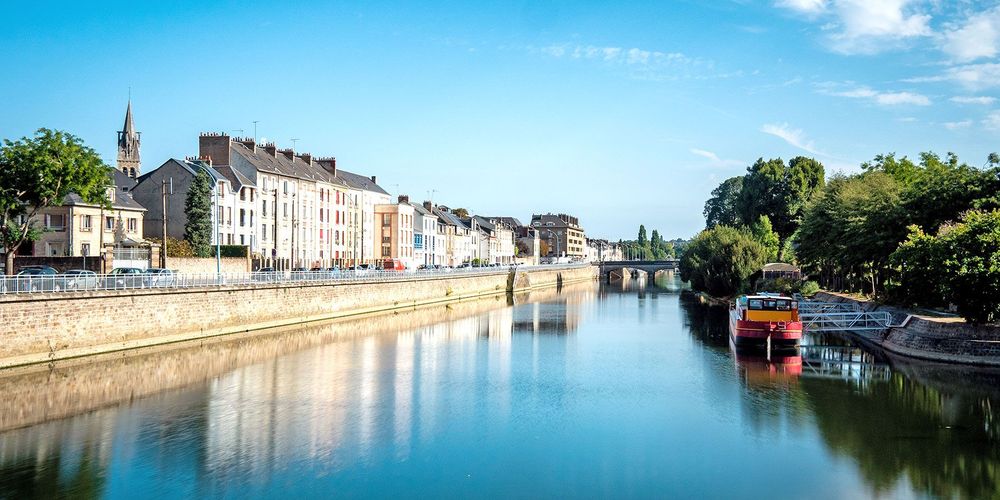
The modern centre deserves your time too, between Place de la République, the shopping streets, the Jacobins market and the banks of the Sarthe, from where you take in the Roman walls and the outline of the cathedral in a single glance. The Tessé museum, housed in a former bishop's palace, combines old master paintings with a surprising reconstruction of an Egyptian tomb.
A little further out, the royal abbey of L'Épau, founded by Berengaria of Navarre, offers a peaceful interlude in a wooded park beside the Huisne. Several walls around the city have also been covered with street art over successive festivals, which gives you a pleasant excuse to wander. The Ryo audio guide offers a dedicated Le Mans route that links these different faces of the city.
Which hidden curiosities and unusual spots can you find in Le Mans?
In the Cité Plantagenêt, walk along the Roman wall, dated by recent excavations to the 4th century, whose stonework alternates stone and brick in colourful patterns. Then look up at the corners of the houses: the jester, the monkey and the crayfish, the overhanging house with its bear, or the sow spinning wool have been mocking passers-by for centuries. Beside Saint-Julien cathedral, a menhir over four metres tall stands against the facade. The guide also points out the street art of the Plein Champ trails and night tours of the old town.
Set off exploring with our guide to unusual Le Mans.
Vos commentaires, idées et suggestions
Aucun avis pour le moment