Créé par Emilie, le 17 nov. 2026
Votre guide Ryo
Tours, France
The Little Paris
Parcours audioguidé pour visiter Tours en 1 jour
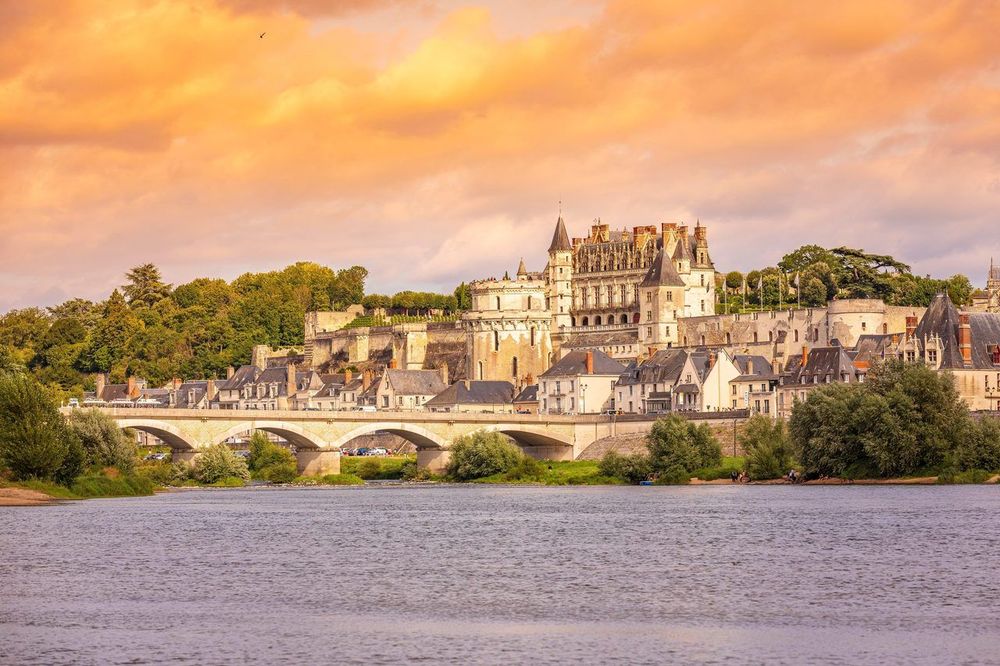
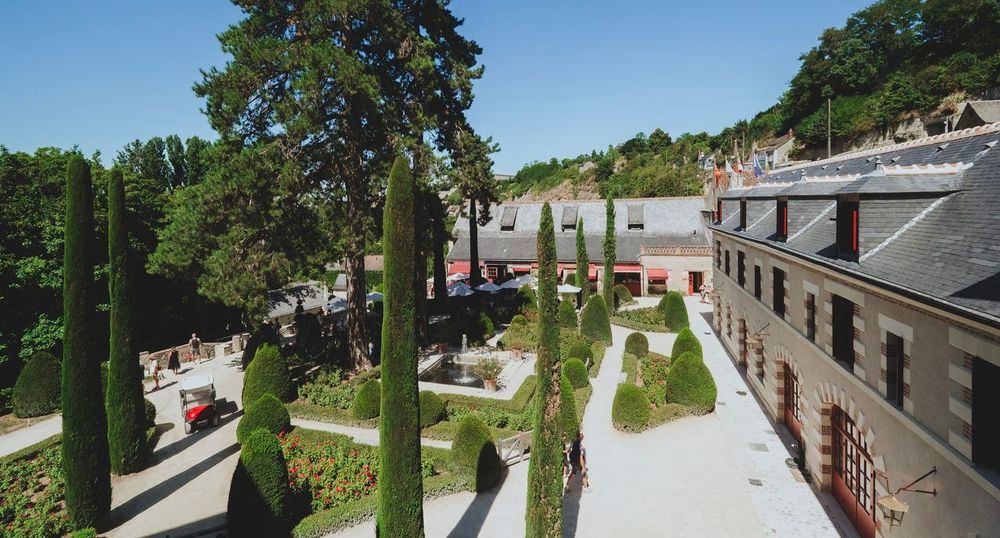
This stopover in Tours invites you to a leisurely stroll between royal heritage and the gentle spirit of the Loire. Let yourself be charmed by the striking contrast between the majesty of its Gothic cathedral and the joyful bustle of Place Plumereau, where half-timbered facades seem to whisper secrets from the Middle Ages. Here, history is etched into every white stone, from the formal French gardens to the banks of the Loire bathed in a unique light. A serene and luminous exploration to savor the art de vivre of a city that was once the capital of the Kingdom of France.
Quand partir à Tours ?
Jan.
5°
12
Feb.
6°
10
March
9°
10
April
11°
10
May
15°
11
June
18°
9
July
20°
8
Aug.
20°
8
Sept.
17°
8
Oct.
13°
11
Nov.
8°
12
Dec.
6°
12
Tours enjoys a particularly mild, modified oceanic climate—often nicknamed the "Garden of France"—with pleasant summers averaging around 25°C and cool but rarely freezing winters, ranging between 2°C and 9°C. The ideal period to visit the city and the surrounding Loire Valley chateaus runs from May to September, offering long, bright days perfect for cycling trips or evenings on a terrace at Place Plumereau. Additionally, the late season in October remains very popular for admiring the autumnal colors of the Touraine vineyards in the lingering mild weather.
Départ conseillé
No need to worry about where to begin! Our tours are designed as a loop, so you can jump in wherever you are. The navigation system and audio-guide will automatically adjust to your location. However, if you happen to be nearby, we do have a preferred starting point: Tours station
Parking à proximité
Indigo Tour Station parking: 12 Place du Général Leclerc
If you decide to park on the street, keep in mind that parking is paid from 9 am to 12 pm and from 2 pm to 6:30 pm from Monday to Saturday. Tours is divided into three zones (red, orange, and blue) with decreasing rates, where red naturally has the highest rate. You can pay at the parking meter or via the Flowbird mobile app.
If you're parking during the day and prefer a more budget-friendly solution, then head for one of the park-and-ride facilities close to the public transport network.
Découvrez 23 lieux d'intérêt pour visiter Tours



What to see in Tours on your 2h tour?
This 5.4 km loop takes about two hours and links 22 sights. From the station it follows rue Nationale to the Charlemagne tower and the Saint-Martin basilica, slips into old Tours around Place Plumereau and the Goüin mansion, runs along the Loire to the castle, then reaches the Saint-Gatien cathedral and the Fine Arts museum. With the Ryo app in your ears, every facade, legend and stone retells nine centuries of Touraine history, at your own pace.
Information checked in November 2026 and subject to change.
1 - Tours station
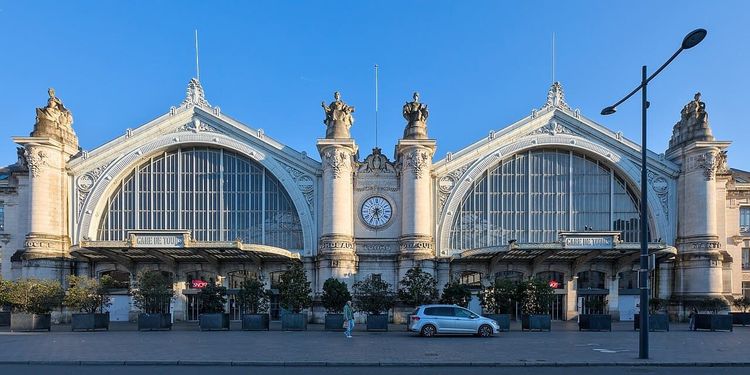
The walk sets off outside a station unlike most others, ranked among the handsomest in the country. Its designer, a Touraine native, also created the nearby town hall and, in Paris, a station later turned into a museum. Notice the wide glazed hall and the careful lines, dating from the very end of the 19th century. A quirky detail: trains here simply reverse out, since there is no way through to the other side.
Free entry
2 - City Hall
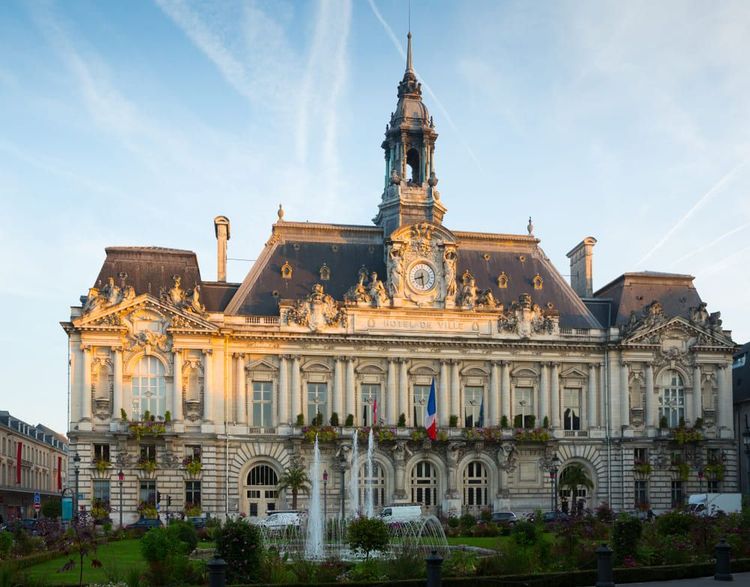
Overlooking Jean Jaures square, this building almost looks like a palace; opened in 1904, it was designed by the architect who also built the nearby station. Its clock is flanked by two figures standing for day and night, while two reclining shapes represent the local rivers. An odd fact: after a 1922 fire in Montreal, this roof served as the model for rebuilding that Canadian city hall's own roof.
Free to see from outside
3 - National Street
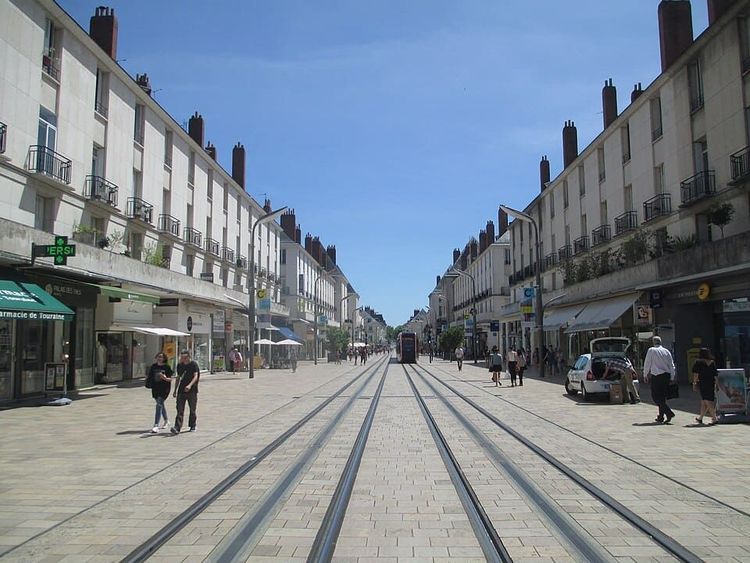
You are walking the city's main artery, 700 metres linking Jean Jaures square to the Wilson bridge and splitting old Tours cleanly in two. It traces a road from Caesarodunum, the Roman town of the 1st and 2nd centuries; 2006-2007 digs uncovered a whole Gallo-Roman quarter here. Once a royal road before becoming Nationale around 1880, it is now pedestrian, lined with department stores, and was the birthplace of the writer Honore de Balzac, at number 39.
Free entry
4 - Charlemagne Tower
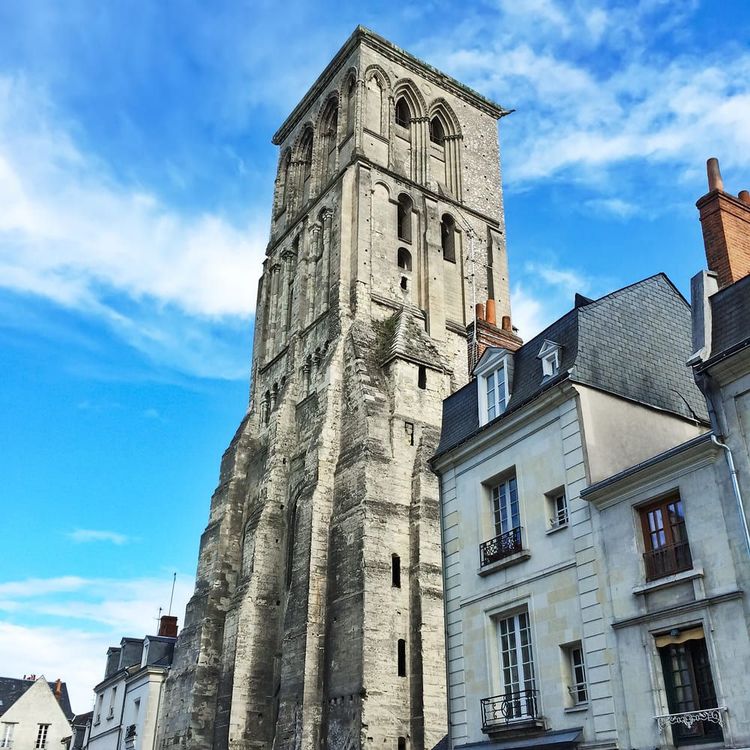
This massive tower marks a change of era: it ranks among the last remains of the former Saint-Martin basilica, lost in 1797. Legend holds that one of Charlemagne's wives lies buried here, though nothing has ever confirmed it. Declared national property in 1790, the building decayed after repeated lead thefts and was torn down; only this tower survived, honouring the emperor Napoleon claimed as his model. A paid staircase of 248 steps leads to a full view over the city.
Free to see from outside
5 - Saint-Martin Basilica
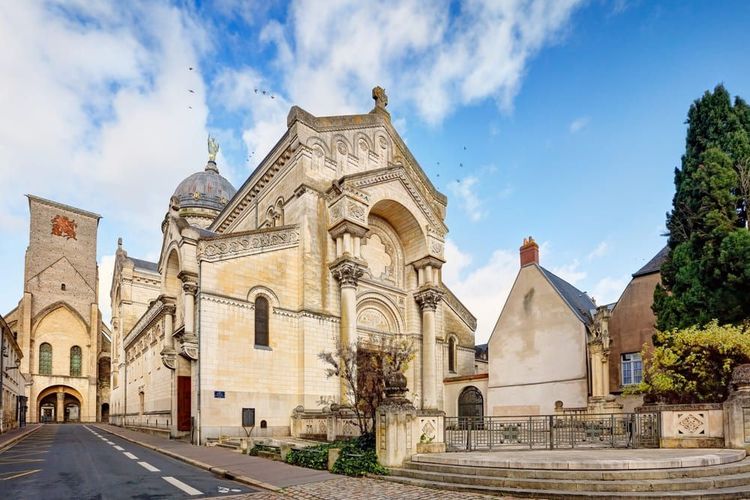
This basilica was raised between 1887 and 1902 by the architect behind the town hall and the station. The earlier Romanesque sanctuary had vanished during the Revolution, but the 1860 find of the saint's relics revived the project: rather than copy the original, builders chose a restrained Romanesque-Byzantine style. The windows trace his life and that of the Church across Europe, a replica tomb can be seen below, and his statue, crowning the dome, seems to bless the whole city.
Free entry
6 - Clock Tower
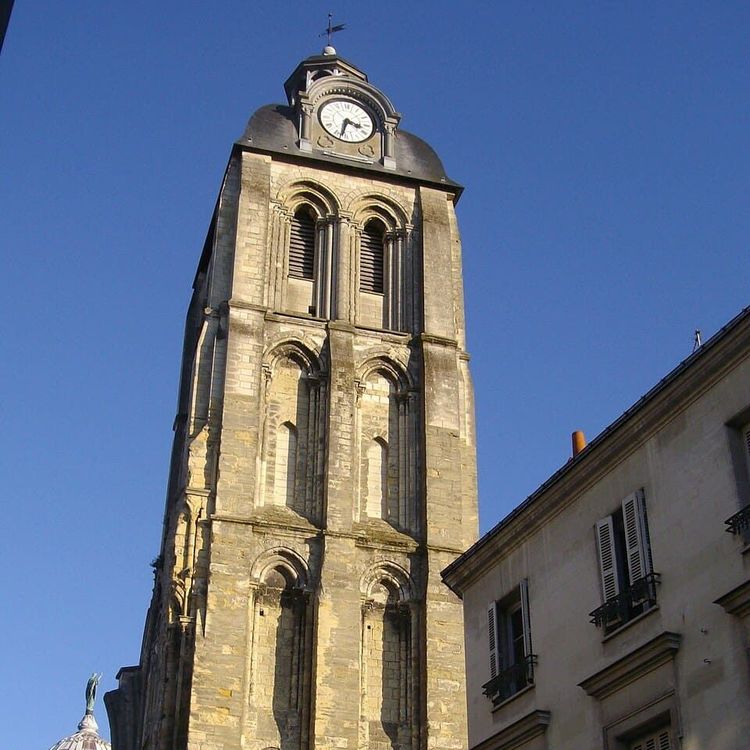
This tower helps picture how large the former 11th-century Saint-Martin basilica once was, whose south wing it formed under the name Treasure tower. Spared when the rest of the building was pulled down, it was simply meant to hold a bell announcing market hours, before a clock gave it its present name. Recognised as a historic monument in 1840, it stays closed to visitors but is easily seen from the street, right opposite its neighbour, the Charlemagne tower.
Free to see from outside
7 - Gateway to the treasurers' residence
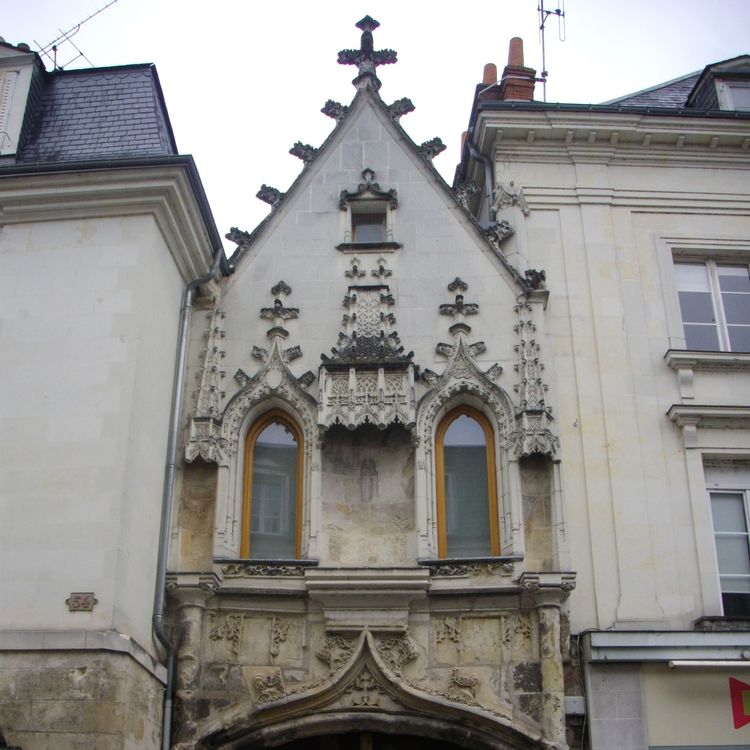
This finely carved gateway, in flamboyant Gothic style, is all that survives of a private mansion that once belonged to the treasurer of the canons. The post carried real weight: in the Middle Ages its holder had the right of high justice, meaning the power to pronounce death sentences in criminal matters, as opposed to the low justice reserved for civil disputes. The richly decorated gate, raised in the 15th century, reflected that authority; it is now the only visible trace of the entire vanished complex.
Free entry
8 - The Monster
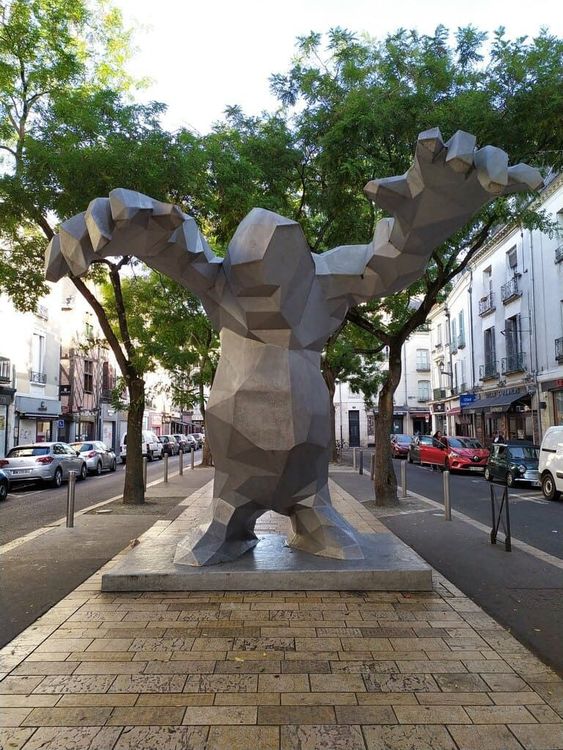
On the market square, this odd 4.80-metre figure stands out sharply among the old facades. Commissioned by local shopkeepers from the artist Xavier Veilhan, the piece reinterprets, in a thoroughly contemporary style, the fantastical creatures once carved onto medieval town crests. Since it went up, residents have gradually taken to calling the spot Monster square, proof that, loved or not, this unexpected meeting of two eras has stuck.
Free entry
9 - Plumereau square
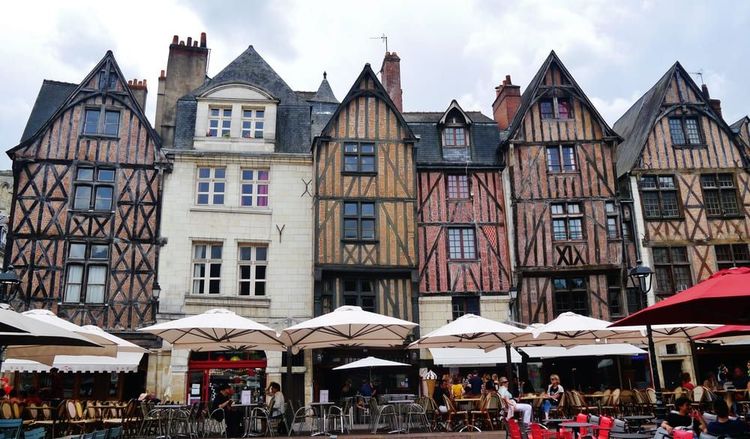
Here is one of the finest squares in Tours, ringed by half-timbered houses from the 12th to the 16th century, all listed and restored in the 1960s. Take a seat on a terrace: in 2014, Lonely Planet even named it the best square in France for an evening drink. Its name honours Charles Plumereau, a generous local benefactor, but the square is best remembered for Joan of Arc: a plaque at number 39 marks the house built on the old armoury that forged her armour in 1429.
Free entry
10 - Saint-Pierre le Puellier Gardens
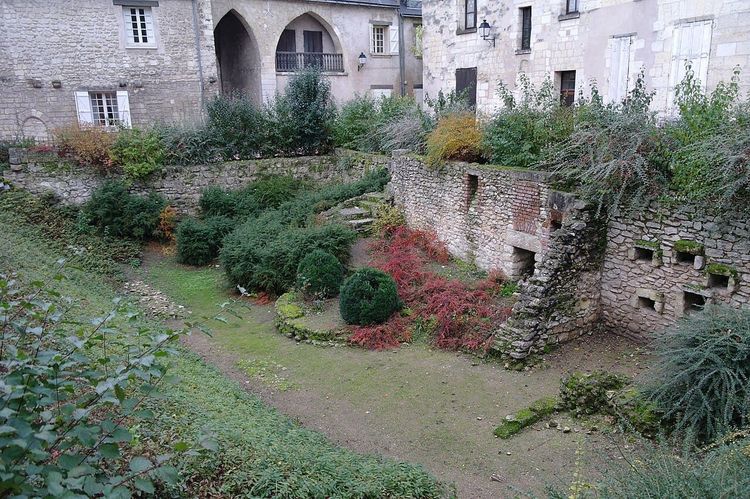
This archaeological garden stacks up several layers of history. In the early 6th century, Queen Clotilde, widow of Clovis, is said to have settled in Tours and had a convent built here for young women, hence the name Puellier, Latin for an unmarried young woman. Later turned into a parish and reworked in the 12th and 14th centuries, the site mainly yielded, during digs, Roman-era foundations dated to the 2nd and 3rd centuries, perhaps former baths, along with several hundred burials spanning the 10th to the 18th century.
Free entry
11 - Goüin Mansion
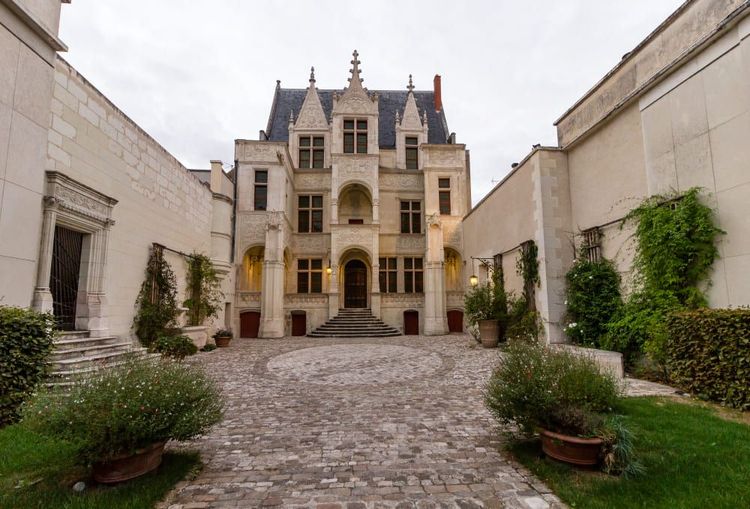
Still in the Plumereau district stands a key reference of Renaissance architecture in the Touraine region. Originally a medieval dwelling, the building was transformed around 1510 by its owner, drawing inspiration from Italian palaces: its facade, blending Venetian elements with flamboyant Gothic, ranks among the earliest of this style here. Almost entirely destroyed by the 1940 bombing and fire, it was partly rebuilt in the 1950s and now houses a contemporary art centre, open Wednesday to Sunday.
Free to see from outside
12 - Saint-Julien church
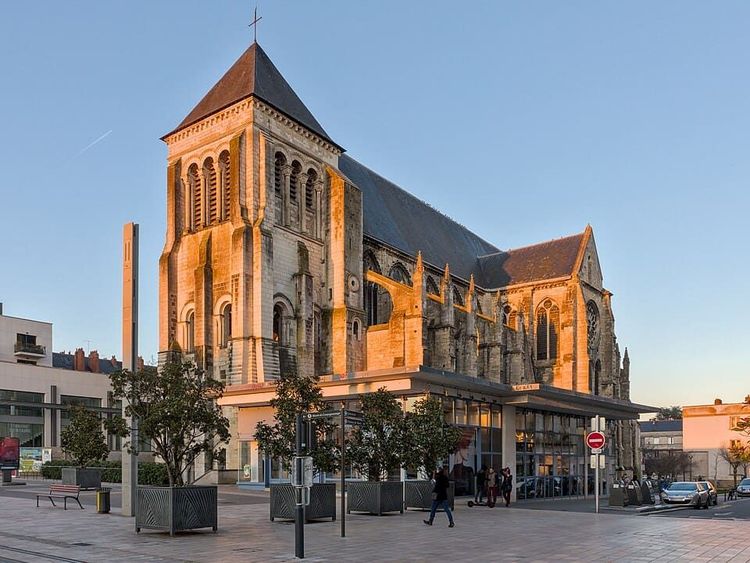
Founded, legend says, by Clovis in the 6th century after a military victory, this church has known little but trials: a Norman attack in 853, damage during the 1043 siege, a nave brought down by a 1224 hurricane. Sold as national property during the Revolution, it even served as a coach store, until Prosper Merimee bought it back in 1846 for worship. Its last windows shattered in 1944; in the neighbouring abbey, a recognised museum now tells the story of French craft guilds, listed by UNESCO.
Free entry
13 - Wilson Bridge
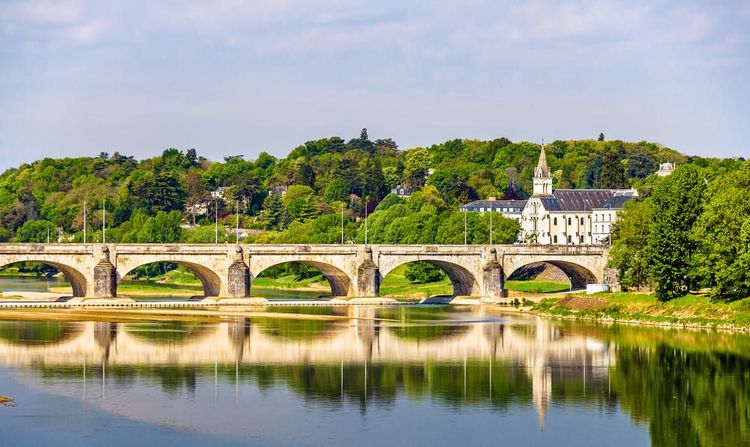
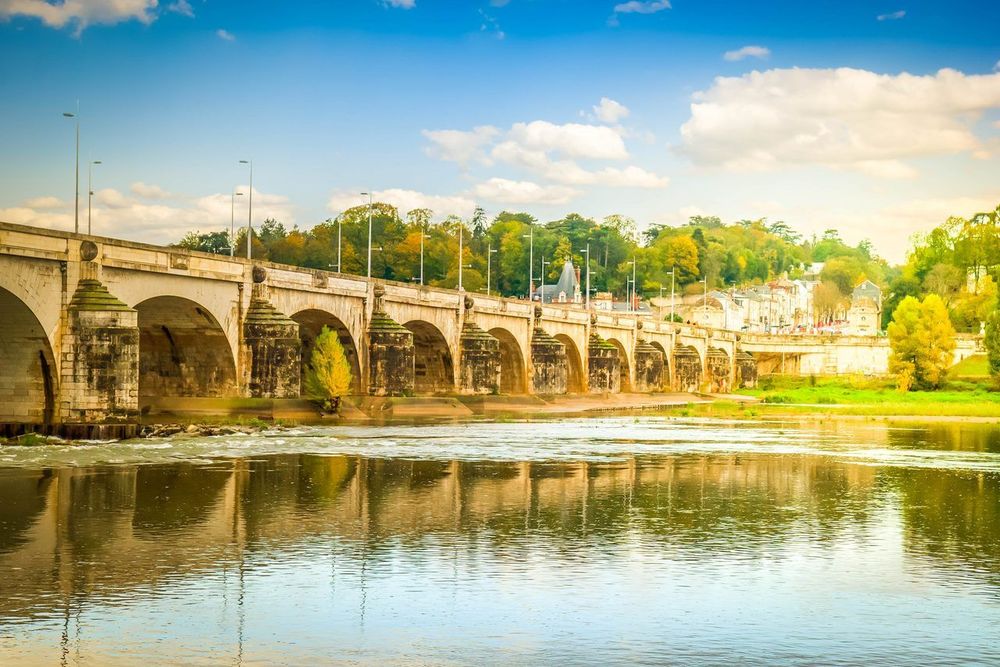
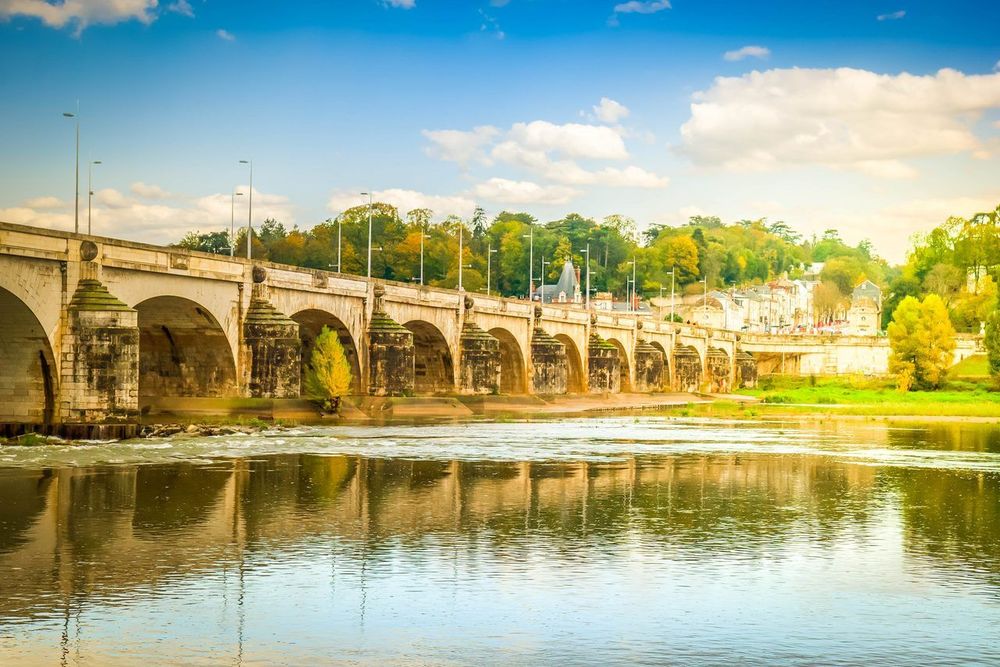
The oldest bridge in Tours, completed in 1765, spans the Loire with 15 stone arches. Locals simply call it the stone bridge, even though it bears the name of American president Woodrow Wilson, who stood by France throughout the Great War. Part of it collapsed in 1978 without any casualties: a referendum then chose to keep the surviving stonework and raise the remainder in concrete. Now a listed historic monument, it offers a fine view of the quays, and a riverside guinguette livens up the far bank.
Free entry
14 - The Tours municipal library
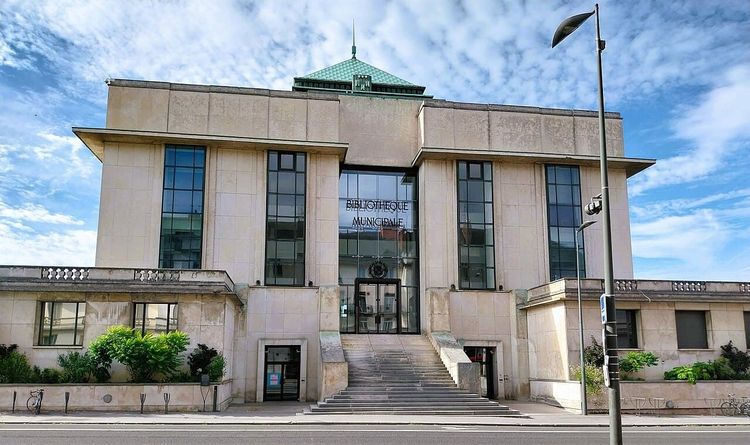
Set facing the Loire, this library replaces the earlier one, destroyed in 1940 by a fire sparked by German shelling; only a handful of incunabula, books printed before 1501, escaped the flames. Its reconstruction was entrusted to Pierre Patout, a leading figure of Art Deco, known for fitting out transatlantic liners, whose look he echoed here: reinforced concrete, broad windows and geometric volumes close to Cubism. It is now the hub of a network of seven libraries, backed by a mobile library van and several documentation centres.
Free entry
15 - The American monument
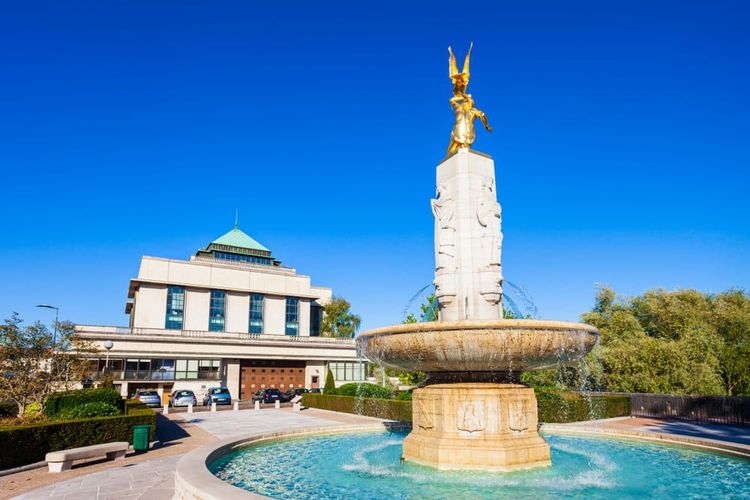
A diplomatic curiosity: the ground beneath this monumental fountain still belongs to the United States. Raised in the 1930s and fully funded by Washington, the ensemble honours the American supply-service soldiers who came to France's aid during the First World War, with Tours serving as their headquarters. The central pillar carries the coats of arms of the service's base cities, while a gilded statue by a New York sculptor depicts a Native American man holding an eagle, a symbolic choice still open to interpretation today.
Free entry
16 - The Loire
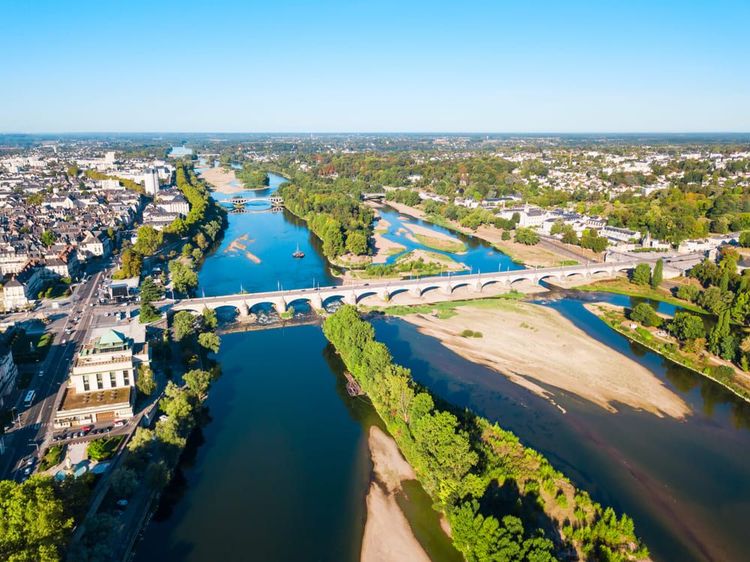
You are walking along the wild banks of France's longest river, 1,006 kilometres from the Massif Central to the Atlantic. Long the main trading route before the railway, it remains one of the last wild rivers in the country, rich in biodiversity threatened by farming and urban pollution. Its valley, recognised as World Heritage by UNESCO since 2000, is nicknamed the royal river for its many castles, explored today by cruise or along the 800-kilometre cycling route bearing its name.
Free entry
17 - Tours Castle
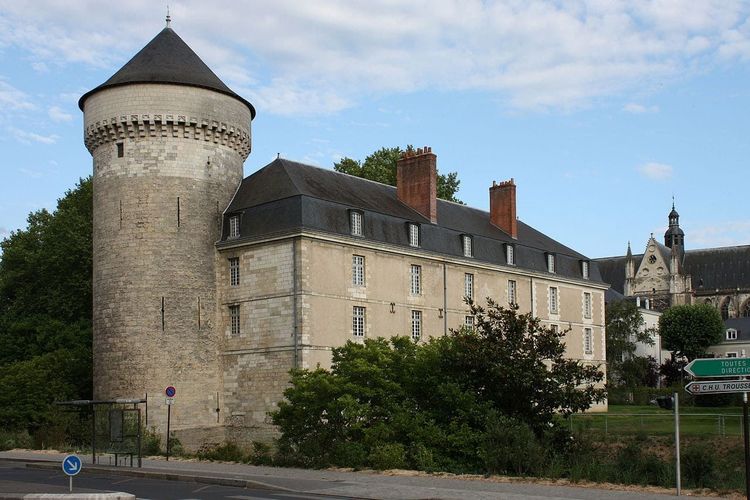
Next to the flamboyant Loire castles, Tours castle is a modest younger sibling, yet its history is just as rich. Built in the 11th century on a 4th-century Gallo-Roman wall, it once marked the line between fortified Chateauneuf and the counts' domain. Attached to the crown in the 13th century, it hosted princely events before falling from favour and being razed in the late 18th century. The army added a dwelling in the 19th century; the city made it a paid exhibition space in the 20th.
Paid entry (about €4)
18 - The Coeur Navré passage
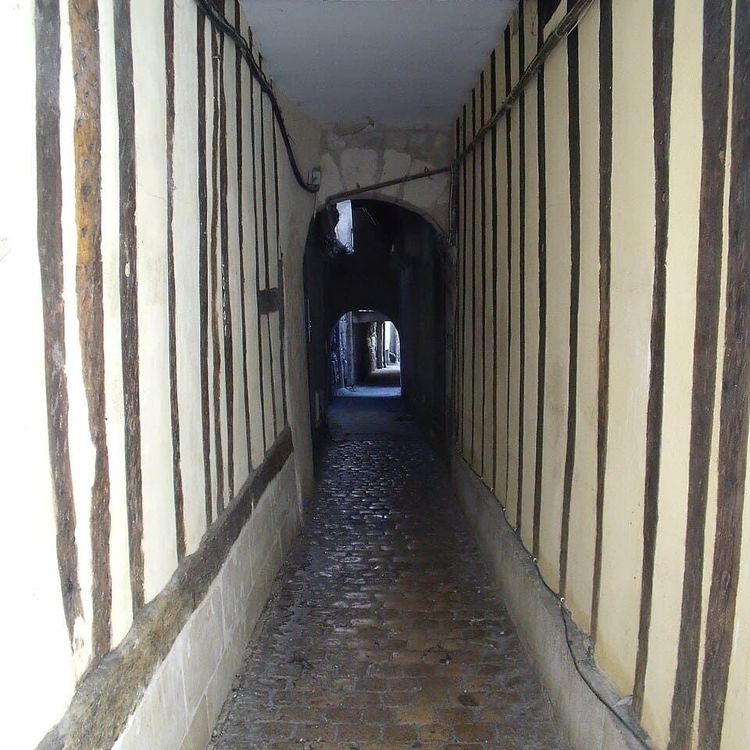
This covered passage, tucked discreetly into old Tours, carries a name as poetic as it is grim. Like the Bridge of Sighs in Venice, it is said to recall the sorrow of the condemned led through it toward the scaffold raised on the nearby square, then a major marketplace and site of public executions in the Middle Ages. A more modest explanation points simply to an old sign that once bore a heart struck by an arrow near the entrance. Either way, the narrowness of the spot suits the mood.
Free entry
19 - Grand Theatre
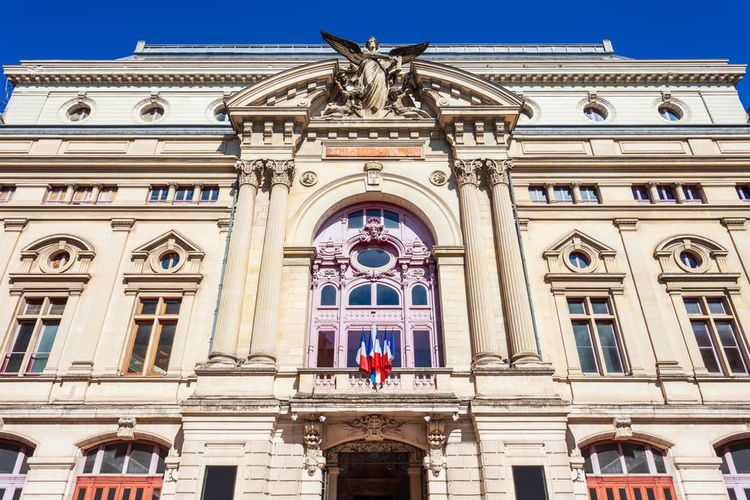
The only venue of its kind for opera across Centre-Val de Loire, this theatre rises where a former church once stood, rather like La Scala in Milan. Turned into a performance hall in 1796 and bought a century later by the municipality, which renovated it in the spirit of the Opera Garnier, it was largely destroyed by a fire in 1883; the rebuilt structure, by architect Stanislas Loison, stands here today. A historic monument since 2000, it has hosted a permanent choir and the regional symphony orchestra since 2002.
Free to see from outside
20 - Saint-Gatien Cathedral
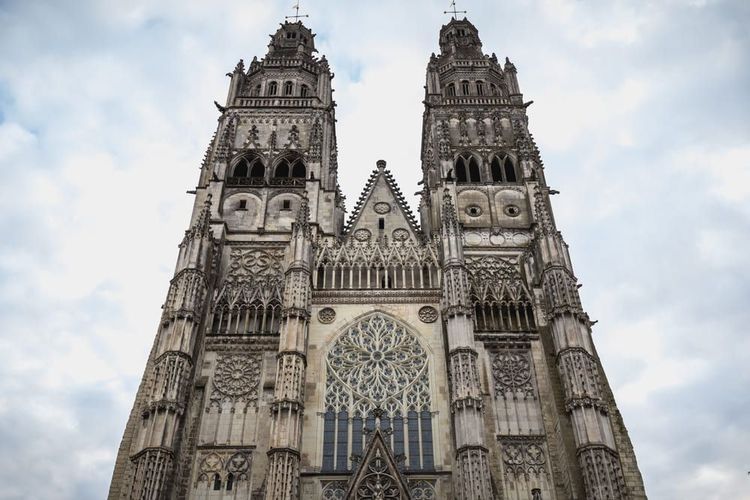
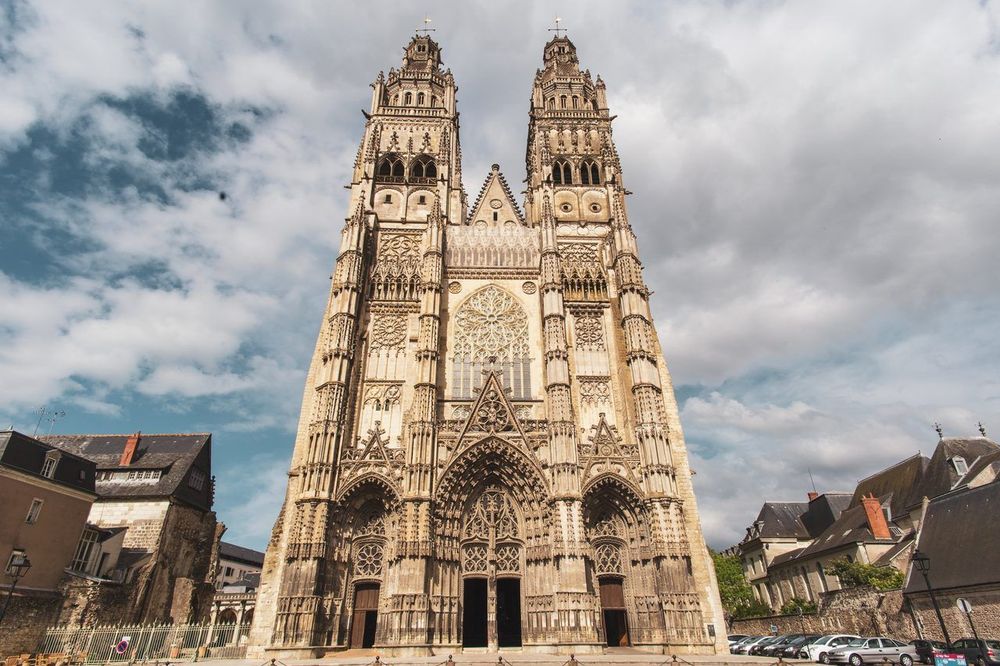
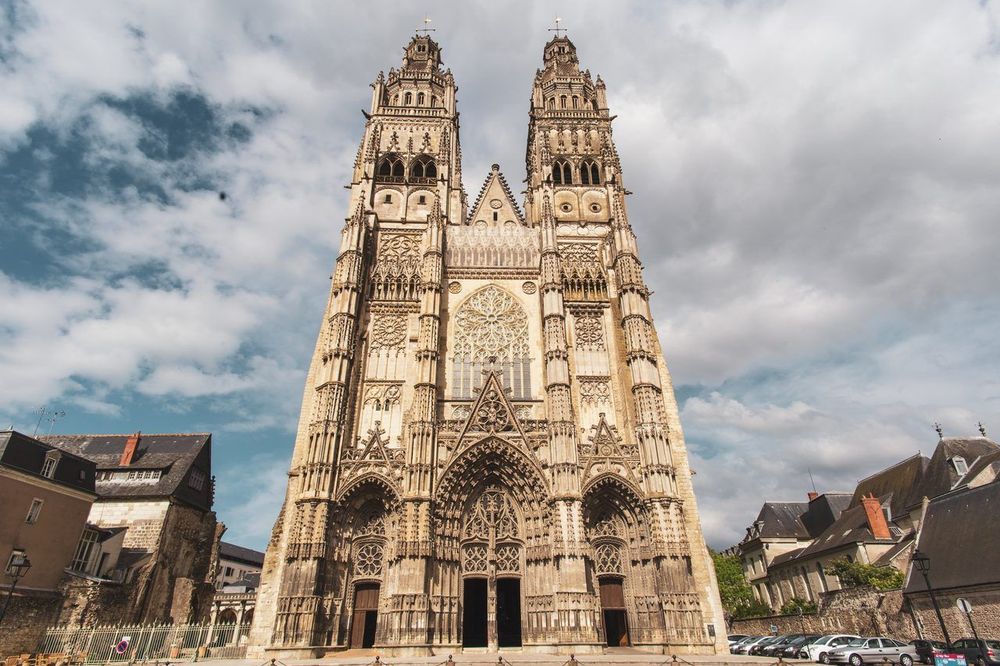
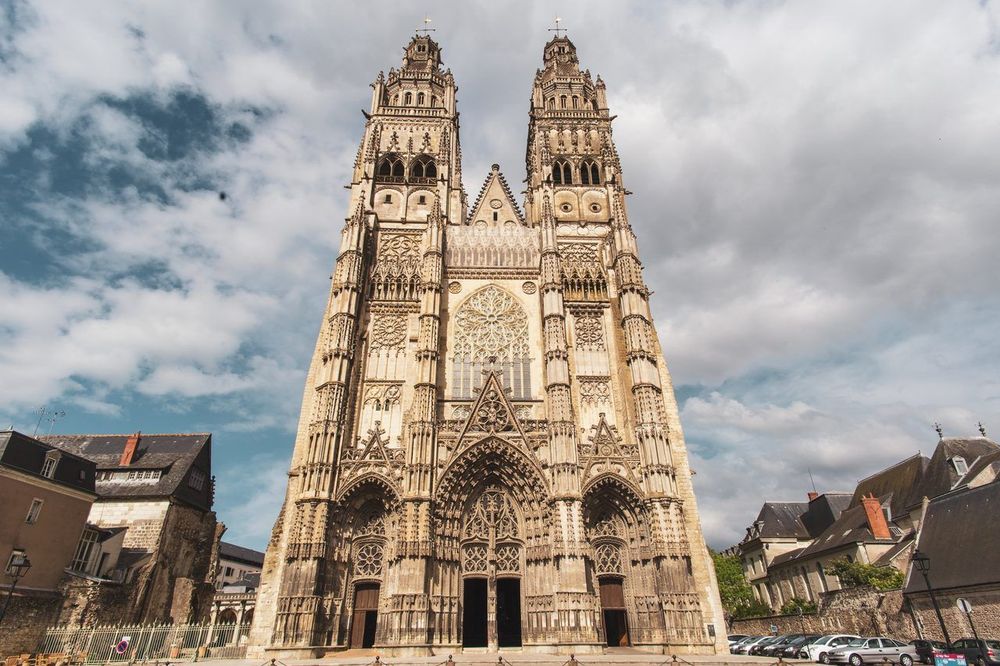
Fans of flamboyant Gothic will be delighted here: construction stretched over four centuries from the 1200s onward, with a finely carved facade resembling stone lace. The structure is huge, about a hundred metres long, with towers of 68 and 69 metres, and it follows several earlier sanctuaries, burned and rebuilt since the 4th century. Entry is free: inside, admire the stained glass and the carved tomb of Anne of Brittany's two young children, then, for a fee, the neighbouring cloister.
Free entry
21 - Garden of the Fine Arts Museum
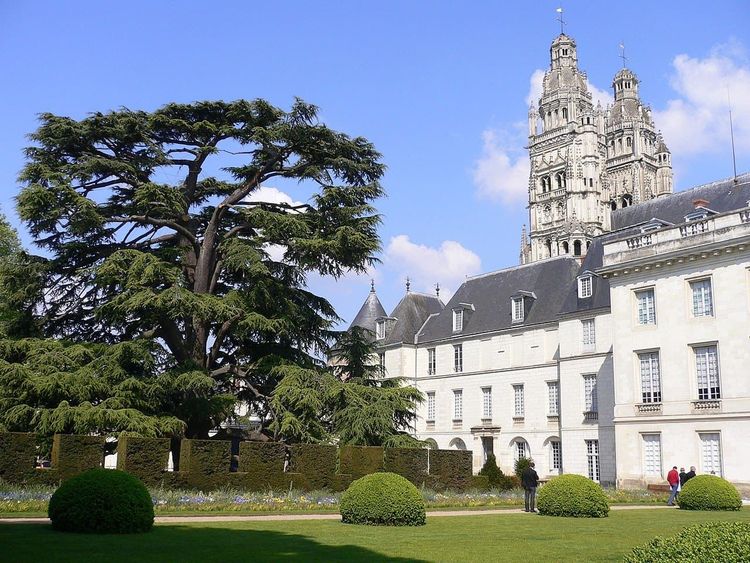
This leafy garden surrounds the former episcopal palace, home to the bishops of Tours from the 4th century onward, endlessly reworked over time. Turned into public property at the Revolution, it served in turn as a theatre, a school and then a library, before the city made it, in 1910, its Fine Arts museum, home to paintings by Monet, Degas, Delacroix and Rembrandt. Look, in the garden, for the great cedar of Lebanon planted in the early 19th century, its branches spreading over more than 600 square metres.
Free entry
22 - Fritz the elephant
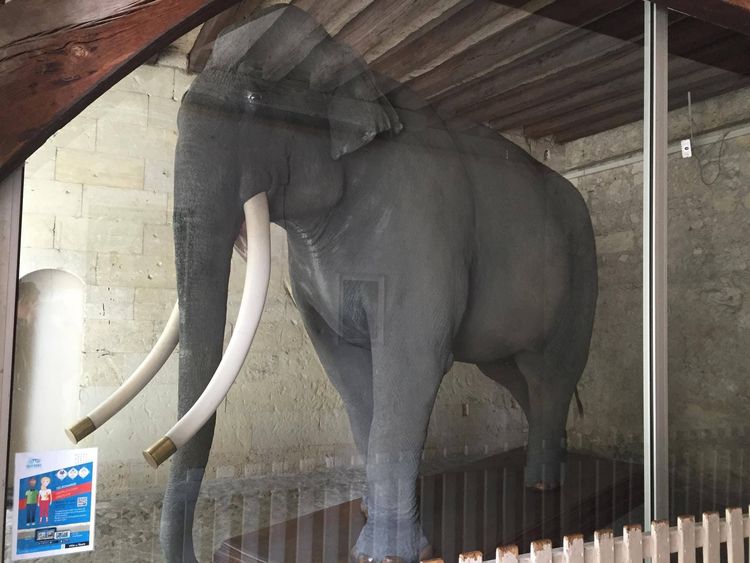
As you enter the museum, you cannot miss this stuffed elephant in the former stables: Fritz, a performer of the Barnum and Bailey troupe around 1900. Born in Asia around 1820, he stood nearly 3 metres at the shoulder. In 1902, as the circus passed through Tours, the animal turned uncontrollable during a parade toward the station and was put down on the spot. Donated to the city and prepared by a naturalist, his body has been displayed as a memorial; his skeleton was lost to the 1944 bombings.
Free entry
What to do in Tours in 2 or 3 days?
A 5.4 km loop is enough to cover central Tours in about two hours, from the station to the garden of the Fine Arts Museum. With one or two more days, the Touraine countryside and the city's museums open up to you.
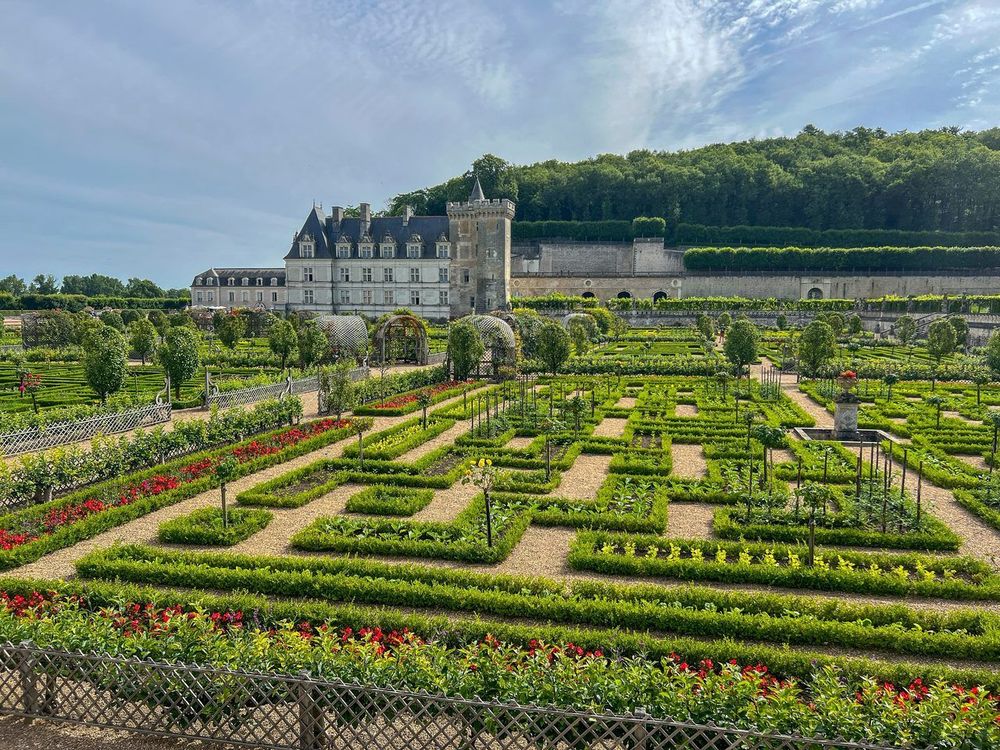
The next day, head to the château and gardens of Villandry west of Tours: the Renaissance kitchen garden is best seen from a viewpoint, then the château itself takes about an hour to visit, period furniture and Mudéjar ceiling included. You can cycle there along the Loire à Vélo route in 1 h 15 to 1 h 30, and in the afternoon, in the warmer months, a riverside guinguette on the Cher awaits at Savonnières. This day follows our itinerary for visiting Tours in 3 days.
On the third day, step inside the places the route only passes by: the Fine Arts Museum, whose garden you will have crossed (stop 21), displays two panels by Mantegna and canvases by Rubens, Delacroix and Degas. Behind Saint-Gatien Cathedral, the Psalette cloister, with paid entry, unfolds its Gothic galleries and spiral staircase. If time is short, our programme for visiting Tours in 2 days helps you choose.
Which neighbourhoods does the tour cross?
The 5.4 km loop links several sides of Tours, from the station district to half-timbered old Tours, then on to the banks of the Loire and the cathedral quarter. Our guide to the neighbourhoods of Tours covers each of them in more detail.
From the station, the route follows National Street, the city's main thoroughfare, now pedestrianised, before entering old Tours past Charlemagne Tower and Saint-Martin Basilica. It then crosses this quarter of half-timbered houses, those on Plumereau Square dating from the 12th to the 16th century, as far as the Goüin Mansion (stops 1 to 11).
It then follows the banks of the Loire, from Saint-Julien church and Wilson Bridge to Tours Castle, built on the old Gallo-Roman wall, before reaching the Grand Theatre via the Coeur Navré passage (stops 12 to 19).
The last stretch reaches the quarter of Saint-Gatien Cathedral, then the former bishop's palace that became the Fine Arts Museum, ending in its garden alongside Fritz the elephant, a few streets from the station (stops 20 to 22).
How much does it cost to visit Tours?
Of the route's 22 stops, sixteen are free to visit and five others are mainly admired from outside, such as the Goüin Mansion, which only opens for exhibitions, or the Clock Tower, which cannot be visited. Just one stop charges admission: Tours Castle.
Entry to the castle costs €4.50. For more collections, the multi-visit card for the Tours museums, at €14.50, gives one entry each to the castle, the Fine Arts Museum, the Compagnonnage Museum and the Natural History Museum, and stays valid until all four entries have been used. For the rest of your stay, our selection of free activities in Tours lists the best deals.
Information checked in November 2026 and subject to change.
Where to stop for a bite along the tour?
The route passes through Plumereau Square, which Lonely Planet named in 2014 as the best square in France for an aperitif: a good place to start tasting the specialities of Touraine.
Try rillons de Touraine, pieces of spiced pork belly browned and then preserved in their own fat, or Sainte-Maure cheese, made from raw goat's milk and born centuries ago in Touraine. Tours nougat, meanwhile, hides apricot jam, candied fruit and sometimes a touch of dried pear under its shortcrust pastry.
These dishes go well with a Touraine wine such as vouvray; the fouée, andouillette au Vouvray and the other classics are gathered in our top 10 culinary specialities of Tours.
What to do in Tours with children?
Old Tours works well for a family treasure hunt: around Plumereau Square, the small streets are called “carrois”, a word from the Latin for a crossroads, and names like the carroi aux Chevaux or the carroi des Trois Rois delight younger children straight away.
Just nearby, the Saint-Pierre le Puellier Gardens hide the remains of a medieval church behind a discreet archway: children enjoy looking down at the foundations from the balustrade, and the free entry leaves time for a proper break on the shaded benches.
More ideas, from old Tours to the Loire châteaux, are gathered in our guide to visiting Tours with family.
What should you know before visiting Tours?
Two stops on the route do not open like the others, which is worth knowing before you reach their door.
The Goüin Mansion only opens to the public for temporary exhibitions and occasional cultural events: its Renaissance façade, however, stays visible at any time from the street.
The Clock Tower cannot be visited: once the south tower of the medieval Saint-Martin Basilica, it is admired from the street.
What to see around Tours?
Tours is also a good base for venturing out to the villages of Touraine and to neighbouring towns that can also be explored on foot.
12 km to the east, Rochecorbon clings to a tuffeau cliff hollowed out with cellars since the Middle Ages, some still used to make vouvray; the climb to the lantern, an isolated tower on the rocky spur, rewards with a view over the Loire and its islands. Montrésor, Candes-Saint-Martin and Crissay-sur-Manse carry the Plus Beaux Villages de France label, detailed with their distances in our guide to the most beautiful villages around Tours.
Beyond Touraine, several neighbouring towns also have their own audio-guided route: 53 km away, Blois unfolds its royal castle, while 60 km away, Saumur pairs a castle with equestrian tradition. Further on, Le Mans (77 km), Poitiers and Angers (94 km each) round out the trip, all the way to Orléans and the footsteps of Joan of Arc (107 km).
To explore several châteaux in a row, the Loire Valley Châteaux road trip notably covers the route between Tours and Blois.
Tours fait partie d'un Road trip
Le plein d'inspirations
Explorez le monde en totale liberté, à pied au cœur des villes ou au fil des routes. Nos guides audios transforment chaque destination en une découverte culturelle immersive et unique.
FAQ for visiting Tours
When is the best time to visit Tours?
The ideal time to discover Tours runs from May to September, when the oceanic climate offers mild temperatures of around twenty-five degrees and long, bright days. This season is perfect for strolling through the historic streets, enjoying the lively terraces of Place Plumereau and exploring the surrounding châteaux. The late season in October remains very pleasant with its autumn colours that adorn the Touraine vineyards with a particular beauty. Winters remain mild but can be rainy, while spring sees nature come back to life in what is nicknamed the garden of France.
How many days do you need to visit Tours?
Two to three days is an ideal length of time to fully appreciate Tours. A full day lets you discover the historic centre, Saint-Gatien Cathedral and old Tours with its half-timbered houses. The second day can be devoted to the museums, the gardens and a walk along the Loire. If you have an extra day, take the opportunity to visit a nearby château such as Villandry or Azay-le-Rideau. This length of time gives you time to savour the city's unique atmosphere, sample the local specialities and soak up the gentle Loire way of life without rushing.
How do you get around Tours?
Tours is ideally explored on foot, especially in the historic centre where the main attractions are concentrated. The city also has an efficient tram network that serves the main districts and a comprehensive bus system for the more distant areas. Cycling is an excellent option with numerous cycle paths and a practical rental service. To explore the Loire châteaux, the car remains the most flexible means, although bus excursions are regularly offered from Tours. Taxis and private hire vehicles are available for occasional journeys, particularly useful for reaching the station from your accommodation.
What are the absolute must-sees in Tours?
Saint-Gatien Cathedral impresses with its flamboyant Gothic façade and its remarkable stained-glass windows. Place Plumereau, the beating heart of old Tours, charms you with its half-timbered houses and its lively atmosphere. The Fine Arts Museum, housed in the former archbishops' palace, holds prestigious collections. The banks of the Loire invite you to stroll, as do the formal French gardens dotted around the city. The Ryo audioguide accompanies you on this discovery with a narrated tour that reveals the secrets of each district. Don't miss the Saint-Martin basilica and the Halles district for a complete immersion in the history of Tours.
What is there to do in Tours when it rains?
Rainy days offer the perfect opportunity to discover the sheltered cultural riches of Tours. The Fine Arts Museum welcomes you with its collections of paintings and sculptures in a majestic setting. The Olivier Debré Centre for Contemporary Creation offers stimulating modern art exhibitions. The Halles of Tours let you wander in the dry while discovering local produce. Saint-Gatien Cathedral offers an impressive spiritual refuge where you can admire the Gothic architecture. You can also enjoy the many historic cafés to savour a glass of Vouvray while watching the life of Tours from a table in the warm.
Where can you park in Tours?
Parking in Tours is well organised with several underground car parks strategically placed near the historic centre. The Halles, Anatole France and Vinci car parks are particularly practical for quick access to the main attractions. Surface parking remains possible but is often limited in duration and more expensive during the day. The outlying residential areas generally offer more free spaces, from where you can reach the centre by tram. On Sundays and public holidays, many spaces become free. Consider using parking mobile apps to simplify payment and avoid fines in the paid zones.
What is there to do in Tours with children?
Tours proves particularly welcoming for families with numerous activities suited to the youngest. The botanical garden offers a fun space for discovery with its exotic greenhouses and its play areas. The Compagnonnage Museum fascinates children with its meticulous craft masterpieces. The banks of the Loire offer pleasant walks by bike or on foot, with fitted-out picnic areas. The Tours sur Loire open-air venue livens up summer afternoons with its games and entertainment. The creative workshops offered by some museums let children get a first taste of art while having fun, while a visit to the cathedral towers offers a memorable medieval adventure.
What is there to visit around Tours in a day?
The surroundings of Tours are full of wonders accessible in a day. The Château de Villandry dazzles with its extraordinary Renaissance gardens, considered among the most beautiful in Europe. Azay-le-Rideau, a jewel of the French Renaissance, elegantly reflects in the waters of the Indre. Chenonceau, the Ladies' Château spanning the Cher, offers an unforgettable visit. For wine lovers, the Vouvray cellars offer tastings in fascinating troglodyte galleries. Amboise combines a royal château and the Clos Lucé, the last home of Leonardo da Vinci. Each destination is under an hour's drive away, allowing an in-depth exploration before returning to Tours in the evening.
What are the food specialities of Tours?
Touraine is known as the garden of France and its cooking shows it. You will come across rillettes and rillons from Tours, slow-cooked pork preparations, andouillette sausage cooked in Vouvray wine, the géline de Touraine, a free-range black chicken, and Loire fish such as pike-perch or pike served with a beurre blanc sauce. Sainte-maure-de-touraine, an ash-coated goat's cheese with a straw running through it, is recognisable at a glance.
On the sweet side, the nougat de Tours, a tart filled with candied fruit and topped with macaroon, can still be found at a few pastry shops in the centre. The neighbouring vineyards of Vouvray, Montlouis, Chinon and Bourgueil naturally round off the table. The covered market of Tours gathers producers, cheesemongers and fishmongers under one glass roof and remains the best place to taste all of it in a single visit.
Why is Tours associated with Saint Martin?
Martin, a Roman soldier who became bishop of Tours in the fourth century, is one of the great figures of Western Christianity, and his tomb made the city one of the main pilgrimage destinations in medieval Europe. The vast basilica raised over his grave disappeared at the Revolution, but two remnants still stand in the district: the Charlemagne tower and the clock tower, which marked its far ends.
A nineteenth-century basilica crowned with a dome now shelters the rediscovered tomb, and the Saint Martin routes still link Tours to other European cities. The former canons' quarter nearby, with its half-timbered houses and narrow streets, keeps the memory of that history alive. The Ryo audio guide offers a dedicated Tours route that connects these stops with the rest of the historic centre.
Which beautiful villages can you discover around Tours?
Within 60 km, Touraine lines up villages along the Loire, the Cher and the Indre. Twelve kilometres east, Rochecorbon has troglodyte cellars dug into the tufa cliff and a medieval lantern tower overlooking the river; Vouvray, 3 km away, opens its Chenin Blanc cellars, and Villandry lies 18 km to the west.
Further afield, Candes-Saint-Martin, Crissay-sur-Manse, Montrésor and Lavardin carry the "Most Beautiful Villages of France" label. Vouvray, Rochecorbon and Villandry can also be reached by bike from Tours.
Plan your outings with our selection of the most beautiful villages around Tours.
Which Tourangeau dishes and sweets should you order in a restaurant in Tours?
Tours, recognised as an "International City of Gastronomy", is best tasted through rillons, pieces of pork belly browned then confited, the locals' favourite charcuterie. You will also find andouillette cooked in Vouvray, beuchelle tourangelle with sweetbreads and kidneys, ballottine de géline and Touraine salad.
For cheese, Sainte-Maure goat's cheese is a must. On the sweet side, try the fouée, a small round bun, poire tapée, a dried and flattened pear, and nougat de Tours, a shortcrust pastry filled with apricot marmalade and candied fruit.
Discover all ten must-tries in our top food specialities of Tours.
What can you do in Tours, by day and by night?
By day, Saint-Gatien Cathedral, built between the 13th and 16th centuries, reveals its Gothic stained glass, while the Château de Tours displays contemporary art over four floors. The Musée des Beaux-Arts welcomes visitors beneath a cedar at least 200 years old, and the Hôtel Goüin is one of the town's rare intact Renaissance buildings.
To unwind, the Jardin des Prébendes d'Oé is free, and a bike ride along the Loire rounds off the day. After dark, the two Light Trails, "Le Balzac" and "Le Vieux Tours", illuminate the heritage.
See the full selection in our top activities in Tours.
How can you turn a visit to Old Tours into a treasure hunt for children?
Old Tours can be crossed on foot in twenty minutes, and its carrois, such as the Carroi aux Chevaux or the Carroi des Trois Pucelles, instantly amuse younger visitors. Challenge them to spot the carvings on the half-timbered houses, then the gargoyles of Saint-Gatien Cathedral.
Place Plumereau leaves room to run, the free Saint-Pierre-le-Puellier garden is perfect for a snack, and the Psalette cloister takes fifteen minutes. The Musée des Beaux-Arts, free for under-18s, has a cedar planted in 1804, and a zoo with pandas lies less than an hour away.
All the ideas are in our guide to visiting Tours with children.
What can you do for free in Tours?
Saint-Gatien Cathedral is free to enter all year round, and its 13th-century stained glass is among the best preserved in France. The Basilica of Saint-Martin, completed in 1924, can be visited freely down to the crypt holding the saint's tomb, a few steps from the Tour Charlemagne and the Tour de l'Horloge.
You can also wander Old Tours and Place Plumereau without a ticket, explore the botanical garden planted in 1843, relax on the beach set up each summer by the Loire or walk the 48 waymarked trails of the metropolitan area.
Discover all 18 ideas in our guide to free things to do in Tours.
Which neighbourhood of Tours should you stay in, depending on the atmosphere you want?
Vieux-Tours gathers the heritage around Place Plumereau, quiet in the morning and very lively from 7pm, five minutes from Saint-Gatien Cathedral. Prébendes-Béranger, built in the late 19th century around its garden, offers middle-class calm ten minutes from the station, but at high prices.
Grammont, a business hub to the south-east, empties at weekends. Le Sanitas, a working-class district from the 1960s, is being transformed by urban renewal, and La Tranchée, across the Loire, keeps a village feel.
Compare them in our guide to the neighbourhoods of Tours.
How should you spread a visit to Tours over two or three days?
Spend the first day on foot in the historic centre: Saint-Gatien Cathedral and its 13th-century stained glass, the Psalette cloister, then Old Tours, its mansions and Place Plumereau. The second day takes you to the Saint-Martin district and on to the banks of the Loire and their open-air guinguettes, with Villandry as an option.
With three days, add the Compagnonnage museum, Villandry by bike, a tasting with a Vouvray winegrower, a guinguette on the Cher at Savonnières, or even a round trip to Amboise.
Follow our itineraries to visit Tours in 2 days or in 3 days.
Which museums and indoor refuges should you choose in Tours on a showery day?
The Musée des Beaux-Arts, in the former archbishops' palace, shows works by Mantegna, Rembrandt, Delacroix and Monet, plus Fritz, a stuffed circus elephant, beneath the cedar in the courtyard. The Musée du Compagnonnage displays the craftsmen's masterpieces, the CCC OD contemporary art and the natural history museum its vivarium.
Saint-Gatien Cathedral also makes a good shelter. The Tours City Pass, at 24h (€28), 48h (€38) or 72h (€45), opens around ten sites. Further out, petrifying caves and a museum of 3,000 machines in Azay-le-Rideau await.
Discover all 15 ideas in our guide to things to do in Tours when it rains.
How do you plan a family trip to Tours, from the old town to the châteaux?
Start with Vieux Tours and Place Plumereau, easy to explore on foot in a morning, then take a break along the Loire. For kids, the Musée des Beaux-Arts has Fritz, a stuffed elephant, and a Lebanon cedar planted in 1804. SENSAS offers a blindfolded sensory course, and the Botanical Garden combines greenhouses, a small animal park and a playground.
Then head out to Chenonceau, Azay-le-Rideau or Chambord. It's better to pick two or three châteaux than to cram them all in, as children often lose interest after the second visit to grand state rooms.
Find all the tips, district by district and château by château, in our complete guide to visiting Tours with kids.
Vos commentaires, idées et suggestions
Aucun avis pour le moment