© Shutterstock
 Votre guide Ryo
Visiting Tours with Family in 2026: The Complete Guide from Old Tours to the Loire Valley Châteaux
Visiting Tours with family means enjoying a human-sized city that you can explore on foot, with a stroller or on a scooter, and that is full of nooks and crannies that appeal as much to children as to parents. You start with the cobbled lanes of Old Tours, then head to the banks of the Loire for an afternoon snack with your feet in the sand, and then branch out to Chenonceau, Chambord or Beauval. Between a stuffed elephant in a museum courtyard, a Lebanon cedar planted in 1804, a blindfolded sensory course and a pop-up beach by the river, you will have enough to fill a week of vacation without ever repeating the same activity. And to understand Old Tours without preparing a local history file, the Ryo audio-guided tour of Tours tells the hidden stories behind the half-timbered facades of Place Plumereau in 22 audio clips and two hours of walking. This guide moves neighborhood by neighborhood, then château by château, with a tip at each stop to balance the curiosity of some and the patience of others.
Old Tours and Place Plumereau, the Lively Heart of the City
The Old Tours district forms a small pedestrian area west of the center, easy to cover in a morning with children running ahead of you. Its heart is Place Plumereau, which the locals call "Place Plum": shaded terraces, 15th-century half-timbered houses leaning toward one another, and enough space to let the little ones run around while you have a coffee.
Around the square, look out for the carrois of Tours: the word here means a crossroads or small square, such as the carroi aux Herbes or the carroi aux Chapeaux, where markets were once held. Rue du Change, rue de la Rôtisserie, rue Briçonnet: each has kept its cobblestones and its timber framing. Suggest an improvised treasure hunt to the children: find a carved beam, an old shop sign, a courtyard hidden behind a half-open door.
A stone's throw from the square, a discreet passage leads to the Jardin Saint-Pierre-le-Puellier (Place Saint-Pierre-le-Puellier, 37000 Tours, rated 4.3/5 on Google from 12 reviews), an archaeological garden set in the excavation pit dug between 1968 and 1972. Below, you can see the remains of a church and its medieval cloister, sold as national property in 1791. Children love looking "beneath the city" from the balustrade, and the benches offer a welcome ten-minute break.
Further east, the Arts district lines up galleries, craftsmen's workshops and a few murals: an introduction to street art without stepping into a museum. In the evening, follow the Parcours Lumière, a lighting display that highlights a series of facades and monuments in the historic center at nightfall. It is free, requires no reservation, and is the best moment to see Place Plumereau change its look: locals gladly take their Tours by night stroll at this hour, when the facades turn golden under the spotlights. If you want to hold the children's attention without multiplying explanations yourself, this is also the neighborhood where the Ryo audio guide concentrates its anecdotes about the half-timbered houses and the inner courtyards of the square.
Saint-Gatien Cathedral, the Psalette Cloister and Religious Heritage
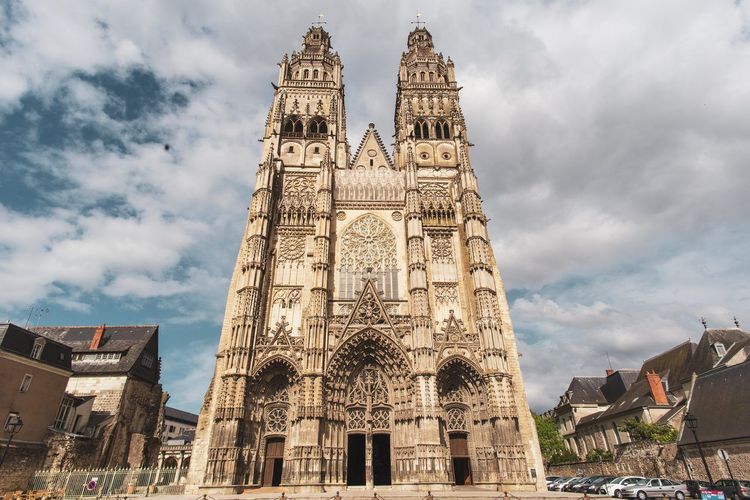
The Saint-Gatien Cathedral (Place de la Cathédrale, 37000 Tours, rated 4.6/5 on Google from 8,265 reviews) towers over the rooftops with its flamboyant Gothic facade, so finely carved that even children with little interest in architecture look up. Inside, the 13th-century stained-glass windows cast patches of color on the flagstones: twenty minutes is enough, exactly the attention span of a child under 10.
Right next to the cathedral, the Psalette Cloister (paid admission) offers a calm inner courtyard with Gothic and Renaissance galleries, rarely overrun by groups.
On the other side of Old Tours, the Charlemagne Tower, built in the 11th century, is one of the few remains of the immense Saint-Martin collegiate church, demolished after the Revolution: a good way to explain to children that a city changes over the centuries. Right next to it, the Saint-Martin Basilica, built between 1886 and 1924 above the tomb of Saint Martin, impresses with its dome and its crypt. With young children, aim for an express fifteen-minute visit between two activities rather than a whole morning devoted to churches.
Museums, Exhibitions and Libraries to Discover with Children
First practical point: the Musée des Beaux-Arts de Tours (18 Place François Sicard, 37000 Tours, rated 4.4/5 on Google from 1,614 reviews) is free on the first Sunday of every month. If your calendar allows, plan your stay around this date.
The Musée des Beaux-Arts de Tours, housed in the former archbishops' palace, wins children over before they even reach the first room. In the courtyard, a Lebanon cedar planted in 1804 stands more than 30 meters tall, and under a small glass shelter, freely accessible, sits Fritz, a Barnum circus elephant who died in Tours in 1902 and was then stuffed. Suffice it to say you will be asked for Fritz's story again all weekend. Inside, the collections range from Italian primitives to 20th-century painting, with fun guided visits scheduled on Wednesdays and during school holidays.
The Musée du Compagnonnage displays the masterpieces of journeyman craftsmen: miniature staircases, demonstration roof frames, sugar centerpieces. Children are often glued to the meticulousness of some of the models. Nearby, the Muséum d'Histoire Naturelle de Tours lines up skeletons, stuffed animals and terrariums, a classic but effective format for a rainy afternoon.
As for exhibitions, the schedule is busy: until January 17, 2027, the Hôtel Goüin is hosting an exhibition on Alexander Calder, fifty years after his death, with a large stabile installed in the courtyard, mobiles, gouaches and photos of his studio in Saché, very close to Tours (3 euros, Wednesday to Sunday afternoon). The mobiles that turn at the slightest breath fascinate the little ones. For readers, the libraries of the municipal network and the children's bookshops in the center offer free story hours and reading corners: plenty to devour books and much more during a quiet afternoon. More indoor ideas in our article what to do in Tours when it rains.
Botanical Garden, Cycling the Loire and Urban Beach: Nature in the City
Good news for the budget: almost all of Tours' green spaces are free and accessible on foot from the center.
The Jardin Botanique de Tours (35 Boulevard Tonnellé, 37000 Tours, rated 4.6/5 on Google from 6,793 reviews), created in the 19th century, combines tropical greenhouses, a small animal park and a playground over several hectares. Allow an hour and a half, more if your children want to pass the dwarf goats three times.
From May to September, Tours sur Loire brings both banks to life: the big open-air café at the foot of the Wilson Bridge, with a stage, a bar and an evening dance, and La Plage, on the north bank, a patch of sand with no loud music where you can watch birds and join art workshops. More than 150 free events are scheduled for the 2026 season, including a "Bar à Mômes" area designed for the youngest. The rest of the year, the banks of the Loire remain a lovely walk, facing one of the last great wild rivers in Europe.
By bike, the Loire à Vélo route follows the river for miles of almost flat terrain, ideal with a trailer or a child's bike; several rental shops in the center offer baby seats and children's bikes. If you prefer walking, the metropolitan area maintains 48 hiking trails, including loops of less than 5 km suited to little legs. Bring closed shoes: the sand along the quays quickly gives way to stony paths.
The 5.4 km route of the Ryo audio-guided tour of Tours partly follows these quays: you move between the narrated stops from the historic center to the Loire without ever consulting a map.
Unusual and Fun Activities for Young and Old
Once museums and gardens are checked off, Tours pulls several unusual cards out of its sleeve.
At SENSAS Tours, the sensory course invites you to rediscover the 5 senses blindfolded, through tactile, olfactory and sound workshops: it works as well with 6-year-olds as with jaded teenagers. For adrenaline, an axe-throwing venue has opened in the city center, supervised and safe, generally open from age 10-12 depending on the venue's rules.
For puzzle lovers, an escape game in Vouvray, about fifteen minutes from Tours, plunges players into a plot about wine and local traditions. In town, several quiz rooms offer games of about an hour, handy between two visits. Prefer to move around? A treasure hunt near Tours or an urban rally in the city center lets you rediscover the monuments step by step, a bit like a self-guided audio tour where you stop every five minutes of walking.
Foodies will try a parent/child street-food cooking class, two hours spent preparing street recipes from elsewhere together. On the water, a boat ride on the Loire aboard a toue cabanée, the river's traditional boat, offers a different view of the sandbanks and the navigation of days gone by.
A few kilometers from the city, farms offer walks with llamas and alpacas, led on a lead, by reservation. And if rain shows up, keep the classics in mind: a movie in the city center, a creative activity at a library or a game of bowling.
Loire Valley Châteaux to Visit from Tours
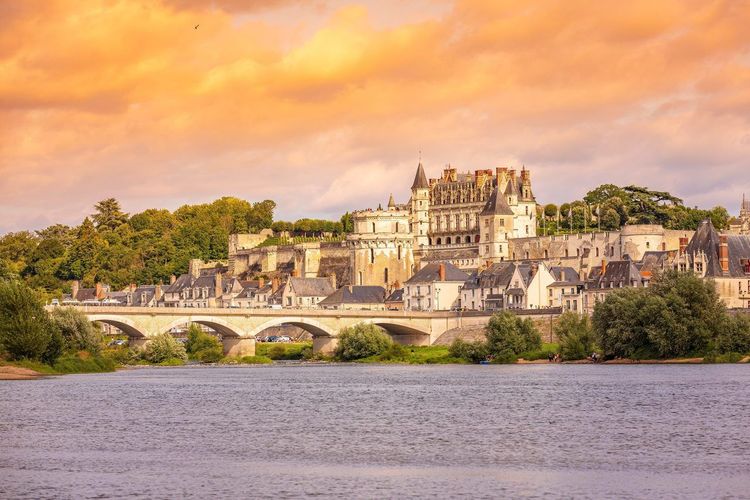
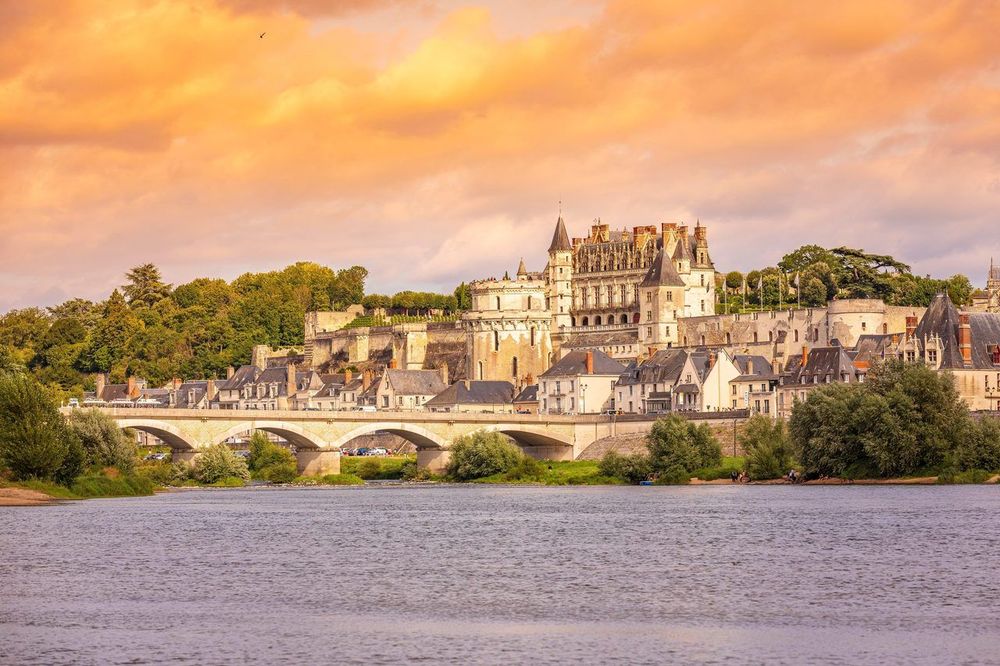
Tours is the best base for the Loire Valley châteaux: Villandry is about fifteen kilometers away, Chenonceau and Azay-le-Rideau about 30 minutes, and Chambord a little over an hour.
The Château de Chenonceau, spanning the Cher, remains the most photogenic in the region and one of the easiest to visit with children: a gallery built on the bridge over the river, French-style gardens and a hedge maze where the youngest can burn off energy safely. Allow half a day, picnic in the park included.
At Chambord, the double-helix staircase, whose design is often attributed to Leonardo da Vinci, and the 426 rooms impress from the moment you arrive on the estate. The real bonus with children: rent bikes or a rowboat to explore the park, the largest enclosed forest estate in Europe.
More intimate, the Château d'Azay-le-Rideau is reflected in the waters of the Indre that surround it almost entirely, a real fairytale setting. Its modest size makes for a short visit, suited to children who quickly tire of strings of furnished rooms.
Three other stops complete the program: the Château de Blois, whose Sound and Light show recounts the intrigues of the kings of France in the evening, the Château de Chaumont-sur-Loire (41150 Chaumont-sur-Loire, rated 4.4/5 on Google from 9,784 reviews) and its International Garden Festival renewed every year, and Villandry, very close by, whose ornamental vegetable garden cut into geometric patterns amazes even children who turn up their noses at vegetables.
A tip from the field: choose two or three châteaux rather than trying to fit everything in, because children generally tune out after the second visit of state rooms in the same day. Our article on visiting the Loire Valley châteaux helps you sort them out, and the Ryo audio-guided tour of the Loire Valley châteaux slips into the car: it tells the facades, gardens and anecdotes of each estate between two visits, with no paper guide to reread behind the wheel.
Parks, Zoo and Aquarium: Big Outings Around Tours
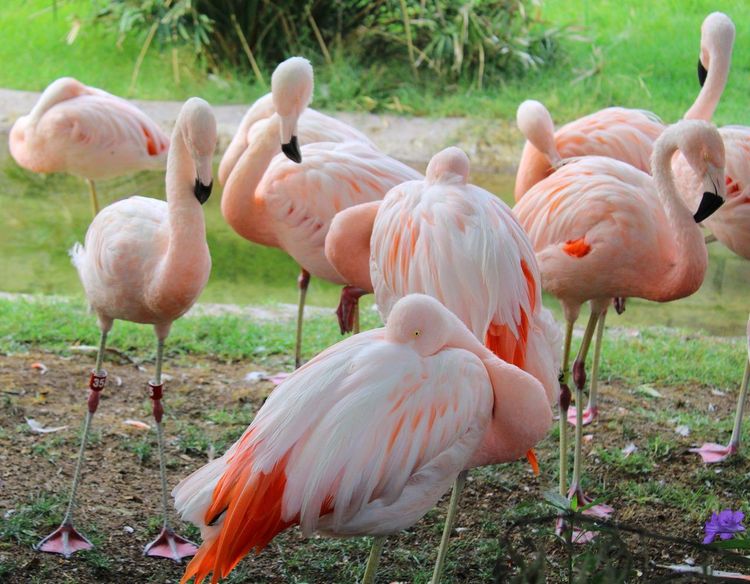
These outings easily take up a whole day.
The ZooParc de Beauval, in Saint-Aignan, is home to around 35,000 animals of 800 species, including giant pandas: allow a full day, two if your children want to see everything.
In Amboise, the Parc des Mini-Châteaux recreates the great monuments of the Loire Valley as scale models, Chambord and Chenonceau included, at a child's eye level: a good way to prepare for the real visits. Right next door, in Lussault-sur-Loire, the Aquarium de Touraine (37190 Lussault-sur-Loire, rated 4.3/5 on Google from 6,281 reviews), the largest freshwater aquarium in Europe, features a 15-meter tunnel where blacktip and whitetip reef sharks pass overhead.
About ten kilometers south of Tours, the Family Park in Sorigny gathers more than 40 attractions with unlimited access over 6 wooded hectares, with a Ferris wheel, rides and a water area from June. The treetop adventure park in Chemillé-sur-Indrois offers courses in the trees calibrated by age, from toddlers to teens looking for height.
Finally, about 1h15 away by road via the A10, the Futuroscope, near Poitiers, remains a benchmark for attractions built around imagery and new technologies: farther away, but worth it if you are staying a week.
Book your tickets online: it is often cheaper and avoids the ticket lines during school holidays and the May bridge holidays. The aquarium and the miniature park can each be visited in half a day, which lets you combine them if you are staying near Amboise.
The Goupillières Troglodyte Valley and Villages with Character
Less well known than the châteaux, the Goupillières Troglodyte Valley (37190 Azay-le-Rideau, rated 4.5/5 on Google from 2,300 reviews), near Azay-le-Rideau, brings together dwellings and farm outbuildings carved into the tuffeau stone, furnished as they were when peasants lived there. The visit is short and speaks to children: how do people live in rock, why is it so cool inside in summer, where did the animals sleep?
At the gates of Tours, two villages labeled Petites Cités de Caractère are worth a stop. Luynes, 15 km to the west, boasts its medieval hilltop château, its 15th-century covered market and the arches of a Gallo-Roman aqueduct that children mistake for a giant's bridge. Rochecorbon, to the east, clings to the cliff with its troglodyte dwellings, in the heart of the Vouvray vineyards. An hour's stroll is enough, ideal between two châteaux.
Where to Stay in Tours with Children
Aim for Old Tours or the banks of the Loire to do everything on foot. Aparthotels with a kitchen simplify dinners with young children, and several hotels in the center offer connecting rooms or suites with bunk beds: book early for school holidays.
If you plan to visit several châteaux, a gîte near Amboise or Vouvray limits travel while staying within 30 minutes of Tours. In summer, campsites with a pool along the Loire remain the most economical option, often with a kids' club.
Practical Information: Parking, Season and Traveling with Young Children
A few pointers before you close your suitcase.
Parking in Tours: the historic center is largely pedestrian. Leave the car in a parking lot on the edge of Old Tours or near the train station, then continue on foot. The cobblestones shake strollers: a baby carrier is more comfortable on the oldest lanes.
When to go: spring and early autumn offer the best compromise between weather and crowds. Summer has the open-air café and La Plage going for it, but lines grow longer at Chenonceau and Beauval; the All Saints' and February holidays often let you visit the same sites with half as many people.
Visiting Tours with a baby poses no particular difficulty: most museums accept strollers and the parks offer enough shade for naps. With an infant, limit yourself to one château per day, as car journeys add to the visiting time.
Adapting the program to the children's age changes everything: 3-6-year-olds mostly enjoy the gardens, La Plage, Fritz the elephant and the animals at Beauval; 7-11-year-olds love Chenonceau, the Parc des Mini-Châteaux and the aquarium; teens prefer the escape game, axe throwing, the Calder exhibition or an urban rally in Old Tours.



FAQ
Is Tours worth visiting with children?
Yes, and more than you might expect. The historic center is pedestrian, some of the museums are free on the first Sunday of the month, green spaces are a few minutes' walk away, and the city is an ideal base for the Loire Valley châteaux without spending hours in the car. Many parents who came for two days to see the châteaux end up extending their stay once they are there.
What are the must-do activities in Tours with children?
Place Plumereau and Old Tours for an evening stroll, the Jardin Botanique and the banks of the Loire for nature, the Musée des Beaux-Arts and its elephant Fritz, then at least one château, with Chenonceau or Chambord at the top of the list. If the schedule allows, add the ZooParc de Beauval, which deserves a full day on its own.
What are the unusual activities to do in Touraine?
SENSAS's blindfolded sensory course, axe throwing in the city center, the wine-themed escape game in Vouvray and llama walks are clearly off the beaten path. For a gentler afternoon, a parent/child cooking class or a ride on a toue cabanée on the Loire makes a change from the museum-and-château routine.
What are the hidden gems to visit around Tours?
The Goupillières Troglodyte Valley remains little known, even among regular visitors. The villages of Luynes and Rochecorbon offer a quiet alternative to the busiest châteaux, and right in the center, the Saint-Pierre-le-Puellier archaeological garden goes unnoticed by most visitors.
How many days should you plan to visit Tours with family?
Allow two days for Old Tours, its museums and its gardens, then two more days for the Loire Valley châteaux if you want to see more than two without rushing. Four to five days let you add Beauval or the Parc des Mini-Châteaux without sacrificing the city center.
What budget should you plan for a stay in Tours with children?
The city center costs little: gardens, the banks of the Loire, the Parcours Lumière, Tours sur Loire events and the Musée des Beaux-Arts on the first Sunday of the month are all free. The budget climbs with the big outings: at Beauval, the adult ticket starts at around 39 euros online (43 euros at the ticket office), a château like Chenonceau costs a little less, and you need to budget for fuel if you visit several estates in a row.
Between the lanes of Old Tours, the châteaux lining the Loire and the more unusual activities, visiting Tours with family can be tailored to your needs, whether you stay two days in the city or a week between Touraine and the Loire Valley. The key is to alternate the pace: a morning of sightseeing followed by an afternoon in the garden or at La Plage always goes down better than a full day of monuments.
To explore the historic center at your own pace, children included, the Ryo audio guide of Tours takes you through 22 audio clips and 5.4 km from Place Plumereau to the banks of the Loire.
À lire également