© Shutterstock
 Votre guide Ryo
What to Do in Tours When It Rains: 15 Indoor Ideas for 2026
Grey skies over the slate rooftops of Vieux Tours don't have to mean a wasted day. Between the Loire and the Cher, the city has built its reputation on half-timbered facades and white tuffeau stone — the same stone that has carved kilometres of caves and galleries beneath the Touraine countryside. So, what is there to do in Tours when it rains? The question comes up every autumn among locals and visitors alike, and the answer is clear: the city is full of sheltered options. This guide was designed alongside the Ryo audio-guided tour of Tours, which connects the main stops of the historic centre across 22 audio stages.
On the programme: a museum where a taxidermied elephant stands beneath a two-hundred-year-old cedar, petrifying caves a quarter of an hour from the centre, a museum of 3,000 machines in Azay-le-Rideau, a city pass covering around ten sites, and an hour-by-hour itinerary so you never have to improvise under a drainpipe. Museums, Loire Valley châteaux, free libraries, trampolines, and spas — there is more than enough to fill an entire day without spending more than five minutes outside.
1. Explore Tours' Museums out of the Rain
Tours has an unusually high density of museums for a city of its size, and a rainy day is the best excuse to finally step inside them.
The Musée des Beaux-Arts, the Musée du Compagnonnage, and the CCC OD
The Musée des Beaux-Arts de Tours (18 place François-Sicard, 37000 Tours) occupies the former archbishop's palace, right next to the cathedral. In the courtyard, a Lebanon cedar planted in the early nineteenth century shares the spotlight with Fritz, an elephant from an American circus who died in Tours in 1902 and has been taxidermied ever since. Inside, the two Mantegna panels from the San Zeno altarpiece in Verona are worth the visit alone, alongside works by Rembrandt, Delacroix, Monet, and sculptures by Rodin. Children, however, tend to remember the elephant most.
Ten minutes' walk away, the Musée du Compagnonnage (8 rue Nationale, 37000 Tours) is housed in the buildings of the former Abbaye Saint-Julien. It showcases the masterpieces crafted by journeymen as their entry pieces: miniature spiral staircases, roof frameworks, lock mechanisms, and pastry work executed with near-obsessive precision. Allow an hour, a little more if you get drawn into the history of compagnonnage, inscribed on UNESCO's Intangible Cultural Heritage list in 2010. The museum also runs children's workshops during school holidays.
If you prefer contemporary art, the CCC OD (Centre de création contemporaine Olivier Debré) at the end of rue Nationale near the Loire presents works by the Tours-born painter alongside temporary exhibitions that are often spectacular in scale.
The Natural History Museum of Tours
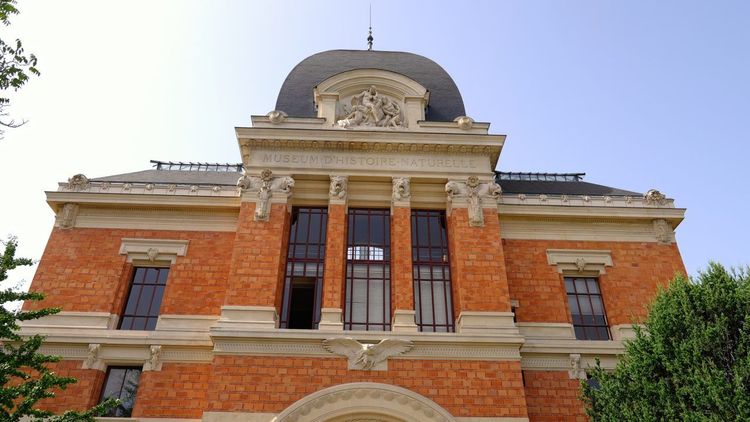
More family-friendly, the Natural History Museum of Tours (3 Rue du Président Merville, 37000 Tours, rated 4.2/5 on Google based on 766 reviews), just a short walk from the Place Plumereau, brings together zoology, mineralogy, and palaeontology collections, along with a vivarium that keeps children occupied for a long time. Temporary exhibitions change regularly, making it a solid option when the rain is heavy and you need to keep a mixed-age group entertained for a couple of hours.
The Tours City Pass for Back-to-Back Visits
Planning to visit several sites in a row? The Tours City Pass, sold by the tourist office, comes in three versions: 24 hours (€28), 48 hours (€38), and 72 hours (€45). It includes access to around ten sites, guided tours, and tastings. With the modestly priced municipal museums alone it barely pays for itself; it becomes worthwhile once you add a guided tour or a pricier site on the same day.
The 22 audio stops of the Ryo audio-guided tour of Tours (2 hours, 5.4 km) pass through the cathedral quarter and the Musée des Beaux-Arts: a handy way to connect museums between showers without pulling out a map.
2. Admire the Cathédrale Saint-Gatien and the Historic Heritage of Vieux Tours
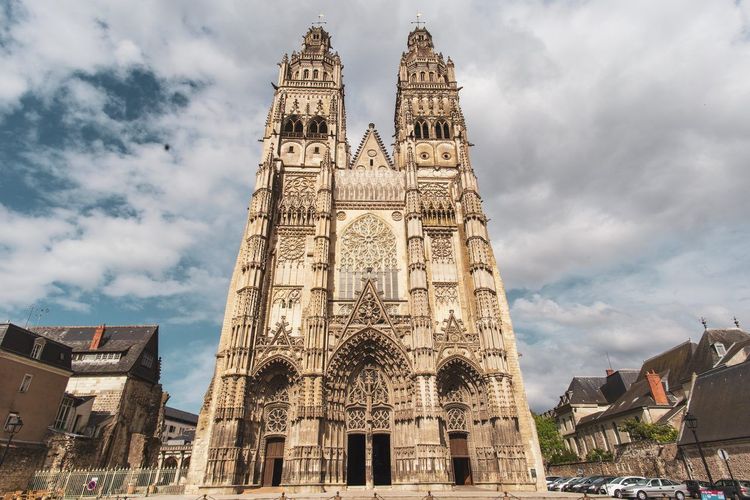
The Cathédrale Saint-Gatien (5 place de la Cathédrale, 37000 Tours) lends itself well to a rainy-day visit. Its construction stretched from the twelfth to the sixteenth century, which explains the flamboyant Gothic facade crowned by two towers with Renaissance tops. Inside, the thirteenth-century stained-glass windows in the choir rank among the finest in France, and the grey light of a rainy day brings out their blues beautifully.
Take your time in the adjoining Cloître de la Psalette, a more intimate space that hurried visitors often overlook.
A few minutes' walk away, the Château de Tours (25 Avenue André Malraux, 37000 Tours, rated 4/5 on Google based on 1,527 reviews) sits beside the Loire. Less imposing than the countryside châteaux, it blends medieval remains with more recent buildings and hosts temporary exhibitions: painting, photography, sculpture, or contemporary art depending on the programme.
Not to be missed in this neighbourhood: rue Colbert and its half-timbered houses, several of which date back to the fifteenth century, and then Place Plumereau a little further west. The deep doorways of certain buildings make a fine spot to wait out a shower while admiring the carved beams.
In front of the cathedral, the Ryo tour's audio stop covers its stained-glass windows and facade in detail — well worth listening to while sheltering under the porch until the shower passes.
3. Browse Les Halles de Tours and Discover Local Produce
The Halles de Tours (place Gaston-Pailhou, 37000 Tours) is the covered market in the Plumereau quarter. Around forty stalls sell Sainte-Maure-de-Touraine goat's cheese, rillettes and rillons, Loire wines, and vegetables from Val de Loire market gardeners. It is also one of the easiest places to have lunch under cover: a handful of counters serve oysters, glasses of wine, or light plates.
The current building, inaugurated in the late 1970s, replaced the nineteenth-century iron market hall. It remains a neighbourhood market frequented far more by locals than by tourists. Come in the morning when all the traders are open; early in the week, some stalls stay closed.
To go further in exploring local produce, two guided formats are available around La Chapelle-sur-Loire, 45 minutes west of Tours. The Loire Valley Food Tour (around €70 per adult) takes a small group to meet producers, with tastings at each stop. Chef's Ride (around €80) focuses on cooking workshops where you prepare a dish using local ingredients before sitting down to eat it. Both require advance booking. In the city itself, Tours à Table also runs workshops.
Want to explore local gastronomy in more depth once you're back home? Our article on the culinary specialities of Tours covers ten dishes and treats to try, from rillettes to Tours nougat.
4. Visit a Cave or Troglodyte Dwelling out of the Rain
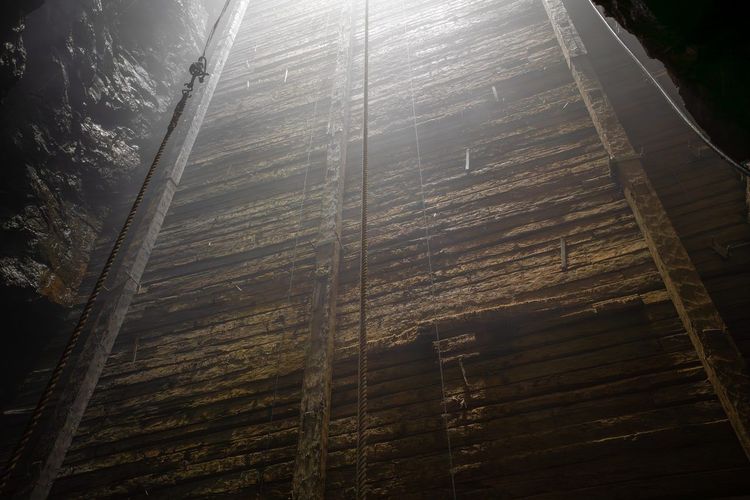
The Touraine sits on tuffeau, the white limestone quarried for centuries to build châteaux and houses. The result: hundreds of cavities, many of which are open to visitors and entirely unaffected by the weather. When the sky is overcast, an underground visit is one of the best alternatives.
Caves and Troglodyte Dwellings near Tours
Fifteen minutes from the centre, the Grottes pétrifiantes de Savonnières reveal stalactites, stalagmites, and delicate mineral formations, as well as a workshop where lime-rich water slowly petrifies objects. It is the closest option and the most suitable for children.
On the wine side, the Grandes Caves Saint-Roch at Rochecorbon, on the outskirts of Tours, offer a gallery tour followed by a tasting, as do the caves at Vouvray and Montlouis-sur-Loire. Further south, near Chinon, the Cave de la Sibylle at Panzoult winds through 70 metres of galleries brought to life with light and shadow effects. In the Vallée des Goupillières, near Azay-le-Rideau, medieval troglodyte farms display wells, bread ovens, stables, and grain stores carved directly into the rock.
Looking for an outing that appeals to children and adults who are less keen on old stones alike? A cave often ticks both boxes: a constant temperature of around 12 °C, playful darkness, and — for the grown-ups — a tasting at the exit. Bring a light layer, even in summer.
Le Mystère des Faluns: an Unusual Underground Experience
Further afield, at Doué-en-Anjou (about 1 hour 15 minutes by road), Le Mystère des Faluns (Doué-en-Anjou, 49700, rated 4.7/5 on Google based on 3,211 reviews) occupies former quarries dug into falun, a shell-rich sand deposited around ten million years ago when a sea covered the region. This geological and palaeontological site brings fossils and galleries to life through projections and light displays. The visit, entirely underground, costs around €8.50 per adult.
On the way back, the châteaux of Saumur and the Loire Valley are within easy reach: the Ryo audio-guided tour dedicated to the Loire Valley châteaux can help you pick an indoor stop along the way.
5. Take Shelter in Loire Valley Châteaux within an Hour of Tours
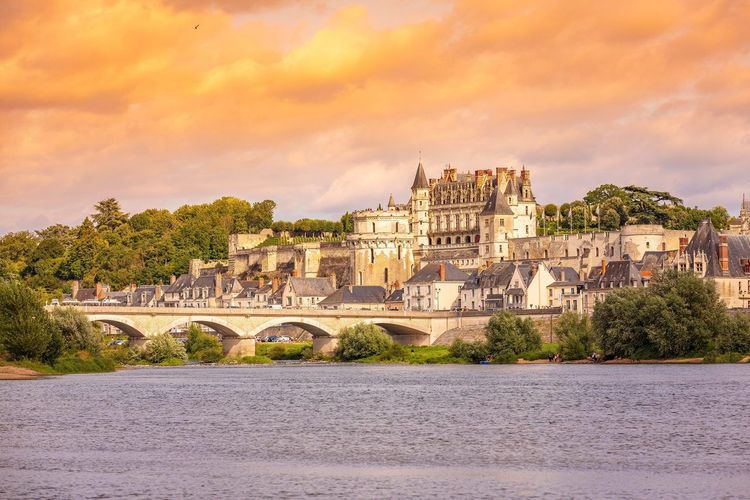
Contrary to popular belief, the Loire Valley châteaux are perfectly enjoyable in the rain: most of the visit takes place indoors, and the gardens can wait for a sunny day.
Clos Lucé and the World of Leonardo da Vinci
In Amboise, half an hour from Tours, the Château du Clos Lucé was the last home of Leonardo da Vinci, who settled here in 1516 at the invitation of François I and died in 1519. In the manor house, you can explore his bedroom, his studio, and rooms filled with scale models of his machines: a combat vehicle, a flying machine, a swing bridge. Multimedia spaces round out the visit, providing everything you need to become an authority on the Renaissance genius, from Florence to the Touraine.
The Leonardo da Vinci park, with its full-size machines, is outdoors: save it for a break in the clouds, and allow half a day if you want to see everything.
Smaller-Scale Châteaux around Tours
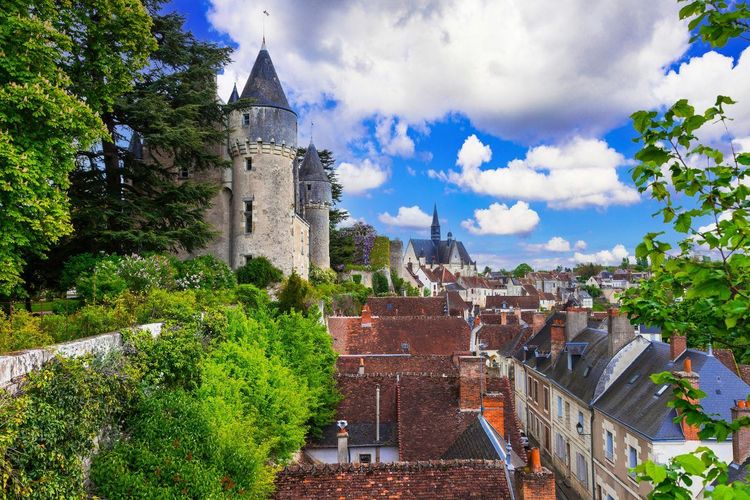
Less frequented than the valley's big names, several more modest châteaux can be visited in one or two hours, almost entirely under cover. Entry prices typically range from €10 to €14.
The Château de Langeais (37130 Langeais) retains its fortress character with its drawbridge. Its furnished rooms, styled in the spirit of the fifteenth century, evoke the marriage of Anne de Bretagne and Charles VIII, celebrated here in 1491.
The Château de Gizeux, still inhabited, stands out for its galleries with painted decorations. The Château de Champchevrier (37330 Cléré-les-Pins, rated 4.6/5 on Google based on 401 reviews), at Cléré-les-Pins, offers an intimate atmosphere with its furnished interiors, tapestries, and hunting hounds. Finally, the Château de Marcilly-sur-Maulne offers more private visits, a format appreciated by those who prefer to avoid crowds. Check opening days for these privately owned properties before setting off: many close for part of the year.
Before hitting the road, listen to the Ryo audio-guided tour dedicated to the Loire Valley châteaux: it tells the story of each building before you even arrive, which is handy for deciding which one to visit depending on how much time you have before the next shower. For Chenonceau, Villandry, or Azay-le-Rideau, our guide to visiting the Loire Valley châteaux takes it from there.
6. Escape Rooms, Trampolines, and Game Rooms for Letting off Steam

When it has been raining since morning and the children's energy — or your own — needs an outlet, the Tours area has no shortage of indoor venues.
In Tours, New Jump offers around 2,000 m² of trampolines — more than enough to burn off an afternoon's worth of energy. Slots fill up quickly on rainy Wednesdays and weekends: book the day before. Climbing enthusiasts can choose between the bouldering gyms Arkose and Block'out, while Up'Side in Saint-Avertin also offers climbing.
For something more cerebral, Tours has several escape rooms, including Get Out, as well as a Quiz Room and Shuffle Factory in the city centre. Saint-Avertin is home to another cluster of activities: Prison Island (a series of puzzle cells), the indoor karting venue Tours Kart Indoor, and EVA for virtual reality. To the north, Battlekart combines karting with a video game projected onto the floor.
Fancy leaving the city? At the Château de Gizeux, the escape room Les Couloirs du Temps (around €19 per adult) immerses teams in the history of the estate. It combines easily with a château visit.
In Azay-le-Rideau, the Cité Rétro-Mécanique (37190 Azay-le-Rideau, rated 4.7/5 on Google based on 1,717 reviews) (around €13) brings together nearly 3,000 machines tracing the history of industry and technology. A surprising museum that appeals well beyond mechanical enthusiasts, and pairs nicely with a visit to the neighbouring château.
7. Splash or Glide Indoors: Swimming Pool and Ice Rink
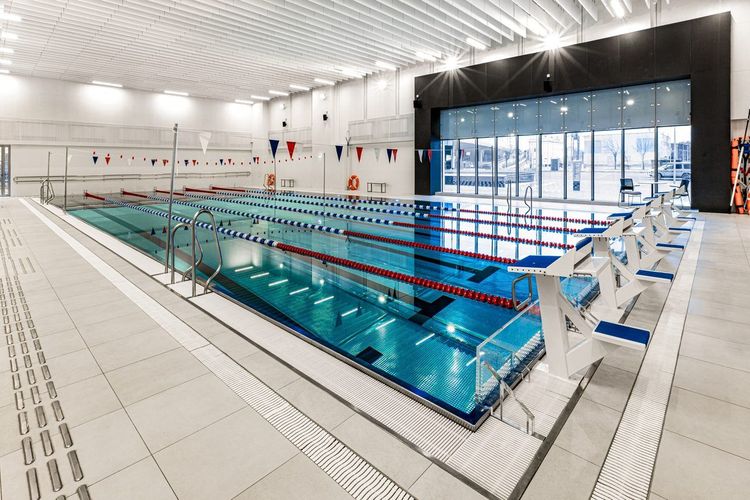
Two reliable options for turning a rainy day into an active outing.
In Joué-lès-Tours, the aquatic centre Bulle d'O (3 rue Jean-Bouin) combines pools, water slides, a spa area, and even a salt cave. Allow half a day if you plan to mix slides and relaxation. Other indoor pools round out the offering: the Lac aquatic centre south of Tours, the Mortier pool in Tours Nord, Ô Bleue in Fondettes, and La Plage in Saint-Avertin.
Prefer a triple axel to a dive? The Tours municipal ice rink is open year-round, with public sessions several times a week and special events during school holidays. In December, a temporary outdoor rink also opens on rue Nationale, near the big wheel at the Christmas market.
Check public session times before you go: clubs and competitions book the ice for certain slots, especially in the evenings.
8. Relax in a Spa out of the Rain

What if the rain became the perfect excuse for a little self-indulgence? Several addresses in the Touraine open their spa facilities for day visits.
South of Tours, the Château d'Artigny (Montbazon, 37250), the former home of perfumer François Coty, houses a spa with an indoor pool, hammam, and treatment rooms. Further afield, at Candes-Saint-Martin, Le Spa du Château (Candes-Saint-Martin, 37500, rated 4.9/5 on Google based on 72 reviews) overlooks the confluence of the Loire and the Vienne: allow around €135 for the package, for a truly restorative break.
More affordable options include the Thermes de Luynes and the relaxation area at Bulle d'O — both perfectly adequate for a few warm hours. Book in advance at weekends: these spas run at reduced capacity and fill up as soon as a stretch of rainy weather is forecast.
9. Cinema, Bowling, and Shows for a Rain-Free Outing
Three urban-outing classics, available all year round.
CGR Tours Centre and the City's Cinemas
The CGR Tours Centre, near the train station and served by the tram, has eight large screens, with original-language screenings and family films at weekends. The cinema remains the outing that keeps everyone happy when nobody can agree on a plan. To the south, the CGR des Deux-Lions is a good fallback if you are staying on that side of the city.
Bowlcenter and Bowling Alleys across the Area
Fancy bowling over a film? The Bowlcenter, in the Deux-Lions quarter (south Tours), welcomes players from as young as 2–3 with adapted lanes, and adds a virtual reality room and pool tables to the mix. Allow around an hour per game. To the north, Skybowl offers an alternative.
Le Grand Théâtre de Tours for a Show out of the Rain
For a more cultural evening, the Grand Théâtre de Tours (34 Rue de la Scellerie, 37000 Tours, rated 4.6/5 on Google based on 993 reviews) programmes opera, symphonic concerts, and dance across a season that broadly runs from autumn to spring. Some performances are aimed at younger audiences. Book several weeks in advance for the most sought-after dates.
10. Libraries and Toy Libraries: Free and Lively Shelters

Underestimated by most visitors, the Tours library network is one of the city's best free options on a rainy day.
The Tours Library Network: Free and Full of Life
The Bibliothèque de la Rotonde, specialising in children's literature, and the Bibliothèque des Rives du Cher welcome all visitors free of charge, from the very youngest. The central library in the city centre, the Paul-Carlat (Sanitas) and Bergeonnerie branch libraries, and the François-Mitterrand media library in Tours Nord complete the network. Readings, workshops, screenings, and events fill the calendar, with activities designed for visitors aged 7 to 99. No membership is required to spend an afternoon there.
Toy Libraries and Parent–Child Spaces for the Youngest Visitors
The Ludothèque de la Rotonde reserves a free space for children aged 0–6, while the Ludothèque Mirabeau lends games and toys to take home. Two invaluable addresses when children are climbing the walls.
The LAEP Bulle de Plumes (37000 Tours), a parent–child drop-in centre, welcomes children under 6 and their parents free of charge and without any prior registration, with early-years professionals on hand. The travelling initiative Déam'Bulles does the same across several neighbourhoods. A little-known gem for a relaxed rainy Wednesday without spending a cent.
11. Creative Workshops and Hands-On Indoor Activities
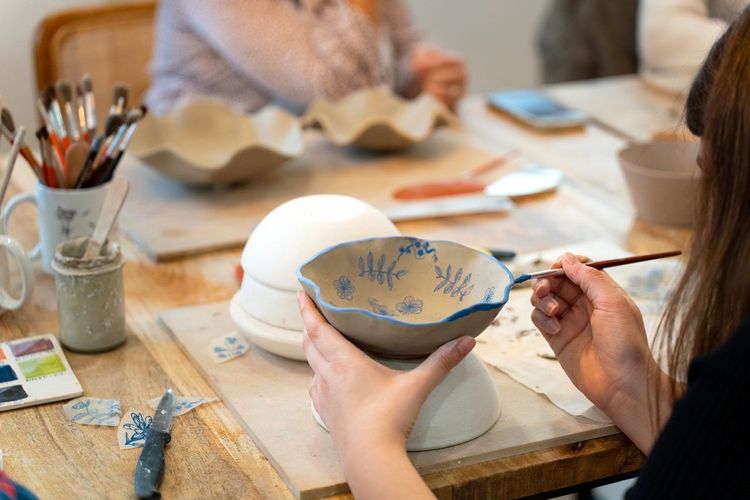
Less well known than the major attractions, the creative workshop scene in Tours is worth exploring when the sky stays grey.
In the city, Le Zeste Créatif offers ceramic painting from age 4, and its spin-off Le Zeste Beach & Brunch pairs the workshop with a brunch. Les Récréatives offers painting and embroidery from age 6. You leave with something you made yourself — a souvenir that beats a fridge magnet.
Outside Tours, crafts are best discovered in the workshop: the wicker-weaving centre at Villaines-les-Rochers keeps the village's basketry tradition alive, Ana Céramique welcomes visitors in Vouvray, and L'Hand Art operates in Athée-sur-Cher. Sessions typically last one to two hours with materials included; booking is recommended as places are limited.
12. Where to Take Children Depending on Their Age
Not every activity in this guide suits every age group. This age-by-age breakdown saves you trawling through a generic top 5 that may not fit your family.
Activities for 0–3 Year-Olds in Tours When It Rains
With a very young child, opt for calm spaces rather than major attractions. The LAEP Bulle de Plumes is the most suitable option: free play, professionals on hand, and a pace compatible with nap times. The Ludothèque de la Rotonde and the baby corners in the libraries offer sensory play. The Play Café and the restaurant Gaspard with its play area, allow for a warm break. Avoid museums with dense collections: very young children lose interest quickly.
Activities for 4–7 Year-Olds in Tours When It Rains

At this age, the Natural History Museum and its vivarium work very well, as does ceramic painting at Le Zeste Créatif, the Grottes pétrifiantes de Savonnières, or a free-skating session. MaxxParc (laser tag and indoor mini-golf from age 3) and the children's slots at New Jump are great for burning off energy. Bowling at Bowlcenter is suitable from age 2–3. Always alternate a quiet activity with a physical one to avoid a meltdown by the end of the day.
Activities for 8–12 Year-Olds in Tours When It Rains
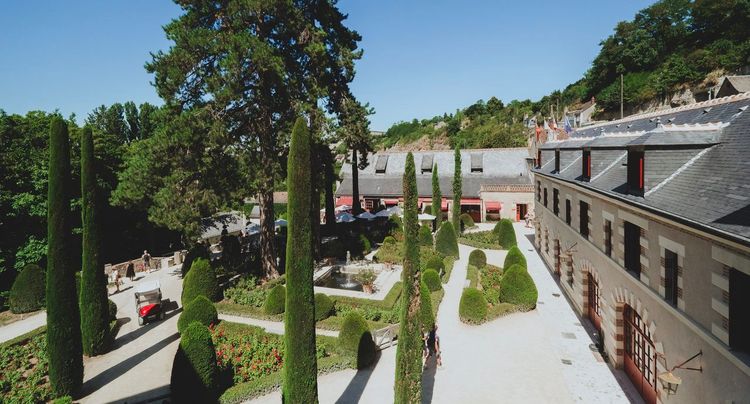
This age group gets the most out of escape rooms, Prison Island, or Battlekart, and is curious enough to appreciate the Musée du Compagnonnage and its scale models. It is also the ideal age for Clos Lucé: children grasp the audacity of Leonardo da Vinci's inventions and ask far more perceptive questions than when they were younger. At the Musée des Beaux-Arts, activity booklets help keep their attention.
For an overview of family activities throughout the year, our article dedicated to family visits in Tours covers further options by season. And during a break in the weather, the Ryo audio-guided tour can be followed on foot with headphones: its stories and anecdotes often captivate older children.
13. Sample Itinerary for a Rainy Day in Tours

Here is a sample family day out, to be adapted according to your children's ages and your own preferences. Everything is walkable or reachable by tram, except for the New Jump leg.
9:30 am: coffee and pastries at Les Halles de Tours, when all the stalls are open.
10:30 am: head to the Musée des Beaux-Arts, its elephant Fritz, and its Mantegna panels, for a good hour and a half. With young children, go to the Natural History Museum instead — better suited to a restless audience.
12:30 pm: lunch in Vieux Tours, strolling past the half-timbered houses and ducking under doorways if the rain picks up again.
2:00 pm: the Cathédrale Saint-Gatien and the Cloître de la Psalette, then a visit to the Château de Tours for its current exhibition.
3:30 pm: depending on the group's mood, New Jump to let off steam or the Musée du Compagnonnage for a more relaxed immersion in traditional craftsmanship.
5:30 pm: snack time, then a stop at a toy library or a library to wind down.
7:00 pm: dinner, followed by a film at CGR Tours Centre or a show at the Grand Théâtre.
Why does Tours remain a good option in the rain, even with children? Because covered activities are clustered within a thirty-minute walk or ten-minute drive of each other: you move from one to the next without losing time on the road. When it rains in Tours, it is far better to pack in grouped activities than to multiply journeys.
If the sky clears towards the end of the afternoon, the Ryo audio-guided tour of Tours takes over: 2 hours, 5.4 km, and a ready-made route through the historic centre — no improvising required.
14. Tips around Tours and the Touraine on Rainy Days
If you have covered the city centre, the Touraine still has a few cards up its sleeve.
At Lussault-sur-Loire, near Amboise, the Aquarium de Touraine devotes much of its tank space to freshwater fish, along with a shark tank that is always a hit with children. Allow around an hour and a half for the visit, which is entirely indoors.
In Amboise, the Conservatoire de la Confiserie (37400 Amboise, rated 4.7/5 on Google based on 835 reviews) traces the history of traditional sweets and confectionery, with a live demonstration and tasting. A short visit, often paired with the aquarium to make the most of the journey.
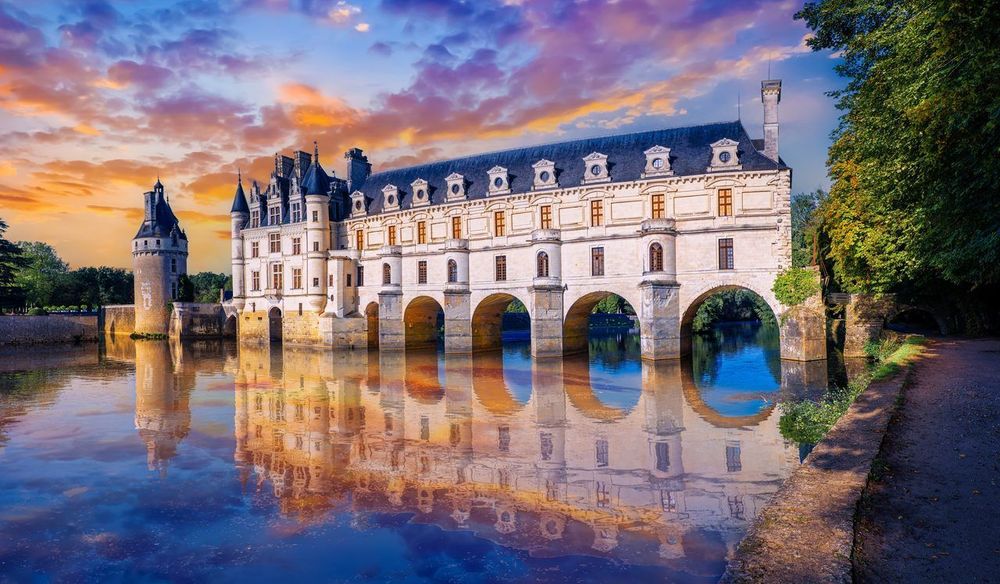
Another option: the gallery of the Château de Chenonceau, which spans the Cher and can be walked entirely under cover, even in heavy rain.
What else is there to do in the Touraine when it rains, beyond these addresses? Ideas for outings with children around Tours are plentiful: the Musée de la Préhistoire at Grand-Pressigny, the Balzac museum at the Château de Saché, the Abbaye de Bourgueil, founded in the late tenth century, or the Maison du Souvenir at Maillé, a memorial to the massacre of August 1944, for older visitors.
For even more ideas for family outings in the Indre-et-Loire, our article on the surroundings of Tours lists options to explore across the seasons.
15. Practical Information: Where to Stay, Getting Around, and When to Visit
A few pointers before you pack your bags.
For accommodation, the Best Western Plus L'Artist Hôtel (15 Rue Frédéric Joliot Curie, 37000 Tours, rated 4.1/5 on Google based on 576 reviews) is a ten-minute walk from the Musée des Beaux-Arts and the Grand Théâtre. Booking a room close to the historic core cuts down on wet-weather commuting and makes it easy to pop back between activities.
For getting around, the tram and Fil Bleu buses serve most urban sites, and Joué-lès-Tours and Saint-Avertin are easily reachable. For châteaux, caves, and out-of-town sites (Clos Lucé, Langeais, Savonnières, Le Mystère des Faluns), a car remains the simplest option, as public transport links are limited outside the urban area.
On the weather front, autumn and winter bring the most rainy days, but the Loire Valley climate is mild and showers rarely last all day. For a multi-day stay, plan a mixed programme of indoor and outdoor activities. Our article for visiting Tours in 3 days proposes exactly that kind of alternating schedule.


FAQ
How much time should you allow to visit the museums in Tours on a rainy day?
Allow about one hour for the Musée du Compagnonnage, one and a half hours for the Musée des Beaux-Arts, and one to two hours for the Natural History Museum with children. If you visit all three back to back, plan for a full day including a lunch break.
What budget should you plan for a day in Tours when it rains?
A day of museums and libraries can cost less than €20 per adult, thanks to free entry at libraries and toy libraries. Add a Loire Valley château and a paid activity such as New Jump or bowling, and you're looking at €40 to €60 per person.
Is the Tours City Pass worth it for visiting museums and monuments?
It costs €28 for 24 hours, €38 for 48 hours, and €45 for 72 hours, giving access to around ten sites, guided tours, and tastings. It becomes worthwhile when you combine several paid sites and a guided tour; for just two small museums, individual tickets are sufficient.
What free activities are there in Tours with children when it rains?
The Bibliothèque de la Rotonde and the Bibliothèque des Rives du Cher, the Ludothèque de la Rotonde for children aged 0–6, and the LAEP Bulle de Plumes all offer free access year-round. Our selection of free activities in Tours lists more.
Can you visit the Loire Valley châteaux on rainy days too?
Yes, the bulk of each visit takes place indoors. Clos Lucé, Langeais, Gizeux, and Champchevrier can be explored almost entirely under cover; only the gardens and parks lose their appeal in the rain. Check opening days for privately owned estates outside the main season.
Where can you quickly take shelter from a downpour in the centre of Tours?
Les Halles, the Cathédrale Saint-Gatien, and the doorways of Vieux Tours offer immediate shelter. The public libraries and the Natural History Museum, near the Place Plumereau, are just a few minutes' walk away.
The rain in Tours rarely lasts long, and it provides the perfect excuse to explore corners that fine weather tends to overlook: petrifying caves, lively libraries, or the Musée du Compagnonnage, too often passed over in favour of the great châteaux. Between museums, religious heritage, gastronomy, and family activities, the city and its surroundings offer enough to fill several days without depending on the sky.
At the first break in the clouds, launch the Ryo audio-guided tour of Tours: its 22 stops let you discover the historic centre at your own pace, rain or shine.
À lire également