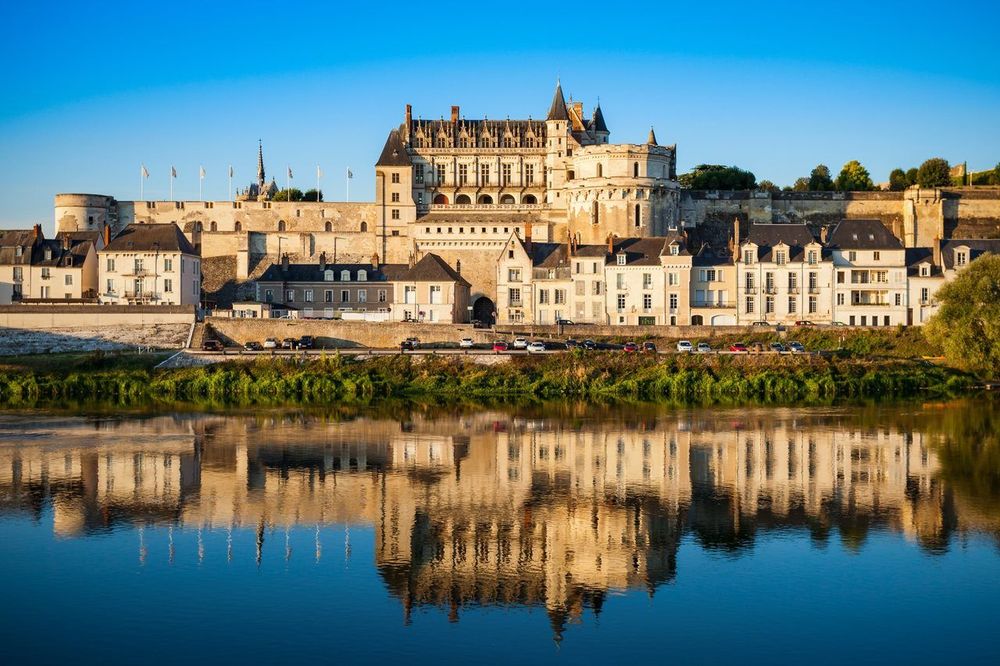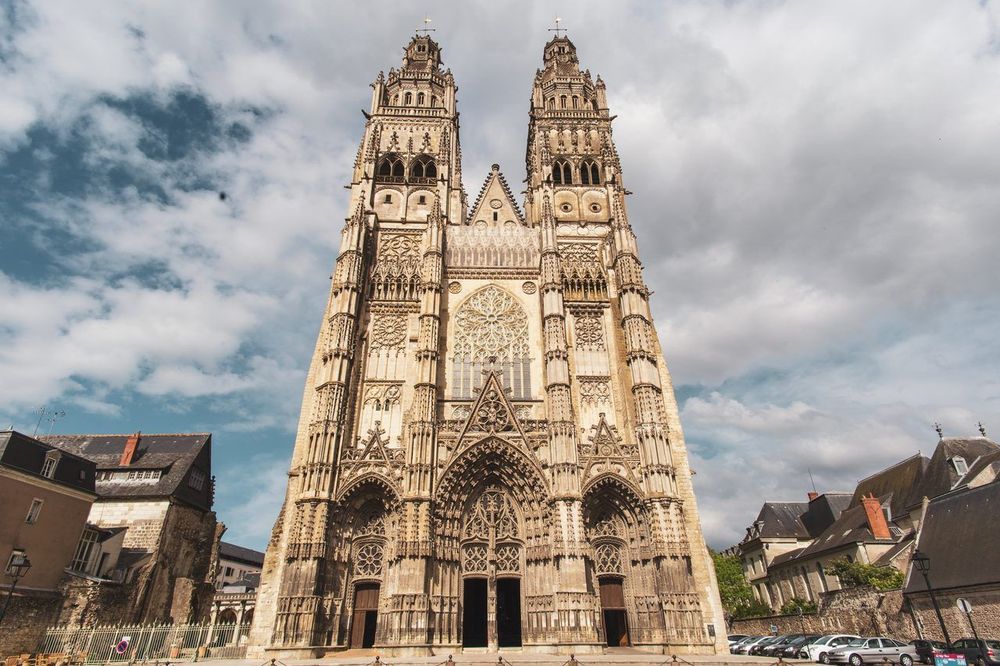
© Shutterstock
 Votre guide Ryo
Visiting Tours in 2 Days: Complete Itinerary for 2026
From Tours station, a ten-minute walk takes you from a TGV travelling at 300 km/h to a Gothic cloister where no one speaks above a whisper. That is the whole paradox of this city that Balzac nicknamed the Little Paris: cosmopolitan and provincial at the same time, just over an hour by train from the capital and yet turned towards its river for more than two thousand years. Visiting Tours in 2 days is more than enough to grasp this dual identity, provided you spread your time wisely between the half-timbered Vieux Tours, the museums housed in former private mansions and the banks of the Loire where you sometimes dine with your feet in the sand.
This weekend in Tours will take you past a cathedral with 13th-century stained glass still in place, guinguettes open only in the warm season, a taxidermied circus elephant at the back of a museum courtyard, and one of the finest formal French gardens in Europe less than 20 minutes away by car. The itinerary below divides the city into two full days: Gothic heritage and museums on the first day, the Saint-Martin quarter and the Loire riverbanks on the second, with an optional excursion to Villandry if your schedule allows. You will also find, further down, addresses for tasting the nougat de Tours, the best neighbourhoods to sleep in and a detailed budget breakdown. To get your bearings around the best starting points in the historic centre, the Ryo audio-guided tour of the Vieux Tours and its private mansions is a good first compass before setting off: Ryo in Tours.
Day 1: Cathédrale Saint-Gatien and the Vieux Tours
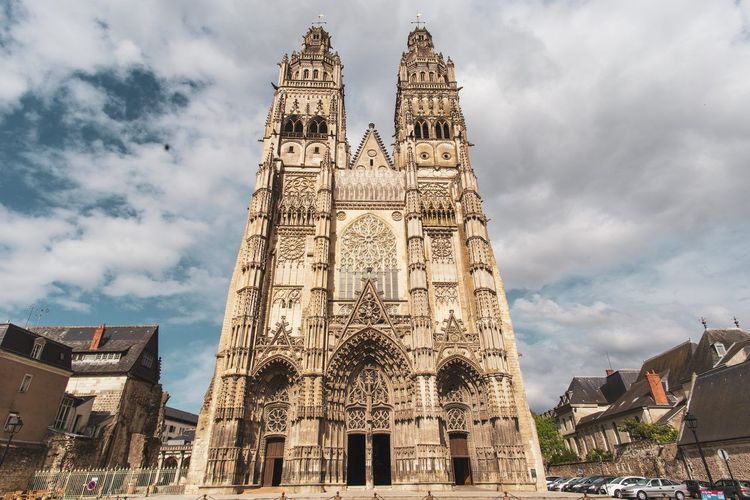
Devote your first morning to the historic heart of the city, a world of Gothic stone and half-timbered houses. The city centre of Tours is easy to walk: allow barely 15 minutes between the cathedral and place Plumereau, your finishing point for the end of the day. If you arrive by train, the walk from the station to the cathedral forecourt takes around fifteen minutes heading up boulevard Heurteloup.
Cathédrale Saint-Gatien and the Cloître de la Psalette
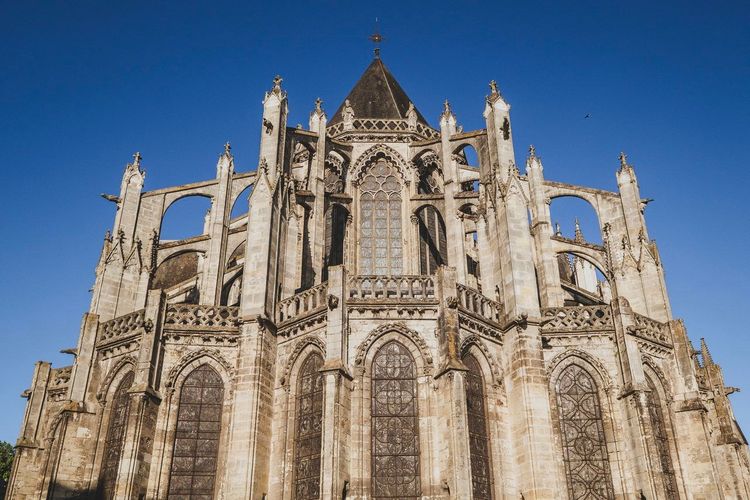
The Cathédrale Saint-Gatien de Tours has dominated the eastern quarter of the city centre since the 13th century, with a Flamboyant façade completed only in the 16th century. Between the first stones of the choir and the last lantern placed atop the towers, nearly four centuries elapsed: its two asymmetrical towers, one crowned by a Renaissance dome, tell the story of that drawn-out construction all by themselves.
Inside, the choir's stained-glass windows rank among the oldest in France still in their original setting: they date from the 13th century and depict the life of Saint Martin, patron of the city, in blues and reds that have not faded in eight hundred years. Take a few minutes to sit facing the choir in late morning, when the light streams through the east windows. Entry is free and the building opens every day, making it an excellent refuge on a rainy afternoon as well. Look, in a chapel in the south aisle, for the small tomb of the children of Charles VIII and Anne de Bretagne, who died in infancy: a marble recumbent figure surrounded by putti, one of the most delicate Renaissance pieces in the city.
Just behind, pass through the small door on the north flank to reach the Cloître de la Psalette. Less well known than the cathedral itself, this Gothic and Renaissance ensemble once housed the school of cantors who sang the liturgical offices. Vaulted galleries, a spiral staircase, a library and a scriptorium can be visited in about thirty minutes, in a silence that the rest of the city centre no longer offers. Entry is paid and managed by the Centre des monuments nationaux, at a modest price of a few euros, with the usual free admission for under-26s resident in the European Union.
If you are only going to book one guided visit during your stay, this is probably it: the tourist office offers a guided tour of the Vieux Tours that often starts in front of the cathedral and helps place each façade in its historical context — something a solo stroll inevitably misses. Departures are more frequent in July and August and at weekends for the rest of the year; it is worth booking the day before in high season.
The Vieux Tours, Its Private Mansions and Place Plumereau
Leaving the cathedral, head west along rue Colbert, one of the oldest commercial streets in the city, lined with half-timbered façades and small independent shops. It sets the right pace for the rest of the morning: here you wander rather than tick boxes. At number 39, a sign recalls that an armourer is said to have equipped Joan of Arc before her departure for Orléans in 1429.
Make a detour to the Hôtel Gouin, a Renaissance mansion with a sculpted façade that now houses a cultural space and temporary exhibitions. Its inner courtyard, open to the public, remains one of the finest examples of civil Touraine architecture, despite the 1940 fire that left only the façade standing.
The Vieux Tours proper then unfolds through a maze of pedestrian lanes where every house seems different from its neighbour: exposed timber framing, jetties, naive wood carvings. You wander freely, without a fixed plan, letting the façades guide your steps rather than the other way around. Don't miss rue Briçonnet, the most photogenic street in the quarter, where a Romanesque façade, a Gothic gabled house and a Renaissance mansion follow one another within just a few dozen metres.
This stroll leads naturally to place Jean Jaurès (Place Jean Jaurès, 37000 Tours), a grand monumental crossroads where the town hall, the Grand Théâtre and the fountains that cool the café terraces in summer all converge. It marks the transition between the medieval city and the 19th-century city, and you will pass through it again: it is the hub of the tram and bus network.
Head back towards the Loire by crossing the pont Wilson, also known as the pont de Pierre, built in the second half of the 18th century in line with rue Nationale. Its history is more eventful than it looks: four of its arches collapsed in April 1978, taking part of the roadway with them, and four years of work were needed to reopen it to traffic. The view from the bridge, with the cathedral on one side and the hillsides on the other, neatly summarises the geography of Tours: a city that lives between two banks.
End the morning at place Plumereau, the beating heart of the Vieux Tours and the gathering point for café terraces at the slightest ray of sunshine. You will return here this evening for dinner, but a first visit at midday lets you appreciate the architecture without the evening crowd: look up at the 15th-century half-timbered houses that enclose the square on three sides. The Tours audio-guided tour passes right through here too, on its way down toward the Loire and the Grand Theatre.
Day 1 (Afternoon): Musée des Beaux-Arts and the Cultural Quarter
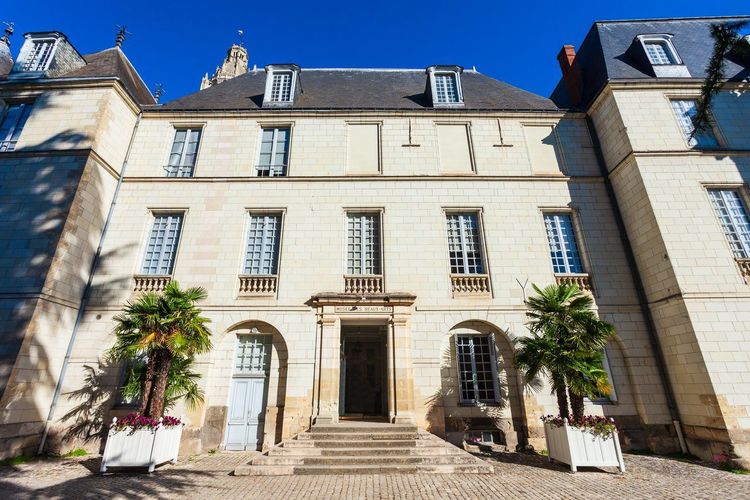
After a lunch break at one of the Vieux Tours addresses, head to the museum quarter, just a short walk from place Jean Jaurès spotted during the morning. Three institutions stand within less than ten minutes' walk of one another, making this afternoon easy to adjust according to your energy levels.
Musée des Beaux-Arts de Tours and Its Garden
Housed in the former bishop's palace, right next to the cathedral, the Musée des Beaux-Arts de Tours brings together works spanning the Middle Ages to the 20th century across two floors. The rooms retain the original woodwork and silks of the palace, making the visit almost as interesting for its setting as for its collections. The undisputed highlight is two panels by Mantegna brought back from Italy by the Revolutionary armies; Rubens, Delacroix and Degas follow, along with a few Touraine pieces often overlooked by visitors in a hurry.
In the courtyard, a cedar of Lebanon planted at the very beginning of the 19th century spreads its branches across much of the space, supported by props visible from the museum windows. The garden of the Musée des Beaux-Arts behind the main building offers a green retreat with a view of the cathedral's chevet. Push on to the outbuilding at the far end of the courtyard: a taxidermied circus elephant has been on display there since the early 20th century, a memento of a pachyderm shot dead in Tours after escaping from a visiting American circus. It is the curiosity the locals show their guests first, well ahead of the Mantegnas.
Entry is modest, around 7 euros for the permanent collections, with free admission for under-18s and free Sundays scheduled throughout the year. The museum closes on Tuesdays, like most municipal institutions: check this detail before planning your afternoon.
Have time to spare? The Centre de création contemporaine Olivier Debré, a few minutes' walk towards the jardin François 1er, makes a great complement for contemporary art lovers: striking architecture by Aires Mateus, vast bright concrete naves and temporary exhibitions renewed several times a year. The lobby, bookshop and café remain free to enter even without an exhibition ticket.
Château de Tours and the Musée du Compagnonnage
Head down towards the Loire to reach the Château de Tours, a patchwork of buildings ranging from the Middle Ages to the 18th century, now converted into a space for temporary photography exhibitions. The building suffered heavily during the 1940 bombings, which explains its composite rather than unified appearance. The shows are often of a high standard, with regular partnerships with major Parisian institutions, and can be visited in about three-quarters of an hour.
Nearby, in the buildings of the former Abbaye Saint-Julien, the Musée du Compagnonnage (8 Rue Nationale, 37000 Tours, rated 4.6/5 on Google from 1,637 reviews) tells the little-known story of itinerant craftsmen and their masterpieces: spiral staircase models, engraved tools, miniature timber frames and locksmithing pieces of a precision that leaves you in awe even without prior knowledge of the compagnonnage tradition. The museum occupies the monks' dormitory and the almonry hall, two Romanesque rooms worth the ticket price alone, at under 6 euros.
This cultural cluster works well in two to three hours depending on your appetite for museums. If time is short, prioritise the Musée des Beaux-Arts and save the Compagnonnage for a future visit; if rain sets in, string all three together and push the Loire riverside walk to the following day.
Day 1 (Evening): Dinner and a Night Out Around Place Plumereau
Back to place Plumereau at the end of the day, when the terraces fill up and the half-timbered façades are bathed in warmer light. This is the densest area in the city for dinner and drinks in Tours, with a concentration of bars and small restaurants spread across a few hundred metres. The proximity of the university gives the atmosphere a younger, livelier edge than most historic centres in the region.
On weekdays, finding a table without a reservation is easy; at weekends, it is better to book or arrive before 8 pm. The adjacent lanes — rue du Grand Marché and rue du Commerce chief among them — offer calmer and often better options when the square itself is packed.
Between June and September, several free events light up the city centre under the name "Tours by Night": light trails and nocturnal illuminations of the monuments after dark, with the cathedral and château leading the way. A great way to extend the evening at no extra cost, retracing the day's steps in an entirely different light. In summer, when darkness falls late, plan to head out around 10:30 pm to get the full effect.
Day 2 (Morning): Basilique Saint-Martin and the Halles de Tours
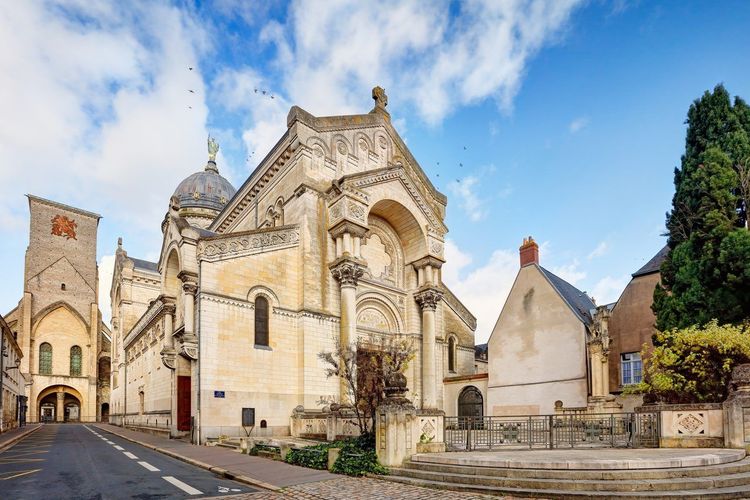
The second day opens with a different facet of Tours' heritage: the cult of Saint Martin, one of the most important figures in Western Christianity, and the commercial life of the city centre. The quarter lies to the west of rue Nationale, ten minutes from place Plumereau.
Basilique Saint-Martin de Tours
Understanding the city is impossible without coming here. Martin, a Roman soldier who became Bishop of Tours in the 4th century — the very man who shares his cloak with a beggar in the legend — has been buried here since 397. His tomb made Tours one of the great pilgrimage destinations of the medieval West, to the point where a vast basilica once rose on the site before being demolished after the Revolution.
The Basilique Saint-Martin de Tours you see today is therefore recent: built in the late 19th century in a neo-Byzantine style by the Tours-born architect Victor Laloux, who also designed Tours station and the Gare d'Orsay in Paris. The crypt, freely accessible, houses the saint's tomb, always adorned with flowers.
Of the medieval building, only two towers remain, standing a few streets away in the middle of the urban fabric: the tour Charlemagne and the tour de l'Horloge, which give a vertiginous sense of the dimensions of the former basilica, whose nave once stretched between the two. Walk from one to the other counting your steps — the effect is more eloquent than any information panel. Even without particular religious interest, this twenty-minute detour is worthwhile for its contemplative atmosphere, very different from the previous day's cathedral.
The Halles de Tours and Rue Nationale
Ten minutes' walk away, the Halles de Tours (Place Gaston Pailhou, 37000 Tours, rated 4.4/5 on Google from 6,160 reviews) shelter around fifty traders under a 1980s structure that replaced the old 19th-century iron market hall. You will find the essentials of the Touraine larder here: sainte-maure-de-touraine AOP with its straw, rillons and rillettes, Loire fish, Vouvray and Chinon wines. Doing your shopping at the Halles de Tours late in the morning lets you bring back a few local products and, often, grab a bite at one of the counters — oysters and a glass of Vouvray included.
The building opens every day except Monday afternoon, with a midday break Tuesday to Saturday: arrive before 12:30 to find all the stalls open. Sunday morning is the liveliest time, when the market spills out onto place Gaston Pailhou.
From there, rue Nationale, a straight thoroughfare laid out in the 18th century to connect the stone bridge to the road to Spain, runs back down to the Loire. Largely destroyed during the 1940 bombings, it was rebuilt in the 1950s in a very recognisable neoclassical style, with its arcaded buildings and four monumental statues flanking the entrance to the bridge. It is the city's contemporary commercial artery, worth a quick walk if you want to save time for the rest of the day's programme.
One last possible stop before lunch: the Muséum d'histoire naturelle de Tours, rue Néricault-Destouches, a small, human-scale museum whose natural history collections sit alongside a vivarium of live tortoises and reptiles. Entry is nominal, around 5 euros, and the visit wraps up in an hour: one of the city's most reliable options with children on a rainy day. The Tours audio-guided tour runs nearby as well, linking Tours station with the banks of the Loire, if you would rather keep walking than stop at the museum.
Day 2 (Afternoon): Cycling the Loire à Vélo and the Guinguettes
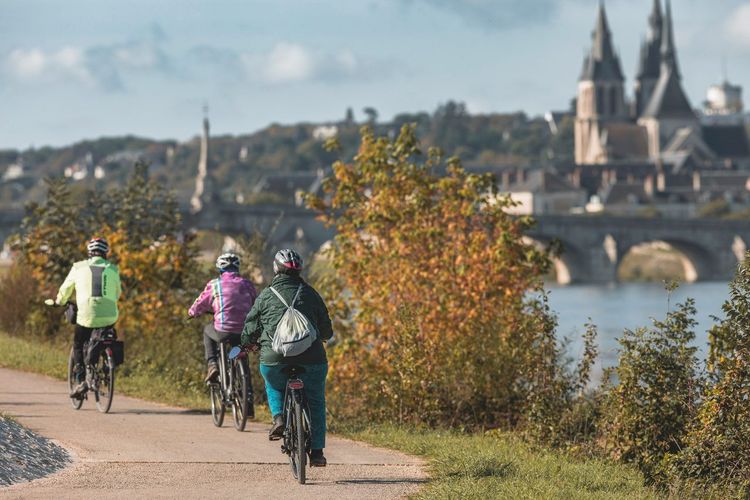
The afternoon shifts decisively towards nature. Tours runs alongside the Loire for several kilometres, and the cycle path that follows the river is one of the region's great tourist routes. The river, the last great wild waterway in Europe, changes its face every month: sandbanks and low water in August, broad fast-flowing currents after winter rains.
Cycling the Loire à Vélo and the Pont de Fil
The Loire à Vélo, a cycling route of nearly 900 kilometres linking the area around Nevers to Saint-Brevin-les-Pins on the Atlantic coast, passes through Tours along the quays. Bikes can be hired easily in the city centre for around fifteen euros a day; there is no need to tackle the full route to enjoy it — an hour's pedalling is enough to reach the first villages upstream or downstream, and the whole route is flat, well marked and separated from the road for most of its length.
Two easy options from the centre: head east towards Rochecorbon and its troglodyte dwellings carved into the hillside, or go west in the direction of Villandry, about 17 kilometres away — an hour's gentle cycling along the bank. The second option allows you to combine the ride and the garden visit in a single afternoon, which remains the most elegant way to do both.
Along the way you will cross the pont de fil (Pont de fil, 37000 Tours), a metal footbridge and cycle bridge suspended above the Loire that offers one of the best views of the city from the river. The deck sways slightly as bikes cross, which always delights children.
Walking or cycling along the Loire remains one of the simplest and most rewarding activities in the city: sandbanks exposed in the warm season, terns and herons, the silhouette of the troglodyte hillsides as a backdrop. You can also board a traditional Loire boat, a flat-bottomed toue cabanée, for a commented one-hour trip along the water: departures are from the quays in season, usually with a boatman who narrates the wildlife and history of navigation on the Loire.
Guinguettes and the Jardin des Prébendes d'Oé
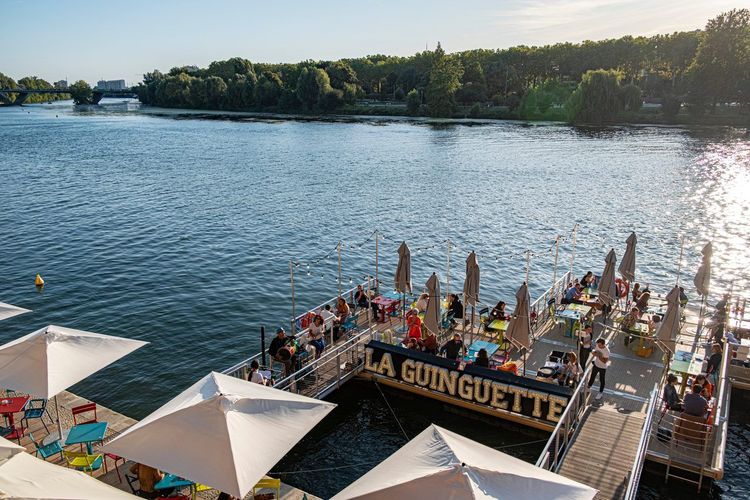
If the calendar allows, between May and September, two guinguettes bring the riverbanks to life. The guinguette de Tours-sur-Loire, set up on the quays below the city centre, hosts concerts, dances, dance classes and light food almost every evening throughout the summer, in a family-friendly atmosphere that runs well into the night. Further upstream, the guinguette de Rochecorbon sets its tables at the water's edge facing the hillsides, with a more village-like feel and easy access by bike along the cycle path.
A little further from the river, the Jardin des Prébendes d'Oé (Avenue de Grammont, 37000 Tours, rated 4.6/5 on Google from 2,960 reviews) is worth a detour for its very 19th-century staging: English-style flowerbeds designed by the Bühler brothers in the 1870s, a central pond, a bandstand, an aviary and remarkable trees across about 4 hectares right in the city centre. It is an excellent spot for a picnic between visits, and entry is free all year round.
Families or nature lovers have two complementary options: the ferme de la Gloriette, a municipal organic farm on the southern edge of the city, with animals, kitchen gardens and free activities all year round; or, further east, the réserve de Beaumarchais, a wildlife park set in full forest where deer, wild boar and birds of prey can be spotted along laid-out trails — best counted as a half-day visit in its own right.
To extend this Loire-side afternoon towards the châteaux that have made the region famous, the road trip des Châteaux de la Loire maps an audio-guided route between several estates reachable from Tours in under an hour.
Day Trip: Château and Gardens of Villandry
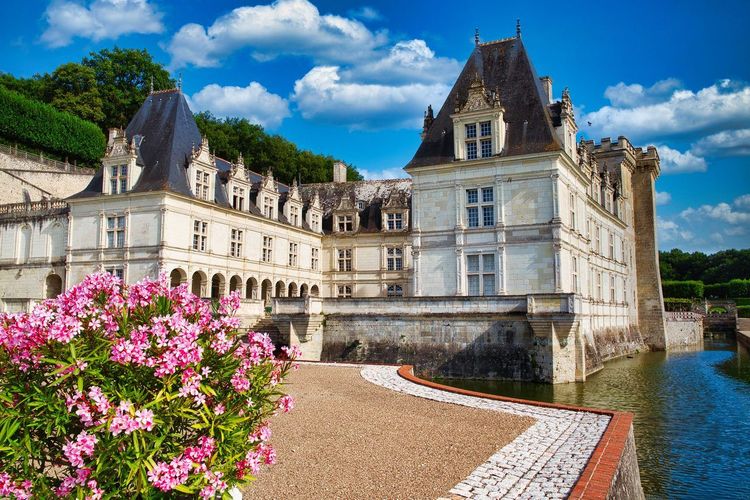
If your schedule allows, a half-day or a full additional day opens the door to the châteaux of the Loire, starting with the nearest of the region's remarkable gardens.
The Formal French Gardens of Villandry
The Château and gardens of Villandry, about twenty minutes by road from Tours, make up one of the most photographed visits in the valley of 300 châteaux. Unlike most Loire châteaux, celebrated for their architecture, Villandry is visited above all for its gardens: a decorative kitchen garden laid out in a checkerboard of vegetables and flowers, an ornamental garden designed in clipped box hedges representing different forms of love, a hedge maze and a water garden on a higher terrace.
These gardens are not period originals: they were recreated at the start of the 20th century by Joachim Carvallo, a Spanish-born physician who bought the estate in 1906 and devoted his life to restoring the spirit of Renaissance gardens, working from old engravings. His descendants still manage the estate today, which is rare enough in the valley to be worth mentioning.
The château itself, rebuilt in the 16th century on the remains of a medieval fortress, can be visited in about an hour; climbing the keep offers the best panoramic view of the pattern of the parterres. Many visitors choose to skip the interior and focus on the gardens, accessible with a separate ticket that costs less than the combined entry. Allow around twelve euros for the gardens alone and a few euros more for the full package, with reduced rates for children.
The best time? The gardens are open all year, but they reach their peak between June and October, when the kitchen garden is in full production. Come at opening time, around 9 am, or late in the afternoon: the low-angle light brings out the relief of the parterres and the group coaches have left. To prepare your visit before heading out, the article Découvrir château de Villandry et jardins details the best times to avoid the crowds.
Other Châteaux Accessible from Tours (Amboise, Chenonceau)
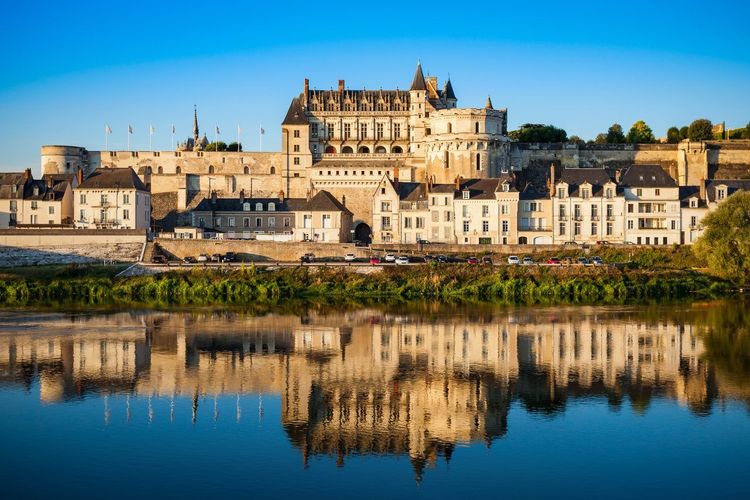
The valley of 300 châteaux does not stop at Villandry. Amboise, about twenty minutes by train, deserves a visit in its own right: its royal château commands the Loire from a rocky spur, and the Clos Lucé, Leonardo da Vinci's last home where he died in 1519, can be visited just below, with a park filled with machines reconstructed from his drawings.
Further afield, about 45 minutes by road, the château de Chenonceau spans the Cher on five arches and remains one of the most visited historic monuments in France outside Paris. Venturing out to the châteaux of the Loire from Tours means making choices: it is better to spend half a day on one or two sites than to rush between four châteaux without really enjoying any. Without a car, tourist shuttles departing from the tourist office serve the main estates in season, which takes care of the parking problem.
More Must-Sees and Tips to Make the Most of Your Visit
Between the heritage visits, a few additional options let you tailor the programme to your interests, the weather or the presence of children in the group.
Museums and Unusual Curiosities (Aquarium, Natural History)
For a fun visit, the Aquarium de Touraine in Lussault-sur-Loire presents several thousand freshwater fish and reptiles along a covered route of about 90 minutes, with a shark tank that always surprises visitors in the middle of the Val de Loire. It is a reliable option for discovering Tours with children regardless of the weather, about twenty minutes by car heading east.
Nearby, the Parc des mini-châteaux (Boulevard Saint-Denis Hors, 37400 Amboise, rated 4.4/5 on Google from 5,088 reviews) recreates around forty regional monuments at a 1:25 scale in a wooded park in Amboise: an unusual visit around Tours that is particularly popular with younger visitors, and a great way to preview the châteaux before — or after — actually visiting Villandry or Amboise. Both sites are run by the same operator and offer advantageous combined tickets.
Looking for free? The Vieux Tours, the botanic garden — open since 1843 and home to a small animal park — the Loire riverbanks and entry to the cathedral cost nothing, and several municipal museums open free of charge on certain Sundays. Enough to fill a full half-day without spending a cent.
The Tours City Pass: Visit Smarter
If you plan to visit several paid sites in a row, the Tours City Pass bundles entry to a selection of museums and monuments with public transport included, available in 24-hour, 48-hour or 72-hour formats. For a packed two-day stay, the 48-hour option pays for itself quickly from three or four sites, especially if you add a river cruise or a guided tour from among the partner services.
Exploring Tours with the Tours City Pass also simplifies logistics: no need to pay at each ticket desk, and a map of the must-see attractions is included at purchase to organise your route at a glance. The pass can be bought at the tourist office, opposite the station, or online before you leave. Families will find this option particularly useful, as explored in more detail in the article Tours en famille and in the Top 7 des activités à faire à Tours to round out the programme according to your interests.
Where to Eat and Drink in Tours
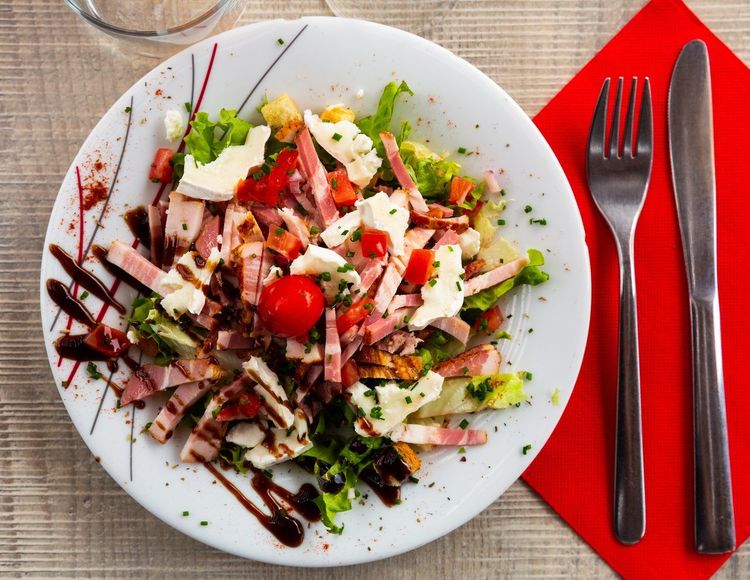
Touraine gastronomy deserves a section all of its own, given the sheer number of great addresses and local products on offer. Rabelais, born a few kilometres away, durably linked the region to good eating — and the reputation holds to this day.
Food Addresses in the Vieux Tours
The Vieux Tours concentrates the bulk of the city centre's best tables, from the Touraine bouchons serving rillons, rillettes and andouillette to the more contemporary wine bars around rue du Grand Marché and rue Colbert, reputed to be the most gastronomically rich street in the city. Prices remain reasonable compared with Paris or Lyon, with full lunch menus often under 25 euros.
For a more refined dinner, several restaurants around place Plumereau and its surrounding streets offer updated cooking built around Loire produce: zander, eel, Touraine hen, goat's cheese. Booking is advisable at weekends, especially in the evening. Around the Halles, a few counters also serve market-fresh lunches at low prices, frequented more by locals than by passing visitors.
Local Specialities: Nougat de Tours and Macaron de Cormery
Two sweet treats sum up Touraine pastry-making. The nougat de Tours, which has nothing in common with the nougat from Montélimar, is a shortcrust pastry tartlet filled with apricot jam and candied fruit, topped with an almond cream: it can be found in most good pastry shops in the city centre. The macaron de Cormery, more rustic than its Parisian cousin, comes from a nearby village and is recognisable by its ring shape with a hole in the centre, inherited from a monastic recipe.
On the wine front, Touraine lines up recognised appellations: Vouvray and Montlouis in white, Chinon and Bourgueil in red, not forgetting the fine bubbles of Vouvray méthode traditionnelle. Opting for a wine tasting in one of the troglodyte cellars carved into the tuffeau hillsides, with a selection of Touraine wines to sample, makes a pleasant complement to an already full stay: several Vouvray and Rochecorbon estates can be reached in fifteen minutes from the centre. Among the other Touraine culinary specialities not to miss, remember sainte-maure-de-touraine, the poires tapées de Rivarennes and goat's cheese in general. The article Top 10 des spécialités culinaires à Tours lists the addresses where you can taste these products without going wrong.
Where to Stay in Tours
For a two-day stay, sleeping in the city centre of Tours remains the most practical choice: everything is within walking distance from the cathedral quarter or the Vieux Tours, without depending on public transport. Three areas account for most of the accommodation.
The Vieux Tours and place Plumereau suit you if you want to go out in the evening and walk home, provided you accept some noise at weekends: ask for a room overlooking the courtyard. The station and boulevard Heurteloup quarter offers the best value for money, ten minutes' walk from the historic centre, and lets you head to Villandry or Amboise without a transfer. The Loire riverbanks and the north bank, finally, offer quieter bed-and-breakfast rooms, sometimes with river views, at the cost of crossing a bridge morning and evening.
Among city-centre hotels in Tours, four-star establishments such as the Hôtel de l'Univers (5 Boulevard Heurteloup, 37000 Tours, rated 4.3/5 on Google from 1,585 reviews) — a Tours institution on boulevard Heurteloup since the mid-19th century, its walls lined with portraits of celebrated guests — offer a good balance of comfort and proximity to the main sights. Expect between 130 and 220 euros per night depending on the season for this type of establishment.
Tighter budgets will find decent options around the station, often 30 to 40 % cheaper than addresses in the historic centre, as well as a youth hostel on the southern edge of the city. Book early for weekends in May and June, a period of high demand between bank holidays and conferences. If you are weighing up different neighbourhoods, the Ryo app lets you see each hotel's position relative to the main points of interest on the audio-guided route — a useful reference before booking.
Practical Tips: Getting Around, Weather and Budget
A few practical points to round off your planning before you leave.
Getting Around Tours (Tram, Bike, on Foot)
The historic centre can be covered entirely on foot: it is compact, with no significant hills, and distances between the main sights rarely exceed a quarter of an hour's walk. The tram line, which crosses the city from north to south via the station and place Jean Jaurès, usefully covers longer journeys, with a single ticket under two euros and day passes or carnets that are considerably better value.
Cycling is the other strong option, with a dense network of cycle paths and a self-service bike hire scheme in the city centre. For excursions to Villandry or the guinguettes, a car remains the most flexible solution outside the summer months, even though Villandry is very accessible by bike along the Loire riverbank path and Amboise is served by train. If you arrive by car, park at a park-and-ride on the outskirts and finish the journey by tram: parking in the very centre is expensive and complicated.
Weather, Crowds and the Best Time to Visit
The weather in Tours is generally mild, with hot and sometimes heavy summers well suited to evening walks along the Loire, and mild winters compared with northern France. Spring, between April and June, offers the best balance between manageable crowds and gardens in full bloom; September also has its devotees, with harvests in the surrounding vineyards and superb light on the river.
Crowds in Tours rise noticeably in July and August, particularly around place Plumereau in the evenings and at the Loire château sites during the day. Adapting your itinerary when it rains is straightforward: shift the day towards the museums and the Halles, all under cover, and save the Loire cycling for a clear spell.
On the budget side, allow 60 to 90 euros per person per day excluding accommodation, adding two museum entries, a lunch, a dinner and a few journeys. The city is noticeably cheaper than Paris, and a good portion of the programme — from the Vieux Tours to the Loire riverbanks — costs nothing. Can you see enough in a weekend, is it long enough? For the city centre alone, yes easily; to add Villandry without rushing, a third day genuinely makes a difference.
FAQ
How Much Time Do You Need to Explore the City of Tours?
Two days are enough to cover the historic centre, the main museums and an evening by the Loire. If you want to add Villandry or Amboise without rushing, visiting Tours over 3 days offers more comfort, especially in high season when waiting times at château sites tend to grow.
What to See in Tours if You Only Have One Day?
Prioritise the Cathédrale Saint-Gatien, the Vieux Tours and place Plumereau in the morning, then the Musée des Beaux-Arts in the afternoon. That trio best summarises the city in a few hours. If you have an hour to spare before your train, head to the Basilique Saint-Martin and the tour Charlemagne.
Can You Visit Tours on Foot?
Yes, the city centre can be explored entirely on foot in half a day, and it is actually the best way to appreciate its contrasts. Only excursions to Villandry, Amboise or the guinguettes require a vehicle, a bicycle or public transport.
What Are the Most Beautiful Villages to Visit Around Tours?
Villandry, Amboise, Montlouis-sur-Loire and the troglodyte villages along the Loire such as Rochecorbon are among the most popular. The article Quels sont les plus beaux villages à découvrir autour de Tours presents a broader selection based on your interests.
What Can You Do in Tours for Free?
Entering the Cathédrale Saint-Gatien, strolling through the Vieux Tours, visiting the Jardin des Prébendes d'Oé, the botanic garden, the crypt of the Basilique Saint-Martin and walking along the Loire all cost nothing. Several municipal museums also offer free Sundays throughout the year.
Is It Better to Plan 2 or 3 Days for Tours and Its Surroundings?
A weekend covers the city itself very well. Three days allow you to add a full excursion to the châteaux of the Loire without compromising the pace of visits in the city centre — that is the format to opt for if you are travelling from far away.
How Do You Get to the Château de Villandry from Tours?
By car, allow around 20 minutes via the south bank of the Loire. By bike, the Loire à Vélo trail takes about an hour from the city centre, along a flat, well-marked route. Without a vehicle or bike, a tourist shuttle serves the site in season; out of season, a taxi remains the most reliable option.
A weekend in Tours gives you time to understand why the city long served as a laboratory for the French spoken today, while enjoying a pace far more relaxed than in major cities. Between the cathedral, museums, guinguettes and the gardens of Villandry, the balance between heritage and nature is the true hallmark of a stay here.
If you want to explore each neighbourhood in depth once on site, the parcours audioguidé Ryo de Tours is the simplest complement to this itinerary, with commentary available directly on your phone as you walk.
À lire également