
Créé par Emilie, le 4 oct. 2026
Votre guide Ryo
Orléans, France
Walking through history with Clovis, Joan of Arc and Attila
Parcours audioguidé pour visiter Orléans en 1 jour
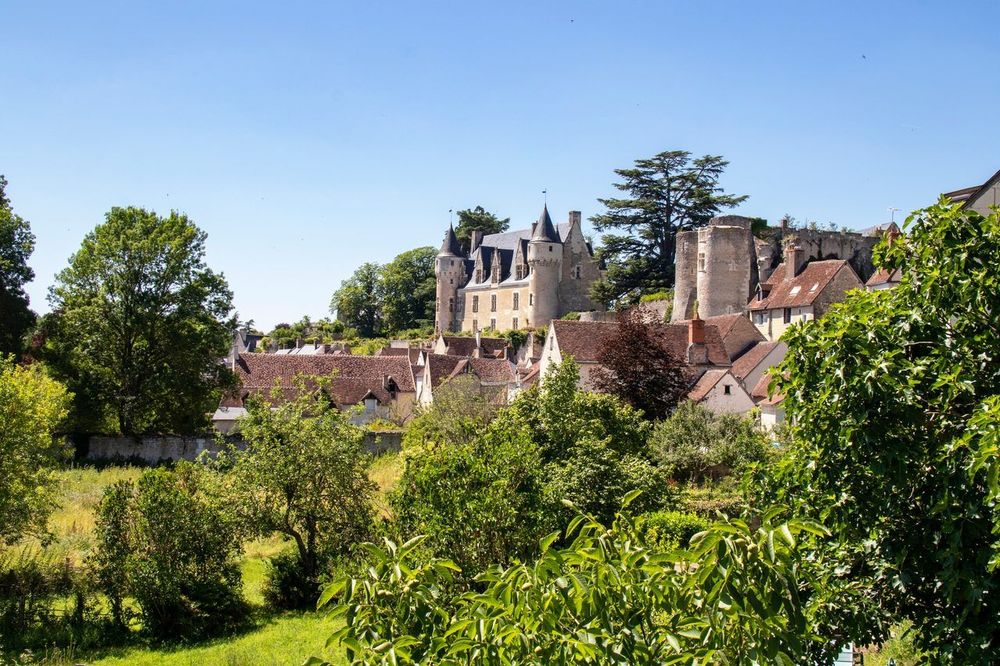
This tour invites you into the heart of a city bathed in light, where the legacy of the kings of France is etched into every pale stone façade. Let yourself be drawn in by the elegance of a place that has preserved its medieval soul while opening gracefully onto the majesty of the Loire River. Between grand royal perspectives and the quiet charm of hidden courtyards, the city reveals a character that feels both dignified and serene. It’s a walk through sunlit gardens and riverside paths glowing in the evening light, offering a true sense of the refined spirit of a capital that has always lived at the crossroads of history and nature.
Quand partir à Orléans ?
Jan.
7°
11
Feb.
8°
9
March
13°
9
April
16°
9
May
20°
10
June
24°
8
July
26°
8
Aug.
26°
7
Sept.
22°
8
Oct.
17°
10
Nov.
11°
11
Dec.
7°
12
Orléans enjoys a modified oceanic climate, with pleasant summers around 25°C and cool winters fluctuating between 1°C and 7°C. The ideal period runs from May to September to enjoy the banks of the Loire and the Parc Floral. The month of May is particularly symbolic with the Johannine Festivals (celebrating Joan of Arc), while September offers perfect mildness for discovering the city and its cathedral under a golden light.
Départ conseillé
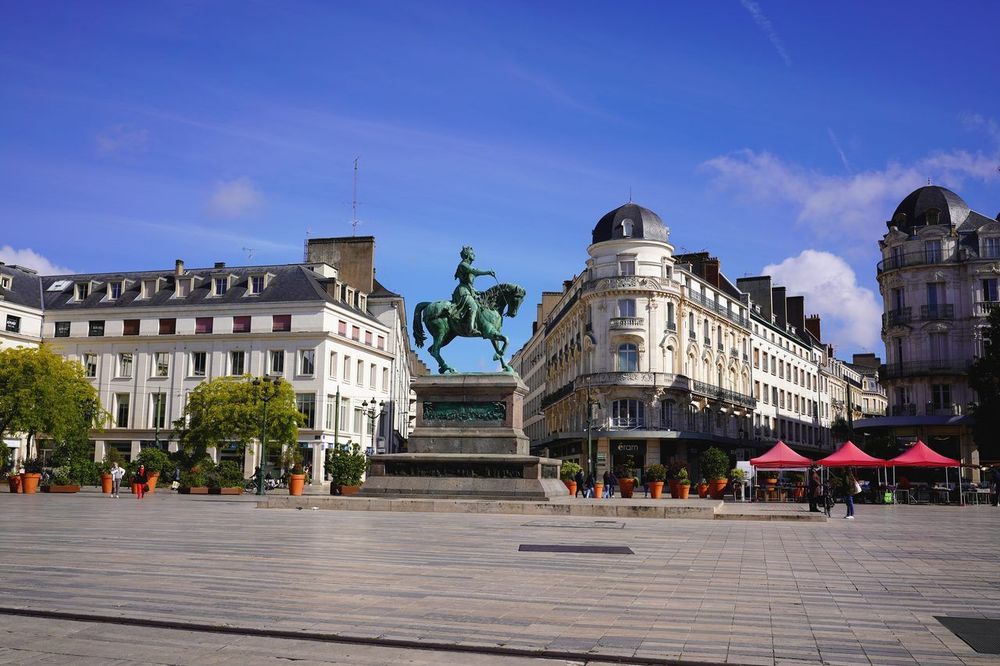
No need to worry about where to begin! Our tours are designed as a loop, so you can jump in wherever you are. The navigation system and audio-guide will automatically adjust to your location. However, if you happen to be nearby, we do have a preferred starting point: Place Martroi
Parking à proximité
Underground parking “Le Martroi” – Place Martroi
If you choose to park on the street, please note that parking is limited to 2 hours in shopping areas (orange zone) and 4 hours in peripheral areas (green and purple zones).
You can pay for your parking at the meter or via the PayByPhone app, which will allow you to extend your parking duration without having to return to your vehicle.
For a more relaxed and economical solution, you can use the park-and-ride facilities. You can leave your car there for free all day, provided you use the tram to get to the city center. Preferential rates are available for occupants of the same vehicle.
À savoir
The itinerary includes a point of interest located inside the Groslot Garden. Entry is free, but the garden gates close at 5:30 PM. You will therefore not have access if you do this tour in the evening. Since the garden visit is an out-and-back route from the Hôtel Groslot, you will have no problem continuing your itinerary.
Découvrez 24 lieux d'intérêt pour visiter Orléans

















Orléans fait partie d'un Road trip
Le plein d'inspirations
Explorez le monde en totale liberté, à pied au cœur des villes ou au fil des routes. Nos guides audios transforment chaque destination en une découverte culturelle immersive et unique.



FAQ for visiting Orléans
How many days do you need to visit Orléans?
A two-day weekend lets you comfortably discover the essentials of Orléans. On the first day, you can explore the historic centre, admire Sainte-Croix Cathedral and wander through the medieval lanes. The second day is ideal for strolling along the banks of the Loire and visiting a few museums. If you have three days, you'll have time to delve deeper with a visit to the Parc Floral or a getaway to the surrounding area. Ryo audioguides offer optimised routes that let you miss none of the highlights, even on a short stay.
How do you get around Orléans?
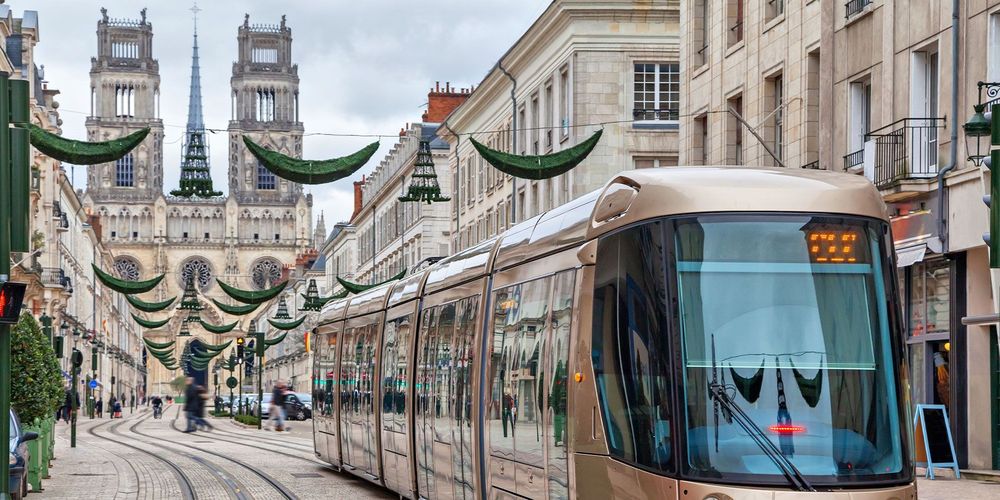
The centre of Orléans is perfectly suited to walking, with its pedestrian streets and reasonable distances between the main sights. For longer trips, the tram network efficiently serves the city's various neighbourhoods. Buses round out the public transport offering for reaching the outlying areas. Numerous cycle paths also make it possible to get around by bike, with rental stations available throughout the city. To reach the surrounding châteaux or explore the more distant banks of the Loire, car hire remains the most practical and flexible solution.
What are the must-sees in Orléans?
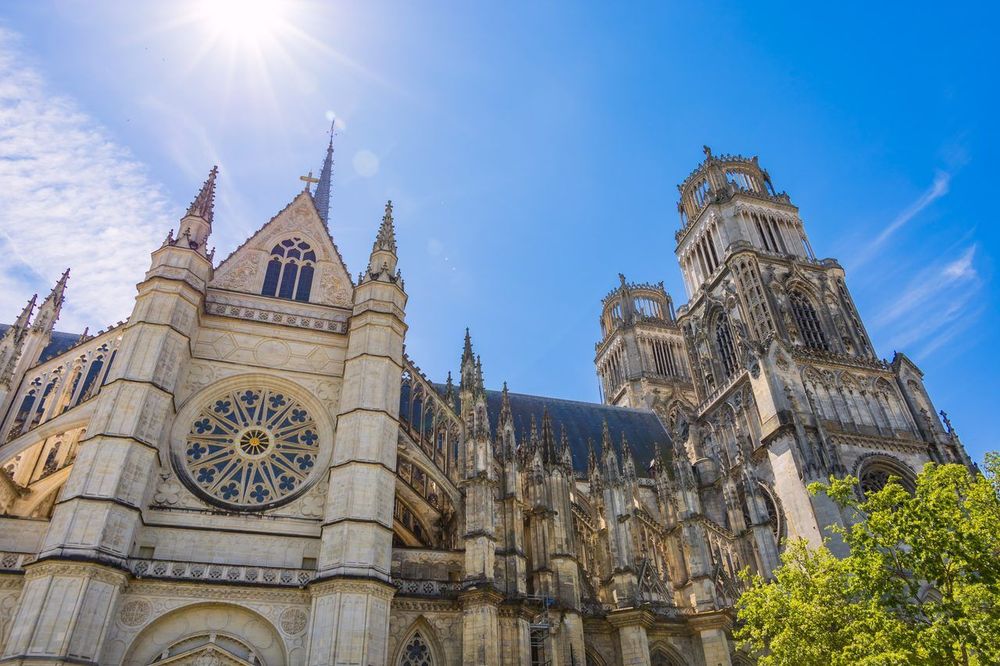
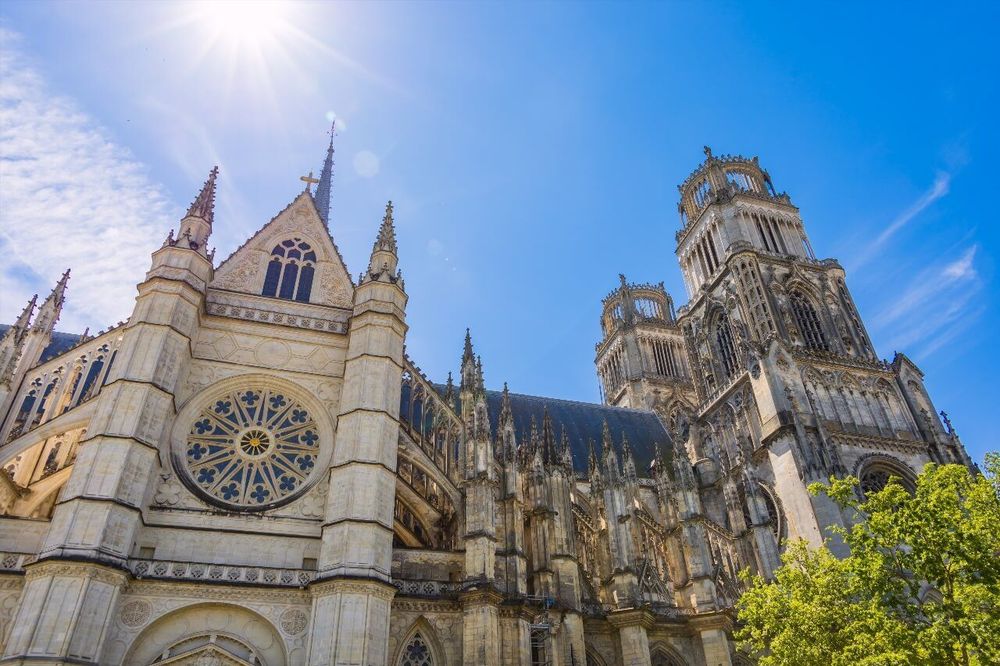
The majestic Sainte-Croix Cathedral dominates the Orléans skyline with its impressive Gothic towers. The Place du Martroi, with its equestrian statue of Joan of Arc, is the beating heart of the city. Don't miss the Hôtel Groslot, a superb example of Renaissance architecture, nor the Joan of Arc House, which retraces the epic of the Maid of Orléans. The banks of the Loire offer magnificent views, particularly at sunset. The Bourgogne district charms with its cobbled lanes and half-timbered houses. The Ryo audioguide accompanies you on this discovery with fascinating commentary on each monument and its history.
When is the best time to visit Orléans?
The months from May to September offer the most pleasant conditions for exploring Orléans, with mild temperatures around twenty-five degrees in summer. May takes on a special dimension with the celebrations of the Joan of Arc Festivities, turning the city into a living medieval spectacle. September enchants with its golden light that enhances the white stone of the monuments. Spring and autumn make it possible to avoid the tourist crowds while enjoying a mild climate for walks. Winter remains pleasant despite the cool weather, with a more intimate atmosphere and illuminations that magnify the architectural heritage.
Where should you stay in Orléans?
The historic centre holds most of the accommodation, letting you stay right next to the main tourist sites. Charming hotels set in former mansions offer an authentic experience in the heart of the medieval city. The station district offers more economical options while remaining well connected to the centre. For a more nature-focused experience, the banks of the Loire are home to a few establishments with river views. The guesthouses scattered across the residential neighbourhoods let you sample the Orléans way of life. Remember to book ahead during major events such as the Joan of Arc Festivities.
What can you do in Orléans as a family with children?
The Parc Floral de la Source delights young and old with its themed gardens, its animals and its play areas. The Fine Arts Museum regularly offers creative workshops suited to children so they can discover art while having fun. The banks of the Loire invite family bike rides on safe paths. The Joan of Arc House captivates young visitors with its interactive historical reconstructions. The Ryo narrated tour specially designed for families turns the discovery of the historic centre into a playful adventure, with anecdotes and challenges that keep the youngest engaged throughout the visit.
How do you get from Orléans to the châteaux of the Loire?
Orléans makes an ideal base for exploring the châteaux of the Loire. Chambord is about forty-five minutes away by car, while Blois can be reached in thirty minutes. Regional trains serve several château towns such as Blois, Amboise or Tours, with frequent connections from Orléans station. During the summer season, coach tours make it possible to visit several châteaux in a day departing from Orléans. Car hire nonetheless remains the most flexible solution for organising your own itinerary. Some rental companies even offer electric bikes for the more sporty, who want to combine cultural discovery with a nature ride.
Where can you follow in Joan of Arc's footsteps in Orléans?
Orléans owes much of its identity to the siege of 1429 and to the young woman who lifted it. The Joan of Arc house, a reconstruction of the home where she stayed, brings the episode to life; the equestrian statue on Place du Martroi has become its symbol, and Sainte-Croix cathedral holds a series of stained-glass windows that tell her story.
Every spring, the Joan of Arc festival hands the city back to its history, with processions, shows and events in the streets of the centre. The rest of the year, the half-timbered lanes of the Châtelet quarter and the Renaissance front of the Hôtel Groslot naturally extend the walk. The Ryo audio guide offers a dedicated Orléans route that follows this historical thread.
What is there to see along the Loire in Orléans?
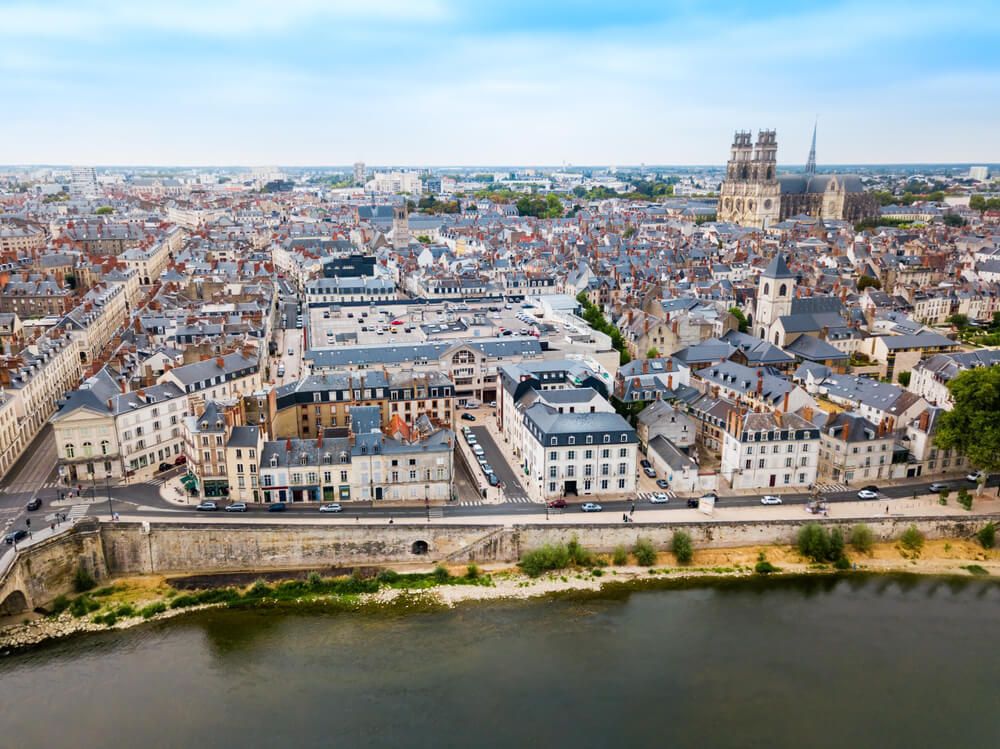
The river runs alongside the city centre and offers one of the most enjoyable walks in Orléans. From Quai du Châtelet you can drop right down to the water and follow it to the Pont George V, the oldest bridge in town, from where the view over the spires and slate roofs is especially photogenic.
The Loire is still very much alive here: traditional flat-bottomed boats, fûtreaux and gabares, are moored along the quays and recall the days when Orléans lived from river trade. A major festival regularly brings this small fleet and the crowds together on the waterfront. On the wilder south bank, a cycling and walking route slips between sandbanks, willows and birdlife, for a taste of nature minutes from the centre.
Which museums are worth visiting in Orléans?
The fine arts museum is among the richest in the region, with a fine body of French painting and a collection of eighteenth-century pastel portraits that is rarely matched. Right next door, the Hôtel Cabut houses the history and archaeology museum, known for its hoard of Gallo-Roman bronzes unearthed at Neuvy-en-Sullias.
The natural history museum devoted to biodiversity and the environment takes a more contemporary approach, focused on wildlife and the river, while the regional contemporary art collection, housed in a strikingly angular building, displays a body of experimental architecture. Opening days and times vary from one venue to another and with the season, so it is worth checking before you set out.
Vos commentaires, idées et suggestions
Aucun avis pour le moment