© Shutterstock
 Votre guide Ryo
Visiting Orléans in 3 Days: Complete Itinerary Between the Loire and Sologne (2026)
Orléans has a reputation as a stopover on the way to Paris or Blois — a mistake the city quickly corrects as soon as you take the time to put a bag down. Visiting Orléans in 3 days is all it takes: a Gothic cathedral whose towers soar to 88 metres, an almost intact historic centre and royal châteaux reachable by bike in under an hour. A Ryo audio-guided tour lets you trace eight centuries of history through the streets of old Orléans, from Clovis to Joan of Arc, with no time slot to book and no group to follow.
In three days you have time to climb the towers of the Sainte-Croix cathedral for a 360-degree panorama, spot street art hidden between half-timbered façades, cycle to Beaugency and Meung-sur-Loire, dine in a Sologne château and then ride back along the Loire to the little port of Combleux. This guide follows a chronological thread: the city centre on day one, Loire villages on day two, the Sologne and its gardens on day three, rounded off with the practical questions you ask before leaving — from budget to the best time of year. The Ryo audio-guided tour follows this same route, from the Sainte-Croix cathedral onward through the old town.
Day 1: the Cathedral and the Historic Heart of Orléans
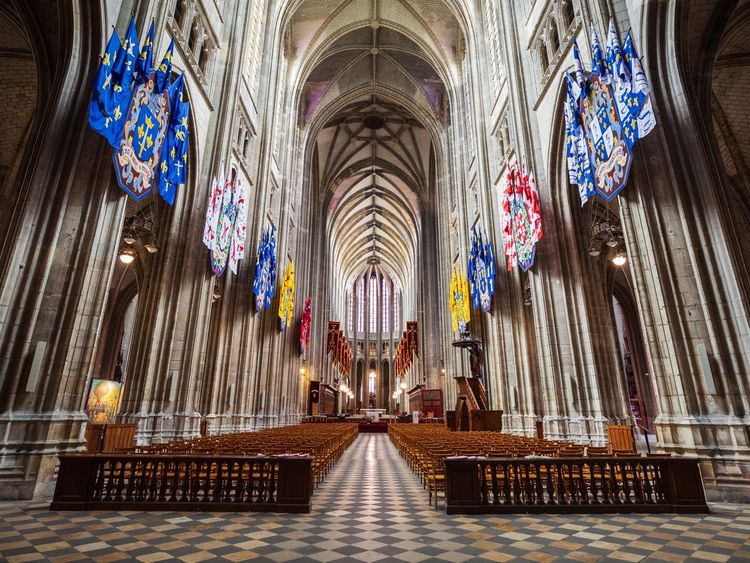
Orléans is best discovered on foot, and the ideal starting point is what dominates the city: its cathedral.
The Sainte-Croix Cathedral and the Historic Centre
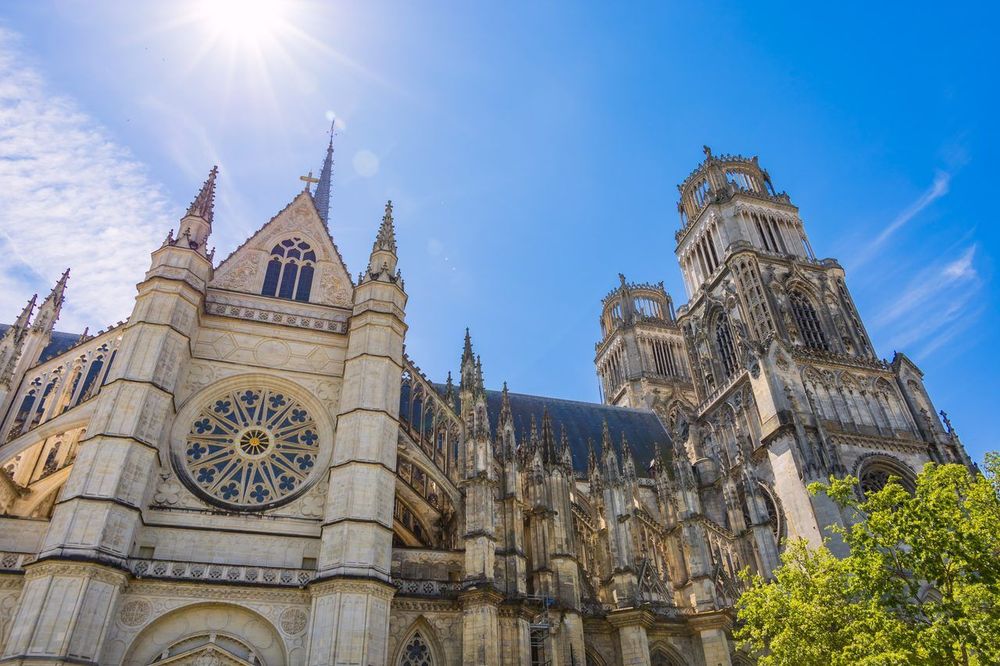
The Orléans Sainte-Croix cathedral is far from ordinary in its architecture: largely destroyed by Protestants in 1568, it took nearly three centuries to recover its full silhouette, with the façade and towers only completed in the 19th century. The self-guided visit is free, but the experience not to be missed is elsewhere: climbing the towers opens onto what locals call, without irony, the highest rooftop in the city — a viewpoint that sweeps across the Loire, the slate rooftops of the centre and, on a clear day, the edge of the Orléans forest.
Head down next to the rue de Bourgogne, the oldest commercial street in the city, laid out along the original Roman axis. Allow around two to three hours to stroll comfortably through the entire old town: the half-timbered houses on the place du Châtelet, the Hôtel Groslot with its red-brick Renaissance façade, and the place du Martroi with its equestrian statue of Joan of Arc all follow one another along a route of less than two kilometres, almost entirely pedestrianised. You will need neither a vehicle nor a reservation.
A word on accessibility, since the question comes up often: the old town is flat, with no notable change in elevation between the cathedral and the quays, and most streets are pedestrian or low-traffic. The route is therefore manageable with a pushchair or a wheelchair, with the exception of a few uneven cobbled lanes around the place du Châtelet. Shops, cafés and restaurants line the entire itinerary, making it easy to break the walk whenever you like, whether you are travelling with children or older visitors.
The Fine Arts Museum and the Unexpected Street Art
The Orléans Fine Arts Museum (1 Rue Fernand Rabier, 45000 Orléans, rated 4.5/5 on Google from 1,146 reviews) left the Hôtel des Créneaux in 1984 for a building designed by Christian Langlois, adjoining the city hall and a short walk from the cathedral. Nothing in this understated façade hints at one of the richest provincial collections in France: Italian primitives, a Saint Thomas painted by Velázquez — one of only two canvases by the Spanish master held in French museums — 17th-century still lifes and, above all, the second-largest collection of pastels in France, just behind the Louvre. The museum is one of the six included in the Orléans Val de Loire Citypass, which makes it worth scheduling your visit on the same day as another paid site.
On leaving the museum, change register: Orléans hides a discreet but lively street art scene, sustained by municipal commissions that each year invite artists to take over blank gable walls and electricity substations. Keep your eyes open in the streets around the place du Châtelet and the Charpenterie district: the murals have no official map posted on every corner, which turns the hunt into a small treasure hunt between two classic monuments.
The Port d'Orléans and the Loire Riverbanks
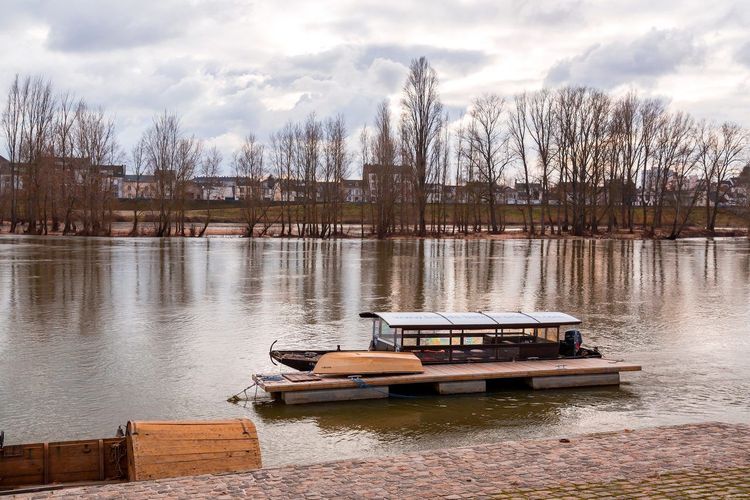
Heading back down towards the river, you come across a slice of history less well known than the cathedral but just as revealing of the city's identity: the Port d'Orléans, long one of the busiest in the kingdom, built its fortune on sugar, spices and wine, but also on a well-organised salt smuggling trade that circumvented the royal gabelle. The current quays, redeveloped as a promenade, retain traces of this river activity in the old warehouses now converted into cafés and galleries.
In the late afternoon, the Loire riverbanks become the informal meeting point for joggers and families: the benches facing the river offer the best view of the Pont George V, lit up at sunset. This is also where the boat trips described later in this guide begin, either the next day or the day after depending on your schedule. The Ryo audio-guided tour links this same Pont George V with Place du Martroi and the Hôtel des Créneaux a little further into the historic centre.
Day 2: Châteaux and Villages Along the Loire
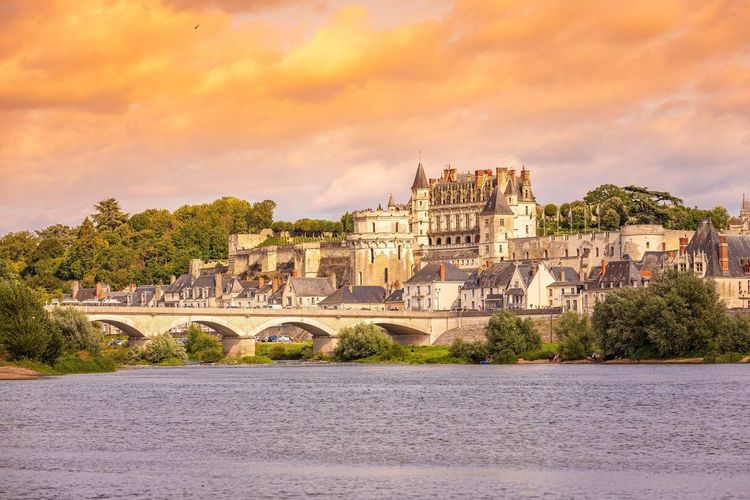
On the second day, leave the city centre and follow the Loire westward, along an itinerary also covered by the road trip Les Châteaux de la Loire if you wish to extend your exploration beyond Orléans.
Beaugency and Meung-sur-Loire, Medieval Towns
About thirty kilometres from Orléans, Beaugency is probably the most photogenic small town in this stretch of the valley: an 11th-century Romanesque keep, a long medieval bridge of twenty-two arches and lanes lined with old houses form a setting that has changed little. The château Dunois, fully restored before reopening to the public, is worth visiting to understand the town's strategic role during the Hundred Years' War: it was here that Joan of Arc obtained the surrender of the English garrison in June 1429, a few days before the victory at Patay.
On the way back, about twenty kilometres from Orléans, Meung-sur-Loire deserves a stop of an hour and a half: its château served as an episcopal prison for the poet François Villon, locked up in 1461 in the dungeons of the Bishop of Orléans, and the underground passages and oubliettes are part of the tour. The village, smaller than Beaugency, is quickly explored along the Mauves, the waterways that run through the town and earned it the nickname of the little Venice of the Loiret.
Cléry-Saint-André and the Surroundings of Chambord
About fifteen kilometres south-west of Orléans, the basilica of Notre-Dame de Cléry-Saint-André (Place du 8 Mai 1945, 45370 Cléry-Saint-André, rated 4.5/5 on Google from 684 reviews) surprises with its proportions: rebuilt on the orders of Louis XI, who chose to be buried here rather than at Saint-Denis and rests alongside his wife Charlotte de Savoie, it achieves a scale rarely seen in a village of this size. The interior, seemingly austere, houses the royal tomb and a Flamboyant Gothic Saint-Jacques chapel that the late-morning light shows to particular advantage.
If your stay extends beyond three days or you set off early, the surroundings of Chambord are reachable in just under an hour's drive from Orléans: the Loire's most iconic château deserves half a day on its own, with its 426 rooms, its double-helix staircase and its forest estate enclosed by walls — the largest walled park in Europe. To plan this extension and discover other Centre-Val de Loire villages in the same spirit as Beaugency or Meung, the Ryo article on the most beautiful villages in Centre-Val de Loire makes a good complement to this second day.
Day 3: Sologne, Cycling and the Loire Riverbanks
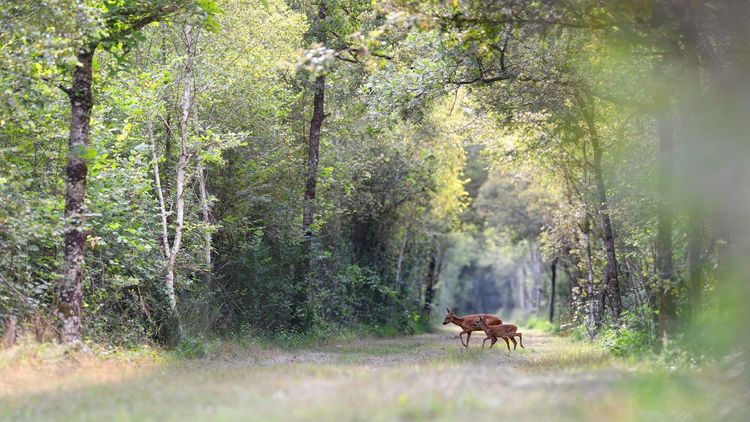
The third day changes the scenery entirely: head for the Sologne, its forests and its ponds, before a relaxed return by bike along the river.
La Ferté-Saint-Aubin and the Château de Chamerolles
About twenty kilometres south of Orléans, La Ferté-Saint-Aubin opens the doors of a château with the unusual feature of being visitable both in the noble apartments and below stairs: reconstructed kitchens, outbuildings, stables and kennels give a complete picture of life on a great Sologne estate. The moats fed by the Cosson and the landscaped park that extends beyond them make it a popular stop for families and architecture enthusiasts alike, with cooking workshops and activities offered depending on the season.
Then head north: the château de Chamerolles, at Chilleurs-aux-Bois, lies not in the Sologne but on the edge of the Orléans forest, about thirty kilometres from the city centre. It offers a different experience: its reconstructed Renaissance gardens, arranged by theme, make it one of the rare châteaux in the region where the grounds rival the interior, and its Promenade des Parfums traces six centuries of perfumery history — an angle rarely explored elsewhere in the Loiret. If your third day needs to stay compact, save it for another visit and focus on the Sologne to the south.
Olivet, the Parc Floral de la Source and the Loire by Bike
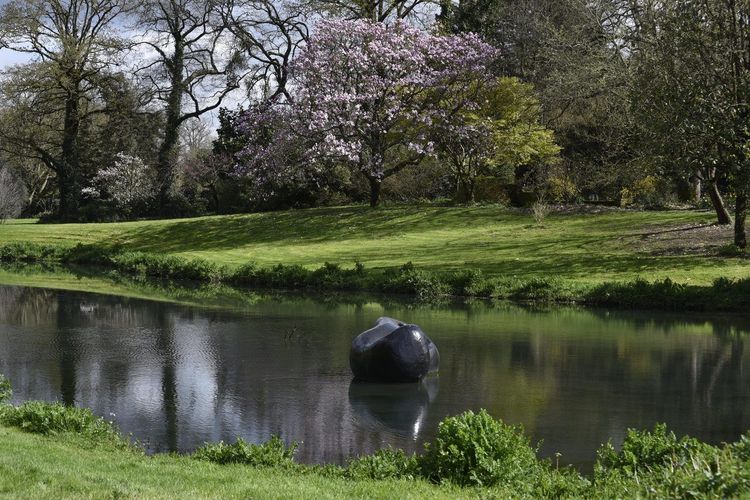
On the way back towards Orléans, Olivet marks the transition between the Sologne and the Loire valley: the town borders the Loiret, a short but crystal-clear river that has fed mills and open-air dance halls for centuries and whose banks can be explored by rowing boat in summer. Just next door, about ten kilometres from the city centre, lies the Parc Floral de la Source (Avenue du Parc Floral, 45100 Orléans, rated 4.5/5 on Google from 5,228 reviews), where the Loiret resurfaces in a garden of around thirty hectares combining a rose garden and shaded paths. Allow an hour and a half to walk around at a leisurely pace, more if you are travelling with children, and note that admission is included in the Citypass.
To close this third day, hop on a bike and follow the Loire à Vélo route eastward to the small port of Combleux, about ten kilometres away. The route, almost entirely flat and separated from traffic, follows the Orléans canal and passes through hamlets that seem to have escaped the urbanisation of the wider area. It is one of the rare spots where, within the space of a few hundred metres, you can see a 17th-century canal and the wild riverbed of the Loire side by side. For more excursion ideas within the same radius, the Ryo article on activities in Orléans and its surroundings details variations on this third day depending on the season.
Loire River Trips: Boat Tours and Rowing Boat Outings
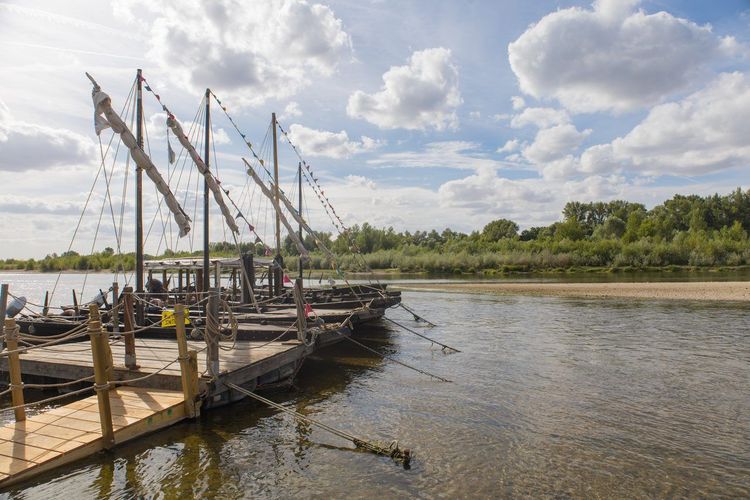
This experience deserves its own section because it works equally well on day one or day three, depending on the weather and your availability. From the quays of the Port d'Orléans, river boatmen take visitors aboard traditional Loire vessels — flat-bottomed toues and fûtreaux — for guided outings that explain why the river was a commercial highway long before it became a nature reserve. These trips are scheduled in season, from April to November depending on the month and water levels, and one is included in the Citypass, saving you an entire activity across the three days.
For a more active experience, several operators also offer rowing boat or canoe outings on the Loiret at Olivet or on calm stretches of the river suited to beginners. Allow an hour, wear closed-toe shoes and bring sunscreen: the Loire's sandbanks offer almost no shade in the middle of the day. Both activities are easy to book the day before, as long as you avoid weekends in July and August, when time slots fill up quickly.
An Unusual Evening: Sleeping or Dining in a Sologne Château
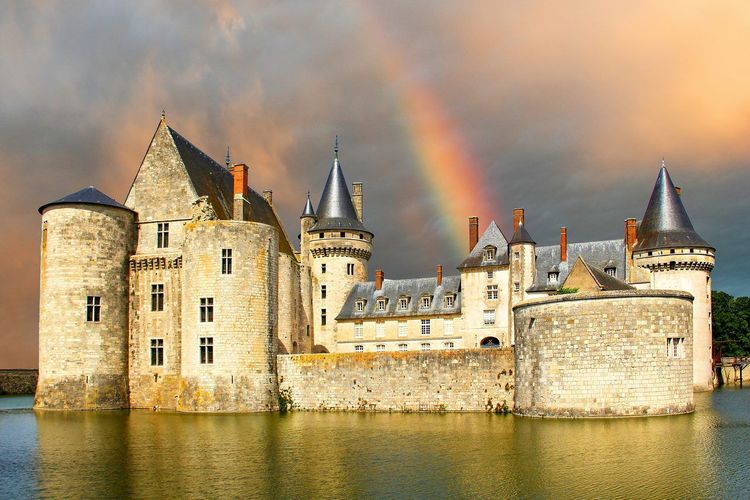
Few guides about Orléans mention this option, yet it radically changes the tone of a three-day stay: several manor houses in the Sologne and Val de Loire, less than forty minutes from Orléans, open a handful of bed-and-breakfast rooms within the estate or offer evening table d'hôte dinners.
Spending a night in a château remains accessible without an excessive budget if you book a standard room rather than a suite: expect roughly €150 to €250 per night for two, including breakfast, compared to a significantly higher outlay for a gastronomic dinner with paired wines. You can also simply book a table for the evening without staying overnight, for a shorter and more affordable experience. If this option appeals to you, it is best placed on the second evening, between the Loire châteaux day and the Sologne day, to stay in the same atmosphere without multiplying your journeys.
Getting Around Orléans: Bikes, the Citypass and Transport Tips
Orléans is easily visited without a car, an advantage the city promotes through its Orléans Val de Loire Citypass, available in 24-, 48- and 72-hour versions. The 72-hour pass, designed for a three-day stay, grants free entry to six Orléans museums and the Parc Floral de la Source, unlimited travel on the TAO transport network including the tram, a guided or audio-guided city tour, a Loire river boat trip in season, the tourist train and a range of discounts with partner venues.
For excursions to Beaugency, Meung-sur-Loire or Combleux, cycling is the most practical option: the city's hire operators offer standard and electric-assist bikes in all sizes, from XS (42 cm) to L (55 cm), as well as step-through frame models that are more comfortable on longer rides. Book your size in advance during high season, as smaller frames tend to go first at most hire shops. Expect around fifteen euros per day for a standard bike, roughly double for an electric-assist model, with discounted rates over three days.
The transport tip worth knowing before you leave: Orléans station is about ten minutes' walk from the historic centre and Paris is only an hour away by train, making a car rental unnecessary for the first two days. Save the car or electric bike for the third day, which covers more ground with the round trip into the Sologne.
Where to Stay in Orléans: Our Top Picks
Two neighbourhoods stand out clearly for a three-day stay: the historic centre, around the cathedral and the rue de Bourgogne, to stay immersed in the medieval atmosphere, and the Loire riverfront, quieter in the evenings, for those who prefer a view over the water.
The Hôtel de l'Abeille (64 Rue Alsace-Lorraine, 45000 Orléans, rated 4.5/5 on Google from 542 reviews), a family institution run by the same family for over a century, cultivates an unapologetically retro charm with its old-fashioned decorated rooms, floral wallpapers and location between the station and the place du Martroi, about ten minutes' walk from the cathedral. Around it, well-placed chains such as Mercure or ibis offer straightforward value in the city centre, while Loire-side guesthouses towards Saint-Marceau or Olivet suit a more intimate stay better.
A few tips for choosing well: go for a Loire-facing hotel if you want a view when you wake up, but check the soundproofing of the front rooms — the quayside promenade stays busy late into summer evenings. Also check parking, which is scarce and paid in the pedestrianised city centre. Organising your stay around the Ryo audio-guided tour of Orléans also makes choosing a hotel easier, since it starts from the historic centre and lets you do everything on foot from the moment you leave your accommodation.
Where to Eat in Orléans: Good Restaurants and Local Specialities
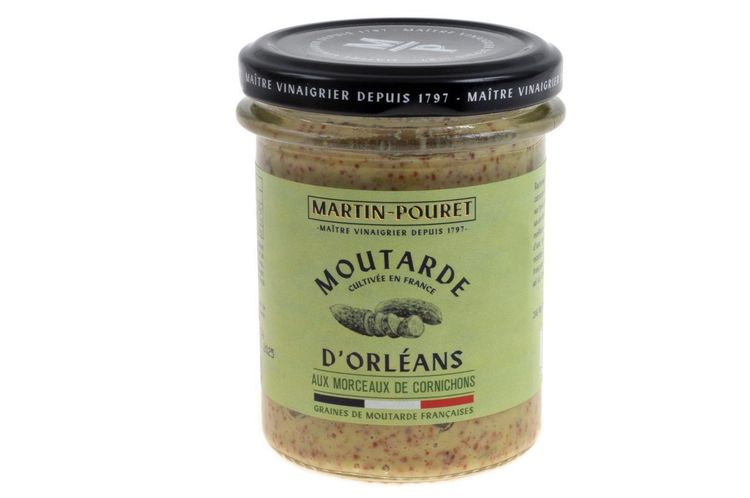
Orléans has two specialities found nowhere else in quite the same form: Orléans vinegar and mustard, produced by a slow fermentation method inherited from the era when the city was home to dozens of vinegar works supplied by wine brought up the Loire. The Martin Pouret house, founded in 1797 and the last active vinegar works in Orléans, keeps this process alive and sells its oak-barrel-aged vinegars and traditional mustard in the city's delicatessens.
For restaurants, La Dariole, set in a 15th-century half-timbered house a short walk from the place du Martroi, serves traditional French cuisine in a low-ceilinged dining room that is worth the visit in itself. For a more refined dinner, Le Lièvre Gourmand (28 Quai du Châtelet, 45000 Orléans, rated 4.6/5 on Google from 826 reviews), on the quai du Châtelet, showcases Loire and Sologne produce — local game and river fish — in a dining room overlooking the water.
Between these two extremes, the rue de Bourgogne neighbourhood concentrates most of the city's best addresses: bistros, wine bars and regional-cuisine restaurants follow one another over a few hundred metres, very handy after a day of sightseeing. The Halles Châtelet, right in the centre, are also ideal for putting together a picnic before a cycling outing. To go further on this topic, the Ryo article on Orléans culinary specialities lists further addresses organised by neighbourhood.
Budget for a 3-Day Stay in Orléans
Orléans remains one of the most affordable Loire cities, noticeably cheaper than Tours or Amboise in high season. On a tight budget, allow around €60 to €80 per day per person: a hostel or simple hotel, quick lunches or a picnic from the market hall, cycling for transport and a 72-hour Citypass for the museums.
For a comfortable mid-range budget, plan for €120 to €160 per day: a well-located three-star hotel, one or two restaurant meals, an electric-assist bike hire and entry to two or three nearby châteaux, which typically charge €10 to €15 for adult admission.
Finally, for a higher-end stay that includes a night in a Sologne château and a gastronomic dinner, budget €250 to €350 per day per person on that particular day. Whatever your budget, the Citypass remains one of the best investments of the trip: between the six museums, the Parc Floral, transport and the river boat trip, its cost is recouped after the first few visits.
When to Visit Orléans: the Best Time of Year
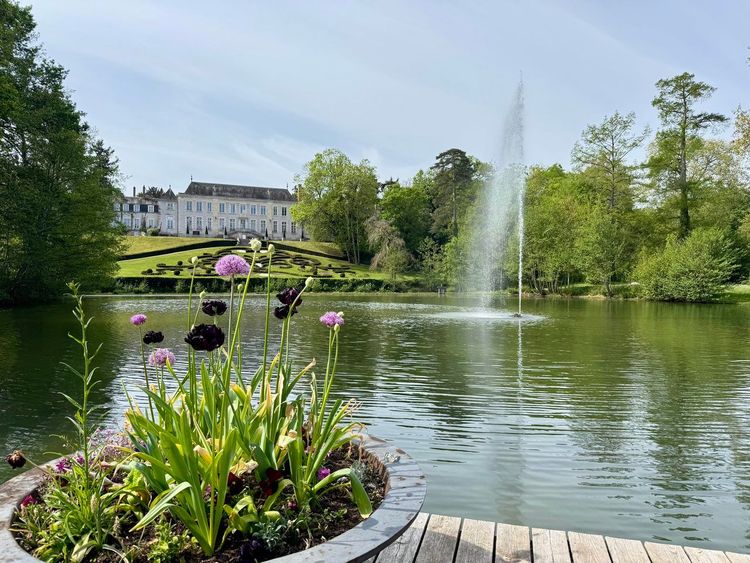
Tourist numbers in Orléans grow year on year, driven by the rising profile of the Val de Loire and by summers when many travellers prefer a riverside destination to the coast. Spring, from April to June, remains the most pleasant time to visit Orléans in 3 days: mild temperatures, the Parc Floral rose garden in full bloom, Loire boats back in service and still-manageable crowds in the historic centre.
In early May, the Joan of Arc festivities transform the city for several days with processions, shows and a medieval market: it is the liveliest moment of the year, but also the time when hotels fill up earliest. Summer brings the most festivals and Loire-side open-air events, at the cost of needing to book visits well in advance. Autumn, quieter, offers beautiful light on the quays, the Sologne in full hunting and mushroom season, and gentler accommodation prices. Winter is possible for a stay focused on the city centre and museums, but several Sologne sites close or reduce their hours between November and March, which complicates the second and third days as described here.
FAQ
How Many Days Do You Need to Visit Orléans?
Three days are enough to cover the historic centre, Loire villages such as Beaugency and Meung-sur-Loire, and a foray into the Sologne. A two-day weekend lets you see the main city-centre highlights and one type of excursion — Loire châteaux or Sologne — but not both.
What Are the Must-See Sights in Orléans in 3 Days?
The Sainte-Croix cathedral and the climb to its towers, the historic centre around the rue de Bourgogne, the Fine Arts Museum, the Loire riverbanks, Beaugency and at least one Sologne château such as La Ferté-Saint-Aubin are among the stops most frequently mentioned by visitors and locals alike.
Can You Explore Orléans's Historic Centre on Foot and Freely?
Yes, the old town can be explored entirely on foot in two to three hours, with no booking or guide required. The terrain is flat and the route passes numerous shops, cafés and restaurants, making it comfortable with children or people with reduced mobility, except for a few uneven cobbled lanes around the place du Châtelet.
Where to Stay in Orléans for a 3-Day Trip?
The historic centre, around the cathedral and the place du Martroi, is the best choice for staying within walking distance of everything. Hotels and guesthouses along the Loire offer a quieter atmosphere and views of the river, at the cost of a slightly longer walk to the main sights.
What Budget Should You Plan for 3 Days in Orléans?
Budget around €60 to €80 per day for an economy stay, €120 to €160 for a comfortable budget including restaurants and bike rental, and up to €350 for a day that includes an overnight stay or dinner at a château.
How to Get Around Orléans: Bike, Boat or Citypass?
The city centre is entirely walkable, cycling is ideal for excursions along the Loire and into the Sologne, and the 72-hour Citypass combines unlimited urban transport, museum entries and a river boat trip. The latter runs mainly from April to November, when traditional boats take to the water.
What Is the Best Time to Visit Orléans and Its Surroundings?
Spring, from April to June, offers the best balance of weather, blooms and crowd levels, with the Joan of Arc festivities in early May as the highlight. Summer brings the most events but requires advance booking, while winter reduces opening hours at several Sologne sites.
Three days in Orléans are enough to understand why this city deserves more than stopover status on the Loire route. Between the cathedral, medieval villages and Sologne forests, the itinerary keeps a human pace, never pushing the kilometres or the budget.
To plan your visit in detail, neighbourhood by neighbourhood, the Ryo audio guide is the most practical companion once you're on the ground: a Ryo audio-guided tour that follows exactly the first-day steps described here, with no need to book a fixed time slot, from Place du Martroi to Sainte-Croix Cathedral.
À lire également