© Shutterstock
 Votre guide Ryo
Activities in Orléans and Surroundings: The Complete 2026 Guide
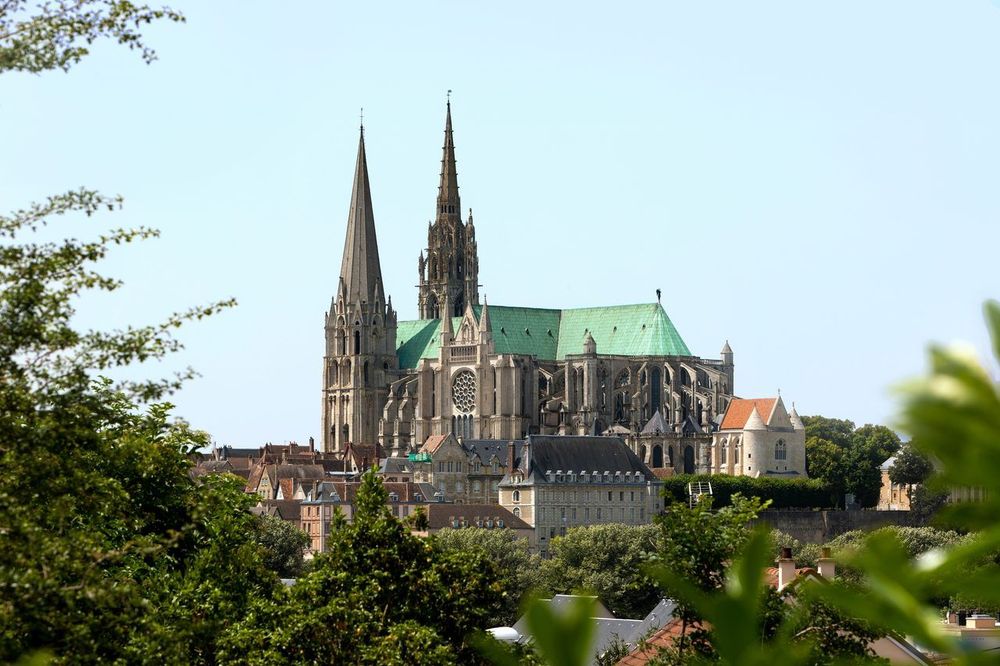
Looking for activities in Orléans and surroundings often starts with wandering the cobbled lanes between rue Royale and the Loire riverbanks, and realising what the city conceals behind its image as a mere stopover. The Loire here is still wild, listed as a UNESCO World Heritage Site in its most untamed form, without concrete embankments or dams. Cathédrale Sainte-Croix rivals Notre-Dame de Paris in height, and the historic centre bears the marks of ten centuries of battles and reconquest. To explore this city centre with its 23 points of interest, the Ryo audio guide to Orléans traces a 4.6 km route from the Gallo-Roman ramparts to place du Martroi.
Within 60 km of the city, you will come across a Carolingian oratory built in 806 under Charlemagne, the château de Sully-sur-Loire where Voltaire was exiled, a 35-hectare floral park inhabited by flamingos, and the largest national forest in France with its 35,000 hectares of marked trails. This guide covers everything, from the city to the Loire villages, to help you plan a stay that goes beyond the usual circuits. In the city itself, place du Martroi and the Loire riverbanks follow one another on our audio walking tour in the footsteps of Clovis, Joan of Arc and Attila.
Cathédrale Sainte-Croix and the Historic Centre
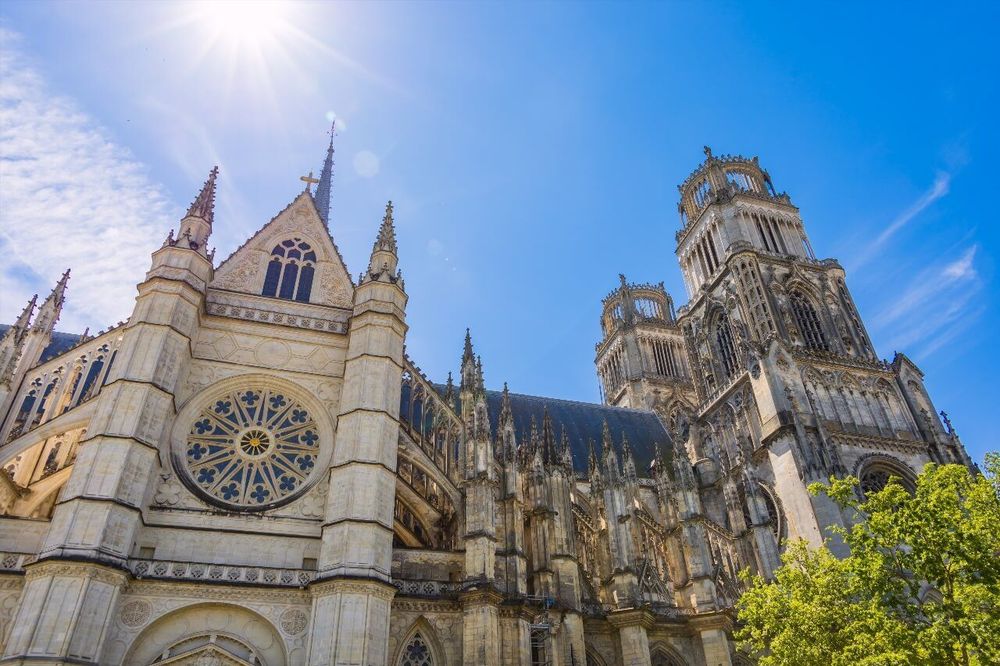
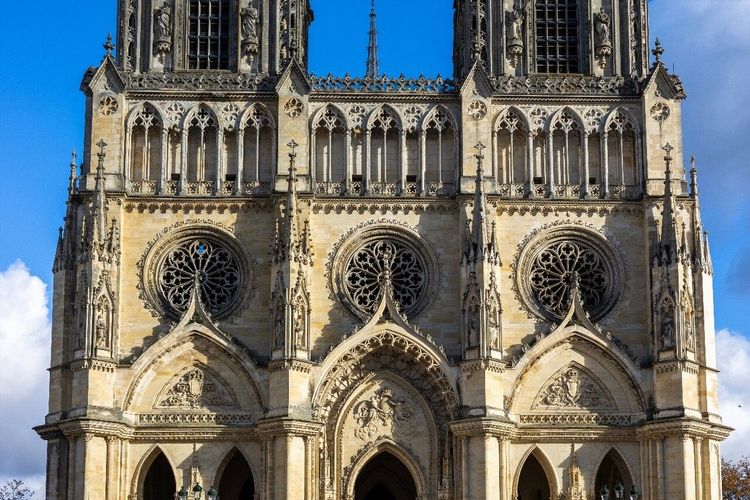
The Cathédrale Sainte-Croix d'Orléans is arguably the most underrated Gothic building in France. Its construction spans seven centuries: the first work began in the 13th century and the last towers were not completed until 1829. The result is a striking blend of Flamboyant Gothic and late Neo-Gothic, where each era has left its signature in the stone. Standing 88 metres tall, its towers surpass the majority of provincial cathedrals.
Just steps away, the Maison de Jeanne d'Arc tells the story of the defining episode of 1429: the siege of Orléans and the city's liberation by Joan of Arc. Five reconstructed rooms, medieval scale models and period objects bring the event to life in its military and political context. Admission is €3 (free for under-18s), and the visit is easily done in an hour.
Place du Martroi, with its equestrian statue of Joan of Arc by Denis Foyatier, is the ideal starting point for exploring the centre on foot. Rue du Tabour, rue Sainte-Catherine and rue de Bourgogne are lined with cafés, shops and a handful of half-timbered façades that survived the 1940 bombings. This is the area where our Orléans audio-guided tour places most of its audio stops, from place de l'Étape to the remains of the Gallo-Roman ramparts.
The Loire Riverbanks: Walking, Cycling and Scenic Views
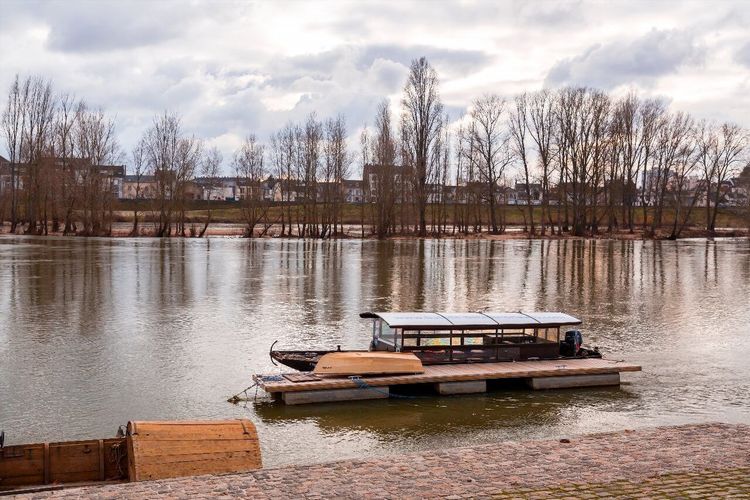
The Loire flows through Orléans along 5 km of developed riverbanks, between the pont de l'Europe to the west and the pont Thinat to the east. The quai du Fort Alleaume on the south bank offers an unobstructed view of the islands and sandbanks that give the river its reputation. This is where the Loire shows its wildest face, with sandy shores accessible on foot when water levels drop in summer.
To explore further, the Loire à Vélo cycle route starts directly from Orléans heading east (towards Sully-sur-Loire) and west (towards Blois). This signposted route follows the river along safe paths through landscapes of vineyards, levees and Loire villages. Allow 25 km to reach Châteauneuf-sur-Loire and 45 km to reach Sully — distances perfectly manageable on an electric bike. Several hire shops in Orléans offer bikes by the half-day or full day.
The pont George V, the former Royal Bridge, offers the best view of the cathedral and the city centre rooftops from the river. Photographers particularly appreciate it in the late afternoon, when the golden light hits the limestone façades.
Museums in Orléans: Art, Science and History
The Musée des Beaux-Arts d'Orléans ranks among the richest regional collections in France outside Paris. Located opposite the cathedral, it brings together more than 25,000 works spanning five centuries of European painting, with notable pieces by Velázquez and Tintoretto. Its 18th-century pastel collection is an absolute rarity outside the capital. Admission is €6, free on the first Sunday of the month.
The Musée Historique et Archéologique de l'Orléanais (Place Abbé Desnoyers, 45000 Orléans, rated 4.1/5 on Google based on 497 reviews) (MHAO) occupies the Hôtel Cabu, a 16th-century Renaissance building. Its collections cover the history of the region from prehistory to the 19th century, with a room dedicated to finds from Neuvy-en-Sullias: an exceptional set of Gallo-Roman bronzes discovered by chance in 1861.
The MOBE (Muséum d'Orléans pour la Biodiversité et l'Environnement) opened its doors in 2022 after five years of renovation. Designed as a living educational tool, it offers interactive exhibitions on Loire ecosystems and the biodiversity of the Loiret. Free for under-18s, it is particularly well suited to families with children aged 6 and above.
The Loire Valley Châteaux, Within Reach of Orléans
Orléans is one of the best bases for exploring the Loire Valley châteaux, with several royal residences and medieval fortresses within a 60 km radius. Unlike Tours, often presented as the capital of the Val de Loire, Orléans covers the eastern stretch of the river — less crowded and therefore more pleasant out of season.
The château de Sully-sur-Loire, 45 km to the south-east, is one of the best-preserved in the valley. Built in the 14th century, it features an almost intact medieval architecture with its round towers and deep moats. Voltaire was exiled here by lettre de cachet in 1716 and used his enforced stay to write several plays. Admission is €8.50, free for under-18s.
Some 35 km to the east, the château de Châteauneuf-sur-Loire (1 Place André Gendron, 45110 Châteauneuf-sur-Loire, rated 4.6/5 on Google based on 76 reviews) houses France's only museum dedicated to Loire River navigation, tracing three centuries of life on the water through scale models and accounts from river boatmen. The 20-hectare park surrounding the château is worth the trip in autumn, when the giant rhododendrons blaze with colour in the first cold snaps.
For lovers of classical Renaissance architecture, Chambord lies 55 km to the west. To visit several châteaux on a single signposted itinerary, the road trip Les Châteaux de la Loire offers an audio-guided route from Orléans to Anjou, stopping at the great royal residences along the way. Remember to book your tickets online, especially for Chambord in July and August, when queues at the ticket office can stretch to two hours.
The Orléans Forest: Hiking and Nature in the Loiret
Covering nearly 35,000 hectares, the Orléans forest is the largest national forest in France. It begins less than 10 km from the city centre and stretches north and east to the edges of the Loiret, with hundreds of kilometres of marked trails for hiking, mountain biking and horse riding.
For a first outing, the étang de la Vallée near Combreux offers a circuit of several kilometres around the lake, with supervised swimming available in summer. Further east, the Lorris massif harbours wet meadows and forest ponds that are ideal for spotting grey herons and kingfishers. Mountain bikers will find technical trails in the Ingrannes area.
The Parc floral de la Source (Avenue du Parc Floral, 45100 Orléans, rated 4.5/5 on Google based on 5,170 reviews), located within Orléans itself across 35 hectares, offers a more accessible nature outing for families. Flamingos and a botanical garden make this park a top choice in spring, during the iris and tulip blooms.
Food, Markets and the Flavours of the Loiret
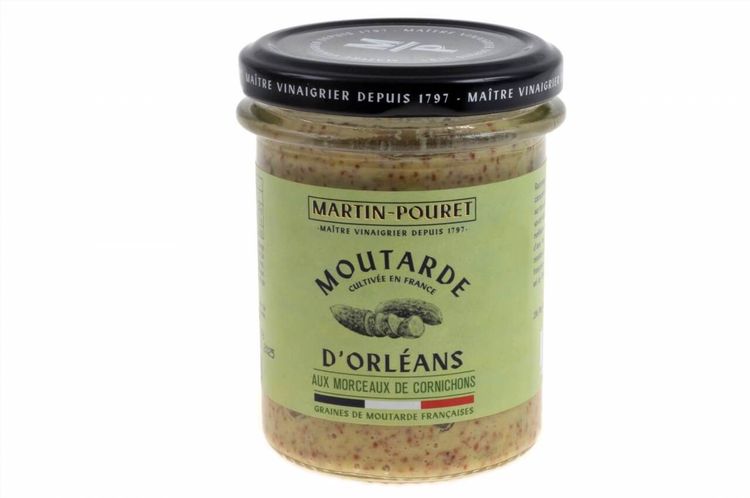
Orléans cuisine draws on a discreet but generous terroir. The Loire provides pike-perch and pike, the Beauce its cereals, and the vineyards of the Orléans AOC appellation produce light reds and aromatic pinot gris grown on the Loire slopes. The emblematic local speciality is Orléans vinegar, rooted in a vinegar-making tradition dating back to the Middle Ages, when the city was the Loire's busiest port and turned wines spoiled by river transport into vinegar.
The Marché des Halles Châtelet (10 Place du Châtelet, 45000 Orléans, rated 4/5 on Google based on 3,270 reviews) brings together Loiret producers every morning from Tuesday to Sunday, selling meat, cheeses and seasonal vegetables. It is the place
For restaurants, rue de Bourgogne is home to most of the central dining options. On the menus, look for Loire pike-perch with beurre blanc, pike rillettes and, for dessert, tarte Tatin (invented in Lamotte-Beuvron, 30 km south of Orléans). The Ryo article on the culinary specialities of Orléans provides a full overview of the products and addresses worth knowing before you go.
Orléans with Kids: What Children Love
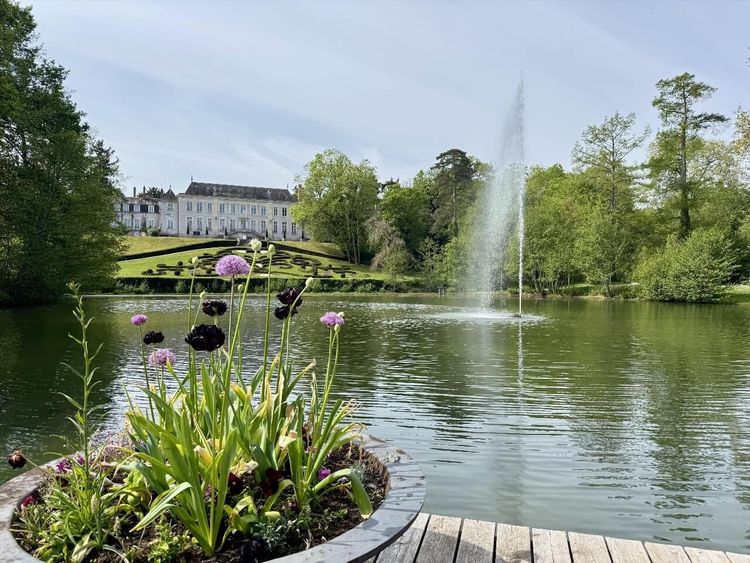
The Parc floral de la Source is the most accessible family outing. Its nature activities on Wednesday afternoons during the summer holidays and its dedicated pollinator insect area are a big hit with children. The youngest visitors particularly enjoy the flamingos that roam freely through the park.
For a more active experience, the climbing centre Climb Up in Olivet (a suburb of Orléans) offers courses for all levels from age 4. The ninety-minute sessions require no prior experience, making them a great option on a rainy day.
Beauval Zoo, 70 km south-west of Orléans, is one of the richest zoos in Europe, home to France's only giant pandas and more than 35,000 animals across 40 hectares. Allow a full day and book your tickets online well in advance, especially in July and August.
The MOBE, already mentioned for its permanent exhibitions, organises educational workshops on Wednesday afternoons during the school term. The workshops cover everything from building insect hotels to discovering the wetland habitats of the Loiret, with themes that change each term.
Culture, Events and City Life in Orléans
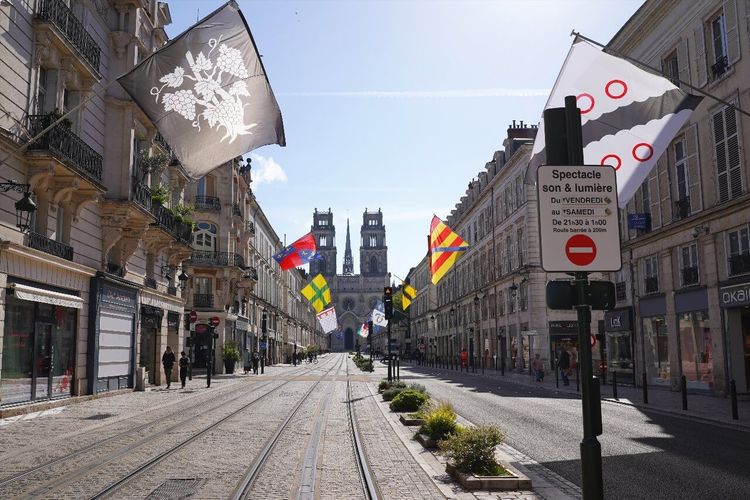
The cultural season revolves around two major highlights. The Fêtes de Jeanne d'Arc, in early May, recreate the 1429 siege each year with a grand costumed procession and events along the Loire, drawing tens of thousands of visitors over just a few days. The Festival de Loire, held in September in odd-numbered years, brings together hundreds of traditional boats for the largest river maritime gathering in Europe.
Outside the festival season, the Scène nationale d'Orléans programmes theatre and contemporary dance from October to June. The Zénith covers mainstream concerts. For a more intimate atmosphere, the bars on rue de Bourgogne host live music in their basement venues and lively terraces well into the evening, drawing a crowd of students and regulars from the neighbourhood.
Day Trips from Orléans: The Hidden Gems of the Loiret
Beyond the châteaux, the Loiret holds a few lesser-known discoveries well worth a detour.
The Oratoire de Germigny-des-Prés (Rue de l'Église, 45110 Germigny-des-Prés, rated 4.6/5 on Google based on 750 reviews), 35 km from Orléans, is one of the rare Carolingian buildings still standing in France. Built in 806 by Theodulf, a close associate of Charlemagne, it houses a mosaic made of 130,000 tesserae depicting the Ark of the Covenant: the only original Carolingian mosaic preserved in France, Byzantine in style. Entry is free and the visit takes under an hour. A stop at Germigny pairs naturally with Sully in a circular day trip from Orléans.
To the north-west, the town of Vendôme (60 km away) offers a remarkable medieval ensemble centred on its Abbaye de la Trinité and a hilltop castle perched on a rocky outcrop. The river Loir (without an 'e') runs through the town in several branches, creating an unusual network of canals in the region.
The Sologne, south of Orléans, stretches across a landscape of heathland and ponds largely off the usual tourist trail. Romorantin-Lanthenay is its main town, with a Sologne museum and markets selling local produce. For an overview of the region's most remarkable villages, the Ryo article on the most beautiful villages of Centre-Val de Loire lists the essential stops.
Getting Around and Practical Information
Orléans is 1h15 from Paris-Austerlitz by direct Intercités train, making it an easy destination. Several trains run daily, with tickets available from €15 when booked in advance. The station is a 10-minute walk from the historic centre.
For excursions to the surrounding area, a car remains essential: most of the châteaux and villages in the Loiret are not served by public transport. From Orléans, you can reach Sully-sur-Loire in 45 minutes, Châteauneuf-sur-Loire in 35 minutes and Germigny-des-Prés in 40 minutes.
Within the city, the tram (lines A and B) covers the main neighbourhoods. The bike-sharing scheme offers rentals by the day or week. For combining speed and spontaneity along the Loire riverbanks or through the lanes of the historic centre, cycling remains the most enjoyable option.



FAQ
What Can Families Do in Orléans?
The Parc floral de la Source is the safest bet for a family day out, with its flamingos and themed gardens spread across 35 hectares. For more active children, Climb Up in Olivet offers climbing courses from age 4. For a full-day trip, Beauval Zoo, 70 km away, is home to more than 35,000 animals, including France's only giant pandas. Book your tickets online to avoid long queues at the entrance during peak season.
How Long Does It Take to Visit Orléans?
Two days are enough to cover the essentials: the historic centre, the cathedral, the museums and a stroll along the Loire. A long three-day weekend allows you to add an excursion to Sully-sur-Loire or Germigny-des-Prés. To cover the entire Val de Loire from Orléans to Anjou, allow a full week.
What Are the Best Day Trips from Orléans?
The top three: Sully-sur-Loire (intact medieval castle, 45 km), Germigny-des-Prés (Carolingian oratory from the 9th century, free entry, 35 km) and Châteauneuf-sur-Loire (castle and Loire River Museum, 35 km). For the great Renaissance châteaux, Chambord is 55 km to the west, Blois 60 km.
Is Orléans a Good Base for Visiting the Loire Valley Châteaux?
Yes, particularly for the eastern Loire Valley (Sully, Chambord, Blois). For the western sector (Amboise, Chenonceau, Azay-le-Rideau), Tours is better positioned. The advantage of Orléans: a direct connection to Paris-Austerlitz in 1h15, more affordable accommodation than in the heart of the château route, and a real city to explore alongside your visits.
Are There Free Activities in Orléans and Surroundings?
Several. The Loire riverbanks are freely accessible, the trails through the Orléans forest cost nothing, and the Carolingian oratory of Germigny-des-Prés is free to enter. In the city, the Musée des Beaux-Arts opens free of charge on the first Sunday of the month. The Fêtes de Jeanne d'Arc in May offer street entertainment in the city centre with no admission fee.
Planning Your Stay
Orléans is often the city people pass through without stopping, yet it deserves far more. Activities in Orléans and surroundings are plentiful: between its museums, its Loire riverbanks and its excursions to châteaux or villages barely marked on the usual tourist maps, the city and the Loiret offer enough for a packed weekend or several themed stays.
To explore the historic centre step by step, our Orléans audio-guided tour guides you across 4.6 km with 24 audio stops, from the Gallo-Roman ramparts to Cathédrale Sainte-Croix.
À lire également