Créé par Romane, le 17 nov. 2026
Votre guide Ryo
Bourges, France
To brave hearts, nothing is impossible
Parcours audioguidé pour visiter Bourges en 1 jour
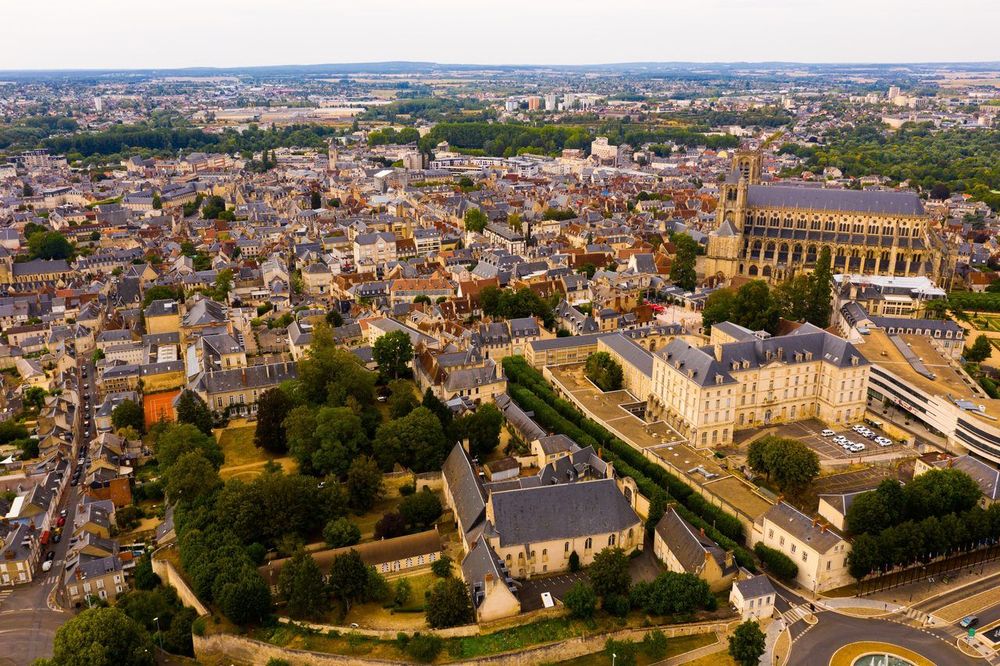
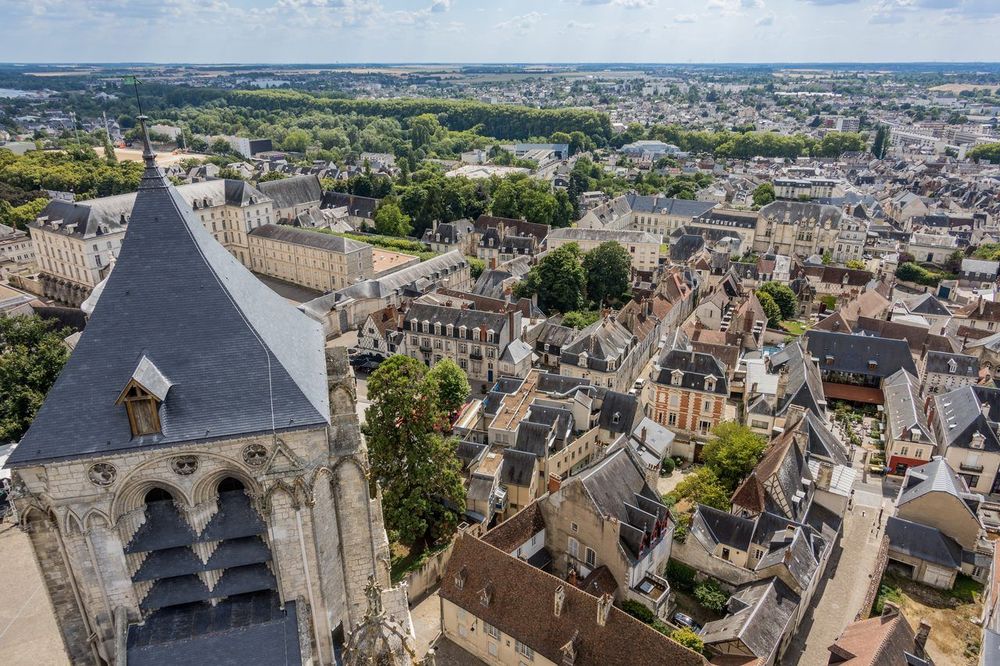
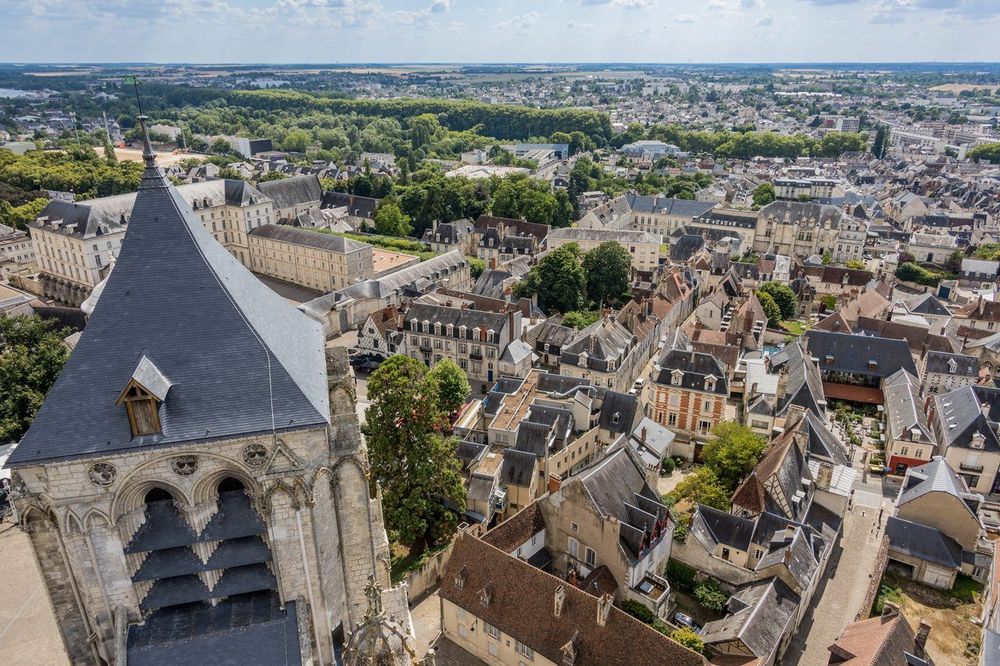
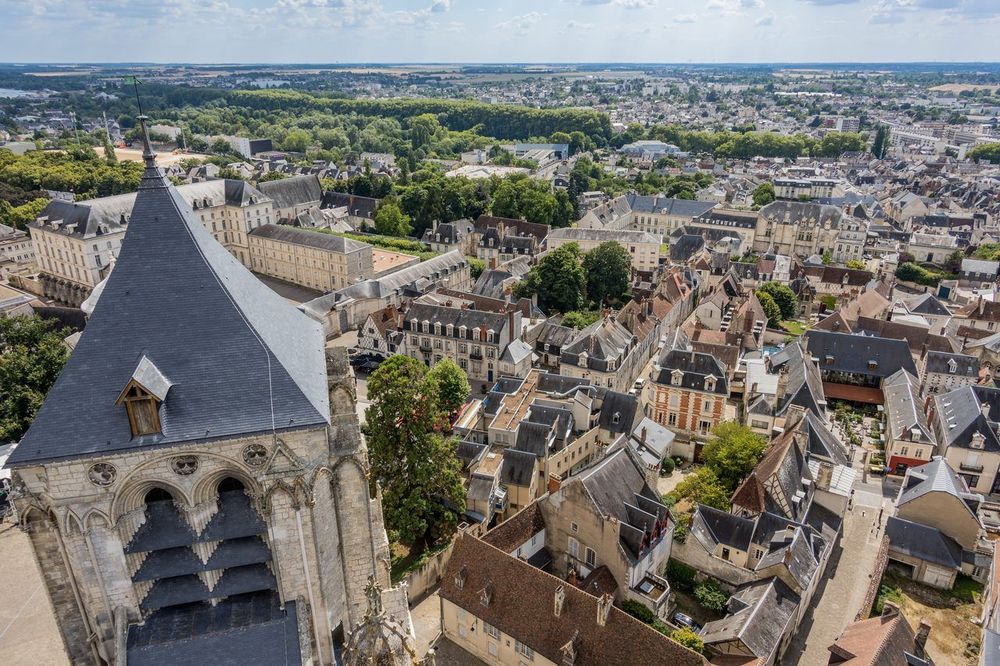
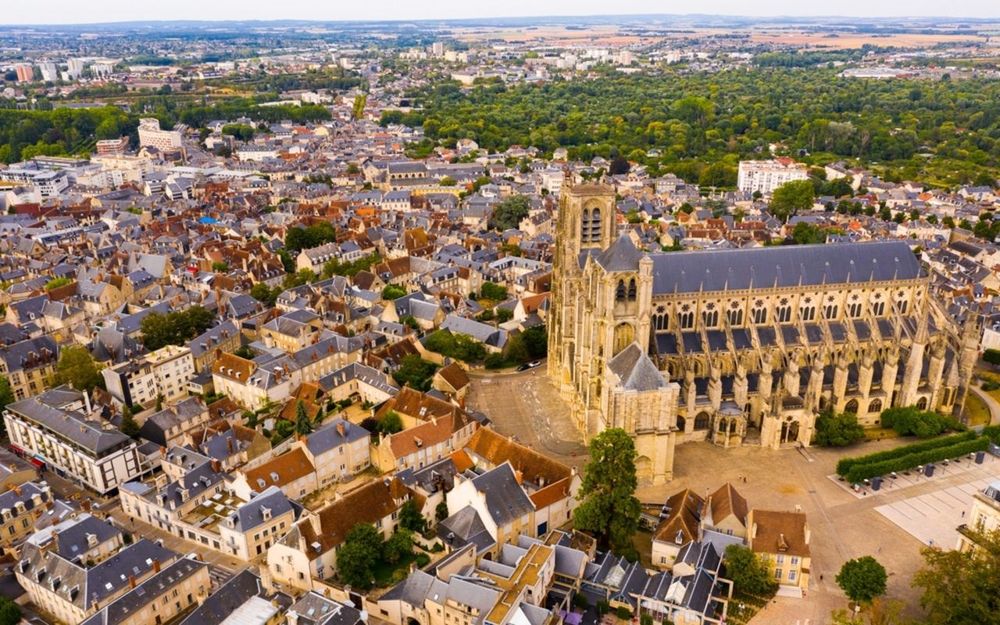
This tour of Bourges invites you into the very heart of French history, where the grandeur of the Dukes of Berry still seems to linger on every façade. Take in the monumental front of Bourges Cathedral, a masterpiece of light recognized by UNESCO, before wandering into the maze of half-timbered houses that shape the medieval quarter. From the richly sculpted elegance of the Jacques Cœur Palace to the unexpected calm of the marshlands right in the city center, Bourges reveals a character that feels both noble and quietly mysterious. It’s a walk through archbishop’s gardens and cobbled streets, offering a captivating glimpse into the soul of a medieval capital.
Quand partir à Bourges ?
Jan.
7°
11
Feb.
8°
9
March
13°
9
April
16°
9
May
20°
10
June
24°
8
July
26°
7
Aug.
26°
7
Sept.
22°
8
Oct.
17°
10
Nov.
11°
11
Dec.
7°
12
Bourges enjoys a modified oceanic climate, typical of central France, offering pleasant summers with averages around 26°C and cool winters where the thermometer fluctuates between 1°C and 7°C. The ideal period to discover the capital of the Berry region runs from May to September, providing generous sunshine to admire the Saint-Étienne Cathedral or to walk through the marshes of Bourges, a true green lung in the heart of the city. The month of April is particularly iconic for the city with the famous "Le Printemps de Bourges" festival, which kicks off the French festival season in an electric atmosphere. Autumn, especially in October, also remains a charming season for exploring medieval palaces under a golden light and enjoying the mild Loire-like weather that stretches into the center of the country.
Départ conseillé
No need to worry about where to begin! Our tours are designed as a loop, so you can jump in wherever you are. The navigation system and audio-guide will automatically adjust to your location. However, if you happen to be nearby, we do have a preferred starting point: Place André Malraux
Parking à proximité
"Séraucourt" free parking lot, Séraucourt square
The Séraucourt parking lot is inaccessible during the Bourges Spring Festival, as this is where the open stages are set up. If you decide to visit Bourges during the festival, head for the Anatole France or Marronniers parking lots.
À savoir
This tour takes you through a number of gardens in the city: access is free, but may vary according to opening hours. Remember to check before your visit.
Découvrez 23 lieux d'intérêt pour visiter Bourges




What to see in Bourges on your 1h20 tour?
This 3.2 km loop takes about 1 h 20 and links 22 sights. From the former cultural centre, it climbs to the Archdiocese gardens and Saint-Étienne Cathedral, crosses Rue Bourbonnoux and the old Gallo-Roman ramparts, then winds past half-timbered houses, Place Gordaine and the Saint-Bonnet quarter, before reaching the Jacques Cœur palace and Rue Moyenne. With the Ryo app in your ears, every façade, legend and vestige reveals its story, at your own pace.
Information checked in November 2026 and subject to change.
1 - Former cultural centre
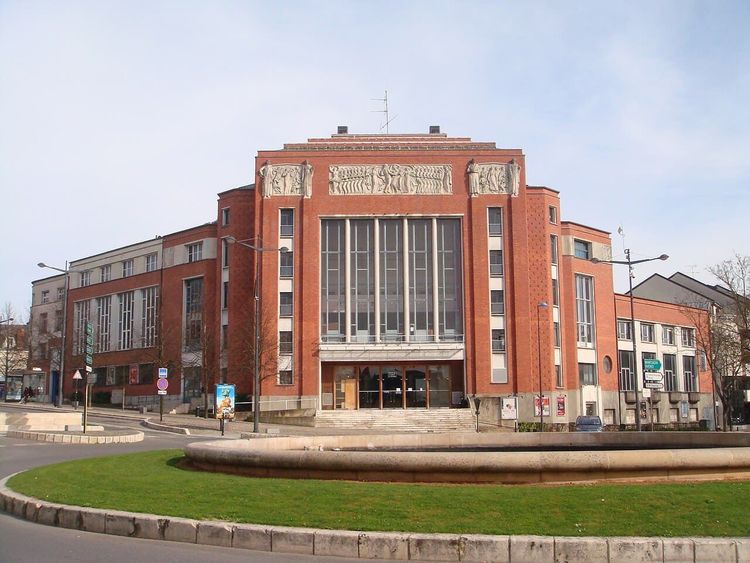
Designed by town architect Marcel Pinon, this pale red-brick building rose in the late 1930s, originally planned as a function hall. Renamed in 1963 at André Malraux's initiative, it became one of the country's very first houses of culture, hosting shows and exhibitions until 2009. Now protected as a historic monument, it's also a reminder that locals call themselves Berruyers, never Bourgeois.
Free to see from outside
2 - Garden of the Archdiocese
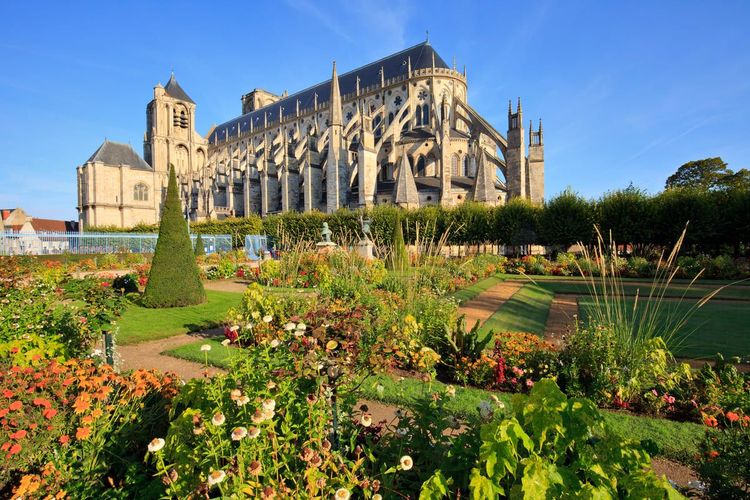
Laid out in 1731 by gardener Coudreau, this French-style park unfolds straight paths and flowerbeds reminiscent of Versailles. There's a fountain here, a bandstand already a century old, and a terrace that's pleasant for a pause. Students on a picnic break and strollers looking for shade both gather here, right at the heart of the historic centre.
Free entry
3 - Views of the cathedral
From here unfolds what is probably the finest view in town: in the foreground, the flowerbeds of the 1731 garden, and behind them, Saint-Étienne Cathedral in all its grandeur. The perfect spot to reach for your camera and capture, in a single frame, the symbol of the Berry region's capital.
Free entry · Best late in the day
4 - Museum of The Finest Craftsmen of France
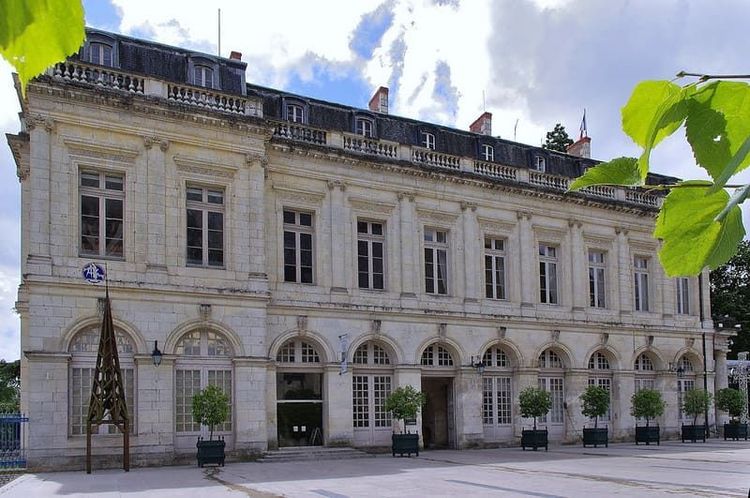
Facing the cathedral, the former 17th-century archbishop's palace now houses this museum dedicated to a unique competition launched in 1924, which each year honours craftspeople from over 200 trades. Visitors can see award-winning pieces, archives and medals donated by the laureates themselves. A site made richer still by a building that once housed the city's bishops, then its town hall.
5 - Saint-Étienne Cathedral
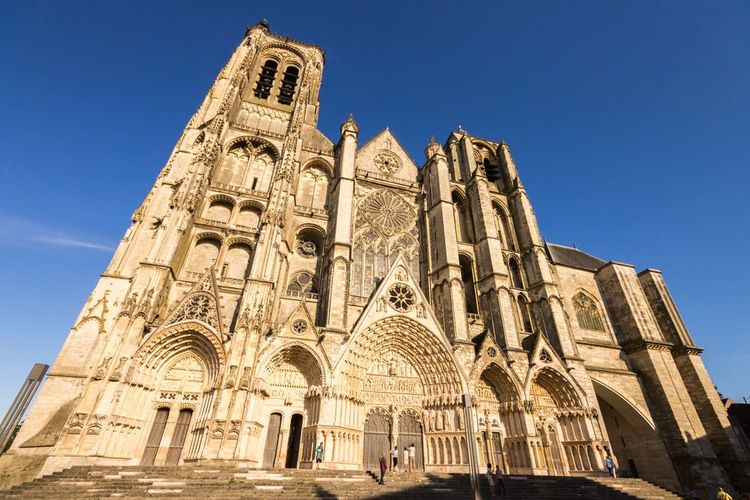
Built without a transept between the 12th and 13th centuries, Saint-Étienne Cathedral stood out for its architectural daring from the very start. Its five-portal façade ranks among the widest in French Gothic architecture, and its 13th-century stained glass remains exceptional. Who drew up the plans is still unknown. Climbing the tower's 396 steps rewards visitors with a rare view over the city, listed as a World Heritage site since 1992.
Free entry
6 - Grange aux Dîmes: Tithe Barn
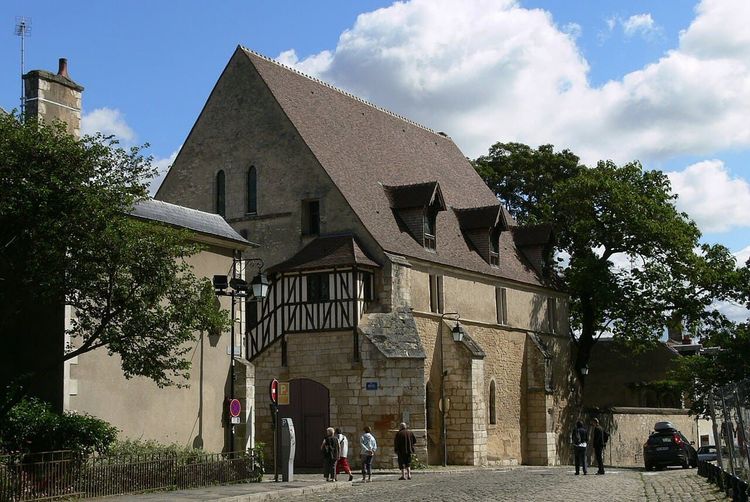
This sturdy medieval building stored, from the 13th century onward, the tithe: a tenth of the harvest that peasants had to hand over to the Church, a levy introduced by Charlemagne and abolished only in 1789. Grain was kept upstairs, wine on the ground floor. Restored in the 19th century and now a protected monument, the barn still bears witness to medieval rural economy.
7 - Rue Bourbonnoux
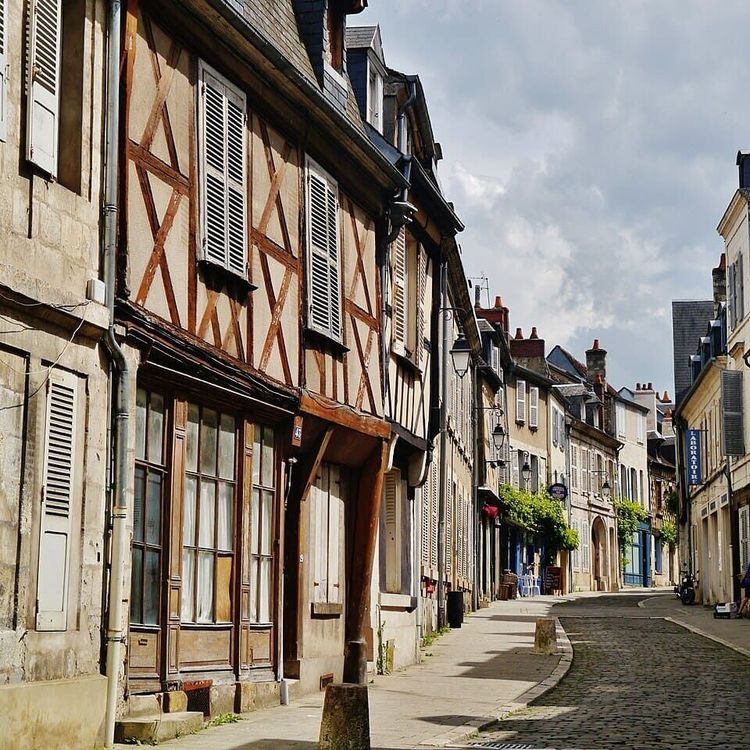
Along this former trading street, craftsmen and shopkeepers already plied their trade in the Middle Ages. The timber-framed houses lining it, raised in the 15th and 16th centuries, now house small shops and inviting eateries. Cobbled and full of character, it ranks among the most photogenic streets of old Bourges.
Free entry
8 - Ramparts promenade
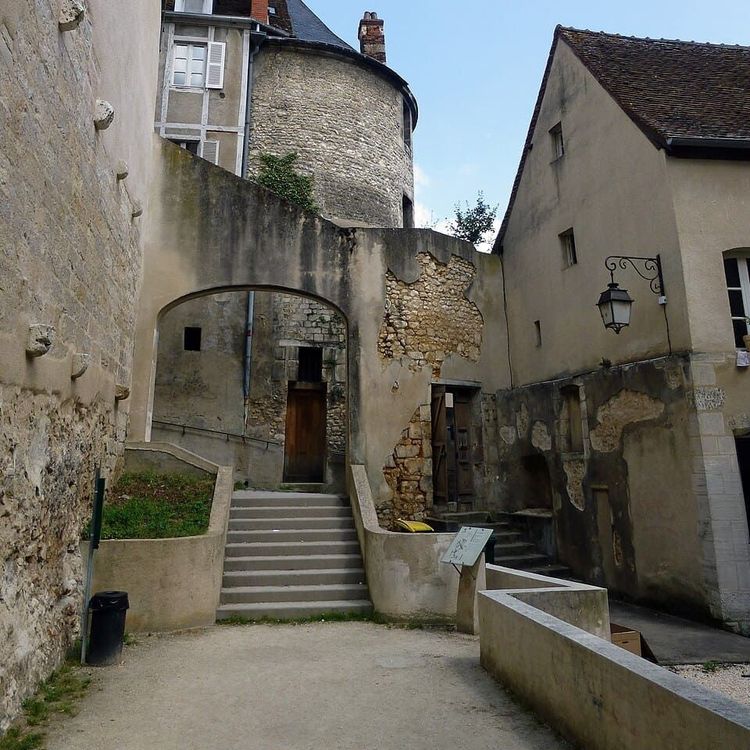
This walkway follows the line of the Gallo-Roman fortifications that once protected Avaricum, the city's ancient name. The walls, raised in the 4th century, have survived remarkably well: surrounding houses were built around them with care. Walking here means strolling alongside a vestige more than 1,700 years old.
Free entry
9 - The Franciscan of Bourges
During the Occupation, Bourges stood close to the demarcation line that split France in two. Conscripted as a guard at the city's prison, a friar from Danzig named Alfred Stanke put his nursing skills and courage to use for the resistance fighters held there, helping them coordinate their answers before interrogation. Arrested at the Liberation despite his devotion, he was eventually freed thanks to grateful survivors' testimony.
Free entry
10 - Maison des Trois Flûtes: House of the Three Flutes
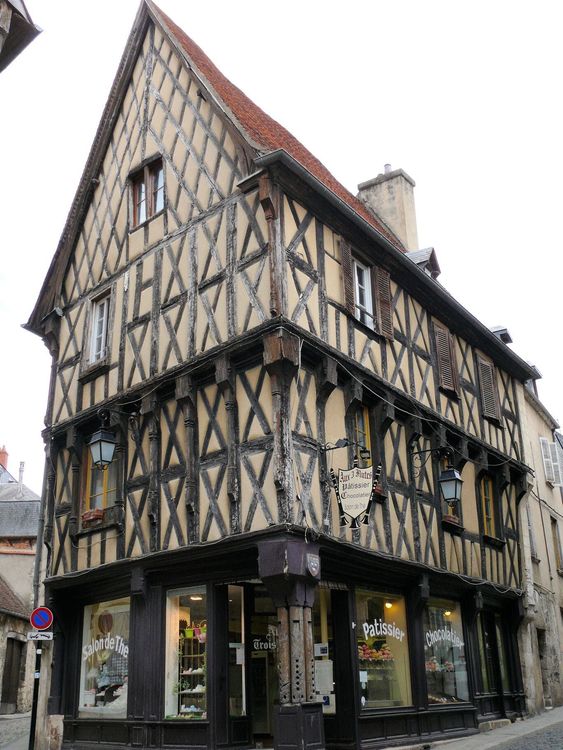
Right where Rue Joyeuse meets Rue Bourbonnoux, the corner post of this half-timbered house bears three carved flutes, and nobody really knows why. Above them sits the city's coat of arms, decorated with fleurs-de-lis and sheep on a blue field. An unusual detail that makes the building impossible to miss.
Free to see from outside
11 - Hôtel Lallemant
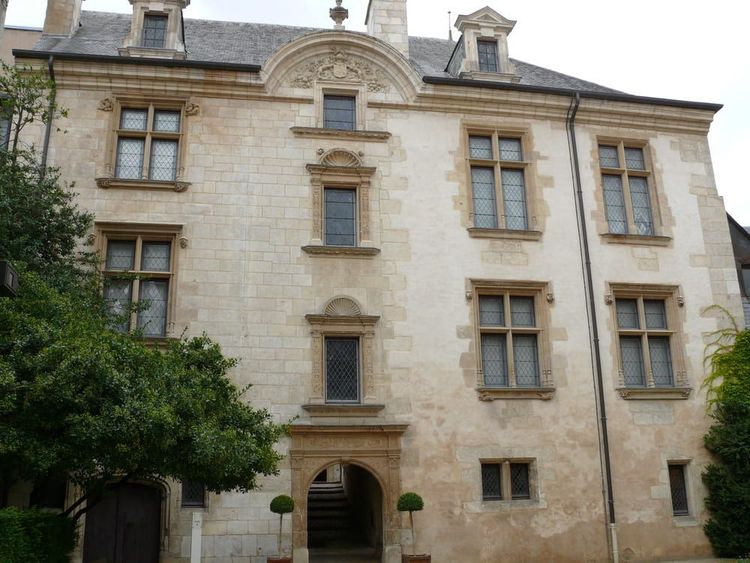
Hidden behind a gate, this mansion owes its Renaissance façade to the Lallemant brothers, with the probable hand of an artist from Italy, judging by the finesse of its decoration. Built on the old Gallo-Roman rampart after the great fire of 1487, it is considered the city's very first Renaissance building. It now houses a museum of decorative arts, furnished with 17th- and 18th-century pieces.
12 - Gordaine Square
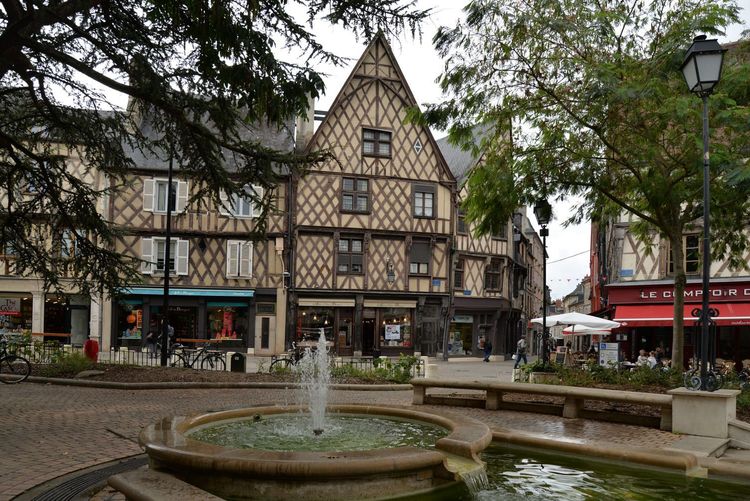
In the 15th century, this lively square was home to butchers' and fishmongers' stalls, right by one of the gates of the then-walled city. Surrounded by half-timbered houses and terraces that are always busy, it has kept its authenticity and remains one of the most photographed spots in the historic centre, perfect for a drink or a casual meal.
Free entry
13 - Church of Saint-Bonnet
Built in the 13th century outside the ramparts, this church was not spared by the great fire of 1487. Rebuilt soon after, it gradually gained chapels funded by generous residents. Its décor remains understated, but it marks the edge of the historic centre, just before the marshes that stretch out behind it.
Free entry
14 - Saint-Bonnet Market
Opened in 1886, this metal-framed market hall with its wide glass panels was originally built for the grain trade, since another market already handled wheat. A Sunday market and permanent shops now share the space. A little further on, the Art Deco Prés Fichaux garden, designed by landscaper Paul Marguerita and opened in 1930 after nearly ten years of work, replaced old marshland with flowerbeds and surprising topiary.
Free entry · Best in the morning
15 - Rue Mirebeau
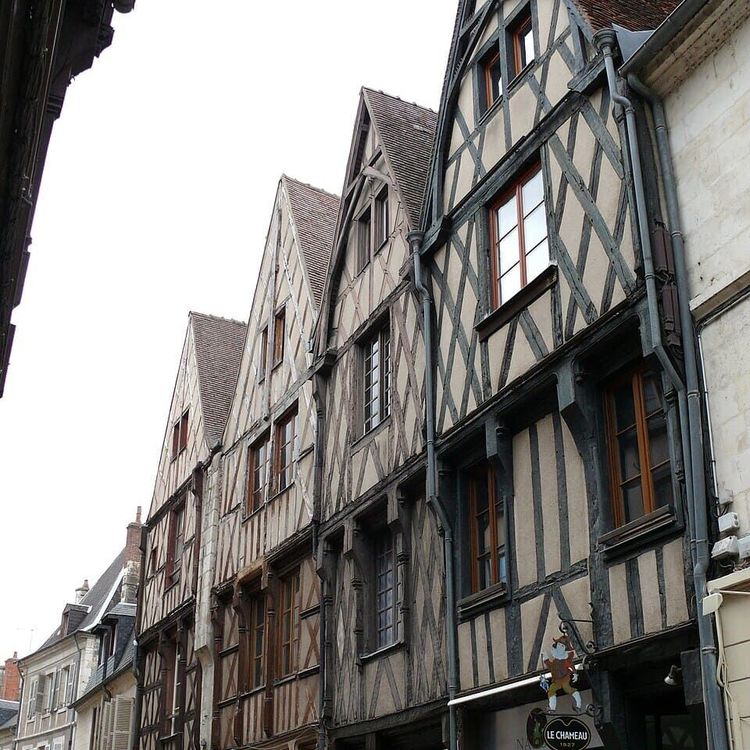
This cobbled street runs from Place Gordaine to Place de la Barre, lined along its whole length with half-timbered houses. A busy shopping showcase for Bourges, it's packed with boutique after boutique and draws a daily crowd of visitors and locals alike, out for a browse or simply a stroll between errands, in an atmosphere that's always lively.
Free entry
16 - Espace Calvin
This quiet passage leads to the former Augustinian convent, established here as early as the 13th century. The place takes its name from Jean Calvin, who came to study law at the city's university in 1529 under humanist jurist André Alciat, before embracing Reformation ideas a few years later. Tradition has it he once preached his doctrine within this very convent.
Free entry
17 - Rue Coursarlon
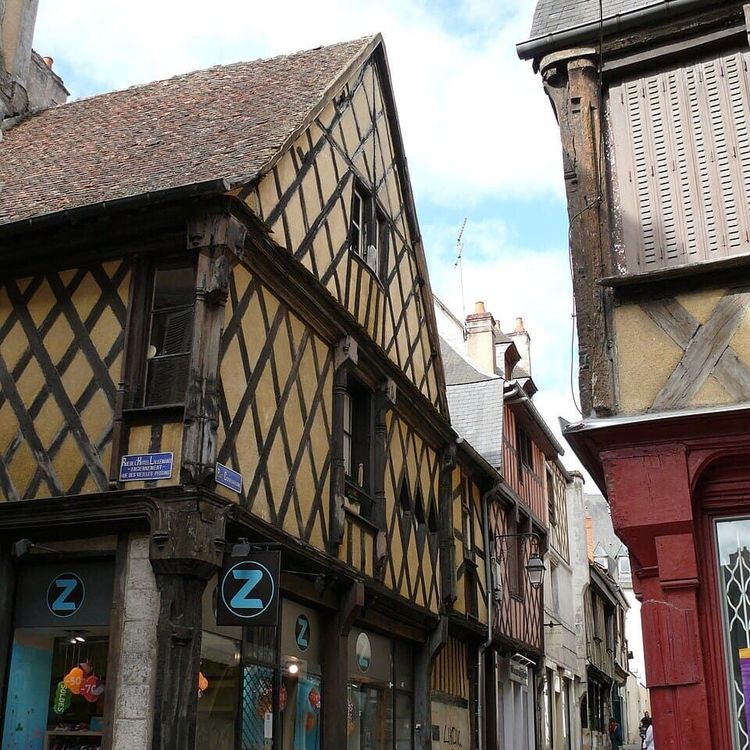
Already in use in antiquity, this street became a major shopping thoroughfare in the Middle Ages. The half-timbered houses along it were sometimes the homes of wealthy local families, before turning into shops. It remains, to this day, one of the busiest streets for anyone looking to shop in Bourges.
Free entry
18 - Hôtel des Échevins
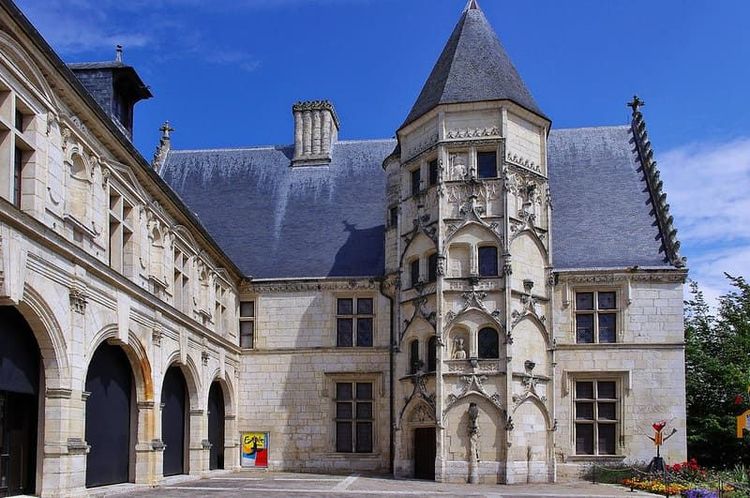
Built right after the great fire of 1487 to become the city's town hall, this mansion leans against the old Gallo-Roman ramparts. Its richly carved stair turret echoes the one at the Jacques Cœur palace. Once it stopped housing the municipal administration, it passed to the Jesuits, and since 1987 has held the Estève museum, devoted to the colourful abstract canvases of painter Maurice Estève.
Paid entry (about €6)
19 - Hôtel Cujas
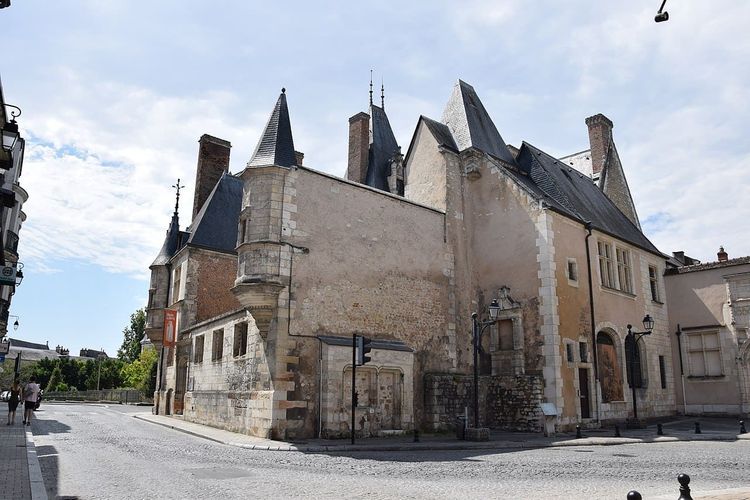
Built in the 16th century in the French early-Renaissance style, this mansion takes its name from Jacques Cujas, who bought it in 1585. Its brick façades patterned with stone lozenges are typical of the Berry region. Since 1834 it has housed the city's very first museum, the Musée du Berry, devoted to the province's natural history and medieval past.
20 - Jacques Cœur Palace
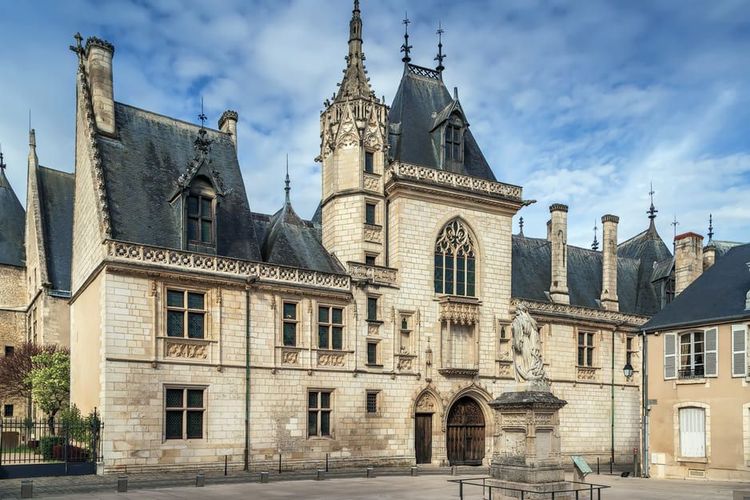
A merchant who became King Charles VII's treasurer in 1439, Jacques Cœur had this flamboyant Gothic palace built to match his success. Hearts and scallop shells, nods to his name and his travels, decorate a façade of remarkable finesse for its time. Wrongly accused of murdering a woman close to the king, he was eventually arrested and exiled, dying in Italy two years after his escape.
Paid entry (about €9)
21 - Hôtel des Postes
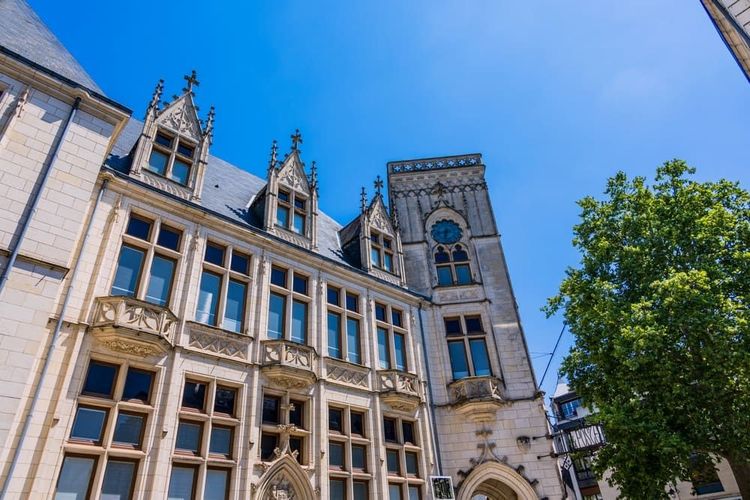
Decided in 1912 to plans by architect Henri Tarlier, this imposing building had its construction halted by the war from 1914, resuming only in 1919. Inaugurated in 1926 thanks to the persistence of mayor Henri Laudier, its neo-Gothic style evokes the city's medieval splendour. The adjoining square, laid out the same year, holds a statue of King Louis XI, a native of Bourges, by regional sculptor Jean Baffier.
Free to see from outside
22 - Bourges Spring Festival
Founded in 1977, this festival opens France's musical spring each year, under a big top set up for the occasion and across numerous stages scattered around the city. Close to 150 artists, from headliners to emerging talents, perform there before some 200,000 festival-goers. A launchpad described by one of its founders as a place for creating, expressing and confronting song.
Free entry
What to do in Bourges in 2 or 3 days?
The Bourges audio-guided walk fits easily into a morning: 3.2km and 22 stops in about 1h20, from the former cultural centre to the Jacques Cœur Palace. With two or three days to spare, this Berry city reveals more of itself, between its protected marshland gardens and the landscapes of the Cher.
The next day, set off for a quiet boat ride along the canals of the protected marshland gardens, a maze of vegetable plots in the heart of town. Not far away, the Prés Fichaux garden unfolds its Art Deco flowerbeds and open-air theatre. On certain evenings, in summer and over the year-end holidays, the centre's façades light up for free for the Nuits Lumière: our guide to a weekend in Bourges walks you through the whole weekend.
With a third day, head out into the Berry countryside: the Sancerre vineyards, Noirlac Abbey or the village of Apremont-sur-Allier deserve a full day. That's the advice of our guide to visiting Bourges in 2 days, which otherwise squeezes them into the end of the second day.
Which neighbourhoods does the tour cross?
In a single loop, the route links the districts that shaped Bourges, from the cathedral to the half-timbered shopping streets and Renaissance mansions.
It starts at the former cultural centre, climbs to the Archdiocese Garden and its view of the cathedral, passes the Museum of the Finest Craftsmen of France, then reaches Saint-Étienne Cathedral and the Tithe Barn facing it (stops 1 to 6).
The route then drops into old Bourges: Rue Bourbonnoux and its half-timbered houses, a stretch of the Ramparts Promenade along the old Gallo-Roman walls, the House of the Three Flutes and the Hôtel Lallemant, before Gordaine Square and the Church of Saint-Bonnet, at the edge of the historic centre (stops 7 to 14).
The final stretch takes Rue Mirebeau, passes the Espace Calvin and Rue Coursarlon, one of the oldest and busiest shopping streets in town, then strings together the Hôtel des Échevins, the Hôtel Cujas and the Jacques Cœur Palace. It finally returns past the Hôtel des Postes and along Rue Moyenne, not far from the start (stops 15 to 22).
How much does it cost to visit Bourges?
None of the 22 stops on the route requires a ticket just to be admired along the way. Thirteen are freely accessible, from the nave of Saint-Étienne Cathedral to the Saint-Bonnet market hall, and three are only seen from the street: the former cultural centre, the House of the Three Flutes and the Hôtel des Postes.
Two charge for a visit: the Jacques Cœur Palace, at €9, and the Estève Museum inside the Hôtel des Échevins, at €6; the remaining four are closed for works or follow a changing programme, detailed below. To combine the two big monuments, the joint ticket covering the Jacques Cœur Palace and the cathedral's Romanesque crypt costs €14.
Information checked in November 2026 and subject to change.
Where to stop for a bite along the tour?
Two stops on the route lend themselves to a food break: a covered market and a square lined with terraces. The Saint-Bonnet market hall (stop 14), busiest in the morning, gathers local produce: Chavignol goat's cheese and other local cheeses, cold cuts and wines from the Centre region such as Sancerre. Gordaine Square (stop 12), with its terraces in the shade of half-timbered houses, makes a good spot for a break along the way.
In the shop windows downtown, look out too for forestine, a local confection invented in 1879, and pâté de Pâques, a Berry speciality to taste in the historic centre.
What to do in Bourges with children?
On the banks of the Yèvre, the Prés Fichaux garden suits a family outing well: its flat paths, lawns and ponds keep the youngest busy while the grown-ups catch their breath between visits.
Just to the north, across the Yèvre, the marshland gardens are explored by flat-bottomed boat: a ride on the water that makes a change from walking.
What should you know before visiting Bourges?
Two of the route's museums are currently closed for renovation: the decorative arts museum, inside the Hôtel Lallemant (stop 11), and the Berry Museum, inside the Hôtel Cujas (stop 19); part of its collection is still on view at the Maison des Musées or online. The former Museum of the Finest Craftsmen of France (stop 4) has given way to this free, temporary Maison des Musées, whose programme rotates: worth checking what's on display before you visit.
Saint-Étienne Cathedral (stop 5) can be visited freely, but its Romanesque crypt (€9) and its tower (€7, open only in July and August, Thursday to Sunday afternoons) are separate paid options. The Jacques Cœur Palace (stop 20) is free for under-18s and, from November to March, for everyone on the first Sunday of the month.
If you're coming in April, during the Bourges Spring Festival, the free Séraucourt car park closes to cars: open-air stages are set up there. Head instead for the Anatole France or Marronniers car parks.
What to see around Bourges?
Bourges is also a good base for heading further into the Centre-Val de Loire and Burgundy.
At 98km, Orléans keeps alive the memory of Clovis and Joan of Arc, between pale stone façades and quays gilded by the setting sun. At the same distance, Blois brings the Renaissance to life around its royal château, with its monumental staircases and the terraces of the Bishop's Palace. A little further, at 119km, Auxerre rises like an amphitheatre above its river, between Gothic steeples and half-timbered houses.
What's on in Bourges right now?
As the year draws to a close, two events light up Bourges. Throughout December, from the 1st to the 31st, Bourges Féérique dresses the historic centre in illuminations and sets up a Christmas village, with a regional market and activities for families.
At the same time, from 6 November to 2 January, the Nuits Lumière project images onto the monuments of the centre: Fridays and Saturdays from 6pm to 9pm until 17 December, outside school holidays, then every evening except 25 December until 2 January, with an extended show until 11pm on 31 December before the fireworks.
Information checked in November 2026 and subject to change.
Le plein d'inspirations
Explorez le monde en totale liberté, à pied au cœur des villes ou au fil des routes. Nos guides audios transforment chaque destination en une découverte culturelle immersive et unique.










FAQ for visiting Bourges
When is the best time to visit Bourges?
The ideal time to explore Bourges runs from May to September, when the modified oceanic climate delivers pleasant temperatures of around 26°C and generous sunshine. It is the perfect moment to admire Saint-Étienne Cathedral at its finest and to wander through the verdant marshes. The month of April deserves a special mention with the famous Printemps de Bourges, a music festival that brings the whole city to life in an electric atmosphere. Autumn, and October in particular, is also an excellent alternative, with its golden light that enhances the medieval palaces and a mildness that still lingers.
How much time do you need to visit Bourges?
For a complete discovery of Bourges, ideally set aside two full days. A well-filled day lets you visit the must-sees such as Saint-Étienne Cathedral and the Jacques Cœur Palace, and stroll through the medieval quarter with its timber-framed houses. With two days, you can also explore the marshes, enjoy the gardens of the archbishop's palace and quietly soak up the unique atmosphere of this former ducal capital. Visitors in a hurry can take in the essentials in half a day, but it would be a shame not to take the time to savour the noble, secretive character of this Berry city.
Which landmarks are must-sees in Bourges?
The majestic Saint-Étienne Cathedral, a UNESCO World Heritage site, is the absolute jewel of Bourges with its monumental façade and exceptional stained-glass windows. The Jacques Cœur Palace, the splendid Gothic residence of Charles VII's great treasurer, will amaze you with its refined sculptures. Do not miss the medieval quarter with its cobbled lanes and perfectly preserved timber-framed houses. The Bourges marshes offer a surprising natural interlude right in the city centre, while the gardens of the archbishop's palace invite contemplation. The Ryo audioguide accompanies you on this discovery with a narrated tour that reveals all the secrets of these iconic places.
How do you get to Bourges from Paris?
Bourges is easily reached from Paris by several means of transport. By train, allow about two hours for the direct journey from Gare d'Austerlitz, with regular services throughout the day. By car, the A71 motorway takes you straight to Bourges in around two and a half hours via Orléans. Long-distance buses also offer direct journeys, generally a little longer but often economical. Once there, the historic centre of Bourges is easily explored on foot, letting you discover all the city's treasures at your own pace.
Where can you park for free in Bourges?
Bourges offers several free parking options, which are particularly welcome for visitors. Free parking areas are generally found on the outskirts of the historic centre, notably near the outer boulevards. At weekends, many spaces in the city centre become free, making it easier to reach the main landmarks. Some park-and-ride facilities located at the entrances to the city offer free parking, sometimes with shuttles to the centre. It is advisable to check the local signage, as the rules can vary by neighbourhood and by period. For a stress-free visit, favour parking on the edge of the centre and enjoy the city on foot.
What is there to do in Bourges when it rains?
Rainy days in Bourges offer the perfect opportunity to discover the city's sheltered treasures. Saint-Étienne Cathedral welcomes you for a contemplative visit of its grandiose naves and its mysterious crypt. The Jacques Cœur Palace reveals itself in a more intimate light, allowing you to fully appreciate the architectural details of its sumptuous rooms. The city's museums, such as the Musée du Berry or the Musée Estève, offer fascinating collections in a warm setting. The covered passages and the market halls also provide pleasant refuges for strolling while staying dry, not forgetting the many historic cafés where you can warm up.
Are the Bourges marshes accessible all year round?
The Bourges marshes, a true green lung at the heart of the city, generally remain accessible all year round, revealing a different face with each season. In spring and summer, they unfurl all their lushness with verdant vegetation and active wildlife. Autumn dresses them in flamboyant colours, while winter reveals their barer but equally poetic structure. Some paths may be temporarily impassable after heavy rain or during periods of flooding. The traditional market gardens that dot the marshes follow the rhythm of the seasonal crops. This natural oasis is a uniquely restorative pause in your urban discovery.
Can you visit Bourges with children?
Bourges lends itself wonderfully well to a family visit, offering many activities suited to younger travellers. The cathedral impresses children with its monumental dimensions and colourful stained-glass windows, while the Jacques Cœur Palace transports them into a genuine fairy-tale castle. The marshes make for an exciting exploration ground where you can spot ducks, moorhens and dragonflies. The pedestrian historic centre lets you wander in complete safety among the medieval houses that seem to have stepped out of a storybook. Many green spaces, such as the gardens of the archbishop's palace, offer welcome breaks to relax. The city regularly puts on events and workshops specially designed for young audiences.
What are the Nuits Lumière in Bourges?
The Nuits Lumière are a night-time trail through the historic centre during the warmer months, generally from late spring to early autumn. Blue lanterns set on the ground mark the route from one site to the next, while large-scale projections dress the façades of Saint-Étienne cathedral, the Jacques-Cœur palace, the Hôtel Lallemant and the gardens. The images tell the story of the town, its great figures and its old trades, in a very peaceful atmosphere.
The walk is free-flowing and done at your own pace once night has fallen. To get the most out of it, it helps to have seen the same places in daylight: the Ryo audio guide offers a dedicated Bourges route covering the highlights of the old centre, so you can then walk it again under the projections.
Which local specialities should you taste in Bourges?
The town is associated with a sweet created by a local confectioner in the nineteenth century, the forestine, a praline-filled bonbon coated in satin sugar that is still sold in the centre. Around it, the Berry region brings a generous country cooking: Easter pâté studded with hard-boiled eggs, potato galette, green lentils and regional poultry, not forgetting poirat, a pear pie served as dessert.
As for produce, the goat's cheeses made nearby are among the most highly regarded in France and go naturally with the white wines of the neighbouring vineyards, particularly those of Sancerre and Menetou-Salon. The covered market and the shops in the lanes around the cathedral are the best places to taste all of this or take some home.
Which activities can you enjoy in Bourges, from the Jacques Cœur Palace to the Printemps de Bourges festival?
The Jacques Cœur Palace, built from 1443 for Charles VII's treasurer, is one of the most lavish secular buildings of the Flamboyant Gothic style, with a different décor in every room. Saint-Étienne Cathedral, a UNESCO site, towers over the historic centre. From May to late August, boat trips glide through the 135 hectares of marsh gardens, once a natural defence for the town. Less than an hour away, a medieval castle owned by the Vogüé family since 1769 offers tours with wine tasting. In spring, the festival founded in 1977 draws more than 90,000 visitors.
Find all our ideas in our top 5 activities to do in Bourges.
How do you plan a two-day weekend in Bourges and what should you see first?
Spend the first day on foot in the old town: Saint-Étienne Cathedral (UNESCO-listed, with 13th-century stained glass and a 396-step north tower), the half-timbered lanes, then the Palais Jacques Cœur and the free municipal museums. Finish at the marshes, 135 hectares of market gardens cultivated since the Middle Ages, explored on foot or by boat.
On day two, head out to Sancerre, about 50 minutes by road, and the Cistercian abbey of Noirlac. For treats, try the forestine confection and the Berry Easter pie.
Find the full itinerary in our Bourges weekend guide and in our article on planning two days.
What should I plan for a first visit to Bourges and which sights shouldn't I miss?
For a first visit, start at Saint-Étienne Cathedral, a UNESCO World Heritage site whose façade has five sculpted portals. Continue through the half-timbered lanes of old Bourges, the 15th-century Jacques-Cœur Palace with its painted coffered ceilings, and the 135 hectares of market-garden marshes, which you can explore by flat-bottomed boat.
Allow one day for the historic centre, or two if you add Sancerre or the Loire châteaux. The audio-guided walking tour links these places on foot in 1h20 across 22 audio stops, with no car and no group to follow.
Planning your first trip? Read our guide to the 10 must-sees and tips for visiting Bourges.
What are the best things to see and do in Bourges at Christmas?
At Christmas, Bourges is best explored on foot: the Christmas Village sits at the foot of Saint-Étienne Cathedral, with about forty illuminated chalets and a 40-metre Ferris wheel. The town centre lights up, with the winter Nuits Lumière at Place Cujas.
As for heritage, the cathedral and the Jacques-Cœur Palace, which hosts "Un Noël au palais Jacques-Cœur", are well worth a visit. The marshes, the ice rink and several Berry châteaux, including Valençay and Blosset, round out a stay of two to four days.
Discover all the places, opening hours and day-trip ideas in our guide to visiting Bourges at Christmas.
Vos commentaires, idées et suggestions
Aucun avis pour le moment