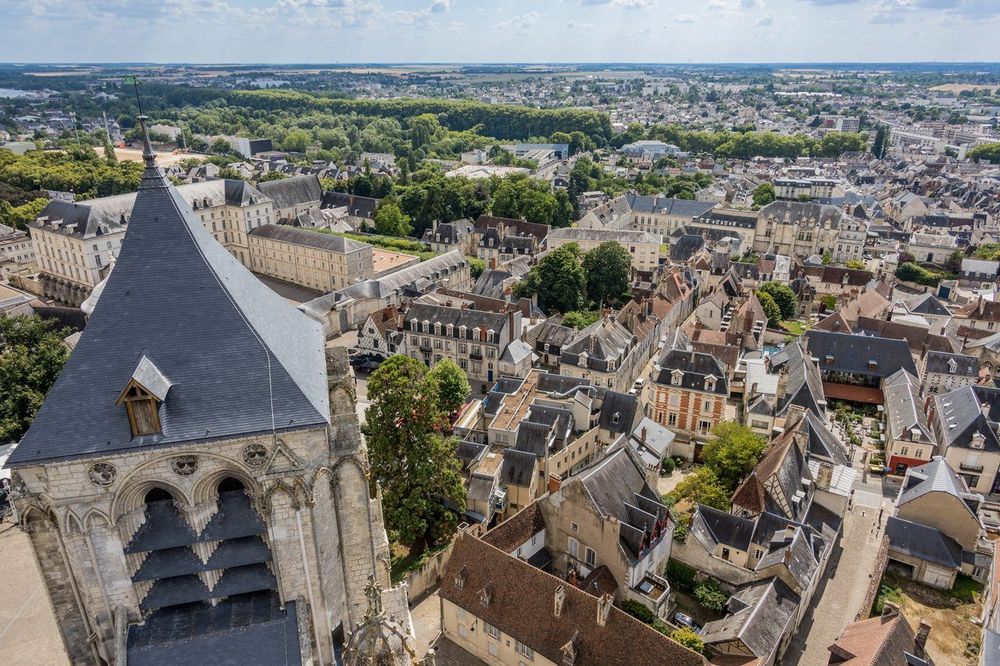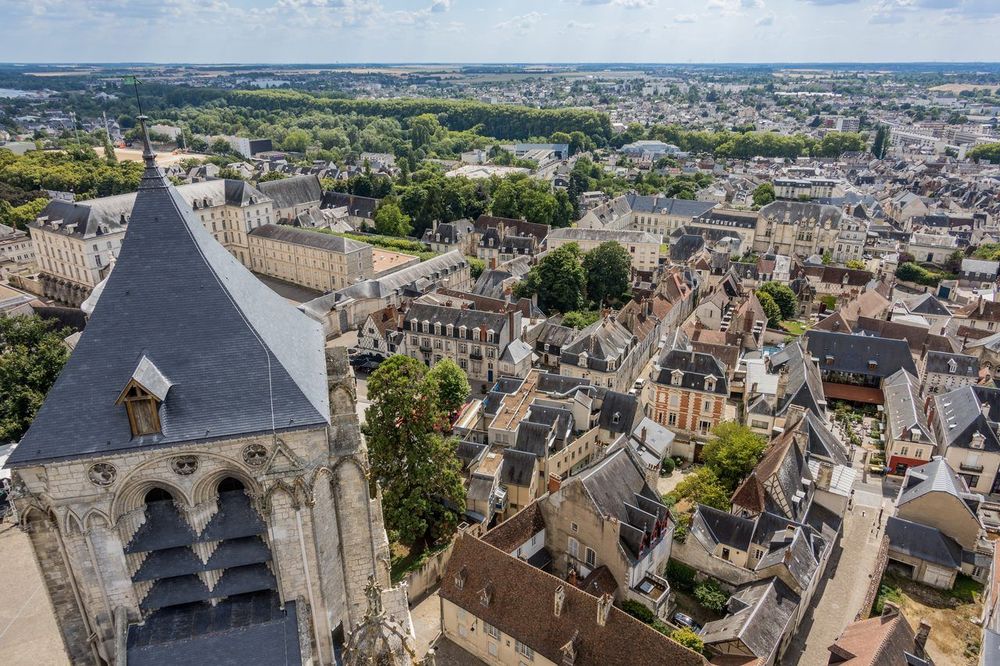
© Shutterstock
 Votre guide Ryo
Bourges for the First Time: 10 Must-Sees and Tips 2026
Visiting Bourges for the first time takes a little effort: you have to want to stop, take the dedicated exit on the A71 and agree to slow down in front of a cathedral that has dominated the Berry plain for more than eight centuries. If you are planning this first stay, here is what awaits you: five sculpted portals that no other French Gothic cathedral lines up on a single façade, a 15th-century merchant palace with painted coffered ceilings, and 135 hectares of market gardens cultivated in the middle of the city, explored by flat-bottomed boat. The Ryo audio-guided tour of Bourges starts right at the cathedral to link these places on foot, with no car and no group to follow, all in 1h20 spread over 22 audio stops. Allow a full day for the historic centre alone, two if you want to venture out to the Sancerre vineyards or the Loire châteaux. Among leaning half-timbered houses, discreet private mansions and summer evenings when the stone is illuminated, Bourges reveals itself above all to those who take the time to look up, far from its image as a mere stop on the road to the Massif Central.
The Historic Centre and Saint-Étienne Cathedral, an Essential Starting Point
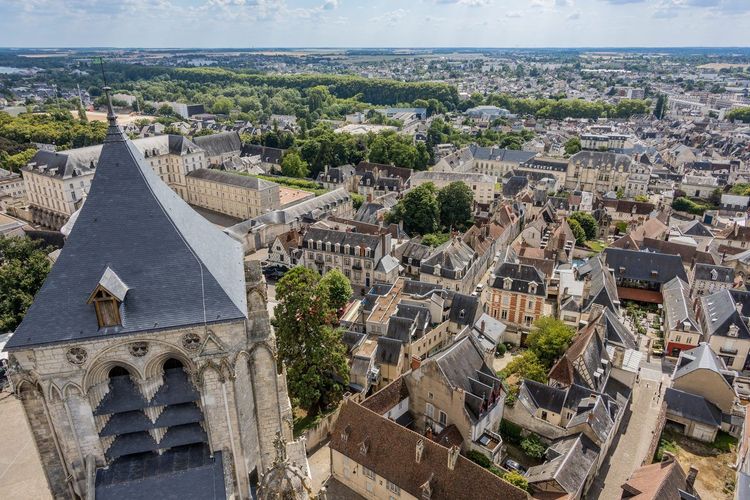
Saint-Étienne Cathedral and the Archbishop's Garden
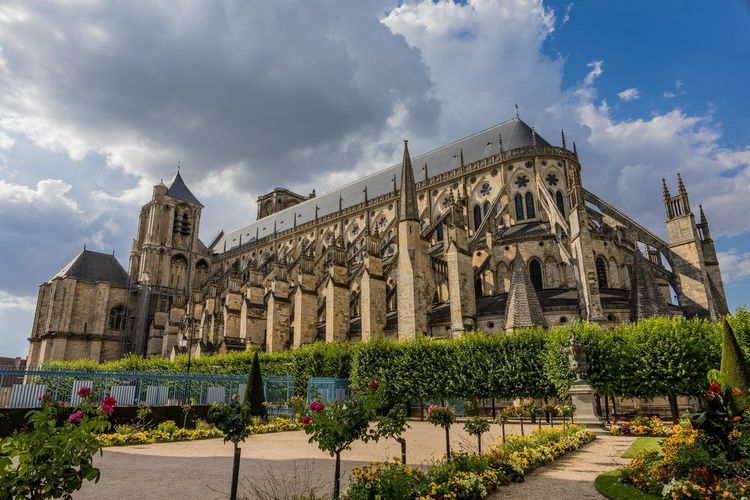
A UNESCO World Heritage Site since 1992, Saint-Étienne Cathedral in Bourges first impresses with its façade: five unequal portals, built at different times and never repeated identically, giving the whole an almost organic irregularity. Inside, there is no transept, just a single nave flanked by double aisles that floods the building with light thanks to the 13th-century stained-glass windows, among the best preserved in France.
Climb the north tower if your legs are up to it: the view takes in the rooftops of Old Bourges, the marshes in the distance and, on a clear day, a good part of the Berry countryside. Inside, the 15th-century astronomical clock still shows the phases of the moon with a precision that leaves you wondering. Just behind the apse, the Archbishop's Garden (4 Rue Jacques Rimbault, 18000 Bourges, rated 4.6/5 on Google from 2,512 reviews) unfolds its French-style flowerbeds designed in the late 17th century, a peaceful spot to catch your breath before diving into the lanes. It is here, in front of the great central portal, that the Ryo audio-guided tour begins: twenty-two stops that then wind through Old Bourges without you needing to check a map every five minutes.
Old Bourges: Half-Timbered Lanes and Private Mansions
As you head down towards rue Bourbonnoux, the façades change character: leaning half-timbering, 15th-century overhangs, potters' and antique dealers' shops nestled in houses that saw cloth merchants pass by before Jacques Cœur himself. The Maison de la Reine Blanche, with its façade sculpted with secular scenes, deserves a minute of your time in front of its door.
You will also come across several private mansions of merchants enriched by the cloth and salt trade, one of which now houses a museum we describe further on. For a first visit, remember above all the atmosphere: few cars, lanes that rise and fall with no apparent logic, and the feeling of having gone back four or five centuries without leaving the city centre. Photography enthusiasts will find their best shots here in the late afternoon, when the low light accentuates the relief of the timber framing. The covered market at the Halle Saint-Bonnet, a few streets away, still punctuates the neighbourhood's mornings several times a week.
The Jacques-Cœur Palace, Jewel of Medieval Civil Architecture
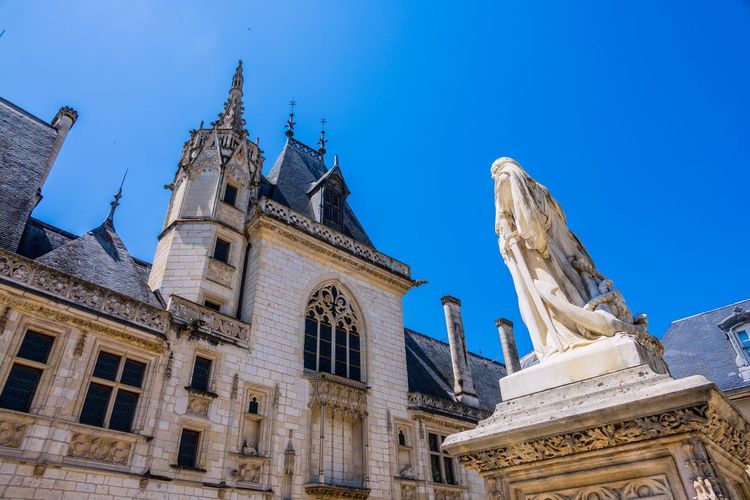
The History and Architecture of the Palace
Treasurer to Charles VII and one of the richest men of his time, Jacques Cœur had this palace built between 1443 and 1451, without ever really living in it: disgraced and imprisoned in 1451, he never enjoyed his home. The result nevertheless remains one of the best-preserved examples of Gothic civil architecture in France, with its sculpted false figures leaning from false windows and its inner courtyard organised around stair turrets.
Inside, painted coffered ceilings, carved fireplaces and a chapel with vaults decorated with angels reflect the taste of a merchant who traded as far as the East. An entire audio stop of the Ryo audio guide is devoted to Jacques Cœur's eventful story and the sculpted details of his façade, a way to spot in a few minutes what is easily missed by the naked eye. The interior visit is often by time slot in high season: book yours if you come in July-August, when groups gather in the morning.
Nearby: Place Jacques-Cœur and the Hôtel des Échevins
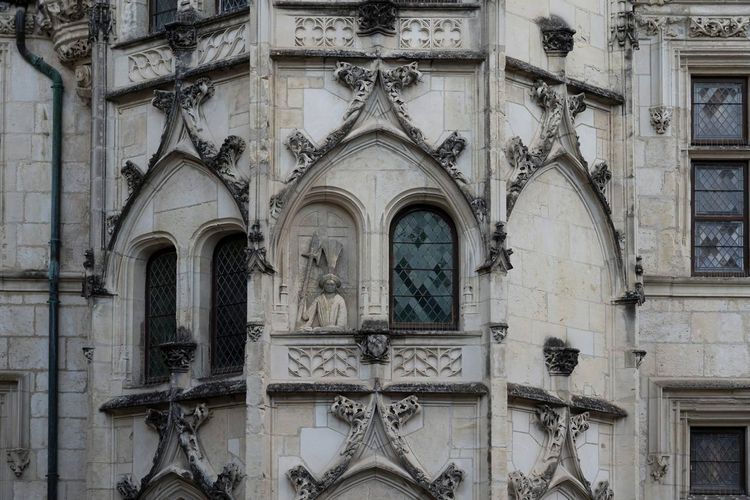
The place Jacques-Cœur, right in front of the palace, is a handy landmark for finding your way around the neighbourhood. A few minutes' walk away, the Hôtel des Échevins (13 Rue Édouard Branly, 18000 Bourges, rated 4.3/5 on Google from 180 reviews), built in the 15th century for the town council that governed Bourges, now houses the museum dedicated to the Berry painter Maurice Estève. Its sculpted polygonal stair turret alone justifies the detour.
This small area around the palace concentrates a good share of the 15th- and 16th-century private mansions that built Bourges' merchant wealth. Take the time to wander without a precise goal: it is often in the details, a gargoyle, a motto engraved above a door, that the city tells its story best. Jacques Cœur's own, "À vaillans cuers riens impossible" ("To valiant hearts nothing is impossible"), can be found carved on his palace.
The Bourges Marshes, a Nature Break in the Heart of the City
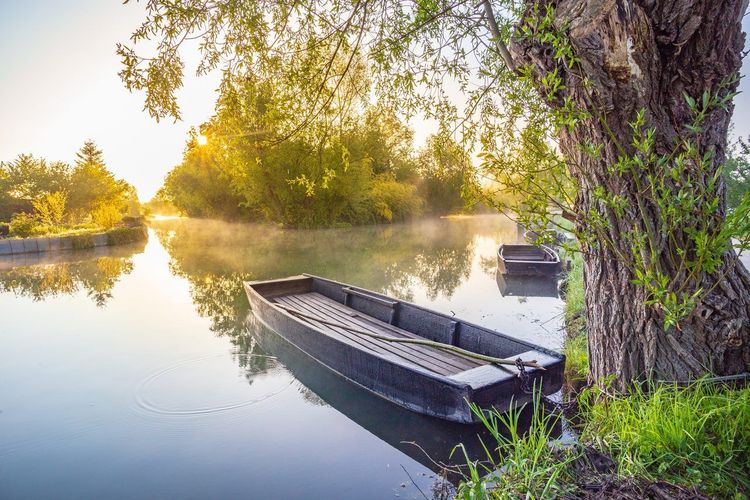
Boat Rides and Market Garden Trails
Ten minutes' walk from the historic centre, the Bourges marshes form a network of about 135 hectares of canals and cultivated plots, rare for a city of this size. Gardeners still travel there on long flat-bottomed boats called plates, to reach plots often accessible only by water.
Two options are open to you: board a boat for a trip along the channels, or follow the footpaths that run alongside the plots without getting wet. The Ryo audio-guided tour includes a loop dedicated to the marshes, with an anecdote told along the way about these market gardens still cultivated by hundreds of owners. Not far away, the Prés Fichaux gardens (Boulevard de la République, 18000 Bourges, rated 4.4/5 on Google from 2,017 reviews), labelled a remarkable garden, offer a more formal counterpoint with their Art Deco flowerbeds and their bandstand.
Wildlife, Flora and Tasty Breaks in the Marshes
Grey herons, kingfishers and sometimes a fairly tame coypu enliven the canals in the early morning or at the end of the day, when the low light attracts photographers. Spring remains the most generous season for the market-garden plots and ornamental gardens.
In season, a few refreshment stands and open-air cafés line the marshes, ideal for a break after the walk. Bring closed shoes if you opt for the paths after rain, as the ground stays damp longer there than elsewhere in the city.
Museums and Cultural Venues Not to Miss
Musée du Berry and Hôtel Lallemant: Heritage and Local History
Housed in the Hôtel Cujas, a Renaissance private mansion, the Musée du Berry traces regional archaeology and history, with a collection of Gallo-Roman steles that deserves a closer look.
A few streets away, the Hôtel Lallemant houses the Museum of Decorative Arts in a setting almost as worthwhile as the collections themselves: carved ceilings, fireplaces and a tiny coffered oratory. The Ryo tour makes a detour through this neighbourhood and touches on the contemporary art scenes that coexist with this ancient heritage, a contrast that often surprises first-time visitors.
Natural History Museum and Contemporary Art Venues (Transpalette, Château d'eau)
The Natural History Museum, housed in a contemporary building on the edge of the Prés Fichaux, particularly appeals to families thanks to its collections of stuffed animals and its temporary exhibitions on biodiversity.
For a more contemporary Bourges, head to the Transpalette, an art centre set in the Antre-Peaux cultural wasteland, which hosts exhibitions and residencies, and the Château d'eau (Place Séraucourt, 18000 Bourges, rated 4.4/5 on Google from 98 reviews) on place Séraucourt, a former 19th-century water tower converted into an exhibition space. Two addresses that change radically from the medieval register of the rest of the city, worth slipping into your itinerary if you want to go beyond the heritage postcard.
What to Do Around Bourges: Loire Châteaux and the Wine Route
Loire Châteaux as Day Trips
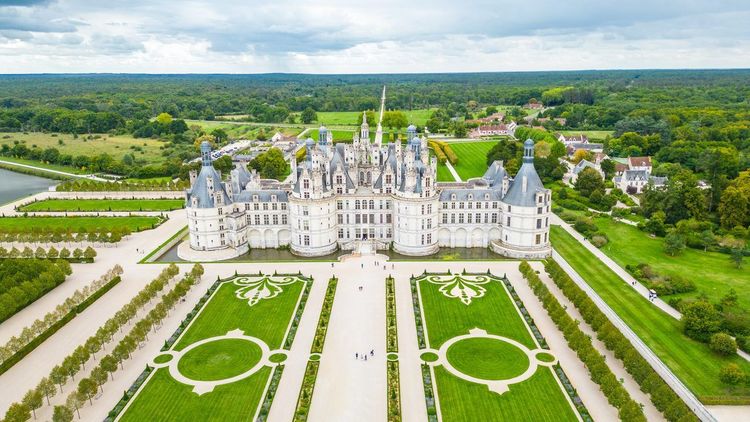
Bourges is not on the banks of the Loire, but the great châteaux remain accessible as day trips. Allow about 1.5 hours by road to reach Chambord and its 426 rooms, and roughly the same for Chenonceau, which spans the Cher on its famous arches. Closer in spirit to Jacques Cœur's palace, Meillant and Ainay-le-Vieil, on the Jacques Cœur route south of Bourges, can be visited with less than an hour's travel.
Blois, about 115 kilometres away, combines a château with four superimposed architectural styles, from Gothic to Classical, and a Renaissance town centre pleasant to explore on foot over half a day. You can combine it with Chambord, twenty minutes away, for a full day. If you can only choose one excursion, favour Chambord early in the morning to avoid the influx of coaches, then fall back on a more intimate château in the afternoon. The Ryo road-trip route of the Loire châteaux covers exactly this sequence and can serve as a guiding thread if you prefer to improvise without a fixed itinerary.
Sancerre, Reuilly and Pouilly: The Wine Route
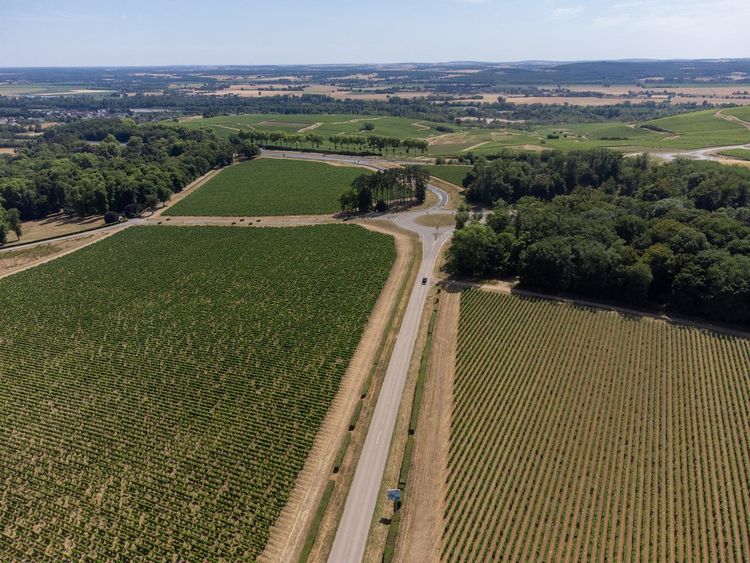
North-east of Bourges, the Sancerre vineyard stretches over limestone slopes renowned for their dry sauvignon-based whites, with a hilltop village worth the climb for the panorama over the Loire alone. Allow about fifty minutes by road from Bourges, more if you string together tastings at the winemakers'.
To the west, the Reuilly cellars produce lesser-known but equally typical wines of the Centre-Val de Loire, often accessible without a reservation on weekdays. The Pouilly vineyard, opposite Sancerre on the other bank of the Loire, completes this wine route with its Pouilly-Fumé, not to be confused with the Burgundy Pouilly-Fuissé despite the similarity of the names. One day is enough to visit two or three estates without rushing, provided you arrange a driver who doesn't taste.
Where to Eat in Bourges: Specialities and Good Addresses
Berry gastronomy relies on simple products: pâté berrichon in a crust, potato galette, and above all forestines, those satiny pralines-filled sweets invented in Bourges in 1879 by the confectioner Georges Forest. You will find them in the historic confectionery shop on place Cujas, displayed in the window as a local pride.
As for dining, Old Bourges has the majority of the good tables, from Berry bistros to more gastronomic addresses tucked into former private mansions. For a quick lunch between visits, the Halle Saint-Bonnet and the markets offer local takeaway products: goat cheeses, Berry charcuterie and wines from Sancerre or Reuilly. A well-aged Crottin de Chavignol with a glass of white Sancerre is the combination you will find on almost every menu. In the evening, book if possible at weekends: terraces fill up quickly in fine weather, especially around place Gordaine and the adjacent streets.
Where to Stay in Bourges: From the Historic Centre to Unusual Addresses
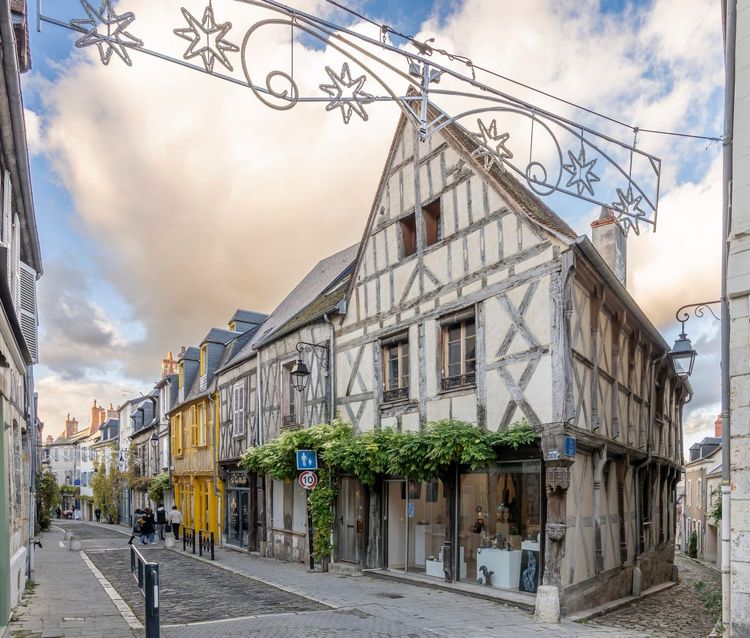
For a first visit, staying in Old Bourges remains the most practical choice: you are within walking distance of the cathedral, the palace and the museums, without depending on a car in the evening. Several old residences have been turned into charming guesthouses, often with an inner courtyard and exposed beams.
If you are looking for a more unusual experience, a few guesthouses and gîtes on the edge of the marshes let you extend your walk at sunset, far from the noise of the centre. Families will also find simpler options on the outskirts, with free parking and quick access to the A71, useful if your stay continues towards the Loire châteaux or the vineyards. Book several weeks in advance during the Printemps de Bourges festival in April, when rooms in the centre become scarce.
How to Get to and Around Bourges
By Train, Car or Plane: Getting to Bourges
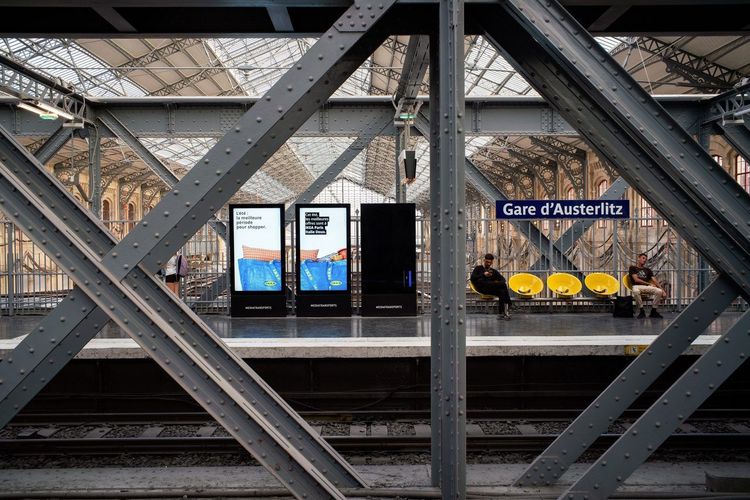
From Paris, allow about 2 hours by train from Paris-Austerlitz station, with direct connections several times a day. By car, the A71 links Paris to Bourges in a little over 2.5 hours, and it is also the most direct route from Clermont-Ferrand or Orléans. TER regional connections also exist from Tours and Orléans, handy if your trip already includes a stop in the Loire Valley. The nearest airports are Tours-Val de Loire and Châteauroux-Déols, but most international visitors travel via Paris before continuing by train or rental car.
Parking and Getting Around the Historic Centre
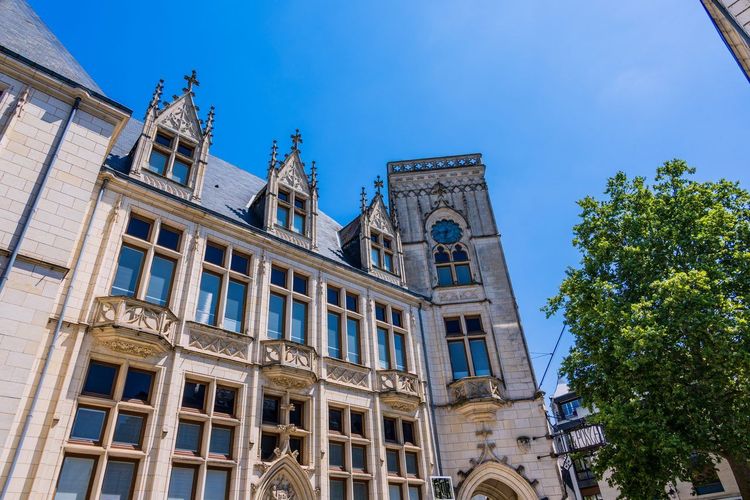
Bourges' historic centre can be explored entirely on foot: several streets are pedestrianised or restricted to traffic, making a car of little use once you are there. Car parks, such as the one on place Séraucourt, let you park a few minutes' walk from the cathedral. The urban bus network completes the offer for reaching more outlying areas, such as the Transpalette or certain peripheral hotels, but most of the programme can be done without motorised transport.
When to Go and How Much Time to Allow for Visiting Bourges
Seasons and Length of Stay
Spring and summer remain the most pleasant seasons for a first visit: gardens in bloom, marshes navigable by boat in good conditions, and evenings mild enough to enjoy the illuminations. Autumn offers interesting light for photography, with fewer people at the busiest sites, while winter stays quiet but shortens the opening hours of some sites.
A full day lets you cover the cathedral, the Jacques-Cœur Palace and Old Bourges without rushing. Allow two days if you want to add the marshes, the museums and a foray to Sancerre or the Loire châteaux: our itinerary for visiting Bourges in 2 days details this option hour by hour.
Prices and Opening Hours of the Sites
Good news for your budget: entry to the cathedral is free, only the climb to the north tower and the visit to the crypt are paid. The Jacques-Cœur Palace, run by the Centre des monuments nationaux, can be visited for about ten euros, with free entry for under-18s and for 18-25-year-old residents of the European Union. The municipal museums (Musée du Berry, Hôtel Lallemant, Musée Estève, Natural History Museum) offer free admission. Opening hours vary greatly by season and some museums close one day a week: always check the time slots with the tourist office before finalising your plans.
Bourges by Night: The Nuits Lumière and the Evening Atmosphere
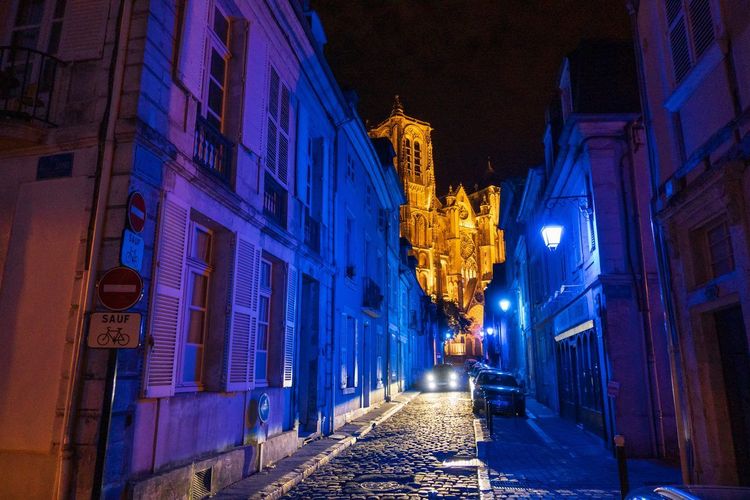
Every year, from spring to the end of summer, the Nuits Lumière de Bourges turn the façades of the historic centre into free projection screens, a marked night-time route to follow on foot between the cathedral and Old Bourges. The atmosphere changes completely once night falls: lanes deserted by the day's groups, stone lit differently at each stop. With its 3.2 kilometres and 22 stops, the Ryo audio-guided tour is also very well suited to an end-of-day stroll, just before nightfall, to enjoy the illuminated cathedral without the crowds of the morning visits.



FAQ
How much time should you plan to visit Bourges for the first time?
One day is enough for the essentials: the cathedral, the Jacques-Cœur Palace and Old Bourges. Two days let you add the marshes, the museums and an excursion to the vineyards or the Loire châteaux without rushing, leaving room to wander.
What are the must-sees in Bourges?
Saint-Étienne Cathedral, the Jacques-Cœur Palace, the marshes and Old Bourges form the core of any first visit. The Berry and Lallemant museums are a useful addition if time allows, as is a stop at the Transpalette for a contemporary contrast.
What is there to do in Bourges with family?
The Natural History Museum and a boat ride through the marshes generally appeal to children. The pedestrian lanes of Old Bourges are great for free exploration, and the Nuits Lumière delight young and old in the evening.
How do you get to Bourges from Paris?
The train from Paris-Austerlitz takes about 2 hours with direct connections. By car, the A71 links the two cities in a little over 2.5 hours.
Where can you park in Bourges?
The place Séraucourt car park is a few minutes' walk from the historic centre. Once parked, everything can be visited on foot.
What can you do around Bourges in one day?
The Sancerre vineyard, about fifty minutes away, and the Jacques Cœur route (Meillant, Ainay-le-Vieil) are the easiest excursions. Chambord, Blois and Chenonceau each take about 1.5 hours by road.
What is the best time to visit Bourges?
Spring and summer offer the best conditions for the marshes and the Nuits Lumière. Autumn remains appealing for a quieter visit, with beautiful light on the half-timbered façades and more flexible accommodation rates.
Conclusion
Bourges is not just a list of monuments to tick off: it is a city to be savoured by walking slowly, looking up at a sculpted façade or pausing beside a marsh canal. Whether you have a single day or a full weekend, the historic centre concentrates the essentials, and the surroundings offer plenty to extend your stay between vineyards and châteaux.
Want to link it all together without hours of preparation? Start the Ryo audio guide to Bourges in front of the cathedral: 22 audio stops, 1h20 of walking and 3.2 kilometres through Old Bourges, at your own pace, with no guide to follow and no schedule to keep.