






Créé par Emilie, le 4 oct. 2026
Votre guide Ryo
Paris, France
From the Concorde square to the Eiffel Tower
Parcours audioguidé pour visiter Paris en 1 jour
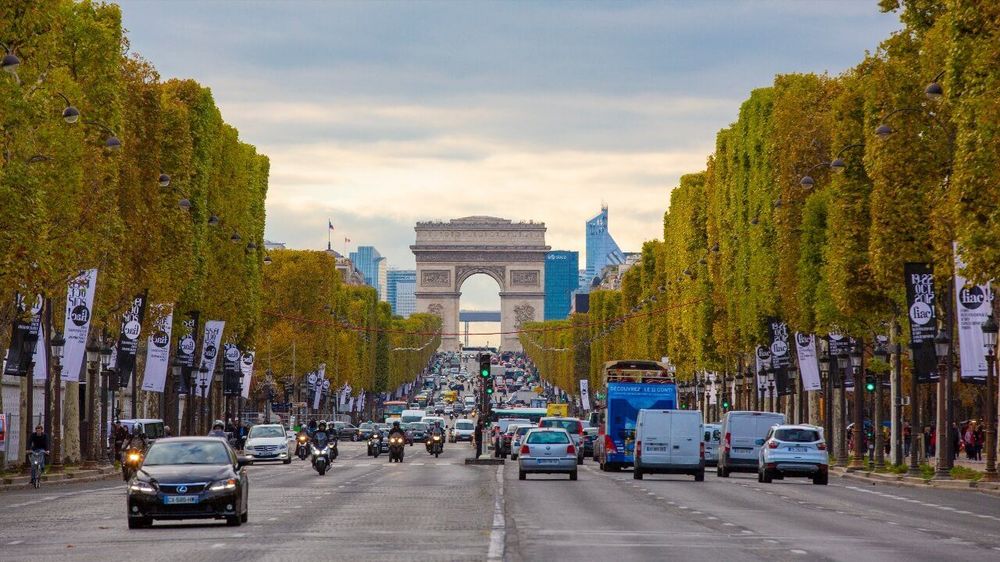
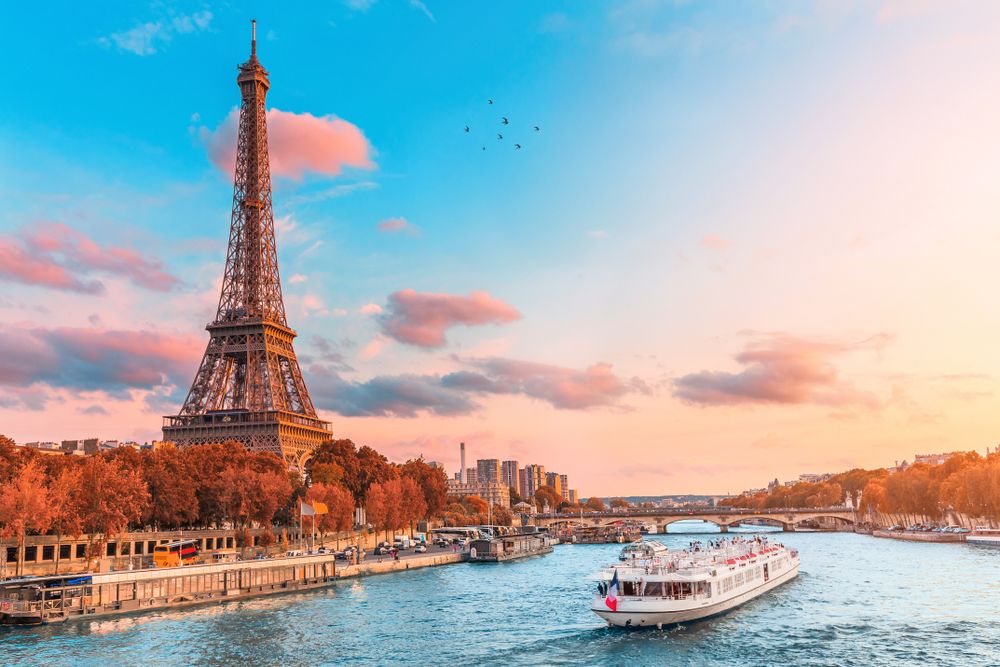
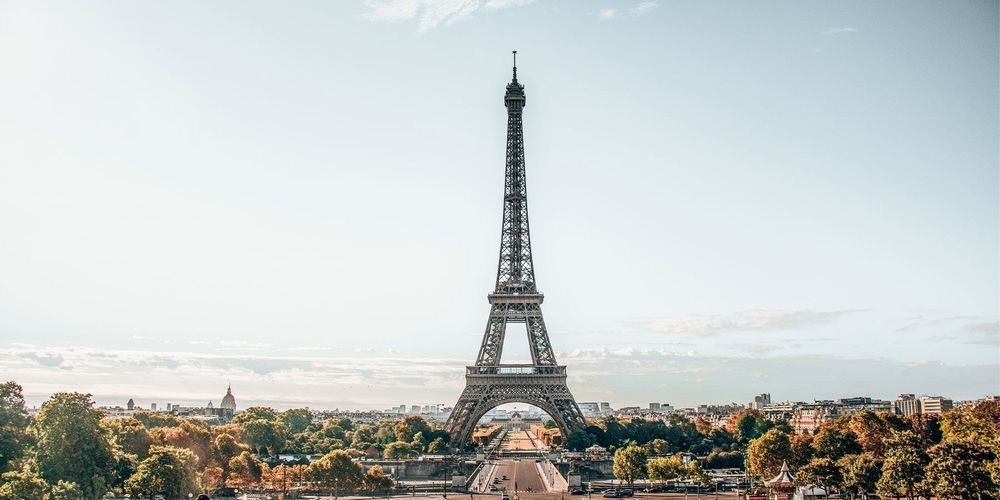
This tour draws you right into the heart of Parisian architectural power, where the iron framework of the Eiffel Tower stands in quiet conversation with the golden stone of Haussmann-era façades. Follow the grand, perfectly aligned perspective stretching from the Champ de Mars all the way to the Arc de Triomphe, as you make your way up the world’s most famous avenue, the Champs-Élysées. Between the gentle breath of the Seine River and the refined buzz of the boulevard, this route reveals a city that has made symmetry and bold vision the very essence of its character.
Quand partir à Paris ?
Jan.
8°
10
Feb.
9°
9
March
13°
10
April
16°
9
May
21°
10
June
23°
9
July
26°
8
Aug.
26°
7
Sept.
22°
7
Oct.
17°
10
Nov.
11°
10
Dec.
8°
11
The climate is generally temperate, with winters that are often cool to cold, when temperatures typically range between 0 and 8°C, and moderate summers around 20 to 26°C, with occasional heatwaves that are possible but rarely prolonged; spring and early autumn are the most pleasant periods for travel, particularly from May to June and from September to early October, when temperatures are mild, visitor numbers are more reasonable, and landscapes are especially lush, while summer remains a good option for enjoying a lively atmosphere despite a higher risk of rainfall.
Départ conseillé
No need to worry about where to begin! Our tours are designed as a loop, so you can jump in wherever you are. The navigation system and audio-guide will automatically adjust to your location. However, if you happen to be nearby, we do have a preferred starting point: Place de la Concorde/Concorde metro station
Parking à proximité
Indigo Place de la Concorde
Paris, like all major cities, is not car-friendly. We advise you to leave your car either at your accommodation or outside the city center and take the metro.
À savoir
If you wish to visit several museums and monuments in Paris, consider buying combined tickets and city passes.
Découvrez 19 lieux d'intérêt pour visiter Paris






Le plein d'inspirations
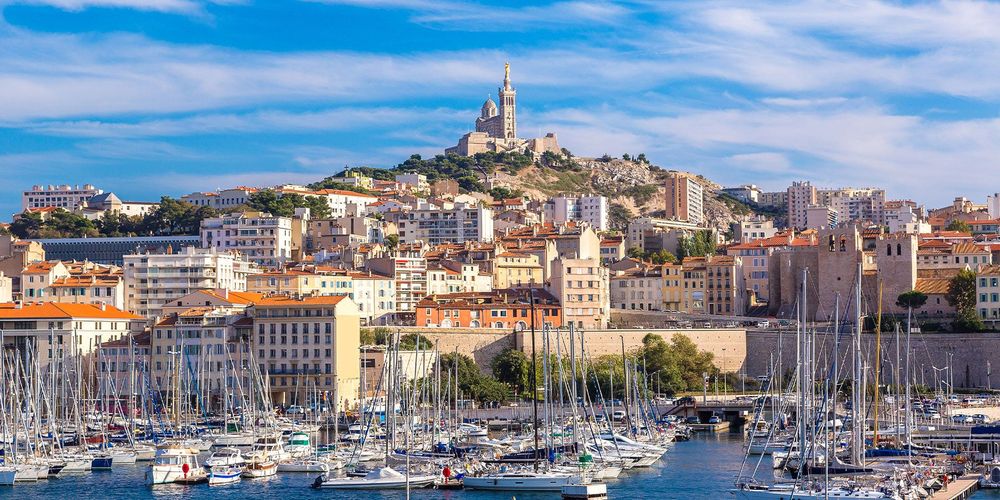
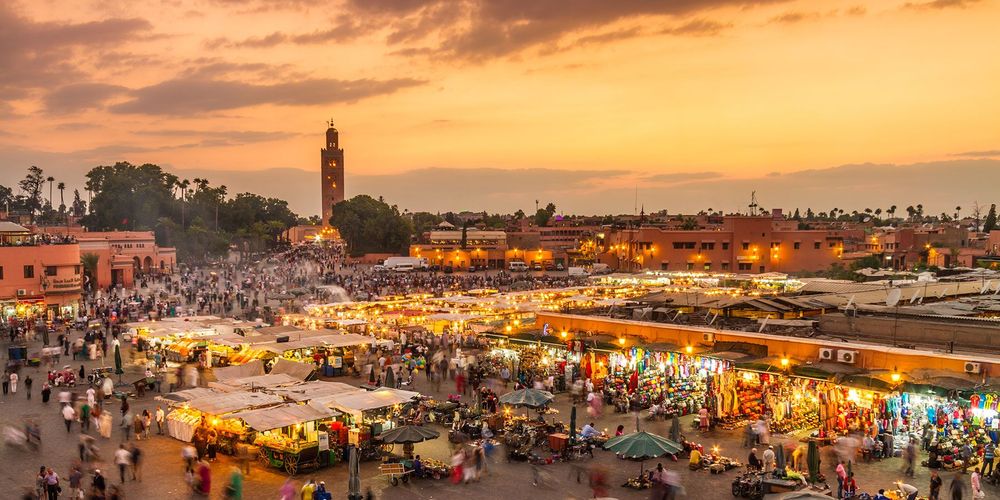
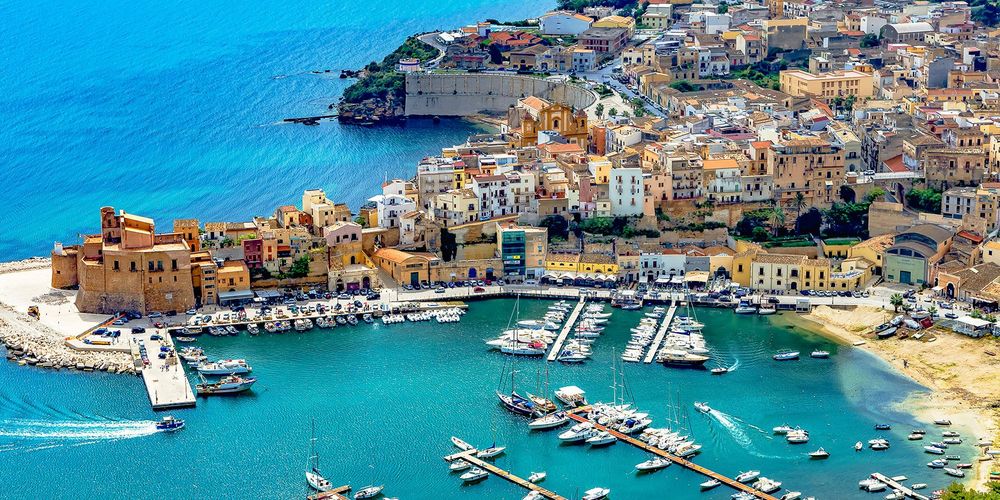
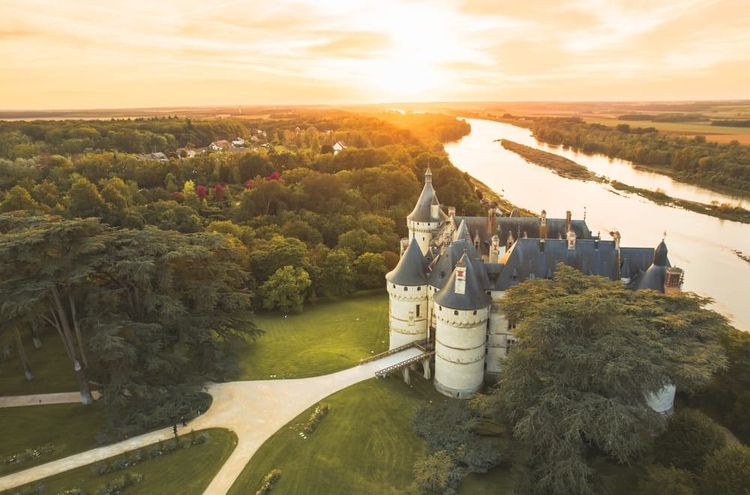
Explorez le monde en totale liberté, à pied au cœur des villes ou au fil des routes. Nos guides audios transforment chaque destination en une découverte culturelle immersive et unique.



FAQ for visiting Paris
When is the best time to visit Paris?
Spring and early autumn are generally the most pleasant times to discover Paris. From May to June and from September to early October, you will enjoy mild temperatures and a city less crowded than at the height of the summer season. The days are long, the parks are green and the atmosphere is particularly pleasant for strolling. Summer remains an excellent option if you enjoy the buzz and the lively terraces, despite a higher risk of rain. Winter has its charm with the illuminations and the Christmas markets, but plan for warm clothes as temperatures often range between 0 and 8°C.
How many days do you need to visit Paris?
For a first visit, ideally plan on between three and five days. This time will allow you to discover the emblematic monuments, wander through a few typical neighbourhoods and visit at least one or two major museums. With three days, you can cover the essential must-sees. Five days give you more flexibility to explore less touristy neighbourhoods, enjoy Parisian cafés and perhaps make a getaway to Versailles. Of course, Paris is a city you never really finish discovering, and even Parisians keep making finds there after years.
How do you get around Paris easily?
The metro remains the most practical way to move quickly around Paris. With its many lines criss-crossing the city, you are rarely more than five minutes from a station. Buses offer a pleasant alternative for admiring the city above ground. For short distances, don't hesitate to walk: Paris is a city that is wonderfully discovered on foot. Self-service bikes are also an excellent option for medium-length trips. Consider getting a transport pass suited to the length of your stay, as it will save you from buying tickets one at a time.
Which monuments are absolute must-sees?
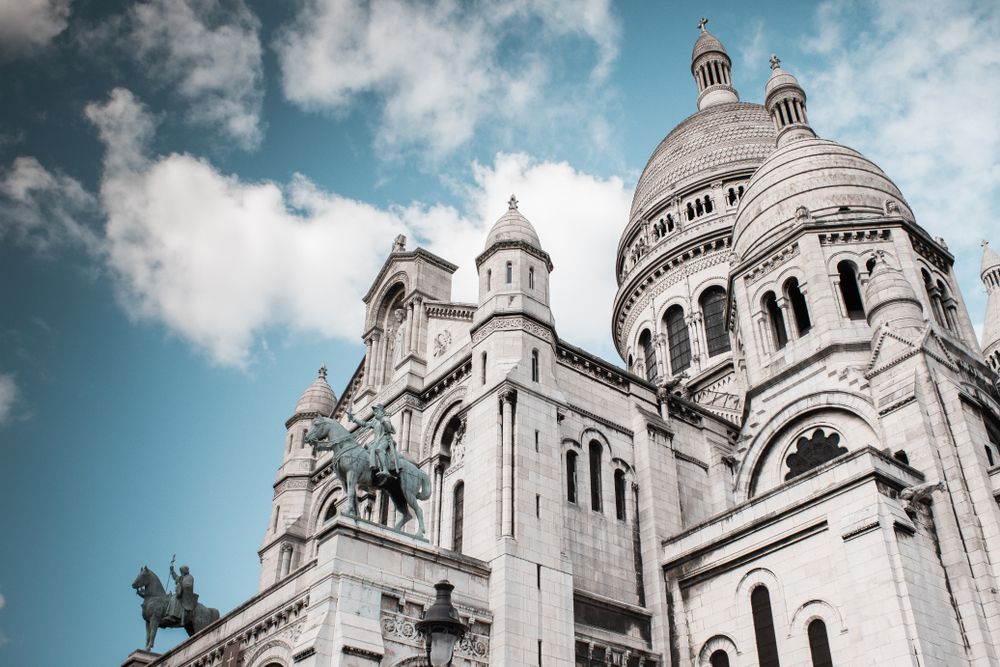
Paris is full of architectural wonders that tell its thousand-year-old history. The Eiffel Tower remains, of course, the absolute symbol of the city, closely followed by the Arc de Triomphe and Notre-Dame. The Louvre and the Musée d'Orsay are must-sees for art lovers. Don't miss the Sacré-Cœur basilica, which offers a breathtaking panoramic view. The Champs-Élysées, the Place de la Concorde and the Invalides complete this tour of the essentials. The Ryo audioguide accompanies you precisely on a carefully designed itinerary linking these emblematic monuments, enriching your discovery with fascinating anecdotes and historical context.
How can you avoid the queues at museums and monuments?
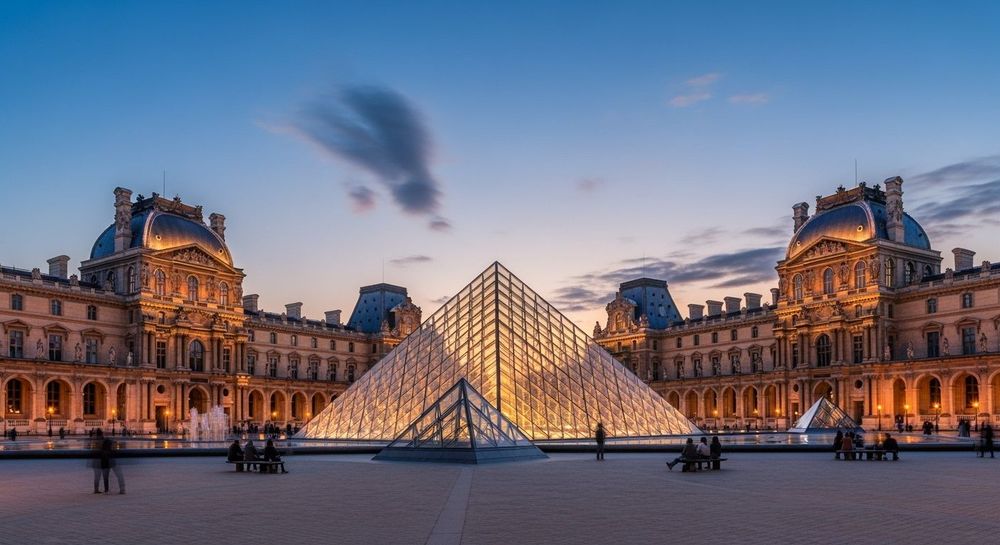
To make the most of your time, online booking has become almost essential for major sites such as the Louvre or the Eiffel Tower. Favour visits early in the morning or late in the afternoon when crowds thin out. Skip-the-line tickets, though generally more expensive, save you precious time. Some museums offer less crowded evening openings. Also consider lesser-known but equally fascinating museums such as the Rodin or Carnavalet, where the wait is often reduced. Finally, visit outdoor monuments such as the Arc de Triomphe on weekdays rather than at the weekend to avoid the crowds.
Where can you take a cruise on the Seine?
Cruises on the Seine offer a unique perspective on the Parisian monuments. The main piers are located near the Eiffel Tower, at the Pont de l'Alma, and close to Notre-Dame. You can choose between commented cruises of about an hour, ideal for a first discovery, or dinner cruises for a more romantic experience. The bateaux-mouches remain the most iconic, but other companies offer similar services. The classic route generally takes you under the most beautiful bridges of Paris while admiring the floodlit façades in the evening, creating unforgettable memories.
Which neighbourhoods of Paris are a must to discover?
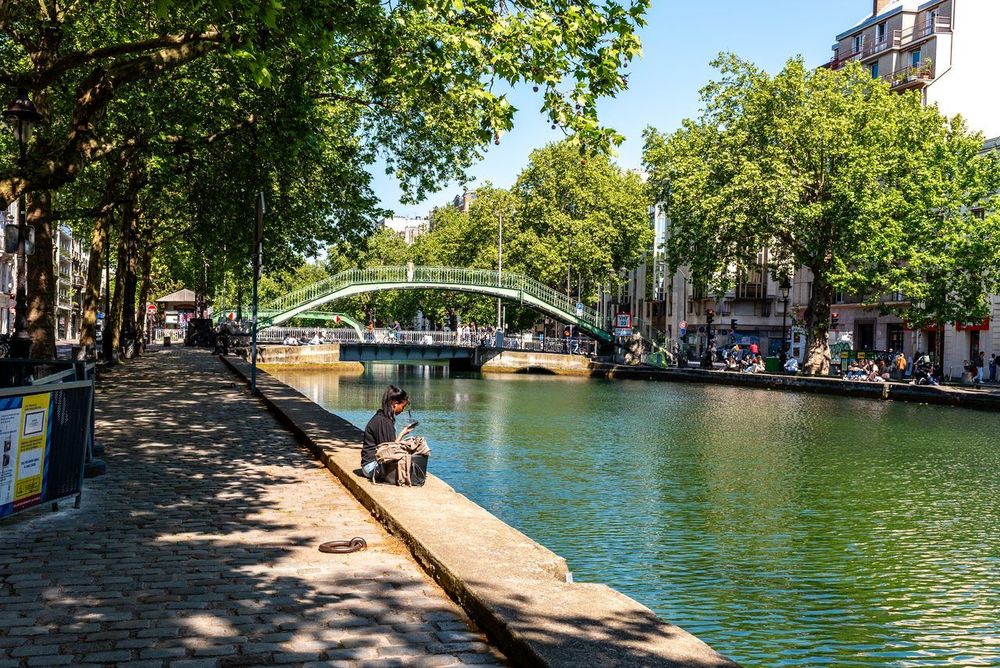
Each Parisian neighbourhood has its own soul and deserves a lingering visit. The Marais charms with its medieval lanes and trendy boutiques. Montmartre keeps its bohemian atmosphere with its street artists and picturesque cafés. Saint-Germain-des-Prés exudes intellectual elegance with its bookshops and literary cafés. The Latin Quarter buzzes with student energy around the Sorbonne. For a more contemporary vibe, explore Belleville or the Canal Saint-Martin. The Ryo app also offers several themed routes that guide you through these different neighbourhoods, revealing their secrets and their unique history as you walk.
What is there to see between Place de la Concorde and the Arc de Triomphe?
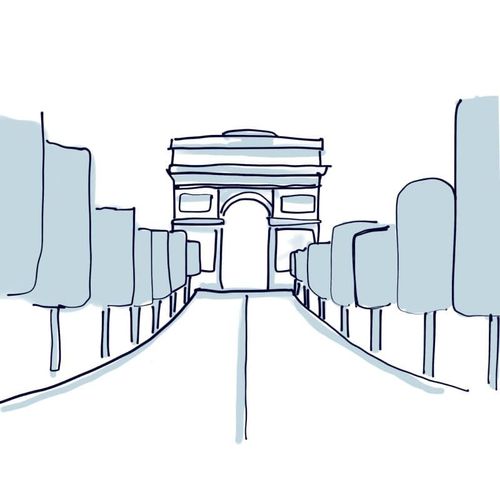
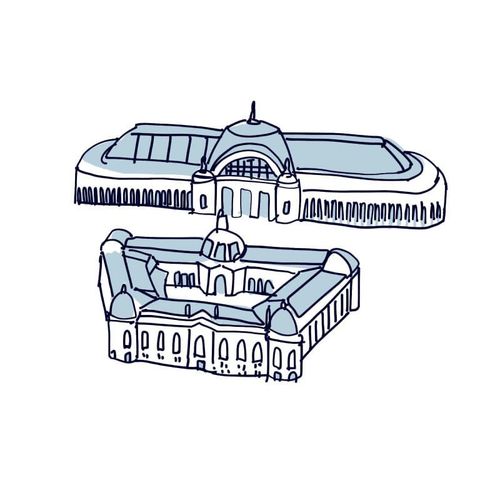
This single axis holds some of the most photographed scenery in the capital. From Place de la Concorde, with its obelisk, its fountains and its Marly horses, the perspective runs in one straight line up to the Arc de Triomphe. You first cross the Champs-Élysées gardens, far more peaceful than you might expect, framed by the glass roofs of the Grand Palais and the Petit Palais.
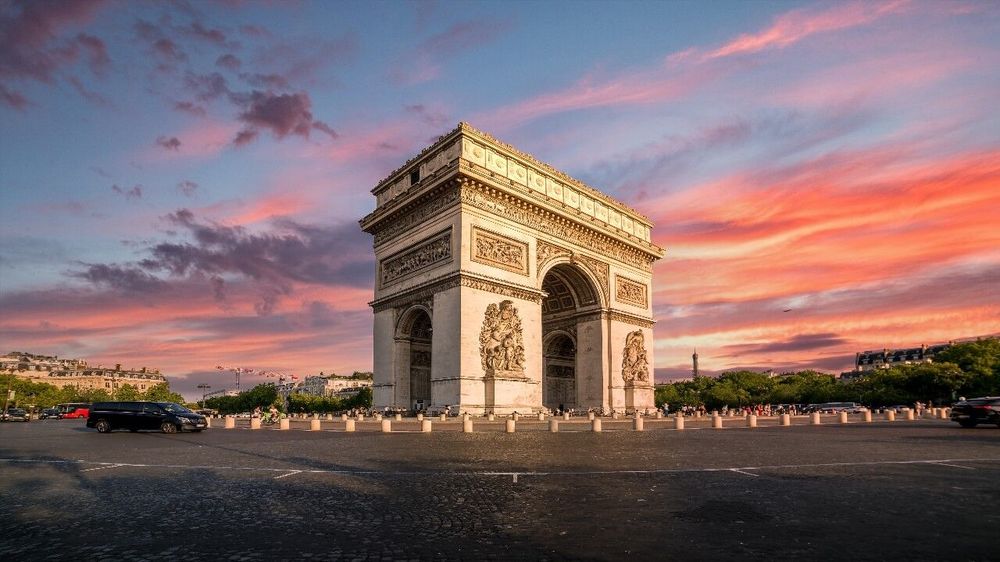
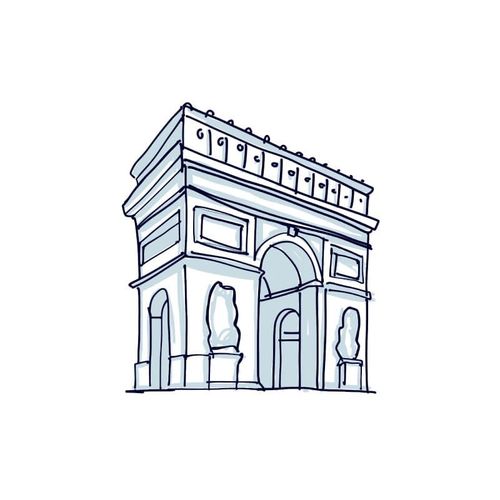
The upper part of the avenue, busier with shops and very lively at night, leads to Place de l'Étoile, where the Arc de Triomphe shelters the tomb of the Unknown Soldier and offers, from its terrace, a view over the twelve avenues radiating around it. Allow a good half-day if you take your time. The Ryo audio guide offers a dedicated Paris route that follows this perspective and tells its story.
Where can you admire the Eiffel Tower without going up it?
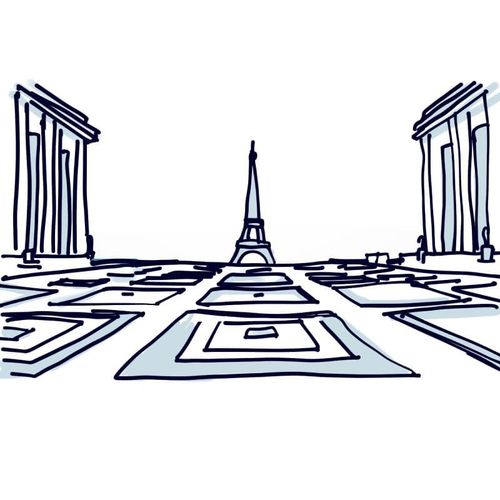
The most spectacular viewpoint is still the Trocadéro esplanade on the opposite bank: the tower appears in full, framed by the wings of the Palais de Chaillot, in particularly flattering morning light. Directly across, the Champ-de-Mars lets you take it in from the base, simply by settling down on the grass.
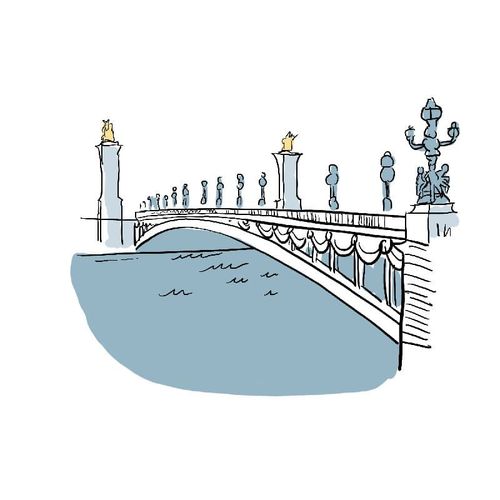
For less obvious angles, try the Bir-Hakeim bridge with its double row of columns, the Pont Alexandre III and its gilded lamp posts, the quays at the foot of the Pont d'Iéna, or Avenue de Camoëns, where the tower suddenly fills the end of the street. In the evening the structure sparkles for a few minutes at the start of each hour, a moment many visitors wait for sitting on the lawn.
Which walks can you do along the Seine on foot?
The quaysides have become one of the finest walks in the city. On the left bank, between the Musée d'Orsay and the Pont de l'Alma, the pedestrianised banks unfold hanging gardens, play areas and moored barges, facing the fronts of the Louvre and the Tuileries.
On the right bank, a long stretch links the Tuileries garden to the Arsenal district, passing under the bridges at water level. Heading further east, the quays of the Île de la Cité and the Île Saint-Louis offer a more intimate atmosphere, lined with trees and second-hand booksellers. The walk works in every season, but do check access to the lower banks after heavy rain, as the river can rise quickly.
Vos commentaires, idées et suggestions
Aucun avis pour le moment