






Walk
From the Concorde square to the Eiffel Tower
Paris, France
Walk
From the Concorde square to the Eiffel Tower
Paris, France
8.9 km
Distance
3h40
Durée
19
Audios
Loop
Parcours
Shutterstock
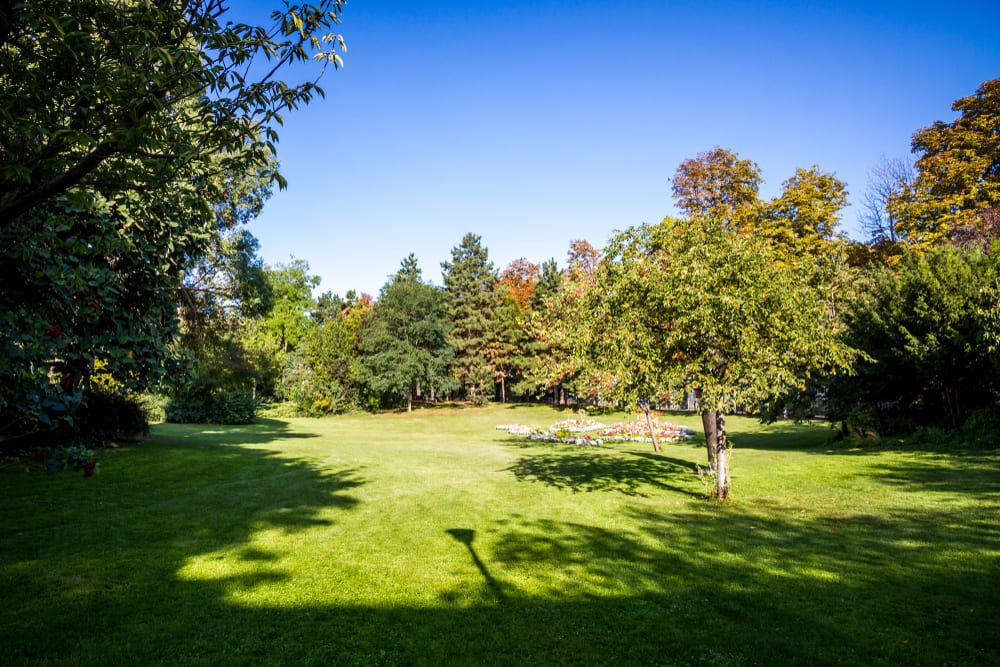
The Paris audio-guided tour invites you to a break in the gardens at the lower end of the Champs-Élysées, settings of greenery too often eclipsed by the famous boutiques of the avenue.
What was still only a marsh at the beginning of the nineteenth century was laid out as English-style gardens around 1840. Divided into squares, they house in particular the Carré des Ambassadeurs, the Carré Marigny and its theatre, or the Carré Ledoyen. On the other side of the Place de la Concorde opens the great Tuileries garden, which occupies the site of a vanished palace, built by Catherine de Medici in 1564 on a former tile factory, hence its name. It was André Le Nôtre who gave it its French-style garden character. The first public garden of Paris, the Tuileries unfold twenty-three hectares adorned with sculptures by masters and bordered by the Orangerie museum.
The gardens of the Champs-Élysées offer a peaceful interlude in the face of the tumult of the avenue, between lawns, shaded paths and theatres nestled in the greenery. Further on, the Tuileries charm with their sculptures, their pools and their seasonal events, from the Christmas market to the summer funfair. It is an invitation to strolling, to greenery, in the heart of the finest axes of Paris.
The gardens at the lower Champs-Élysées extend between the Rond-Point and the Place de la Concorde, in the 8th arrondissement of Paris; the Tuileries garden follows them beyond the Concorde. Open-air public spaces, they can be walked freely and on the level; the Tuileries garden follows opening hours varying according to the season.
Around 1840, as English-style gardens, on land that was still only a marsh at the beginning of the nineteenth century.
From a former tile factory that occupied the site before Catherine de Medici had a palace built there in 1564.
Aucun avis pour le moment
