© Shutterstock
 Votre guide Ryo
Paris and Its Surroundings: the Ultimate Guide to Activities in 2026
Finding the best activities in Paris and its surroundings can quickly become overwhelming: the capital has something to offer in every season and for every budget, but knowing where to start when visiting the city and its environs for the first time — or the tenth — remains a genuine challenge. The city alone is home to more than 130 national museums, neighborhoods with radically different atmospheres, and, beyond the périphérique, an Île-de-France that holds royal châteaux, centuries-old forests, and world-class parks. With the Ryo audio-guided tour of Paris, you can explore the Champs-Élysées and its historic extensions across 18 audio stops spanning 8.9 km, with no human guide and no fixed schedule.
This guide covers the most memorable activities to do in Paris and its surroundings in 2026: from classic monuments to the hidden corners of the Marais, from Seine river cruises to the forests of Fontainebleau, from neighborhood restaurants that embody French gastronomic pride to jazz evenings in cellars of the Quartier Latin. You will also find day trips to Versailles, Chantilly, and the châteaux of the Loire, along with practical tips for organizing your stay stress-free.
Paris: Iconic Monuments
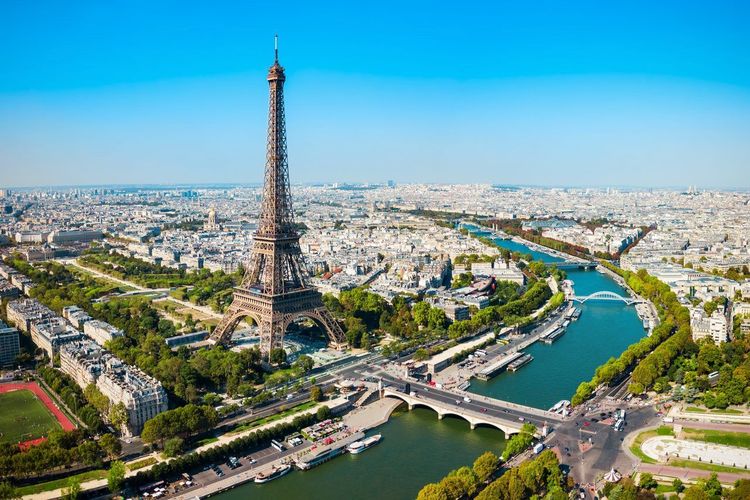
Starting with the most famous monuments may seem obvious, but the angle of approach makes all the difference. Arriving at the Eiffel Tower at dawn rather than in the middle of the afternoon means discovering the iron lady in the golden morning light, before the queues grow long. The tower lights up every hour after nightfall: a five-minute spectacle that alone justifies lingering on the Champ-de-Mars after dinner.
A few hundred meters away, the Palais du Trocadéro offers the most photographed frontal view of Paris. Less well known: the terrace of the Palais de Chaillot, from which the alignment of the Eiffel Tower–Champ-de-Mars–École Militaire unfolds in a single perspective.
Walk up the Champs-Élysées to the Arc de Triomphe. The climb to the top (284 steps, free for EU residents under 26) reveals Haussmann's plan for Paris in its entirety: twelve avenues radiating like the spokes of a star from the Place de l'Étoile. Allow twenty minutes on the terrace.
On the Île de la Cité, Notre-Dame de Paris reopened its doors on 7 December 2024 after five years of restoration. The interior reveals colors the cathedral had not displayed since the Middle Ages: warm ochres, deep blues, and rediscovered luminosity. Entry is free and online booking is recommended, especially on summer weekends. Outside, walk all the way around the building to see the gargoyles from the Pont de l'Archevêché.
Nearby, the Sainte-Chapelle is often overlooked in favor of Notre-Dame — unjustly so. Its 15 thirteenth-century stained-glass windows depict 1,113 scenes from the Old and New Testaments. When the light pierces the glass in late morning, the effect is breathtaking. Allow 20 to 30 minutes and book online to avoid the long queue shared with the Conciergerie.
To connect these sites with depth, the Ryo audio guide from Mona Lisa to Notre-Dame offers 22 audio stops across 7.3 km, linking the Louvre to the banks of the Seine while bringing to life the history behind each façade along the way.
The Place Vendôme and the Opéra Garnier round out this first 'Paris monuments' circuit with two architectures at opposite ends of the spectrum: the Napoleonic column surrounded by the world's most prestigious jewelers on one side, and the Second Empire baroque of the opera house on the other. The visit to the Opéra Garnier (€14 adult) includes the performance hall and the library-museum — a plunge into the Paris of Marcel Proust. The Champs-Élysées and the Arc de Triomphe, for their part, are stops on our audio-guided walk from Place de la Concorde to the Eiffel Tower.
Parisian Museums
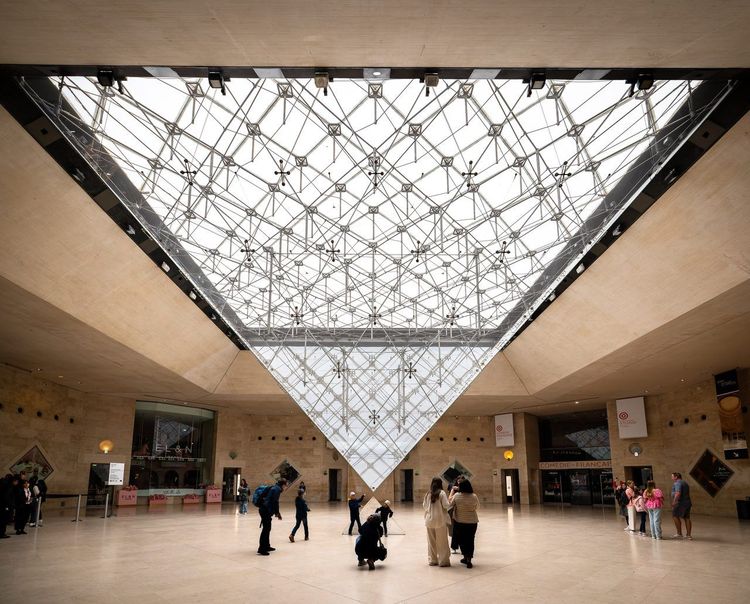
Paris has a concentration of museums that few cities in the world can rival. The Louvre Museum remains the most visited on the planet, with nearly 9 million visitors per year. It is best planned as a minimum half-day: the Grande Galerie of Italian painting, the Winged Victory of Samothrace, the Venus de Milo, and of course the Mona Lisa, perpetually surrounded by crowds yet still impressive. Online booking is mandatory; Tuesdays tend to be less crowded.
The Musée d'Orsay occupies a former railway station and houses the world's largest collection of Impressionist art. Monet, Renoir, Degas, Van Gogh, Cézanne: the entire pictorial revolution of the nineteenth century is here, in rooms with extraordinarily high ceilings. The museum is free on the first Sunday of the month for everyone, and permanently free for European visitors under 26. The restaurant terrace on the fifth floor offers a direct view over the Seine and the Tuileries.
The Centre Pompidou (Place Georges-Pompidou, 75004 Paris, rated 4.5/5 on Google from 130 reviews) defies all expectations for first-time visitors. The 'organs on the outside' architecture by Piano and Rogers continues to divide opinion, but the modern and contemporary art collection is one of the richest in Europe. The Musée National d'Art Moderne covers the entire twentieth century — Matisse, Kandinsky, Brancusi, Duchamp — and the temporary exhibitions regularly draw major retrospectives. The view from the esplanade is free.
Less well known but equally fascinating: the Musée Rodin (a sculpted garden where The Thinker, The Kiss, and The Burghers of Calais coexist in the open air, €13 admission), the Musée de Cluny dedicated to the Middle Ages (including the famous tapestry of the Lady and the Unicorn), and the Musée Jacquemart-André, a converted private palazzo where the collections of Italian and Flemish paintings rival the nineteenth-century bourgeois décor.
The Musée Picasso in the Marais is also well worth a stop: 5,000 works by the Catalan master spread across a seventeenth-century private mansion. For design enthusiasts, the Musée des Arts Décoratifs, adjacent to the Louvre, offers three floors of creations from the Middle Ages to the present day, with a particularly well-staged fashion and textile section.
One practical tip: resist the urge to fit everything into two days. It is far better to explore two or three museums in depth than to skim through ten. The Paris Museum Pass (2 days: €90, 4 days: €109, 6 days: €139) provides free access to more than 50 sites with no queuing at ticket desks — a considerable time-saver during peak season.
Montmartre and the Butte
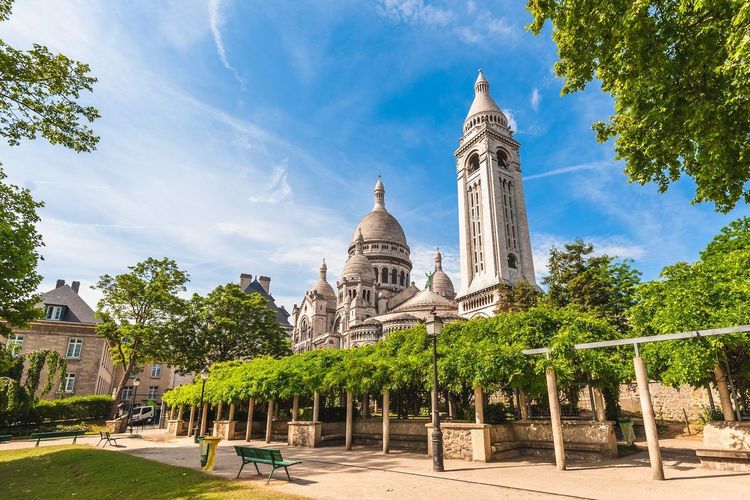
Montmartre is unlike any other neighborhood. It is a village clinging to a hillside, caught between Haussmann's Paris and its own legends: Toulouse-Lautrec, the Moulin Rouge, Picasso at the Bateau-Lavoir studio, Amélie Poulain on the steps of the Sacré-Cœur. Beyond the clichés, the Butte holds streets that have not changed in a century.
The Basilique du Sacré-Cœur dominates everything from an altitude of 129 meters, the second highest hill in Paris after Belleville. Entry is free, but if you climb up to the dome (€6), the 360° view covers all of Paris on a clear day. Avoid mass times if you want a contemplative visit of the building.
The Place du Tertre is the touristic heart of the Butte, lined with painters offering portraits and landscapes in real time. Commercial, certainly, but the atmosphere remains unique. Nearby, the rue Lepic winds down toward the Moulin de la Galette and its neighborhood restaurants, far from the tourist coach circuit. The Abbesses market, on Wednesday and Saturday mornings, blends local producers with neighborhood regulars.
To explore Montmartre in depth, our guide to visiting the Sacré-Cœur and Montmartre details the neighborhood's highlights and the history of its sites, ideal for understanding why this hill captivated so many painters at the turn of the twentieth century.
Heading down toward Pigalle, the atmosphere changes dramatically. The rue des Martyrs is today one of the finest shopping streets in Paris: cheese shops, pastry shops, wine merchants, and delicatessens line 400 meters of pavement. At the far end, the church of Notre-Dame de Lorette lends its name to the 'lorettes', the courtesans who populated the neighborhood in the nineteenth century. The Moulin Rouge is a five-minute walk away, recognizable by its red sails and Belle Époque façade; daily shows start at 9 pm and 11 pm, from €115 with champagne.
The Cimetière de Montmartre is less well known than Père-Lachaise but holds equally illustrious graves: Stendhal, Émile Zola, Dalida, Edgar Degas. A quiet stroll along its shaded paths can last a full hour. From the Moulin Rouge up to Place du Tertre, our audio walking tour of the Butte covers the same hill in 3.5 km.
The Quartier Latin and Saint-Germain-des-Prés
The Left Bank of Paris has something the Right Bank does not: an intellectual density that is perceptible even to passing visitors. Bookshops, philosophical cafés, students leaving the Sorbonne, second-hand dealers set up at street corners — the Quartier Latin and Saint-Germain-des-Prés form the thinking heart of Paris.
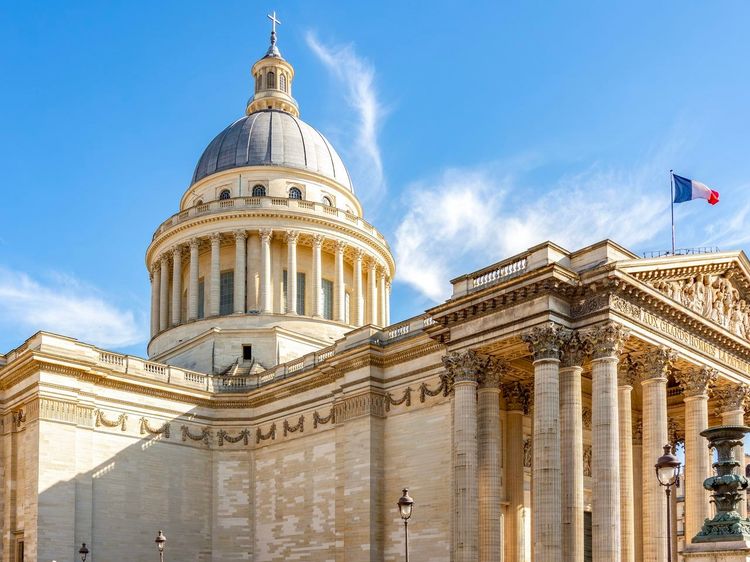
The Panthéon immediately asserts itself from the square that bears its name. The Republic's necropolis since 1791, it houses the remains of Victor Hugo, Émile Zola, Marie Curie, Jean Jaurès, Joséphine Baker — 80 great French figures in total. The crypt is accessible, and the building itself — a neoclassical dome by Jacques-Germain Soufflot — is worth a visit for its architecture alone.
The Ryo audio-guided tour of the Quartier Latin connects these major sites — the Sorbonne, the Panthéon, and the Jardins du Luxembourg — with a narration that evokes the atmosphere of the great moments of the medieval university, founded in 1257, and the student battles of May 1968.
The Jardin du Luxembourg is one of the most beloved green spaces in Paris, with its 25 hectares of walkways, green chairs, the Medici Fountain, and the central pond where children have been sailing wooden boats for a century. The garden opens early in the morning (7:30 am in summer) and attracts joggers at sunrise just as much as retirees playing chess under the chestnut trees.
Saint-Germain-des-Prés begins precisely at the Église Saint-Germain-des-Prés (3 Place Saint-Germain-des-Prés, 75006 Paris, rated 4.7/5 on Google from 6,352 reviews), the oldest church in Paris, founded in the sixth century. The historic cafés — Les Deux Magots, Le Flore, La Brasserie Lipp — line the neighboring streets. Sartre, Beauvoir, Hemingway, and Camus had their legendary tables here, now frequented by tourists and a few nostalgics. Prices reflect the location (€6–8 for a coffee), but the atmosphere is irreplaceable.
The rue Mouffetard, heading down toward the Contrescarpe, is one of the most lively streets in the Quartier Latin: it packs foreign grocers, Greek restaurants, open-air markets, and student bars into a 500-meter stretch. The Mouffetard market, every morning except Monday, remains one of the most vibrant in Paris.
The Seine: River Cruises and Riverbanks
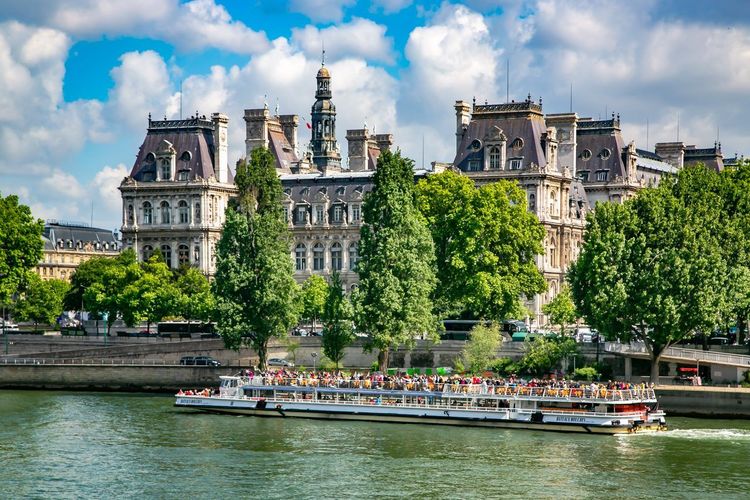
No visit to Paris would be complete without spending time on the Seine — not merely walking along it, but using it as an axis for exploration. The river has structured Paris for two millennia, and the light on the water changes dramatically depending on the time of day.
The Bateaux Mouches (Port de la Conférence, 75008 Paris, rated 4.4/5 on Google from 32,475 reviews) are the historic reference for Parisian river cruises: departing from the Pont de l'Alma, the 1h10 journey goes up to Notre-Dame and returns toward the Pont de Grenelle. Commentary in eight languages, adult fare €16, free for children under 4. The night cruise, when the monuments are illuminated, is particularly striking.
For a more local alternative, the Vedettes du Pont-Neuf offer a one-hour commentary cruise from the Square du Vert-Galant, at the tip of the Île de la Cité. A more intimate atmosphere, smaller groups. In summer, Paris Plages transforms several quays into ephemeral beaches with sand, deck chairs, sports activities, and free concerts, generally from 15 July to the end of August.
Our guide to Seine river cruises in Paris compares the different operators — Bateaux Parisiens, Vedettes du Pont-Neuf, Canauxrama via the canals — with detailed prices and seasonal advice.
The Canal Saint-Martin offers a more neighborhood-feel alternative to the official Seine. Its locks, footbridges, and waterside trees attract a trendy local crowd on weekends. Canauxrama cruises link the Arsenal to the Bassin de la Villette (2h30, €22 adult). On foot, the walk along the canal to the Rotonde de la Villette is one of the most pleasant in Paris, especially on summer evenings.
Paris Outdoors: Parks and Open-Air Activities
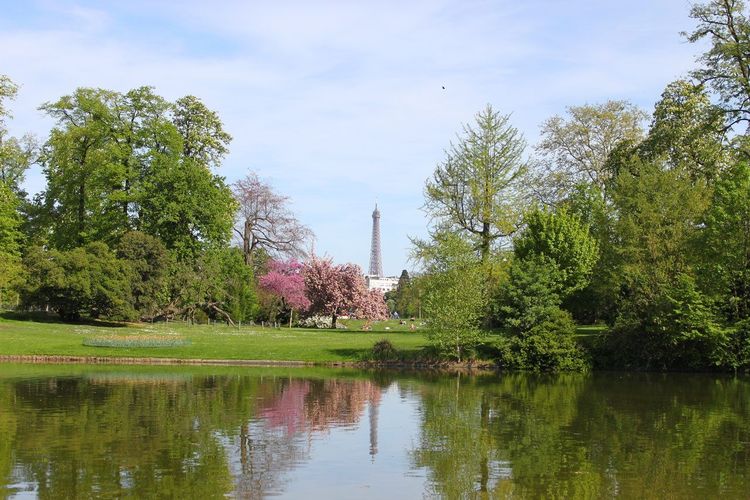
Paris is greener than many realize: 3,000 hectares of green space in total, from large parks to small neighborhood gardens. On fine days, the entire city migrates toward these green lungs.
The Bois de Boulogne to the west (846 hectares) is Paris's largest green space: lakes, racecourses, the Fondation Louis Vuitton, the Jardin d'Acclimatation for children, and cycling paths. A full day is not enough to explore it all. On weekends, families and sports enthusiasts gather there from 9 am.
The Parc des Buttes-Chaumont in the 19th arrondissement is the most rugged and perhaps the most beautiful of Paris's parks: cliffs, a lake, the Île du Belvédère accessible via two suspension bridges, and the Temple de la Sibylle at the summit. A guaranteed view of Montmartre from the upper terrace. Ideal for a picnic or an early-morning run.
The Coulée Verte René-Dumont (Avenue Daumesnil, 75012 Paris, rated 4.7/5 on Google from 12K reviews), also known as the Promenade Plantée, is a former railway viaduct converted into a suspended garden spanning 4.5 km through the 12th arrondissement. Paris did this long before New York's High Line. You access it from the Avenue Daumesnil, walk above the rooftops between rose bushes and pergolas, and descend via regular stairways to continue through the Jardin de Reuilly.
For cycling enthusiasts, Paris has 1,000 km of cycling paths and Vélib' (24h subscription: €5) covers the entire city. Our guide to cycling routes in Paris details the best itineraries based on your level and available time.
In winter, the Hôtel de Ville ice rink is set up each year from December to late February, with free entry (skate rental extra). In summer, several watersports centers offer kayaking, stand-up paddleboarding, and sailing on the Seine downstream from Paris.
Unusual Paris and Underground Secrets
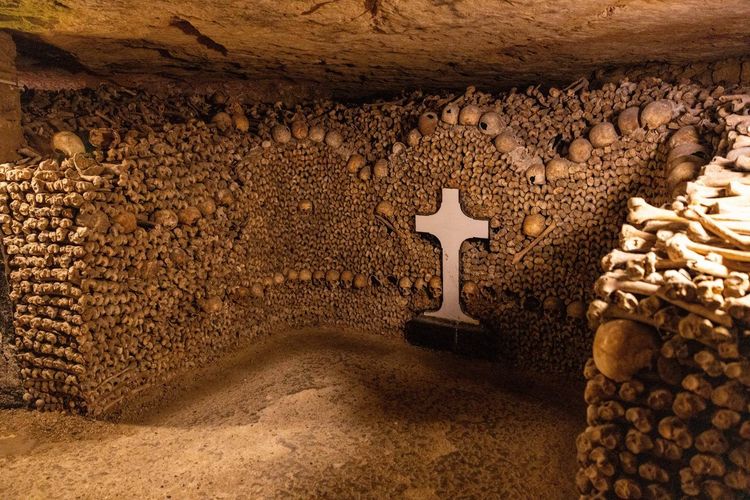
Beneath the asphalted streets and behind the Haussmann façades lie spaces that do not appear in conventional guidebooks. Paris has a fascinating underground layer and a well-developed culture of 'off-the-beaten-path' exploration.
The Catacombs of Paris are the world's most visited underground attraction: 300 km of galleries carved out of the former limestone quarry used to build Paris, and 6 million sets of remains arranged in macabre fashion from 1786 onward. The visit descends 20 meters underground along a 2 km route. Booking is mandatory (€29 adult); time slots sell out several weeks in advance in summer.
The Cimetière du Père-Lachaise is the largest and most famous in Paris, but also one of the most lively. Its 70,000 burial plots make it a city within a city, with paths bearing street names. You will find the graves of Jim Morrison, Oscar Wilde, Édith Piaf, Frédéric Chopin, Marcel Proust, and Molière. The Ryo audio-guided tour of Père-Lachaise guides you among the most significant resting places, with biographical anecdotes about each one.
The Musée des Arts et Métiers (60 Rue Réaumur, 75003 Paris, rated 4.6/5 on Google from 10,058 reviews) in the Marais is one of the oldest technical museums in the world, founded in 1794. The former church of Saint-Martin-des-Champs houses a replica of Foucault's pendulum and an impressive collection of machines — vintage automobiles, telegraphs, pioneering aircraft. Little known to tourists, far more frequented by the curious.
For street art enthusiasts, the 13th arrondissement has become an open-air gallery since 2013 thanks to the Itinerrance project: international artists such as JR, Shepard Fairey, and Invader have covered entire building façades. The rue Oberkampf in the 11th and the rue Dénoyez in the 20th are two other reference spots. In a quieter register, our audio walking tour of Père Lachaise leads from the graves of Marcel Proust and Frédéric Chopin to that of Jim Morrison in around eighty minutes.
Shopping, Markets, and Local Designers
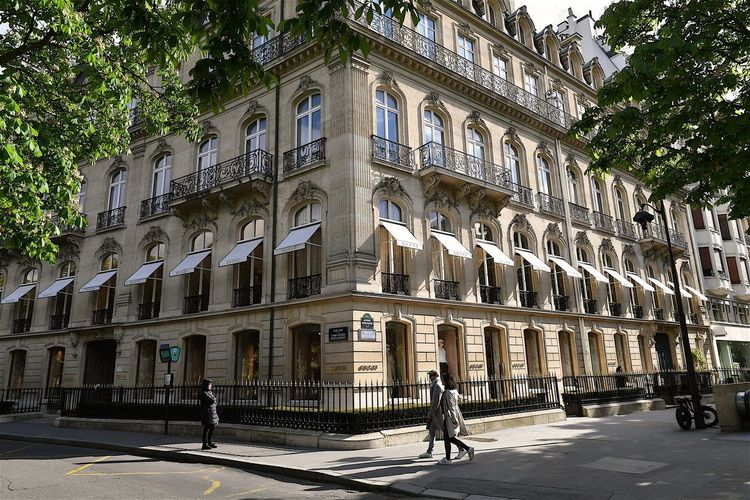
Paris remains the world capital of luxury and fashion, but the city offers far more than the Avenue Montaigne for varying budgets.
The Marché d'Aligre in the 12th is probably the most authentic street market in Paris: fresh produce cheaper than elsewhere, an outdoor flea market every morning except Monday, and regulars who have been meeting here for decades. The multicultural atmosphere of the neighborhood is reflected in the stalls — Maghrebi spices, sub-Saharan African vegetables, artisan cheeses.
The Galeries Lafayette on Boulevard Haussmann stand as the most iconic shopping address in Paris: a 1912 Art Nouveau dome, eight floors of French and international brands, and a free panoramic rooftop terrace with views over the rooftops. The Galeries Lafayette Champs-Élysées flagship, opened in 2019, focuses on a premium selection and pop-up spaces.
The Marais (3rd and 4th arrondissements) is packed with dozens of independent designer boutiques, particularly along the rue des Francs-Bourgeois and the rue de Bretagne. Contemporary art galleries sit alongside streetwear brands and antique dealers. On Sundays, the neighborhood is livelier than the rest of Paris, with shops open for business.
For more authentic souvenirs than plastic Eiffel Towers, the bouquinistes who have lined the banks of the Seine since the sixteenth century offer old books, vintage posters, postcards, and prints. A Parisian tradition inscribed in 2019 on the national inventory of intangible cultural heritage, and championed by its advocates as a candidate for UNESCO World Heritage status.
Parisian Gastronomy
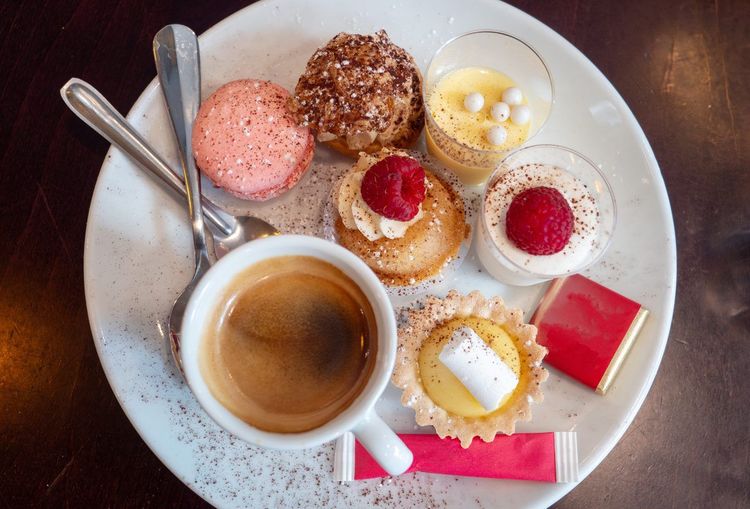
Paris's culinary reputation is no myth, but it deserves to be steered toward the right addresses rather than the tourist restaurants in the city center.
The Marché des Enfants Rouges in the Marais is the oldest covered market in Paris, dating back to 1615. Today converted into a gastronomic hall, it features Moroccan, Japanese, Caribbean, Lebanese, and Italian food stalls — a round-the-world trip in just a few dozen square meters. On weekends, arrive before noon to find a seat.
The rue Montorgueil (75001 Paris, rated 4.5/5 on Google from 35K reviews) in the 2nd arrondissement is one of the most vibrant commercial streets in Paris: charcuteries, bakeries, fishmongers, and cafés follow one another over 500 fully pedestrianized meters. This is where the fish market of the old Halles used to stand, and the lively atmosphere has survived the neighborhood's transformation.
Paris has 127 Michelin-starred restaurants in 2026, several of which offer lunch menus from €50–60 — a reasonable way to experience starred cuisine. The Bastille neighborhood and the 10th to 12th arrondissements hold a remarkable concentration of natural wine bistros and chef-driven tables at accessible prices.
For cheese lovers, several reference artisan fromageries are scattered across the city: Quatrehomme in the 7th, Laurent Dubois in the 5th and 15th, and Androuet with several locations. The wine cellars on the rue de Charonne (11th) offer tastings tailored to order.
The Parisian breakfast deserves its own paragraph: a coffee at the counter, a croissant fresh from the oven at 7:30 am, the morning press. Bakeries with a queue before 8 am are rarely tourist traps — it is a sign of genuine artisan production. Ask the locals in the neighborhood for their top recommendations.
Nightlife and Cultural Events
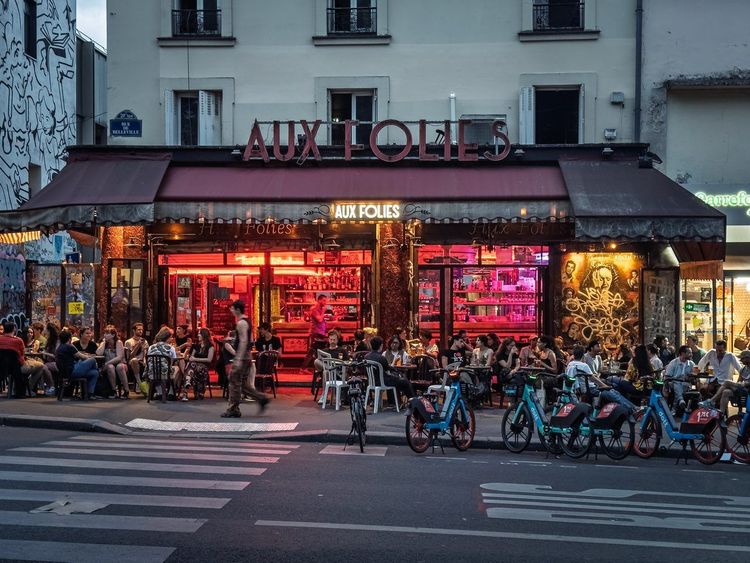
Paris comes alive differently after 8 pm. Parisian evenings are a step ahead of most European capitals, with a cultural offering that runs until midnight and a vibrant music scene.
The Moulin Rouge in Montmartre remains the symbol of Parisian entertainment: cancan, feathered costumes, compulsory champagne. The 'Féerie' show has been performed every evening at 9 pm and 11 pm for decades. Prices: from €115 for the show with a half-bottle of champagne, and €255 for the dinner-and-show package.
The Philharmonie de Paris (221 Avenue Jean Jaurès, 75019 Paris, rated 4.7/5 on Google from 6,837 reviews) at La Villette is one of the most modern concert halls in Europe, inaugurated in 2015. Its programme covers classical, jazz, world music, and electronic — often fully booked several weeks in advance. Nearby, the Zénith de Paris hosts major pop and rock tours.
For a more intimate evening, Paris has several hundred jazz bars and live music clubs. The Caveau de la Huchette in the Quartier Latin has had visitors dancing since 1946, with traditional jazz and swing in a sixteenth-century vaulted cellar. The New Morning in the 10th is the reference venue for contemporary jazz and world music. Speakeasy-style hidden bars have multiplied in recent years: our guide to Parisian secret bars and speakeasies lists the best addresses with entry codes and opening hours.
For those who want to explore Paris differently at night, the Ryo tour 'In the Footsteps of Emily Cooper' connects iconic locations in the capital across 7.1 km, from the café on the Place de l'Estrapade to the bridges of the Seine. The theater scene in Paris is also highly active: the Comédie-Française, the Odéon-Théâtre de l'Europe, and the Théâtre du Châtelet stage performances throughout the year. Last-minute tickets (under €10) are available 45 minutes before curtain at several subsidized theaters.
The Surroundings of Paris in Île-de-France
The Île-de-France region has much more to offer than the City of Light. Within a radius of 50 km, royal châteaux, ancient forests, and world-class theme parks are all reachable in under an hour from Paris.
Fontainebleau is 40 minutes from Paris by RER D or by car. The Château de Fontainebleau, a royal residence since François I in the sixteenth century, is one of the most complete châteaux in France — more richly decorated than Versailles, according to some historians. The Renaissance apartments are breathtaking. Outside, the Forêt de Fontainebleau (170 km²) is a playground for climbers: its sandstone boulders draw bouldering enthusiasts from Paris every weekend.
Chantilly, 45 minutes to the north (Transilien H from Gare du Nord), combines three attractions in one: the Domaine de Chantilly with its château, the Musée Condé (the most important collection of old paintings after the Louvre), the French-style gardens designed by Le Nôtre, and the Grandes Écuries — one of the most beautiful stud farms in the world, still active. Chantilly cream was invented here in the seventeenth century, and several brasseries in the town still serve it in its original form.
In Auvers-sur-Oise, 35 minutes from Paris (Transilien H from Pontoise), Van Gogh painted his last 80 canvases in 70 days before dying here in July 1890. The house of Doctor Gachet, the church of Notre-Dame-d'Auvers reproduced in a famous painting, the cemetery where Vincent and his brother Théo rest — a pilgrimage for Impressionist art lovers.
For families, Parc Astérix (60128 Plailly, rated 4.4/5 on Google from 81,612 reviews), 35 km to the north, is a French alternative to Disneyland Paris, featuring the characters of Goscinny and Uderzo, reconstructions of Gaulish and Roman antiquity, and top-tier roller coasters.
Disneyland Paris at Marne-la-Vallée is a destination in its own right: two parks (Magic Kingdom and Studios), over 60 attractions, shows, and a nighttime parade. Best visited in low season (November–March outside school holidays) for manageable queues. Our guide to weekend getaways around Paris covers all these destinations with transport options and practical advice for each excursion.
Versailles and the Châteaux of the Loire
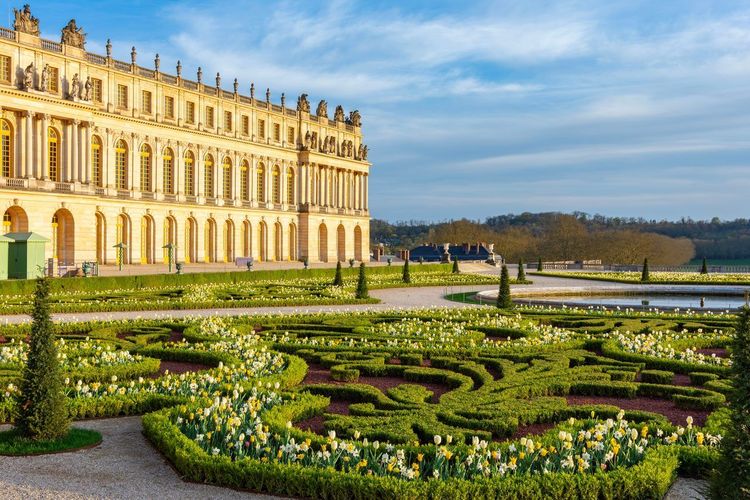
The Château de Versailles is the top day trip from Paris, just 40 minutes away by RER C (Versailles Château Rive Gauche station). The park and its French-style gardens designed by Le Nôtre cover nearly 800 hectares; the Grandes Eaux Musicales animate the park on summer weekends and certain weekdays. The interior of the château — Hall of Mirrors, royal apartments, royal chapel — requires at least half a day. Online booking is strongly recommended, especially in July and August.
To go further, the Ryo road trip of the Châteaux of the Loire offers an audio-guided itinerary through the most beautiful châteaux of the Loire Valley, a UNESCO World Heritage Site since 2000. From Paris, Tours station is 1h10 by TGV, and Blois is 1h20.
The Château de Chambord is the largest and most spectacular: 440 rooms, a rooftop terrace unique in Europe, and the famous double-helix staircase attributed to Leonardo da Vinci. The 5,440-hectare wildlife estate surrounding it is the largest enclosed park in Europe.
The Château de Chenonceau (37150 Chenonceau, rated 4.7/5 on Google from 49,922 reviews) spans the Cher on five arches — a site shaped more by women than by men: Katherine Briçonnet, Diane de Poitiers, Catherine de Médicis, and Louise de Lorraine each left their mark. The formal gardens, designed by Diane de Poitiers on one side and Catherine de Médicis on the other, reflect two visions of power and space.
Amboise, Blois, Azay-le-Rideau, Villandry — each Loire château has its own personality. A weekend in the region (departing Friday evening from Paris, returning Sunday) allows you to visit three or four, combining cycling along the Loire à Vélo (900 km of paths running alongside the river) with the local gastronomy: Sancerre and Vouvray wines, goat's cheese, and rillettes de Tours.
Practical Information, Transport, and Budget
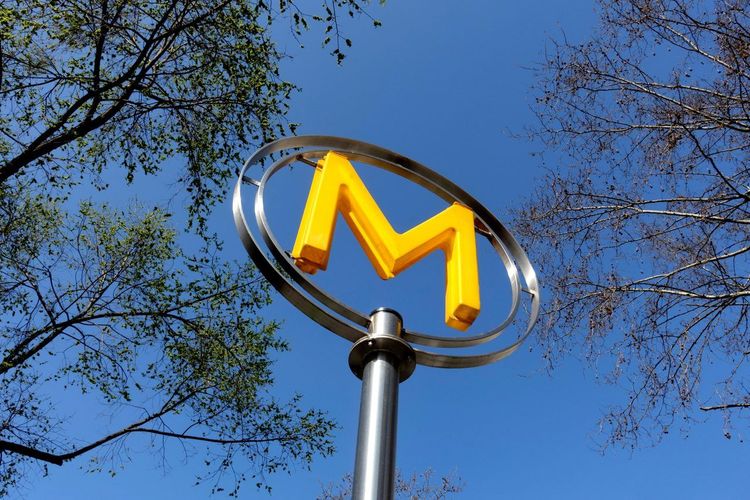
Getting around Paris: the RATP network covers the entire city with the metro (16 lines), RER, buses, and trams. A book of 10 tickets (Navigo 10 journeys: €17.50) is the economical option for a short stay. The weekly Navigo pass (€30) covers all zones 1–5 from Monday to Sunday. Vélib' (self-service bike rental) is available throughout the city.
Estimated budget: allow €80–120 per person per day for a comfortable stay in Paris, including accommodation in a 3-star hotel (€100–180/night for a double room), two restaurant meals (€30–50 for two at a bistro), public transport, and one museum admission. The Paris Museum Pass pays for itself from three or four sites visited.
Accommodation: the best-located arrondissements for tourism are the 4th (Marais, between the Louvre and the Bastille), the 5th and 6th (Quartier Latin, Saint-Germain), the 7th (Eiffel Tower, museums), and the 9th and 10th (Canal Saint-Martin, lively neighborhood life). Book two to three months in advance in summer.
Accessibility: the Paris metro is poorly accessible for people with reduced mobility (stairs, rare elevators). Opt for numbered bus lines (all routes are accessible) or the RER A and B at major stations. The RATP app shows in real time which stations are equipped with elevators.
FAQ
What is the best time to visit Paris?
Paris can be visited year-round, but spring (April–June) and autumn (September–November) offer the best balance: pleasant temperatures (15–22°C), exceptional photographic light, and smaller crowds than in July–August. Summer is peak tourist season, with queues that can exceed two hours at major museums. December, finally, charms visitors with its illuminations, Christmas markets, and magical atmosphere despite the cold.
What can you do in Paris for free?
Many sites are accessible at no cost. The permanent collections of the city's municipal museums — Musée Carnavalet, Petit Palais, Musée d'Art Moderne de Paris — are always free. On the first Sunday of the month, the Louvre, Orsay, Versailles, and Pompidou open their doors without charge. Public gardens, Notre-Dame, most historic churches, the Galeries Lafayette rooftop terrace, the banks of the Seine, and outdoor markets are also free. You can easily fill five to six days of activities without spending a single euro on admission.
What day trips can you take from Paris?
The most popular day trips from Paris are Versailles (40 min, RER C), Fontainebleau (40 min, RER D), Chantilly (45 min, Transilien H), Auvers-sur-Oise (50 min via Saint-Ouen-l'Aumône), Épernay in Champagne (1h20, TER from Gare de l'Est), and Giverny with Monet's gardens (1h30 by car or seasonal shuttle). For a long weekend, the Loire Valley is reachable in 1h10–1h30 by TGV from Paris Montparnasse.
How do you get around Paris easily?
The metro is the fastest way to cross the city: 16 lines, with a frequency of 2 to 5 minutes during peak hours. For trips around Île-de-France (Versailles, Fontainebleau, Chantilly), the RER is essential. Within the city, Vélib' covers all of Paris and neighboring municipalities for €5 per day. Taxis and ride-hailing services (Uber, Bolt) are plentiful but can be slowed by traffic. On foot, the historic center from the Louvre to the Bastille is easily walkable without public transport.
What can you do in Paris with children?
Paris is a resolutely family-friendly city with options for all ages. The Cité des Sciences et de l'Industrie at La Villette (géode, planetarium, interactive exhibitions) is a must for science-curious children. The Jardin d'Acclimatation in the Bois de Boulogne features rides, mini-golf, and outdoor activities. The Musée des Arts et Métiers captivates children curious about mechanics and inventions. Outside Paris, Parc Astérix and Disneyland Paris can easily fill a full day. River cruises on the bateaux-mouches are consistently a hit with younger visitors.
How many days do you need to visit Paris and its surroundings?
For Paris alone in a 'must-sees' version, allow 4 to 5 full days — enough to cover the major monuments, two or three museums, Montmartre, the Marais, and the banks of the Seine without rushing. To include day trips to the surrounding area (Versailles, Fontainebleau, Chantilly), plan for a full week. A 10-day stay allows you to add the Loire Valley from Paris. Our guide to visiting Paris in 3 days offers an optimized itinerary for a long weekend, with key trade-offs depending on your priorities.
Conclusion
Paris and its surroundings form a cultural and natural territory that cannot be reduced to any list. The city constantly reinvents itself — a new museum here, a repurposed cultural venue there, an ephemeral market for the summer — and every stay reveals a different layer. Whether you come for the monuments, the museums, the gastronomy, or forest escapes, there will always be more to do than time allows.
To explore Paris at your own pace, with the historical anecdotes and audio commentary that bring façades to life, the Ryo audio-guided tour of Paris covers 8.9 km and 18 audio stops, available without booking and without a human guide. The best way to fall in love with the city at your own tempo.
À lire également