
Créé par Emilie, le 4 oct. 2026
Votre guide Ryo
Biarritz, France
The queen of beaches and the beach of kings
Parcours audioguidé pour visiter Biarritz en 1 jour
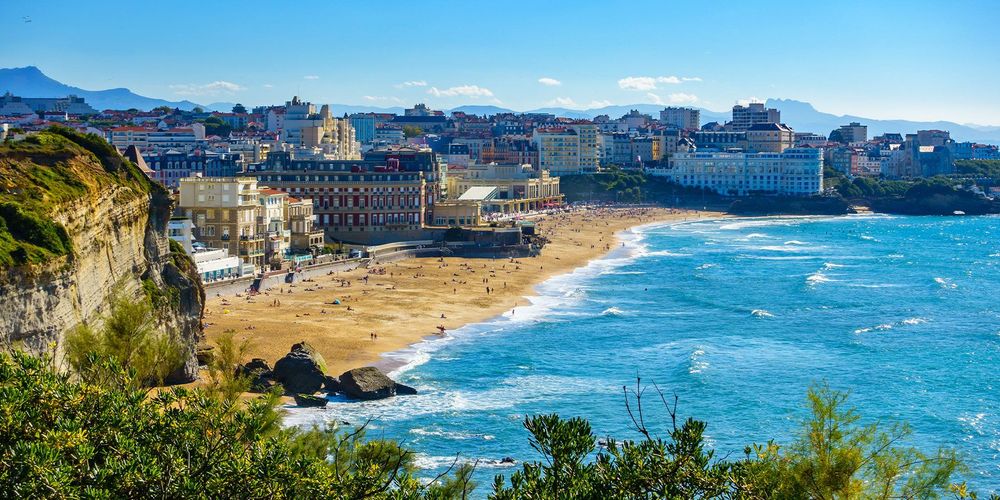
Open to the Atlantic Ocean, Biarritz has evolved from a fishing village into a renowned seaside resort, driven by the momentum given by Empress Eugénie. Its imperial past can still be seen in its palaces and villas, while the ocean continues to shape its identity. Today, the city blends elegance, history, and surf culture in an atmosphere firmly oriented toward the open sea.
Quand partir à Biarritz ?
Jan.
10°
13
Feb.
10°
12
March
12°
13
April
13°
14
May
16°
13
June
20°
10
July
23°
9
Aug.
24°
10
Sept.
22°
10
Oct.
18°
12
Nov.
14°
13
Dec.
11°
13
The climate in Biarritz is oceanic with a Basque influence, featuring mild winters, generally between 6 and 13°C, and pleasant summers, most often ranging from 22 to 27°C, with a few possible hotter spells; the best times to visit are typically from April to June and then from September to October, when temperatures are very pleasant, the light is often beautiful along the coast, and visitor numbers are lower, offering ideal conditions to enjoy the beaches, the town center, and the atmosphere of the Basque coast without the crowds of peak summer season.
Départ conseillé
No need to worry about where to begin! Our tours are designed as a loop, so you can jump in wherever you are. The navigation system and audio-guide will automatically adjust to your location. However, if you happen to be nearby, we do have a preferred starting point: Georges Clémenceau Square
Parking à proximité
Bellevue car park, 15 Pl. Georges Clemenceau
If you choose to park in the street, you should be aware that the city is divided into several zones with different rates and parking times. The red zone in the city centre is the most expensive, the purple zone on the outskirts of the city is more accessible, the green zone is open to season ticket holders, the blue zone is free but limited (remember your parking disc!) and the white zone offers free unlimited parking.
In July and August, the town offers a more affordable solution, so you don't have to go round the town centre: park for free at the Iraty park-and-ride site and take the 7 express line, which runs non-stop to the city centre (avenue Foch) in 10 minutes. The shuttle runs every 15 minutes from 8.45am to 9pm, then every 30 minutes until midnight.
Découvrez 17 lieux d'intérêt pour visiter Biarritz

Le plein d'inspirations
Explorez le monde en totale liberté, à pied au cœur des villes ou au fil des routes. Nos guides audios transforment chaque destination en une découverte culturelle immersive et unique.
FAQ for visiting Biarritz
When is the best time to visit Biarritz?
The ideal times to discover Biarritz run from April to June and from September to October. During these months, you'll enjoy very pleasant temperatures, beautiful light along the Atlantic coast and a more moderate crowd than at the height of summer. The oceanic climate with its Basque influence brings mild winters, generally between 6 and 13°C, and enjoyable summers often ranging from 22 to 27°C. If you're after the summer buzz and swimming, July and August remain appealing despite the crowds. For surf lovers, autumn and winter bring the best waves, while spring charms with its blooms and the reawakening of Basque nature.
How many days do you need to visit Biarritz?
A stay of two to three days lets you discover the essentials of Biarritz at a pleasant pace. In two days, you can explore the historic centre, stroll along the main beaches, visit the Rocher de la Vierge and soak up the unique atmosphere of this former imperial resort. With three days or more, you'll have time to go deeper: a surf lesson, museum visits, exploring the less touristy neighbourhoods and perhaps a getaway to the surrounding Basque villages. A long weekend is often the ideal length to fully appreciate the town's charm, between the ocean and Basque culture.
How do you get around Biarritz?
Biarritz is easy to explore on foot, especially the town centre and the seafront where most of the attractions are concentrated. The town also has an efficient bus network serving the various neighbourhoods and the more distant beaches. For more freedom, you can rent a bike, ideal for riding along the coast and enjoying the dedicated cycle paths. Free shuttles usually run in summer between the main points of interest. If you'd like to explore the surroundings such as Bayonne or the villages of the Basque hinterland, a car remains handy, although parking can be tricky in the town centre during high season.
What are the main beaches in Biarritz?
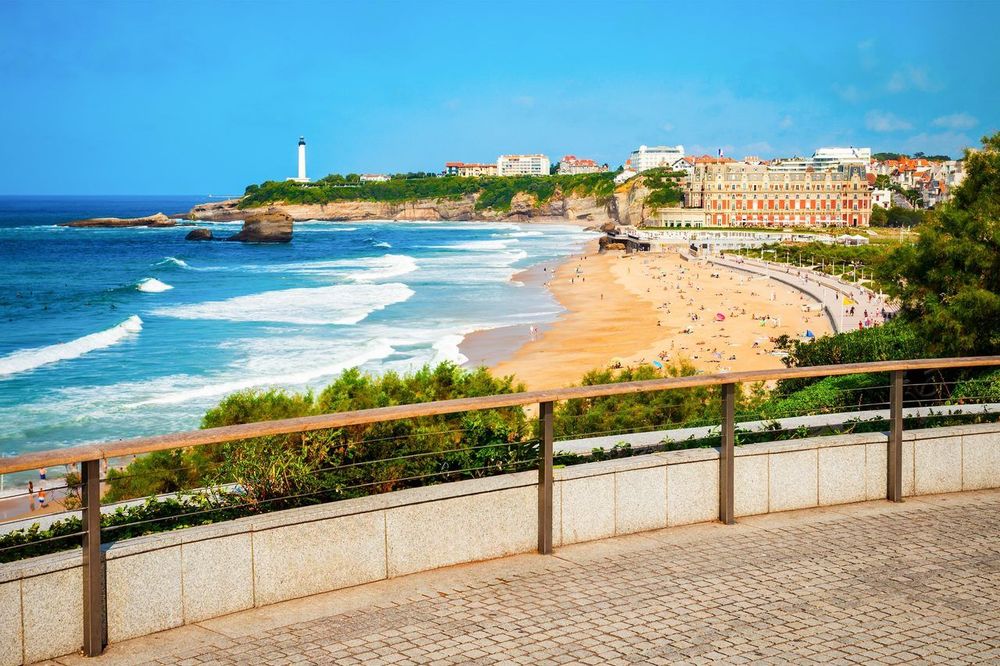
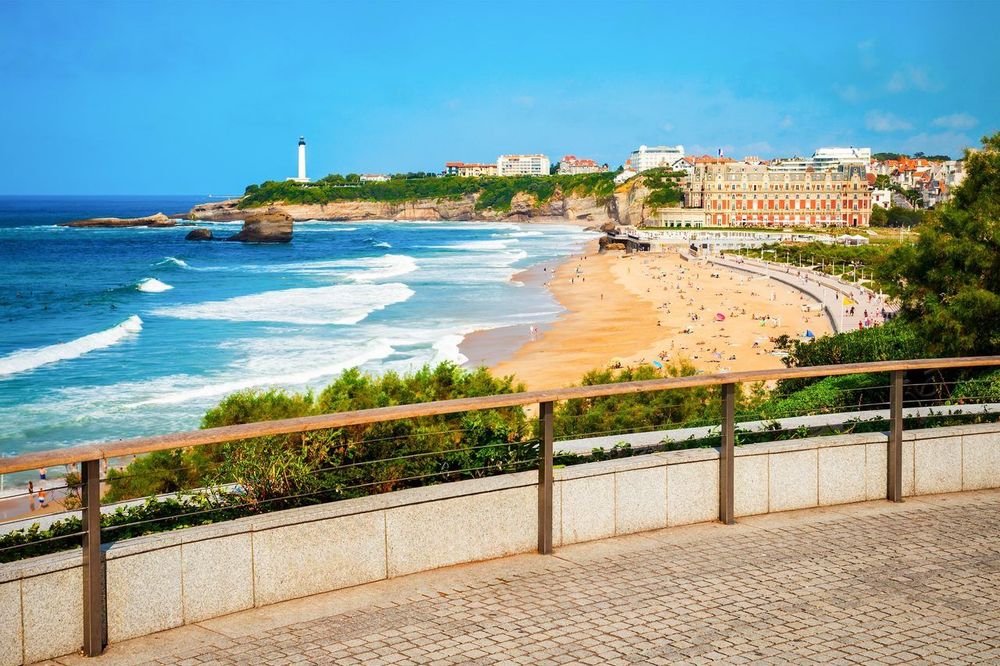
Biarritz has several iconic beaches, each with its own character. The Grande Plage, in the heart of town, offers a majestic setting facing the Casino and attracts families and strollers alike. The Côte des Basques beach, wilder and popular with surfers, reveals a spectacular panorama over the Basque mountains. The Port-Vieux, a small cove sheltered among the rocks, is an ideal haven of peace for family bathing. Miramar beach extends the Grande Plage to the north, while the Milady, further south, charms with its more local, authentic feel. Each beach has its own appeal depending on your mood of the moment.
Where can you learn to surf in Biarritz?
Biarritz, the birthplace of surfing in Europe, is full of surf schools for all levels. The Côte des Basques beach remains the favourite spot for learning, with its regular waves that are accessible to beginners. Many schools certified by the French Surfing Federation offer individual or group lessons there, generally from April to November. The Grande Plage is also home to well-regarded schools, particularly suited to first steps on a board. The qualified instructors provide all the necessary equipment and adapt their teaching to your level and the sea conditions. Expect sessions of about an hour and a half to two hours for a complete and safe introduction.
What can you do in Biarritz when the weather is bad?
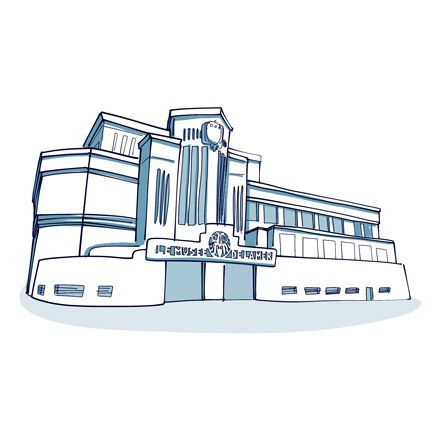
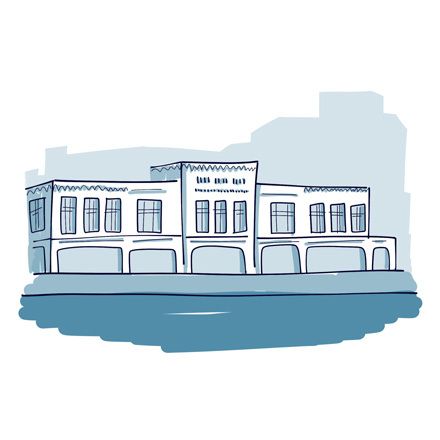
On rainy days, Biarritz offers plenty of cultural and relaxing alternatives. The Musée de la Mer, housed in an Art Deco building facing the Rocher de la Vierge, immerses you in the marine world with its aquariums and exhibitions. The Cité de l'Océan offers an interactive and playful experience about the oceans. For a moment of relaxation, the seawater spas and thermal baths welcome you for thalassotherapy treatments. The covered market, Les Halles, lets you discover local produce in a convivial atmosphere. Art galleries, the historical museum of Biarritz or a film in one of the town-centre cinemas round off a rainy day perfectly.
Where can you sample Basque cuisine in Biarritz?
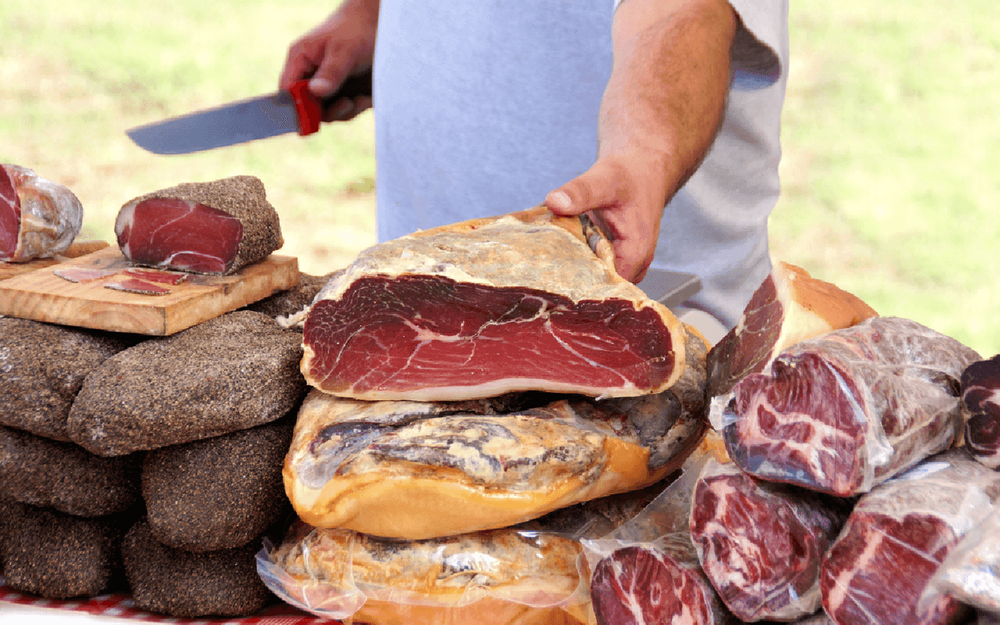
Biarritz is brimming with places to savour authentic Basque cuisine. Les Halles de Biarritz is an excellent starting point to discover local produce: sheep's cheese, Bayonne ham, Espelette peppers and Basque cake. In the Port-Vieux district, several traditional restaurants serve specialities such as axoa, ttoro or piperade in a warm atmosphere. The town-centre pintxos bars let you sample these Basque tapas with a glass of txakoli or local cider. For a more refined experience, some Michelin-starred establishments reinterpret Basque tradition with creativity, while the neighbourhood bistros keep generous family cooking alive.
What are the must-see places in Biarritz?
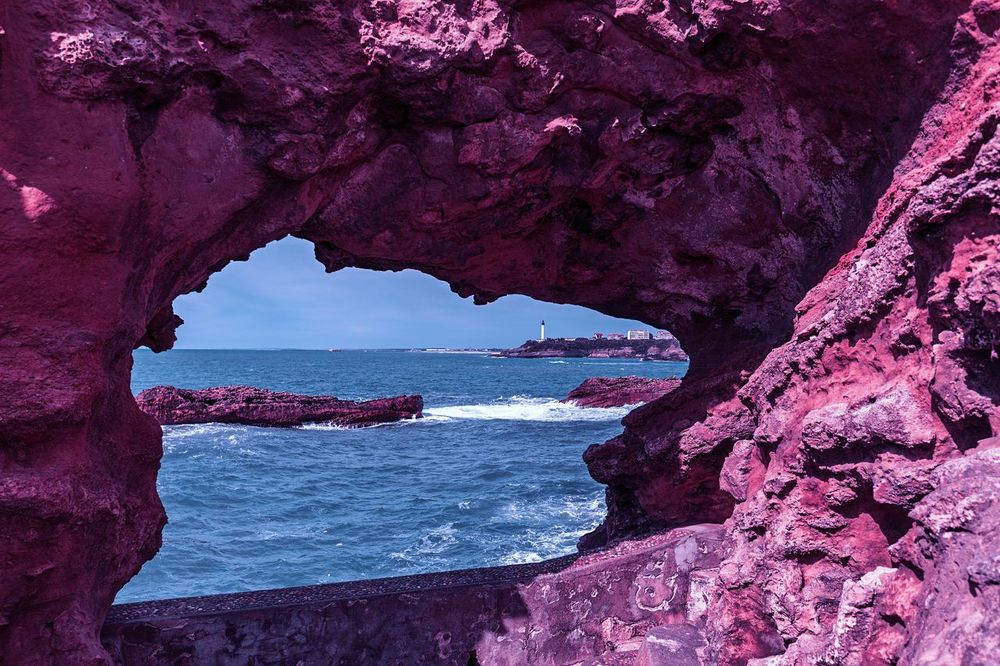
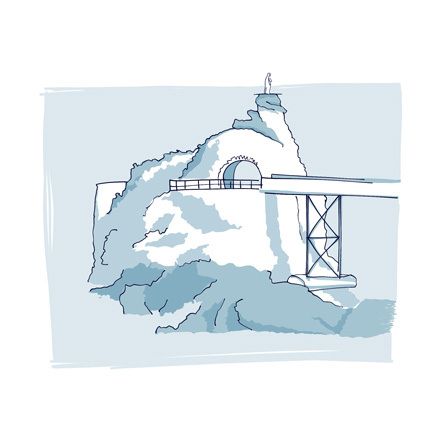
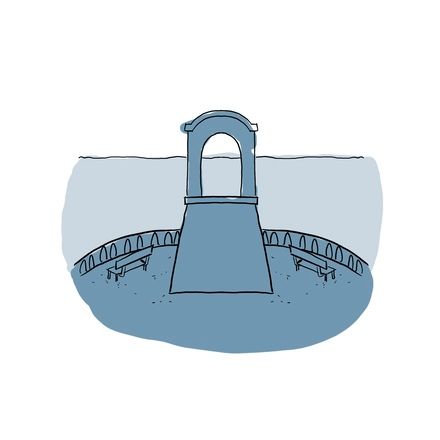
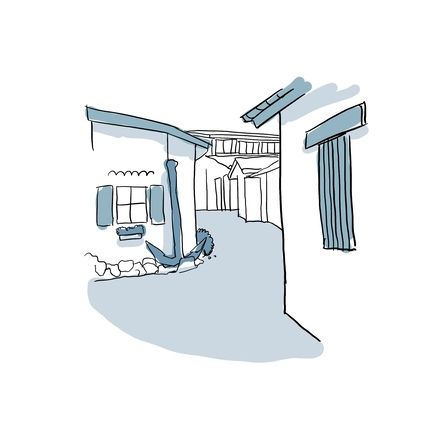
The Rocher de la Vierge, linked to the shore by a metal footbridge, remains the town's most famous image and opens onto a wide ocean panorama. Around it, the Atalaye plateau, the Port des Pêcheurs with its little coloured houses, then the Grande Plage and its Art Deco casino make up the heart of the resort.
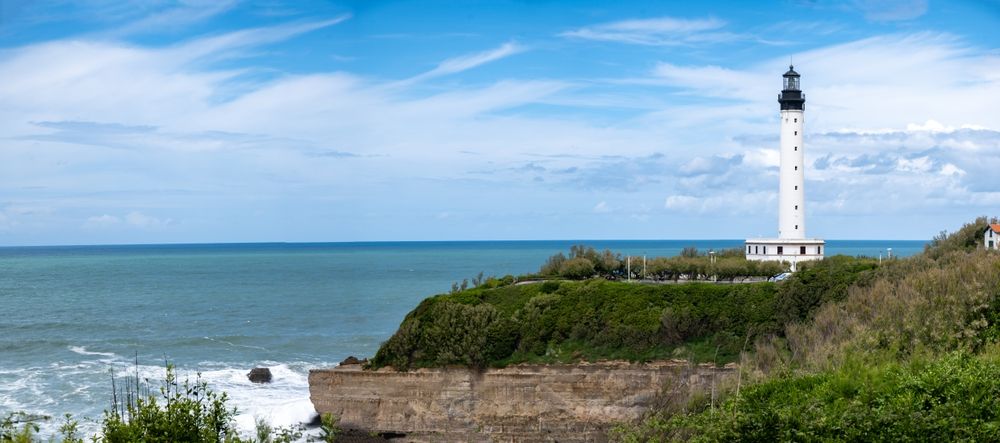
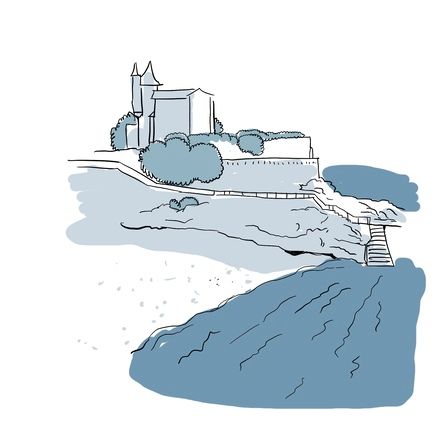
A little further out, the lighthouse on the Pointe Saint-Martin overlooks the coast, while the covered market gathers local life in the morning. The aquarium and the Cité de l'Océan round off the visit on the marine side. All of it links up on foot along the seafront; the Ryo audio guide offers a dedicated Biarritz route that connects these stops and tells their story.
How do you get to Biarritz?
Biarritz is served by an airport a few kilometres from the centre, shared with Bayonne and Anglet, handling domestic and European flights. The train is the other practical way in: Biarritz station, slightly out of the centre, is linked to it by city buses, and Bayonne station, very close by, offers more connections.
By car, the motorway running along the Basque coast puts the town within easy reach of Bordeaux and of the Spanish border. Parking becomes very difficult in season: favour the car parks on the outskirts and the shuttles rather than hunting for a space near the beaches. Bayonne, Anglet and Biarritz form one continuous urban area, easy to cross by public transport.
What remains of Biarritz's imperial past?
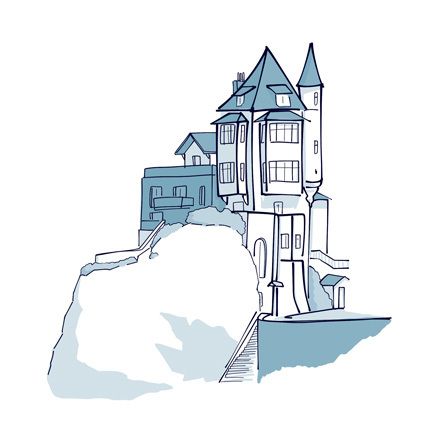
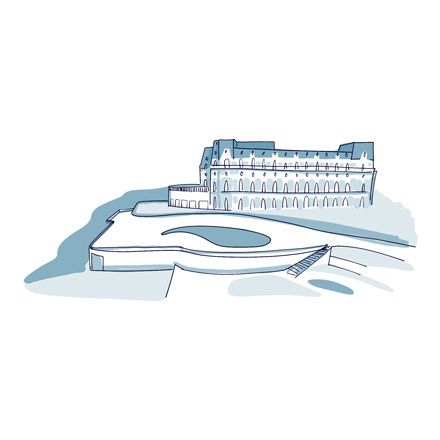
Biarritz owes its rise as a resort to Napoleon III and Empress Eugénie, who had a summer residence built beside the Grande Plage, the Villa Eugénie, later turned into the palace hotel that still overlooks the bay. The court and Europe's crowned heads followed, turning a village of fishermen and whalers into a fashionable resort.
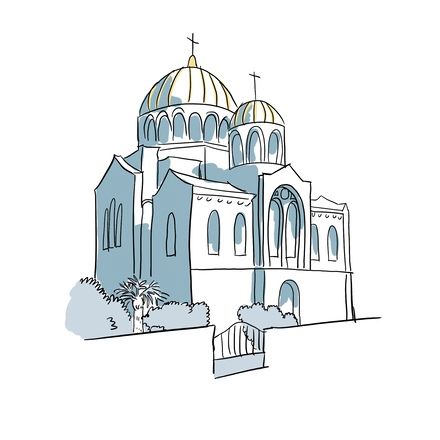
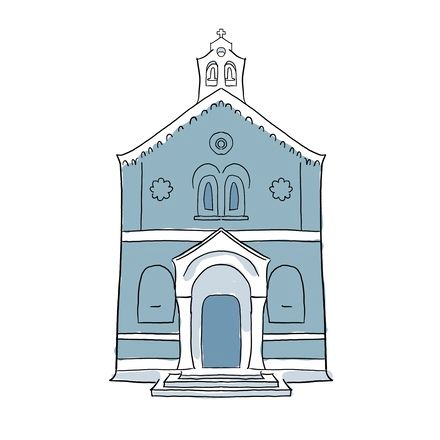
That legacy can still be read across the town: the imperial chapel in Hispano-Moorish style, the Russian Orthodox church with its blue dome, the large villas scattered over the heights and the Belle Époque façades of the seafront. Walking from the lighthouse to the Rocher de la Vierge, you cross this Second Empire setting without even trying.
Vos commentaires, idées et suggestions
Aucun avis pour le moment