
Créé par Romane, le 4 oct. 2026
Votre guide Ryo
Bayonne, France
Off to explore the Basque Country
Parcours audioguidé pour visiter Bayonne en 1 jour
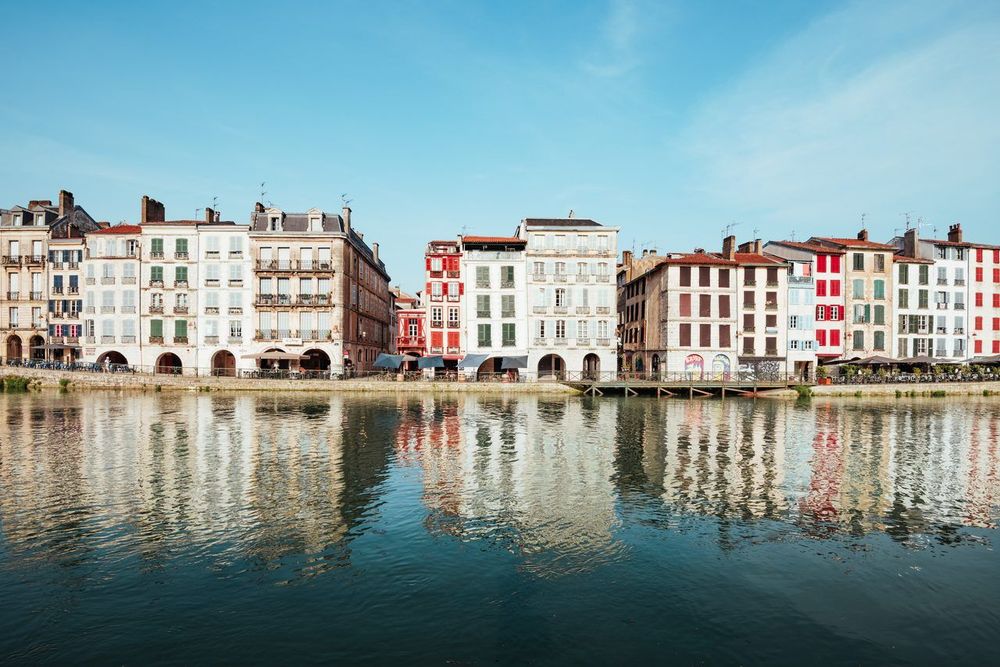
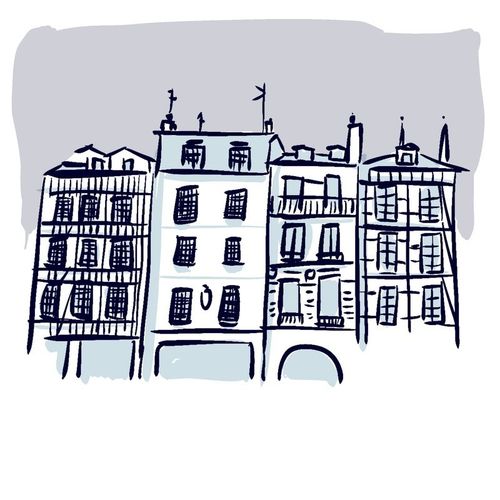
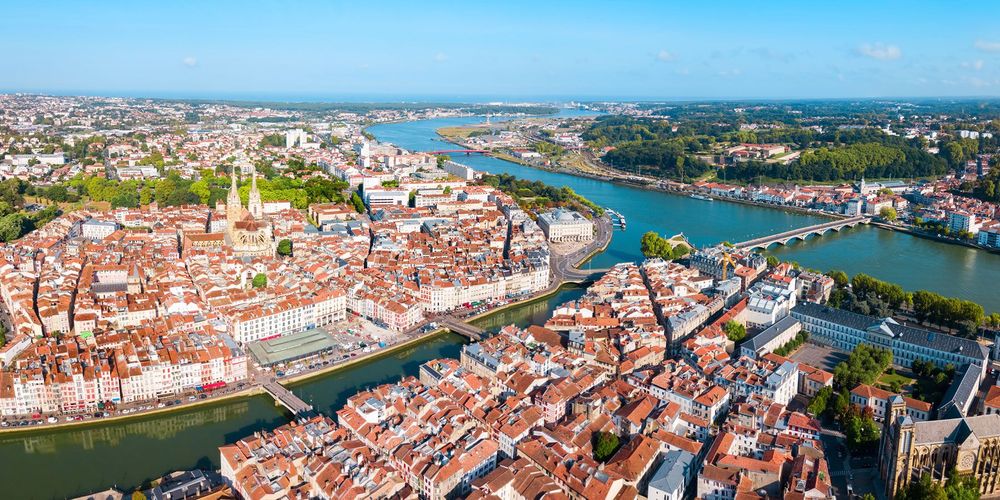
This stroll through the heart of Bayonne plunges you into the vibrant atmosphere of a city full of character, where the Adour and Nive rivers meet. Let yourself be charmed by the rows of tall, colorful half-timbered houses reflecting in the water, and lose yourself in the delightful medieval streets protected by Vauban’s ramparts. Between the slender spire of its cathedral and the chocolate aromas wafting from its historic workshops, the capital of the French Basque Country cultivates a passionate way of life. A sensory and authentic exploration, paced by the festive spirit and the richness of local traditions.
Quand partir à Bayonne ?
Jan.
9°
13
Feb.
9°
12
March
11°
12
April
13°
13
May
16°
12
June
19°
10
July
21°
9
Aug.
21°
9
Sept.
19°
9
Oct.
16°
11
Nov.
12°
13
Dec.
10°
12
Bayonne enjoys a particularly mild and humid oceanic climate, with pleasant summers where average temperatures hover around 25°C and temperate winters that rarely drop below 5°C. The best times to discover this gem of the Basque Country are from June to September, offering ideal sunshine to enjoy the banks of the Nive and the local culture. Not to be missed is the end of July for those wishing to dive into the unique excitement of its famous festivals (Fêtes de Bayonne), while spring remains a charming option for admiring the surrounding lush greenery in moderate warmth.
Départ conseillé
No need to worry about where to begin! Our tours are designed as a loop, so you can jump in wherever you are. The navigation system and audio-guide will automatically adjust to your location. However, if you happen to be nearby, we do have a preferred starting point: On the Roland Barthes esplanade, just off Pelletier street
Parking à proximité
Sainte-Claire Parking: 1 Bastion Royal Street
Just a heads up: Parking in Bayonne is a real challenge during its festival. The city center is off-limits to cars between 11 PM and 7 AM. It's best to park outside the city or find an underground parking that's only accessible during these hours. Be sure to check availability and prices beforehand.
À savoir
During this tour, we'll be passing through the Léon Bonnat garden; access is free, but be sure to check the opening hours beforehand. If the park is closed when you get there, you can return to Léon Bonnat Avenue and continue toward our next point of interest.
Découvrez 23 lieux d'intérêt pour visiter Bayonne

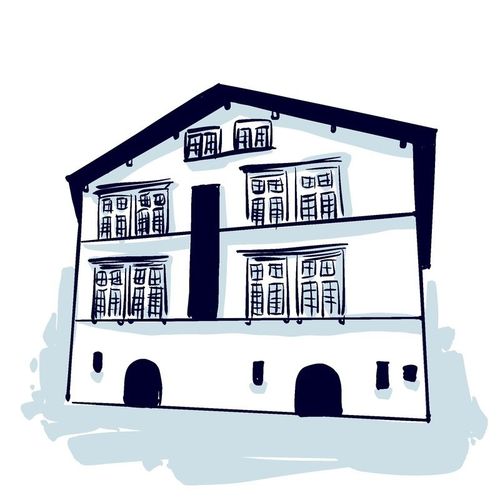
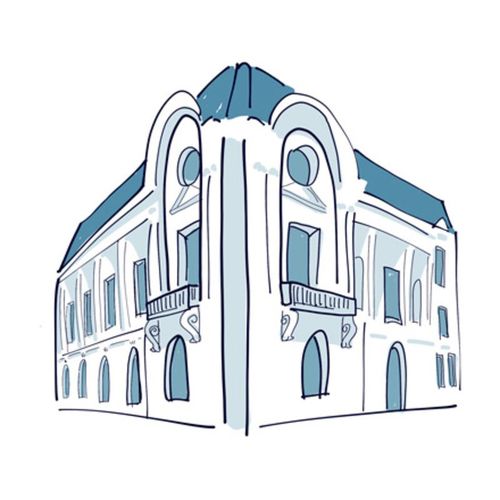

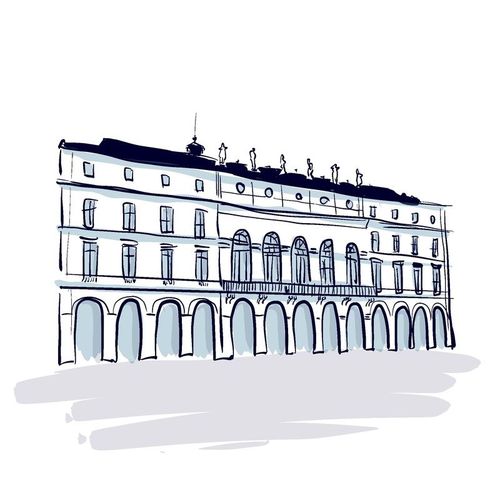
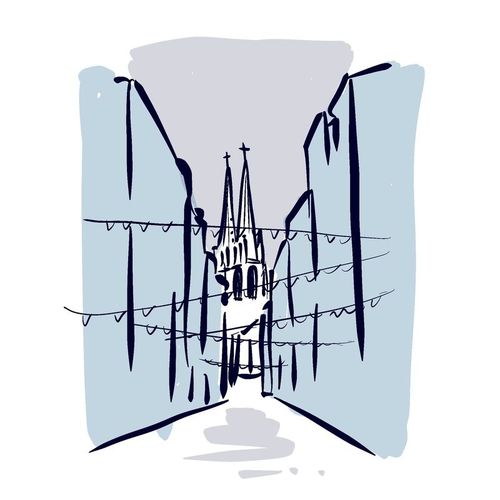


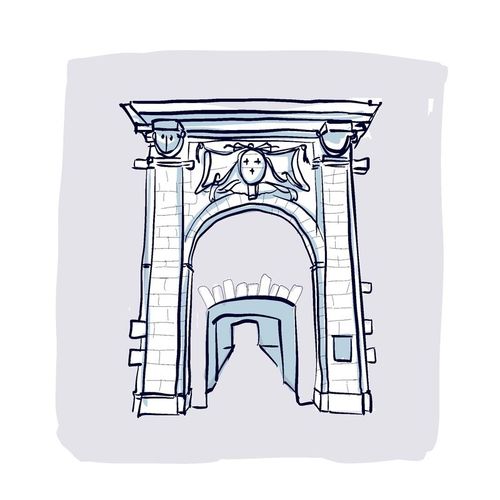
15. Botanical Gardens



Le plein d'inspirations
Explorez le monde en totale liberté, à pied au cœur des villes ou au fil des routes. Nos guides audios transforment chaque destination en une découverte culturelle immersive et unique.



FAQ for visiting Bayonne
When is the best time to visit Bayonne?
The ideal time to discover Bayonne runs from June to September, when the oceanic climate offers mild temperatures of around 25°C and generous sunshine. These summer months will let you make the most of the terraces along the Nive and the city's lively atmosphere. If you're looking for cultural excitement, opt for late July to experience the famous Fêtes de Bayonne. Spring is also a lovely alternative, with lush greenery and more moderate temperatures. Winters stay mild, rarely below 5°C, but the oceanic humidity can make some days less pleasant for exploring on foot.
How many days do you need to visit Bayonne?
A stay of two to three days will let you comfortably explore the treasures of Bayonne. In one full day, you can wander through the historic centre, admire the colourful half-timbered houses along the Nive, visit the Gothic cathedral and stroll through the medieval lanes. A second day will give you time to discover the Vauban ramparts, the local museums and to soak up the atmosphere of the markets. With three days, you can deepen your immersion in Basque culture, explore the less touristy neighbourhoods and even consider a getaway to neighbouring towns such as Biarritz or Saint-Jean-de-Luz.
How do you get around Bayonne and its surroundings?
The historic centre of Bayonne is ideally explored on foot, its modest size and pedestrian streets inviting you to stroll. For the more outlying neighbourhoods, the Txik Txak bus network efficiently serves the whole conurbation. Bike-sharing is an excellent option for cycling along the banks of the Adour and the Nive. To explore the surroundings, notably the beaches of the Basque coast, the car remains practical, although the railway network easily connects Bayonne to Biarritz, Saint-Jean-de-Luz and Hendaye. Regular shuttles also serve the Biarritz-Pays Basque airport located a few kilometres away.
Where can you park easily in Bayonne?
Several public car parks make parking easier in Bayonne, notably the Allées Paulmy car park, ideally located near the historic centre. The Sainte-Claire car park, near the station, generally offers good availability and lets you reach the heart of the city in a few minutes on foot. For a more economical option, the park-and-ride car parks on the outskirts often offer attractive rates with a bus connection to the centre. On-street parking remains limited and regulated in the very centre, with blue zones requiring a parking disc. On market days, particularly on Saturdays, plan to arrive early or favour the underground car parks to avoid difficulties.
What can you visit in the Grand Bayonne district?
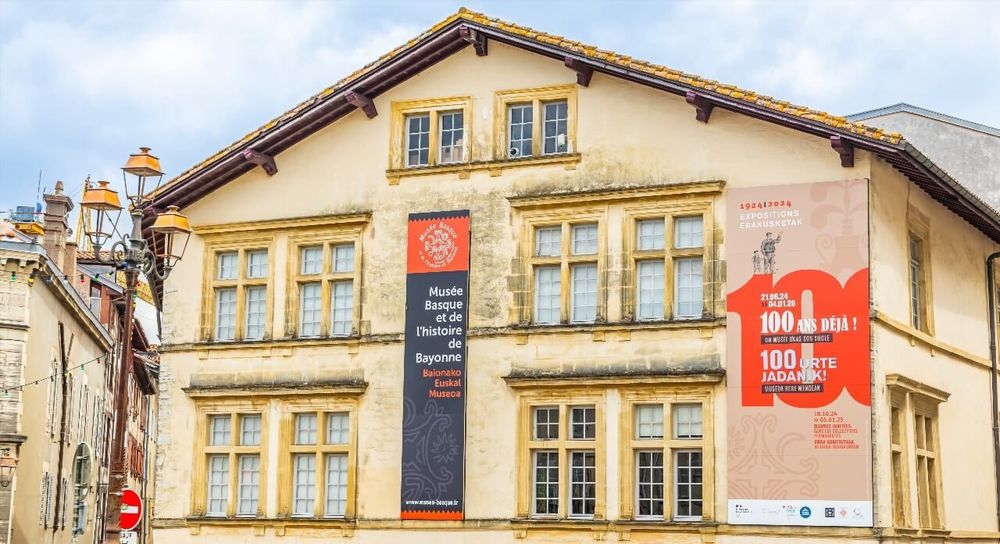
Grand Bayonne, the historic heart of the city, concentrates the must-see architectural and cultural gems. The majestic Sainte-Marie cathedral, listed as a UNESCO World Heritage site, impresses with its Gothic vaults and its peaceful cloister. The medieval lanes will lead you to the Château-Vieux, former fortress of the viscounts of Labourd, then to the Vauban ramparts offering fine views over the city. The Basque Museum, set in a 16th-century residence, retraces the history and traditions of the region. The Ryo audioguide accompanies you through this emblematic district, revealing the hidden anecdotes behind every half-timbered façade and every cobbled square.
What can you do in Bayonne when it rains?
Rainy days, frequent in this city with an oceanic climate, offer the chance to discover the sheltered treasures of Bayonne. The Basque Museum is a fascinating immersion in the local culture, while the Bonnat-Helleu museum will delight art lovers with its collections of paintings. The covered market halls will let you sample local specialities while staying dry. The many chocolate workshops offer tours and tastings, perfect for understanding this age-old tradition. The typical cafés of the town centre, with their warm atmospheres, invite you to extend a gourmet break while watching the bustle of the streets from behind their steamed-up windows.
Where can you taste the famous Bayonne chocolate?
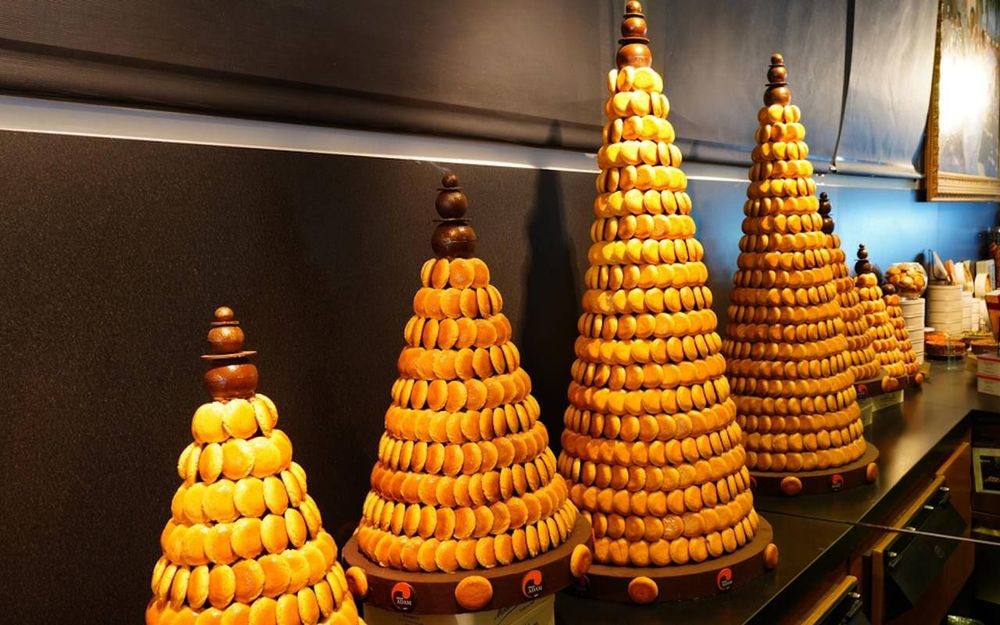
Bayonne cultivates a chocolate-making tradition several centuries old, and several addresses keep this ancestral know-how alive. The historic workshops of the town centre, notably around the rue Port-Neuf, offer tastings where you'll discover authentic dark chocolate flavoured with cinnamon. Some family chocolate makers open their doors to curious visitors, sharing the manufacturing secrets passed down from generation to generation. The Bayonne market halls also house artisan chocolatiers offering original creations that blend Basque tradition and innovation. For a complete experience, several establishments offer hands-on workshops that let you make your own creations while learning the fascinating history of this Bayonne speciality.
When do the Fêtes de Bayonne take place?
The famous Fêtes de Bayonne traditionally take place over five days at the end of July, transforming the city into a whirlwind of joy and traditions. These festivities, among the biggest in France, generally begin on the Wednesday preceding the first weekend of August. During this period, Bayonne dresses in red and white, its emblematic colours, and welcomes hundreds of thousands of festayres who come to celebrate in a convivial atmosphere. The streets come alive with bandas, traditional dances, bullfights and many events. If you wish to experience this unique occasion, plan your stay well in advance, as accommodation becomes scarce and prices rise noticeably during this festive period.
What is there to discover in Petit Bayonne and the Saint-Esprit district?
Wedged between the Nive and the Adour, Petit Bayonne lines up narrow lanes and half-timbered houses painted red and green. Here you can visit the Basque Museum, set in a handsome merchant's house, which tells the story of daily life, pelota and the traditions of the region; higher up, the Château-Neuf dominates the district with its ramparts, and the trinquet courts are a reminder that pelota is played here all year round.
On the far side of the Adour, Saint-Esprit has a history of its own, shaped by the families from the Iberian peninsula who settled there and gave Bayonne its chocolate-making expertise. Its synagogue, its church and the Vauban citadel overlooking it are worth the detour. The Ryo audio guide offers a dedicated Bayonne route linking these two districts to the historic heart.
Which specialities should you taste in Bayonne besides chocolate?
Bayonne ham remains the city's signature: slowly cured then finely sliced, it is eaten on its own, on country bread or alongside a piperade. Around it revolves a whole Basque repertoire, from Espelette pepper to sheep's milk cheese, from veal axoa to ttoro, a fish soup inherited from sailors, not forgetting the gâteau basque filled with cream or black cherry.
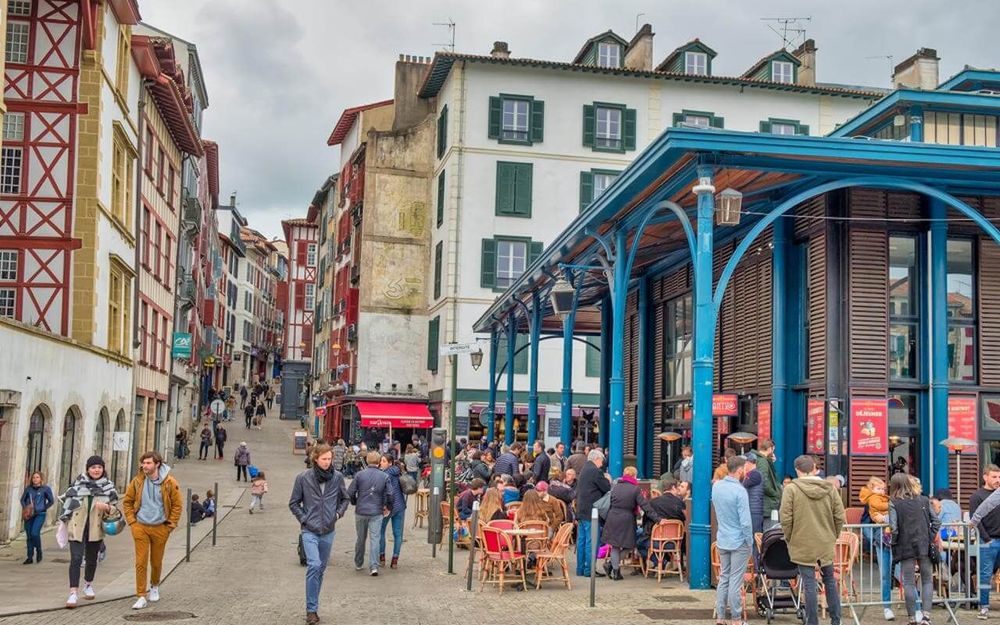
To taste it all in one place, the covered market on the bank of the Nive brings together producers, fishmongers and tasting counters, at their liveliest in the morning. The streets of the centre then offer unpretentious tables where plates are gladly shared, often with a glass of cider or of wine from the South-West.
Vos commentaires, idées et suggestions
Aucun avis pour le moment