
Créé par Romane, le 17 nov. 2026
Votre guide Ryo
San Sebastian, Spain
The Pearl of the Cantabrian Sea
Parcours audioguidé pour visiter San Sebastian en 1 jour
On the Bay of Biscay, San Sebastian blends seaside elegance, Basque culture, and renowned gastronomy. With its spectacular bay, relaxed atmosphere, and pintxos, the city embodies the lifestyle of northern Spain.
Quand partir à San Sebastian ?
Jan.
10°
12
Feb.
10°
11
March
12°
12
April
13°
13
May
16°
12
June
20°
10
July
23°
8
Aug.
24°
9
Sept.
22°
10
Oct.
18°
12
Nov.
14°
13
Dec.
11°
12
The best times to visit San Sebastian are spring, summer, and the month of September. The warmest months are July and August, with average temperatures ranging from 19 to 24°C. If you're hoping to enjoy the beach, June, July, and August are the ideal months to go. January and December are the coldest and wettest months, with temperatures ranging between 8 and 12°C.
Départ conseillé
No need to worry about where to begin! Our tours are designed as a loop, so you can jump in wherever you are. The navigation system and audioguide will automatically adjust to your location. However, if you happen to be nearby, we do have a preferred starting point: The Cathedral of the Good Shepherd
Parking à proximité
Buen Pastor Parking : San Bartolome Kalea, 1
San Sebastian may be a small city, but the large number of visitors, especially during the summer months, can make traffic and parking in the city centre quite challenging. It's strongly recommended to rely instead on public transport. The best option is to leave your car in a park-and-ride on the outskirts and take public transport into the centre. It’s free and spares you the hassle of navigating the narrow streets. If you want to get closer to the heart of the city, paid car parks are your best bet. They’re more expensive than on-street parking, but far more convenient. Street parking is limited, comes with a fee, and many spots are reserved for residents or specific vehicles. Be very careful about where you park, the rates, and time limits. Don’t forget to pay at the parking meter!
À savoir
Please note: this tour takes you to the top of Mount Urgull. The view from up there is breathtaking, but make sure to wear proper footwear — the paths are steep and set in natural terrain!
Access to Mount Urgull is free, but it’s subject to opening hours. Don’t forget to check the hours before your visit — otherwise, you might miss out on some great discoveries!
Découvrez 27 lieux d'intérêt pour visiter San Sebastian









What to see in San Sebastian on your 3h15 tour?
This 8 km loop takes about three hours and fifteen minutes and links 25 sights. Starting from the cathedral, it reaches La Concha bay, follows the port and the aquarium at the foot of Mont Urgull, climbs up to the castle that crowns it, then dives into the old town between basilica and market. It then crosses the Urumea towards the Gros district, its beaches and its Kursaal, before heading back. With the Ryo app in your ears, every square and every wave tells the soul of the Basque city.
Information checked in November 2026 and subject to change.
1 - Cathedral of the Good Shepherd
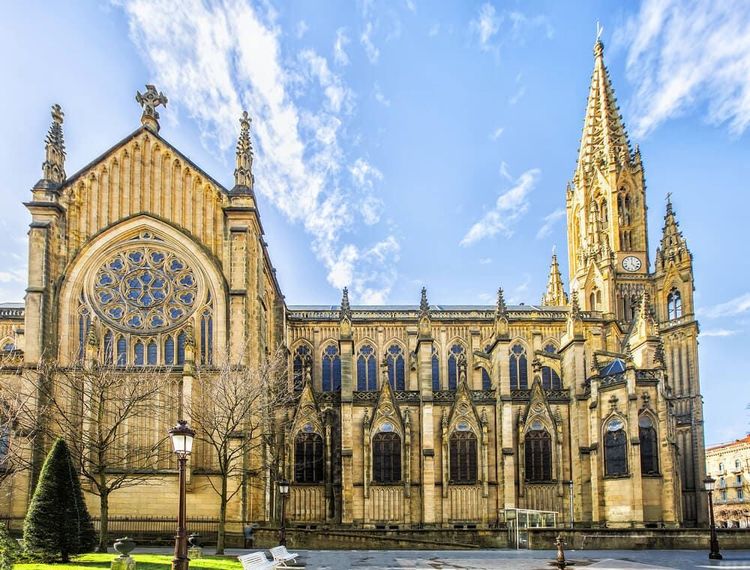
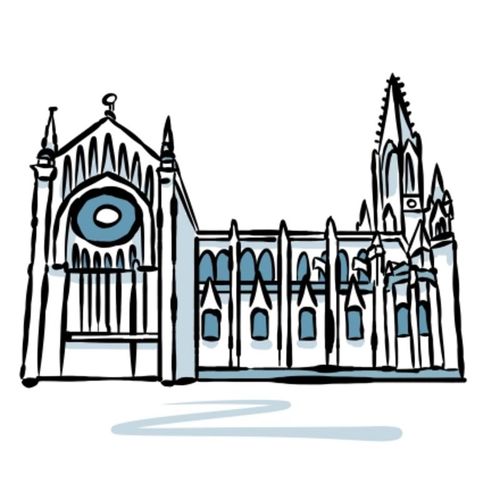
This neo-Gothic spire that overlooks the Amara district belongs to the cathedral, designed by architect Manuel de Echave and inspired by Cologne's. Modest in size, it nonetheless shelters two wooden altarpieces and one of Europe's largest organs. Built from Mount Igueldo stone, it took eight years to complete in the late 1800s, yet only earned cathedral status half a century later, in 1949.
Free entry
2 - Viewpoint from La Concha Beach
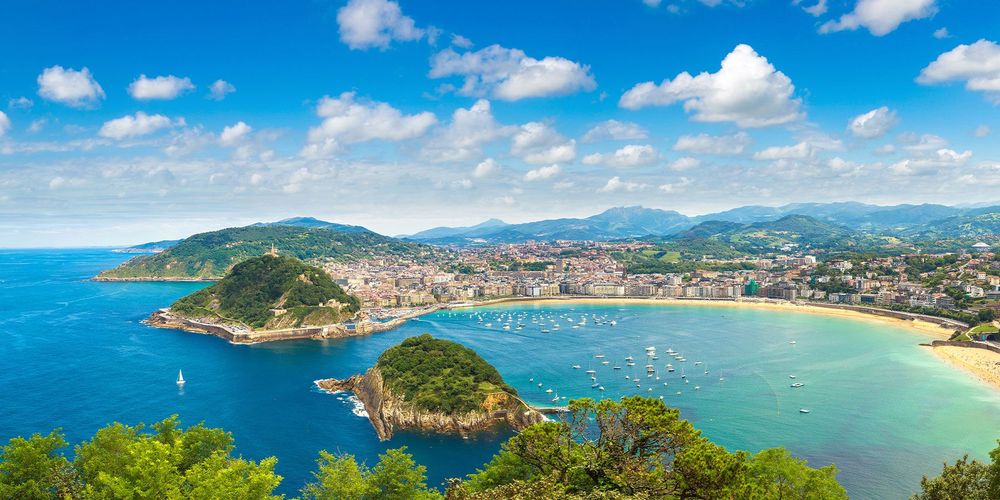
From here unfolds one of Spain's most famous panoramas: the shell-shaped bay that gives the city its beach its name. You can make out tiny Santa Clara island, the hills of Urgull and Igueldo framing it, and the city hall's silhouette standing out to the right. In front, the long stretch of sand draws huge crowds once the weather turns fine, drawn by this perfect curve tucked between two hills.
Free entry · Best in the evening
3 - San Sebastian Carousel
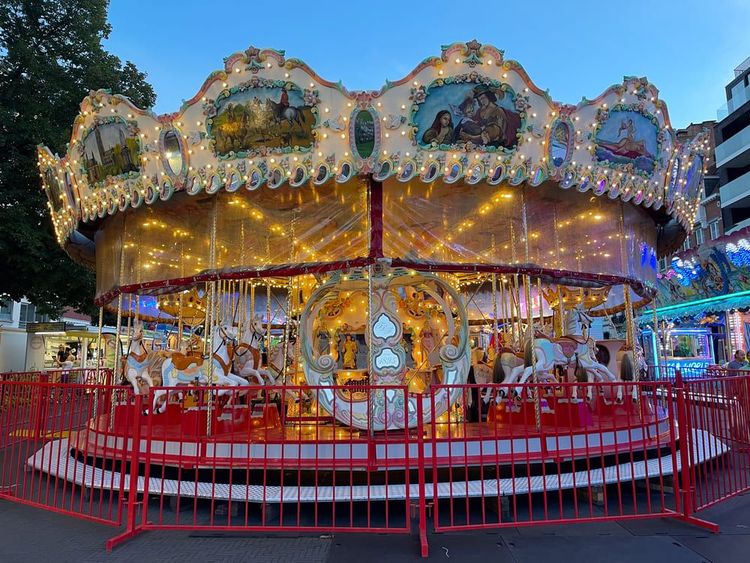
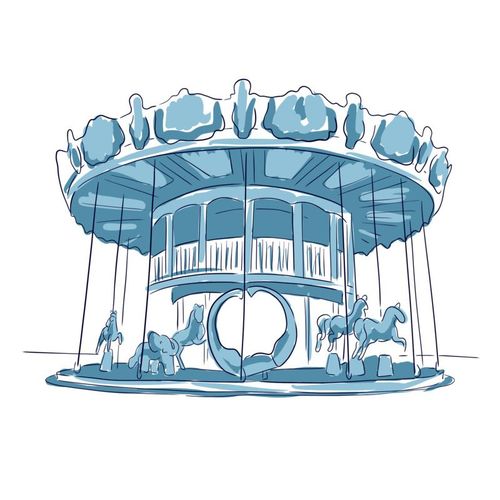
This old-fashioned ride, actually installed only in 1998, mimics Belle Époque carousels with seats shaped like horses, swans and planes and a ceiling decorated with copies of paintings by Van Gogh or Picasso. It recalls a time when the city kept adding attractions to charm every visitor, a spirit also found in the retro funfair perched on Mount Igueldo, across the bay.
Paid entry
4 - City Hall
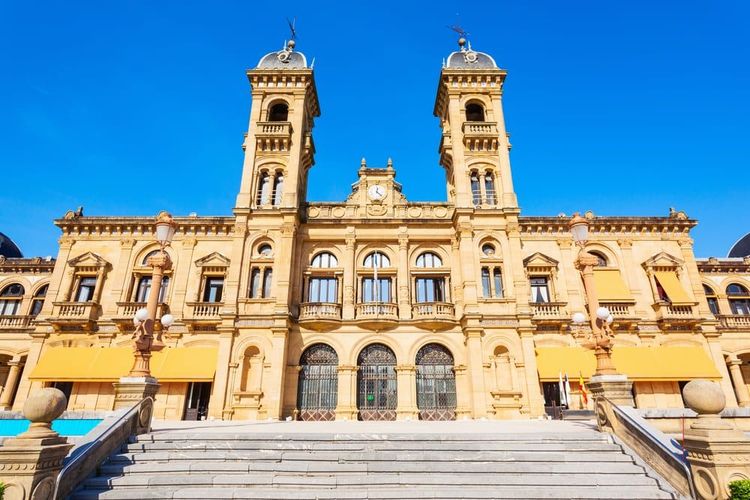
With its ochre colour, this building is hard to miss. It began life in 1887 as a casino frequented by aristocrats enjoying the seaside, before Spain's gambling ban closed it in 1923. Once restored, it became in 1947 the city hall you see today. Its lavish look, typical of an age flourishing in science and leisure alike, recalls the years when the Spanish court spent every summer here.
Free to see from outside
5 - San Sebastian Port
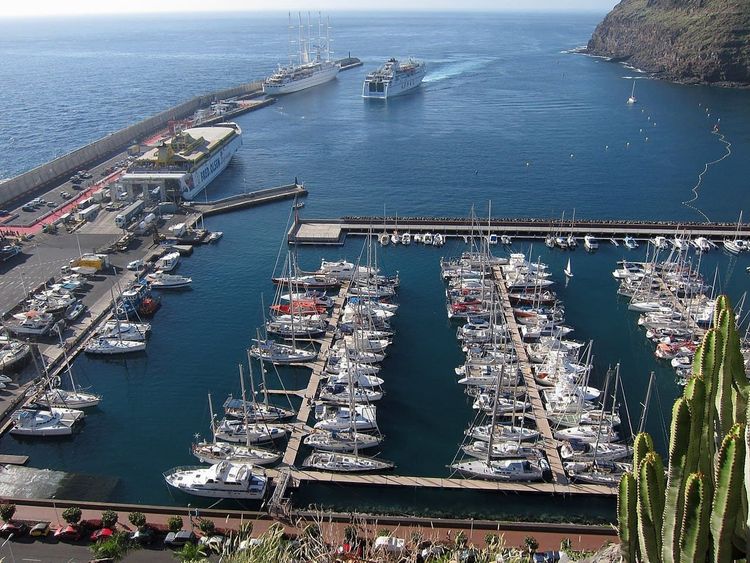
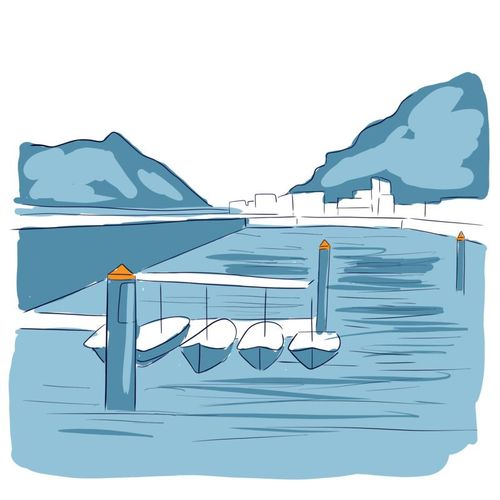
Tucked at the foot of the hill, this small port tells the whole story of the town, born here as a fishing hamlet built on the whaling trade. Fortified from the Middle Ages onward for its strategic spot, it saw the city burn and rebuild itself several times, right up to the terrible siege of 1813. It was precisely that rebuilding, followed by the regent queen's summer visits, that later turned San Sebastián into a seaside resort prized by European aristocracy.
Free entry
6 - Aquarium
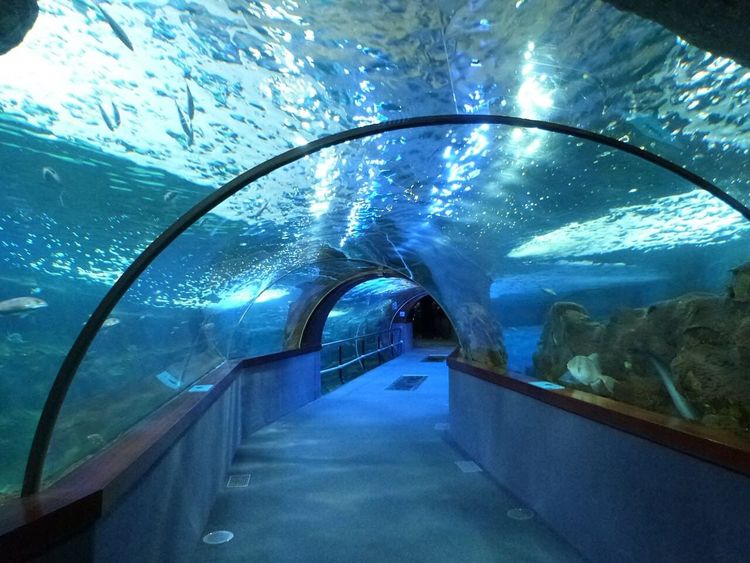
Spain's first natural science museum, this aquarium opened in 1928 after three years of work and remains one of the city's most popular attractions. More than two hundred species from the Cantabrian Sea, the waters bathing the Basque Country between Brittany and the Iberian peninsula, swim in its tanks. Its famous underwater tunnel drops visitors right into the middle of sharks and shoals of fish.
Paid entry (about €16)
7 - Paseo Nuevo
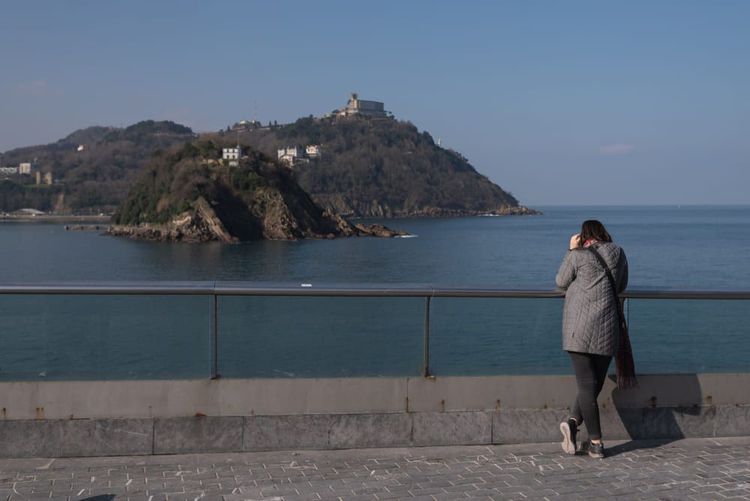
Laid out in 1916 at the foot of Mount Urgull, this path shows a very different face from the sheltered Concha promenade: here the Cantabrian Sea hits without restraint, especially in bad weather, sometimes spraying well past the walkway. Allow roughly forty minutes to walk it from end to end, between views over the bay and pockets of calm, far from the bustle of downtown.
Free entry
8 - Construcción Vacía
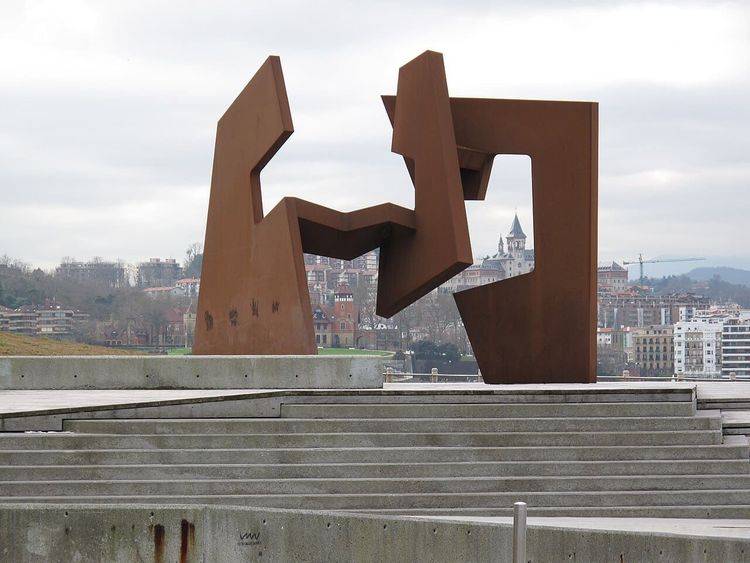
Facing the waves, this metal piece carries a name that says it all: the empty construction. It is signed by Jorge Oteiza, a leading figure of 20th-century Basque abstract sculpture, who won the São Paulo Biennial award in 1957 and Spain's gold medal for fine arts in 1985. Far from depicting anything at all, it seeks to give shape to emptiness itself and converses with the horizon and the shifting coastal sky.
Free entry
9 - Mont Urgull
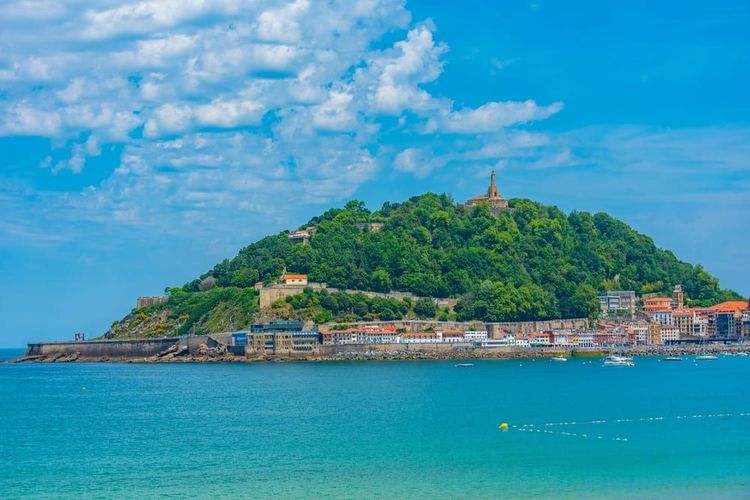
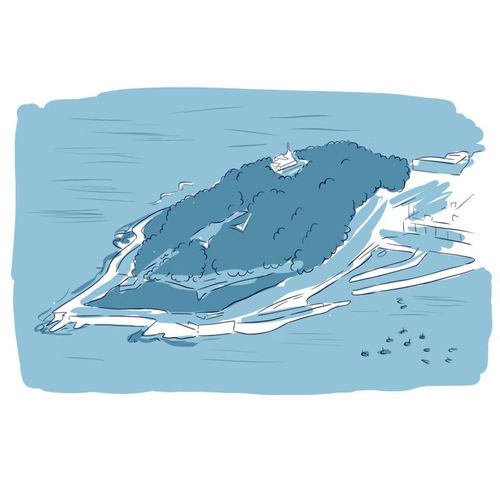
The climb is worth it: this wooded hill, turned into a stronghold as early as the 12th century to defend the port below, now offers shaded paths, with the ocean unfolding on one side and the city's rooftops on the other. The remaining ramparts and the cannons aimed out to sea recall its military past, while the great statue crowning the summit now watches over the bay.
Free entry
10 - Mota Castle
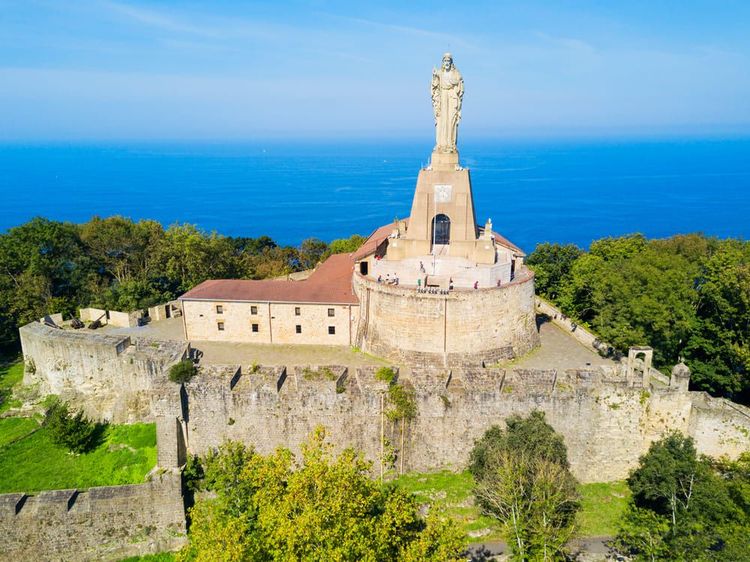
Perched on top of the hill, this fortress, commissioned by King Sancho VII of Navarre, once guarded a port coveted by France, England and Portugal. It surrendered to the French in 1719 before being retaken by the Spanish, and served as the last refuge for Napoleon's troops during the devastating 1813 siege. Listed as a historic monument in 1921, it now houses a space devoted to the city's past, beneath cannons still pointed out to sea.
11 - View of La Concha Bay
From these heights, the eye takes in the almost perfect crescent formed by the bay, squeezed between two guardian hills, Urgull and Igueldo, with tiny Santa Clara island set at its centre. The elegant façades along the promenade and beaches complete a scene often ranked among Europe's finest, especially striking as the sun sets over the water.
Free entry · Best in the evening
12 - Basilica of Saint Mary of the Chorus
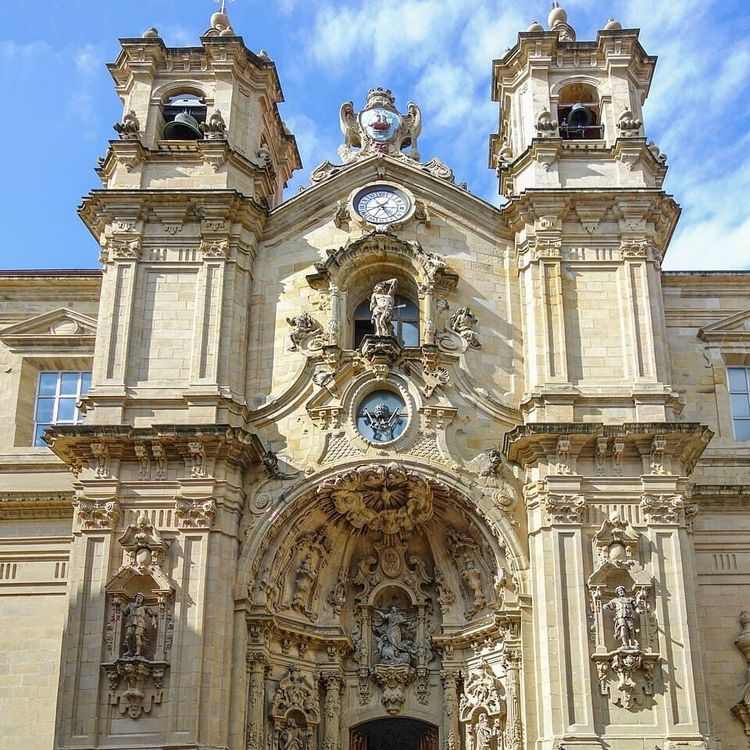
Replacing an older Romanesque church, this sanctuary took its present shape in 1750 after an explosion in the nearby castle's gunpowder stores. It is one of the very few buildings to have come through the 1813 fire unscathed, alongside the street running beside it. Its Baroque façade, framed by two towers, bears a depiction of the town's patron saint, while the interior keeps altarpieces and chapels in a hushed half-light.
Free entry
13 - Calle 31 de Agosto
Nothing in its quiet appearance betrays its history: the only street left unburned on 31 August 1813, it has carried the name of that tragic date since 1877, replacing its earlier name, Calle de la Trinidad. Each year, costumed parades and candles at nightfall commemorate the event. Today its pintxos bars make it one of the liveliest streets in the old town.
Free entry
14 - Saint Vincent Church
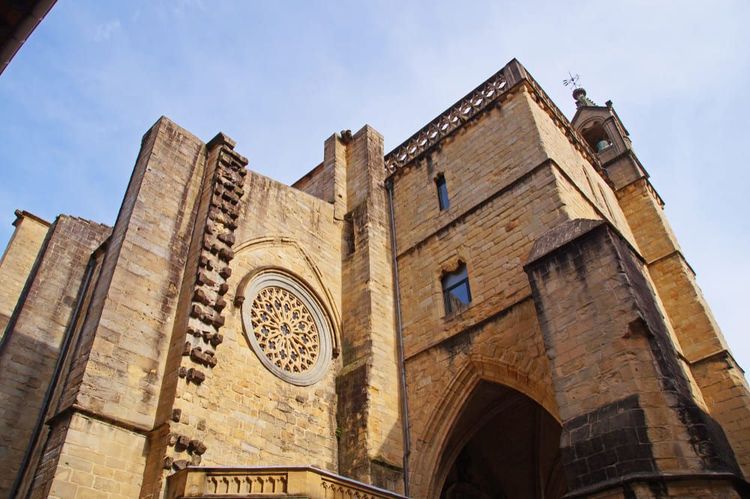
This sanctuary, the city's oldest, replaces a medieval temple lost to fire; stone was then chosen so the new building would better withstand flames than its predecessor. Meant to have four naves, it ended up with only three, the money having run out before the original plan was finished. Its 1868 organ and Romanesque altarpiece catch the eye, while a Basque inscription on its walls warns off those who break their oath.
Free entry
15 - San Telmo Museum
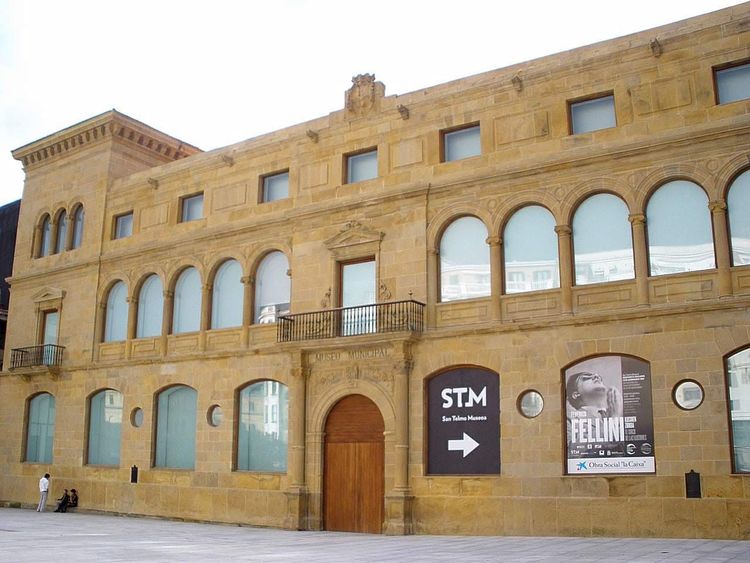
Housed in a Dominican convent that also survived the great fire, this museum traces the traditions and identity of a people split between France and Spain. The idea of a municipal museum dates back thirty years before its official 1932 opening, when the first collections, cramped elsewhere, finally found a cloister roomy enough for them. Archaeology, ethnography and art follow one another here, amid old stone and contemporary architecture.
16 - Constitution Square
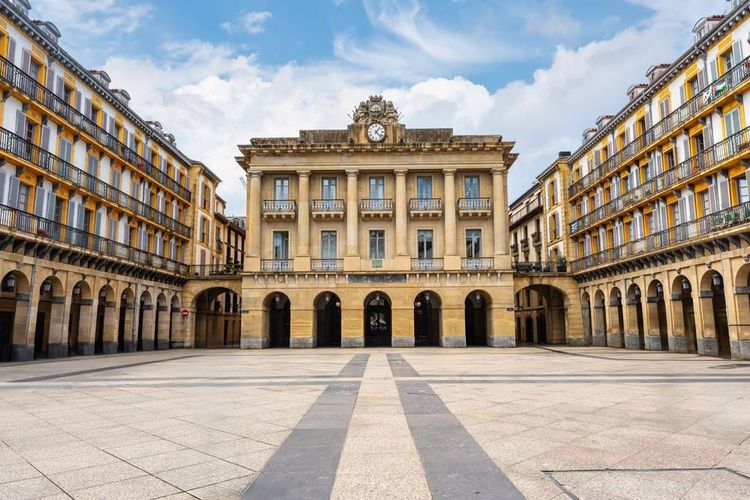
Look up at the balconies of this arcaded square: the painted numbers recall that it once served as a bullring, each balcony then rented out like a box seat to watch the fights. Laid out in 1817, it first housed the town hall before it moved elsewhere. Now buzzing with cafés and pintxos bars, it remains the beating heart of the old town, the stage for festivities and impromptu markets.
Free entry
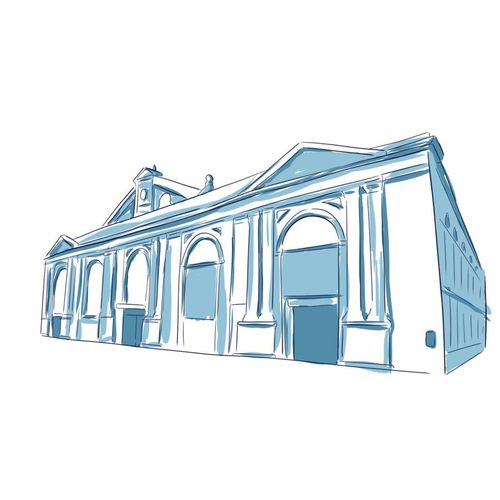
17 - La Bretxa Market
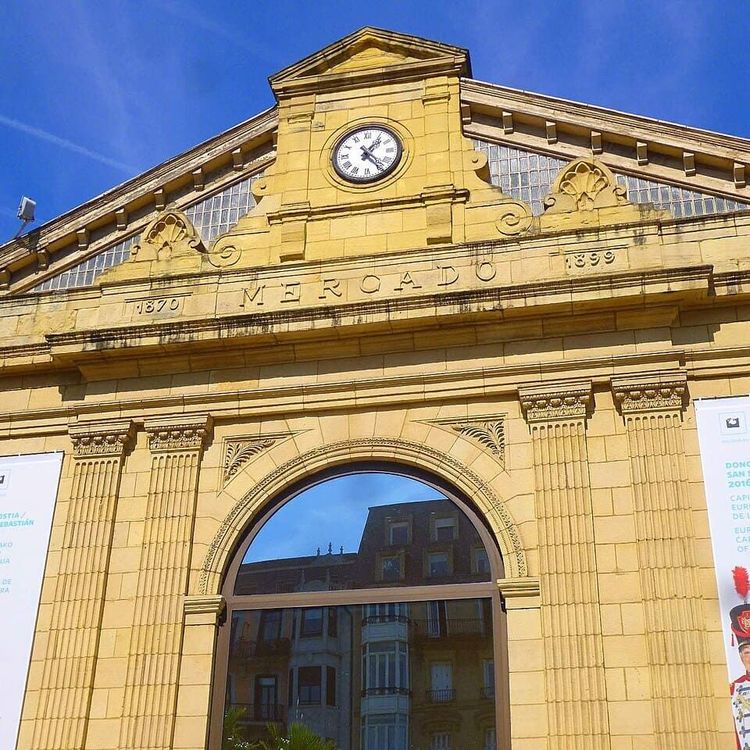
Inside this building mixing fine grocers and shops sits everything that makes up the Basque gastronomic reputation: fish and shellfish from the Cantabrian coast, cured meats, cheeses and local vegetables. It's the favourite larder of chefs and neighbourhood regulars alike, and the best place to understand why the town claims the title of capital of good food, long before the pintxos craze that made it famous.
Free entry
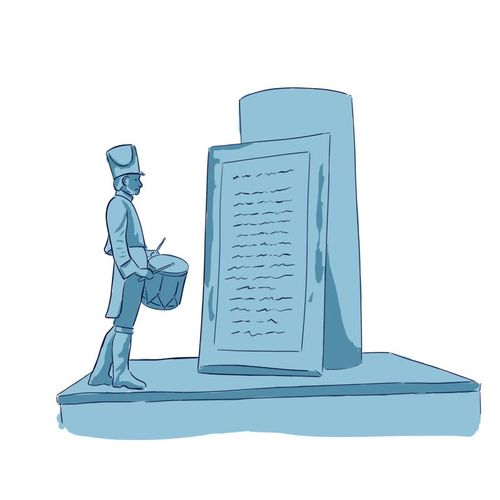
18 - Monument to the Tamborrero
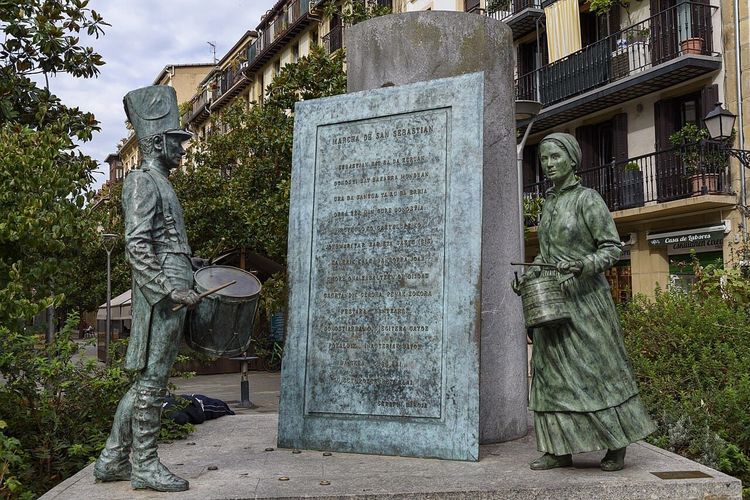
This statue of a drummer honours the Tamborrada, the festival dearest to locals, born of mockery: in the early 19th century, the townsfolk mimicked, in jest, the Napoleonic troops marching to drumbeats through their occupied streets. Ever since, every 20th of January, thousands of them, dressed as soldiers or cooks, beat drums across the whole city for their patron saint's day.
Free entry
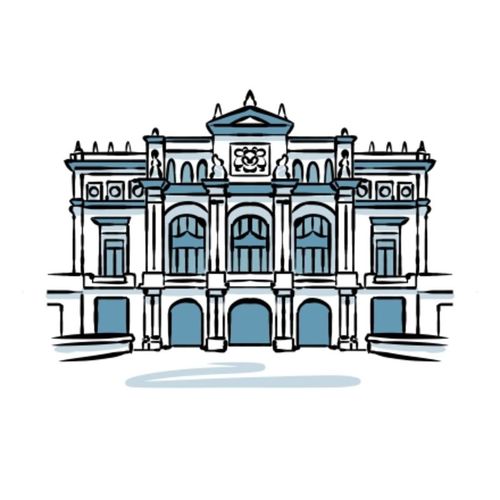
19 - Victoria Eugenia Theatre
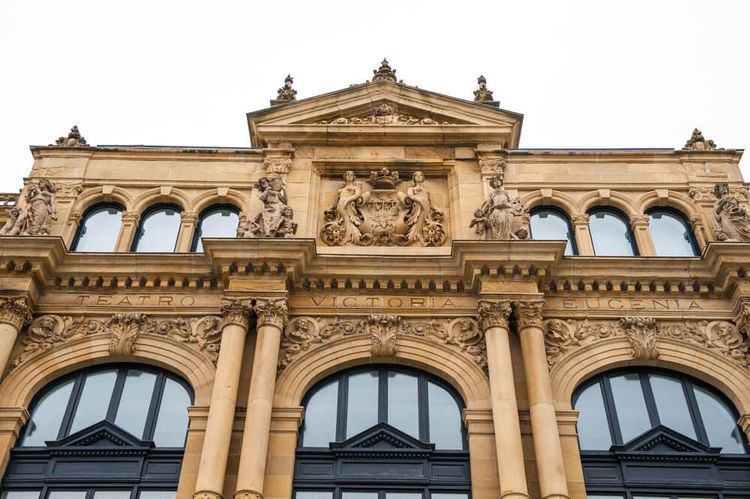
By the Urumea, this elegant theatre, opened in 1912, bears the name of a Spanish queen and long hosted the award ceremony of the town's film festival, the country's most prestigious, created in 1956, before a more suitable conference centre was built. Gilded boxes and a sculpted façade still bear witness to an age when San Sebastián rivalled Europe's grandest society resorts in drawing artists and crowned heads alike.
Free to see from outside
20 - View of the Gros District
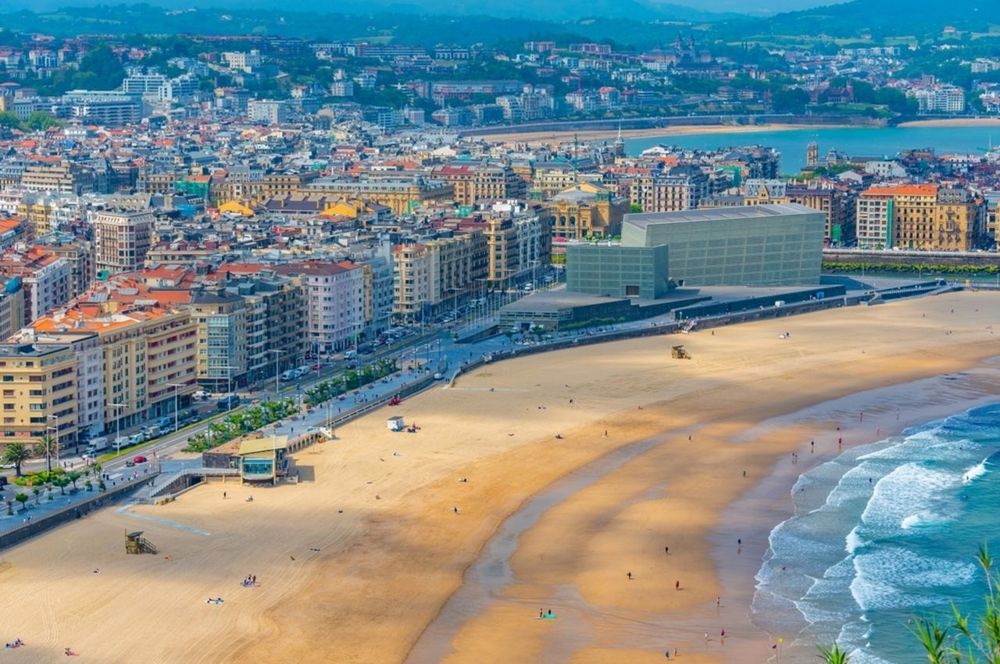
Across the river appears a San Sebastián quite different from the one you've just walked through: newer buildings, a long surf beach pounded by the waves, and the glass cubes of the Kursaal glinting in the distance. This contrast, between the hushed elegance of La Concha and this bank facing the open sea, sums up on its own the diversity of a city that also knows how to be young and sporty.
Free entry · Best in the evening
21 - Conference Centre
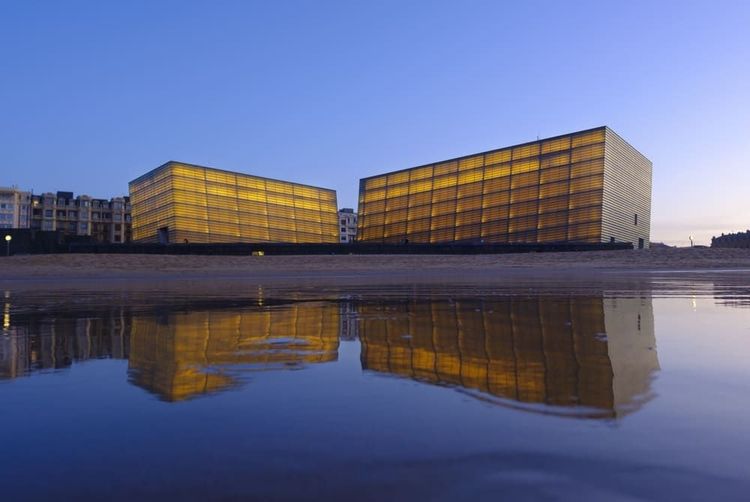
These two translucent glass volumes, which architect Rafael Moneo described as two rocks stranded on the beach, have housed an ultra-modern conference centre since 1999, named one of Europe's finest buildings as early as 2001. Poorly received at first by unconvinced locals, it has since become a symbol of the city, not least during the film festival it hosts every year.
Free to see from outside
22 - Zurriola Beach
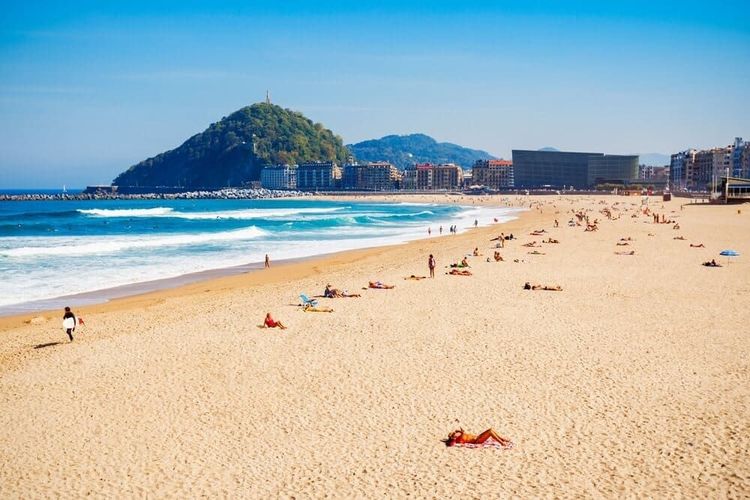
Exposed to the open ocean, without any sheltering bay, this beach draws crowds of surfers after waves far bolder than those at La Concha. Renovated in the 1990s, it has become the favourite playground of local youth, between ball games, sunbathing and surf lessons. It is also one of the few beaches in town where nudism is tolerated, even if few people actually try it.
Free entry
23 - San Ignacio de Loyola Church
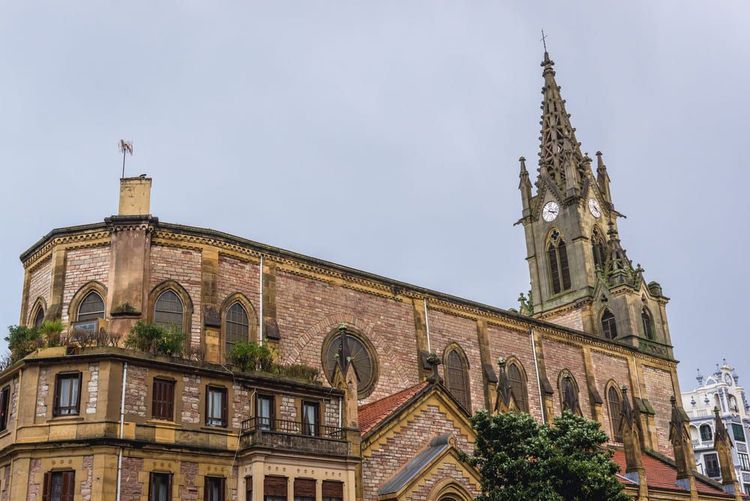
Finished in the late 19th century, though its tower was only completed three decades later thanks to a local aristocrat's bequest, this church honours the founder of the Jesuits, born in this very Basque Country. Its style, very fashionable at the time, is signed by a regional architect. Inside, a collection of life-sized paintings traces the saint's life, while a richly adorned tomb honours its generous donor.
Free entry
24 - Gros District
Born on the other side of the river, this district offers a deliberate contrast with the old town: wider streets, trendy shops and a nightlife oriented towards the neighbouring surf beach. San Sebastián was once one of the world's most cosmopolitan cities, and it is here, far from the historic monuments, that its liveliest legacy is felt today, carried by a young population attached to its identity.
Free entry
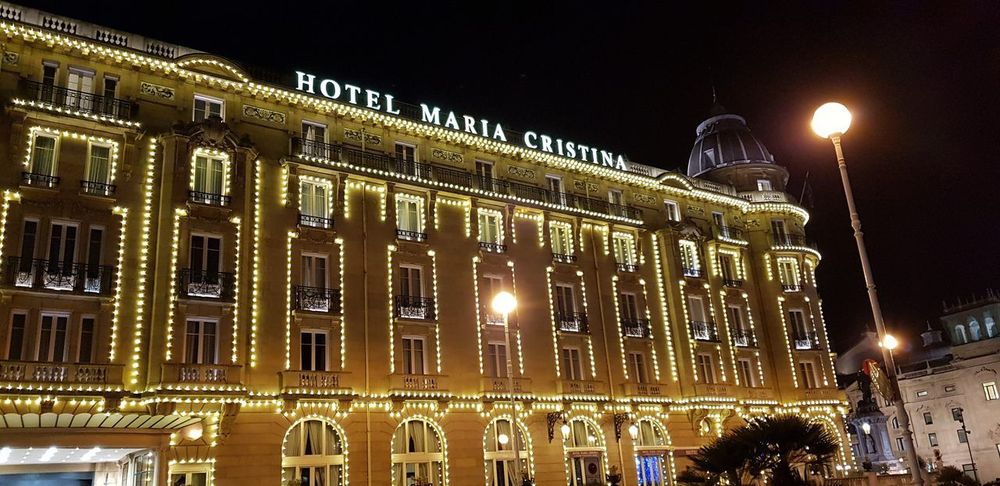
25 - View of the Maria Cristina Bridge
This bridge has linked the two banks of the Urumea since 1905, built using a material only just then being tried at large scale, reinforced concrete, and inspired by a famous Parisian structure. Four eighteen-metre obelisks, crowned with equestrian statues, frame its three arches. Named in honour of an Austrian-born queen who made the town's summer reputation, it offers one last elegant crossing before heading back to the historic centre.
Free entry · Best in the evening
Which neighbourhoods does the tour cross?
In one loop, the walk links La Concha bay to the old town, then crosses the Urumea towards Gros, the most modern district on the route.
It starts at the neo-Gothic Cathedral of the Good Shepherd, follows La Concha bay past the carousel and the City Hall, then reaches the port and its aquarium, at the foot of Mont Urgull (stops 1 to 6).
Paseo Nuevo and the Construcción Vacía sculpture come before the climb up Mont Urgull and its castle, then a second viewpoint over the bay, still on the hill (stops 7 to 11).
The route then enters the parte vieja, the old town, taking in the Basilica of Saint Mary of the Chorus, Saint Vincent Church and the San Telmo Museum on the way to Constitution Square, La Bretxa Market and the Monument to the Tamborrero (stops 12 to 18).
After the Victoria Eugenia Theatre, the walk crosses the Urumea into Gros, a young and trendy district taking in the Kursaal, Zurriola surf beach and San Ignacio de Loyola Church, before heading back via the Maria Cristina bridge (stops 19 to 25).
What to see in San Sebastian in 2 hours?
If time is short, stay in the parte vieja, where five stops follow one another over a few hundred metres.
Start with the Basilica of Saint Mary of the Chorus, then move on to Calle 31 de Agosto, the only street spared by the 1813 fire, and Saint Vincent Church, the oldest in town. Right next door, the San Telmo Museum traces Basque history inside a former convent, before you reach Constitution Square with its numbered balconies, the lively heart of the old town.
How much does it cost to visit San Sebastian?
Of the 25 stops on the walk, 21 cost nothing: 18 can be visited freely, from the cathedral to Constitution Square, and 3 others, such as the City Hall or the Victoria Eugenia Theatre, can simply be admired from the street. Two others charge an entry fee:
- the aquarium, €16 entry;
- the carousel, whose fare is best checked on site.
That leaves Mota Castle, home to an interpretation centre, and the San Telmo Museum: both keep their own seasonal hours, and their admission terms are worth checking before you go.
Information checked in November 2026 and subject to change.
Where to stop for a bite along the tour?
San Sebastián is as much about eating as sightseeing, and the walk offers plenty of chances to try pintxos.
Under the arcades of Constitution Square (stop 16), bars crowd around these small bites skewered with a toothpick: fish, charcuterie or vegetables set on a slice of bread. At La Bretxa Market (stop 17), busiest in the morning, the fish and seafood are a reminder of what rules the city's tables: baked spider crab, clams, squid or roast sea bream.
Across the Urumea, the Gros district (stop 24) keeps the tradition alive with more contemporary pintxos bars, best enjoyed before or after a trip to Zurriola beach.
What to do in San Sebastian with children?
San Sebastián works well for a family outing, between old-fashioned attractions and a sheltered beach.
The carousel (stop 3), installed in 1998 in the Belle Époque style, delights younger visitors with its horses, swans and planes. The aquarium (stop 6), a family favourite, hides an underwater tunnel among tanks stocked with more than 200 species from the Cantabrian Sea.
For swimming in season, La Concha beach (stop 2), sheltered inside the bay, is a better pick than Zurriola, more exposed and popular with surfers.
What should you know before visiting San Sebastian?
A few details are worth planning for, from the climb up Mont Urgull to parking in town.
Access to Mont Urgull (stop 9) is free, but subject to opening hours: better to check them before heading up. The paths there are steep and run through open nature, so sturdy shoes help for the climb to the castle.
By car, it is best to leave the vehicle in a free park-and-ride on the outskirts and reach the centre by public transport: street spaces are scarce, often paid, and sometimes reserved for residents.
The best times to visit remain spring, summer and September: July and August average between 19 and 24°C, against 8 to 12°C in December and January, the wettest months. One last cultural note: nudity is allowed on Zurriola beach, even though most bathers keep their swimsuits on.
What to see around San Sebastian?
San Sebastián also makes a good base for exploring the Basque Country, on both the French and Spanish sides.
Two French towns can also be discovered with an audio guide. Biarritz, 38 km away, blends an imperial past with surf culture facing the Atlantic, while Bayonne, 45 km away, combines half-timbered houses and fortified lanes between the Adour and the Nive rivers. Further on, Bilbao, 77 km away, has turned its industrial heritage into a showcase of modernity, between steel, glass and a Basque old town.
Le plein d'inspirations
Explorez le monde en totale liberté, à pied au cœur des villes ou au fil des routes. Nos guides audios transforment chaque destination en une découverte culturelle immersive et unique.
FAQ for visiting San Sebastian
When is the best time to visit San Sebastian?
The best time to visit San Sebastian runs from spring through early autumn. June, July and August are ideal if you want to make the most of the beaches, with pleasant temperatures ranging between 19 and 24°C. Spring and September also offer excellent conditions, with fewer crowds and a mild climate perfect for exploring the city. Winter, particularly January and December, remains cooler and rainier with temperatures between 8 and 12°C, but the city keeps its charm with a more authentic, local atmosphere.
How long do you need to visit San Sebastian?
A stay of two to three days lets you comfortably discover the essentials of San Sebastian. In two days, you'll have time to explore the old town with its pintxos bars, stroll along the famous La Concha beach, climb Mount Urgull or Igueldo to admire the panoramic views, and wander through the different neighbourhoods. With an extra day, you can delve deeper into the museums, enjoy the beaches more, or explore the surrounding area. Food lovers may want to allow more time to fully savour the city's exceptional culinary scene.
How do you get to San Sebastian from France?
San Sebastian is easily accessible from France, located just twenty or so kilometres from the border. By car, you can take the A63/AP-8 motorway from Bayonne or Biarritz, a journey of about 45 minutes. The train is an excellent alternative, with direct TGV connections from Paris to Hendaye, followed by a transfer on the regional Euskotren train to San Sebastian. Regular buses also provide connections from the cities of south-western France. The nearest airport on the French side is Biarritz, while on the Spanish side, San Sebastian airport offers domestic flights and a few international connections.
How do you get around San Sebastian?
San Sebastian is a human-sized city where walking remains the most pleasant way to explore the historic centre, the beaches and the main tourist areas. The Dbus urban bus network efficiently covers the whole city with frequent, reliable lines. The dbizi bike-sharing scheme is a practical option for quicker journeys, with numerous cycle paths along the coast. To reach the more distant beaches or the panoramic hills, the bus or the funicular are recommended. Taxis are available, but the city's compact size rarely makes them necessary for visitors staying in the centre.
Where can you park in San Sebastian?
Parking in San Sebastian can prove tricky, especially in high season and in the city centre where on-street spaces are limited and paid. Public underground car parks are the most convenient solution, with several well-located options near La Concha beach, beneath Okendo square or near the Kursaal. Rates vary depending on location and duration, but generally remain reasonable for a full day of parking. If you're staying several days, opt for accommodation with parking or look into the residential parking zones on the outskirts, often free and well served by public transport.
Where should you stay in San Sebastian?
The choice of neighbourhood will depend on your priorities and budget. La Parte Vieja, the historic heart, immerses you in an authentic atmosphere with its pintxos bars and lively nightlife, ideal for lovers of urban life. The Centro district offers elegance and proximity to La Concha beach, perfect for a comfortable seaside stay. Gros has a quieter, family-friendly feel near Zurriola beach, popular with surfers. For a tighter budget, the Amara or Antiguo districts are good alternatives with easy access to the centre. Accommodation options range from family guesthouses to luxury hotels, as well as numerous holiday apartments.
Where can you enjoy the best views over San Sebastian bay?
Two hills frame the bay and offer the most spectacular panoramas. To the east, Mount Urgull is a short walk up from the old town, along shaded paths that pass the batteries of the former fortress and lead to La Mota castle, topped by a large statue of Christ.
To the west, Mount Igueldo is reached by an old funicular that climbs from Ondarreta beach; from the top, La Concha unfolds in a single sweep, with Santa Clara island sitting in the middle. For a quieter viewpoint, the path running past the Miramar palace, overlooking the beach, also gives a fine perspective, especially late in the day.
Which districts are worth exploring beyond San Sebastian's old town?
The Gros district, on the other side of the Urumea, is the liveliest: a surf atmosphere near Zurriola beach, pintxo bars less crowded than those of the Parte Vieja, and the Tabakalera cultural centre, a former tobacco factory turned creative venue.
In the centre, the Romantic quarter unrolls its Belle Époque avenues around the Victoria Eugenia theatre and the Maria Cristina bridge, while Antiguo, to the west, keeps the feel of a seaside village. For a breath of air, Cristina Enea park, a former private estate planted with rare trees, remains one of the calmest spots in town.
What can you do in San Sebastian with children?
The city lends itself well to family stays. La Concha beach, sheltered and shallow near the shore, makes swimming worry-free, and the promenade running alongside is easy to walk with a pushchair. Down by the harbour, the aquarium and its tanks happily fill a rainy morning.
The Mount Igueldo funicular leads to a small old-fashioned amusement park, with vintage rides facing the bay, which children love. Back down below, Cristina Enea park and the playgrounds along the Urumea offer welcome breaks, and Santa Clara island, served by boat in the warmer months, makes for a short and enjoyable outing.
What are the main festivals in San Sebastian?
The local calendar is a busy one. In January, the Tamborrada turns the city into a vast parade of drums and barrels for a whole day in honour of the patron saint: it is the most deeply rooted celebration in San Sebastian, the one residents identify with most.
In summer, Semana Grande strings together concerts, street entertainment and an international fireworks competition set off above the bay, while the jazz festival sets up its open-air stages. In September, the international film festival brings the Kursaal and the city-centre cinemas to life. During these periods the city is packed and accommodation books up well in advance.
How does San Sebastian celebrate Christmas, between markets and Basque traditions?
The festivities kick off on 21 December with the Saint Thomas fair on Plaza de la Constitución. On the 24th, Olentzero, a charcoal burner who comes down from the mountains, parades with Mari Domingi to deliver presents. The Gabonetako Azoka Christmas market runs along the Urumea from late November to 6 January, with a food corner on Plaza Ramón Labayen and an ice rink. On Plaza de Gipuzkoa, a monumental nativity scene, a tradition since 1957, unfolds seven scenes, while a 32-metre Ferris wheel faces the Atlantic.
Discover the full programme in our guide to San Sebastian at Christmas.
Vos commentaires, idées et suggestions
Aucun avis pour le moment