Walk
The City of Sunshine !
Alicante, Spain
Walk
The City of Sunshine !
Alicante, Spain
6.3 km
Distance
2h30
Durée
18
Audios
Loop
Parcours
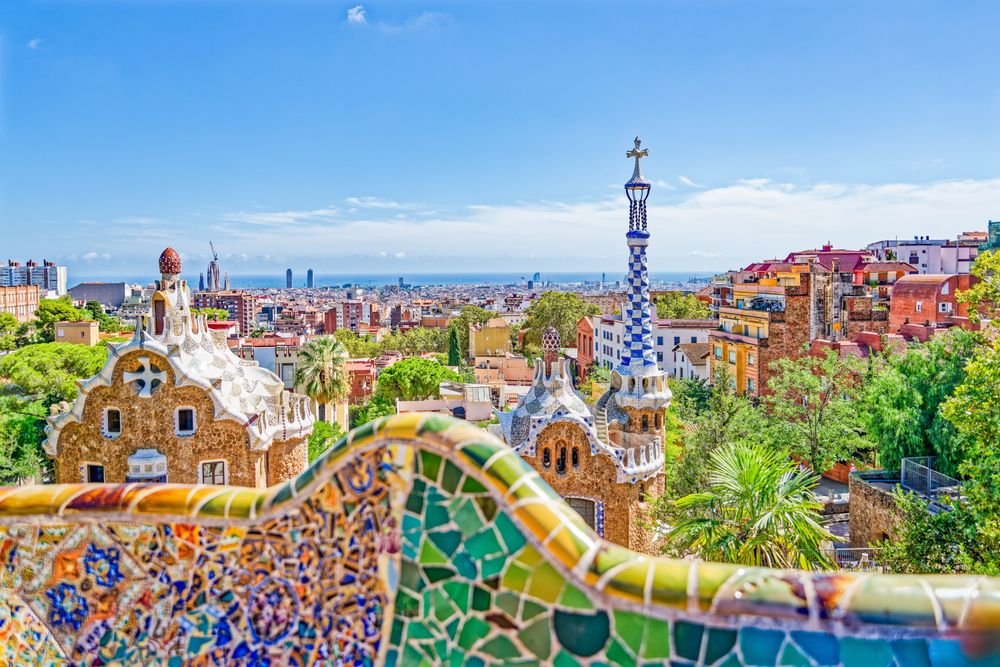
Spain cannot be told — it must be lived, to the rhythm of its sun-warmed cobblestones, its squares buzzing with life late into the night, and its endless horizons stretching between sea and mountain. From the Basque north to the Canary Islands, every city has its own soul, every neighbourhood its own light. So that every step carries meaning, Ryo accompanies travellers through more than twenty Spanish cities with audio-guided tours designed for free exploration, at your own pace, without ever missing what truly matters.
Few countries in Europe offer such diversity within a single territory. Spain is a layering of civilisations, languages, and landscapes that coexist without resembling one another. Here, a Nasrid palace stands beside a Baroque cathedral; there, a wild coastline opens onto a hinterland of vineyards and hilltop villages. To visit Spain is to embrace the unexpected at every turn, to be swept up by history just as much as by the flavour of a tapa nibbled at the counter of a neighbourhood bar.
Ryo offers audio-guided tours in a selection of Spanish cities carefully chosen for their heritage, human, and sensory richness.
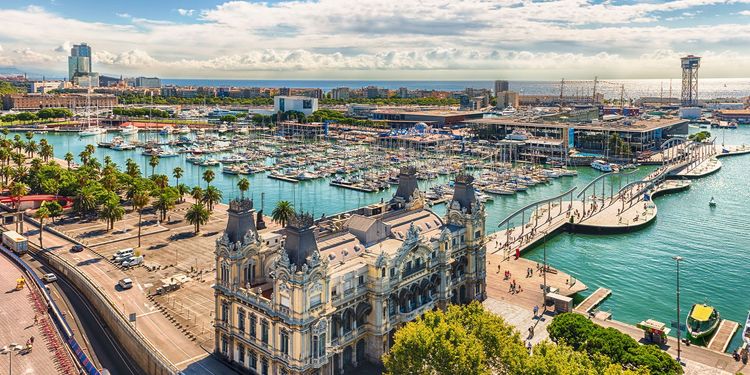
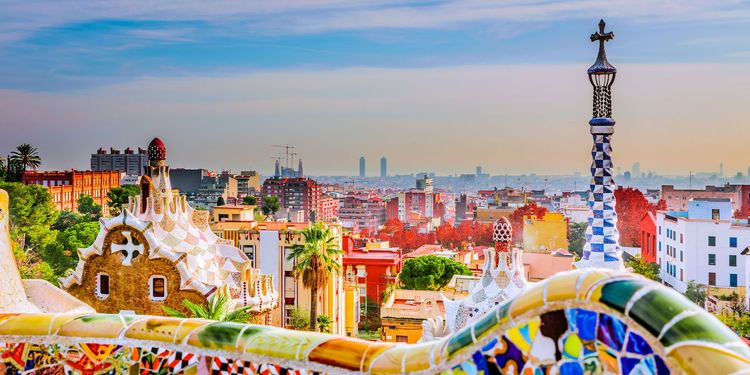
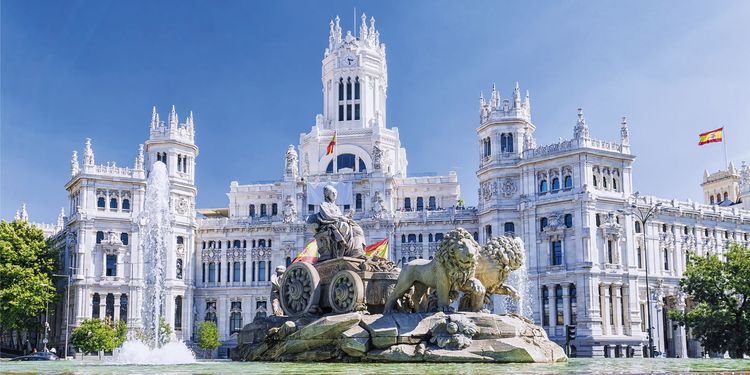
Barcelona, the beautiful Catalan city, reveals itself between the extravagance of Gaudí, the breath of the seafront, and the alleyways of its Gothic Quarter. Madrid, a city of light, offers a unique energy along its grand avenues and exceptional museums, from the Prado to the Reina Sofía.
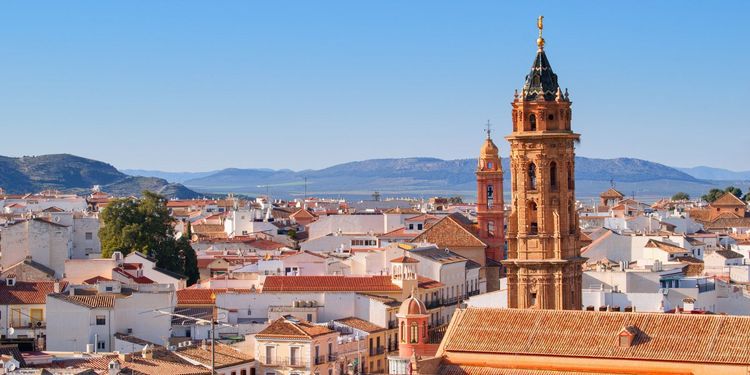
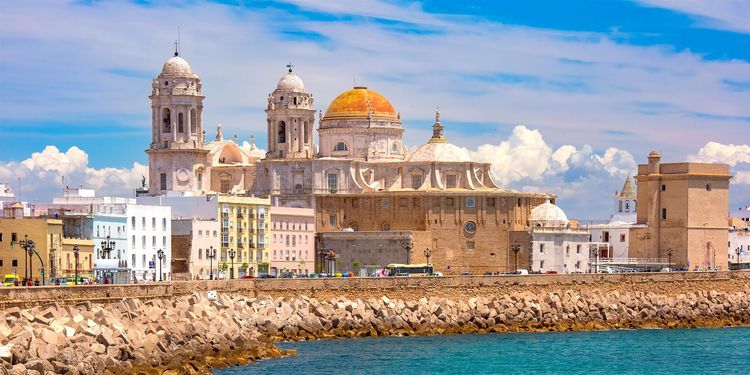
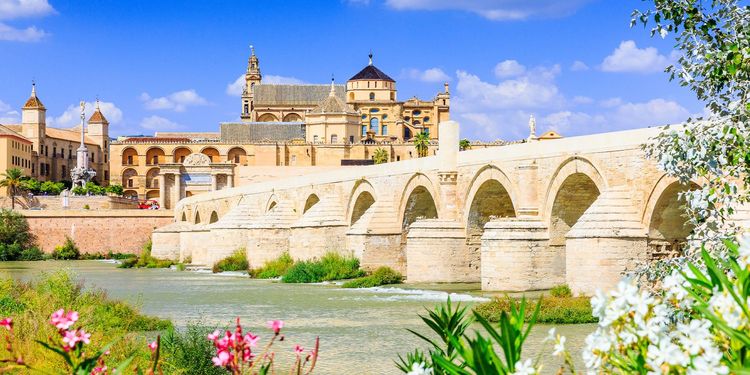
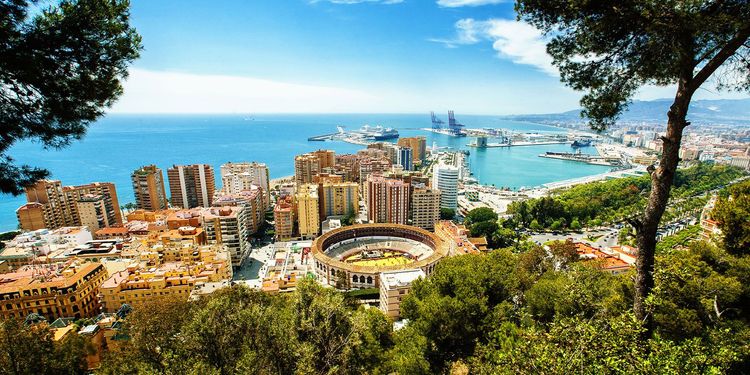
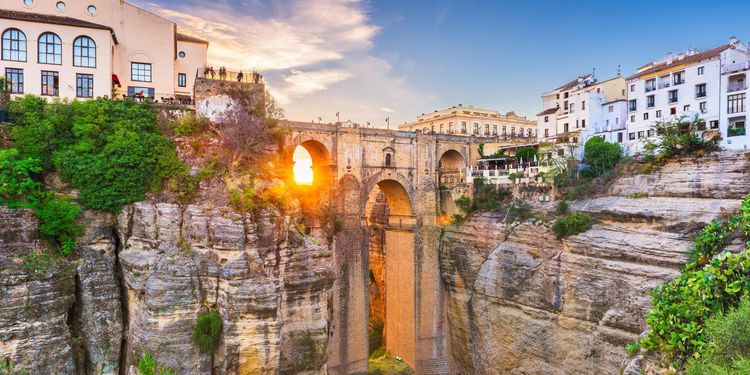
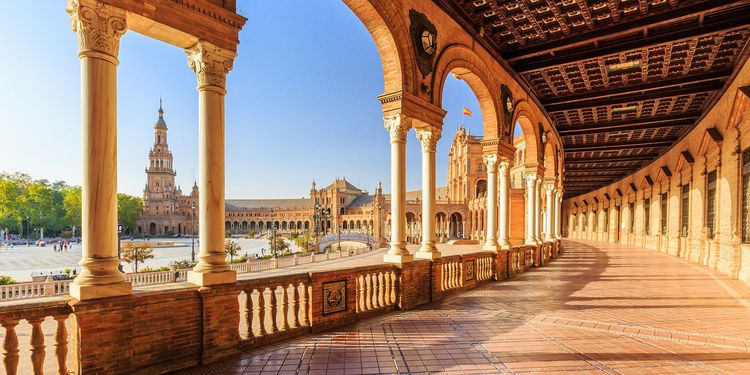
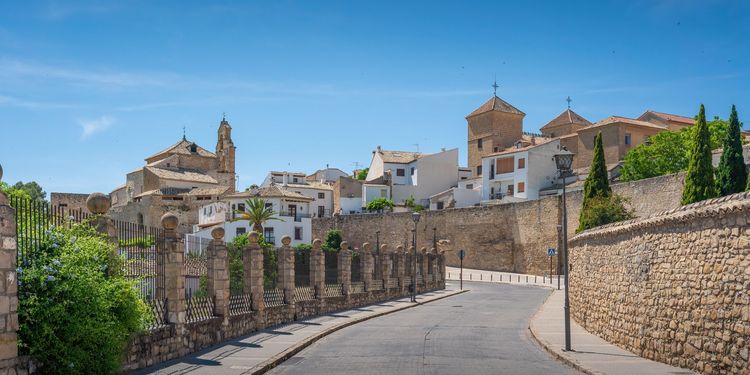
Andalusia is home to some of the country's greatest treasures. Seville, the princess of the Guadalquivir, enchants with its orange trees, its Alcázar, and the echo of its flamenco traditions. Granada, capital of the Nasrid kingdom, captivates with the magic of the Alhambra and the winding alleyways of its Albaicín. Córdoba, the city of three cultures, reveals the unique coexistence of Islam, Christianity, and Judaism in its ochre stones and majestic Mezquita. Further south, Málaga celebrates Andalusia in all its forms, between contemporary art and Mediterranean warmth. Cádiz, city of the sea and of freedom, is arguably the oldest city in Western Europe, rising on its peninsula facing the Atlantic. Ronda, suspended between sky and precipice, offers one of the most breathtaking panoramas imaginable. Antequera, where Andalusia begins, surprises with the richness of its dolmens and the gentleness of its landscapes. Úbeda, a hidden gem of the Spanish Renaissance, reveals a refined architecture often overlooked by travellers in a hurry.
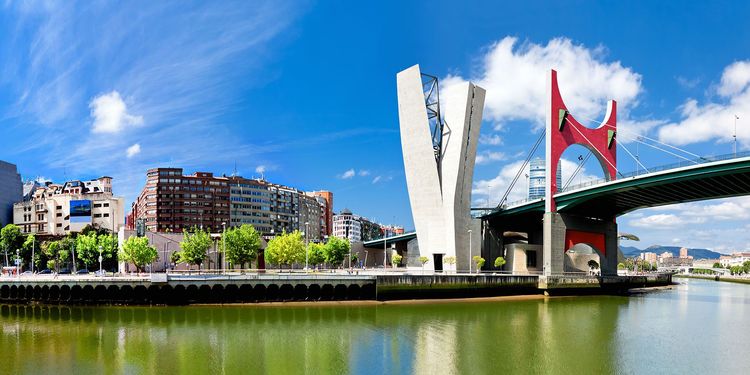
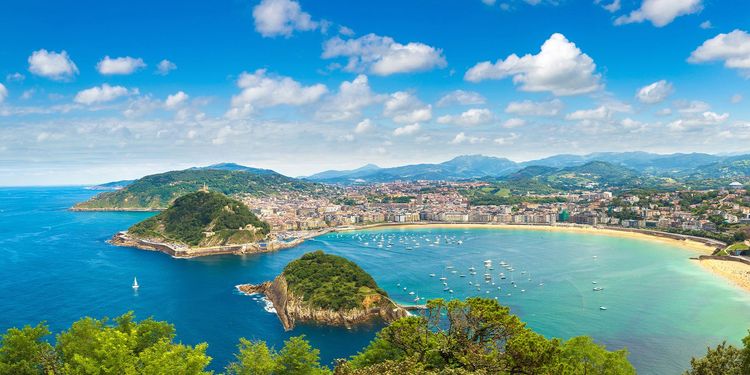
Bilbao, the Basque icon of renewal, embodies the successful transformation of an industrial city into a cultural capital, driven by the titanic Guggenheim Museum. San Sebastián, the pearl of the Cantabrian coast, seduces with the elegance of its horseshoe bay and its world-renowned gastronomy.
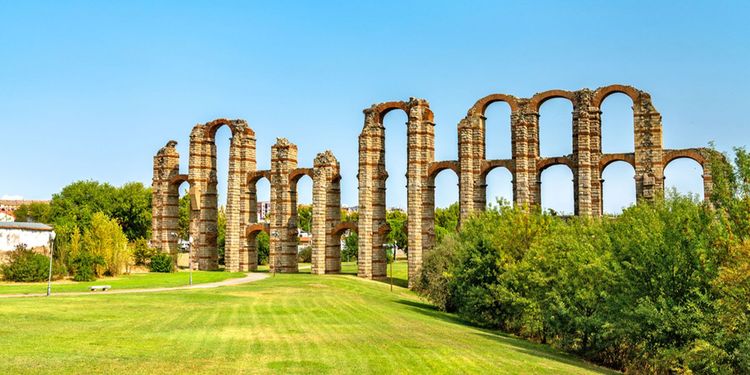
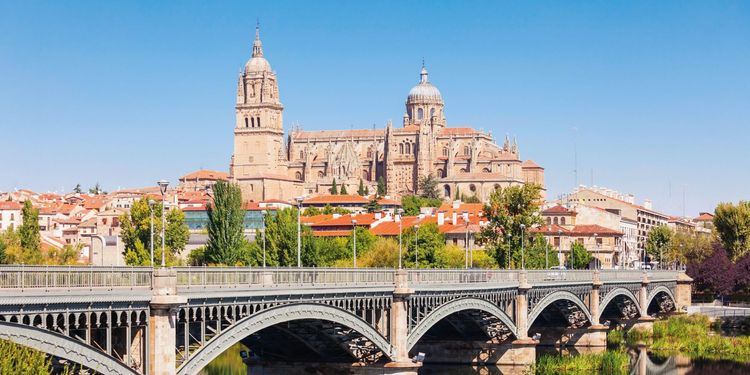
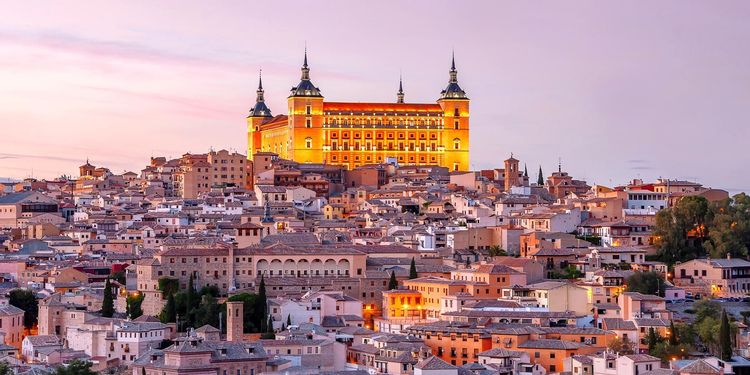
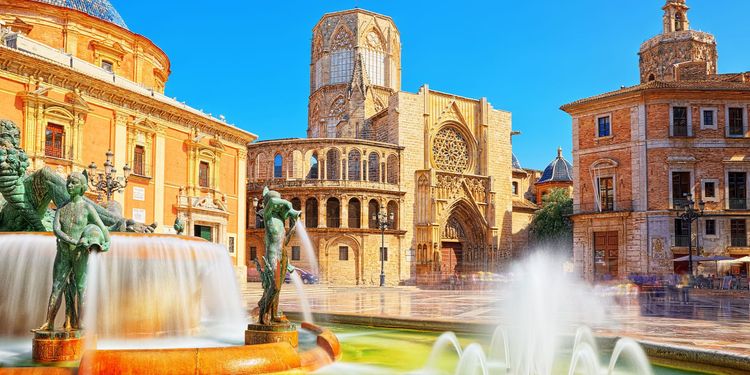
Toledo, a marvel on the banks of the Tagus, holds the traveller captive within its labyrinth of alleyways where every stone bears the mark of centuries of shared history. Salamanca, nicknamed la Dorada for its limestone in warm amber hues, radiates around one of the oldest universities in Europe. Mérida keeps a well-guarded secret: a collection of Roman monuments among the best preserved on the Iberian Peninsula. Valencia embodies Spain's past and future, from its medieval old town to the City of Arts and Sciences.
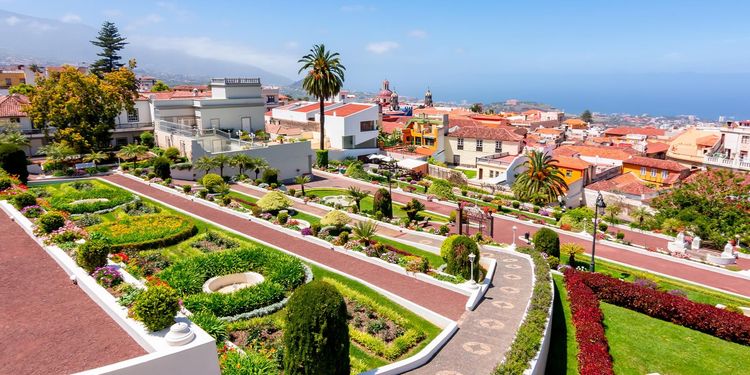
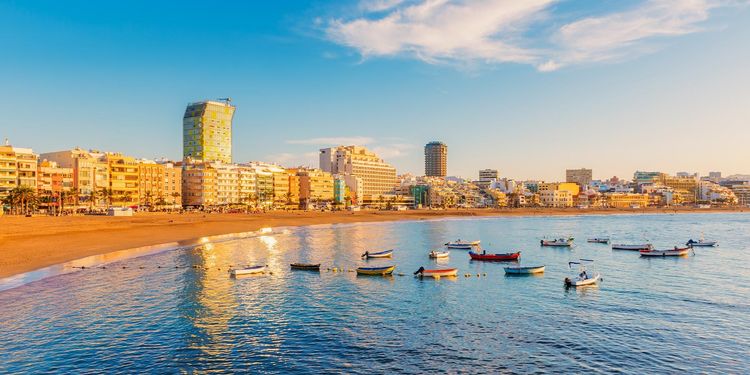
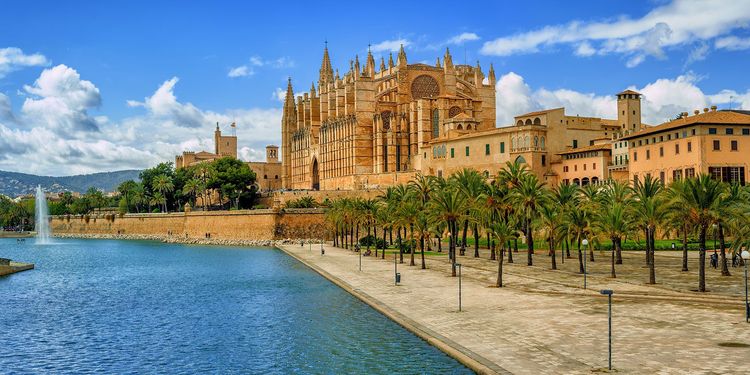
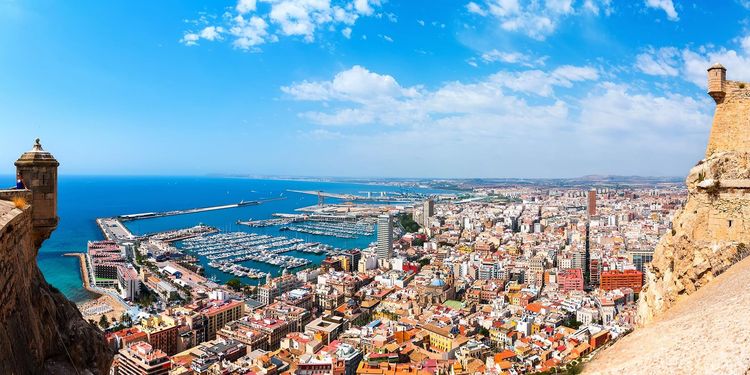
Palma de Mallorca, the island of kings, blends Gothic splendour and Balearic tranquillity along its alleyways and its cathedral facing the sea. In the Canaries, Las Palmas offers an eternal spring under the trade winds, while La Orotava unveils authenticity on the slopes of a volcanic mountain, with its colonial houses and hanging gardens. On the south-eastern coast of the mainland, Alicante, the city of sunshine, invites you to stroll between its castle overlooking the Mediterranean and its maritime promenade.
Beyond its cities, Spain unfolds into regions with very distinct identities. Catalonia, the most visited in the country, stretches far beyond Barcelona, between the Costa Brava with its hidden coves and the snow-capped peaks of the Pyrenees. To the north, Galicia and the Camino de Santiago draw walkers from across the world, toward the Baroque façade of its cathedral. Asturias and Cantabria reveal an unspoiled nature, between national parks such as the Picos de Europa and green coastlines battered by the Atlantic. In Castile, endless steppes, medieval castles, and white-stone villages compose a timeless setting. And gastronomy, finally, is a reason to travel in its own right: pintxos in the Basque Country, Valencian paella, Extremaduran jamón ibérico, Madrid-style churros… every region has its own signature flavours.
Spain can be visited year-round, but the choice of season significantly shapes the experience. Spring and autumn are generally the most pleasant periods for exploring cities: temperatures remain mild, the light is beautiful, and crowds are thinner. Summer is ideal for the islands and coastlines, but can make Andalusian historic centres uncomfortably hot in the early afternoon. Winter suits cities like Madrid, Toledo, or Salamanca well, as they take on a particular atmosphere and can be visited with greater serenity.
Spain's high-speed rail network is one of the most developed in Europe and makes it possible to connect major cities quickly and comfortably. For more remote regions or inter-island travel, flying remains a common option. Within cities, public transport — metro, bus, tram — covers the areas of interest for travellers well. A car proves invaluable for exploring the hinterland, natural parks, or hilltop villages that do not appear on any train line.
Spring, between March and June, and autumn, between September and November, generally offer the most favourable conditions for visiting Spain. Temperatures are pleasant in most regions, the days are long, and tourist sites are less crowded than in the height of summer. For the Canary Islands, winter is an excellent season, thanks to a mild climate throughout the year.
Spain is a vast and highly diverse country: it is difficult to capture it in a single trip. One week allows you to focus on one region — Andalusia or Catalonia, for example — while taking the time to soak up each city. Two weeks offer the possibility of crossing several worlds, from the Basque Country to the Mediterranean, or of combining the mainland with the islands. For travellers who want to see everything, Spain deserves to be revisited more than once.
High-speed trains are often the most practical and fastest way to connect major cities. There is also a dense intercity bus network serving medium-sized towns and villages that are less accessible by rail. A rental car is recommended for itineraries off the main routes, particularly in the deeper parts of Andalusia or the rural areas of Castile. To reach the Balearic or Canary Islands from the mainland, flying remains the most common mode of transport.
Spain has a great number of cities that are well worth a visit. Among the most iconic: Barcelona for its Modernist architecture and Mediterranean vibrancy, Madrid for its museums and cosmopolitan energy, Seville for its flamenco culture and Moorish heritage, Granada for the Alhambra and its sunsets over the Sierra Nevada, Bilbao for its cultural renewal and gastronomy, San Sebastián for the beauty of its bay and the excellence of its pintxos, or indeed Toledo and Salamanca for their timeless historic centres.
Spanish gastronomy is one of the richest and most varied in Europe. In the Basque Country, pintxos — small bites placed on slices of bread — are a true institution, and the region is home to a remarkable number of Michelin-starred restaurants. In Andalusia, gazpacho and salmorejo refresh the palate in summer, while fried fish in Cádiz or Málaga are absolutely unmissable. Valencia lays claim to the origin of paella, the iconic rice dish cooked with seafood or meat. Extremadura and Castile are the heartlands of jamón ibérico and aged cheeses. Throughout Spain, the ritual of tapas at the bar counter, paired with a glass of wine or a cold cerveza, is a way of travelling in itself.
A few words of Spanish are always appreciated and make interactions easier, particularly in villages and less touristy regions. In major cities and areas frequented by international travellers, English is generally understood. It is also worth knowing that some regions — Catalonia, the Basque Country, Galicia, the Balearic Islands — have their own regional language, co-official with Spanish, which speaks to the country's remarkable cultural richness.