
Créé par Emilie, le 4 oct. 2026
Votre guide Ryo
La Orotava, Spain
Mountain Slopes, Timeless Soul
Parcours audioguidé pour visiter La Orotava en 1 jour
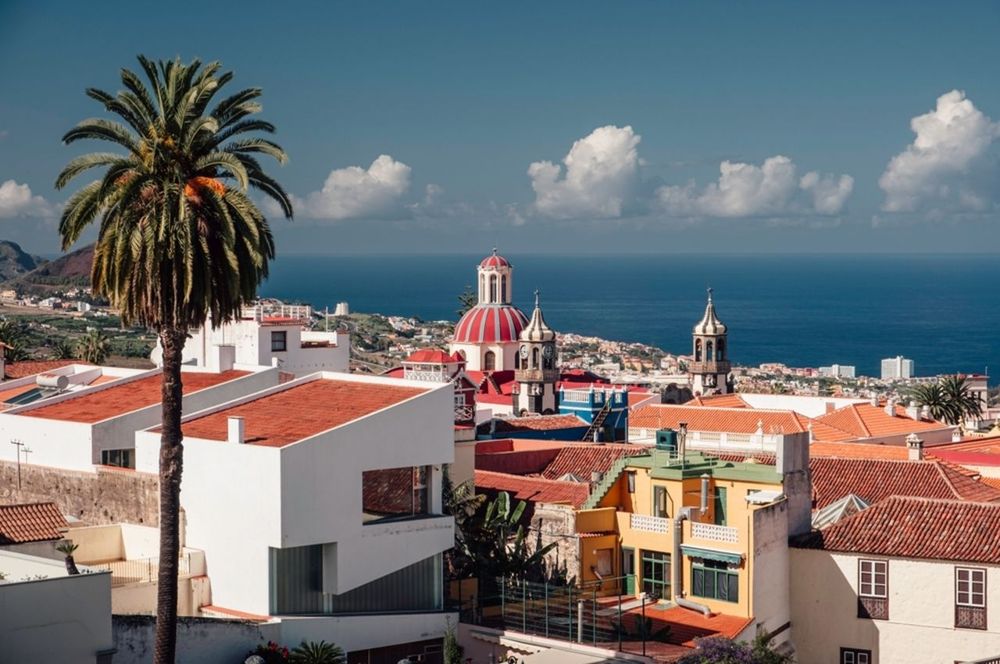
Set in the heights of Tenerife, La Orotava reveals a remarkable historic center with its cobbled streets, wooden balconies, and colorful façades. With its traditions, lush gardens, and colonial heritage, the town reflects the full authenticity of the island’s north.
Quand partir à La Orotava ?
Jan.
18°
7
Fev.
18°
6
March
19°
5
April
19°
4
May
21°
3
June
23°
2
July
25°
1
Aug.
26°
1
Sept.
26°
2
Oct.
24°
4
Nov.
22°
6
Dec.
20°
7
The Canary Islands are known for their mild, sunny weather year-round — hence their nickname, the ""Islands of Eternal Spring."" Due to its location, La Orotava gets more rain than other parts of Tenerife. It's a great destination all year long, but November is the rainiest month. Average temperatures: 20°C in spring, around 23°C in summer and early autumn, and 18°C in winter. If you plan to hike Mount Teide, bring a windbreaker, gloves, and a hat — even in summer — along with sunscreen and a cap. It gets cold above 3,000 meters!
Départ conseillé
No need to worry about where to begin! Our tours are designed as a loop, so you can jump in wherever you are. The navigation system and audio-guide will automatically adjust to your location. However, if you happen to be nearby, we do have a preferred starting point: Telesforo Bravo Visitor Center (Centro de visitantes Telesforo Bravo)
Parking à proximité
Free parking available at: Parking Gratuito La Orotava, C. Domingo Domínguez Luis, 27.
À savoir
This city tour includes several parks and gardens, all with free entry but subject to opening hours:
Botanical Garden: open Monday to Friday, 9 am – 6 pm; weekends, 10 am – 3 pm.
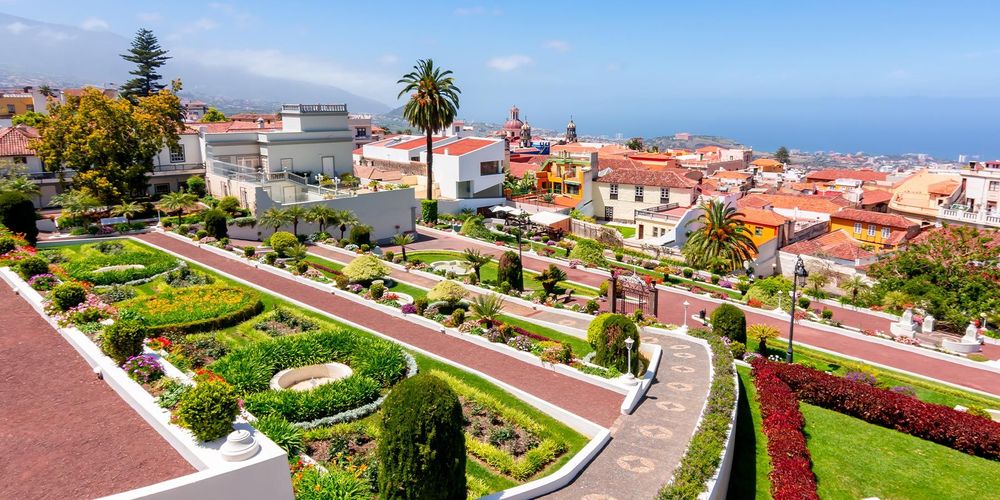
Victoria Gardens (Jardines del Marquesado de la Quinta Roja): open Monday to Friday, 9 am – 8 pm; weekends, 9:30 am – 8:30 pm. If the Victoria Gardens are closed, the POI about the mausoleum inside won't be accessible. In that case, take Calle León and then Calle de San Agustín to reach the Liceo de Taoro instead.
Découvrez 17 lieux d'intérêt pour visiter La Orotava















Le plein d'inspirations
Explorez le monde en totale liberté, à pied au cœur des villes ou au fil des routes. Nos guides audios transforment chaque destination en une découverte culturelle immersive et unique.






FAQ for visiting La Orotava
When is the best time to visit La Orotava?
La Orotava is pleasant to visit all year round thanks to the Canary Islands' privileged climate. Spring and autumn are particularly recommended, with temperatures around 20°C and fewer tourist crowds. Summer remains very pleasant despite slightly higher temperatures. Avoid November, the rainiest month, even if the showers generally stay short. The town's high-altitude position makes it cooler and wetter than the coast, which can be an advantage in summer. If you plan to combine your visit with climbing the Teide, favour the months from May to October for optimal conditions at the summit.
How long do you need to visit La Orotava?
Half a day is enough to discover the main attractions of La Orotava's historic centre. In three to four hours, you can wander the cobbled lanes, admire the traditional balconies and visit the main monuments. If you want to deepen your visit with the museums, the botanical gardens and take the time to browse the craft shops, allow a full day. The town lends itself perfectly to exploration on foot, and an audioguide such as the one offered by Ryo will let you optimise your route while discovering the fascinating history of this colonial gem. Many visitors combine La Orotava with an excursion to the Teide or a visit to Puerto de la Cruz.
Where can you park for free in La Orotava?
Free parking in La Orotava is found mainly in the residential districts on the outskirts of the historic centre. The streets around the Plaza de la Constitución generally offer free spaces, but they fill up quickly during the day. The car park near the Victoria garden is often a good option, as are the areas around the Church of La Concepción outside Mass times. Avoid parking in the blue zones without a parking disc. Since the historic centre is compact and steep, it's better to park a little way off and finish on foot. Paid car parks remain affordable if you prefer peace of mind, notably the one near the town hall.
How do you get to La Orotava from Puerto de la Cruz?
The connection between Puerto de la Cruz and La Orotava is very simple and economical. The public Titsa buses run regularly throughout the day, with several lines serving La Orotava in about fifteen to twenty minutes. The main stops are near the Puerto de la Cruz bus station. A taxi remains a comfortable option, generally for around ten euros. If you have a rental car, the journey takes only about ten minutes via the TF-5 and then the TF-21. Be careful, however, of the narrow and steep streets of the historic centre. Many visitors combine the two towns in the same day, which is entirely feasible given their proximity.
What are the main attractions not to miss in La Orotava?
La Orotava is brimming with architectural and cultural treasures. The must-sees include the Casa de los Balcones with its magnificent carved wooden balconies, the Church of La Concepción and its Baroque altarpieces, and the Victoria gardens, which offer a spectacular view. Don't miss the Casa del Turista for local crafts and the cobbled lanes of the Villa Arriba district. The gardens of the Marquesado de la Quinta Roja are also worth the detour. For a complete and enriching discovery, the Ryo audioguide accompanies you through these wonders while telling you their fascinating history. The town is also famous for its flower carpets during the Corpus Christi celebration in June.
Is La Orotava accessible on foot or do you need a car?
La Orotava's historic centre is best explored on foot. The cobbled lanes, sometimes narrow and steep, are part of the charm but can be a challenge for people with reduced mobility. Once you've parked or arrived by bus, everything is accessible on foot. As the town is built on a mountainside, be prepared for a few climbs, but the effort is rewarded with magnificent views and the authenticity of the place. Comfortable shoes are essential. To explore the surroundings such as the Teide or the coast, a car becomes handy. The Ryo audioguide offers an optimised route that takes the topography into account to make the visit pleasant while covering the essential attractions.
What are the flower and sand carpets of La Orotava?
Every year, for the feast of Corpus Christi, the streets of La Orotava's old town are covered with short-lived carpets made of petals, seeds and coloured earth. The most striking is laid out in front of the town hall, with volcanic sands brought down from the heights of the island: local families have passed on the patterns and the technique for several generations, and the tradition remains one of the most awaited events in northern Tenerife.
The preparation keeps the neighbourhood busy for days, while the result lasts only a few hours, until the procession goes by. If your stay does not fall at that time, exhibitions and workshops in the centre explain the technique and keep reproductions of the designs, while the flower-filled balconies of the old houses give a good sense of this local taste for decoration. Do ask when you arrive, as the date changes each year.
Which gardens are worth visiting in La Orotava?
The town owes a great deal to its position on the fertile slopes of the valley, and its gardens are the loveliest expression of that. The Victoria Gardens, terraced above the centre, surround a white marble mausoleum and open onto a clear view over the tiled roofs and the ocean. A little further down, the Hijuela del Botánico, a former acclimatisation garden turned public park, gathers tropical species from around the world in a compact space.
The two can be seen in one unhurried morning, a few minutes' walk from each other, as you climb and descend the cobbled streets that give the town its charm. The planted courtyards of the old manor houses and the shaded squares round out the stroll. The Ryo audio guide offers a dedicated La Orotava route that links these gardens to the squares of the historic centre.
What should you eat in La Orotava?
Cooking in La Orotava is that of northern Tenerife: papas arrugadas served with the two mojos, one green and herby, the other red and spicier, vegetable soups, goat stews and fish brought up from the nearby coast. Gofio, a toasted cereal flour inherited from the Guanches, turns up in soups as much as in desserts, and the pastry shops in the centre offer sweets made with almond and palm honey.
The valley that shares the town's name is also a recognised wine region: small cellars nearby produce whites and reds from local grape varieties grown on volcanic soils. In the centre, the guachinches and neighbourhood bars remain the simplest places to try all of this without ceremony, usually surrounded by locals.
What traditional crafts can you discover in La Orotava?
The town is one of the strongholds of Canarian craftsmanship. The Casa de los Balcones, a seventeenth-century house built around a courtyard lined with carved wooden galleries, is its emblem: there you can watch embroiderers at work on calado, the drawn-thread technique that decorates tablecloths and household linen, alongside pottery and produce from the valley.
A few streets away, the museum of Ibero-American crafts, housed in a former convent, sets the skills of the Canaries against those of Latin America, a natural dialogue for an island long turned towards the Atlantic. The smaller workshops in the centre, more discreet, will gladly open their doors to visitors: a demonstration is often part of the visit, and it is a good way to understand why these gestures have survived here.
Vos commentaires, idées et suggestions
Aucun avis pour le moment