© Shutterstock
 Votre guide Ryo
What to Do in Tenerife in 2026: Volcanoes, Wild Beaches, and Hilltop Villages
On the largest of the Canary Islands, the question of what to do in Tenerife arises the moment you step off the plane: to the north, cliffs shrouded in mist and villages that smell of freshly roasted coffee, to the south, a strip of golden sand lapped by the Atlantic all year round. Between the two stands the Teide, a still-active volcano rising to 3,715 metres, visible from almost every point on the island and considered by the Guanches to be the prison of the demon Guayota long before the arrival of the Spanish conquistadors. It is hard to sum up such a contrasting destination in a few lines, but a few landmarks are enough to plan a stay that goes beyond the beaches of the south.
This guide covers fifteen areas of interest, from the regulated trail that climbs to the summit of the Teide to the vertiginous gorge of the village of Masca, taking in an isolated lighthouse now reachable by bus and natural pools created by a volcanic eruption in 1706. Along the way you will encounter a dragon tree several centuries old, stepped pyramids that intrigued the explorer Thor Heyerdahl, and a biosphere reserve where the trails wind through an almost tropical laurel forest. And if you pass through the north of Tenerife, the Ryo audio-guided tour of La Orotava awaits you in the steep alleyways of the old town, with 16 audio stops to listen to on a one-hour walk.
1. Teide National Park, the Highest Point in Spain
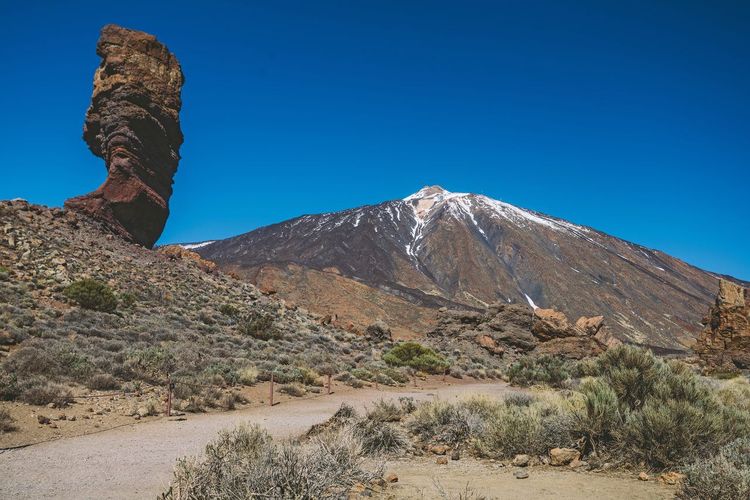
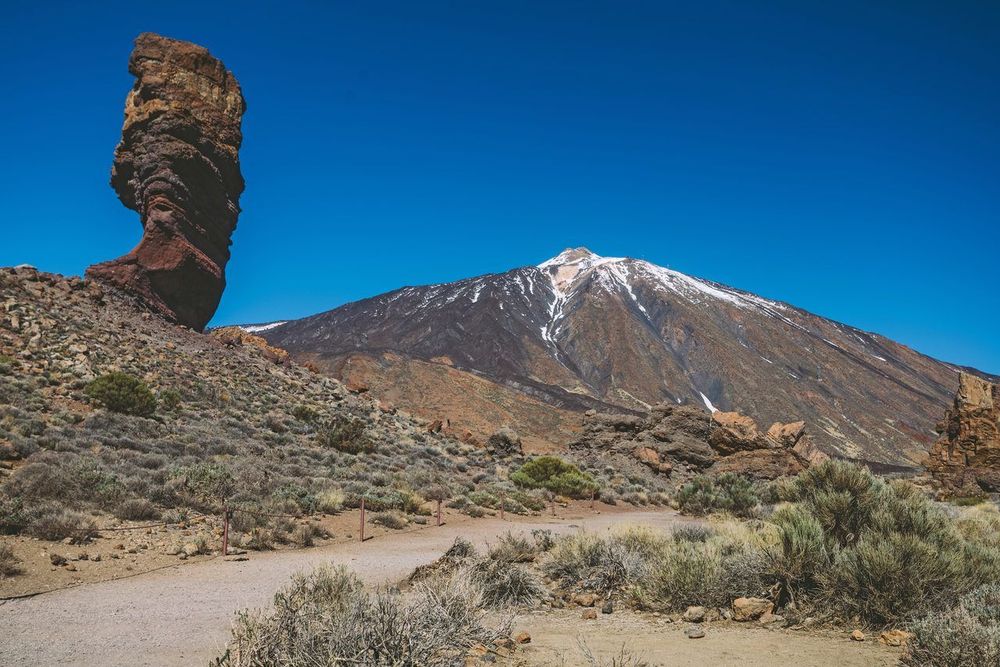
Listed as a UNESCO World Heritage Site since 2007, Teide National Park covers nearly 190 km² of solidified lava flows and pumice fields. The volcano rises to 3,715 metres, making it the highest point in Spain, and the last eruption on the island dates back to 1909, near Chinyero. With around 4 million visitors per year, it is one of the most visited national parks in Europe, yet the majority of visitors never venture beyond the cable car car park — a mistake, since the rest of the park is well worth exploring.
Ascent and Hikes to the Summit of the Teide
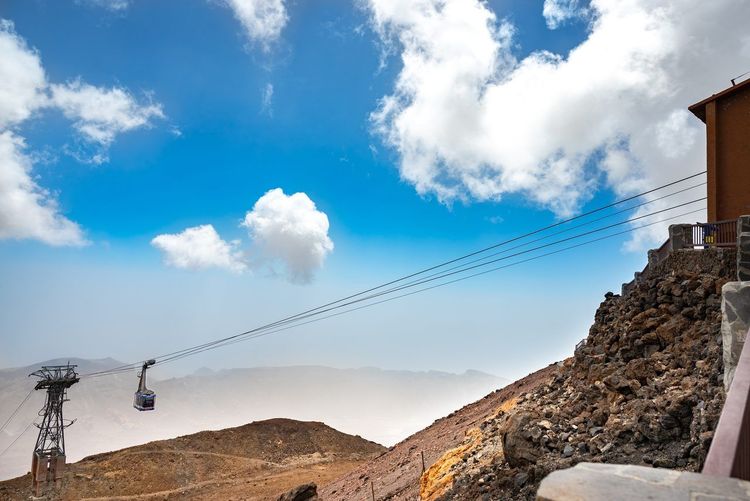
The Teide cable car climbs in around eight minutes to La Rambleta, at 3,555 metres, where the air thins noticeably: bring a jacket even in the height of summer. To reach the true summit, you must then take trail number 10, known as the Telesforo Bravo, covering around 160 additional metres of elevation gain. This stretch requires a free permit issued by the national park, which should be requested one to two months in advance, as daily quotas fill up quickly.
More determined walkers can also climb entirely on foot from Montaña Blanca, via trail 7, allowing five to six hours of effort. The most spectacular option is to spend the night at the Altavista refuge, at 3,260 metres, reopened on 20 July 2026 after renovation: the booking includes permits for trails 7 and 10, and you reach the crater at sunrise. The altitude makes itself felt above 3,000 metres, with potential headaches if you are not acclimatised, and both trails close temporarily in cases of snow or strong winds.
Roques de García Hike and Volcanic Trails
The Roques de García trail (Roques de García, 38300 Parque Nacional del Teide, rated 4.8/5 on Google based on 731 reviews), around 3.5 km as a loop, remains the most popular hike in the park. It winds between rock formations shaped by erosion, including the famous Roque Cinchado, a basalt needle that once featured on old 1,000-peseta banknotes. Allow an hour and a half of easy walking, with views over the Las Cañadas caldera and, on a clear day, the outlines of La Palma and La Gomera on the horizon.
Further west, near the Mirador de Chío, the Samara trail crosses a landscape of black volcanic cones dotted with Canarian pines, with Pico Viejo as a backdrop. A good option if you have already done the Roques de García and are looking for a little solitude without straying far from the main road.
Viewpoints, Cable Car, and Sunset over the Volcano
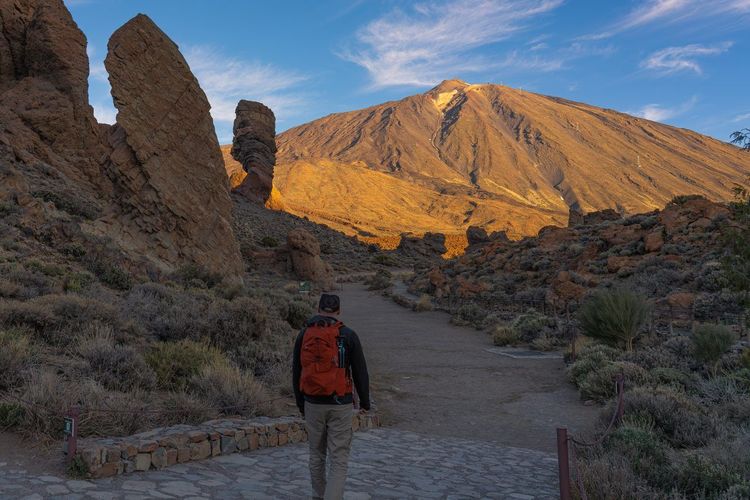
Several viewpoints line the TF-21 road that crosses the park: the Mirador de la Ruleta, facing the Roques de García, and the Mirador de Chío, further off the beaten path, both offer unobstructed views over the caldera. In the late afternoon, the raking light turns the lava flows orange, and it is not unusual to see a sea of clouds forming below, the island seeming to float.
Practical tip: arrive at the cable car before 9am or after 4pm to avoid queues, which can exceed an hour at peak season. Booking a time slot online the day before remains the surest way to avoid waiting at the ticket office.
Stargazing and Paragliding over the Teide
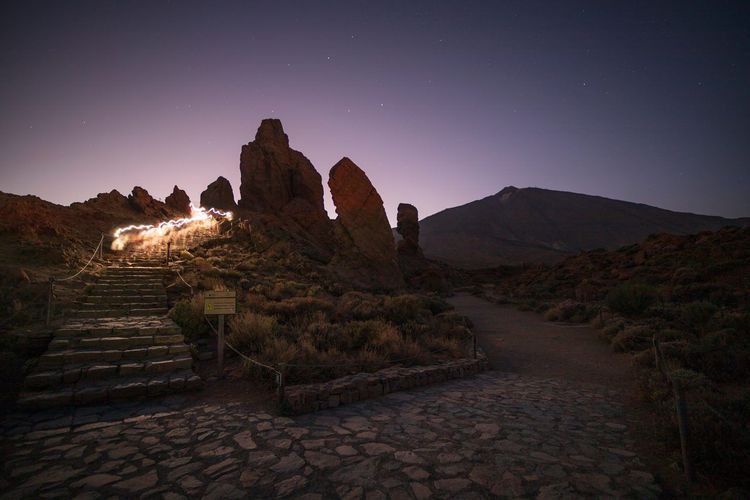
Tenerife is one of the rare destinations certified as a "Starlight" reserve for the quality of its night sky, thanks to the altitude of the Teide and the absence of light pollution above the sea of clouds. Several night excursions offer telescope observation from the heights of the park, often combined with dinner and explanations of the Guanche legends associated with the volcano, which was said to hold Guayota prisoner in its depths.
Fancy a more aerial experience? Tandem paragliding flights most often take off from Ifonche or Taucho, above Adeje, and offer on clear days a bird's-eye view of the coast with the silhouette of the Teide in the background. Around twenty minutes in the air is enough to grasp the scale of the terrain.
Before setting off on a hike, stop at the El Portillo visitor centre, at the northern entrance of the park on the TF-21: its exhibition on the geology of the volcano and its small botanical garden of endemic plants — including the Teide violet and the red tajinaste that blooms in May and June — give you the keys to reading the landscape. Entry to the national park is free; only the activities (cable car, guided tours) are paid.
2. The Anaga Massif: Hiking and Wild Beaches
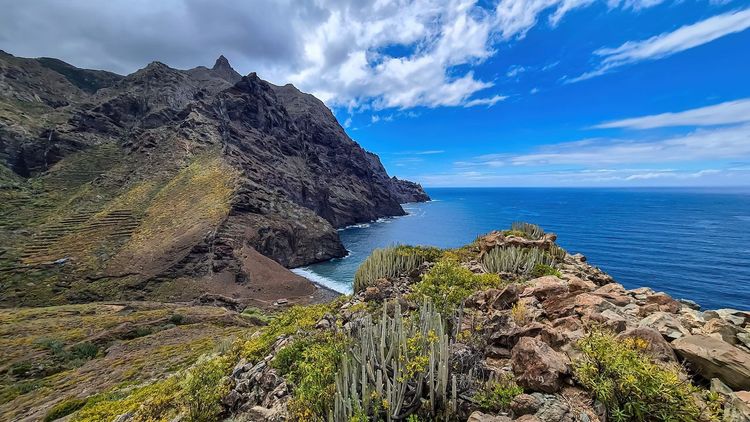
At the north-eastern tip of the island, Anaga Rural Park protects one of the last laurel forests (laurisilva) in Europe, a remnant of the subtropical vegetation that covered the Mediterranean basin millions of years ago. Listed as a UNESCO biosphere reserve in 2015, this massif of sharp ridges plunging directly into the Atlantic is explored at a different pace: narrow, winding roads, tiny villages, and mist clinging to the summits from late morning onwards.
The Iconic Hikes of the Massif (Roque de Taborno, El Pijaral)
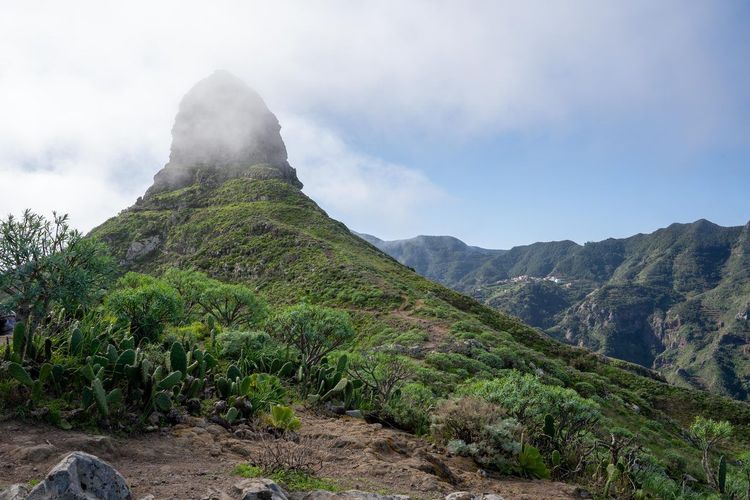
The Roque de Taborno, a rocky sugarloaf dominating the hamlet of the same name, offers one of the most photographed views in the massif. The El Pijaral integral nature reserve, a particularly dense and humid laurel forest, can only be visited with a free permit requested from the Cabildo, with a limited number of daily spots. More experienced hikers often combine the trail linking Cruz del Carmen to the cave dwellings of Chinamada, or the one that descends from Afur towards Taganana through terraced fields.
Playa de Benijo and Punta del Hidalgo
The Playa de Benijo, a black-sand beach battered by waves, owes its reputation to the Roques de Anaga, sea stacks that stand out on the horizon at sunset. Swimming is not recommended for weak swimmers due to the currents, but the atmosphere at the end of the day, with surfers and small fish restaurants from Almáciga, makes the journey worthwhile.
At the other end of the massif, Punta del Hidalgo (Punta del Hidalgo, 38240 La Laguna) marks the northernmost tip of the island with its modern lighthouse and natural pools carved into the volcanic rock. The village retains the atmosphere of a fishing settlement, far from the bustle of the south, and is also the starting point of the coastal trail to Chinamada.
The Viewpoints of Anaga
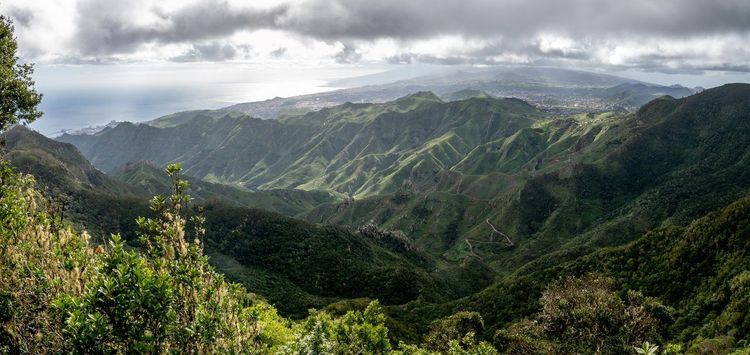
The Mirador Pico del Inglés (Mirador Pico del Inglés, 38293 La Laguna, rated 4.7/5 on Google based on 4,434 reviews) and the Cruz del Carmen viewpoint, both on the TF-12 road, overlook a chaos of green ridges plunging towards the ocean on both sides of the island. Cruz del Carmen also houses the rural park visitor centre, where you can pick up maps and trail condition advice before heading out.
3. Road Trip along the West Coast: Masca, Los Gigantes, and Punta de Teno
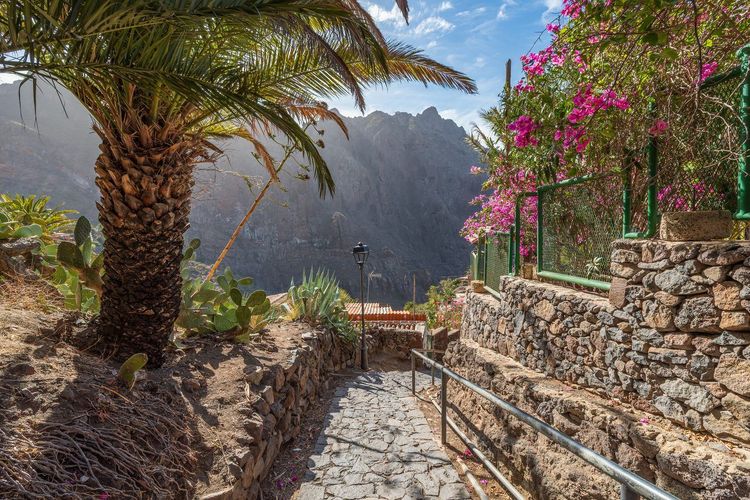
The west coast condenses much of what makes Tenerife's reputation beyond its resort areas: a village perched above a gorge, some of the highest cliffs in Europe, and a wild, wind-battered peninsula. Allow a full day to take in all three stages without rushing, as the road is slow but spectacular.
The Hilltop Village of Masca and Its Gorge
The caserío de Masca, a cluster of houses clinging to the mountainside at around 650 metres altitude, was long the most isolated village on the island, until the tarmac road opened in the early 1990s. The gorge that opens below, hemmed in between walls several hundred metres high, descends to a small cove from which you can leave by boat towards Los Gigantes.
The hike is strictly regulated: advance booking is compulsory on the official website, around 30 euros per adult (15 euros for under-13s), and access is by TITSA bus 355 from Santiago del Teide rather than by car to the village. Check conditions before setting off, as the trail closes in the event of a weather alert.
The Cliffs of Los Gigantes and Boat Trips
The cliffs of Los Gigantes drop sheer into the Atlantic by 500 to 600 metres in places, a wall of black basalt that looks very different depending on whether you admire it from the roadside viewpoint or from a boat below. Most excursions departing from the harbour combine cliff viewing with a cetacean-watching trip, giving you the chance to pass close to the rock face.
The Punta de Teno Peninsula and Its Lighthouse
At the end of the TF-445 road, the Punta de Teno peninsula (Faro de Punta de Teno, 38480 Buenavista del Norte, rated 4.8/5 on Google based on 4K reviews) marks the westernmost point of the island. The small striped lighthouse that crowns it remains, for many visitors, the most beautiful in Tenerife, isolated in a desert landscape where the ocean changes colour with every hour. One important practical note for 2026: since 19 January, roadworks on the TF-445 prohibit all access by car, on foot, or by bicycle, and only bus 369 links the Buenavista del Norte bus station to the lighthouse, in around twenty minutes for 1 euro per journey.
On site, small volcanic coves allow you to swim sheltered from the wind when the swell permits, and a few rental operators from Los Gigantes offer kayak trips along the coast to approach the headland from the sea.
4. San Cristóbal de La Laguna, the UNESCO-Listed Historic Capital
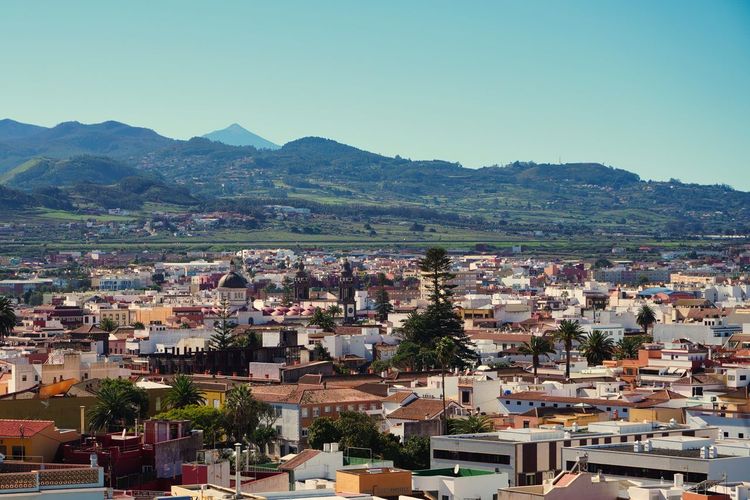
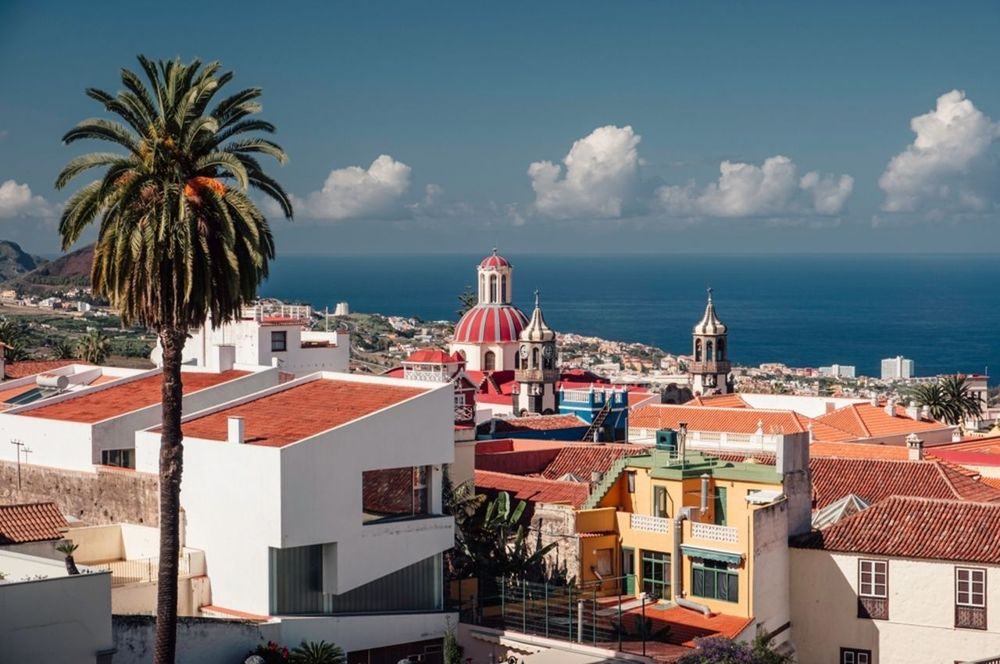
The former capital of the island until 1723, San Cristóbal de La Laguna has preserved a grid street plan laid out at the end of the 15th century, which served as a model for many colonial cities in Latin America — earning it UNESCO World Heritage status in 1999. The pedestrianised streets of the centre, lined with colourful facades and typically Canarian wooden balconies, lend themselves to an unhurried stroll between the cathedral, the convents, and the stately mansions.
A university city, La Laguna lives at a different pace from the rest of the island: the terraces stay busy late into the evening, and the Concepción municipal market, just next to the Plaza del Adelantado, gives a glimpse of local life far from the hotel complexes of the south. Park on the outskirts, as the centre is largely pedestrianised, or come from Santa Cruz by tram — line 1 connects the two cities in under 40 minutes.
A short walk away, the Cathedral of Our Lady of Remedies and the Church of the Conception, whose bell tower can be visited for a view over the city's rooftops, sum up the island's religious history. Allow half a day for the centre, ideally in the morning before the mist from Monte Mercedes descends over the town.
5. Santa Cruz de Tenerife: Between Modernity and Tradition
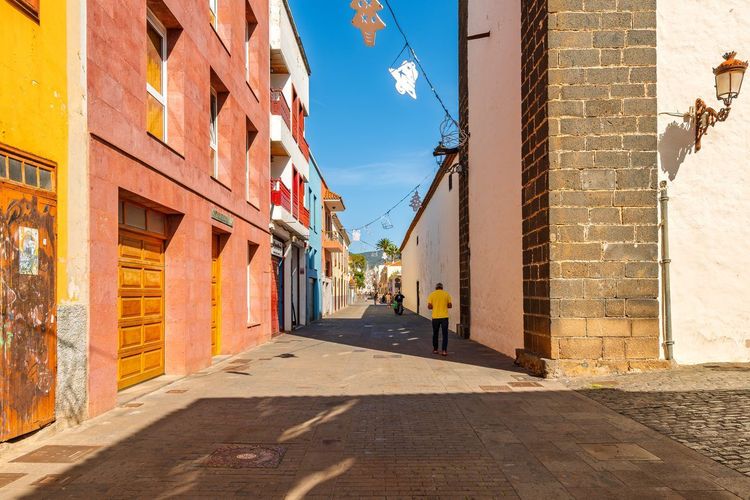
The current capital of the island, Santa Cruz de Tenerife blends a contemporary waterfront with a historic centre that has remained on a human scale. Its port welcomes hundreds of cruise ship calls every year, making it a frequent gateway for visitors arriving by sea.
The Old Centre and Calle Noria
The Calle Noria and the surrounding streets are home to tapas bars, cafés, and colourful facades — a pleasant neighbourhood for a terrace break between sightseeing. The Plaza de España, redesigned in 2008 by Swiss architects Herzog & de Meuron around a large water basin, serves as a landmark from which most of the city-centre sights can be reached on foot.
For a quick lunch, the Nuestra Señora de África market, recognisable by its colonial architecture and its flower-filled courtyard, lines up fish stalls, tropical fruit, and small counters where you can try a barraquito — the local coffee layered with condensed milk, liqueur, and cinnamon. A short distance from the centre, the García Sanabria park offers a shaded break amid modern sculptures and a floral clock, while the TEA (Tenerife Espacio de las Artes), also designed by Herzog & de Meuron, hosts contemporary art exhibitions and a library open late into the evening.
The Tenerife Auditorium
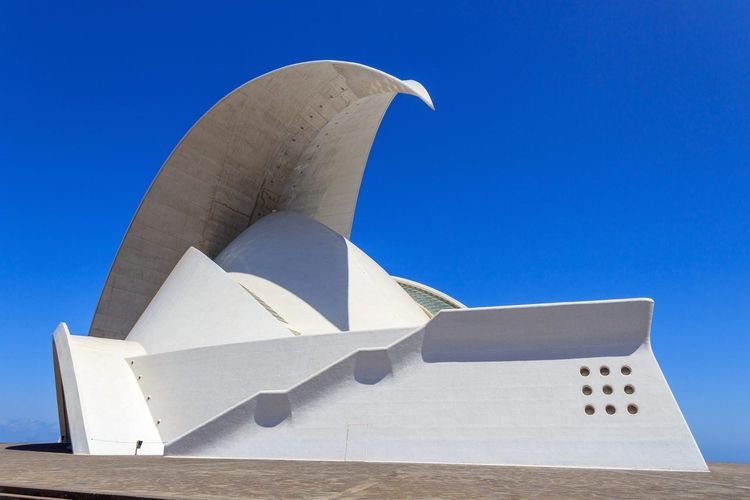
Designed by architect Santiago Calatrava and inaugurated in 2003, the Tenerife Auditorium has become the city's landmark with its white vault shaped like a frozen wave, visible from the entire waterfront. The hall hosts symphony concerts and performances throughout the year, and guided tours allow you to discover the interior even without a ticket.
The Santa Cruz Carnival
Often presented as the second most important carnival in the world after Rio de Janeiro, the Santa Cruz de Tenerife carnival transforms the city for nearly three weeks in February or March, with costumed parades, the election of the carnival queen, and street concerts until the early hours. If you are visiting during this period, book your accommodation several months in advance: the city fills up well before the festivities open.
6. Puerto de la Cruz and La Orotava: the Charm of the Colonial North
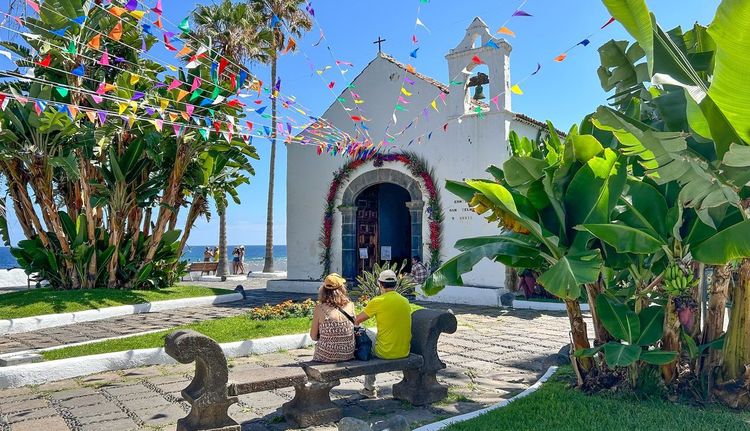
The island's top tourist destination before the south took off in the 1980s, Puerto de la Cruz and its neighbour La Orotava offer a more relaxed face of Tenerife, combining colonial architecture with tropical gardens.
Lago Martiánez and the Seafront
Designed by Lanzarote artist César Manrique and inaugurated in 1977, the seawater pool complex of Lago Martiánez remains a benchmark of landscape design, with its interconnected pools linked by walkways and palm-planted islets. The adjacent seafront, short on natural beaches, makes up for it with a lively promenade lined with fish restaurants.
La Orotava and the Romería Festival
The historic centre of La Orotava, perched above Puerto de la Cruz, lines up manor houses and intricately carved wooden balconies among the finest in the Canary Islands, starting with the Casa de los Balcones. Each year in June, the Romería de San Isidro brings together ox-drawn carts, traditional costumes, and tastings of local produce, a few days after the flower and volcanic sand carpets of Corpus Christi.
To explore these facades in depth, the Ryo audio-guided tour of La Orotava unfolds 16 audio stops over 2.5 km, a one-hour walk between churches, gardens, and balconied houses. Wear comfortable shoes: the streets climb steeply.
Botanical Gardens and the Millenary Dragon Tree
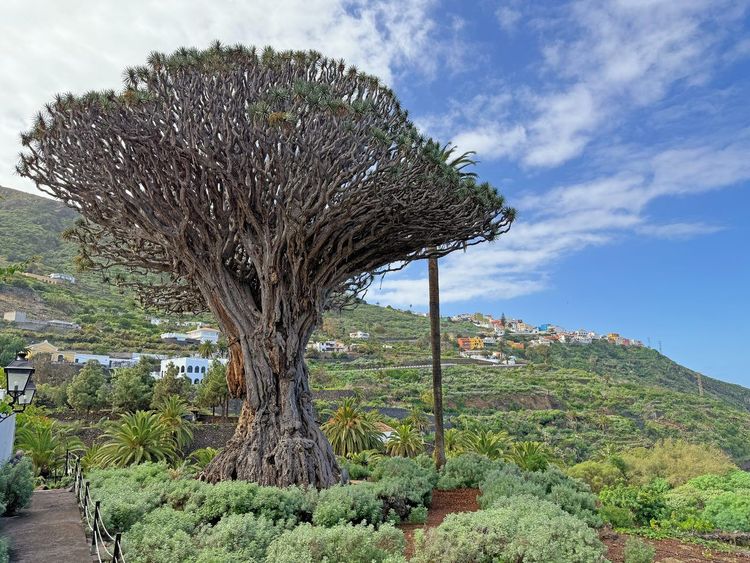
The botanical garden of Puerto de la Cruz, founded in 1788 on the orders of Charles III, was intended to acclimatise tropical species brought back from the Americas before sending them on to the mainland. About 25 km to the west, in Icod de los Vinos, the Drago Milenario (Plaza de San Marcos, 38430 Icod de los Vinos, rated 4.4/5 on Google based on 33,651 reviews) impresses with its dimensions: this dragon tree, estimated to be between 800 and 1,000 years old depending on the source, stands around 18 metres tall with a trunk nearly 10 metres in circumference.
7. The Most Beautiful Beaches in Tenerife
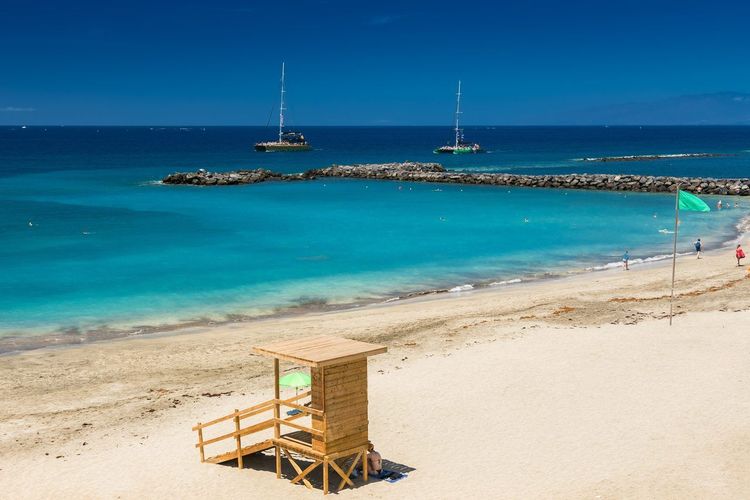
From black volcanic sand in the north to golden sand in the south, Tenerife's beaches alone tell the story of the island's two geological faces.
A day in Garachico is well worth the detour beyond the natural pools. The village, once the island's main port before the eruption, has kept its cobbled alleyways, the small 16th-century Castillo de San Miguel facing the sea, and a convent converted into a cultural centre. Take time for a coffee on the plaza de la Libertad before returning to the coastal road towards Icod de los Vinos.
Black-Sand Beaches in the North (Las Teresitas, El Bollullo)
The Playa de las Teresitas, on the outskirts of Santa Cruz, is something of an exception: its golden sand was imported from Western Sahara in the 1970s to create a family beach protected by a breakwater. Further west, Playa El Bollullo, accessible via a staircase path between Puerto de la Cruz and La Orotava, retains a wild character with its black sand and waves appreciated by local surfers.
Golden Beaches in the South (Playa de las Américas, Playa del Duque, Papagayo)
In the south, Playa de las Américas concentrates the bulk of the beach action, with water sports, beach bars, and a developed seafront. A little further north, in Costa Adeje, Playa del Duque (Playa del Duque, 38660 Costa Adeje, rated 4.6/5 on Google based on 6,036 reviews) stands out for its pale sand and upmarket hotels, while Playa Paraíso and La Caleta offer quieter alternatives. On the Los Cristianos side, the small Papagayo beach and the cove nicknamed Monkey Beach are appealing if you want to escape the crowds without straying far from amenities.
Natural Pools (Garachico, Bajamar, Charco de la Laja)
In Garachico, the 1706 eruption destroyed the historic port but created natural pools carved into the black rock — El Caletón — now one of the most photogenic swimming spots on the island. Further east, the pools of Bajamar follow the same principle, just a few minutes from La Laguna. The Charco de la Laja in San Juan de la Rambla, the Charco del Viento in La Guancha, and the Jóver pools in Tacoronte complete the list, all less busy than the large southern beaches. One tip: these basins fill at high tide and become dangerous in heavy swell — check the flag before entering the water.
8. Theme Parks for the Whole Family: Siam Park, Loro Parque, and Jungle Park
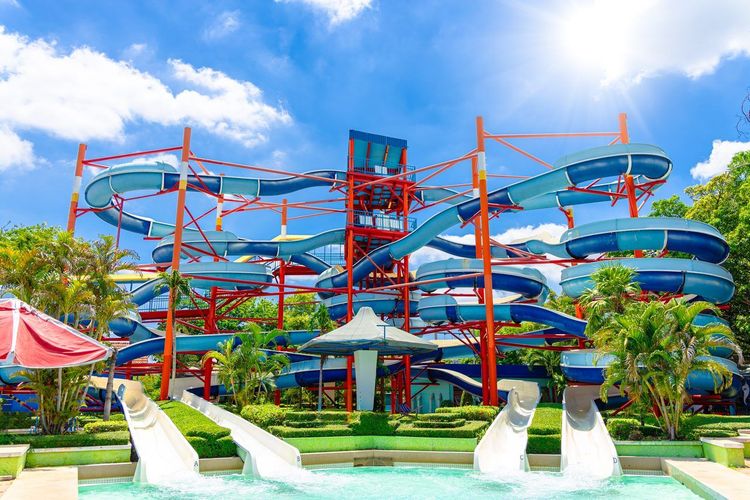
With three internationally acclaimed theme parks, Tenerife goes a long way towards answering the question of what to do in Tenerife with family. Siam Park, in Costa Adeje, has been voted the world's best water park several times by Tripadvisor travellers, with its Thai-themed slides — including the Tower of Power and its near-vertical 28-metre drop — and its lazy river that winds through the site.
In Puerto de la Cruz, Loro Parque (Avenida Loro Parque, 38400 Puerto de la Cruz, rated 4.6/5 on Google based on 102,065 reviews) combines a zoo, an aquarium, and shows featuring orcas, dolphins, and sea lions, set on grounds planted with palm trees; its parrot collection, one of the largest in the world, gave it its name. Finally, Jungle Park Las Águilas, near Arona, focuses on free-flight bird of prey shows and suspended walkways — enough to delight children and parents alike looking for a day less passive than the beach.
9. Whale and Dolphin Watching, Diving, and Water Sports
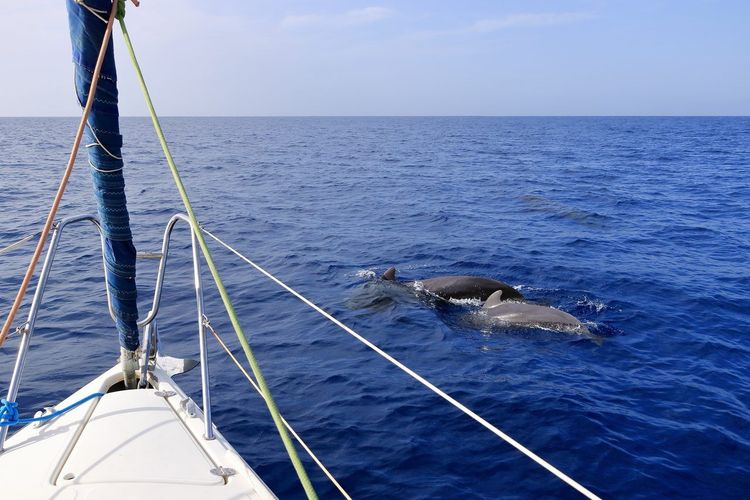
The waters between Tenerife and La Gomera are home to one of the world's rare resident populations of pilot whales, present year-round, which explains the high concentration of excursions departing from nearby ports.
Whale and Dolphin Watching off Los Gigantes
Trips departing from Los Gigantes or Puerto Colón regularly encounter pilot whales and bottlenose dolphins within thirty minutes of sailing. Opt for boats displaying the "Barco Azul" label, awarded by the Canarian government to operators who respect approach distances.
Diving, Snorkelling, and Kitesurfing at El Médano
The volcanic seabed of the south-west coast, around Punta Blanca and Tabaiba, attracts divers and snorkellers for its drop-offs, turtles, and shoals of fish. Further south-east, El Médano (Playa de El Médano, 38612 Granadilla de Abona, rated 4.5/5 on Google based on 9,268 reviews) is renowned across Europe for its consistent trade winds, making it one of the best kitesurfing and windsurfing spots in the Canary Islands, with schools catering to all levels.
If you have never dived before, introductory dives take place at shallow depth from the beach at Las Galletas or Los Cristianos, with centres providing all equipment. For certified divers, the Meridian wreck off Tabaiba and the ray colonies at Abades are among the most sought-after dives.
Surfing and Golf for Thrill-Seekers
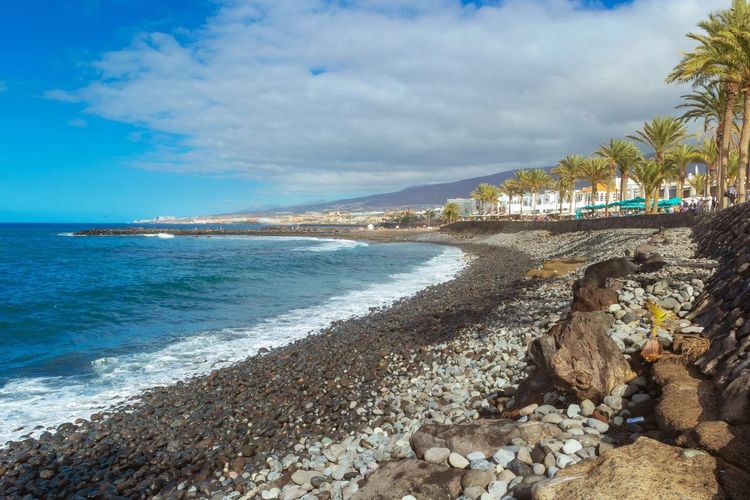
For surfing, the south offers the most consistent winter waves around Playa de las Américas, where schools welcome beginners, while the north (Almáciga, Punta del Hidalgo, El Bollullo) reserves more demanding spots. For golf, several courses line the Costa Adeje coast with ocean views, and in the north, the Real Club de Golf de Tenerife, in Tacoronte, is one of the oldest in Spain, having been founded in 1932.
10. Unusual Natural Sites: Pyramids, Caves, and Nature Parks
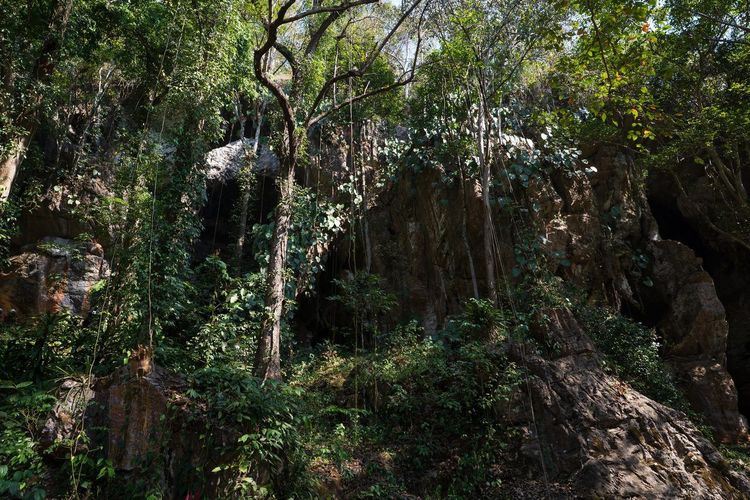
Four sites, often overlooked by general travel guides, allow you to venture off the island's most beaten tracks.
The Pyramids of Güímar
The pyramids of Güímar are six stepped structures made of volcanic stone, aligned with the solstice, whose origin remains debated between simple 19th-century agricultural terraces and an astronomically significant site. Norwegian explorer Thor Heyerdahl saw in them a possible parallel with the pyramids of pre-Columbian America and founded the ethnographic park surrounding them in 1998 — a hypothesis since largely qualified by archaeologists. The park, open daily from 10am to 6pm, adds an exhibition and a botanical garden to the visit.
La Cueva del Viento
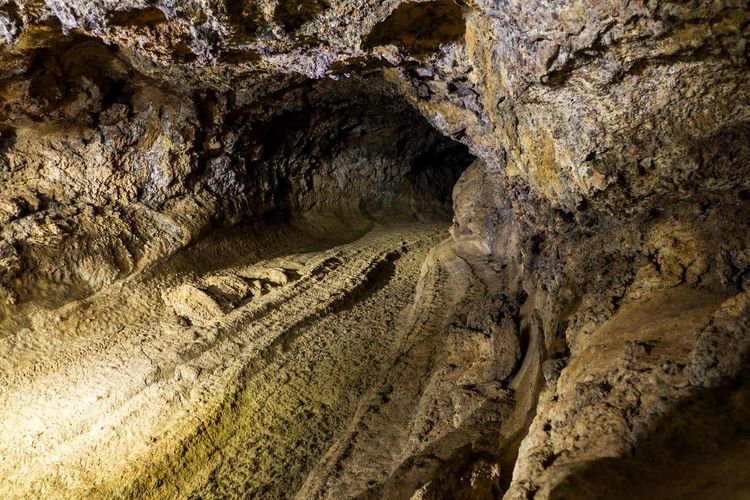
In Icod de los Vinos, the Cueva del Viento (Calle Los Piquetes 51, 38430 Icod de los Vinos, rated 4.7/5 on Google based on 4,746 reviews) is among the longest known lava tubes in the world, with more than 18 kilometres mapped, formed around 27,000 years ago during an eruption of Pico Viejo. The visit, guided only and by reservation, follows a secured section of the underground network: wear closed-toe shoes, as the ground is uneven.
Teno Rural Park and the Corona Forestal
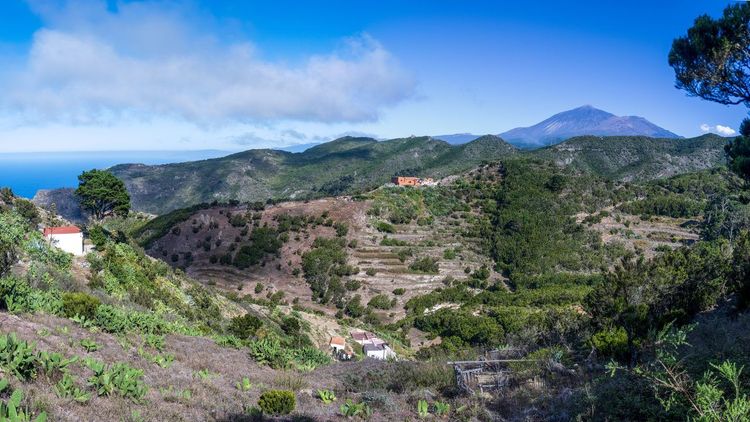
Above Masca, the Teno Alto plateau, at the heart of Teno Rural Park, offers hikes across a wind-swept agricultural upland where goats and cows still graze. All around the Teide, the Corona Forestal Natural Park, the largest protected area in the Canary Islands, encircles the volcano with a forest of Canarian pines capable of regenerating after a fire thanks to their thick bark.
Candelaria and the East Coast
On the road to Güímar, the small town of Candelaria is home to the basilica that houses the statue of the Virgin of Candelaria, patron saint of the Canary Islands, whose discovery by Guanche shepherds in the 14th century remains one of the island's founding stories. In the square facing the ocean, nine bronze statues represent the mencey, the Guanche kings who ruled the nine territories of Tenerife before the Castilian conquest, completed in 1496. Every 14 and 15 August, thousands of pilgrims converge on foot towards the basilica, sometimes from the other end of the island.
11. Tasting the Local Gastronomy and Immersing Yourself in the Culture

Local cuisine is built around simple ingredients: papas arrugadas, small potatoes cooked in heavily salted water, are enjoyed with mojo rojo (chilli, garlic, paprika) or mojo verde (coriander, garlic). Gofio, a flour made from roasted grains inherited from the Guanches, remains omnipresent, while the island's goat cheeses feature on every table.
On the wine front, Tenerife has five denominations of origin, including Tacoronte-Acentejo in the north-east and Ycoden-Daute-Isora around Icod de los Vinos, built on grape varieties such as listán negro, grown on volcanic soils spared by phylloxera. To taste these wines in context, nothing beats a guachinche — those often temporary family taverns that serve wine from their own production alongside hearty dishes at low prices. The best atmosphere is found on weekdays, in the hills of the north, where the clientele remains largely local.
Want to add another island to your stay? Ferries from Los Cristianos reach La Gomera in around fifty minutes, making it possible to plan a day trip to the Garajonay forest, also a UNESCO World Heritage Site. Book the crossing the day before in high season.
12. What to Do in Tenerife for Free
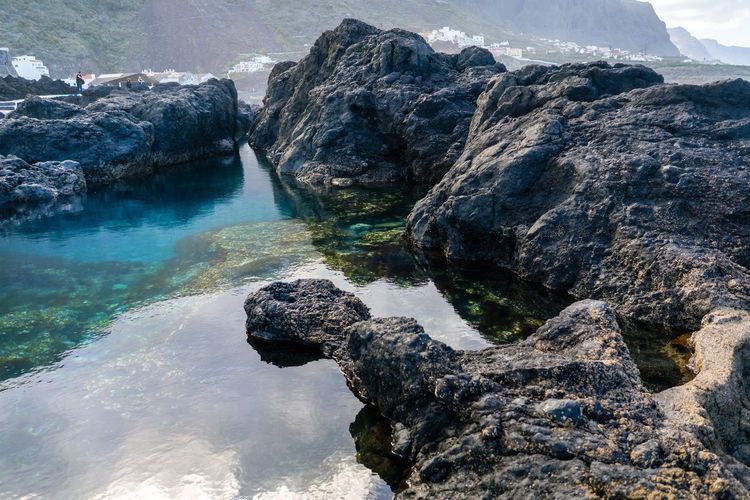
Good news for your budget: a large part of the island can be visited without buying a ticket. The viewpoints of the Teide and Anaga are free, as is the Roques de García hike or a stroll through the alleyways of San Cristóbal de La Laguna. The beaches and natural pools of Garachico or Bajamar are freely accessible all year round.
Add the historic centre of Santa Cruz, the waterfront of Puerto de la Cruz, and the streets of La Orotava, which you can explore at your own pace with the Ryo audio guide of the town. Only organised activities (cable car, theme parks, boat trips, Masca gorge) require spending, leaving plenty to fill several days without paying a single entry fee.
13. What to Do in Tenerife with Family
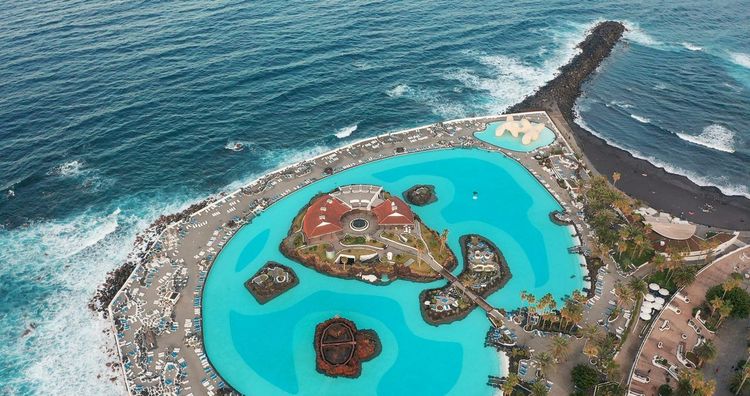
The three theme parks remain the safe bet for keeping young and old entertained for a full day, but Tenerife also offers gentler options. Protected beaches such as Las Teresitas, with its wave-breaking breakwater, or the Lago Martiánez pools are better suited to young children than wave-exposed beaches.
The cable car up to La Rambleta impresses children without requiring any effort (note that it is not recommended for children under 3 due to the altitude), and a cetacean-watching trip from Los Gigantes often turns out to be the most memorable experience of the holiday. The short loops around Cruz del Carmen in Anaga round off the options if you want to enjoy nature without a demanding hike.
Another option popular with families: semi-submersible or glass-bottom boat trips from Puerto Colón, which allow younger visitors to observe fish without getting wet. And for a culturally oriented day suited to children, the Museum of Nature and Archaeology in Santa Cruz displays Guanche mummies and a reconstruction of life on the island before the conquest — a good way to bring meaning to the legends heard around the Teide.
14. When to Go and How Long to Spend in Tenerife
When to Go to Tenerife?
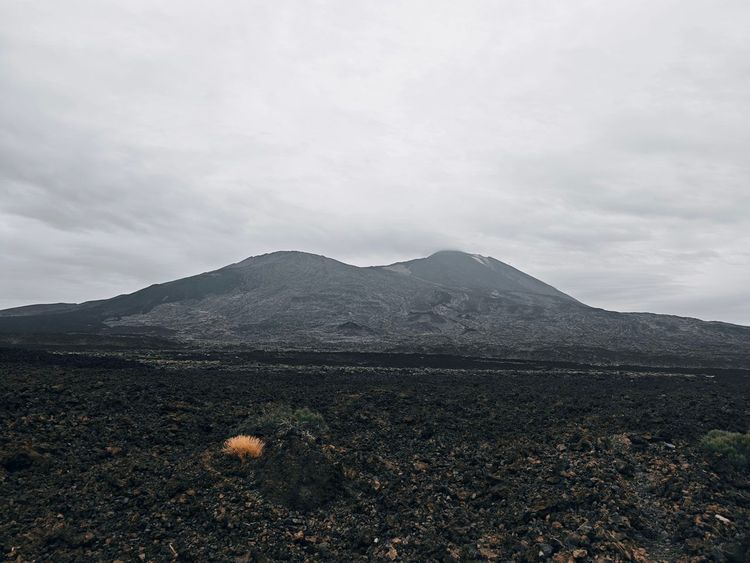
Thanks to its climate nicknamed the "eternal spring", Tenerife can be visited year-round, with temperatures in the south generally ranging between 18 and 26 degrees. The months of March to May and September to November offer the best compromise between moderate crowds and ideal conditions for hiking, particularly on the Teide trails. Winter remains very popular with European travellers escaping the cold, with snow possible on the higher slopes of the volcano.
How Long Should You Plan to Stay?
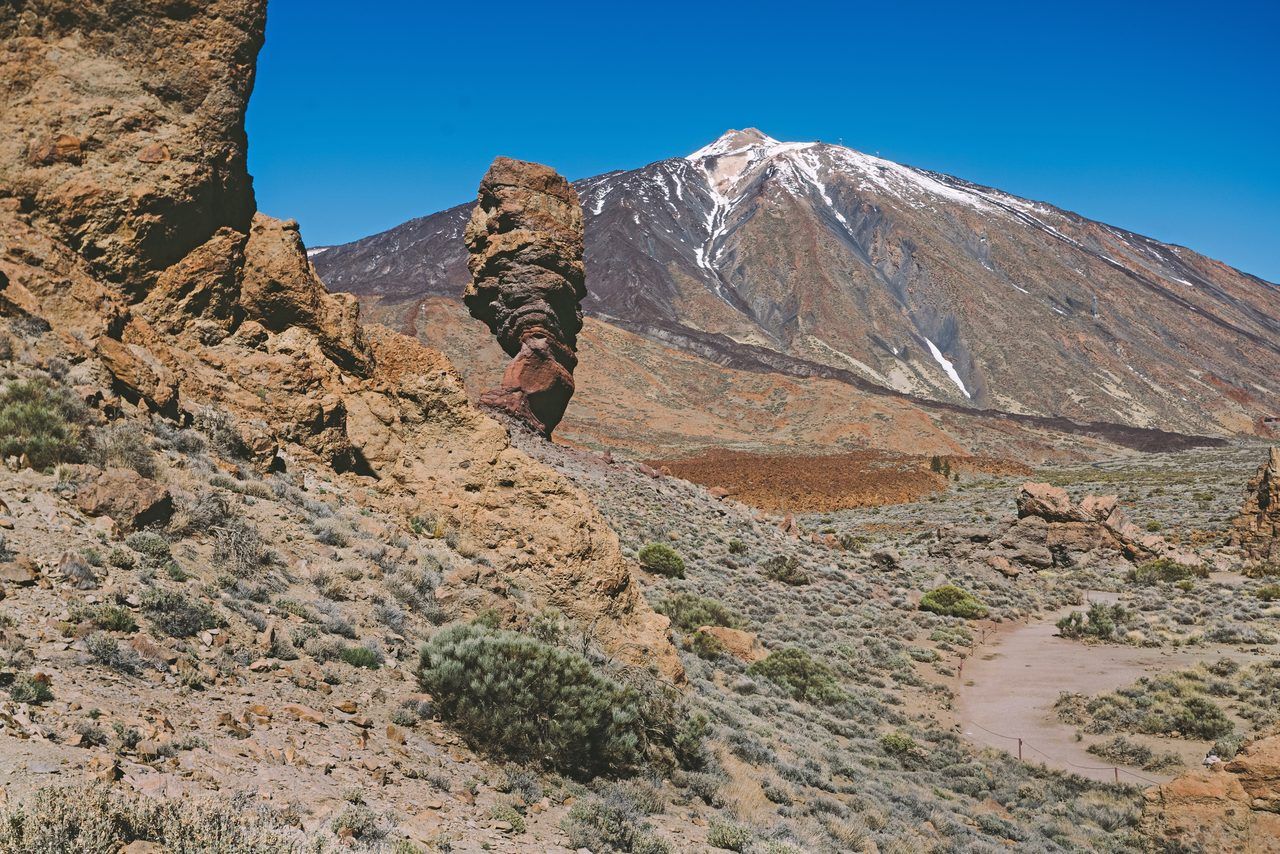
To cover the highlights of this guide, allow a minimum of five days: two days for the Teide and the north, one for the west coast, one for Anaga, and a final one for the southern beaches. Visiting Tenerife over a week allows for a more comfortable pace, with room for water sports or a theme park, while ten days permit genuinely restful days.
15. Getting Around, Where to Stay, and Budget to Expect
How to Get to and Around Tenerife
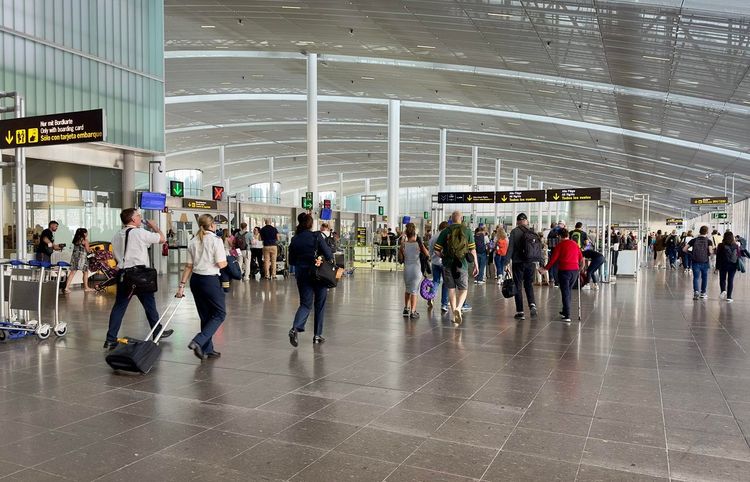
The island has two airports: Tenerife North, at Los Rodeos near La Laguna, mainly serving inter-island and domestic flights, and Tenerife South, Reina Sofía, which handles the bulk of international and low-cost flights. The TITSA bus network, efficient between major towns, becomes limited for reaching isolated sites, although dedicated lines now serve Masca (355) and Punta de Teno (369).
Renting a Car or a Campervan
Do you need to rent a car in Tenerife? If you genuinely want to explore the west coast, Anaga, and the inland villages, yes: public transport does not serve these areas with sufficient frequency. Book your vehicle in advance during high season, as prices can double on the spot due to lack of availability. Campervans are growing in popularity among visitors who combine transport and accommodation, but wild camping is prohibited — check authorised areas before setting off.
Where to Stay Depending on Your Plans (North, South, West)
Where to stay in Tenerife depends mainly on the type of holiday you are looking for. The south, around Costa Adeje and Playa de las Américas, concentrates the hotel complexes and suits a beach holiday close to Tenerife South airport. The north, between Puerto de la Cruz and La Laguna, offers a more authentic setting and better bases for exploring the Teide and Anaga. On the west coast, staying near Los Gigantes or Buenavista del Norte allows you to radiate out towards Masca and Punta de Teno, while Punta del Hidalgo appeals to those seeking the tranquillity of a fishing village.
One final practical tip: if you are based in the north and visiting the south for the day, the TF-1 motorway connects Santa Cruz to Costa Adeje in around an hour outside rush hour, while the TF-5 serves the north. Avoid peak traffic times around Santa Cruz and La Laguna, where congestion builds significantly on weekdays between 7:30am and 9am and again in the late afternoon.
What Budget to Expect
For a week for two, budget broadly between 900 and 1,500 euros excluding flights, covering mid-range accommodation, car rental, meals, and two or three paid activities such as the cable car or a theme park. Booking your flights several months in advance, especially for the carnival or school holidays, can significantly reduce the bill. To complete your planning, our article on the must-sees of Tenerife suggests further itineraries.
FAQ
How many days do you need to visit Tenerife?
Five days are enough to cover the Teide, the west coast, Anaga, and a beach day. Visiting Tenerife over a week is, however, the most comfortable option, especially if you add a theme park or a boat trip.
Can you climb to the summit of Mount Teide?
Yes, with a free permit issued by the national park for trail 10 from La Rambleta, which should be requested one to two months in advance. An overnight stay at the Altavista refuge also includes this permit. Without a permit, the cable car already takes you up to 3,555 metres.
Do you need to rent a car in Tenerife?
To explore the west coast, Anaga, and the inland villages, yes: these areas are poorly served by buses. For a beach holiday limited to the south, a car remains optional but useful for occasional day trips.
Which airport should you fly into in Tenerife: south or north?
Tenerife South handles the majority of international flights and is close to the resort areas. Tenerife North is a better option if your accommodation is around La Laguna, Santa Cruz, or Puerto de la Cruz.
Is it safe to travel solo in Tenerife as a woman?
Yes, Tenerife ranks among the safest destinations in Spain for solo travel. The usual precautions apply at night in quieter areas, and the remote trails of Anaga or the west coast are best walked during the day, with your itinerary shared with someone.
What budget should you plan for a week in Tenerife for two?
Between 900 and 1,500 euros excluding flights for a couple, including mid-range accommodation and car rental. This budget varies considerably depending on the season and the level of comfort chosen.
Tenerife: an Island to Shape Around Your Own Desires
Tenerife lends itself equally well to a beach holiday and a demanding road trip between volcano, cliffs, and hilltop villages — provided you venture at least a little beyond the airport-hotel-beach triangle of the south. Book early what needs booking (Teide permit, Masca gorge, Altavista refuge), keep a free day for the unpredictable weather of Anaga, and leave the rest to improvisation.
In the north, make a stop in La Orotava: the Ryo audio guide of the town tells the story of its noble families, its balconies, and its flower carpets across 16 stops — just enough time for a one-hour stroll before heading back on the road to the Teide.