
Créé par Romane, le 4 oct. 2026
Votre guide Ryo
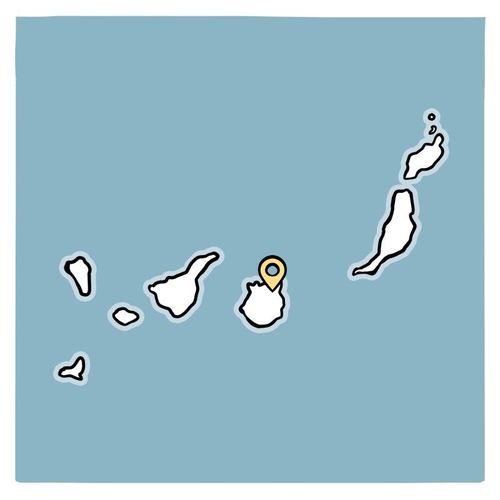
Las Palmas, Spain
Eternal spring
Parcours audioguidé pour visiter Las Palmas en 1 jour
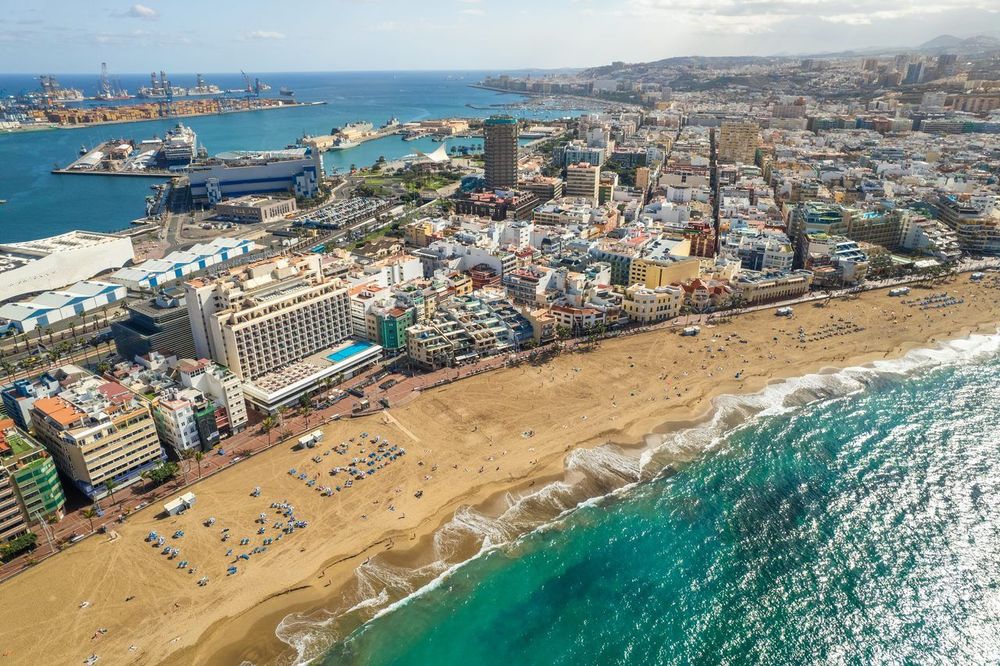
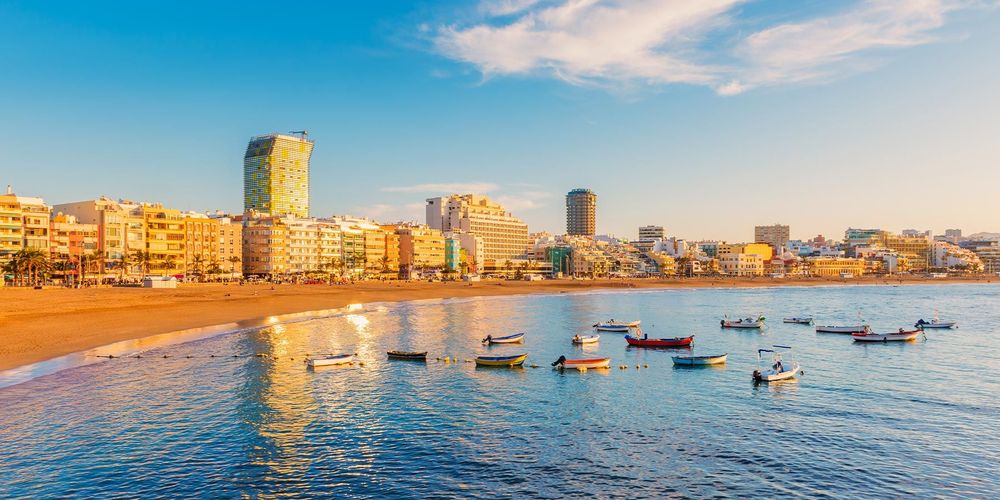
On the Atlantic coast, Las Palmas de Gran Canaria offers a blend of beaches, heritage, and a lively atmosphere all year round. With its historic districts, local culture, and relaxed lifestyle, the city embodies the spirit of the Canary Islands.
Quand partir à Las Palmas ?
Jan.
19°
5
Feb.
19°
4
March
20°
3
April
20°
2
May
21°
1
June
23°
0
July
24°
0
Aug.
25°
0
Sept.
26°
1
Oct.
25°
2
Nov.
23°
3
Dec.
21°
5
Las Palmas is the perfect year-round destination! No matter the season, it’s always a good time to visit. The weather is sunny and mild all year long. In January, the average temperature is around 21°C (70°F), and in August, it reaches about 28°C (82°F). While January, November, and December tend to be a bit rainier, the overall climate makes Las Palmas a great place to explore at any time of the year.
Départ conseillé
No need to worry about where to begin! Our tours are designed as a loop, so you can jump in wherever you are. The navigation system and audio-guide will automatically adjust to your location. However, if you happen to be nearby, we do have a preferred starting point :in Telmo Park
Parking à proximité
San Telmo Triana Parking: Av. Rafael Cabrera, San Telmo Park
Découvrez 19 lieux d'intérêt pour visiter Las Palmas
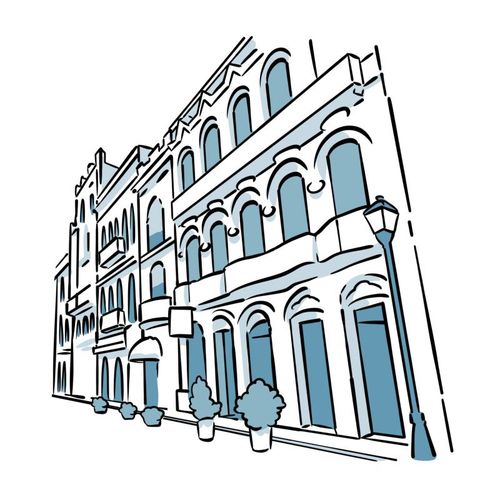
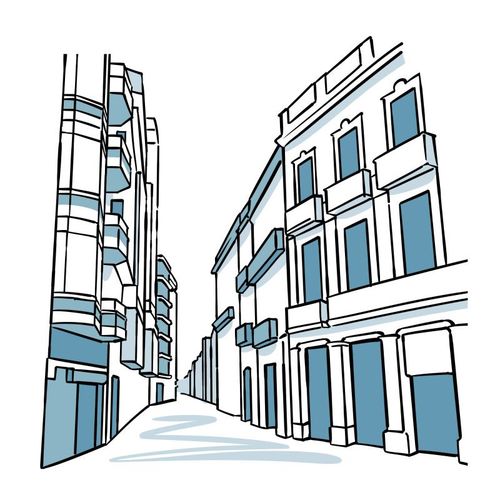

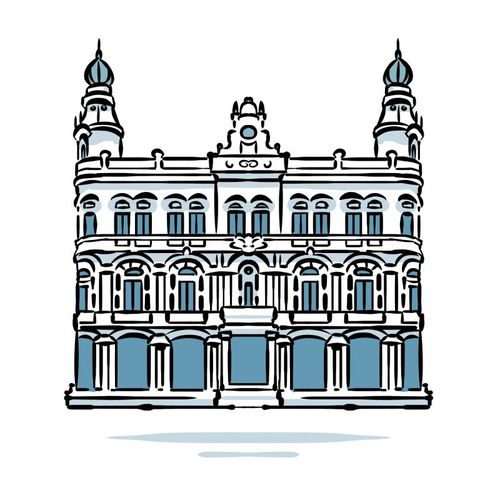
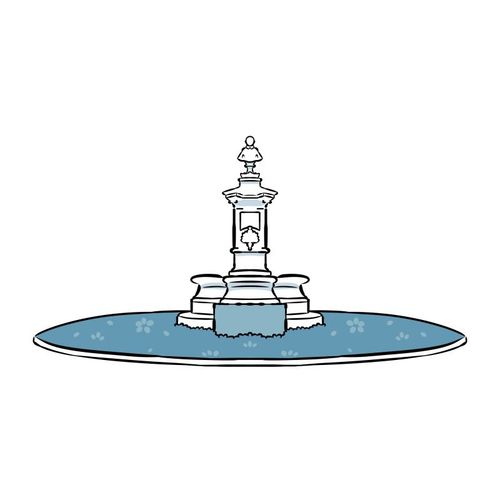



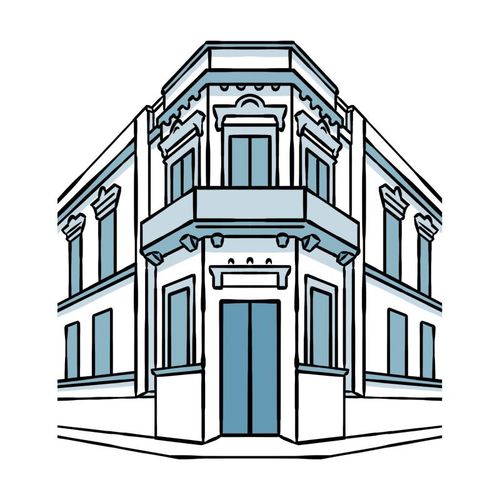
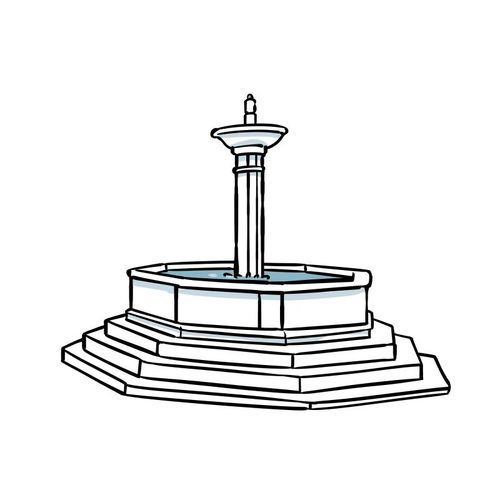
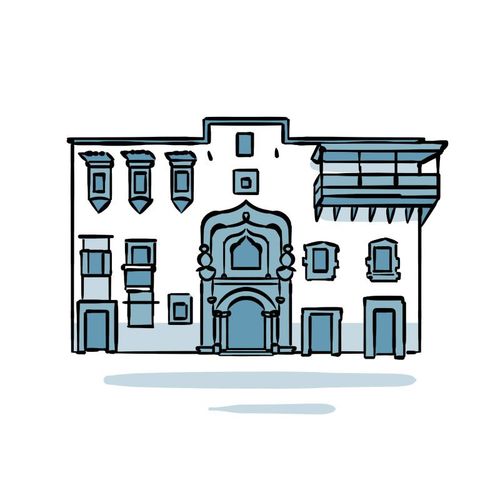





Le plein d'inspirations
Explorez le monde en totale liberté, à pied au cœur des villes ou au fil des routes. Nos guides audios transforment chaque destination en une découverte culturelle immersive et unique.
FAQ for visiting Las Palmas
When is the best time to visit Las Palmas?
Las Palmas is a privileged destination that you can visit all year round thanks to its exceptional climate. Temperatures remain pleasant in every season, generally ranging between 21°C in winter and 28°C in summer. If you prefer to avoid the few rainy days, opt for the period from April to October. The months of January, November and December sometimes see showers, but nothing that prevents you from fully enjoying the city. This climatic stability makes Las Palmas a perfect getaway at any time, whether you're looking for winter sun or summer holidays without excessive heat.
How many days do you need to visit Las Palmas?
To discover the essentials of Las Palmas, ideally allow between three and four days. This time will let you comfortably explore the historic districts such as Vegueta and Triana, enjoy the urban beaches and soak up the local atmosphere. In two days, you'll be able to see the main sites but at a brisk pace. With five days or more, you'll have the leisure to slow down, discover less touristy neighbourhoods and perhaps explore the surroundings of the capital. The Ryo audioguide accompanies you to optimise your walking routes and miss none of the city's hidden treasures, whatever the length of your stay.
How do you get around Las Palmas?
Las Palmas has an excellent public transport network with yellow city buses that efficiently serve the whole city. The historic centre and the main tourist districts are easily explored on foot, which remains the best way to soak up the local atmosphere. For longer distances, notably between Las Canteras beach and the historic centre, the bus is practical and economical. Taxis are also plentiful and remain affordable. If you want to explore the island beyond the capital, car rental becomes worthwhile, but it isn't essential for visiting Las Palmas itself. Cycling is also a pleasant option thanks to the cycle paths along the coast.
What are the main districts to visit in Las Palmas?
Vegueta, the historic heart, transports you to the colonial past with its cobbled alleys and its houses with wooden balconies. Right next door, Triana charms with its Modernist architecture and its lively shopping streets. The Las Canteras district stretches along the emblematic beach, perfect for combining swimming and urban life. Ciudad Jardín charms with its colourful Canarian villas and its peaceful residential atmosphere. Santa Catalina, near the port, buzzes with energy with its restaurants and its nightlife. Each district has its own personality and is worth lingering in. The Ryo audioguide takes you through these different faces of Las Palmas with narrated tours that reveal the history and secrets of each area.
Where can you park in Las Palmas?
Parking in the centre of Las Palmas can prove complicated, especially in the historic districts of Vegueta and Triana where the streets are narrow. You'll find several well-located paid underground car parks, notably near the cathedral and the Vegueta market. Along Las Canteras beach, blue-zone parking spaces are available but very sought-after. The outlying residential districts generally offer more scope for free parking. If your accommodation doesn't offer parking, enquire about the public car parks nearby. Many visitors prefer to leave their car in a long-stay car park and explore the city on foot or by public transport to avoid the hassle of parking.
What are the main attractions in Las Palmas?
Santa Ana Cathedral majestically dominates Vegueta with its blend of architectural styles. The Casa de Colón immerses you in the age of the great discoveries, while the Vegueta market awakens all your senses. Las Canteras beach, considered one of the best urban beaches in Europe, stretches for several kilometres. The Viera y Clavijo botanical garden impresses with its collection of Canarian plants. The Alfredo Kraus Auditorium, set facing the ocean, hosts a varied cultural programme. The Néstor museum celebrates local Modernist art. To discover these must-sees and many other lesser-known treasures, the Ryo audioguide offers narrated itineraries that enrich your visit with anecdotes and historical context.
Can you swim all year round in Las Palmas?
Absolutely, swimming is possible all year round in Las Palmas thanks to the mild temperatures of the Atlantic Ocean. The water generally ranges between 18°C in winter and 23°C in summer, which remains pleasant even during the cooler months. Las Canteras beach, protected by a natural rocky barrier, offers ideal conditions with calm waters over much of its length. The locals swim daily whatever the season, and you'll see surfers enjoying the waves all year round. Wilder beaches such as La Laja or El Confital attract lovers of more powerful waves. This possibility of permanent swimming is one of the great assets of Las Palmas compared to other European destinations.
What are the culinary specialities of Las Palmas?
The gastronomy of Las Palmas reflects its island identity with unique flavours. Papas arrugadas, small wrinkled potatoes cooked in seawater and served with red or green mojos, are a must. Gofio, an ancestral flour of roasted cereals, appears in numerous dishes. Local fish such as vieja or cherne are eaten simply grilled. Sancocho, a salted fish stew, represents the maritime tradition. Don't miss the queso de flor, a cheese unique in the world, or the delicious bienmesabe and frangollo for dessert. The guachinches, small family restaurants, offer the most authentic experience for tasting these specialities in a convivial atmosphere. Canarian cuisine surprises with its simplicity and the intensity of its flavours.
What is there to visit around Las Palmas on the island of Gran Canaria?
The capital makes a good base for day trips into the rest of the island. Close by, the Bandama caldera opens up a huge volcanic crater overlooked from a viewpoint reached by road, with a path leading down to the floor. To the north, Arucas with its imposing dark-stone church, Firgas and its landscaped waterfalls, and Teror, a village of wooden balconies where the island's patron saint is venerated, make for an easy circuit. Inland, the road climbs to mountain villages and to the Roque Nublo, a monolith planted in the heart of the island and reached by a short walk. To the south, finally, the dunes of Maspalomas roll out a sandy landscape reminiscent of a small desert. Intercity buses serve a good share of these sites.
What is the connection between Las Palmas and Christopher Columbus?
Christopher Columbus' ships called at the archipelago during his first voyage west, at the end of the fifteenth century, long enough for repairs and supplies before the Atlantic crossing. The city has made that episode part of its identity. In the Vegueta district, the Casa de Colón occupies a fine group of houses with patios and wooden balconies, built around the former governors' residence where tradition holds that the navigator stayed. Inside you will find old maps, navigation instruments, a reconstruction of a caravel's lower deck and rooms devoted to the links between the Canaries and the Americas. A nearby chapel also recalls his passage. The Ryo audio guide offers a dedicated Las Palmas route that crosses this old quarter.
Vos commentaires, idées et suggestions
Aucun avis pour le moment