





Walk
Eternal spring
Las Palmas, Spain
Walk
Eternal spring
Las Palmas, Spain
3.1 km
Distance
1h15
Durée
19
Audios
Loop
Parcours
Shutterstock
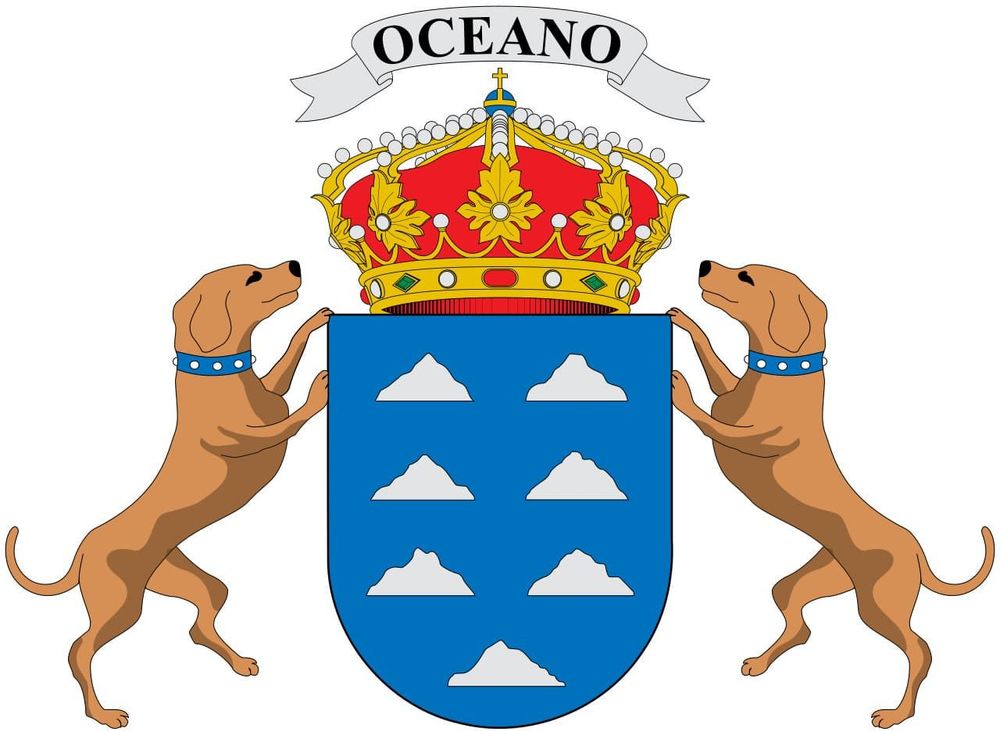
The Las Palmas audio-guided tour here makes an aside to look back at the history of the archipelago, on the way to San Telmo park. A long and singular history, marked by an aboriginal people who long remained apart from the rest of the world.
The Canary Islands have been inhabited since the 6th or 5th century BC by descendants of the Berber peoples of North Africa, called the Guanches. Little known during Antiquity, the archipelago was of little interest to Europe. The Guanches remained the dominant people there for centuries, living from barley cultivation, goat herding, hunting and fishing, speaking their own language and keeping their organisation, without Christian or Muslim religion.
This isolated way of life began to change from the 14th century, with the gradual arrival of Europeans, before the Castilian conquest and the settlement of the Catholic Monarchs in the 15th century. This history, of which the Canarian Museum preserves precious testimonies, sheds light on the identity of the islands and the context of the founding of Las Palmas, born in Vegueta in 1478.
This stage of the tour is a historical perspective, with no specific site to visit. It lends itself to attentive listening on the way to San Telmo park. To go further, the Canarian Museum, in the Vegueta district, presents a rich collection on the Guanches and the history of the archipelago.
Since the 6th or 5th century BC, by the Guanches, descendants of the Berber peoples of North Africa.
The Castilian conquest unfolds from the 14th century and leads to the settlement of the Catholic Monarchs in the 15th century.
Aucun avis pour le moment
