© Shutterstock
 Votre guide Ryo
Las Palmas for Couples: Old Town, Beaches, and Romantic Getaways (2026)
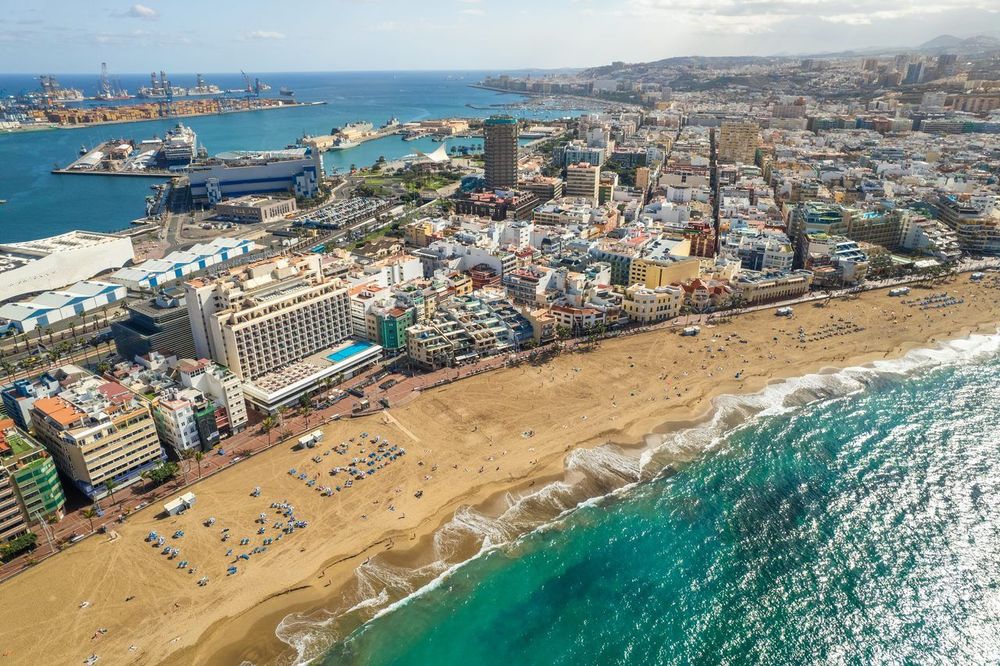
There is something strange about walking hand in hand through the cobbled lanes of Vegueta at the hour when the raking light of late afternoon gilds the colonial facades. You get the feeling that you are the only ones who have worked out that visiting Las Palmas as a couple has nothing to do with a cruise stopover rushed between two pieces of luggage. The capital of Gran Canaria ticks every box for a short break: a historic center founded in the late 15th century and still scaled for pedestrians, a 3-kilometer urban beach sheltered by a natural rock bar, and a volcanic crater about twenty minutes away by car. To enjoy all of this without spending the evening with your nose buried in a map, the Ryo audio guide tour of Las Palmas whispers commentary about the cathedral, the lanes of Vegueta, and the seafront straight into your ears, leaving you free to focus on something other than the GPS.
This guide lays out a complete itinerary: the old town and its covered market where you can share a glass of Canarian wine for a few euros, Las Canteras beach at sunset, the largest botanical garden in Spain, and the Maspalomas dunes in the south of the island. We also include an aquarium with the largest curved glass panel in the world, a few addresses for a dinner overlooking the sea, free tips, the best season to go, and a ferry crossing to Tenerife for couples who enjoy island-hopping mid-trip.
Vegueta, the Historic Heart of the Old Town
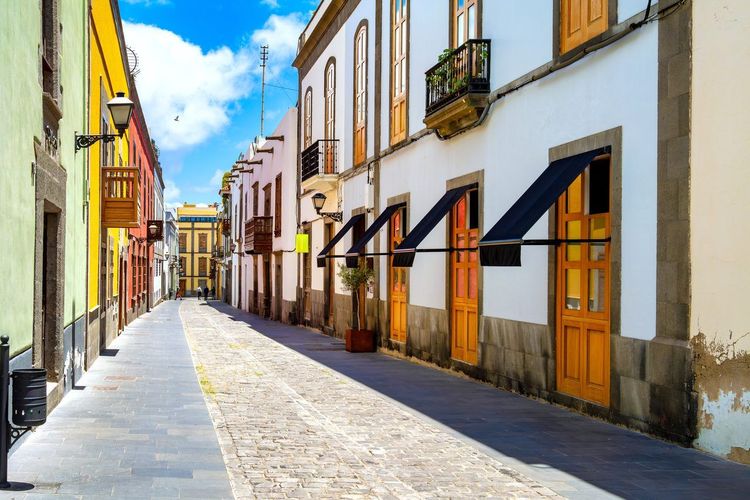
Nestled between the port and the hills, Vegueta is the founding neighborhood of Las Palmas, designated a historic-artistic ensemble in 1973. Everything is walkable in half a day, with no need for a car at any point.
The Cathedral of Santa Ana and the Cobbled Lanes of Vegueta
The Cathedral of Santa Ana has dominated the square of the same name since the late 15th century, even though its neoclassical facade was only completed in the 19th century, after more than three hundred years of construction. The result blends Gothic, Baroque, and Neoclassical elements in a way that pleasantly confuses the eye. Climb one of the towers: the 360° panorama takes in the ochre rooftops of Vegueta, the bay, and the hills of Tafira.
On the square, look for the eight bronze dog statues: they wink at the very name of the archipelago, derived from the Latin canis, meaning dog, and not from canaries as is often assumed. Once night falls, the lanes leading off the square empty of cruise passengers and keep only the sound of shutters being closed and the smell of coffee drifting from inner courtyards.
Casa de Colón and the Museo Canario, Two Neighboring Museums
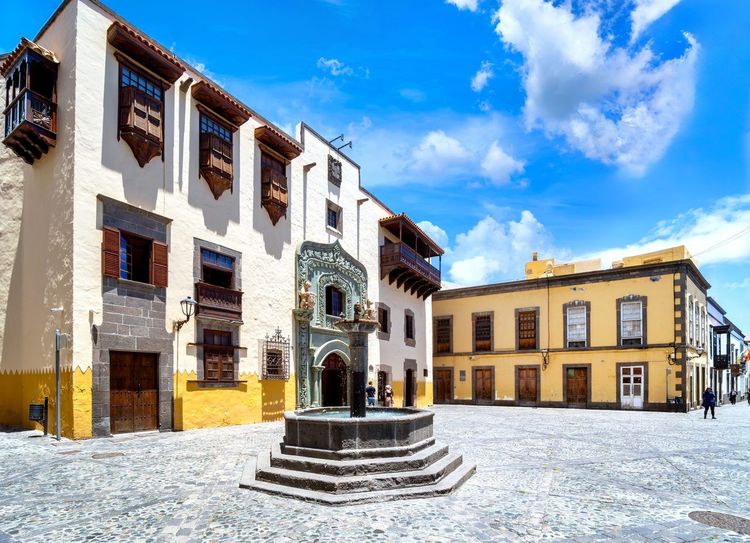
The Casa de Colón occupies the former residence of the island's governors, where Christopher Columbus is said to have stayed in 1492 before crossing the Atlantic. You will come above all for the courtyard, with its carved wooden gallery and tropical plants — one of the most photogenic corners of the old town.
Five minutes' walk away, the Museo Canario holds one of the richest archaeological collections in the archipelago: skulls, pottery, and mummies tell the story of the ancient Canarians, long before the arrival of the Castilians. Allow an hour per museum if you don't want to rush. The Ryo audio guide tells the colonial history of the neighborhood step by step, from the cathedral to the Casa de Colón, with no need to consult a map between stops.
Mercado de Vegueta, a Gourmet Break
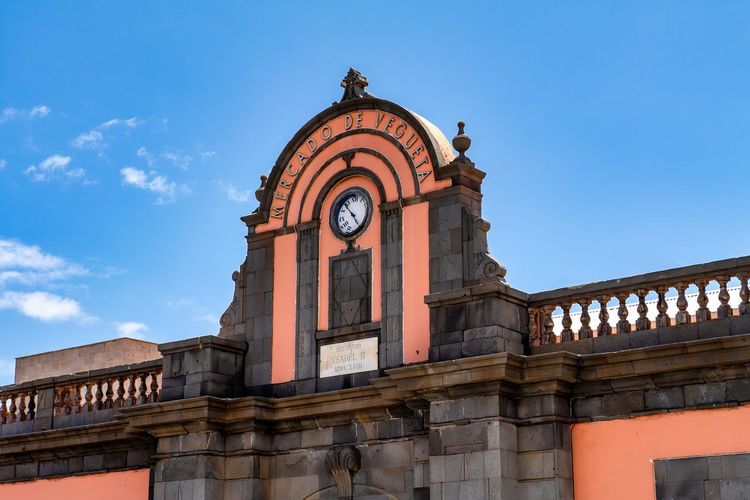
Housed in a 19th-century market hall, the Mercado de Vegueta (Plaza del Mercado, 35001 Las Palmas de Gran Canaria, rated 4.4/5 on Google across 9,360 reviews) brings together stalls of local goat's cheese, fishmongers, and small counters where you can order a glass of malvasía with a tapa for just a few euros.
Avoid Sundays, when the market is closed (it opens in the mornings, Monday through Saturday). On Saturdays, locals do their weekly shopping there, and the atmosphere is noticeably more neighborhood than tourist.
Triana, Santa Catalina, and Las Canteras Beach
Leaving Vegueta, a few minutes' walk north is all it takes to step into a different era and discover the Las Palmas of the early 20th century.
Triana, the Shopping Street and Its Modernist Architecture
The fully pedestrianized Calle Mayor de Triana lines up Modernist facades built in the early 20th century, a legacy of the golden age of port trade. Look up at the wrought-iron balconies and ornate pediments, then take a detour through Plaza Cairasco and the nearby Gabinete Literario.
This is also the best area for shopping: leather goods stores, jewelers, and Canarian designer boutiques follow one another along nearly a kilometer, interspersed with terrace cafés where you can catch your breath for five minutes.
Santa Catalina, Terraces Overlooking the Ocean
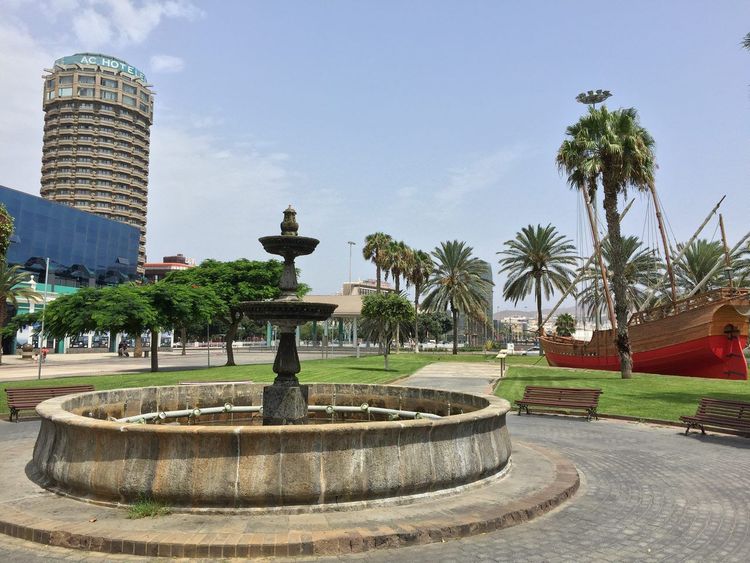
The Parque Santa Catalina acts as a hinge between the city and the port. Its large trees cast welcome shade over the café terraces that surround it, and the Elder Museum of Science and Technology occupies a former port warehouse on one side.
Late in the afternoon, this is where the city has its aperitif: cruise passengers heading back toward the center, chess players, street vendors. The Ryo audio guide accompanies you all the way to this seafront, keeping your hands free for an ice cream cone rather than a map.
Playa de Las Canteras, Sunset over the Atlantic
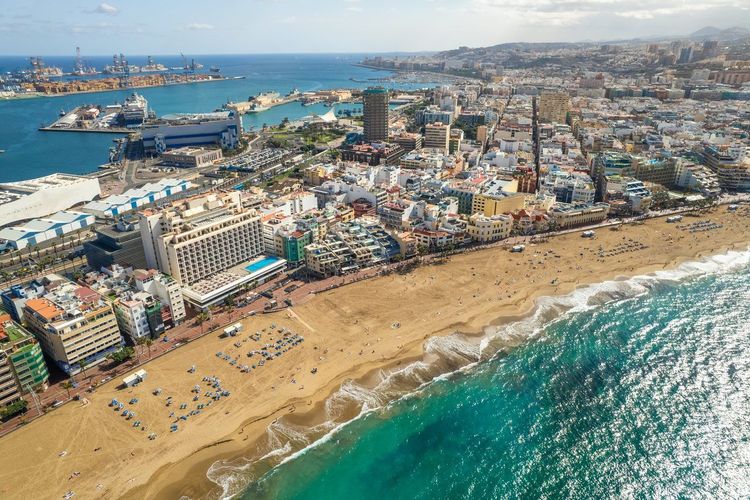
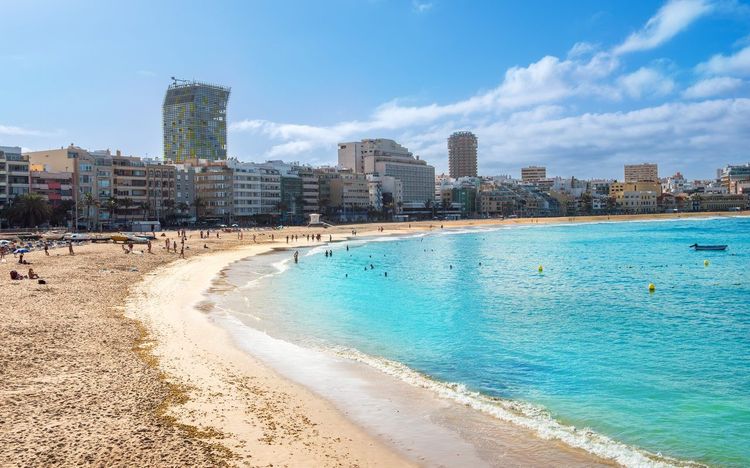
With its 3 kilometers of golden sand, Playa de Las Canteras (Paseo de Las Canteras, 35010 Las Palmas de Gran Canaria, rated 4.7/5 on Google across 259 reviews) regularly ranks among the most beautiful urban beaches in Europe. Its defining feature: a natural rock bar, La Barra, running about 200 meters from the shore and turning a large part of the bay into one vast, calm swimming pool.
Walking barefoot as the sun sets over the Atlantic, with the surfers of La Cícer heading home with their boards under their arms, remains one of the simplest pleasures of the trip. Push on to La Puntilla, the quieter northern tip, favored by locals for a last swim.
The bars along the promenade serve a decent mojito and a stunning view without a three-figure bill.
The Viera y Clavijo Botanical Garden and the Caldera de Bandama, a Nature Escape in the Hills
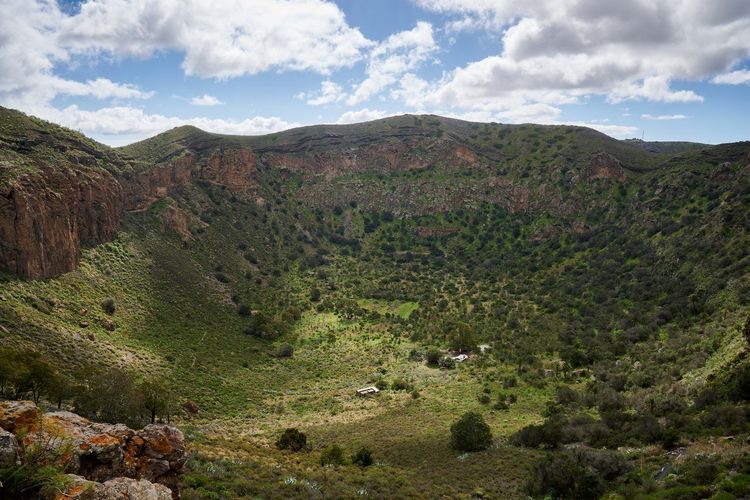
About twenty minutes by car from the center, heading up toward the heights of Tafira, the landscape changes completely: the city gives way to volcanic hills covered in pine trees and vines.
The Viera y Clavijo Botanical Garden, a Stroll Among Endemic Species
Founded in 1952 by Swedish botanist Eric Sventenius, the Viera y Clavijo Botanical Garden spreads across 27 terraced hectares along the edge of the Guiniguada ravine — the largest botanical garden in Spain. You will encounter dragon trees, giant cacti, and above all more than five hundred plant species endemic to the Canaries, some of them threatened with extinction.
The shaded pathways slope gently down toward the bottom of the ravine, a quiet spot where you can sit without seeing many other people on weekdays. Admission is free, making it one of the finest half-days on the island at zero cost.
The Caldera de Bandama, Panoramic Views and a Picnic at the Crater's Edge
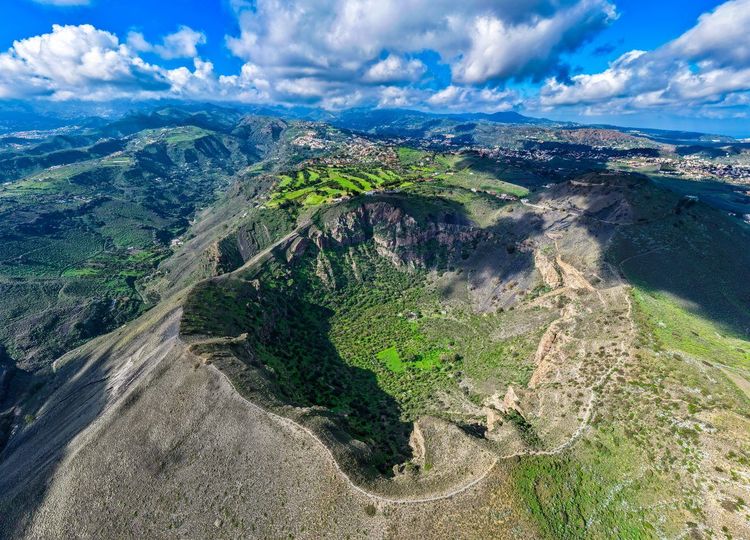
Ten minutes' drive from the garden, the Caldera de Bandama is a crater roughly one kilometer in diameter and more than 200 meters deep. The trail that circles the rim, about 3 kilometers, takes just over an hour to complete. For the view without the effort, head up to the Pico de Bandama viewpoint: from there you can take in a large part of the island, all the way to the coast.
Aim for late morning for the best light, and bring a packed lunch: dining options on site are limited, and the rim offers some of the finest picnic spots in the area.
Day Trips into the Hinterland and the South of Gran Canaria
Gran Canaria can be crossed in just over an hour by car, making it easy to combine several very different landscapes in a single day's rental.
Heading South: the Maspalomas Dunes at Sunset
The Maspalomas dunes form a protected natural area of around 400 hectares of sand that shifts with the wind, with a palm oasis and a late-19th-century lighthouse at the island's southern tip. The atmosphere feels more like a Saharan desert than a beach resort.
Come at sunset, when the ridges turn orange and then violet: it is the image many couples bring home from Gran Canaria.
Mogán and Puerto Rico, the "Little Venice" and Its Coves
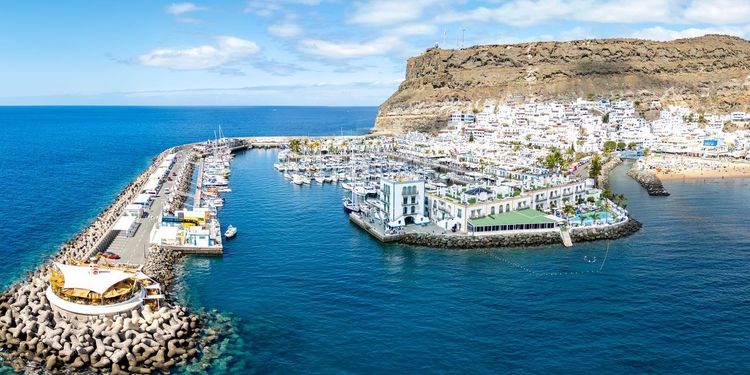
Nicknamed the "little Venice" of Gran Canaria, Puerto de Mogán strings together its canals, bougainvillea-draped bridges, and white houses around a small fishing port that is still active. On Fridays, a market brings the quaysides to life.
About fifteen minutes away, Puerto Rico offers a livelier marina, water sports, and a sheltered beach where the water stays calm almost all year round.
Arucas, Teror, and Guayadeque, Villages and Caves for a Day in Nature
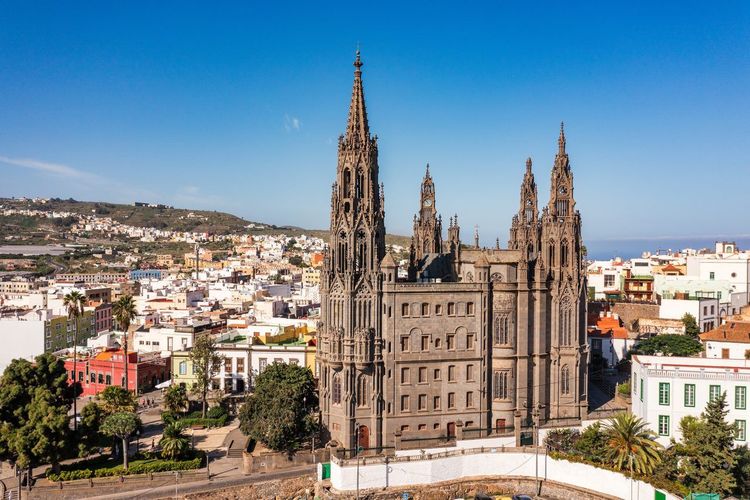
In the north, Arucas is recognizable from afar by its San Juan Bautista church, nicknamed "the cathedral," built in dark volcanic stone in a Neo-Gothic style: begun in 1909, it was not completed until 1977. Right next door, the Arehucas distillery has been producing rum since 1884 and offers a tour followed by a tasting.
In Teror, the basilica of Nuestra Señora del Pino houses the statue of Gran Canaria's patron saint, surrounded by houses with carved wooden balconies. The Sunday market, with its cheeses and artisan bread, is well worth the detour.
Further to the southeast, the Barranco de Guayadeque (35216 Ingenio, rated 4.6/5 on Google across 713 reviews) carves a spectacular ravine where inhabited cave dwellings and restaurants built into the rock still survive. You can continue on to Santa Lucía de Tirajana, dominated by the Ansite fortress, if you enjoy short hikes as much as ancient stones.
Before hitting the road, keep a morning for the old town: with the Ryo audio guide in your ears, you can cover the historic center without pulling out your phone at every corner.
Other Shared Experiences: Vineyards, Poema del Mar, and a Crossing to Tenerife
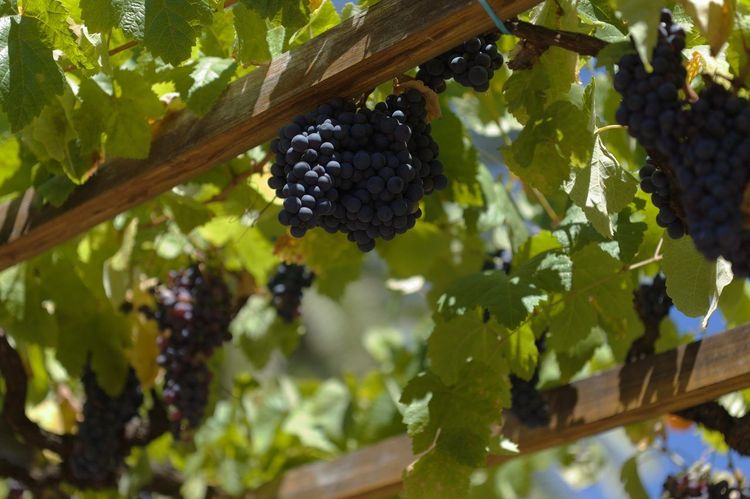
Tasting the Wines of the Canary Islands
Gran Canaria has its own appellation, the DO Gran Canaria, with vines planted on volcanic soils around Monte Lentiscal and Vega de San Mateo. The malvasía grape produces surprising whites here, best paired with queso de flor, a sheep's and cow's milk cheese curdled with thistle flower, or with gofio, the roasted cereal flour that is an emblem of the archipelago. Several bodegas in Monte Lentiscal open their cellars by appointment: ask at your accommodation.
Poema del Mar, an Unusual Aquarium for an Original Outing
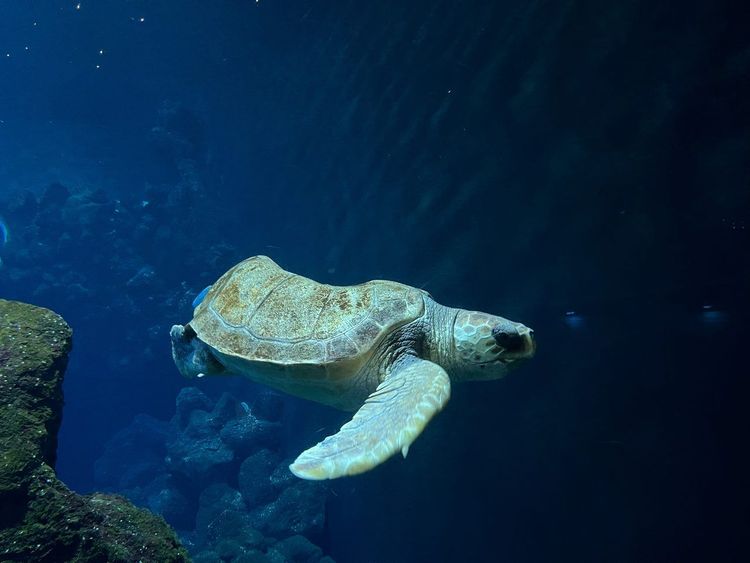
Opened in December 2017 on the harbor, Poema del Mar (Muelle de Santa Catalina, 35007 Las Palmas de Gran Canaria, rated 4.7/5 on Google across 24,951 reviews) unfolds across three zones: the Jungle, the Reef — centered on an enormous coral cylinder — and Deep Sea, where the largest curved glass panel in the world (36 meters long) looks into a tank populated by sharks.
A great option for a grey afternoon or to change pace after several days on the beach. Booking online avoids queues in high season.
A Boat Escape to Tenerife
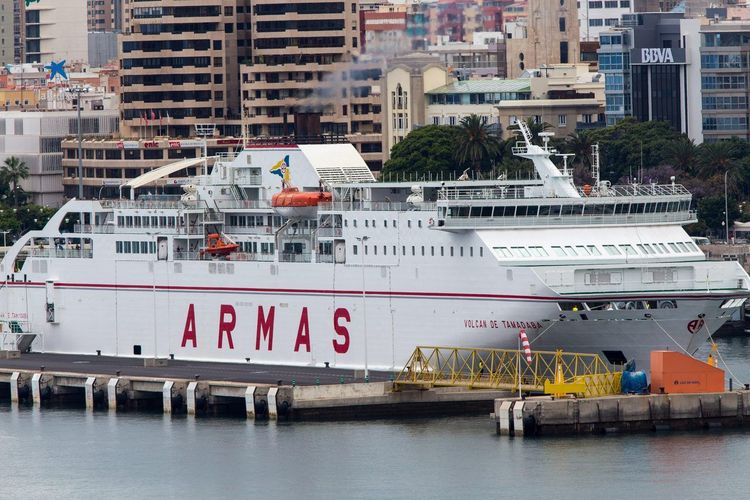
Two options for reaching Santa Cruz de Tenerife. Naviera Armas departs directly from the port of Las Palmas, with a crossing of about 1 hour 40 minutes. Fred Olsen leaves from Agaete, on the northwest coast, in 1 hour 20 to 1 hour 30 minutes, with a free bus shuttle from Las Palmas included in the ticket. Enough to improvise a day between the Anaga massif and the center of Santa Cruz, before returning to sleep on the Gran Canaria side.
When to Go to Las Palmas
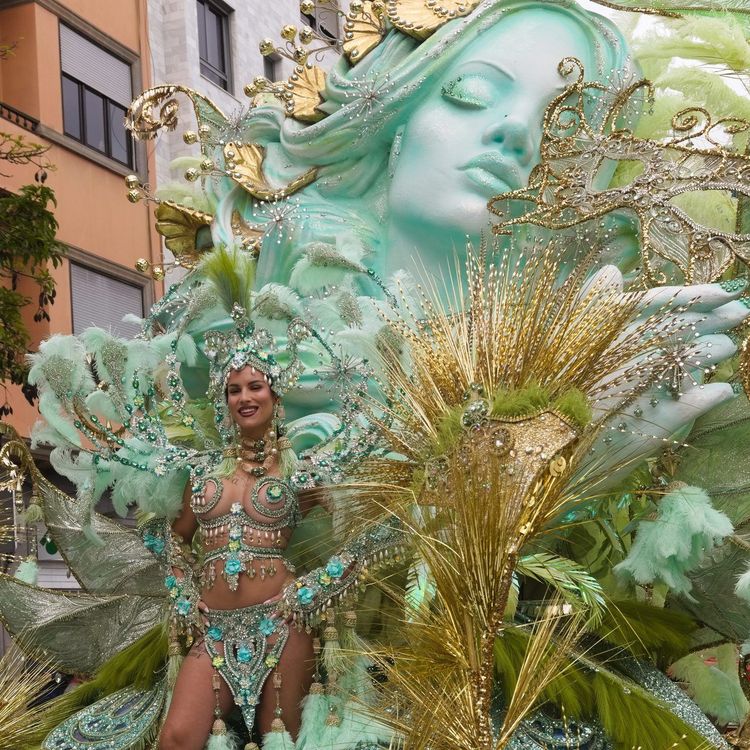
Thanks to the trade winds, temperatures barely fluctuate: expect around 21 degrees during the day in winter and 26 to 27 degrees in summer, which is why the city is nicknamed the city of "eternal spring." Winter, from October to April, remains high season for Europeans seeking sunshine. Spring and autumn offer the best balance of mild weather, prices, and crowd levels. In February, the Las Palmas carnival takes over Parque Santa Catalina: festive, but hotels fill up fast. In summer, a layer of cloud known as panza de burro sometimes covers Las Canteras in the morning; head south instead, where the sun almost always shines.
Budget and Free Activities
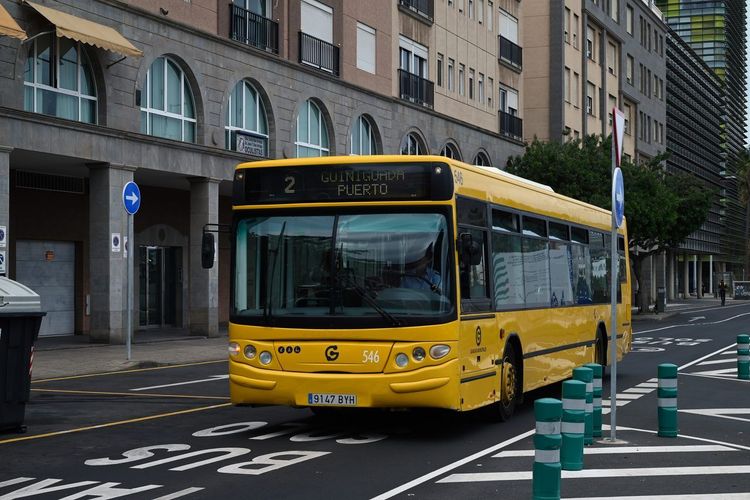
For two people, budget around €100 to €150 per day with mid-range accommodation, two meals, and one paid activity. The local tax, the IGIC, which is lower than Spanish VAT, often makes restaurants and drinks cheaper here than in Madrid or Barcelona. The guaguas, the city buses, drop you anywhere in town for a few euros, and a one-day car rental is enough for day trips.
On the free side, the list is long: the Las Canteras promenade, the lanes of Vegueta and Triana, Plaza Santa Ana and its bronze dogs, the Viera y Clavijo botanical garden, Parque Santa Catalina, and the climb to the Bandama viewpoint. Enough to fill an entire day without opening your wallet, except for an ice cream.
Evenings and Activities for Adults
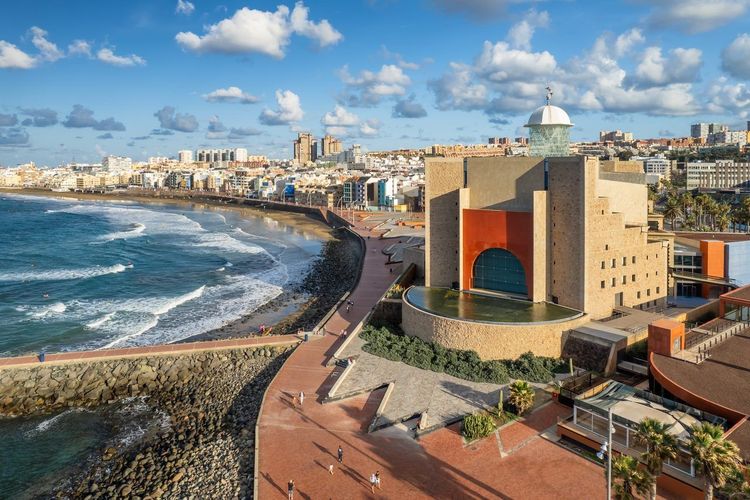
When night falls, Vegueta takes on a different face: the tapas bars on Calle Mendizábal and the surrounding streets fill up with locals, glass in hand on the pavement. For a dressier evening out, the Auditorio Alfredo Kraus, perched facing the ocean at the end of Las Canteras, and the Pérez Galdós Theatre, on the edge of Triana, host concerts and operas throughout the year.
During the day, you can book a surfing lesson for two at the La Cícer spot, or go snorkeling along La Barra, where the calm water lets you see fish and reefs just a few meters from the shore. And to end the evening, nothing beats a final drink on a terrace at La Puntilla.
Canarian Specialties to Try
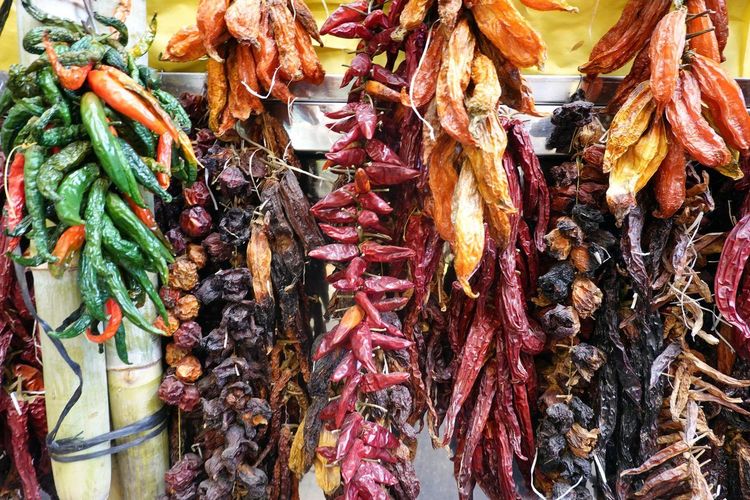
The cuisine of Gran Canaria is simple, generous, and deeply tied to the sea. Sancocho, salted fish served with potatoes, sweet potato, and mojo, remains the Sunday dish of Canarian families. Queso de flor de Guía, a sheep's and cow's milk cheese curdled with thistle flower, is enjoyed in thin slices with a glass of local white wine. For dessert, order a bienmesabe, a honey almond cream, then finish with a small glass of ron miel, the honey rum served almost everywhere as a digestif. You will find all of this at the Mercado de Vegueta or in the traditional restaurants of the hinterland.
Good to Know for a Romantic Stay in Las Palmas
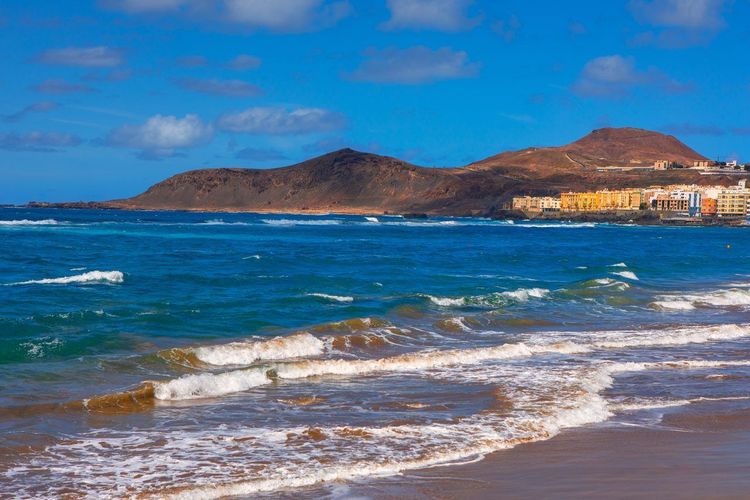
Where to Stay in Las Palmas
Three areas stand out. On the beach side, hotels overlooking Las Canteras offer balconies facing the Atlantic, perfect for breakfast with a view. The historic Hotel Santa Catalina, nestled in Parque Doramas, plays the colonial charm card. In Vegueta, you will find boutique guesthouses in historic buildings — more intimate, but further from the sea.
The Best Tables for a Dinner Overlooking the Ocean
For a dinner overlooking the ocean, head to La Puntilla, known for its fresh fish restaurants. In Vegueta and Triana, several wine bars serve Canarian tapas to share. Papas arrugadas, small wrinkled potatoes served with red or green mojo sauce, remain the island's most emblematic dish — try them at least once with a grilled fish.
Safety, Entry Requirements, and Time Difference
Las Palmas is a safe city for tourists, including in the evenings in Triana and Santa Catalina. Standard precautions are enough: keep an eye on your belongings in busy areas and avoid certain streets near the port late at night.
The Canaries are part of Spain and the Schengen Area: a valid identity card is sufficient for European nationals. They remain, however, outside the European VAT territory, which limits customs allowances on the way home.
As for the clock, the archipelago keeps the same time as Portugal and the United Kingdom, always one hour behind France and mainland Spain, summer and winter alike.



FAQ
Is Las Palmas de Gran Canaria Worth Visiting for a Romantic Getaway?
Yes: the city combines a compact historic center, one of Europe's most beautiful urban beaches, and a volcanic hinterland reachable in under an hour. Its mild year-round climate makes it a destination for every season.
Is Las Palmas de Gran Canaria a Safe Destination for Couples?
Yes, the city has a reputation for being calm and welcoming to visitors. Standard precautions apply in busy areas in the evening, especially near the port, as in any large European city.
What Budget Should You Plan for a Stay in Las Palmas?
Budget around €100 to €150 per day for two, including mid-range accommodation, two meals, and a few activities. The many free attractions help keep costs down.
How Many Days Should You Plan to Visit Las Palmas as a Couple?
Three to four days are enough for the city, Las Canteras beach, and the botanical garden. Add two more days for the Maspalomas dunes, Puerto de Mogán, or inland villages such as Teror and Arucas.
What Free Activities Are There to Do in Las Palmas?
The Las Canteras promenade, the lanes of Vegueta, Parque Santa Catalina, the Viera y Clavijo botanical garden, and the Caldera de Bandama viewpoint cost nothing and can easily fill an entire day.
What Is the Time Difference with the Canary Islands?
The Canaries are one hour behind France and mainland Spain, all year round. They keep the same time as Portugal and the United Kingdom.
All in all, Las Palmas works just as well for a short weekend focused on the old town and the beach as for a longer stay combining volcanoes and a crossing to Tenerife. It is this blend of compact city and accessible hinterland that makes the island so easy to explore, with no car needed in the city center. To connect the cathedral, Triana, and the seafront with audio commentary, the Ryo audio guide tour of Las Palmas is the simplest way to make sure you miss nothing.